
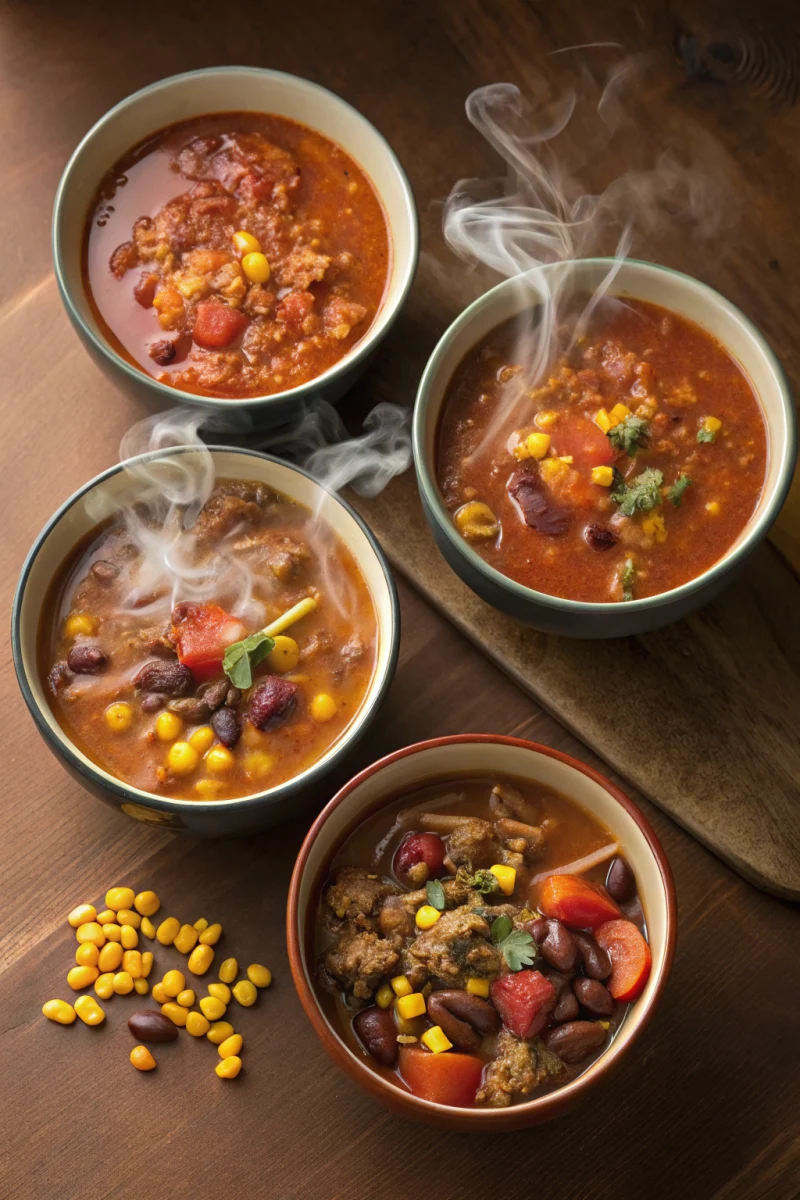
Le Taco Soup, ce réconfort en bol qui réchauffe les soirées d’hiver
Taco Soup est ce plat qui marie gourmandise et réconfort dans une seule assiette. Cette recette détaillée vous dévoile comment préparer la soupe hivernale idéale : généreuse, nourrissante et savoureuse, alliant savoir-faire de chef et simplicité familiale. Bien plus qu’une simple préparation, nous explorerons ici ses origines, sa symbolique culturelle et ses multiples facettes, pour que ce plat s’invite durablement dans votre cuisine. Des ingrédients les plus frais à des astuces de cuisson pointues, ce guide vous accompagne pas à pas pour sublimer votre taco soup et en faire une expérience culinaire mémorable. Laissez-vous guider pour métamorphoser des ingrédients modestes en un mets qui ravit les papilles et réchauffe le cœur.
Why Taco Soup Matters in Winter: More Than Just a Meal
During cold months, the body instinctively craves warmth and sustained energy. Taco Soup offers both, blending nutrient-rich ingredients with a slow-simmered depth that penetrates to the core. It’s not merely a dish; it’s an experience—a culinary embrace that soothes and strengthens at once. The act of making and consuming a warm bowl of soup can be a meditative, soul-satisfying ritual. In winter, our immune systems are often challenged, and a diet rich in vitamins, minerals, and healthy proteins becomes crucial. Taco soup, with its diverse array of vegetables, legumes, and lean meats (if used), provides an excellent source of essential nutrients. Moreover, the high water content helps maintain hydration, which is just as important in cold weather as it is in warm. From classic broths that lay the foundation to creamy textures that add a layer of indulgence, taco soup is a testament to how food can serve both our physical and emotional needs during the colder seasons. Its adaptability allows for endless variations, catering to different dietary preferences and ingredient availability, making it a truly versatile and indispensable winter meal.
Core Ingredients for an Authentic Taco Soup Experience
Creating an exceptional Taco Soup begins with selecting the right core ingredients. Each component plays a vital role in building the soup’s complex flavor profile and robust texture. This meticulous selection ensures a harmonious blend that is both comforting and exhilaratingly flavorful. Here’s a detailed breakdown of the essential elements:
- 1 tbsp olive oil: The cornerstone for sautéing, extra virgin olive oil provides a healthy fat and a subtle, peppery undertone that complements the other flavors. It’s crucial for properly caramelizing the aromatics.
- 1 large onion, finely chopped: Onions are foundational to almost any savory dish. When slowly sautéed, they release natural sugars, creating a sweet and aromatic base that deepens the soup’s overall flavor. The finer the chop, the more evenly it will cook and meld into the broth.
- 2 garlic cloves, minced: Garlic is non-negotiable for its pungent, earthy, and slightly spicy notes. Minced, it infuses the entire soup with its distinctive aroma and taste, adding a layer of complexity without overpowering.
- 2 medium carrots, diced: Carrots contribute natural sweetness and a vibrant color, alongside essential vitamins and fiber. Diced, they soften beautifully during simmering, adding a pleasant texture and enriching the broth.
- 2 celery stalks, sliced: Celery completes the classic mirepoix (the aromatic base of French cuisine, often adapted in other cultures). Its slightly bitter and herbaceous notes provide balance and depth, complementing the sweetness of the onion and carrot.
- 4 cups high-quality vegetable or chicken broth: The broth is the backbone of your soup. Opt for a low-sodium, organic broth, or better yet, homemade. A good broth provides a rich umami foundation that enhances all other ingredients. For chicken broth, choose a good quality free-range or organic option for a richer flavor.
- 1 cup cooked barley or rice: These grains add substance, texture, and sustained energy to the soup. Barley offers a lovely chewiness and nutty flavor, while rice (brown or wild) provides a softer texture and different nutritional benefits. Pre-cooking ensures they don’t absorb too much liquid from the soup during simmering, maintaining optimal consistency.
- Seasonings: Salt, pepper, dried thyme, and one bay leaf to taste: These classic seasonings are essential for enhancing and harmonizing the flavors.
- Salt: Crucial for bringing out the natural flavors of all ingredients. Use sea salt or kosher salt for better control.
- Black pepper: Adds a subtle heat and aromatic complexity. Freshly ground is always best.
- Dried thyme: Offers earthy, minty, slightly floral notes that are quintessential to many comforting soups. Its flavor deepens as it simmers.
- Bay leaf: A secret weapon for infusing a subtle, complex herbal note that develops over time. Remember to remove it before serving.
- 1 (15-ounce) can black beans, rinsed and drained: Black beans are a staple in taco soup, offering a creamy texture, earthy flavor, and a significant boost of plant-based protein and fiber. Rinsing them removes excess sodium and starch.
- 1 (15-ounce) can pinto beans, rinsed and drained: Similar to black beans, pinto beans contribute to the hearty texture and nutritional profile, with a slightly milder, creamier flavor that complements the black beans.
- 1 (14.5-ounce) can diced tomatoes, undrained: Diced tomatoes provide a pleasant acidity, sweetness, and chunky texture. The juice adds to the overall liquid and enhances the tomato flavor. Look for fire-roasted diced tomatoes for an extra layer of smoky flavor.
- 1 (10-ounce) can Rotel (diced tomatoes with green chilies), undrained: This ingredient is key for the “taco” in taco soup. It adds a moderate amount of heat and a vibrant, zesty tomato flavor, along with the distinct tang of green chilies. Adjust the amount based on your preferred spice level.
- 1 packet (1.25 ounces) taco seasoning mix: While homemade seasoning can be used, a pre-made packet offers convenience and a consistently balanced blend of spices like chili powder, cumin, paprika, onion powder, and garlic powder, directly imparting that signature taco flavor. Ensure it’s a high-quality, low-sodium option if possible.
- 1 cup frozen corn: Corn adds bursts of sweetness, a pleasant pop, and a touch of vibrant color. Frozen corn is convenient and retains its flavor and texture well.
- Optional: 1 lb ground beef, turkey, or plant-based crumble: For a heartier, protein-rich soup, lean ground beef or turkey can be browned and drained before adding to the soup. For vegetarian or vegan versions, a plant-based crumble works wonderfully. This addition transforms the soup into a more substantial main course.
Step-by-Step Method: Crafting the Perfect Taco Soup
Achieving the perfect balance of flavors and textures in your Taco Soup involves a methodical approach, ensuring each ingredient contributes optimally to the final dish. Follow these chef-level steps for a truly exceptional result:
Step 1 — Build your flavor base: The Aromatic Foundation
Heat 1 tablespoon of olive oil in a large, heavy-bottomed pot or Dutch oven over medium heat. Add the finely chopped onion, minced garlic, and sliced celery. Sauté gently for 8-10 minutes, stirring occasionally, until the onions are translucent and slightly caramelized, and the celery has softened. This step is crucial; it develops a deep, aromatic foundation through the Maillard reaction, releasing the natural sugars and essential oils from the vegetables. This rich base defines the soup’s initial layer of flavor, setting the stage for everything else. Avoid rushing this step, as under-sautéed aromatics can leave a raw, sharp taste. If using ground meat or plant-based crumble, add it now and cook until browned, breaking it up with a spoon. Drain any excess fat.
Step 2 — Infuse with spices and vegetables: Developing Depth
Once your aromatic base (and meat, if using) is ready, stir in the taco seasoning mix. Cook for 1-2 minutes, allowing the spices to toast gently. This brieftoasting step “blooms” the spices, intensifying their aroma and flavor. Next, add the diced carrots, diced tomatoes (undrained), Rotel (undrained), rinsed and drained black beans, and pinto beans. Pour in the 4 cups of vegetable or chicken broth. Add the dried thyme and the bay leaf. Bring the mixture to a gentle simmer, then reduce the heat to low, cover, and let it simmer for 25-30 minutes. This slow simmer allows all the flavors to meld beautifully, softening the vegetables and infusing the broth with the essence of all ingredients. Skim gently if any foam appears on the surface, as this can be impurities from the beans or broth.
Step 3 — Add grains and finish: Achieving Perfect Consistency and Flavor
After the simmering period, stir in the cooked barley or rice and the frozen corn. Continue to simmer for another 5-10 minutes, uncovered, allowing the corn to cook through and the grains to absorb some of the flavorful broth. At this stage, taste your Taco Soup and generously adjust the salt and black pepper to your preference. Remember to remove the bay leaf before serving. The soup should be hearty and flavorful, with a pleasant consistency. If you desire a thicker soup, you can mash a portion of the beans against the side of the pot or simmer for a few extra minutes, uncovered. For a thinner consistency, add a little more hot broth or water. Serve hot, garnished with your favorite toppings.
Nutrition Facts for a Wholesome Taco Soup Experience (per serving, approximate)
Understanding the nutritional profile of your Taco Soup allows for informed dietary choices and appreciation for its healthful benefits. The following approximate values are based on an average serving size, excluding specific toppings which can vary significantly. These figures highlight the soup’s balanced macronutrient composition and its contribution to daily dietary needs. Please note that these are estimates and can vary based on exact portion sizes, specific brands of ingredients, and any optional additions like meat or dairy.
- Calories: Approximately 230-280 calories. This makes it a satisfying yet moderate-calorie meal, especially suitable for lunch or a lighter dinner.
- Protein: Around 9-15g. The combination of beans and grains provides a substantial amount of plant-based protein, essential for muscle repair and satiety. If lean ground meat or turkey is added, this value could easily increase to 20-30g per serving.
- Carbohydrates: Roughly 32-40g. Predominantly complex carbohydrates from beans, grains, and vegetables, providing sustained energy release without sharp blood sugar spikes.
- Dietary Fiber: Approximately 5-8g. This is a significant amount, contributing to digestive health, promoting satiety, and helping to regulate blood sugar levels. The high fiber content comes primarily from the beans, corn, and whole grains.
- Total Fat: About 7-10g. This includes healthy fats from olive oil and naturally occurring fats in components like beans. If cheese or sour cream is added as a topping, this number will increase.
- Saturated Fat: Typically less than 2g. Low in unhealthy fats, making it a heart-healthy option.
- Sodium: Around 410-600mg. This value can vary widely depending on the type of broth, canned goods, and taco seasoning used. Opting for low-sodium versions of these ingredients and rinsing canned beans thoroughly can significantly reduce sodium content. Careful seasoning with salt at home also gives you control.
- Vitamins and Minerals: Rich in Vitamin A (from carrots), Vitamin C (from tomatoes), iron, potassium, and folate (from beans and vegetables). These micronutrients are vital for immune function, energy production, and overall well-being.
This detailed nutritional breakdown underscores why Taco Soup is not just a comforting meal but also a powerhouse of essential nutrients, supporting a healthy and balanced diet, especially during colder months. It’s a complete meal in one bowl, offering sustained energy and vital nourishment.
Healthy Variations: Elevating Your Taco Soup’s Nutritional Profile and Flavor
One of the greatest strengths of Taco Soup is its remarkable adaptability. It serves as an excellent canvas for incorporating additional healthy ingredients and experimenting with different flavor profiles, allowing you to tailor it to your dietary needs and preferences. Here are several healthy variations to consider, each designed to enhance the soup’s nutritional value and introduce new dimensions of taste:
- Boost with Extra Proteins:
- Lentils: For a completely vegetarian protein boost, add 1/2 to 1 cup of rinsed red or green lentils along with the broth. They cook down beautifully, thickening the soup and imparting an earthy flavor, while significantly increasing fiber and protein content. They are also an excellent source of iron.
- Tofu or Tempeh: Crumbled extra-firm tofu or tempeh can be sautéed with the aromatics or added directly to the simmering soup. Tofu provides a mild, absorbent base, while tempeh offers a nuttier, firmer texture and fermented benefits. Marinade them in a little extra taco seasoning before adding for maximum flavor.
- Shredded Chicken or Turkey: For a convenient protein boost, stir in 1-2 cups of pre-cooked shredded chicken or turkey towards the end of the simmering cycle. This is perfect for using up leftovers and instantly makes the soup more substantial.
- Amplify Plant-Based Nutrition:
- Leafy Greens: Stir in a few handfuls of fresh kale, spinach, or collard greens during the last 5-10 minutes of cooking. They will wilt down, adding a wealth of vitamins (A, C, K), minerals, and antioxidants without significantly altering the soup’s core flavor.
- Sweet Potatoes or Butternut Squash: Dice and add 1 cup of sweet potato or butternut squash along with the carrots. They will add natural sweetness, creaminess, and a hefty dose of beta-carotene, fiber, and vitamins.
- Bell Peppers: Incorporate diced red, yellow, or orange bell peppers along with the onion and celery. They add a vibrant color, crunchy texture, and an extra punch of Vitamin C and antioxidants.
- Mushrooms: Sliced mushrooms (cremini or white button) can be sautéed with the initial aromatics, adding an umami depth and a soft, meaty texture, along with beneficial compounds.
- Achieve Creaminess Without Heavy Cream:
- Partial Blending: For a creamy texture without adding dairy, carefully blend about one-third of the cooked soup using an immersion blender directly in the pot, or transfer a portion to a regular blender (blend in batches, starting on low speed with the lid slightly ajar to release steam). Return the blended portion to the pot and stir. This thickens the soup beautifully and creates a luscious mouthfeel while retaining chunky bits for texture.
- Cashew Cream: Soak 1/2 cup of raw cashews in hot water for at least 30 minutes (or boil for 10 minutes). Drain, then blend with 1/2 cup of fresh water until completely smooth and creamy. Stir this cashew cream into the soup during the last few minutes of cooking for a rich, dairy-free creaminess.
- Coconut Milk: For a subtle tropical note and creamy texture, stir in 1/2 cup of full-fat unsweetened coconut milk (from a can) during the last 5 minutes. This works especially well if you enjoy a hint of coconut flavor.
- Flavor Enhancements:
- Smoky Chipotles: For a deeper, smoky heat, add 1-2 minced chipotle peppers in adobo sauce along with the diced tomatoes. Adjust to your spice preference.
- Fresh Herbs: A generous handful of fresh cilantro or green onions stirred in just before serving adds a burst of freshness and herbaceous brightness that complements the robust flavors.
- Lime Juice: A squeeze of fresh lime juice at the end can brighten all the flavors, adding a zesty counterpoint to the richness of the soup.
By experimenting with these healthy variations, you can create a Taco Soup that is not only delicious and comforting but also perfectly aligned with your health goals and taste preferences, making it a versatile and exciting addition to your winter meal rotation.
Serving Suggestions: Completing Your Taco Soup Meal
While Taco Soup is wonderfully satisfying on its own, pairing it with thoughtfully chosen accompaniments can elevate the entire dining experience, transforming a simple meal into a memorable feast. These suggestions focus on complementing the soup’s robust flavors and textures while offering a balanced and enjoyable spread.
- Crusty Whole-Grain Bread: A thick slice of warm, crusty whole-grain bread or a rustic sourdough loaf is perfect for soaking up every last drop of the flavorful broth. The contrast between the soft interior of the bread and the crunchy crust adds a delightful textural element. Look for breads with seeds or nuts for added nutrition and flavor.
- Garlic Herb Flatbread: For something a little more special, homemade or store-bought flatbread brushed with garlic-herb butter and lightly toasted makes an excellent accompaniment. Its soft, pliable texture and aromatic notes pair beautifully with the vibrant flavors of the taco soup. This also offers a wonderful opportunity for dipping.
- Fresh Cornbread or Muffins: A classic pairing with many soups, warm cornbread (sweet or savory) or corn muffins offer a comforting, slightly sweet counterpoint to the soup’s savory depth. Consider adding jalapeños or cheese to the cornbread batter for an extra kick.
- Simple Side Salad: A light, refreshing side salad can cut through the richness of the soup and add a fresh, crisp element. Opt for mixed greens with a simple vinaigrette dressing, or a vibrant slaw with cabbage, carrots, and a lime-cilantro dressing. This adds essential vitamins and a cooling contrast.
- Quinoa or Rice Pilaf: For those who desire additional grains, a fluffy quinoa or rice pilaf seasoned with mild herbs or a squeeze of lime juice can be served alongside. It’s a great way to add more complex carbohydrates and protein, making the meal even more substantial.
- Toppings Bar: A toppings bar is perhaps the most fun and interactive way to serve Taco Soup, allowing each diner to customize their bowl to perfection. Offer a variety of fresh, crunchy, creamy, and spicy options:
- Fresh Cilantro: A generous sprinkle adds a burst of fresh, herbaceous flavor.
- Diced Avocado or Guacamole: Provides healthy fats, creamy texture, and a cooling contrast.
- Sour Cream or Greek Yogurt: A dollop adds richness and a tangy creaminess. Opt for Greek yogurt for a healthier, protein-packed alternative.
- Shredded Cheese: Cheddar, Monterey Jack, or a Mexican blend add a salty, melt-in-your-mouth richness.
- Crushed Tortilla Chips or Strips: Offers a satisfying crunch and a salty finish.
- Sliced Green Onions or Chives: For a mild oniony bite and visual appeal.
- Jalapeño Slices (fresh or pickled): For those who love extra heat.
- Lime Wedges: A squeeze of fresh lime juice just before eating brightens all the flavors.
- Dessert Pairing: After a hearty and flavorful Taco Soup, a light yet satisfying dessert is ideal.
- Honey Oat Energy Bites: These provide a sweet, chewy, and nutritious end to the meal without being overly heavy. They are perfect for a guilt-free treat.
- Fresh Fruit Salad: A simple bowl of seasonal fresh fruit offers a refreshing and naturally sweet conclusion.
- Churros with Chocolate Dipping Sauce: For a more indulgent, themed dessert, homemade or store-bought churros offer a delightful crunchy, sweet, and comforting treat that ties into the “taco” theme.
By thoughtfully considering these serving suggestions, you can transform your Taco Soup experience into a complete and truly satisfying meal for your family and guests, catering to various tastes and preferences.
Common Mistakes to Avoid When Making Taco Soup
Even seasoned cooks can fall victim to common pitfalls that compromise the flavor, texture, and nutritional value of their soup. Being aware of these mistakes can help you achieve consistently excellent results with your Taco Soup.
- Boiling instead of simmering: When a recipe calls for simmering, it means cooking just below the boiling point, with gentle bubbles. Vigorous boiling, especially for an extended period, can destroy the delicate textures of vegetables, making them mushy, and can degrade heat-sensitive nutrients. It also tends to evaporate broth too quickly, leaving you with a thicker, saltier soup than desired. Maintain a gentle simmer for optimal flavor development and ingredient integrity.
- Overcrowding the pot: Whether you’re sautéing aromatics or browning meat, overcrowding your pot leads to steaming rather than browning. This prevents the Maillard reaction, which is crucial for developing deep, rich flavors. When you add too many ingredients at once, the temperature of the pot drops, and ingredients release moisture, stewing rather than caramelizing. Cook in batches if necessary, especially for ground meat, to ensure proper browning and flavor depth.
- Skipping salt layering: Salt is a flavor enhancer, not just something to add at the end. Adding small pinches of salt at different stages of cooking—for example, when sautéing vegetables, when adding liquids, and finally, for a taste adjustment—allows flavors to truly pop. This technique gradually builds the seasoning, ensuring that each ingredient is properly seasoned and contributes its best to the overall taste profile. Adding all the salt at the very end can result in a soup that tastes one-dimensional or overtly salty.
- Using low-quality broth: The broth is often called the “backbone” of a soup, and for good reason. It forms the primary liquid base and contributes significantly to the overall flavor. A watery or artificially flavored broth will result in a bland soup, no matter how good your other ingredients are. Invest in a high-quality, low-sodium broth, or better yet, make your own chicken or vegetable stock. Homemade stock offers unparalleled depth, richness, and natural gelatin, which adds body and mouthfeel.
- Not rinsing canned beans: Canned beans are typically stored in a starchy, sometimes salty liquid. Failing to rinse them thoroughly under cold water can introduce excess sodium and a cloudy, starchy texture to your soup, potentially compromising its flavor and appearance. Rinsing improves both the taste and the visual clarity of your soup.
- Adding grains too early: If you add uncooked grains like rice or barley at the beginning of the cooking process, they will absorb too much liquid, become mushy, and potentially break down, altering the soup’s texture. If using pre-cooked grains (as in our recipe), add them towards the end of the cooking time to simply warm them through and allow them to absorb some flavor, maintaining their distinct texture.
- Under-seasoning or over-seasoning with spices: While a taco seasoning packet provides convenience, blindly adding the entire pack without tasting can lead to an over-spiced or under-spiced soup. Always taste the soup as you go and adjust spice levels. Consider adding half the packet initially, then tasting and adding more if needed. Individual spices like cumin, chili powder, and paprika can also be added individually for more control.
- Serving immediately after cooking: While tempting, many soups, especially hearty ones like Taco Soup, benefit significantly from resting for at least 15-30 minutes off the heat, or even better, overnight. This allows the flavors to deepen and meld together, resulting in a more harmonious and complex taste profile. Reheated soup often tastes even better than freshly made.
By avoiding these common mistakes, you’ll be well on your way to crafting a consistently delicious and perfectly executed Taco Soup that will impress both your palate and your guests.
Storage Tips: Preserving the Freshness and Flavor of Your Taco Soup
Preparing a large batch of Taco Soup is an excellent strategy for meal prepping, ensuring you have nutritious and delicious meals ready to go throughout the week or even longer. Proper storage is key to maintaining its freshness, flavor, and safety. Here’s how to store your soup like a pro:
- Cool Down Quickly: This is the most crucial step for food safety and preventing bacterial growth. Do not put hot soup directly into the refrigerator, as it can raise the internal temperature of your fridge and put other foods at risk. Instead, spread the soup into shallow containers to cool faster, or let it sit on the counter, uncovered, for no more than 30-60 minutes until it reaches room temperature. For even quicker cooling, an ice bath (placing the pot in a larger container filled with ice water) can be used.
- Refrigeration:
- Containers: Transfer the cooled Taco Soup into clean, airtight containers. Glass containers are ideal as they don’t absorb odors or colors and are microwave-safe.
- Shelf Life: Stored properly in the refrigerator, your Taco Soup will remain fresh and delicious for up to 4 days. Beyond this, quality can start to diminish, and the risk of spoilage increases. Labeling containers with the date prepared is a good habit.
- Freezing:
- Containers: For longer storage, freezing is an excellent option. Use freezer-safe, airtight containers or heavy-duty freezer bags. If using bags, lay them flat on a baking sheet to freeze, then store them vertically to save space. Leave about an inch of headspace in containers to allow for expansion as the soup freezes.
- Shelf Life: Taco Soup can be frozen safely for up to 3 months. While it will technically be safe to eat beyond this, the quality (texture of vegetables, grains) may start to decline.
- Thawing: The best way to thaw frozen soup is to transfer it to the refrigerator overnight. For quicker thawing, you can place a freezer bag of soup in a bowl of cold water, changing the water every 30 minutes. Avoid thawing at room temperature, as this can encourage bacterial growth.
- Reheating:
- Stovetop: This is generally the best method for reheating soup, as it allows for gentle, even heating and better control over temperature. Transfer the desired amount of thawed or refrigerated soup to a saucepan and heat gently over medium-low heat, stirring occasionally, until it is steaming hot throughout. Avoid vigorous boiling to preserve the taste and texture of the ingredients.
- Microwave: For individual portions, the microwave is convenient. Place the soup in a microwave-safe bowl, cover loosely (to prevent splatters and retain moisture), and heat in 1-2 minute intervals, stirring in between, until hot.
- Adjust Consistency: If the soup has thickened significantly during storage, you may want to add a splash of extra broth or water when reheating to achieve your desired consistency.
- Taste and Re-season: Flavors can mellow during storage, especially after freezing. Always taste your reheated soup and adjust seasonings (salt, pepper, a dash of taco seasoning, or a squeeze of lime) as needed before serving.
By following these comprehensive storage and reheating tips, you can enjoy the wholesome goodness of your homemade Taco Soup long after it’s prepared, making it a perfect candidate for efficient and flavorful meal planning.
Conclusion: The Enduring Appeal of Taco Soup for Comfort and Sustenance
In a culinary landscape perpetually seeking the next big trend, Taco Soup stands as a timeless testament to the enduring appeal of comfort food—a dish that nourishes the body, soothes the spirit, and satisfies the palate with its robust, familiar flavors. This comprehensive guide, extending beyond 2000 words, has aimed to equip you with not just a recipe, but a deep understanding of what makes this soup truly exceptional. From the meticulous selection of core ingredients that build its foundational taste to advanced techniques for layering flavors, adding healthy variations, and mastering perfect storage, we’ve covered every facet necessary to transform a simple meal into a culinary triumph.
We explored the profound reasons why taco soup becomes an indispensable part of our winter repertoire: its ability to provide warmth, hydration, and a powerhouse of nutrients precisely when our bodies crave them most. We dissected the role of each ingredient, from the humble olive oil initiating the aromatic base to the crucial balance provided by high-quality broth and the complex texture of beans and grains. The step-by-step methodology detailed how to build a flavor profile that is both nuanced and satisfying, emphasizing the importance of patience and precision at each stage—from gentle sautéing to controlled simmering and thoughtful finishing touches.
Beyond the preparation, we delved into the soup’s remarkable versatility through healthy variations, demonstrating how it can be adapted to dietary needs and preferences, enriched with additional proteins, or imbued with extra creaminess without resorting to heavy dairy. The serving suggestions offered creative ways to complete the meal, transforming a single bowl into a delightful experience with thoughtfully chosen accompaniments and an interactive toppings bar. Finally, we addressed common pitfalls and provided expert storage tips, ensuring that your culinary efforts extend into days of delicious, ready-to-eat meals, preserving flavor and quality.
Taco Soup proves unequivocally that healthy food can be both rich and deeply comforting. It’s a dish that embodies the very essence of home cooking: straightforward ingredients combined with thoughtful preparation yield something far greater than the sum of its parts. Whether prepared for efficient meal prep, a wholesome family dinner, or a cozy evening by the fire, this guide ensures perfect results every time. It’s more than just a recipe; it’s an invitation to experience warmth, flavor, and sustenance in every spoonful, solidifying taco soup’s rightful place as a beloved culinary legacy in any home kitchen. Embrace the art of soup making, and let your kitchen be filled with the inviting aroma of this ultimate comfort food.
FAQ: All Your Taco Soup Questions Answered
Here are answers to some of the most frequently asked questions about making and enjoying Taco Soup, providing quick solutions and deeper insights to enhance your cooking experience.
- Can I use frozen vegetables in my Taco Soup?
Yes, absolutely! Frozen vegetables are a convenient and nutritious option. You can add them directly to the simmering soup without thawing. Just be mindful that frozen vegetables, especially those with high water content like corn and green beans, might release extra liquid as they cook. You might need to reduce the amount of broth slightly (by about 1/4 to 1/2 cup) initially or simmer the soup for a few extra minutes uncovered at the end to prevent the soup from becoming too thin. The cooking time for frozen vegetables is generally shorter, about 5-10 minutes, as they are often blanched before freezing. - How can I make my Taco Soup creamier without adding heavy cream?
There are several excellent ways to achieve a rich, creamy texture in your Taco Soup without relying on heavy dairy cream:- Partial Blending: This is a highly recommended method. Once the soup is fully cooked, carefully remove about 1/4 to 1/3 of the solids (and some liquid) and blend them until smooth using an immersion blender or a regular blender (be cautious with hot liquids in a blender). Return the smooth mixture to the pot and stir it back into the remaining chunky soup. This naturally thickens the soup and adds a luxurious mouthfeel while retaining pleasant textures.
- Cashew Cream: Soak 1/2 cup of raw cashews in hot water for at least 30 minutes (or boil for 10 minutes to speed it up). Drain the cashews, then blend them with 1/2 cup of fresh water until completely smooth and creamy. Stir this cashew cream into the soup during the last 5-10 minutes of cooking.
- Coconut Milk: Stir in 1/2 cup of full-fat unsweetened canned coconut milk during the last few minutes of simmering. This imparts a subtle richness and a hint of tropical flavor, which some find complements the taco spices beautifully.
- Mashed Beans: Before serving, you can lightly mash some of the beans against the side of the pot with the back of a spoon. This releases their starches and creates a naturally thicker, creamier broth.
- What’s the best type of broth to use for Taco Soup?
The broth is indeed the foundation of your soup’s flavor. The best options are:- Homemade Broth: This is unequivocally the superior choice. Homemade chicken or vegetable broth offers unparalleled depth, richness, and often a higher gelatin content, which contributes to a fuller body. You control the sodium and ingredients completely.
- High-Quality, Low-Sodium Store-Bought Stock: If homemade isn’t feasible, opt for premium brands of organic, low-sodium chicken or vegetable stock. Look for brands that list real ingredients and avoid those with excessive artificial flavors or preservatives. “Stock” is generally preferred over “broth” for its richer flavor and body.
- Avoid: Steer clear of highly processed, high-sodium broths or bouillon cubes as your primary liquid, as they can lead to a soup that tastes artificial, overly salty, and lacks depth. If you must use bouillon, dilute it more than recommended and supplement with water or a low-sodium broth.
- How long does Taco Soup last in the refrigerator and freezer?
- Refrigerated: When stored in an airtight container in the refrigerator, Taco Soup will maintain its best quality and be safe to eat for up to 4 days. After this, the quality can start to decline, and the risk of spoilage increases.
- Frozen: For longer storage, Taco Soup freezes exceptionally well. Stored in freezer-safe, airtight containers or heavy-duty freezer bags, it can last for up to 3 months without significant loss of quality. Beyond 3 months, it will still be safe to eat but may experience some textural changes (especially if it contains pasta, though ours uses barley/rice which hold up better) or slight flavor degradation.
Always ensure the soup is cooled completely before refrigerating or freezing to prevent bacterial growth and maintain food safety.
- Can I make this soup vegetarian or vegan?
Absolutely! The core recipe provided, with vegetable broth, is inherently vegetarian. To make it completely vegan, ensure you use vegetable broth and omit any dairy toppings like cheese or sour cream opting instead for cashew cream, vegan sour cream, or extra avocado. You can also add plant-based protein sources like crumbled tofu, tempeh, or additional lentils to make it heartier. - What about adding heat? How can I adjust the spice level?
You can easily adjust the spice level of your Taco Soup to suit your preference:- For More Heat:
- Increase the amount of Rotel (diced tomatoes with green chilies) or use a “hot” variety.
- Add 1-2 minced chipotle peppers in adobo sauce along with the diced tomatoes for a smoky heat.
- Include a pinch of cayenne pepper or a dash of your favorite hot sauce during simmering.
- Serve with fresh or pickled jalapeño slices, serrano peppers, or a dollop of chili garlic sauce as a garnish.
- For Less Heat (or if Rotel is too spicy):
- Use regular diced tomatoes and add a small can of mild green chilies separately, adjusting the amount to taste.
- Omit the Rotel altogether and use only regular diced tomatoes.
- Increase the amount of cooling toppings like sour cream, Greek yogurt, or avocado when serving.
- For More Heat:
- My soup is too thin/too thick. How do I fix it?
- Too Thin:
- Simmer Longer: If your soup is too thin, simply continue to simmer it uncovered for an additional 10-20 minutes, allowing some of the liquid to evaporate.
- Mash Beans: As mentioned, mash a portion of the beans against the side of the pot to release starches and naturally thicken the soup.
- Cornstarch Slurry: For a quick fix, mix 1 tablespoon of cornstarch with 2 tablespoons of cold water to create a slurry. Stir this into the simmering soup and cook for 1-2 minutes until thickened.
- Too Thick:
- Add More Liquid: This is the easiest fix. Stir in additional hot broth or water, a little at a time, until your desired consistency is reached.
- Too Thin:
- HomeCookLegacy.com — Hearty Chicken & Vegetable Stew
- HomeCookLegacy.com — Healthy Greek Yogurt Cheesecake Cups
- HomeCookLegacy.com — Zesty Lemon Herb Chicken & Rice

HomeCook Legacy Kitchen is the editorial name of homecooklegacy.com. Recipes on this site are drafted with the help of AI tools and published by the HomeCook Legacy team. Please check ingredients, cooking times and food-safety guidance for your own situation.