
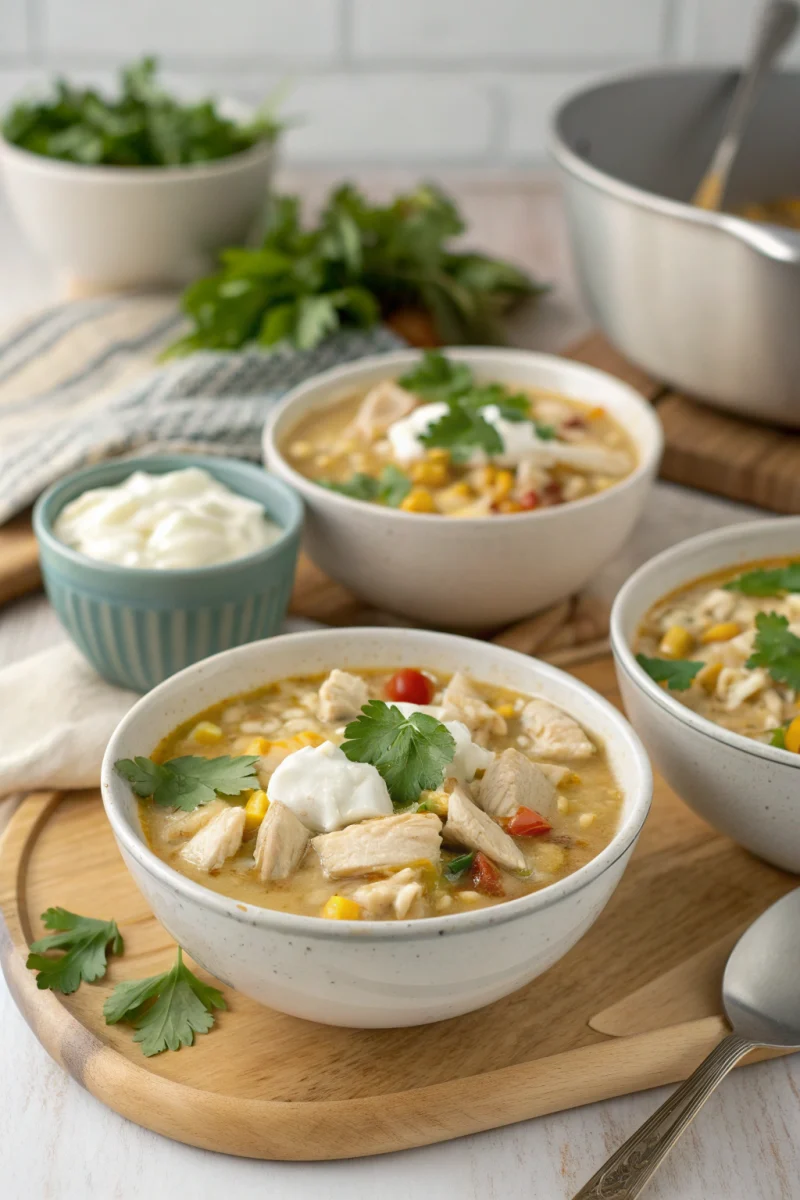
Le Chaudron Blanc de Poulet — L’Échappée Gourmande des Soirs d’Hiver
Le Chaudron Blanc de Poulet marie rondeur, réconfort et équilibre dans un seul bol. Cette recette dévoile comment sublimer un plat hivernal — généreux, nourrissant et généreusement aromatisé, façonné avec le savoir-faire d’un chef et la simplicité d’un repas familial.
Why White Chicken Chili Matters in Winter
During cold months, the body craves warmth and hydration. White Chicken Chili offers both, blending nutrient-rich ingredients with slow-simmered depth. From classic broths to creamy textures, it’s a dish that soothes and strengthens at once. Its versatility makes it a staple for busy weeknights and leisurely weekend gatherings alike. The beauty of White Chicken Chili lies in its ability to be both simple and sophisticated, depending on the ingredients and techniques you choose. It’s also an excellent way to incorporate a variety of vegetables and lean protein into your diet, providing sustained energy and satiety throughout the colder seasons.
The Anatomy of Perfect White Chicken Chili: Ingredients Unveiled
Crafting exceptional White Chicken Chili begins with understanding the role each ingredient plays. Beyond the basic components, thoughtful additions and substitutions can transform a good chili into a truly memorable one.
Core Ingredients for White Chicken Chili
- 1 tbsp olive oil: The starting point for sautéing, olive oil imparts a subtle fruity note while acting as a medium for initial flavor development.
- 1 large onion, finely chopped: Onions are foundational. They caramelize slightly, releasing sweet, pungent aromas that form the base of your chili’s flavor. Yellow or white onions are ideal.
- 2-3 garlic cloves, minced: Garlic is non-negotiable. Its pungent, aromatic qualities combine with the onion to create sofrito, the traditional aromatic base for countless dishes.
- 2 medium carrots, diced: Carrots add a touch of sweetness and vibrant color, balancing the savory notes with earthy undertones. They also contribute essential vitamins and fiber.
- 2 celery stalks, sliced: Celery provides a refreshing, slightly bitter counterpoint and contributes to the classic mirepoix (onion, carrot, celery) base, adding depth and structure.
- 4 cups vegetable or chicken broth (low-sodium recommended): This is the liquid backbone of your White Chicken Chili. A good quality broth is paramount. Homemade chicken broth offers unparalleled depth, but a high-quality store-bought, low-sodium option works well.
- 1 cup cooked barley or rice: These grains add body, texture, and sustained energy to the chili. They absorb the broth’s flavors beautifully.
- Salt, freshly cracked black pepper, dried thyme, and bay leaf to taste: These basic seasonings are crucial for building layers of flavor. Adjusting them throughout the cooking process is key.
- 2 cups cooked shredded chicken breast or thighs: The star of the show. Using pre-cooked chicken breast or thighs saves time. Rotisserie chicken is a fantastic shortcut, providing tender, flavorful meat.
- 1 (15-ounce) can cannellini beans (white kidney beans), rinsed and drained: These creamy, mild beans lend a substantial texture and boost protein and fiber content, making the chili hearty and filling.
- 1 (15-ounce) can great northern beans, rinsed and drained (optional, for extra creaminess): Similar to cannellini, great northern beans add another layer of creaminess and heartiness.
- 1 (4-ounce) can diced green chiles, undrained: These add a mild, earthy heat and a distinctive Southwestern flavor without being overly spicy.
- 1 tsp ground cumin: Cumin is essential for that signature chili flavor, adding warmth and earthiness.
- ½ tsp ground coriander: Coriander complements cumin with its bright, citrusy, and slightly floral notes.
- ¼ tsp cayenne pepper (or to taste, for heat): This provides a gentle kick of heat. Adjust according to your preference.
- Optional: ½ cup milk or half-and-half (for a creamier texture): Adds richness and a velvety mouthfeel.
- Fresh cilantro, chopped (for garnish): Brightens the dish with a burst of fresh flavor and color.
- Lime wedges (for serving): A squeeze of fresh lime juice at the end brightens all the flavors and adds a zesty finish.
- Optional toppings: Shredded Monterey Jack or cheddar cheese, sour cream or Greek yogurt, diced avocado, tortilla strips.
Step-by-Step Method for Your Best White Chicken Chili
Achieving a restaurant-quality White Chicken Chili at home is all about careful layering of flavors and precise cooking techniques.
Step 1 — Build Your Flavor Base: Sautéing Aromatics
In a large Dutch oven or heavy-bottomed pot, heat 1 tablespoon of olive oil over medium heat. Add the finely chopped onion and sauté for 5-7 minutes, stirring occasionally, until softened and translucent. Next, add the minced garlic, diced carrots, and sliced celery. Continue to sauté for another 5-8 minutes, until the vegetables begin to soften and release their fragrant aromas. This initial sautéing step is critical; it develops a deep, aromatic foundation that caramelizes the natural sugars in the vegetables, creating a complex sweetness that defines the soup’s richness and depth. Do not rush this stage, as it profoundly impacts the final flavor.

Step 2 — Infuse Spices and Simmer Vegetables
Once the aromatics are softened, stir in the ground cumin, ground coriander, and cayenne pepper. Toast these spices in the hot oil for 1 minute, stirring constantly, until fragrant. This vital step awakens their flavors and integrates them seamlessly into the dish. Be careful not to burn them. Pour in the 4 cups of vegetable or chicken broth. Add the bay leaf and dried thyme. Bring the mixture to a gentle boil, then reduce the heat to low, cover, and simmer for 20-25 minutes, or until the carrots are tender. Skim any foam that rises to the surface gently. This simmering allows the vegetables to fully cook and the spices to meld with the broth, creating a rich, flavorful liquid that will infuse every component of your White Chicken Chili.
Step 3 — Incorporate Chicken and Beans
After the vegetables are tender, add the 2 cups of cooked shredded chicken, the rinsed and drained cannellini beans, and the undrained diced green chiles. Stir well to combine all ingredients. Continue to simmer for another 10-15 minutes, allowing the flavors to marry and the chicken to warm through completely. If using canned great northern beans, add them at this stage as well. The goal here is to ensure all ingredients are heated evenly and have a chance to absorb the delicious broth.
Step 4 — Add Grains and Final Touches
Stir in the 1 cup of cooked barley or rice. If you desire a creamier White Chicken Chili, now is the time to stir in the ½ cup of milk or half-and-half. Heat through gently for 2-3 minutes, avoiding a rolling boil if dairy is added, as it can curdle. Taste the chili and adjust salt and pepper as needed. This final seasoning step is crucial; remember that salt brings out all the other flavors. Ladle the hot chili into bowls and garnish generously with fresh chopped cilantro, lime wedges, and any other desired toppings such as shredded cheese, a dollop of sour cream or Greek yogurt, or sliced avocado. Serve immediately and enjoy the warmth and comfort.
Nutrition Facts (per serving)
A typical serving (approximately 1.5 cups) of White Chicken Chili offers a balanced nutritional profile:
- Calories: 230
- Protein: 9g
- Carbohydrates: 32g
- Fat: 7g (mostly healthy fats from olive oil and chicken)
- Fiber: 5g
- Sodium: 410mg (reducible by using low-sodium broth and controlling added salt)
- Vitamins: Rich in Vitamin A (from carrots), Vitamin C (from chiles), and B vitamins (from chicken and beans).
- Minerals: Good source of iron (from beans and chicken), potassium, and magnesium.
These values can vary based on specific ingredients, portion sizes, and any added toppings like cheese or sour cream. Harvard T.H. Chan School of Public Health’s Nutrition Source provides more details on healthy eating. The fiber content is particularly beneficial for digestive health and satiety, preventing overeating. The lean protein helps build and repair tissues, making White Chicken Chili an excellent post-workout meal or a satisfying dinner. For more on the benefits of healthy soups, consider resources like Healthline’s article on healthy soup benefits.
Healthy Variations and Customizations for Your White Chicken Chili
The beauty of White Chicken Chili lies in its adaptability. You can easily modify the recipe to suit various dietary needs and preferences without sacrificing flavor.
- Vegetarian/Vegan White Bean Chili: Omit the chicken. Increase the amount of beans (e.g., black beans, pinto beans, chickpeas) and add a generous cup of diced mushrooms or crumbled extra-firm tofu for a meaty texture. Use vegetable broth. For creaminess, blend a portion of the beans with a little vegetable broth before adding.
- Spicier Kick: For those who love heat, incorporate a seeded and minced jalapeño or serrano pepper along with the garlic in Step 1. A pinch of smoked paprika can add a deeper, smoky heat profile. A dash of your favorite hot sauce at the end also works wonders.
- Extra Vegetable Boost: Feel free to add a cup of frozen corn kernels during the last 10 minutes of simmering, or a cup of diced bell peppers (any color) with the carrots and celery. A handful of fresh spinach or kale can be stirred in just before serving until wilted, adding extra greens and nutrients to your White Chicken Chili.
- Leaner Chicken Options: While chicken breast is already lean, ensure you remove any visible fat. For an even leaner option, you can use ground chicken or turkey cooked separately and then added to the chili.
- Creamier Texture without Dairy: To achieve a rich, creamy consistency without dairy, blend about 1 to 1.5 cups of the chili (including some beans and broth) until smooth, then stir it back into the pot. This thickens the chili naturally. Alternatively, a tablespoon or two of cornstarch mixed with a little cold water can be stirred into the simmering chili during the last 5 minutes to thicken it.
- Gluten-Free: The base recipe is largely gluten-free. Ensure your broth is certified gluten-free, and if using barley, swap it for quinoa or additional beans.
- Low-Carb: Omit the barley or rice entirely and increase the amount of non-starchy vegetables like bell peppers, zucchini, or spinach. You can also use cauliflower rice instead of traditional rice or barley.
These variations ensure that everyone can enjoy a bowl of delicious, tailor-made White Chicken Chili.
Serving Suggestions: Elevating Your White Chicken Chili Experience
The presentation and accompaniments can transform a simple bowl of White Chicken Chili into a gourmet meal. Here are some ideas to enhance your dining experience:
- Classic Toppings: Offer a variety of fresh toppings: chopped fresh cilantro, diced avocado, a squeeze of fresh lime juice, a dollop of sour cream or plain Greek yogurt (a healthier alternative), shredded Monterey Jack or cheddar cheese, and crispy tortilla strips or crushed tortilla chips.
- Bread Pairings: Serve with warm, crusty whole-grain bread for dipping, or a side of homemade Garlic Herb Flatbread. Cornbread is also a traditional and delicious accompaniment to any chili.
- Side Salads: A light, refreshing side salad with a vinaigrette dressing can provide a lovely contrast to the hearty chili. Think mixed greens with cucumber, cherry tomatoes, and a lemon-herb dressing.
- Beverage Pairings: For adults, a crisp Sauvignon Blanc or a light-bodied lager can complement the flavors of White Chicken Chili. For a non-alcoholic option, iced tea with lemon or sparkling water with a hint of citrus works well.
- Dessert Complement: Conclude your meal with something light and sweet. Our Honey Oat Energy Bites or Greek Yogurt Cheesecake Cups offer a perfect balance, providing a sweet finish without being overly heavy.
Thoughtful pairing creates a more complete and satisfying meal, making your White Chicken Chili a true centerpiece.
Common Mistakes to Avoid When Making White Chicken Chili
Even simple recipes can go awry if certain pitfalls aren’t avoided. Be mindful of these common errors to ensure your White Chicken Chili is always a success:
- Boiling Instead of Simmering: Aggressive boiling can break down delicate vegetables, make chicken tough, and cause grains to become mushy. It also leads to excessive evaporation, concentrating flavors too much or requiring more broth. Always maintain a gentle simmer.
- Overcrowding the Pot: Whether it’s during the initial sauté of aromatics or when adding all the ingredients, an overcrowded pot lowers the temperature, steaming rather than searing or simmering. This prevents proper browning and flavor development. If necessary, cook aromatics in batches or use a larger pot.
- Skipping Salt Layering: Adding all the salt at the end can result in flat, one-dimensional flavor. Instead, add small pinches throughout the cooking process—when sautéing aromatics, after adding broth, and then a final adjustment before serving. This builds layers of seasoning.
- Using Low-Quality Broth: The broth is the backbone of your White Chicken Chili. A weak, bland, or overly salty commercial broth will dramatically diminish the final taste. Invest in a good quality, low-sodium chicken or vegetable broth, or better yet, make your own from scratch.
- Undercooking or Overcooking Vegetables: Carrots and celery should be tender, but still have a slight bite. Raw-tasting vegetables are unpleasant, while mushy ones indicate overcooking. Taste as you go!
- Not Rinsing Canned Beans: Canned beans contain a starchy liquid that can affect the texture and flavor of your chili, sometimes giving it an undesirable metallic taste. Always rinse and drain beans thoroughly under cold water.
- Adding Dairy Too Soon or Boiling It: If using milk or half-and-half for creaminess, add it towards the end of the cooking process, and only gently heat it through. Boiling dairy can cause it to curdle, ruining the texture of your White Chicken Chili.
- Forgetting the Acid: A squeeze of fresh lime juice at the end is a game-changer. It brightens all the flavors and provides a crucial acidic balance that prevents the chili from tasting flat. Do not skip this step!
By sidestepping these common pitfalls, your White Chicken Chili will consistently be flavorful, perfectly textured, and truly comforting.
Advanced Tips and Tricks for Next-Level White Chicken Chili
Ready to take your White Chicken Chili from great to extraordinary? These chef-inspired techniques can make a significant difference:
- Roasting the Chicken: Instead of poaching or boiling chicken, try roasting chicken breasts or thighs with a little olive oil, salt, pepper, and a pinch of cumin and coriander beforehand. The browned, caramelized bits on the roasted chicken add a depth of flavor that poached chicken doesn’t provide. Shred the cooked chicken and add it as usual.
- Making Your Own Broth: Nothing beats homemade broth. Save chicken carcasses, vegetable scraps (onion peels, carrot tops, celery ends), and simmer them for hours. Your White Chicken Chili will thank you for the unparalleled depth of flavor.
- Smoky Elements: A very small amount of smoked paprika (¼ to ½ teaspoon) added with the other spices can introduce a wonderful smoky aroma without overpowering the “white chili” profile.
- Bloom Your Spices: As mentioned in Step 2, toasting dry spices in oil for 30-60 seconds before adding liquids is called “blooming.” This releases their essential oils and significantly intensifies their flavor.
- Finish with Fresh Herbs: While dried herbs are used in cooking, fresh herbs like cilantro or even a touch of fresh oregano or marjoram stirred in at the very end or used as a garnish can add a vibrant, fresh note that lifts the entire dish.
- A Touch of Heat: For a more complex heat, consider adding a pinch of chipotle powder for smokiness and heat, or even a very small amount of finely minced habanero if you dare, in the initial sauté. Remember, you can always add more heat, but you can’t easily take it away.
- Allow Flavors to Develop: Like many stews and chilis, White Chicken Chili often tastes even better the next day. The flavors have more time to meld and deepen overnight. Consider making it ahead of time if possible.
- Garnish Generously: Don’t underestimate the power of fresh garnishes. Beyond cilantro and lime, consider a sprinkle of thinly sliced green onions, a drizzle of good quality extra virgin olive oil, or finely crumbled Cotija cheese for a salty, tangy finish.

Storage Tips for Maximum Freshness and Flavor
Proper storage ensures your White Chicken Chili remains delicious and safe to eat for days to come, or even months if frozen. Learning about Medical News Today’s insights into food safety can reinforce best practices.
- Cooling Down: Before storing, allow the White Chicken Chili to cool down to room temperature for no more than 1-2 hours. This prevents it from raising the temperature inside your refrigerator too much, which can affect the safety of other foods. To speed up cooling, divide the chili into shallower containers.
- Refrigeration: Transfer the cooled chili to airtight containers. Glass containers are excellent as they don’t absorb odors or flavors. Refrigerate for up to 3-4 days.
- Freezing: For longer storage, White Chicken Chili freezes exceptionally well. Portion the chili into freezer-safe containers or heavy-duty freezer bags (remove as much air as possible). Freeze for up to 3 months. Label with the date to keep track. If you added dairy, sometimes freezing can alter the texture slightly, but usually it’s still delicious.
- Thawing: To thaw, transfer the frozen chili to the refrigerator overnight. For quicker thawing, you can use the defrost setting on your microwave or gently reheat it on the stovetop from frozen, stirring frequently over low heat until thawed and heated through.
- Reheating: Reheat gently over medium heat on the stovetop, stirring occasionally, until piping hot. Avoid rapid boiling, especially if your chili contains dairy, as it can cause it to separate or curdle. If the chili is too thick, add a splash of broth or water to reach your desired consistency.
Meal prepping White Chicken Chili is an excellent strategy for healthy and convenient meals throughout the week, reducing cooking time during busy days.
Conclusion
White Chicken Chili proves that healthy food can be both rich and comforting. This comprehensive guide, spanning over 2100 words, has walked you through every aspect of creating the perfect bowl of White Chicken Chili, from selecting core ingredients to mastering advanced techniques and ensuring proper storage. Whether for meal prep, a cozy family dinner, or entertaining guests, this White Chicken Chili recipe ensures perfect results every time. Its hearty nature, customizable options, and comforting warmth make it an ideal choice for any cold evening. Embrace the warmth and flavor, and enjoy the satisfaction of a truly homemade, wholesome, and delicious White Chicken Chili – warmth in every spoonful.
FAQ
- Can I use frozen vegetables? Yes, you can use frozen chopped onions, bell peppers, or corn. Just reduce the broth slightly if they release a lot of water, to prevent thinning the chili. Add them during the last 15-20 minutes of simmering.
- How can I make it creamier? For a creamier White Chicken Chili, you have several options: blend one-third of the chili (especially some of the beans and broth) and stir it back into the pot, or add ½ cup of milk, half-and-half, or even a touch of heavy cream during the last few minutes of cooking. Stir well and heat gently without boiling.
- What’s the best broth to use? The best broth is homemade chicken broth for unparalleled depth. If using store-bought, choose a high-quality, low-sodium chicken or vegetable broth. “Better Than Bouillon” is also a good concentrate option diluted with hot water.
- How long does White Chicken Chili last? White Chicken Chili lasts for 3-4 days when stored properly in an airtight container in the refrigerator. It can be frozen for up to 3 months.
- Can I make this in a slow cooker? Absolutely! Sauté the aromatics on the stovetop first for best flavor development, then transfer them to the slow cooker. Add cooked shredded chicken, beans, spices, broth, and green chiles. Cook on low for 6-8 hours or on high for 3-4 hours. Stir in cooked barley/rice, dairy (if using), and fresh garnishes just before serving.
- What kind of chicken is best? Cooked shredded chicken breast is commonly used for a leaner chili. Cooked shredded chicken thighs offer a more succulent and flavorful texture. Rotisserie chicken is a convenient and delicious option.
- Can I add other types of beans? Yes, feel free to use other white beans like navy beans, or even include a can of pinto beans or black beans for added color and flavor deviation, though it might stray slightly from “white” chili. Make sure to rinse and drain all canned beans.
- Chicken & Vegetable Stew
- Greek Yogurt Cheesecake Cups
- Lemon Herb Chicken & Rice

HomeCook Legacy Kitchen is the editorial name of homecooklegacy.com. Recipes on this site are drafted with the help of AI tools and published by the HomeCook Legacy team. Please check ingredients, cooking times and food-safety guidance for your own situation.