
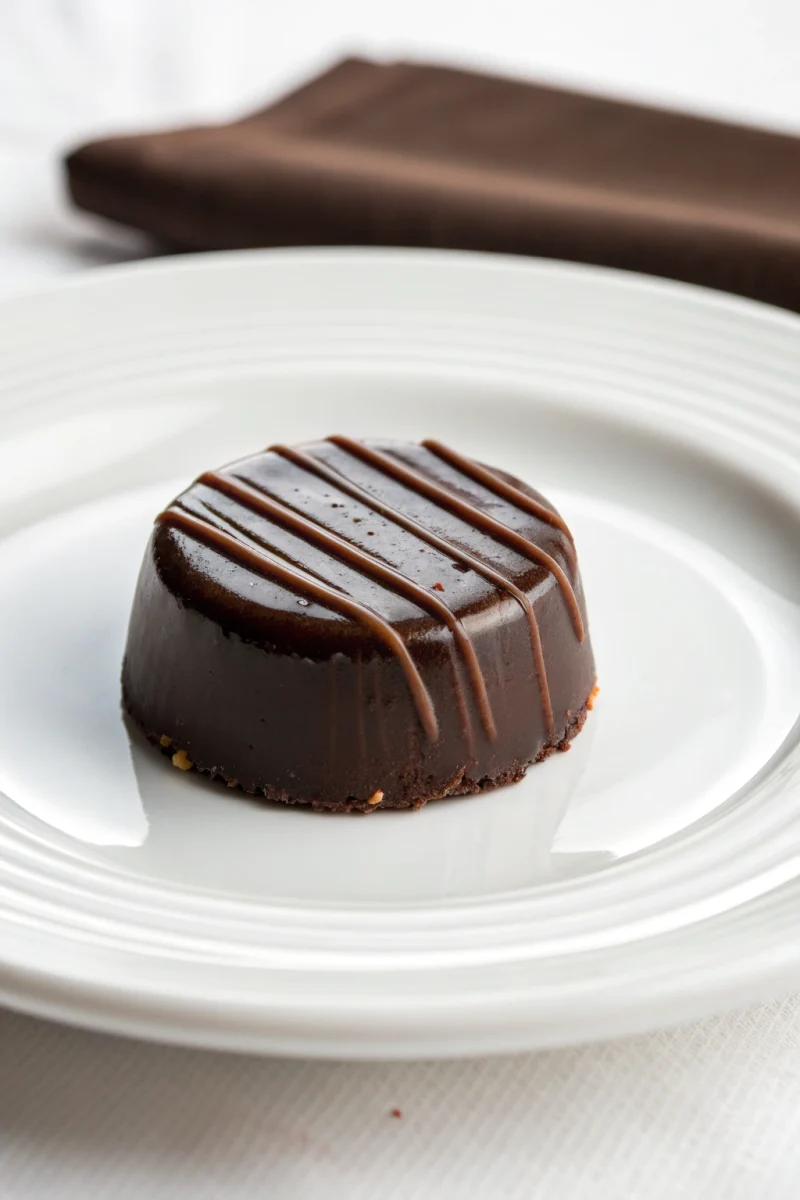
This must try clean chocolate recipe is a HomeCookLegacy favorite — simple to make and absolutely delicious.
MUST TRY Clean Chocolate Treat
Clean Chocolate Treat is the kind of snack that tastes like a dessert but behaves like a smart choice: deep cocoa flavor, satisfying texture, and ingredients you can actually recognize. Think of it as a “better-for-you” chocolate bite you can keep in the fridge (or freezer) for those moments when you want something sweet—fast—without turning it into a full baking project.
In this guide you’ll learn how to build a Clean Chocolate Treat that’s: (1) chocolatey enough to feel real, (2) balanced so it doesn’t taste like “health food,” and (3) consistent every time—no crumbly disasters, no oily puddles, no weird chalky cocoa aftertaste. You’ll also get variations (high-protein, vegan, nut-free), troubleshooting, and storage tips that keep texture on point.
Chocolate note (keep it “clean”): Choose unsweetened cocoa powder and sweeten intentionally (dates, honey, maple, or a lower-sugar option). For cocoa context and what “dark chocolate” brings to the table, see Harvard’s overview of dark chocolate and cocoa flavanols. Harvard T.H. Chan — Dark Chocolate (The Nutrition Source)
Q: What makes this a “Clean Chocolate Treat” and not just candy?
A: You control the ingredients: real cocoa, a purposeful sweetener, and add-ins like oats, nuts, seeds, or protein—so it’s more balanced than typical candy.
Table of Contents
How to Make Must Try Clean Chocolate
- Why You’ll Love This Clean Chocolate Treat
- Core Ingredients (and smart swaps)
- The Recipe: Step-by-Step
- Texture Control (the secret to perfect bites)
- Healthy Variations
- Serving Ideas
- Common Mistakes to Avoid
- Storage & Food Safety
- Nutrition Notes
- FAQ
Why You’ll Love This Clean Chocolate Treat
This treat hits a sweet spot between “I want chocolate right now” and “I don’t want a sugar crash.” It’s quick, flexible, and easy to scale—make a small batch for the week or double it for meal prep. The no-bake format also means you can get a great result without stressing about oven temperatures, overbaking, or that moment when brownies go from fudgy to dry.
Another reason it works: cocoa is intense. When you use real cocoa powder (or a high-cocoa dark chocolate drizzle), you get a strong chocolate signal with less added sugar than many standard desserts. Healthline’s overview of dark chocolate notes it can be nutrient-dense depending on cocoa percentage and portion size. Healthline — 7 Proven Health Benefits of Dark Chocolate
Q: Will it taste like “diet dessert”?
A: Not if you balance cocoa + salt + fat (nut butter/coconut) + sweetener. Chocolate needs a little salt and richness to taste “real.”
Core Ingredients (and Smart Swaps)
A Clean Chocolate Treat is basically a simple formula: cocoa + binder + sweetener + texture. Once you understand the roles, you can make it with what you have—without losing the “must try” factor.
Base Ingredients (Bite-Style, No-Bake)
- Unsweetened cocoa powder (50–70 g): deep chocolate flavor
- Nut butter (120–180 g): almond, peanut, cashew, or sunflower seed butter
- Sweetener (60–120 g): honey, maple syrup, date paste, or a lower-sugar syrup
- Oats (100–140 g): structure and chew (use certified GF oats if needed)
- Chia or ground flax (1–2 tbsp): helps bind and improves texture
- Pinch of salt: makes chocolate taste more chocolatey
- Optional vanilla (1 tsp): rounds out cocoa
Swap guide (quick):
- Nut-free: use sunflower seed butter or tahini (tahini = slightly more bitter, so increase sweetener a touch).
- Vegan: maple syrup or date paste instead of honey.
- Higher protein: add protein powder, but offset dryness with more nut butter or a splash of milk.
- Extra crunch: add chopped nuts, cacao nibs, puffed rice, or toasted coconut.
If you like looking up nutrient data for ingredients (like cocoa powder), USDA FoodData Central is a reliable reference hub. USDA — FoodData Central
Q: Can I use melted dark chocolate instead of cocoa powder?
A: Yes, but melted chocolate changes the fat/sugar balance. Cocoa powder is easier for “clean” control; use a drizzle of melted dark chocolate as a finish.
The Recipe: Step-by-Step (Foolproof Clean Chocolate Treat)
This version makes 18–24 bites depending on size. It’s designed to be easy to shape, not too sticky, and not crumbly.
Ingredients
- 2/3 cup (160 g) nut butter (peanut, almond, cashew, or sunflower)
- 1/3 cup (80 g) honey or maple syrup
- 1 tsp vanilla extract (optional)
- 1/2 cup (50–60 g) unsweetened cocoa powder
- 1 1/4 cups (110–120 g) rolled oats
- 1 tbsp chia seeds (or 1 tbsp ground flax)
- 1/4 tsp fine salt
- Optional mix-ins: 1/3 cup chopped nuts, cacao nibs, mini dark chips, or shredded coconut
Instructions
- Warm the binder: In a bowl (or small saucepan on low), gently warm nut butter + honey/maple just until smooth and stirrable. Don’t boil—just soften.
- Add flavor: Stir in vanilla and salt. Taste the base now; it should be sweet enough before cocoa goes in.
- Fold in cocoa: Add cocoa powder gradually, mixing well. The mixture will thicken and turn glossy.
- Add structure: Fold in oats and chia/flax. Let sit 3–5 minutes so oats hydrate.
- Adjust texture: If too sticky, add 1–2 tbsp oats. If too dry/crumbly, add 1–2 tsp milk or a bit more nut butter.
- Shape: Roll into bites or press into a parchment-lined pan and slice into squares.
- Chill: Refrigerate 30–60 minutes for best texture.
Optional finish: drizzle with melted 70% dark chocolate, then chill again to set.
Q: Do I have to chill it, or can I eat it right away?
A: You can taste immediately, but chilling sets the texture and makes the bites firm, clean, and less sticky.
Texture Control (The Secret to Perfect Bites)
Most “healthy chocolate bite” recipes fail for one of two reasons: they’re either too dry (crumbly, dusty cocoa vibe) or too wet (sticky, oily, never sets). The fix is understanding ratios and giving the mixture time to hydrate.
How to fix crumbly bites
- Add 1–2 tsp milk (dairy or plant) and mix thoroughly.
- Or add 1 tbsp nut butter and mix until glossy.
- Let it rest 5 minutes—oats absorb moisture and tighten everything up.
How to fix sticky bites
- Add 1–2 tbsp oats or ground flax (small additions, mix, then wait 2 minutes).
- Chill the mixture 10 minutes before rolling.
- Lightly wet your hands to shape cleanly.
Q: Why does cocoa sometimes taste bitter or harsh?
A: Cocoa is naturally bitter. Balance it with enough sweetener, a pinch of salt, and a creamy fat (nut butter). Vanilla also helps.
Healthy Variations (Pick Your Favorite)
Once the base method is solid, variations are easy. Choose one “goal” (more protein, vegan, nut-free, extra crunch) and adjust with intention.
1) High-Protein Clean Chocolate Treat
- Add 1/3 cup (30–40 g) protein powder (whey or plant-based).
- Add 1–3 tbsp milk to prevent dryness.
- Increase vanilla slightly for a “dessert” vibe.
Q: Why does protein powder make bites dry?
A: Protein powders absorb moisture. Counter with a little more nut butter or liquid, and let it rest so the oats hydrate evenly.
2) Vegan Clean Chocolate Treat
- Use maple syrup or date paste instead of honey.
- Choose dairy-free dark chocolate for drizzle.
- Add shredded coconut for extra richness.
3) Nut-Free School-Safe Version
- Use sunflower seed butter or tahini.
- Use oats + puffed rice for structure and crunch.
- Optionally add pumpkin seeds for bite.
4) “Dessert Cup” Style (No-Bake Cups)
Want a more “dessert” presentation? Press the mixture into mini silicone muffin cups, chill, and top with a thin layer of melted dark chocolate. It’s the same recipe—just a different shape that feels more special.
Q: Can I make this into bars instead of bites?
A: Yes—press into a lined pan, chill, then slice. Bars are faster and great for meal prep.
Serving Ideas
These treats are flexible: snack, dessert, or even a “sweet add-on” to a balanced breakfast. Pairing them well can make them feel more satisfying without increasing portion size.
- With coffee or tea: 1 bite feels like a café treat.
- With yogurt + berries: crumble a bite on top like chocolate granola.
- With fruit: especially banana, strawberries, or orange slices.
- Post-workout: choose the high-protein version for better recovery snack structure.
If you want related internal recipe ideas, these two pair nicely with a “clean treat” post:
- Honey Oat Energy Bites
- Greek Yogurt Cheesecake Cups
Q: How many bites is a reasonable serving?
A: Start with 1–2. Cocoa and nut butter are satisfying, so smaller portions often feel “enough.”
Common Mistakes to Avoid
- Dumping cocoa in all at once: add gradually to avoid dry pockets and uneven bitterness.
- Skipping salt: chocolate needs salt to taste round and deep.
- Not resting the mixture: oats need a few minutes to hydrate; texture improves noticeably.
- Too much sweetener: can make it oily/sticky and prevent setting.
- Too much dry add-ins: too many oats/protein powders can create a crumbly mix—balance with binder.
Q: My bites taste “flat.” What’s the fastest fix?
A: Add a pinch more salt and a tiny splash of vanilla. If needed, add 1–2 tsp sweetener to rebalance cocoa bitterness.
Storage & Food Safety
Because this is typically a no-bake mixture, treat it like a prepared food: keep it cold, store it cleanly, and don’t leave it sitting out for long periods. Refrigeration also improves texture, making the treat firmer and easier to handle.
How to Store
- Fridge: store in an airtight container for 7–10 days (best texture in the first week).
- Freezer: freeze up to 2–3 months; thaw 10 minutes before eating.
- Prevent sticking: separate layers with parchment paper.
General leftovers safety guidance includes refrigerating foods promptly (commonly within 2 hours). See: FoodSafety.gov — Leftovers: The Gift that Keeps on Giving
Q: Can I pack these for school or work?
A: Yes—keep them cool if possible. For long commutes, use an insulated bag and don’t leave them in heat.
Nutrition Notes (Keep It Real, Keep It Balanced)
“Clean” doesn’t have to mean “low-calorie.” A Clean Chocolate Treat often includes calorie-dense ingredients (nut butter, oats, honey/maple), but the goal is quality + satisfaction—so a small portion feels good and doesn’t trigger mindless snacking. The nutritional profile will change most based on:
- Sweetener amount (more sweetener = softer texture + higher sugars)
- Nut butter type (some are oilier, some thicker)
- Protein add-ins (higher protein, but can dry texture)
- Chocolate finish (drizzles are small; thick chocolate shells add more calories)
For cocoa/dark chocolate context (including flavanol content considerations), Harvard’s dark chocolate feature is a practical overview. Harvard T.H. Chan — Dark Chocolate
Q: Is dark chocolate automatically “healthy”?
A: Not automatically. Higher cocoa can bring beneficial compounds, but portion size and added sugar still matter. Treat it as a smart dessert, not a supplement.
FAQ
Can I use Dutch-processed cocoa?
Yes. Dutch-processed cocoa is smoother and less acidic, so it can taste less sharp. If your cocoa tastes intense or bitter, Dutch-processed can feel more “dessert-like.”
Can I reduce sugar?
You can, but don’t cut too aggressively or the mix will become dry and bitter. Reduce sweetener gradually and compensate with vanilla and a pinch more salt, or add dates for a more whole-food sweetness.
How do I make it kid-friendly?
Use a slightly higher sweetener amount, choose a mild nut butter, and add mini dark chocolate chips. For school-safe, go nut-free with sunflower butter and check classroom rules.
My mixture is oily—what happened?
Often it’s from a very runny nut butter or too much sweetener. Fix by stirring in oats gradually and chilling before shaping.
Can I turn this into a true dessert cup?
Yes. Press into mini silicone cups, add a thin melted dark chocolate layer on top, then chill. It looks like a bakery dessert with the same base ingredients.
Optional deeper reading: Harvard has also discussed cocoa flavanols and why chocolate quality matters (flavanol content varies widely). Harvard — Dark chocolate is best choice for health (news)

HomeCook Legacy Kitchen is the editorial name of homecooklegacy.com. Recipes on this site are drafted with the help of AI tools and published by the HomeCook Legacy team. Please check ingredients, cooking times and food-safety guidance for your own situation.