
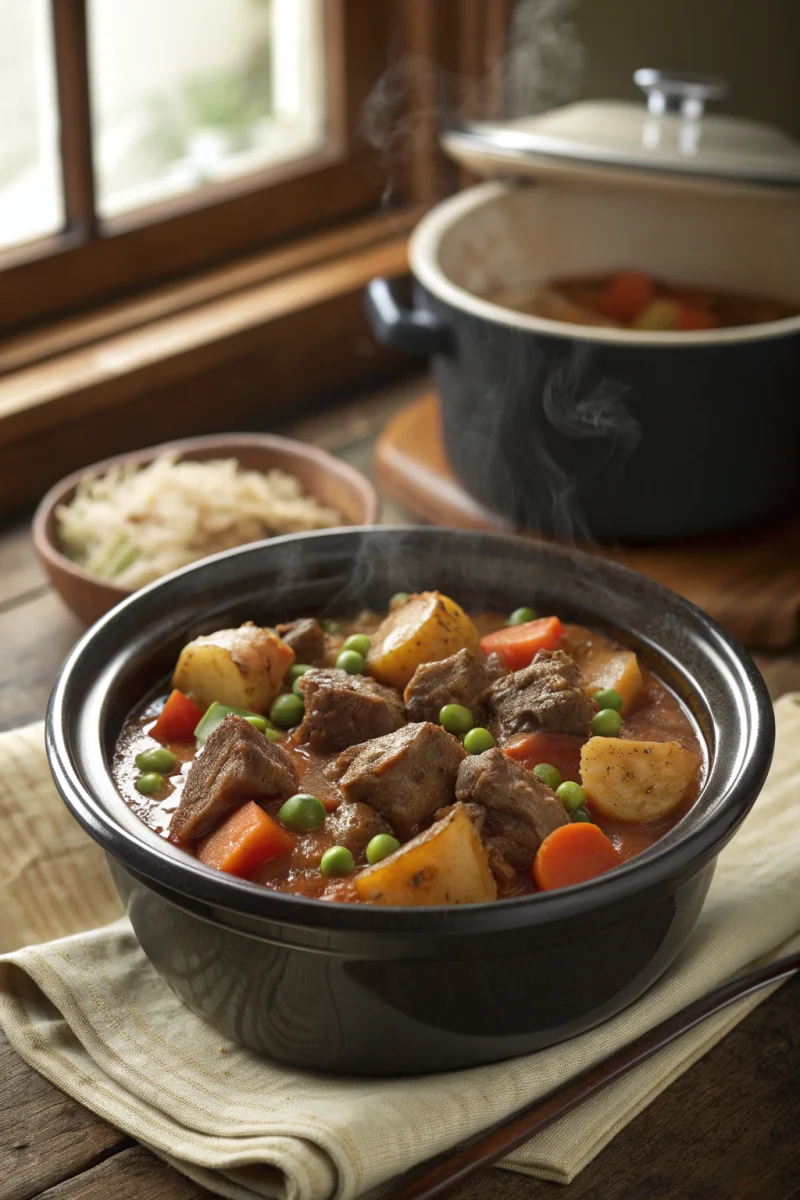
Beef Stew — The Ultimate Comfort Soup for Cozy Evenings
Beef Stew combines heartiness, warmth, and nutrition in one bowl. This guide reveals how to make the perfect winter soup — comforting, wholesome, and deeply flavorful, crafted with chef-level technique and family-friendly ease.
Thank you for reading this post, don't forget to subscribe!Why Beef Stew Matters in Winter
During cold months, the body craves warmth and hydration. Beef Stew offers both, blending nutrient-rich ingredients with slow-simmered depth. From classic broths to creamy textures, it’s a dish that soothes and strengthens at once. There’s something profoundly satisfying about a bowl of hearty beef stew after a long day in the cold. It’s not just food; it’s an experience, a tradition, and a culinary hug that warms you from the inside out. The steam rising from the bowl carries promises of rich flavors and tender textures, making it an indispensable part of winter dining. Beyond its comforting appeal, a well-made beef stew is packed with essential nutrients, making it a powerful ally against seasonal ailments and providing sustained energy. It’s an exercise in patience and culinary love, where simple ingredients transform into something extraordinary through the magic of slow cooking.
Core Ingredients for a Perfect Beef Stew
Crafting an exceptional Beef Stew begins with selecting the right ingredients. Each component plays a crucial role in building layers of flavor and achieving that coveted tender texture. Here’s a detailed breakdown of what you’ll need to create a truly memorable beef stew:
- 2-3 lbs Beef Chuck Roast: This is the star of your beef stew. Opt for chuck roast due to its excellent marbling and collagen content, which breaks down during slow cooking to create incredibly tender, fall-apart beef and a rich, gelatinous sauce. Cut into 1.5-2 inch cubes for even cooking.
- 1 tbsp Olive Oil or Vegetable Oil: Essential for browning the beef stew meat, which creates a foundational layer of flavor through the Maillard reaction.
- 2 large Yellow Onions: Finely chopped. Onions provide sweetness and depth, caramelizing beautifully as they sauté.
- 4-6 cloves Garlic: Minced. Garlic adds an aromatic punch that is indispensable in a hearty beef stew.
- 4 stalks Celery: Roughly chopped. Celery contributes a subtle savory note and aromatic complexity to the beef stew.
- 4 medium Carrots: Peeled and cut into 1-inch pieces. Carrots sweeten the stew and provide vibrant color and essential nutrients for this beef stew.
- 2 cups Russet Potatoes: Peeled and cut into 1-inch chunks. Potatoes add body and starch to thicken the beef stew naturally while offering a comforting texture.
- 4 cups Beef Broth (low sodium): Use a high-quality beef broth or homemade stock. This is the liquid foundation of your beef stew, so its flavor is paramount. Low sodium allows you to control seasoning.
- 1 cup Red Wine (e.g., Cabernet Sauvignon or Merlot): Optional but highly recommended. Red wine adds incredible depth, acidity, and a sophisticated flavor profile to the beef stew, deglazing the pot and enhancing the overall richness. It’s truly a secret weapon for an amazing beef stew.
- 2 tbsp Tomato Paste: Concentrated tomato flavor adds umami and a slight sweetness, helping to thicken the beef stew’s sauce.
- 2 Bay Leaves: A classic herb for beef stew, bay leaves impart a subtle, woodsy aroma. Remember to remove them before serving.
- 1 tsp Dried Thyme: Thyme is a perfect complement to beef and vegetables, offering an earthy, slightly minty flavor that pairs wonderfully with your beef stew.
- 1/2 tsp Dried Rosemary: Use sparingly, as rosemary is potent. It adds a piney, peppery note that enhances the savory aspects of the beef stew.
- Salt and Freshly Ground Black Pepper: Essential for seasoning at every stage of the beef stew’s cooking process to build flavor layers.
- 2 tbsp All-Purpose Flour (or Gluten-Free Flour blend): Used to dredge the beef before searing, helping to create a crust and thicken the stew’s liquid.
- Fresh Parsley (for garnish): Chopped. Adds freshness and a pop of color to the finished beef stew.
Step-by-Step Method to Master Your Beef Stew
Achieving a truly remarkable Beef Stew involves a series of carefully executed steps, each contributing to the depth of flavor and tender texture. Follow this guide for a beef stew that will impress every time:
Step 1 — Prepare and Sear the Beef for your Beef Stew
Begin by patting your beef stew cubes dry with paper towels. This is crucial for achieving a good sear. Season liberally with salt and freshly ground black pepper. In a large Dutch oven or heavy-bottomed pot, heat the olive oil over medium-high heat until shimmering. Dredge the beef cubes lightly in 2 tablespoons of flour, shaking off any excess. Sear the beef in batches, ensuring not to overcrowd the pot. Brown each side evenly until a rich, dark crust forms. This browning, known as the Maillard reaction, creates an incredible depth of flavor that is essential for a delicious beef stew. Remove the seared beef from the pot and set aside.
Step 2 — Build your Flavor Base for the Beef Stew
Reduce the heat to medium. Add the chopped onions to the pot and sauté, scraping up any browned bits from the bottom (this is called deglazing and adds immense flavor to your beef stew). Cook until the onions are softened and translucent, about 5-7 minutes. Add the minced garlic, chopped celery, and tomato paste. Cook for another 2-3 minutes, stirring constantly, until the garlic is fragrant and the tomato paste has deepened in color. This step concentrates the flavors and enhances the umami in your beef stew.
Step 3 — Deglaze and Simmer the Beef Stew
Pour in the red wine (if using). Increase the heat and bring to a simmer, scraping the bottom of the pot to release any remaining flavorful bits. Let it simmer until the wine has reduced by about half, approximately 5-7 minutes. This process intensifies the wine’s flavor and removes the alcohol. Add the beef broth, bay leaves, dried thyme, and dried rosemary. Return the seared beef to the pot, ensuring it is mostly submerged in the liquid. Bring the beef stew to a gentle simmer.
Step 4 — Slow Cook to Perfection for your Beef Stew
Once simmering, reduce the heat to low, cover the pot tightly, and cook for at least 2 to 2.5 hours. At this stage, you’re allowing the collagen in the beef to break down, resulting in incredibly tender meat that almost melts in your mouth—a hallmark of a great beef stew. Stir occasionally to prevent sticking and ensure even cooking. The long, slow simmer is what transforms simple ingredients into complex, satisfying beef stew.
Step 5 — Add Vegetables and Finish the Beef Stew
After the beef has cooked for the initial 2-2.5 hours and is beginning to tenderize, add the chopped carrots and potatoes to the pot. Stir well to combine. Continue to simmer the beef stew, covered, for another 45-60 minutes, or until the vegetables are fork-tender and the beef is fall-apart tender. The liquid should have thickened beautifully by now, creating a rich sauce for your beef stew. Taste and adjust seasoning with salt and freshly ground black pepper as needed. Remove the bay leaves before serving.
Step 6 — Serving and Garnish of your Beef Stew
Ladle the hot beef stew into bowls. Garnish generously with fresh chopped parsley for a burst of color and freshness. The vibrant green complements the deep, earthy tones of the beef stew perfectly. Serve immediately and enjoy the fruits of your labor!
Nutrition Facts (per serving — estimated for 6 servings of Beef Stew)
Calories: 450-550 | Protein: 35-45g | Carbs: 25-35g | Fat: 20-30g | Fiber: 5-7g | Sodium: 500-700mg (varies based on broth and salt added)
Healthy Variations of Beef Stew
While traditional Beef Stew is robust, you can easily adapt it for various dietary needs and preferences. Here are some healthy variations to make your beef stew even more versatile:
- Extra Vegetable Boost: Load up your beef stew with more nutrient-dense vegetables. Consider adding chopped kale, spinach (stirred in during the last 10 minutes), diced zucchini, bell peppers, or even button mushrooms during the last hour of cooking. This boosts fiber, vitamins, and minerals in your beef stew without significantly increasing calories.
- Leaner Protein Options: While chuck roast is ideal, if you’re looking to reduce fat, you can trim excess fat off the beef before searing. For a completely different protein, consider making a vegetarian or poultry stew, but for beef stew, sticking to a lean chuck is best.
- Gluten-Free Beef Stew: Replace the all-purpose flour with a gluten-free flour blend for dredging the beef. Alternatively, you can skip the flour dredge altogether and thicken the stew with a cornstarch slurry (1-2 tablespoons cornstarch mixed with an equal amount of cold water) stirred in during the last 15 minutes of cooking. Your beef stew will still be delicious!
- Dairy-Free Creaminess: If you desire a creamy beef stew but need to avoid dairy, stir in a quarter to a half cup of full-fat coconut milk (the kind in a can) during the last 10 minutes of cooking. It provides a lovely richness without dairy, imparting a subtle, pleasant flavor to the beef stew.
- Legume Power: Incorporate cooked lentils or chickpeas into your beef stew during the last 30 minutes of cooking. This boosts plant-based protein and fiber, making your beef stew even more filling and nutritious.
- Herbaceous Freshness: Experiment with fresh herbs beyond just parsley. Fresh rosemary or thyme sprigs can be added along with the dried herbs during simmering, then removed before serving, for a more potent, vibrant herbal note in your beef stew.
Advanced Techniques for Flavor Development in Beef Stew
Taking your Beef Stew from good to extraordinary often lies in understanding and applying advanced culinary techniques. These subtle additions and methods can dramatically deepen the flavor profile of your beef stew:
- Layering Aromatics: Don’t just toss all the aromatics in together. Sauté harder vegetables like carrots and celery until slightly softened before adding onions and garlic. This ensures each cooks to perfection and releases its maximum flavor into the beef stew base.
- Caramelization of Vegetables: Before adding liquids, allow some of your vegetables (especially onions and carrots) to caramelize slightly. This develops complex sugars and adds a deeper, sweeter note to the beef stew.
- Using Umami Boosters: Besides tomato paste, consider adding a dash of Worcestershire sauce, a spoonful of fish sauce (don’t worry, it won’t make your beef stew taste like fish!), or dried mushrooms (rehydrated and chopped) to the stew. These ingredients are rich in umami and will add incredible depth to your beef stew.
- Slow Browning of Beef: Instead of quick searing, consider a slower, more deliberate browning of the beef. This allows for a deeper, darker crust to form, releasing more complex flavors into the beef stew base. Be patient and don’t rush this step.
- Herb Infusion: For a more pronounced herbal flavor, tie fresh thyme and rosemary sprigs along with a bay leaf in a sachet (cheesecloth bundle) and let it simmer in the stew. This allows for easy removal and prevents woody stems from getting into your beef stew.
- Vinegar or Citrus Finish: A splash of red wine vinegar or a squeeze of lemon juice at the very end of cooking can brighten the flavors of your beef stew and cut through its richness. This acidity acts as a palate cleanser and brings all the flavors into focus.
- Miso Paste Addition: A tablespoon of red miso paste dissolved in a little warm broth and stirred into your beef stew during the last 30 minutes can add an incredible depth of savory, fermented flavor, elevating it to new heights.
Serving Suggestions for Beef Stew
A hearty bowl of Beef Stew is a meal in itself, but serving it with the right accompaniments can elevate the experience. Here are some delightful ways to complement your beef stew:
- Crusty Bread or Rolls: Absolutely essential for soaking up every last drop of that rich, flavorful broth. A good sourdough, baguette, or a simple crusty whole-grain roll is perfect. You might even consider making a batch of Garlic Herb Flatbread to scoop up the deliciousness of your beef stew.
- Creamy Mashed Potatoes: Serve your beef stew over a bed of fluffy mashed potatoes. The potatoes absorb the stew’s gravy beautifully, adding a layer of creamy comfort.
- Egg Noodles: A classic pairing, wide egg noodles are perfect for catching the chunks of beef and vegetables and soaking up the savory sauce of your beef stew.
- Polenta or Grits: For a different texture, serve your beef stew over creamy polenta or grits. The mild flavor provides a wonderful contrast to the rich beef stew.
- Rice: A simple bowl of steamed white or brown rice can be a great canvas for your beef stew, especially if you prefer a lighter accompaniment. For an enhanced meal, you could even consider something like Lemon Herb Chicken & Rice on the side, though it’s typically a main on its own, it shows how well rice blends with savory flavors.
- Green Salad: A crisp, lightly dressed green salad provides a fresh counterpoint to the richness of the beef stew, adding a healthy and refreshing element.
- Dessert Pairing: After such a satisfying main course, a lighter dessert is often appreciated. Something like Honey Oat Energy Bites or even Greek Yogurt Cheesecake Cups would be a perfect, not-too-heavy finish.
Common Mistakes to Avoid When Making Beef Stew
Even seasoned cooks can fall prey to common pitfalls when making Beef Stew. Avoiding these mistakes will ensure your beef stew turns out perfectly every time:
- Not browning the beef enough (or at all): This is perhaps the most critical mistake. BROWNING IS NOT COOKING. It’s about developing deep, complex flavors through the Maillard reaction. Skimping on this step will result in a bland, gray beef stew. Sear your beef in batches until it has a dark, crusty exterior.
- Overcrowding the pot: When searing beef, if you put too much meat in the pot at once, the temperature drops, and the beef will steam instead of sear. This leads to gray, boiled beef and no flavor development. Work in batches for the best beef stew.
- Under-seasoning (or seasoning only at the end): Flavor development happens in layers. Season the beef directly before searing, season the aromatics as they cook, and then taste and adjust the seasoning of the beef stew throughout the simmering process. A final taste test before serving is always necessary, but it shouldn’t be the first time you’ve added salt.
- Adding vegetables too early: If you add tender vegetables like potatoes and carrots at the very beginning of the long simmer, they will turn to mush. Add them during the last 45-60 minutes so they cook through but retain their shape and texture in the beef stew.
- Using low-quality broth: The broth is the backbone of your beef stew. A thin, watery, or overly salty broth will negatively impact the final taste. Invest in a good quality, low-sodium beef broth, or make your own for the best beef stew.
- Not deglazing the pot: After searing the beef and sautéing the aromatics, there will be tasty browned bits (fond) stuck to the bottom of the pot. When you add liquid (especially wine), make sure to scrape up these bits. They are packed with flavor and integral to a rich beef stew.
- Cooking at too high a temperature: A true beef stew is slowly simmered, not boiled vigorously. Boiling can toughen the meat and break down vegetables too quickly. Maintain a gentle simmer for tender beef and intact vegetables.
- Forgetting to remove bay leaves: Bay leaves impart flavor during cooking, but their texture is not pleasant. Always remember to remove them before serving your beef stew.
Pairing Beef Stew with Beverages
The rich, savory flavors of Beef Stew lend themselves beautifully to specific beverage pairings. Here’s how to enhance your dining experience:
- Red Wine: If you used red wine in your beef stew, serving the same variety (like a Cabernet Sauvignon, Merlot, or Pinot Noir) alongside it is a classic choice. The tannins and fruit notes of the wine complement the beef and help cut through the richness of the stew.
- Dark Beer: For beer enthusiasts, a hearty stout or porter provides a wonderful contrast. Their roasted malt notes and slight bitterness stand up well to the robust flavors of the beef stew.
- Apple Cider: For a non-alcoholic option, a dry, sparkling apple cider can be a refreshing choice. Its crisp acidity offers a nice counterpoint to the richness.
- Unsweetened Iced Tea: A simple, strong brewed black tea over ice can also provide a palate-cleansing effect between bites of your rich beef stew.
Cultural Variations of Beef Stew
While the concept of cooking tough cuts of meat slowly in liquid with vegetables is universal, Beef Stew takes on fascinating forms across different cultures. Each beef stew variation offers a unique glimpse into local ingredients and culinary traditions:
- French Boeuf Bourguignon: Perhaps the most famous beef stew, this French classic is braised in red Burgundy wine with pearl onions, mushrooms, and bacon. The depth of flavor is unparalleled, a truly gourmet beef stew.
- Irish Beef Stew: Traditionally made with Guinness stout, potatoes, carrots, onions, and often a touch of barley, Irish beef stew is robust and incredibly comforting, reflecting the hearty cuisine of Ireland.
- Hungarian Goulash: More of a thick soup than a stew in some interpretations, Hungarian Goulash relies heavily on paprika for its distinctive smoky and sweet flavor. It’s often served with noodles or small dumplings.
- Carbonnade Flamande (Belgian Beef Stew): This Belgian delicacy is slow-cooked with dark beer (often a strong Belgian ale), onions, bacon, and speculoos or gingerbread for a unique sweetness and spice. It’s a truly sophisticated beef stew.
- American Beef Stew: Often a simpler, more rustic version, American beef stew typically features beef, potatoes, carrots, celery, and peas in a savory, often tomato-based, broth and is a staple in many homes.
- African Peanut Stew: While not exclusively beef, many African stews feature beef and a rich, creamy peanut sauce alongside vegetables like sweet potatoes and collard greens, offering a unique flavor profile.
- Vietnamese Bò Kho: This aromatic beef stew is heavily spiced with lemongrass, star anise, and cinnamon, often featuring carrots and served with French bread or noodles, showcasing a fusion of culinary influences.
Sustainability and Ethical Sourcing for Your Beef Stew
Making a delicious Beef Stew can also be an opportunity to make conscious choices about your ingredients. Sourcing ethically and sustainably benefits both your health and the planet:
- Grass-Fed/Finished Beef: Opt for grass-fed or grass-finished beef for your beef stew. This meat is typically higher in omega-3 fatty acids and conjugated linoleic acid (CLA), and it comes from cattle raised on pastures, which is generally more environmentally friendly. Look for certifications that indicate humane treatment.
- Local Produce: Purchase your vegetables from local farmers’ markets or through a CSA (Community Supported Agriculture) program. Local produce is often fresher, travels shorter distances (reducing carbon footprint), and supports local economies.
- Organic Vegetables: Choosing organic vegetables for your beef stew minimizes exposure to pesticides and supports farming practices that are better for soil health and biodiversity.
- Responsible Broth/Stock: If not making your own, choose beef broth from brands that use responsibly sourced ingredients and have clear labels regarding their animal welfare practices.
- Reduce Food Waste: Plan your beef stew meals to use up ingredients. Freeze any leftover stew or turn it into another dish the next day. Compost vegetable scraps when possible.
History of Beef Stew
The story of Beef Stew is as old as civilization itself, rooted in the human need to tenderize tough cuts of meat and make them palatable. Its evolution mirrors agricultural and culinary advancements:
- Ancient Origins: The concept of stewing meat and vegetables in a pot dates back to prehistoric times. Early humans likely cooked tough meats in primitive vessels over fire, using foraged roots and herbs. The earliest evidence of stewing can be found in archaeological sites with ancient pottery.
- Medieval Europe: Stews became a staple during the Middle Ages. They were a practical way to feed large families or communities, using leftover meats and whatever vegetables were available. The invention of the cauldron allowed for long, slow cooking, transforming tough cuts into tender meals. Peasant households and castles alike enjoyed variations of meat and vegetable stews.
- Colonial Era and Beyond: As exploration and trade expanded, new ingredients were introduced to different regions, leading to a diversification of stew recipes. From the Dutch “hutspot” (a form of beef stew with mashed potatoes and carrots) to Spanish “cocidos,” stews adapted to local resources. In North America, pioneer families relied on one-pot meals, with beef stew being a common and nourishing dish.
- Industrial Revolution: The advent of cast-iron cookware and later, slow cookers, made beef stew even more accessible. It became a beloved comfort food, especially in colder climates, appreciated for its warmth, nutrition, and ease of preparation in large batches.
- Modern Interpretations: Today, beef stew continues to evolve. While traditional recipes endure, chefs and home cooks experiment with global flavors, integrating spices, herbs, and cooking techniques from around the world to create innovative and diverse beef stew dishes. This enduring popularity is a testament to its comforting nature and versatility.
- Healthline provides a good overview of the health benefits of various soups and stews, highlighting their enduring nutritional value throughout history.
Cooking Beef Stew for Special Diets
Crafting a delicious Beef Stew doesn’t mean sacrificing dietary needs. With a few thoughtful adjustments, your beef stew can be enjoyed by everyone at the table:
- Gluten-Free Beef Stew: As mentioned, replace the all-purpose flour for dredging with a certified gluten-free flour blend, or skip it entirely. To thicken, you can use a cornstarch slurry (2 tbsp cornstarch mixed with 2 tbsp cold water, stirred into the stew at the end) or simply allow the liquid to reduce further. Ensure your beef broth is also gluten-free.
- Dairy-Free Beef Stew: Traditional beef stew typically doesn’t contain dairy, but if you’re making a creamy variation, use full-fat coconut milk (from a can, not refrigerated carton) or a dairy-free cream alternative. Always check ingredient labels on broths or any packaged sauces.
- Low-Sodium Beef Stew: This is an easy adjustment. Use low-sodium beef broth and avoid adding extra salt until the very end, tasting frequently. Rely more on herbs, spices, and aromatics like garlic and onion for flavor. Harvard’s Nutrition Source offers valuable insights on maintaining a healthy diet with lower sodium intake.
- Paleo/Whole30 Beef Stew: This often means removing potatoes for sweet potatoes and ensuring no added sugars or grains. Omit the flour dredge completely. Thicken naturally by simmering longer or with arrowroot powder. Ensure all ingredients are compliant, including broth.
- Low-Carb/Keto Beef Stew: Substitute potatoes and carrots with lower-carb vegetables like radishes (they lose their peppery bite when cooked), celery root, or additional mushrooms. Thicken with a small amount of xanthan gum or by just reducing the liquid.
- Vegetarian/Vegan Stew: While this guide is for beef stew specifically, the base principles can be adapted. Replace beef with hearty vegetables like mushrooms, lentils, chickpeas, or substantial root vegetables (parsnips, swede) and use vegetable broth for a delicious plant-based stew.
Making Beef Stew in Different Appliances
While a Dutch oven on the stovetop is classic for Beef Stew, modern appliances offer convenient alternatives without sacrificing flavor:
Slow Cooker Beef Stew
- Browning is Key: Even with a slow cooker, searing the beef and sautéing the aromatics (onions, garlic, tomato paste) beforehand on the stovetop is crucial for developing deep flavor in your beef stew. This step is non-negotiable for the best results.
- Layering: Place the seared beef at the bottom of the slow cooker, followed by the browned aromatics. Add the broth, wine, herbs, and spices.
- Timing Vegetables: Add harder vegetables like carrots and potatoes during the last 2-3 hours of cooking to prevent them from becoming mushy.
- Cooking Time: Cook on low for 6-8 hours or on high for 3-4 hours, until the beef is fork-tender.
- Thickening: If needed, mix 2 tbsp cornstarch with 2 tbsp cold water and stir into the hot beef stew during the last 30 minutes of cooking on high to thicken.
Instant Pot Beef Stew
- Sauté Function: The Instant Pot’s “Sauté” function is perfect for searing your beef and sautéing the aromatics directly in the pot. Use the “More” setting for higher heat browning.
- Deglazing: After searing and sautéing, always deglaze the pot with wine or broth, scraping up all the browned bits from the bottom to avoid a “BURN” error and to incorporate all that flavor into your beef stew.
- Pressure Cooking: Add all ingredients (except very quick-cooking vegetables if using) to the pot. Close the lid, set the vent to sealing, and pressure cook on High for 35-45 minutes for tender beef. Natural release for 10-15 minutes, then quick release any remaining pressure.
- Adding Tender Vegetables: If you want firmer vegetables like carrots and potatoes, add them after the first pressure cooking cycle. Bring the beef stew back to pressure for another 5-10 minutes (with quick release).
- Thickening: Once the beef stew is cooked, use the “Sauté” function to simmer and thicken the sauce. Whisk in a cornstarch slurry if desired.
Meal Prepping with Beef Stew
Beef Stew is an ideal candidate for meal prepping because its flavors deepen over time, and it reheats beautifully. Here’s how to incorporate it into your meal plan:
- Batch Cooking: Make a large pot of beef stew on the weekend. This recipe scales up easily.
- Portioning: Once cooled, divide the beef stew into individual, airtight containers. This makes grabbing a healthy, pre-portioned meal during the week incredibly convenient.
- Freezing for Later: Beef stew freezes exceptionally well. Fill freezer-safe containers or bags, leaving some headspace for expansion. Thaw overnight in the refrigerator before reheating. This is perfect for busy weeks.
- Versatile Servings: Reheat a single portion of beef stew and serve over fresh rice, noodles, or a baked potato for a quick and satisfying dinner or lunch.
Common Problems and Troubleshooting for Your Beef Stew
Even with the best intentions, a batch of Beef Stew can sometimes encounter a hiccup. Here’s how to troubleshoot common issues and save your beef stew:
- Beef is Tough: This is the most common issue. The simple answer is: it needs to cook longer! Tough beef means the collagen hasn’t had enough time to break down. Reduce the heat and continue to simmer, covered, until the beef is fork-tender. Don’t rush it.
- Stew is Too Thin:
- Simmer Longer: Remove the lid and let the beef stew simmer uncovered for 15-30 minutes, allowing the liquid to evaporate and the sauce to reduce.
- Cornstarch Slurry: Mix 1-2 tablespoons of cornstarch with an equal amount of cold water until smooth. Stir this slurry into the simmering beef stew and cook for a few minutes until thickened.
- Mashed Potato/Vegetable: Mash a few of the cooked potatoes or carrots against the side of the pot. Their starch will naturally thicken the beef stew.
- Stew is Too Thick: Simply add more beef broth (or water) a little at a time until your beef stew reaches your desired consistency. Bring back to a simmer to combine flavors.
- Stew is Bland:
- Seasoning: Add more salt and freshly ground black pepper. Taste, adjust, repeat.
- Acidity: A squeeze of lemon juice or a splash of red wine vinegar at the end can brighten flavors considerably.
- Umami Boost: Stir in a dash of Worcestershire sauce, a spoonful of soy sauce, or a bit more tomato paste.
- Herbs: Add more fresh herbs like parsley or thyme just before serving.
- Vegetables are Mushy: This means they were added too early or cooked for too long. For the next batch of beef stew, add them later in the cooking process. Unfortunately, once soft, they can’t be made firm again.
- Excess Grease/Fat: If your beef stew has too much grease on top, you can skim it off with a large spoon or ladle after the stew has cooled slightly. Chilling the beef stew thoroughly in the refrigerator will cause the fat to solidify on top, making it much easier to remove before reheating. Medical News Today discusses many aspects of soup nutrition and how to make them healthier, including fat content.
Storage and Reheating for Beef Stew
One of the many joys of Beef Stew is that it often tastes even better the next day! Proper storage and reheating ensure you can enjoy your delicious beef stew safely and deliciously.
Storage Tips:
- Cool Completely: Allow your beef stew to cool down at room temperature for no more than 1-2 hours before storing. To speed up cooling, you can divide it into smaller containers or place the pot in an ice bath.
- Refrigeration: Transfer the cooled beef stew to airtight containers. It can be safely stored in the refrigerator for up to 3-4 days.
- Freezing: Beef stew freezes exceptionally well. For longer storage, transfer portions into freezer-safe containers or heavy-duty freezer bags. Make sure to leave about an inch of headspace to account for expansion. Label with the date. Frozen beef stew can last for up to 3 months.
Reheating Tips:
- Stovetop (Recommended): This is the best method for reheating beef stew as it allows for gentle, even warming. Transfer the desired amount of stew to a saucepan. Heat over medium-low heat, stirring occasionally, until heated through. Add a splash of broth or water if it has thickened too much. Avoid boiling vigorously; a gentle simmer is ideal.
- Microwave: For individual portions, the microwave is convenient. Place the beef stew in a microwave-safe bowl, cover loosely (to prevent splatters), and heat on medium power in 1-2 minute intervals, stirring between each, until hot.
- From Frozen: For best results, thaw frozen beef stew overnight in the refrigerator before reheating. If reheating from frozen, you can do so on the stovetop with a little added liquid, stirring frequently to break up the frozen block, or in the microwave on a defrost setting, followed by heating until hot.
Key Takeaways: Mastering Your Beef Stew
- Sear for Flavor: Always brown your beef thoroughly before simmering for unparalleled depth of flavor in your beef stew.
- Layer Aromatics: Sauté vegetables in stages to build complex flavors from the ground up for your beef stew.
- Slow and Low: Patience is key. Long, slow simmering ensures melt-in-your-mouth tender beef in your beef stew.
- Season in Layers: Don’t wait until the end. Season your beef stew at multiple stages of cooking.
- Proper Storage: Cool and store your beef stew correctly for safe and delicious enjoyment later.
- Don’t Be Afraid to Experiment: Adjust ingredients and spices to tailor your beef stew to your taste or dietary needs.
Conclusion
Beef Stew truly embodies the spirit of comfort food, offering warmth, nourishment, and a rich tapestry of flavors that develop beautifully with patient cooking. From its ancient origins to its diverse global interpretations, this classic dish continues to be a cherished meal for cozy evenings and family gatherings. By following the detailed steps and tips in this guide, you’re now equipped to create a beef stew that is not just a meal, but a memorable culinary experience. Remember, the secret to a truly outstanding beef stew lies in quality ingredients, careful technique, and a sprinkle of culinary passion. Enjoy every hearty spoonful of your homemade masterpiece!
FAQ
- Can I use frozen vegetables in my beef stew? Yes, you can. If adding frozen mixed vegetables, stir them into the beef stew during the last 20-30 minutes of cooking to ensure they cook through but don’t become mushy. You might need to reduce the amount of broth slightly as frozen vegetables can release more water, or let your beef stew simmer a bit longer, uncovered, to thicken.
- How can I make my beef stew creamier? For a creamy beef stew, you have a few options: Blend about one-third of the cooked stew (carefully, using an immersion blender or transferring to a regular blender) and stir it back into the pot. Alternatively, add a quarter to a half cup of heavy cream, half-and-half, or full-fat coconut milk (for dairy-free) during the last 15 minutes of simmering.
- What’s the best broth to use for beef stew? The best broth is a high-quality, low-sodium beef broth or, even better, homemade beef stock. Store-bought options vary widely in flavor, so taste your broth before adding it. Low-sodium allows you to control the salt content of your beef stew.
- How long does beef stew last? When stored in an airtight container in the refrigerator, beef stew will last for 3-4 days. In the freezer, it can last for up to 3 months, though for optimal flavor and texture, it’s best consumed within 1-2 months.
- Can I make beef stew ahead of time? Absolutely! Beef stew is one of those dishes that often tastes even better the next day, allowing the flavors to meld and deepen. Prepare it a day in advance, cool, refrigerate, and then gently reheat before serving.
- My beef stew is too watery. How do I thicken it? The easiest way to thicken your beef stew is to let it simmer uncovered for a while, allowing some liquid to evaporate. You can also make a cornstarch slurry (1-2 tablespoons cornstarch mixed with an equal amount of cold water) and stir it into the simmering beef stew until it thickens. Another trick is to mash a few of the cooked potatoes or carrots against the side of the pot; their starch will help to thicken the liquid.
- What kind of beef is best for beef stew? Beef chuck roast is widely considered the best cut for beef stew. Its ample marbling and connective tissue (collagen) break down during long, slow cooking, resulting in incredibly tender, flavorful meat and a rich, gelatinous sauce. Other good options include beef brisket or boneless short ribs.
Healthline — Soup Health Benefits,
Harvard Nutrition Source,
Medical News Today — Soup Nutrition
- Chicken & Vegetable Stew for another comforting meal idea.
- Greek Yogurt Cheesecake Cups for a light and healthy dessert.
- Lemon Herb Chicken & Rice for a quick and flavorful dinner.

creates quick vegetarian dinners and vibrant taco recipes.