
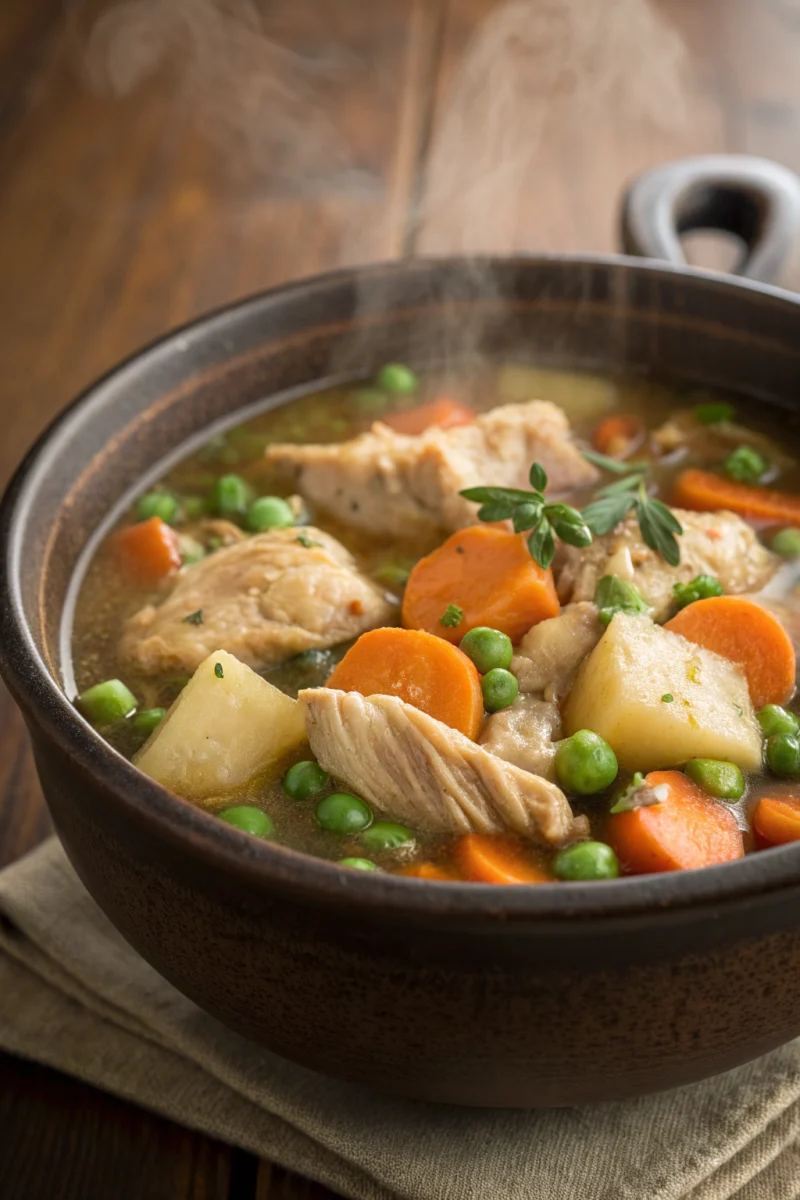
Chicken Stew — The Ultimate Comfort Soup for Cozy Evenings
Chicken Stew combines heartiness, warmth, and nutrition in one bowl. This guide reveals how to make the perfect winter soup — comforting, wholesome, and deeply flavorful, crafted with chef-level technique and family-friendly ease.
Thank you for reading this post, don't forget to subscribe!Why Chicken Stew Matters in Winter
During cold months, the body craves warmth and hydration. Chicken Stew offers both, blending nutrient-rich ingredients with slow-simmered depth. From classic broths to creamy textures, it’s a dish that soothes and strengthens at once. Its rich flavors and tender ingredients make it a staple in many households, providing not just sustenance but also a sense of well-being. The act of preparing and enjoying a homemade chicken stew can be a deeply comforting ritual, a beacon of warmth against the chill of winter.
Core Ingredients for a Perfect Chicken Stew
Achieving a truly exceptional chicken stew begins with selecting the right ingredients. Each component plays a crucial role in building layers of flavor and texture. Here’s a breakdown of the essential items you’ll need:
- Chicken: For the most tender and flavorful stew, opt for boneless, skinless chicken thighs. They hold up well to simmering and remain juicy. Chicken breast can also be used, but be mindful not to overcook it, as it can dry out. Cut the chicken into 1-inch pieces for even cooking.
- Aromatics:
- 1 tbsp olive oil (or a neutral oil like canola/vegetable oil)
- 1 large onion, finely chopped (yellow or white onions work best for their sweetness)
- 2-3 garlic cloves, minced (freshly minced garlic provides the best aroma)
- Root Vegetables: These form the hearty base of your stew.
- 2-3 medium carrots, peeled and diced (about ½-inch pieces)
- 2-3 celery stalks, trimmed and sliced (about ½-inch pieces)
- 2-3 medium potatoes, peeled and diced (Russet, Yukon Gold, or red potatoes are good choices for their texture and ability to absorb flavor)
- Liquid Base:
- 4 cups (1 liter) high-quality vegetable or chicken broth (low sodium is preferable so you can control the salt content)
- Optional: ½ cup dry white wine for extra complexity (ensure it’s a wine you’d enjoy drinking)
- Grains (Optional, but recommended for heartiness):
- 1 cup cooked barley or rice (add precooked grains towards the end, or cook raw grains directly in the stew, adjusting liquid)
- Herbs and Spices: These are the soul of your stew, imparting depth and character.
- 1 tsp dried thyme (or 1 tbsp fresh thyme, chopped)
- 1-2 bay leaves (remove before serving)
- Salt and freshly ground black pepper to taste (season generously in layers)
- Optional: ½ tsp dried rosemary, a pinch of smoked paprika for warmth, or a dash of nutmeg for creamy versions.
- Thickening Agent (Optional):
- 2 tbsp all-purpose flour or cornstarch slurry (mixed with a little cold water) if you prefer a thicker stew.
- Fresh Garnish:
- Fresh parsley or dill, chopped, for a bright finish.
Step-by-Step Method for the Best Chicken Stew
Crafting a perfect chicken stew is a labor of love, but it doesn’t have to be complicated. Following these steps will ensure a rich, flavorful, and perfectly cooked meal.
Step 1 — Prepare Your Chicken
Pat your boneless, skinless chicken thighs dry with paper towels. Season them generously with salt and pepper. This initial seasoning is crucial for building flavor from the ground up. If you’re using chicken breast, cut it into slightly larger chunks to prevent it from drying out.
Heat 1 tbsp of olive oil in a large Dutch oven or heavy-bottomed pot over medium-high heat. Sear the chicken pieces in batches until lightly browned on all sides. This browning (Maillard reaction) adds an incredible depth of flavor to your stew. Don’t worry about cooking it through; you’re just aiming for a nice crust. Remove the browned chicken and set it aside.

Step 2 — Build Your Flavor Base (Soffritto)
Reduce the heat to medium. Add another splash of olive oil if needed. Add the finely chopped onion, minced garlic, and sliced celery to the pot. Sauté gently, stirring occasionally, until the vegetables soften and become translucent, about 5-7 minutes. The onion should be golden, and the garlic fragrant but not burnt. This aromatic base is the foundation of your stew’s deliciousness.
If you opted for white wine, now is the time to add it. Pour in ½ cup of dry white wine and scrape up any browned bits from the bottom of the pot with a wooden spoon. Let the wine simmer for 2-3 minutes, allowing the alcohol to cook off and the flavors to concentrate.
Step 3 — Add Root Vegetables and Liquid
Add the diced carrots and potatoes to the pot. Stir them into the aromatic base. Pour in the 4 cups of vegetable or chicken broth. Add the dried thyme and bay leaves. Season with a generous pinch of salt and freshly ground black pepper. Remember to season in layers; you’ll adjust again at the end.
Bring the mixture to a gentle simmer, then reduce the heat to low, cover the pot, and let it cook for 15-20 minutes. This allows the root vegetables to begin softening and the flavors to meld. Skim gently if any foam appears on the surface, although with a good quality broth, this should be minimal.
Step 4 — Return Chicken and Thicken (Optional)
Return the seared chicken pieces to the pot. Ensure they are submerged in the liquid. If you prefer a thicker stew, now is the time to add your thickening agent. In a small bowl, whisk together 2 tablespoons of all-purpose flour with ¼ cup of cold water until smooth (a slurry). Slowly pour the slurry into the simmering stew while stirring constantly. Alternatively, you can use cornstarch slurry for a gluten-free option.
Increase the heat slightly to maintain a gentle simmer. Cook for another 10-15 minutes, or until the chicken is cooked through (internal temperature of 165°F/74°C) and the vegetables are tender. The stew should thicken slightly during this time.
Step 5 — Add Grains and Finish
If you’re using pre-cooked barley or rice, stir it in during the last 5 minutes of cooking, just enough to warm it through. If you prefer to cook raw grains directly in the stew, add them along with the broth in Step 3, adjusting the total liquid content as per the grain’s cooking instructions. Barley, for example, often requires more liquid and a longer cooking time than rice.
Remove the bay leaves from the stew. Taste and adjust the seasoning one last time. You might find you need more salt, pepper, or a pinch more thyme. A squeeze of fresh lemon juice at this stage can also brighten the flavors beautifully.
Step 6 — Garnish and Serve
Ladle your delicious chicken stew into bowls. Garnish generously with fresh chopped parsley or dill for a burst of color and fresh herb flavor. Serve hot and enjoy!
Nutrition Facts (per serving) for our Chicken Stew
The nutritional profile of Chicken Stew can vary significantly based on ingredient choices and portion sizes. The following is an estimated breakdown for a typical serving (about 1.5 cups) using lean chicken thighs, ample vegetables, and barley. This estimation is based on a recipe similar to the one provided, but please note that exact values will differ.
- Calories: Approximately 380-450 kcal
- Protein: 30-35g (primarily from the chicken)
- Carbohydrates: 35-45g (from vegetables, barley/rice, and any thickener)
- Sugars: 5-8g (naturally occurring in vegetables)
- Fiber: 6-9g (excellent source from vegetables and barley)
- Fat: 12-18g (includes olive oil and fat from chicken thighs)
- Saturated Fat: 3-5g
- Trans Fat: 0g
- Cholesterol: 80-100mg
- Sodium: 500-700mg (can be considerably reduced by using low-sodium broth and controlling added salt)
- Vitamins and Minerals (Significant sources):
- Vitamin A: Excellent (from carrots)
- Vitamin K: Good (from celery, herbs)
- Vitamin C: Good (from potatoes, some vegetables)
- B Vitamins (B6, B12, Niacin): Excellent (from chicken)
- Iron: Good (from chicken, barley)
- Potassium: Good (from potatoes, vegetables)
- Zinc: Good (from chicken)
This nutritional analysis illustrates that Chicken Stew is not just comforting but also a powerhouse of essential nutrients, contributing to satiety, energy, and overall health. The high fiber content supports digestive health, while protein aids in muscle repair and growth. The blend of vitamins and minerals boosts immunity and supports various bodily functions.
Healthy Variations and Enhancements for Your Chicken Stew
One of the beauties of chicken stew is its versatility. You can easily adapt it to suit dietary preferences, add more nutrients, or simply explore new flavor profiles. Here are some healthy variations and enhancements:
Protein Boosts:
- Lentils: Add ½ cup of brown or green lentils (rinsed) along with the broth. They will cook alongside the vegetables, adding significant fiber and plant-based protein, making the stew even heartier.
- Chickpeas or White Beans: Stir in a can of rinsed and drained chickpeas, cannellini beans, or great northern beans during the last 15 minutes of cooking. They contribute a creamy texture and excellent protein.
- Tofu or Tempeh: For a more plant-forward version, sauté cubed firm tofu or crumbled tempeh with the aromatics. They absorb the stew’s flavors beautifully.
Vegetable Power-Ups:
- Leafy Greens: Stir in a few handfuls of chopped kale, spinach, or Swiss chard during the last 5-10 minutes of cooking. They will wilt down, adding vitamins, minerals, and fiber without significantly altering the flavor.
- Mushrooms: Sauté sliced mushrooms (cremini, shiitake, or even wild mushrooms) with the onions and garlic to add an earthy umami depth.
- Bell Peppers: Diced bell peppers (any color) can be added with the carrots and potatoes for extra sweetness and vitamin C.
- Sweet Potatoes or Butternut Squash: Replace or supplement regular potatoes with diced sweet potatoes or butternut squash for a boost of Vitamin A and natural sweetness.
Creamy Textures (Dairy-Free and Dairy Options):
- Dairy-Free Creaminess:
- Coconut Milk: For a subtle sweetness and velvety texture, stir in ½ to 1 cup of full-fat canned coconut milk (not the beverage type) during the last 10 minutes of simmering. This pairs particularly well with a hint of ginger or curry spices.
- Cashew Cream: Blend ½ cup of soaked cashews with ½ cup of water until completely smooth. Stir this into the stew at the end for an incredibly rich and dairy-free creamy finish.
- Dairy Creaminess:
- Greek Yogurt or Sour Cream: For a tangy richness, stir in a dollop of full-fat Greek yogurt or sour cream into individual bowls just before serving. Avoid adding directly to the hot stew to prevent curdling.
- Heavy Cream: For a more indulgent touch, stir in ½ cup of heavy cream or half-and-half during the last 5 minutes of cooking.
- Blended Vegetables: For a thick, luscious, and naturally creamy texture without added fat, remove about 1-2 cups of the cooked stew (mostly vegetables) and blend it until smooth using an immersion blender or a regular blender (carefully!). Stir the blended portion back into the pot. This is a fantastic way to add creaminess and nutrients.
Flavor Profile Twists:
- Herbal Freshness: Experiment with fresh herbs like rosemary, sage, or marjoram. Add them in moderation early in the cooking process for deep infusion, or as a fresh garnish.
- Spicy Kick: A pinch of red pepper flakes or a dash of hot sauce can add a pleasant warmth.
- Citrus Brightness: A squeeze of fresh lemon juice or a grate of lemon zest before serving can brighten all the flavors.
- Umami Boost: A tablespoon of tomato paste sautéed with the aromatics or a dash of Worcestershire sauce or soy sauce can deepen the savory notes.
By incorporating these variations, your chicken stew can be a canvas for endless culinary creativity, ensuring it remains a exciting and healthy meal throughout the winter season.
Serving Suggestions for Your Hearty Chicken Stew
A well-made chicken stew is a meal in itself, but pairing it with the right accompaniments can elevate the dining experience. Here are some serving suggestions to complement the richness and warmth of your stew:
- Crusty Bread: This is a classic for a reason! A warm, crusty loaf of artisanal bread, sourdough, or a French baguette is perfect for soaking up every last bit of the flavorful broth. Consider a slice of Garlic Herb Flatbread for an added aromatic touch.
- Cornbread: A slightly sweet and savory cornbread muffin or a slice of skillet cornbread provides a wonderful textural contrast to the tender stew.
- Biscuits or Dinner Rolls: Fluffy homemade biscuits or soft dinner rolls are another excellent choice for dipping and savoring the broth.
- Green Salad: A light, crisp green salad with a simple vinaigrette can provide a refreshing counterpoint to the richness of the stew, adding freshness and cutting through the heavier flavors.
- Roasted Vegetables: If your stew isn’t packed with a wide variety of vegetables, a side of roasted broccoli, asparagus, or green beans can add extra nutrients and earthy flavors.
- Grain Pilaf: For an even heartier meal, serve your chicken stew over a bed of fluffy quinoa, couscous, or a simple brown rice pilaf (if not already incorporated into the stew).
- Garnishes: Don’t underestimate the power of a fresh garnish! Besides parsley or dill, consider a spoonful of plain Greek yogurt or sour cream for a creamy, tangy finish (especially with herb variations), a sprinkle of toasted nuts for crunch, or a few croutons.
For a delightful end to your comforting meal, consider light, wholesome desserts like fruit salad, baked apples, or Honey Oat Energy Bites. These complement the hearty stew without being overly heavy.
Common Mistakes to Avoid When Making Chicken Stew
Even seasoned cooks can fall victim to common pitfalls when preparing chicken stew. Being aware of these mistakes can help you achieve a consistently delicious and perfectly textured result every time:
- Boiling Instead of Simmering: One of the most critical mistakes. Boiling vigorously can break down delicate vegetables, shred chicken into unappetizing fibers, and cause the broth to become cloudy. A gentle simmer, characterized by small, lazy bubbles, ensures even cooking, retains vegetable texture, and keeps the broth clear. It also allows flavors to meld slowly and deeply.
- Overcrowding the Pot: When searing chicken or sautéing vegetables, do not overcrowd the pot. If there’s too much in the pan, the ingredients will steam instead of sear, preventing the browning that builds rich flavor (the Maillard reaction). Work in batches if necessary, ensuring there’s enough space for evaporation and direct contact with the hot surface.
- Skipping Salt Layering: Adding all the salt at the very end can result in a stew that tastes one-dimensional or even bland. Season the chicken, then the aromatics, then when adding the broth and vegetables. This layering builds flavor incrementally. Always taste and adjust at various stages, especially after adding the broth and before serving. Remember, you can always add more salt, but you can’t easily take it away.
- Using Low-Quality Broth: The broth is the backbone of your stew’s flavor. A weak, salty, or artificial-tasting broth will significantly detract from the final dish. Invest in a good quality, low-sodium store-bought chicken or vegetable broth, or even better, make your own. Homemade broth offers superior depth and allows you full control over ingredients and sodium content.
- Overcooking the Chicken: Chicken thighs are more forgiving than breast meat, but both can become dry and stringy if overcooked. Add the chicken back to the stew when the liquid is already simmering and the vegetables are partially cooked, then cook just until the chicken is tender and cooked through (around 165°F/74°C internal temperature).
- Adding All Vegetables at Once: Different vegetables have different cooking times. Harder root vegetables like carrots and potatoes need a longer simmer than softer vegetables like peas, corn, or leafy greens. Add root vegetables early, and softer, quicker-cooking additions towards the end to prevent them from turning to mush.
- Not Skimming Excess Fat: While some fat adds flavor, excessive amounts can make the stew greasy and unappetizing. If you notice a thick layer of fat accumulating on top during simmering, use a ladle or spoon to skim it off. This is especially relevant if using fattier cuts of chicken or adding oil for browning.
- Forgetting About Bay Leaves: Bay leaves are fantastic for adding a subtle, savory depth, but they are not meant to be eaten. Always remember to remove them before serving.
- Not Letting Flavors Meld: While you can eat a stew right off the stove, the flavors deepen and meld beautifully if the stew is allowed to rest for 15-30 minutes off the heat, or even better, if prepared a day in advance and reheated.
By avoiding these common mistakes, you’ll be well on your way to crafting a truly memorable and delicious chicken stew that will be a hit with family and friends.
Storage Tips for Your Delicious Chicken Stew
One of the many advantages of making a large pot of chicken stew is its excellent suitability for meal prepping and freezing. Proper storage ensures you can enjoy its comforting flavors for days or even months to come. Here’s how to store your stew effectively:
Cooling Down Safely:
This is the most crucial step for food safety. Never put a large pot of hot stew directly into the refrigerator, as it can raise the internal temperature of your fridge to an unsafe level and encourage bacterial growth.
- Divide into Smaller Portions: Once cooking is complete, allow the stew to cool down on the countertop for no more than 1 hour. To speed up cooling, divide the stew into smaller, shallower containers.
- Stir Occasionally: Stirring the stew every 10-15 minutes during the initial cooling phase can help dissipate heat more quickly.
- Refrigerate Promptly: Once the stew has cooled to room temperature (generally within 1 to 2 hours of cooking), transfer it to airtight containers and refrigerate immediately.
Refrigeration:
- Optimal Containers: Use sturdy, airtight containers made of glass or BPA-free plastic. This prevents odors from permeating other foods in your fridge and keeps the stew fresh.
- Duration: Properly stored chicken stew will last in the refrigerator for up to 3-4 days. After this period, quality begins to decline, and the risk of spoilage increases.
Freezing:
Chicken stew freezes exceptionally well, making it a fantastic make-ahead meal option.
- Freezer-Safe Containers: Use rigid freezer-safe containers, heavy-duty freezer bags, or even individual portions in freezer-safe jars (leave headspace for expansion).
- Labeling: Always label your containers with the date of preparation. This helps you keep track of its freshness.
- Duration: Frozen chicken stew can maintain its quality for up to 3 months. While safe to eat beyond this, the texture of vegetables (especially potatoes) might become a bit softer, and flavors might slightly diminish.
- Thawing: For best results, thaw frozen stew overnight in the refrigerator. If you’re short on time, you can carefully thaw it in the microwave using the defrost setting, or gently in a pot on the stove over low heat.
Reheating:
Gentle reheating is key to preserving the flavor and texture of your stew.
- Stovetop: The best method. Transfer the desired amount of stew to a saucepan. Reheat gently over medium-low heat, stirring occasionally, until heated through. Avoid rapid boiling, as this can break down ingredients and make the chicken stringy.
- Microwave: Reheat individual portions in a microwave-safe bowl, stirring halfway through to ensure even heating. This is quicker but can sometimes lead to unevenly heated spots.
- Adjust Consistency: If the stew has thickened too much during storage or reheating, you can always add a splash of extra broth or water to reach your desired consistency.
By following these storage guidelines, you can ensure that every spoonful of your chicken stew is as delicious and comforting as the first, making it a powerful tool for efficient and healthy eating during busy weeks.
Conclusion
Chicken Stew proves that healthy food can be both rich and comforting. Far from a mere meal, it is a testament to the power of thoughtful cooking, combining nutrition, warmth, and deep, satisfying flavors into a single bowl. This comprehensive guide has walked you through every stage, from selecting the finest ingredients and building a robust flavor base to mastering essential cooking techniques and avoiding common pitfalls. We’ve explored healthy variations, thoughtful serving suggestions, and practical storage tips, ensuring that you’re equipped to create a perfect stew every time.
Whether you’re seeking a fortifying meal to combat the winter chill, a wholesome dish for family dinners, or a smart option for meal prepping, chicken stew rises to the occasion. Its adaptability means it can be tailored to almost any dietary preference or ingredient availability, making it a truly versatile and indispensable dish in any home cook’s repertoire. The process of making it fills the home with tantalizing aromas, and the end result is nothing short of culinary bliss – warmth, substance, and incredible taste in every spoonful.
So, gather your ingredients, follow these steps, and embrace the comforting embrace of a homemade chicken stew. It’s more than just food; it’s an experience that nourishes the body and soothes the soul, making every cozy evening complete.
FAQ — Frequently Asked Questions About Chicken Stew
- Can I use frozen vegetables? Yes, you can absolutely use frozen mixed vegetables (like peas, corn, green beans, or even a mirepoix blend) in your chicken stew. Add them directly from frozen during the last 10-15 minutes of cooking to ensure they warm through and retain their texture without becoming mushy. If using frozen vegetables, you might need to slightly reduce the amount of broth or liquid initially, as frozen vegetables can release a bit more water as they cook, potentially thinning the stew.
- How can I make it creamier? There are several ways to achieve a creamier chicken stew.
- Blend a Portion: For a naturally creamy texture without added dairy or fat, remove about 1 to 2 cups of the cooked stew (focusing on the vegetables) and blend it until smooth using an immersion blender or a regular blender (be cautious with hot liquids). Stir this blended portion back into the pot.
- Add Dairy: Stir in a few tablespoons to ½ cup of heavy cream, half-and-half, or even Greek yogurt/sour cream (stirred into individual servings to prevent curdling) during the last 5 minutes of cooking.
- Coconut Milk: For a dairy-free creamy option, add ½ to 1 cup of full-fat canned coconut milk at the end of the cooking process.
- Roux or Slurry: If you want a thicker, richer base, you can make a roux (butter and flour paste) at the beginning before adding liquid, or use a cornstarch/flour slurry to thicken towards the end.
- What’s the best broth to use for chicken stew? The quality of your broth significantly impacts the final flavor of your stew.
- Homemade Broth: This is always the superior choice for depth of flavor and control over sodium.
- Low-Sodium Store-Bought: If using store-bought, opt for a high-quality, low-sodium chicken or vegetable broth. This allows you to control the salt content precisely. Products labeled “organic” or “free-range” often have better flavor profiles.
- Avoid Bouillon Cubes: While convenient, bouillon cubes and granulated bouillon can often be very high in sodium and artificial flavors, which detract from a fresh, wholesome stew.
- How long does chicken stew last?
- Refrigerated: Properly stored in an airtight container, chicken stew will last for 3 to 4 days in the refrigerator.
- Frozen: When frozen in freezer-safe containers, it can maintain its quality for up to 3 months. Beyond that, it’s still safe to eat but might experience some textural changes (especially potatoes becoming softer) or slight flavor degradation.
- Can I make chicken stew in a slow cooker or instant pot? Yes, chicken stew adapts wonderfully to both slow cookers and Instant Pots, making it even more convenient.
- Slow Cooker: Sauté the chicken and aromatics first on the stovetop to build flavor if desired (though you can skip this for an easier dump-and-go meal). Then combine all ingredients (except quick-cooking items like fresh herbs or cream) in the slow cooker. Cook on low for 6-8 hours or on high for 3-4 hours, until chicken is tender and vegetables are cooked. Add any quick-cooking ingredients during the last hour.
- Instant Pot: Use the “Sauté” function to brown chicken and aromatics. Then add remaining ingredients (liquids, vegetables, spices). Secure the lid, set the vent to sealing, and pressure cook on high for 10-15 minutes (depending on chicken piece size and desired tenderness of vegetables), followed by a natural release for 10 minutes, then quick release any remaining pressure. Stir in any quick-cooking items or thickeners after cooking.
- Can I use a different type of meat like beef or turkey? Absolutely! The basic stew recipe is highly adaptable.
- Beef Stew: For beef stew, use stewing beef (like chuck roast), cut into 1-inch cubes. Brown it intensely at the beginning. It will require a longer simmering time (1.5-2.5 hours) for the beef to become tender.
- Turkey Stew: Use turkey thighs or breast meat, cut into cubes. Cook it similarly to chicken stew. Ground turkey can also be used, browned with the aromatics.
Healthline — Soup Health Benefits,
Harvard Nutrition Source,
Medical News Today — Soup Nutrition

creates quick vegetarian dinners and vibrant taco recipes.