
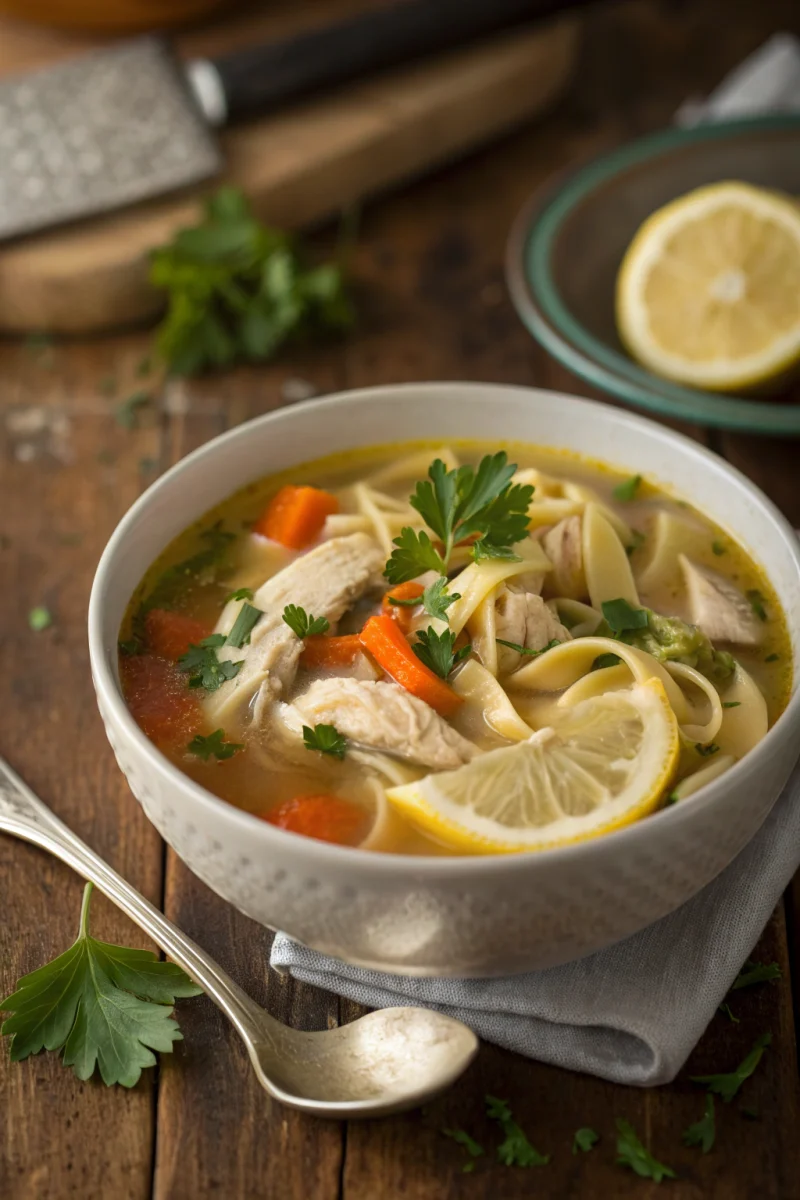
Chicken Noodle Soup — The Ultimate Comfort Soup for Cozy Evenings
Chicken Noodle Soup combines heartiness, warmth, and nutrition in one bowl. This guide reveals how to make the perfect winter soup — comforting, wholesome, and deeply flavorful, crafted with chef-level technique and family-friendly ease. Beyond just a recipe, we delve into the philosophy of this beloved dish, exploring its cultural significance, health benefits, and myriad ways to customize it to your personal taste and dietary needs. Prepare to transform your kitchen into a haven of savory aromas and create a Home Cook Legacy dish that will be cherished by all.
Why Chicken Noodle Soup Matters in Winter
During cold months, the body craves warmth and hydration. Chicken Noodle Soup offers both, blending nutrient-rich ingredients with slow-simmered depth. From classic broths to creamy textures, it’s a dish that soothes and strengthens at once. But its appeal goes far beyond mere physical comfort. For many, Chicken Noodle Soup is synonymous with home, healing, and nostalgia. It evokes memories of childhood, of loved ones caring for us when we were unwell, and of simple, unpretentious meals shared around a warm table. This emotional connection makes it a powerful antidote to winter blues, a source of psychological comfort as much as nutritional sustenance. Its simple yet profound flavors are often the first thing people reach for when feeling under the weather, a testament to its long-standing reputation as a natural remedy.
Understanding the Health Benefits of Chicken Noodle Soup
Beyond its comforting qualities, Chicken Noodle Soup is packed with nutritional benefits that make it an excellent choice for health-conscious individuals, especially during flu season. The combination of ingredients works synergistically to support the immune system and promote overall well-being.
Hydration
The high liquid content of soup is crucial for staying hydrated, particularly when battling a cold or flu. Proper hydration supports metabolic functions and helps thin mucus, making it easier to expel. The warmth of the soup also helps to open up nasal passages, providing immediate relief from congestion.
Nutrient Density
The vegetables commonly found in Chicken Noodle Soup—carrots, celery, and onions—are rich in vitamins, minerals, and antioxidants. Carrots provide beta-carotene, essential for vision and immune function. Celery offers vitamin K and antioxidants, while onions are a good source of vitamin C and prebiotics that support gut health.
Protein Power
Chicken is a lean source of high-quality protein, which is vital for building and repairing tissues, producing enzymes and hormones, and supporting a healthy immune system. Including chicken in your soup helps you feel full and satisfied, contributing to overall energy levels and aiding recovery from illness. Opting for skinless, boneless chicken breast also keeps the fat content low while maximizing protein intake.
Immune Support
The classic combination of chicken broth, garlic, and ginger (optional but highly recommended for an extra kick) provides a potent immune-boosting concoction. Garlic is known for its antiviral and antibacterial properties, while ginger has powerful anti-inflammatory effects. The steam from hot soup can also help clear nasal passages, offering immediate symptomatic relief from congestion and sinus pressure.
Digestibility
Soups are generally easy to digest, making them perfect for those with sensitive stomachs or during recovery from illness. The cooking process breaks down ingredients, making nutrients more accessible to the body. This gentle nature ensures that your body can focus its energy on healing rather than on strenuous digestion.
For more detailed information on the benefits of soup, you might find this Healthline article on healthy soup benefits helpful. Understanding the science behind why soup is so good for you only enhances the enjoyment of this delightful dish.
Core Ingredients for the Perfect Chicken Noodle Soup
Creating an exceptional Chicken Noodle Soup starts with selecting the right ingredients. Each component plays a crucial role in building layers of flavor and delivering vital nutrients. Here’s a breakdown of the essentials for a foundational recipe, suitable for a large pot (serving 6-8):
- 2 tbsp Olive Oil or Butter: The fat forms the base for sautéing the aromatics and adds richness. Extra virgin olive oil offers a fruity note, while butter contributes a creamy, savory depth.
- 1 large yellow onion, finely chopped: Onions are a foundational aromatic, providing sweetness and depth of flavor. They become translucent and mellow when properly sautéed.
- 3 cloves garlic, minced: Garlic is an indispensable flavor enhancer, offering pungent, savory notes that deepen the broth. Always mince it for maximum flavor release.
- 3 medium carrots, peeled and diced: Carrots contribute sweetness, color, and essential beta-carotene. Dicing them ensures even cooking and prevents them from becoming mushy.
- 3 stalks celery, thinly sliced: Celery adds a subtle, earthy, and slightly peppery flavor, along with a crisp texture that holds up well during simmering.
- 8 cups (2 liters) low-sodium chicken broth or homemade stock: This is the backbone of your soup. High-quality broth is paramount for a flavorful soup. Homemade stock offers unparalleled depth. If using store-bought, opt for low-sodium to control the salt content yourself.
- 4 cups cooked chicken, shredded or diced: You can use leftover roast chicken, rotisserie chicken, or cook 1-1.5 lbs of boneless, skinless chicken breasts or thighs specifically for the soup. Cooking chicken directly in the broth can also add flavor.
- 2 cups egg noodles (medium width recommended): Egg noodles are traditional for their texture and ability to absorb broth. Adjust the amount based on your preference for noodle-to-broth ratio.
- 1 tsp dried thyme: Thyme is a classic herb for Chicken Noodle Soup, offering an earthy, slightly minty, and peppery flavor that complements the chicken and vegetables beautifully.
- 1 bay leaf: A bay leaf adds a subtle, almost floral depth to the broth. Remember to remove it before serving.
- Salt and freshly ground black pepper to taste: Seasoning is crucial. Taste and adjust throughout the cooking process.
- 1/4 cup fresh parsley, chopped: Added at the end, fresh parsley brightens the soup with a fresh, herbaceous note and vibrant color.
Step-by-Step Method for Making the Best Chicken Noodle Soup
Follow these detailed steps to ensure your Chicken Noodle Soup is perfectly balanced, flavorful, and comforting every time. Precision and patience in each stage build layers of taste that define a truly great soup.
Step 1 — Prepare Your Chicken
Before you begin the soup base, ensure your chicken is ready. If you’re using leftover cooked chicken, shred or dice it and set aside. If cooking fresh chicken:
Option A (Poaching): Place 1-1.5 lbs boneless, skinless chicken breasts or thighs in a pot and cover with chicken broth or water. Bring to a gentle simmer, then reduce heat and cook for 15-20 minutes, or until cooked through. Remove chicken, let it cool slightly, then shred or dice. You can use the poaching liquid as part of your soup broth, straining it first if desired.
Option B (Sautéing): Season chicken pieces with salt and pepper. In a large pot or Dutch oven, heat 1 tbsp olive oil over medium-high heat. Sear chicken for 3-4 minutes per side until lightly browned. Remove chicken, set aside, and shred or dice once cool enough to handle. The browned bits left in the pot will add extra flavor to your soup base.

Step 2 — Build Your Flavor Base (The Mirepoix)
This is arguably the most crucial step for a deeply flavorful soup. A properly sautéed mirepoix (onion, carrots, celery) sets the foundation.
In the same large pot or Dutch oven, heat 2 tablespoons of olive oil or butter over medium heat. Add the finely chopped onion. Sauté for 5-7 minutes, stirring occasionally, until the onion becomes translucent and softened. Do not rush this step; allowing the onion to sweeten slowly is key.
Add the minced garlic, diced carrots, and thinly sliced celery to the pot. Continue to sauté for another 7-10 minutes, stirring frequently. The vegetables should soften further and the carrots should begin to brighten in color. This process gently releases their natural sugars and aromatic compounds, creating a rich base. Season lightly with a pinch of salt and pepper at this stage to draw out moisture and intensify flavors.

Step 3 — Simmer the Broth and Seasonings
Pour in the 8 cups of low-sodium chicken broth or homemade stock. Add the dried thyme and bay leaf. Bring the mixture to a gentle boil, then immediately reduce the heat to a low simmer. Cover the pot partially and let it simmer for at least 25-30 minutes. This allows the flavors to meld beautifully and the vegetables to become tender. Skim off any foam that rises to the surface during the initial simmering. During this time, the aromatics will infuse the broth, creating a robust and complex foundation.

Step 4 — Add Chicken and Noodles
Once the broth has simmered and the vegetables are tender, add the shredded or diced cooked chicken back into the pot. Stir well to combine.
Next, add the egg noodles. Increase the heat slightly to bring the soup back to a gentle simmer. Cook the noodles according to package directions, typically 7-10 minutes, or until they are al dente (tender but still firm to the bite). Be careful not to overcook the noodles, as they will continue to soften in the hot broth even after the heat is turned off.

Step 5 — Final Seasoning and Finishing Touches
Carefully remove and discard the bay leaf. Taste the Chicken Noodle Soup and adjust the seasoning. This is a critical step! Add more salt if needed (remember, you used low-sodium broth), and plenty of freshly ground black pepper. If you like a touch of acidity, a squeeze of fresh lemon juice at this stage can brighten all the flavors.
Stir in the fresh chopped parsley just before serving. The vibrant green not only adds color but also a fresh, herbaceous aroma and flavor that complements the richness of the soup. Ladle hot soup into bowls and serve immediately.

Nutrition Facts (per serving — estimated for 1.5 cup serving)
The nutritional profile of Chicken Noodle Soup can vary greatly depending on the specific ingredients and portion sizes. The following values are approximate and based on a typical recipe using lean chicken, standard vegetables, and egg noodles. These figures are excellent for a wholesome, balanced meal:
- Calories: 280-350
- Protein: 20-25g (primarily from chicken)
- Carbohydrates: 30-40g (from noodles, vegetables)
- Of which Sugars: 4-6g (natural sugars from vegetables)
- Total Fat: 8-12g (from olive oil/butter, chicken fat)
- Of which Saturated Fat: 2-4g
- Fiber: 4-6g (from vegetables, whole grain noodles if used)
- Sodium: 600-800mg (can be controlled with low-sodium broth and careful seasoning)
- Potassium: 400-500mg
- Vitamin A: Excellent source (from carrots)
- Vitamin C: Good source (from onions, celery, parsley)
- Iron: Moderate source
These values highlight that Chicken Noodle Soup is a nutrient-dense meal, providing essential macronutrients (protein, carbs, fats) and a good array of micronutrients (vitamins, minerals). It’s particularly beneficial for providing sustained energy and supporting immune function.
For more general information on daily nutritional requirements, refer to sources like the Harvard T.H. Chan School of Public Health Nutrition Source, which offers comprehensive guidance on healthy eating.
Healthy Variations and Customizations for Your Chicken Noodle Soup
One of the beauties of Chicken Noodle Soup is its versatility. It’s a canvas for healthy variations and can be adapted to suit various dietary needs and preferences. Here are some ideas to enhance your soup:
Boost Your Veggies
- Leafy Greens: Stir in a few handfuls of fresh spinach, kale, or Swiss chard during the last 5 minutes of cooking. They wilt quickly and add a burst of vitamins and minerals.
- Mushrooms: Sliced cremini or shiitake mushrooms add an umami depth. Sauté them with the mirepoix for best flavor.
- Zucchini/Yellow Squash: Add diced squash during the last 10-15 minutes of simmering for extra nutrients and a fresh taste.
- Bell Peppers: Red or yellow bell peppers, diced, can add sweetness and vitamin C if added with the carrots and celery.
- Potatoes/Sweet Potatoes: Cubed small potatoes or sweet potatoes can make the soup heartier and more filling. Add them with the broth for sufficient cooking time.
Protein Power-Ups
- Legumes: For extra plant-based protein and fiber, stir in a can of drained and rinsed cannellini beans, chickpeas, or pre-cooked lentils during the last 10 minutes of cooking.
- Whole Grains: Instead of or in addition to noodles, consider adding cooked quinoa or farro for a boost of protein and complex carbohydrates.
- Egg Noodles Alternatives: For a gluten-free twist, use gluten-free rice noodles, zucchini noodles (added at the very end to prevent getting mushy), or skip noodles entirely and serve over rice.
Flavor Enhancements
- Fresh Herbs: Beyond parsley, consider fresh dill, rosemary, or sage for different aromatic profiles. Add them towards the end of cooking.
- Spices: A pinch of turmeric can add warmth and anti-inflammatory benefits, while a tiny dash of cayenne pepper or red pepper flakes can provide a gentle heat.
- Umami Boost: A dash of soy sauce or a teaspoon of white miso paste (dissolved in a little warm broth) can add an incredible depth of umami.
- Acid: A squeeze of fresh lemon juice or a tablespoon of apple cider vinegar at the very end brightens all the flavors and provides a refreshing finish.
Make it Creamy (Dairy-Free or Traditional)
- Dairy-Free Creaminess: For a light, dairy-free creamy texture, blend about 1 cup of the cooked soup (mostly vegetables) and stir it back into the pot. Alternatively, stir in 1/2 cup of full-fat coconut milk or a dairy-free cream alternative (such as cashew cream) during the last 5 minutes of cooking.
- Traditional Creaminess: For a richer, more indulgent soup, stir in 1/4 to 1/2 cup of heavy cream or half-and-half during the last few minutes of cooking. Do not boil vigorously after adding dairy.
Low-Carb Options
To significantly reduce the carbohydrate content of your Chicken Noodle Soup:
- Noodle Alternatives: Replace traditional egg noodles with spiralized zucchini noodles (zoodles) or shirataki noodles. Add these at the very end, simmering just for 2-3 minutes to heat through without overcooking.
- More Non-Starchy Vegetables: Increase the proportion of celery, spinach, kale, and mushrooms, and slightly reduce the amount of carrots, as carrots contain more natural sugars.
By experimenting with these variations, you can create a personalized Chicken Noodle Soup that not only suits your taste but also meets your specific health and dietary goals. Each alteration allows you to maintain the comforting essence of the dish while introducing new textures and nutritional benefits.
Serving Suggestions for Your Chicken Noodle Soup
The perfect bowl of Chicken Noodle Soup deserves equally thoughtful accompaniments. Here are some ideas to complete your meal, ranging from simple to more elaborate:
- Crusty Bread or Rolls: A classic pairing. Serve with crusty whole-grain bread, a warm baguette, or soft dinner rolls for dipping into the flavorful broth. Toasting the bread with a little garlic butter elevates the experience.
- Garlic Herb Flatbread: A delicious and easy-to-make option. The savory, garlicky flavor perfectly complements the soup.
- Grilled Cheese Sandwich: The ultimate comfort food pairing! A warm, gooey grilled cheese sandwich provides a satisfying contrast in texture and richness.
- Simple Side Salad: A light, fresh green salad with a vinaigrette dressing can cut through the richness of the soup and add a refreshing element to the meal.
- Crackers: Classic saltine crackers or oyster crackers are simple yet effective for adding a bit of crunch.
- Garnish with Fresh Herbs: Always serve with a sprinkle of fresh parsley or dill for color and a burst of fresh flavor. A squeeze of fresh lemon juice at the end can brighten the overall taste.
- For Dessert: Follow up this wholesome meal with something light and satisfying like Honey Oat Energy Bites or Greek Yogurt Cheesecake Cups for a balanced finish.
Common Mistakes to Avoid When Making Chicken Noodle Soup
Even a seemingly simple dish like Chicken Noodle Soup can go wrong if certain pitfalls aren’t avoided. Knowing these common mistakes will help you achieve consistently delicious results:
- Boiling Instead of Simmering: A rolling boil can make your broth cloudy, break down delicate vegetables into mush, and toughen the chicken. Always maintain a gentle simmer for clear, flavorful broth and perfectly cooked ingredients.
- Overcooking the Noodles: Noodles absorb liquid and continue to cook even after the heat is off. Add them only in the last 7-10 minutes of cooking, and aim for al dente. If you plan to store leftovers, it’s often best to cook noodles separately and add them to individual servings to prevent them from becoming mushy.
- Using Low-Quality Broth: The broth is the foundation of your soup. A watery, flavorless, or overly salty store-bought broth will result in a bland soup. Invest in a good quality, low-sodium chicken broth, or ideally, make your own chicken stock.
- Skimping on the Sautéing of Aromatics: The “mirepoix” (onions, carrots, celery) needs time to soften and release its sugars and flavors. Rushing this step by only cooking for a few minutes will result in a soup that lacks depth and richness. Sauté until onions are translucent and celery and carrots have softened, around 10-15 minutes.
- Not Seasoning in Layers: Don’t wait until the very end to season. Add small pinches of salt and pepper when sautéing vegetables, when adding broth, and again at the end. This builds flavor throughout the soup. Taste and adjust as you go, remembering that it’s easier to add salt than to remove it.
- Overcrowding the Pot: A pot that’s too full or packed with too many ingredients will cook unevenly and prevent proper simmering, creating a less flavorful and potentially less aesthetically pleasing soup. Use a pot large enough to comfortably hold all ingredients with room for simmering.
- Not Removing the Bay Leaf: While bay leaves add a subtle flavor during simmering, they can be unpleasant to chew on and offer no further benefit after cooking. Always remove them before serving.
- Adding Hot Water Instead of Broth: While it might seem convenient, adding plain hot water to thin your soup will dilute the flavor. If you need to thin it, use additional broth or water generously seasoned with bouillon.
- Forgetting Fresh Herbs at the End: Fresh parsley or dill added just before serving brightens the soup significantly. It adds a fresh aroma, vibrant color, and lifts the overall taste. Without it, the soup can feel a bit flat.
Storage Tips for Chicken Noodle Soup
Proper storage is key to enjoying your delicious Chicken Noodle Soup for days to come.
Cooling
Allow the soup to cool down to room temperature for about 30 minutes before transferring it to storage containers. This prevents condensation from building up, which can affect the quality and safety of the soup. Do not leave the soup out for more than 2 hours at room temperature.
Refrigeration
Transfer the cooled soup into airtight containers. Glass containers or high-quality plastic containers with tight-fitting lids are ideal.
Store in the refrigerator for up to 3-4 days. The noodles may soften slightly and absorb more broth over time, so cooking noodles separately and adding them to each serving is a great hack for optimal texture.
Freezing
Chicken Noodle Soup freezes exceptionally well, especially if you plan ahead for the noodles.
Option 1 (No Noodles or Cooked Separately): For best results, freeze the soup base (broth, chicken, vegetables) without the noodles. When ready to serve, thaw the soup base, reheat, and then cook fresh noodles to add directly to the hot soup. This prevents mushy noodles.
Option 2 (With Noodles): If you must freeze with noodles, be aware they may be softer upon reheating. Use freezer-safe containers or heavy-duty freezer bags (lay flat for easier storage).
Freeze for up to 2-3 months. Label containers with the date of freezing.
Reheating
From Refrigerator: Gently reheat on the stovetop over medium-low heat until warmed through. Avoid vigorous boiling, as this can further break down ingredients. You can also microwave individual portions.
From Freezer: Thaw overnight in the refrigerator, then reheat on the stovetop or in the microwave. Alternatively, you can reheat directly from frozen over very low heat on the stovetop, stirring occasionally, until thawed and warmed through. Add a splash of extra broth or water if the soup has thickened too much.
Remember that leftover soup typically tastes even better the next day, as the flavors have more time to meld and deepen!
Conclusion
Chicken Noodle Soup proves that healthy food can be both rich and comforting. This comprehensive guide has walked you through every step, from selecting the finest ingredients and mastering the techniques for building deep flavors, to understanding its significant nutritional value and exploring creative variations. Whether you’re seeking a soul-soothing remedy for a cold, a hearty meal on a chilly evening, or a nutritious option for meal prep, this chef-level recipe ensures perfect results every time. Armed with these insights, you can create a bowl of Chicken Noodle Soup that warms the body, lifts the spirit, and leaves everyone feeling cherished. It’s more than just a meal; it’s an enduring legacy of home cooking, offering warmth in every spoonful. Embrace the tradition, personalize your recipe, and savor the timeless comfort that only a perfectly crafted Chicken Noodle Soup can provide. For more nutritious meal ideas, check out Medical News Today’s article on soup benefits.
FAQ — Frequently Asked Questions
- Can I use frozen vegetables? Yes, you can absolutely use frozen mixed vegetables or individual frozen components like peas, corn, or diced carrots. Add them directly to the simmering broth (often requires less cooking time than fresh) towards the end of the vegetable cooking stage, or along with the chicken and noodles. Just be aware that some frozen vegetables might release more water, so you might need a slightly thicker broth or reduce the initial amount of broth slightly to prevent thinning.
- How can I make Chicken Noodle Soup creamier? There are several ways to achieve a creamier texture. You can blend about one-third of the cooked soup (especially the vegetables and some broth) until smooth, then stir it back into the pot. Alternatively, stir in 1/4 to 1/2 cup of heavy cream, half-and-half, or a dairy-free alternative like full-fat coconut milk or cashew cream during the last 5 minutes of cooking. Do not boil vigorously after adding dairy products.
- What’s the best type of chicken broth to use? The best broth is homemade chicken stock, which offers unparalleled depth and control over sodium. If using store-bought, opt for a high-quality, low-sodium chicken broth. Look for brands with minimal added ingredients and a rich flavor. Avoid broths with high fructose corn syrup or excessive preservatives. You can also use organic chicken bouillon dissolved in hot water, but ensure it’s a good-quality brand.
- How long does Chicken Noodle Soup last? When stored properly in an airtight container in the refrigerator, your Chicken Noodle Soup will last for 3 to 4 days. If frozen (ideally, with noodles cooked separately or added fresh upon reheating), it can last for up to 2 to 3 months.
- Can I make this soup vegetarian or vegan? Absolutely! To make it vegetarian, simply omit the chicken and use vegetable broth instead of chicken broth. You can replace the chicken with chickpeas, cannellini beans, or even some firm tofu cut into cubes. For a vegan version, follow the vegetarian modifications and ensure your noodles are egg-free (many dry pasta noodles are), or use a grain like quinoa.
- What if my soup is too salty? If your soup turns out too salty, you can try adding more liquid (water or unsalted broth) to dilute it. Another trick is to add a few raw potato slices to the soup and let them simmer for about 15-20 minutes; potatoes absorb excess salt. Remove them before serving.
- Can I add other spices? Yes, feel free to personalize your soup with other spices. A pinch of ground ginger, a touch of paprkia, or even a very small amount of white pepper can add different dimensions of flavor. Turmeric is also a popular addition for its vibrant color and health benefits.
- Chicken & Vegetable Stew
- Greek Yogurt Cheesecake Cups
- Lemon Herb Chicken & Rice

HomeCook Legacy Kitchen is the editorial name of homecooklegacy.com. Recipes on this site are drafted with the help of AI tools and published by the HomeCook Legacy team. Please check ingredients, cooking times and food-safety guidance for your own situation.