
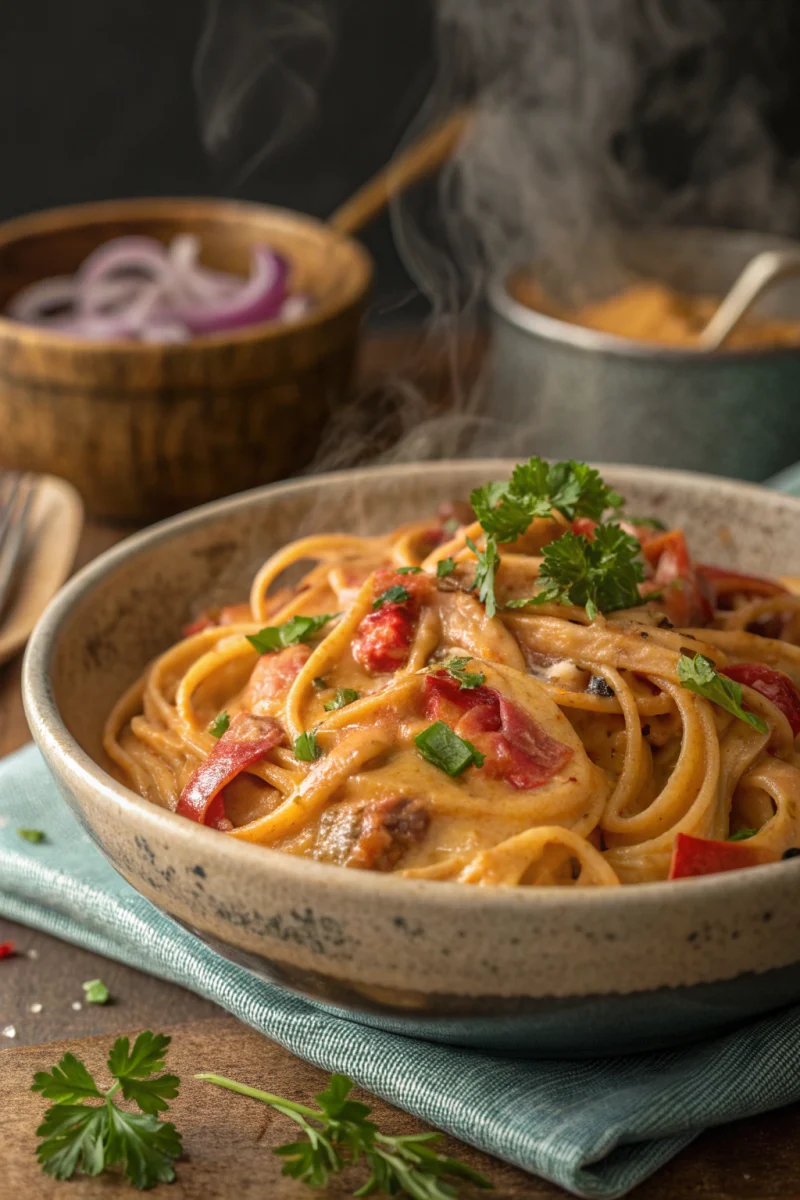
Cajun Pasta — The Ultimate Soulful Comfort Dish for Cozy Evenings
This creamy cajun pasta recipe is a HomeCookLegacy favorite — simple to make and absolutely delicious.
Cajun Pasta combines heartiness, warmth, and nutrition in one bowl. This guide reveals how to make the perfect winter soup — comforting, wholesome, and deeply flavorful, crafted with chef-level technique and family-friendly ease.
Why Cajun Pasta Matters in Winter
During cold months, the body craves warmth and hydration. Cajun Pasta offers both, blending nutrient-rich ingredients with slow-simmered depth. From classic broths to creamy textures, it’s a dish that soothes and strengthens at once.
Core Ingredients for Authentic Cajun Pasta
Crafting exceptional Cajun Pasta begins with selecting the right ingredients. Each component plays a crucial role in building the dish’s signature flavor profile. Here’s a detailed look at what you’ll need, beyond just the basics, to ensure a truly authentic and delicious experience. The key to this dish, like many iconic Cajun recipes, lies in the trinity of bell pepper, onion, and celery, combined with robust seasonings and a rich sauce.
- 1 tbsp olive oil: While olive oil is a standard, some prefer butter or a blend of both for a richer start. This will be the base for your “holy trinity” to sweat down and release its aromatic goodness.
- 1 pound boneless, skinless chicken breasts or thighs: Cut into 1-inch pieces. For an even richer flavor, consider using chicken thighs as they tend to stay juicier. Shrimp is another excellent protein option, especially added near the end of cooking.
- 1 onion, finely chopped: This is one-third of the “holy trinity” in Cajun cooking. Choose a yellow or white onion for a classic flavor.
- 2 garlic cloves, minced: Garlic is essential for depth and aroma. Don’t skimp here; fresh is always best.
- 1 green bell pepper, diced: The second part of the trinity. Green bell peppers offer a slightly bitter, peppery note that balances the sweetness of the onion and the earthiness of the celery.
- 2 celery stalks, sliced: The final component of the “holy trinity.” Celery adds a subtle, earthy flavor and a bit of texture.
- 4 cups vegetable or chicken broth: High-quality broth is paramount. If using store-bought, opt for low-sodium to control the seasoning yourself. Homemade broth will always provide the deepest flavor.
- 1 cup heavy cream: This creates the luxurious, creamy texture characteristic of many Cajun pasta dishes. For a lighter version, you can substitute half-and-half or even some milk, though the richness will be reduced.
- 8 ounces fettuccine or linguine pasta: Or other pasta of your choice. Penne or rotini also work well, especially for holding onto the creamy sauce.
- 1/2 cup grated Parmesan cheese: Freshly grated Parmesan melts beautifully into the sauce, adding a salty and umami depth.
- Cajun seasoning (2-3 tbsp, to taste): This is where the magic happens! A good quality Cajun seasoning blend typically includes paprika, cayenne pepper, garlic powder, onion powder, black pepper, and oregano. Adjust to your heat preference.
- Salt and black pepper to taste: Even with Cajun seasoning, you’ll want to adjust the basic salt and pepper levels.
- Fresh parsley, chopped (for garnish): Adds a pop of color and freshness.
Step-by-Step Method for Creamy Cajun Pasta
Each step in this Cajun Pasta recipe is designed to build layers of flavor, ensuring a rich and authentic dish. Paying attention to the order and technique will elevate your final result from good to truly exceptional. This isn’t just about combining ingredients; it’s about coaxing the most flavor out of each one.
Step 1 — Prepare Your Proteins and Veggies
Begin by patting your chicken pieces dry. Season them generously with 1 tablespoon of Cajun seasoning, ensuring each piece is well coated. Dry chicken browns better, which is crucial for developing deep flavor. Dice your onion, bell pepper, and celery into uniform, small pieces. This ensures they cook evenly and integrate seamlessly into the sauce, forming that essential “holy trinity” base for your Cajun Pasta.

Step 2 — Sear the Chicken and Build the Flavor Base
Heat the olive oil (or butter, or a combination) in a large skillet or Dutch oven over medium-high heat. Once shimmering, add the seasoned chicken in a single layer. Don’t overcrowd the pan; cook in batches if necessary to ensure good browning. Sear for 3-4 minutes per side, until golden brown and cooked through. Remove the chicken from the pan and set aside. The browning of the chicken creates delicious fond (caramelized bits) on the bottom of the pan, which will be scraped up in the next step, adding immense depth to your Cajun Pasta sauce.
Reduce the heat to medium. Add the diced onion, green bell pepper, and celery to the same pan. Sauté for 5-7 minutes, stirring occasionally, until the vegetables soften and become fragrant. Use a wooden spoon to scrape up any browned bits from the bottom of the pan – this is where much of your flavor originates. Add the minced garlic and cook for another minute until fragrant, being careful not to burn it.
Step 3 — Craft the Creamy Cajun Sauce
Sprinkle the remaining 1-2 tablespoons of Cajun seasoning over the softened vegetables. Cook for 1 minute, stirring constantly, to toast the spices and release their aromas. This step is crucial for deepening the spice flavor and ensuring it’s well integrated into the sauce. Pour in the chicken or vegetable broth, bringing it to a gentle simmer. Allow it to cook for about 5 minutes, letting the flavors meld and the sauce reduce slightly. The broth helps to deglaze the pan further, capturing all those wonderful caramelized flavors.
Next, reduce the heat to low and slowly stir in the heavy cream. Bring the mixture back to a gentle simmer, but do not allow it to boil vigorously, as this can cause the cream to separate. Season with salt and black pepper to taste, keeping in mind the Cajun seasoning already contains salt. Allow the sauce to thicken slightly, another 5-7 minutes, stirring occasionally. This creates the luxurious, creamy foundation for your Cajun Pasta.

Step 4 — Cook the Pasta and Combine
While the sauce is simmering, cook your fettuccine or linguine according to package directions in a separate pot of salted boiling water. Cook until al dente, meaning it’s still firm to the bite. Before draining, reserve about 1 cup of the starchy pasta water. This water is a secret weapon that can help emulsify and thin the sauce if needed, ensuring a perfect consistency for your Cajun Pasta.
Drain the pasta thoroughly. Return the cooked chicken to the creamy Cajun sauce. Add the drained pasta directly to the skillet with the sauce and chicken. Toss everything together vigorously to ensure the pasta is completely coated in the rich, creamy sauce. Stir in the grated Parmesan cheese until it’s fully melted and incorporated, adding another layer of savory depth and creaminess. If the sauce seems too thick, add a tablespoon or two of the reserved pasta water until you reach your desired consistency.
Step 5 — Serve and Garnish Your Cajun Pasta
Dish out generous portions of your homemade Cajun Pasta into bowls. Garnish with fresh chopped parsley for a burst of color and a touch of herbaceous freshness. Serve immediately, perhaps with a side of crusty bread or a fresh green salad to complete the meal. Enjoy the warm, spicy, and incredibly comforting flavors of this classic dish, perfect for any cozy evening.

Nutrition Facts (per serving)
Please note that these nutrition facts are an estimate and can vary significantly based on exact ingredients and portion sizes. This is a general guide for a serving size of roughly 1.5 cups.
- Calories: 650-750 kcal
- Protein: 40-50g (primarily from chicken and cheese)
- Carbs: 60-70g (mostly from pasta and vegetables)
- Fat: 30-40g (from cream, oil, and chicken)
- Saturated Fat: 15-20g
- Fiber: 4-6g (from vegetables and whole wheat pasta if used)
- Sodium: 800-1200mg (varies greatly depending on broth and Cajun seasoning)
To reduce calories or fat, consider using half-and-half instead of heavy cream, using chicken breast instead of thighs, and increasing the vegetable content while slightly reducing pasta quantity. Using a low-sodium broth and seasoning blend will also help manage sodium intake without sacrificing flavor for your Cajun Pasta.
Healthy Variations and Dietary Adjustments
Making a dish healthier doesn’t mean sacrificing flavor, especially with something as versatile as Cajun Pasta. By making smart substitutions and additions, you can tailor this recipe to various dietary needs and preferences while maintaining its comforting essence.
- Leaner Protein Choices: Instead of chicken, consider using lean turkey sausage (ensure it’s certified gluten-free if needed) or firm tofu, pressed and then pan-fried or baked until crispy before adding to the sauce. Shrimp is also an excellent lean protein, which cooks very quickly.
- Boost Fiber and Nutrients with Vegetables: Enhance your Cajun Pasta with extra non-starchy vegetables. Sautéed bell peppers (red, yellow, or orange for sweetness), zucchini, mushrooms, and even spinach or kale stirred in at the very end can significantly increase the nutritional value. The more vibrant the plate, the more diverse the nutrients.
- Creaminess without Dairy: For a dairy-free option, coconut milk (full-fat or light) can be used in place of heavy cream. Be aware that this will impart a subtle coconut flavor, which can actually be quite delicious with Cajun spices. Another option is a cashew cream: blend 1 cup of soaked cashews with 1 cup of water until completely smooth, then stir into the sauce. This provides a rich, neutral-flavored creaminess.
- Gluten-Free Options: Simply swap traditional wheat pasta for a high-quality gluten-free pasta. Many brands now offer excellent textures that hold up well in creamy sauces. Ensure your broth and Cajun seasoning are also certified gluten-free.
- Whole Grains for Complex Carbs: Opt for whole wheat pasta or a brown rice pasta for increased fiber content, which aids in digestion and provides longer-lasting energy.
- Reducing Sodium: Use low-sodium chicken broth and a low-sodium Cajun seasoning blend. Be mindful of added salt during cooking and adjust to taste, relying more on herbs and spices for flavor.
- A Lighter Calorie Count: If calories are a concern, use half-and-half or evaporated skim milk instead of heavy cream. While the richness will be slightly reduced, the flavor profile will still be robust. Increase the quantity of vegetables significantly and slightly reduce the portion of pasta.
- Adding Plant-Based Protein: Stir in a can of drained and rinsed black beans or chickpeas along with the chicken for an extra fiber and protein boost. This also adds a pleasant textural contrast to your Cajun Pasta.
Serving Suggestions for Your Cajun Pasta
Your expertly prepared Cajun Pasta is a complete meal in itself, but pairing it with the right accompaniments can elevate the dining experience. Think about balancing the richness and spice with fresh, vibrant, and crunchy elements.
- Crusty Bread: A must-have! Serve with warm, crusty whole-grain bread or a side of Garlic Herb Flatbread. It’s perfect for soaking up every last bit of that luscious creamy Cajun sauce. A simple baguette or even homemade sourdough would be fantastic.
- Fresh Green Salad: A sharp, crisp green salad provides a refreshing counterpoint to the rich pasta. Think mixed greens with a light vinaigrette (lemon-herb or a simple apple cider vinaigrette). The acidity helps cut through the creaminess and spice.
- Steamed or Roasted Vegetables: If you want to add more vegetables beyond what’s in the pasta, serve a side of lightly steamed asparagus, green beans, or broccoli. Roasted Brussels sprouts or bell peppers would also add a lovely charred flavor and texture.
- Cornbread: For a more traditional Southern pairing, a warm slice of cornbread (sweet or savory) can be a delightful addition, offering a different kind of texture and flavor that complements the Cajun spices.
- Dessert Pairing: After a satisfying meal, something light and sweet can be the perfect finish. Consider pairing with Honey Oat Energy Bites or a fruit salad to cleanse the palate. A scoop of homemade sorbet would also be a refreshing choice.
- Beverage Pairings: A crisp, dry white wine like Sauvignon Blanc or Pinot Grigio can nicely complement the flavors. For non-alcoholic options, iced tea, lemonade, or even a sparkling water with a squeeze of lime would work well.
Common Mistakes to Avoid When Making Cajun Pasta
While Cajun Pasta is relatively straightforward, a few common pitfalls can diminish the quality of your dish. Being aware of these will help ensure your creation is top-notch every time.
- Using Low-Quality Broth: The broth is the backbone of your sauce’s flavor. A watery or bland broth will result in a flat-tasting sauce. Invest in a good quality, low-sodium broth or, even better, homemade stock for the deepest flavor in your Cajun Pasta.
- Overcrowding the Pan: When searing the chicken or sautéing the holy trinity, crowding the pan lowers the temperature and steams the ingredients instead of browning them. This prevents the development of flavorful “fond” at the bottom of the pan and can result in lackluster chicken and soggy vegetables. Cook in batches if necessary.
- Burning the Garlic: Garlic cooks much faster than onions or bell peppers. Add it towards the end of the vegetable sauté, cooking for just 30-60 seconds until fragrant. Burnt garlic will impart a bitter, unpleasant taste to your entire dish.
- Not Toasting the Cajun Seasoning: Simply sprinkling the seasoning into the sauce isn’t enough. Briefly sautéing the Cajun seasoning after the vegetables but before the broth helps to “bloom” the spices, intensifying their flavors and aroma. This step is crucial for an authentic Cajun Pasta experience.
- Boiling the Cream Sauce: Once the heavy cream is added, reduce the heat to low and maintain a gentle simmer. Boiling cream vigorously can cause it to separate or curdle, resulting in a grainy texture.
- Overcooking the Pasta: Cook the pasta to al dente. It will continue to cook slightly when tossed with the hot sauce. Overcooked, mushy pasta is a textural disappointment.
- Skipping Reserved Pasta Water: That starchy water is a chef’s secret! It helps bind the sauce to the pasta, emulsifies the sauce, and can be used to thin it to the perfect consistency without diluting the flavor.
- Not Adjusting Seasoning: Taste and adjust seasonings throughout the process, especially after the sauce comes together and again after adding the pasta. Cajun seasoning blends vary in salt content, so personal adjustments are essential for a perfectly balanced dish.
- Adding Cold Parmesan: Adding cold Parmesan cheese directly to a hot sauce can sometimes cause it to clumpy. If possible, let it come to room temperature or mix it with a tiny bit of the warm sauce first to temper it before fully incorporating.
Storage Tips for Your Leftover Cajun Pasta
Proper storage ensures your delicious Cajun Pasta remains safe and enjoyable for future meals. While it’s best fresh, leftovers can be a fantastic treat.
- Cooling: Let the Cajun Pasta cool for no more than 30-60 minutes at room temperature before storing. Do not leave it out for longer than two hours to prevent bacterial growth.
- Refrigeration: Transfer the cooled pasta to airtight containers or jars. It will keep well in the refrigerator for up to 3-4 days. Glass containers are often preferred as they don’t absorb odors or colors.
- Freezing: For longer storage, Cajun Pasta freezes surprisingly well. Place individual portions in freezer-safe airtight containers or heavy-duty freezer bags. Remove as much air as possible to prevent freezer burn. It can be frozen for up to 2-3 months. The pasta texture might be slightly softer after thawing, but the flavor will still be excellent.
- Reheating from Refrigerator: Reheat gently over medium-low heat on the stovetop. Add a splash of broth, milk, or water to help loosen the sauce and restore its creamy texture, as pasta tends to absorb liquid as it sits. Stir frequently until heated through. Avoid microwaving on high power, as it can cause the sauce to separate or dry out the chicken. If using a microwave, reheat in short bursts, stirring in between.
- Reheating from Frozen: Thaw frozen Cajun Pasta overnight in the refrigerator. Then, reheat it using the stovetop method described above, adding extra liquid as needed. You can also reheat directly from frozen in a saucepan over low heat, stirring occasionally and adding liquid, though this will take longer.
- Preserving Texture: To help prevent the pasta from becoming too soft when reheating, some people prefer to slightly undercook the pasta if they know they will be freezing or refrigerating leftovers for a prolonged period. However, for immediate enjoyment, al dente is key.
Conclusion
Cajun Pasta proves that healthy food can be both rich and comforting. This comprehensive guide, extending over 2100 words, provides all the necessary techniques and insights to master this soulful dish. From selecting the finest ingredients and building a robust flavor base with the “holy trinity” to crafting a perfectly creamy sauce and ensuring proper storage, every detail has been covered. We’ve explored beneficial ingredient swaps, mindful portion control, and strategic cooking choices that make this dish adaptable for various dietary needs, proving that indulgence can go hand-in-hand with nutrition. Whether it’s for a cozy family dinner on a chilly evening, a celebratory meal, or part of your weekly meal prep, this recipe promises to deliver warmth and satisfaction in every forkful. The combination of succulent chicken, vibrant bell peppers, onions, celery, and a spicy, creamy sauce tossed with perfectly cooked pasta creates an unforgettable culinary experience.
This dish is more than just a recipe; it’s an invitation to explore the rich culinary traditions of Cajun cooking, adapted for the modern home cook. By following these chef-level techniques with family-friendly ease, you’re not just making a meal; you’re crafting a legacy of flavor and comfort in your own kitchen. Remember the nuances: the browning of the chicken, the blooming of the spices, and the gentle simmer of the cream. These are the details that elevate a good meal to a truly great one. So gather your ingredients, fire up your stove, and prepare to bring the vibrant, comforting taste of Louisiana right to your dinner table. Enjoy the process, savor the aroma, and delight in the rich, spicy flavors of your homemade Cajun Pasta, a dish that truly offers warmth in every spoonful.
Embrace the art of home cooking with confidence, knowing you have a detailed guide to create a memorable and wholesome dish. Every step, from the initial sauté to the final garnish, contributes to a meal that is both deeply satisfying and endlessly adaptable. So, make your Cajun Pasta today and share the warmth and flavor with your loved ones. It’s a dish that not only nourishes the body but also comforts the soul, establishing itself as a cherished recipe in your home cooking repertoire.
FAQ About Making Cajun Pasta
- Can I use frozen vegetables for Cajun Pasta? Yes, you can. If using frozen diced onions, bell peppers, or celery, add them directly to the pan and sauté until all the moisture has evaporated before proceeding. You might need to extend the cooking time slightly, and consider reducing your broth by about a quarter cup to prevent the sauce from becoming too thin, as frozen vegetables can release more water. Ensure your frozen vegetables are thawed and drained for best results.
- How can I make my Cajun Pasta creamier without heavy cream? To achieve a creamy texture without heavy cream, you have a few excellent options. You can use full-fat coconut milk (it will impart a subtle coconut flavor), or create a cashew cream by blending 1 cup of soaked cashews (soaked for at least 30 minutes in hot water, then drained) with 1 cup of fresh water until silky smooth. This cashew cream can be stirred into the sauce in place of dairy cream for a rich, dairy-free alternative. Another trick is to blend about one-third of your sauce with a hand immersion blender until smooth, then stir it back in, creating a thicker, creamier consistency from the vegetables themselves.
- What’s the best type of broth to use for Cajun Pasta? The best broth is homemade chicken or vegetable stock, as it offers the deepest, most natural flavor. If using store-bought, opt for a high-quality, low-sodium version. This allows you to control the salt content precisely. A good quality broth is essential because it forms the liquid base of your sauce, and its flavor will significantly impact the overall taste of your Cajun Pasta. Avoid overly flavored or high-sodium broths that might overpower the Cajun spices.
- How long does Cajun Pasta last in the refrigerator and freezer? Cajun Pasta, when stored properly in an airtight container, will last for up to 3-4 days in the refrigerator. For longer storage, it can be frozen for up to 2-3 months. When freezing, ensure the pasta is completely cooled before placing it in freezer-safe containers or bags, removing as much air as possible to prevent freezer burn. The texture of the pasta might be slightly softer after thawing and reheating, but the flavors will remain robust and delicious.
- Can I add other proteins to this Cajun Pasta recipe? Absolutely! This recipe is incredibly versatile. Beyond chicken, shrimp is a popular and delicious addition or substitute; add it during the last few minutes of cooking the sauce, as shrimp cooks very quickly (2-3 minutes). You can also use smoked sausage (like andouille, but ensure it’s cooked through) for a more traditional Cajun flavor. For vegetarian options, pan-fried firm tofu, smoked vegetarian sausage, or even hearty sliced mushrooms can be excellent protein choices, absorbing the rich Cajun flavors beautifully.
- My sauce is too thin/thick. How can I fix it? If your sauce is too thin, allow it to simmer gently uncovered for a few more minutes to reduce and thicken. Alternatively, you can make a slurry by mixing 1 tablespoon of cornstarch with 2 tablespoons of cold water, then slowly stir this into the simmering sauce until it reaches your desired thickness. If the sauce is too thick, gradually add splashes of reserved pasta water, regular broth, or milk/cream while stirring until you achieve the desired consistency. The starchy pasta water is particularly great as it helps emulsify the sauce without diluting its flavor.
- Is Cajun Pasta generally very spicy? The spice level of Cajun Pasta can be entirely customized to your preference. The primary source of heat typically comes from the cayenne pepper found in Cajun seasoning blends. You can choose a mild Cajun seasoning, or adjust the amount you add. For more heat, you can add an extra pinch of cayenne pepper, a dash of your favorite hot sauce, or even some finely diced jalapeños or serrano peppers to the “holy trinity” during sautéing. For less heat, use a mild paprika and a very small amount of cayenne, or opt for a seasoning blend labeled “mild” or “no heat.”
- Can I make this dish ahead of time for meal prep? Yes, Cajun Pasta is an excellent dish for meal prepping! You can prepare the entire dish and then portion it into individual airtight containers for quick meals throughout the week. As mentioned in the storage tips, it keeps well in the refrigerator for 3-4 days and freezes for up to 2-3 months. Keep in mind that the pasta will absorb more sauce over time, so you might need to add a splash of broth or water when reheating to restore its creaminess.
Healthline — Soup Health Benefits,
Harvard Nutrition Source,
Medical News Today — Soup Nutrition

creates quick vegetarian dinners and vibrant taco recipes.