
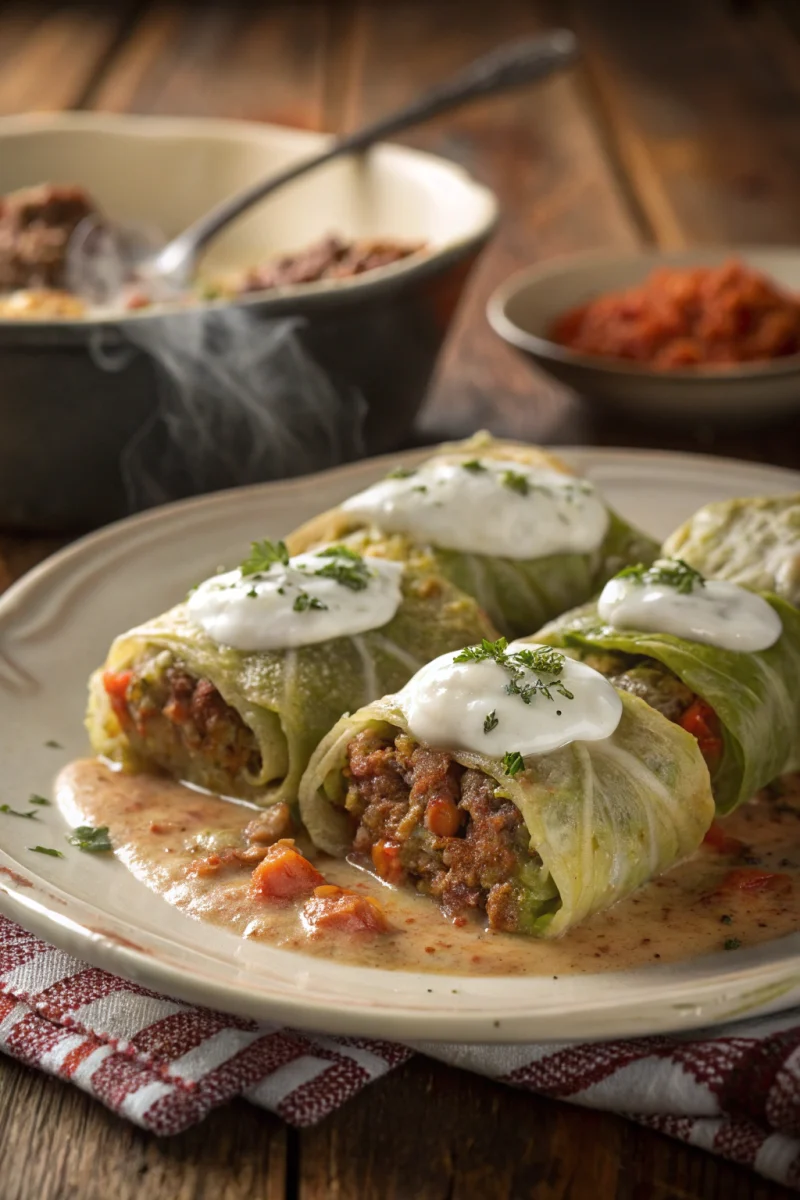
Ces Rouleaux de Chou en Soupe — L’Échappée Gourmande des Soirs d’Hiver
This cabbage rolls recipe is a HomeCookLegacy favorite — simple to make and absolutely delicious.
La Soupe aux Rouleaux de Chou incarne à elle seule l’équilibre parfait entre réconfort, générosité et vitalité. Voici comment composer la soupe hivernale idéale : réconfortante, nourrissante et savoureuse, sublimée par des astuces de chef et une simplicité accessible à tous. Oubliez la corvée des rouleaux individuels — cette version condense tous les parfums chéris dans un seul bol généreux, tout aussi idéale pour les soirées glacées que pour les dîners pressés.
Why Cabbage Roll Soup Matters in Winter
During cold months, the body craves warmth and hydration. Cabbage Roll Soup offers both, blending nutrient-rich ingredients with slow-simmered depth. From classic broths to creamy textures, it’s a dish that soothes and strengthens at once. The beauty of Cabbage Roll Soup lies in its ability to deliver the satisfying taste of traditional cabbage rolls without the labor-intensive assembly. It’s a comforting hug in a bowl, packed with vitamins and minerals, perfect for boosting immunity and providing sustained energy when you need it most. This soup is a testament to the fact that healthy eating can be incredibly delicious and deeply satisfying, especially when the temperatures drop.
Core Ingredients for a Perfect Cabbage Roll Soup
Crafting the perfect Cabbage Roll Soup begins with selecting fresh, high-quality ingredients. Each component plays a crucial role in building the layered flavors and textures that make this soup so irresistible. Here’s what you’ll need to create a truly memorable bowl:
- 1 tbsp olive oil (or other neutral cooking oil)
- 1 large yellow onion, finely chopped
- 2-3 garlic cloves, minced (or more, to taste)
- 2 medium carrots, peeled and diced
- 2 celery stalks, thinly sliced
- 1 head green cabbage (about 2-3 lbs), cored and roughly chopped
- 1 lb ground beef (80/20 or leaner), ground turkey, or plant-based ground
- 1 (28-ounce) can crushed tomatoes
- 1 (14.5-ounce) can diced tomatoes, undrained
- 4-6 cups beef broth or vegetable broth (use more for a thinner soup)
- 1 cup cooked rice (white or brown, pre-cooked is best, or cook separately)
- 1-2 tablespoons fresh dill, chopped (optional, but highly recommended for authentic flavor)
- Salt and freshly ground black pepper to taste
- 1 tsp dried thyme (or 1 tbsp fresh)
- 1 bay leaf
- 1-2 tablespoons apple cider vinegar (for brightness and tang)
- Optional garnishes: sour cream, extra fresh dill, crusty bread
The combination of these ingredients creates a symphony of flavors – the sweetness of the cabbage, the tang of the tomatoes, the savory depth of the meat, and the herbal notes of dill and thyme. Don’t be afraid to adjust quantities based on your personal preference. For instance, if you love garlic, feel free to add an extra clove or two!
Step-by-Step Method for Hearty Cabbage Roll Soup
Creating a delicious pot of Cabbage Roll Soup is a straightforward process, broken down into a few key steps. Following these instructions will ensure a flavorful and satisfying meal every time. Remember to taste as you go and adjust seasonings to your preference.
Step 1 — Prepare Your Ingredients and Build the Flavor Base
Before you even turn on the stove, ensure all your vegetables are washed, chopped, and measured. Having everything prepped will make the cooking process much smoother. This is often referred to as “mise en place” in culinary terms. Once prepped, it’s time to build the foundational flavors.
In a large Dutch oven or heavy-bottomed soup pot, heat 1 tablespoon of olive oil over medium-high heat. Add your chopped ground beef (or chosen protein) and cook, breaking it up with a spoon, until it’s nicely browned and no pink remains. This browning step, known as the Maillard reaction, is crucial for developing deep, savory flavors. Once browned, drain off any excess fat. Remove the cooked meat and set it aside.
In the same pot, add the chopped onion, carrots, and celery. If the pot seems too dry, add another splash of olive oil. Sauté these vegetables for 5-7 minutes, stirring occasionally, until the onions become translucent and the vegetables start to soften. This initial sautéing softens the vegetables and allows their natural sugars to caramelize slightly, adding sweetness and depth. Next, add the minced garlic and cook for another minute until fragrant, being careful not to let it burn.
Step 2 — Combine Ingredients and Simmer
Once your aromatic base is established, it’s time to bring all the components together. Return the cooked ground beef to the pot with the sautéed vegetables. Add the crushed tomatoes, diced tomatoes (with their liquid), beef or vegetable broth, dried thyme, and the bay leaf. Stir everything together to combine. Bring the mixture to a gentle boil, then reduce the heat to low, cover, and let it simmer for at least 25-30 minutes. This simmering time allows the flavors to meld and deepen, and the vegetables to become tender. Skim any foam that may rise to the surface gently. The longer you let it simmer, the richer the flavor will become, so if you have time, let it go for 45-60 minutes.
During this simmering stage, the cabbage will begin to soften and become more tender. The tomatoes will break down further, contributing to the rich red color and tangy base of the soup. The bay leaf will infuse a subtle, savory note, which should be removed before serving.
Step 3 — Add Cabbage and Rice, Then Finish and Season
Now, it’s time to add the star of the show. Add the chopped cabbage to the pot. It might seem like a lot of cabbage at first, but it will cook down significantly. Stir it into the soup, cover, and continue to simmer for another 15-20 minutes, or until the cabbage is tender to your liking. Once the cabbage is tender, stir in the pre-cooked rice. If you’re cooking rice specifically for this soup, you can add it directly to the pot while the soup is simmering, but be mindful it will absorb a lot of liquid and you may need to add more broth. Adding already cooked rice helps maintain the desired soup consistency.
Finally, stir in the apple cider vinegar. This is a crucial step that adds a bright, tangy finish, balancing the richness of the tomatoes and meat. Taste the soup and season generously with salt and freshly ground black pepper. This is your chance to adjust the flavor profile – does it need more salt? A pinch more pepper? Perhaps a dash more vinegar for an extra kick? If you’re using fresh dill, stir it in just before serving to preserve its vibrant flavor and color. Remove the bay leaf before serving. Ladle the hot soup into bowls and garnish with an optional dollop of sour cream or a sprinkle of fresh dill.
Nutrition Facts (per serving — estimated for 8 servings based on common ingredients)
While exact nutritional values can vary based on specific ingredient brands and quantities, here’s an estimated nutritional breakdown for a typical serving of Cabbage Roll Soup. This soup is generally considered a balanced meal, offering a good source of protein, fiber, and various vitamins and minerals:
Calories: 230-300 | Protein: 15-20g | Carbs: 25-35g | Fat: 8-15g | Fiber: 5-8g | Sodium: 400-600mg (can vary greatly based on broth and added salt)
This nutritional profile highlights the soup’s robust health benefits. Cabbage is a cruciferous vegetable, known for its high vitamin C and K content, as well as antioxidants. Tomatoes provide lycopene, a powerful antioxidant. The protein from the ground beef (or alternative) is essential for muscle repair and growth, while the fiber from the vegetables and rice aids in digestive health and promotes a feeling of fullness. This makes Cabbage Roll Soup an excellent choice for a hearty, health-conscious meal.
Healthy Variations and Enhancements of Cabbage Roll Soup
The versatility of Cabbage Roll Soup means you can easily adapt it to suit various dietary needs and preferences, or simply to add an extra nutritional punch. Here are some ideas for healthy variations and enhancements:
- Leaner Protein Choices: Instead of ground beef, opt for extra-lean ground turkey or chicken. For a plant-based option, brown some extra-firm crumbled tofu or tempeh, or simply increase the amount of lentils or chickpeas in the soup.
- Vegetarian/Vegan Version: Skip the meat entirely and use vegetable broth. Boost the protein with a can of rinsed and drained lentils, chickpeas, or a cup of cooked quinoa added with the rice. You can also add some sliced mushrooms for an umami depth.
- Extra Vegetables: Don’t limit yourself to cabbage, carrots, and celery. Enhance your Cabbage Roll Soup with additional vegetables like diced bell peppers (red, yellow, or green), chopped zucchini, or a handful of spinach or kale stirred in during the last 10 minutes of cooking.
- Grain Alternatives: While rice is traditional, consider swapping it for other healthy grains. Cooked barley or farro can add a chewy texture and more fiber. For a gluten-free option, use brown rice, wild rice, or even quinoa.
- Spicy Kick: If you enjoy a little heat, add a pinch of red pepper flakes along with the other spices, or a dash of your favorite hot sauce to your individual serving.
- Creamy Texture: For a touch of richness without excessive fat, blend about one-third of the soup in a blender (carefully, as hot liquids expand!) and then stir it back into the pot. This thickens the soup naturally. Alternatively, a tablespoon or two of plain Greek yogurt or a swirl of light sour cream can be stirred into individual bowls right before serving. For a dairy-free creamy option, a tablespoon of full-fat coconut milk can provide a subtle richness.
- Herbal Boost: Experiment beyond dill and thyme. Fresh parsley, marjoram, or even a touch of smoked paprika can add new dimensions of flavor.
These variations not only keep the soup exciting but also allow you to tailor it to your health goals, making Cabbage Roll Soup a staple that never gets boring. Consider adding a small can of kidney beans or cannellini beans for extra plant-based protein and fiber.
Serving Suggestions for Cabbage Roll Soup
While Cabbage Roll Soup is a complete meal on its own, pairing it with the right accompaniments can elevate the dining experience. Here are some serving suggestions to make your cozy evening even more delightful:
- Crusty Bread: A classic pairing, a slice of warm, crusty whole-grain bread or a fresh baguette is perfect for soaking up every last drop of flavorful broth. Try serving with a homemade Garlic Herb Flatbread for an extra special touch.
- Side Salad: A light, fresh green salad with a vinaigrette dressing provides a refreshing contrast to the hearty soup. The crisp textures and bright flavors complement the warmth of the soup beautifully.
- Cheese Garnish: A sprinkle of freshly grated Parmesan or a sharp cheddar cheese can add a lovely salty, savory tang when melted into the hot soup.
- Sour Cream or Greek Yogurt: A dollop of sour cream or plain Greek yogurt on top is a traditional garnish for cabbage rolls and works wonderfully with the soup, adding a creamy, tangy element that balances the rich tomato base.
- Fresh Herbs: A final sprinkle of fresh chopped dill or parsley just before serving not only adds a pop of color but also intensifies the fresh, herbal notes.
- Warm Rolls or Biscuits: Instead of bread, serve with warm dinner rolls or homemade biscuits for a comforting, home-style meal.
- Dessert Pairing: For a balanced meal, follow your savory Cabbage Roll Soup with a light, healthy dessert. Our Honey Oat Energy Bites or Greek Yogurt Cheesecake Cups would make excellent choices.
The beauty of Cabbage Roll Soup is its versatility, allowing it to fit into various meal settings, from a casual family dinner to a more refined, cozy gathering. Experiment with these suggestions to find your perfect pairing!
Common Mistakes to Avoid When Making Cabbage Roll Soup
Even though Cabbage Roll Soup is relatively simple to make, there are a few common pitfalls that can diminish its quality. Avoiding these mistakes will ensure your soup is consistently delicious and perfectly textured:
- Boiling Instead of Simmering: Continuously boiling the soup vigorously can break down the vegetables too much, turning them mushy. It can also toughen the meat and dull the flavors. Always aim for a gentle simmer, just a few bubbles at the surface, to allow the ingredients to meld slowly and retain their texture and nutrients.
- Overcrowding the Pot: Whether it’s browning the meat or sautéing the vegetables, overcrowding the pot prevents proper browning and can lead to steaming instead of searing. This means your meat won’t develop that crucial savory crust, and your vegetables won’t caramelize as beautifully. Cook in batches if your pot isn’t large enough.
- Skipping Salt Layering: Don’t wait until the very end to season. Add small pinches of salt at different stages – when browning the meat, when sautéing the aromatics, and then adjust at the end. This “layering” of salt builds a more complex and balanced flavor profile. If you add all the salt at once, it might not evenly distribute or penetrate the ingredients as effectively. Remember that broth can be salty, so be mindful and taste often.
- Using Low-Quality Broth: The broth is the backbone of your soup. A watery, flavorless broth will result in a watery, flavorless soup. Invest in a good quality store-bought broth (low-sodium allows you more control over seasoning) or, even better, use homemade broth for unparalleled depth of flavor. This is particularly important for Cabbage Roll Soup, as the broth carries the essence of the cabbage roll filling.
- Undercooking or Overcooking Cabbage: The cabbage should be tender but still have a slight bite, not crunchy or mushy. Add the cabbage once the other vegetables are partially cooked, and simmer until it reaches your desired tenderness.
- Adding Uncooked Rice Directly to Broth Too Early: If you add uncooked rice too early, it will absorb a tremendous amount of liquid, potentially turning your soup into a thick stew and leaving you with less broth. It’s best to use pre-cooked rice, or if adding uncooked rice, be prepared to add significantly more broth throughout the cooking process.
- Forgetting the Tang: The apple cider vinegar is not just an optional add-in; it’s a vital component that brightens the entire soup, cutting through the richness of the tomatoes and meat. Skipping it can leave your soup feeling a bit flat.
By being mindful of these common errors, you’ll consistently create a superior bowl of Cabbage Roll Soup that is rich in flavor and perfectly textured.
Storage Tips and Reheating Instructions
One of the many benefits of making a big batch of Cabbage Roll Soup is how wonderfully it stores. It’s an excellent candidate for meal prep, and often tastes even better the next day as the flavors continue to meld. Proper storage and reheating will ensure you can enjoy your delicious soup for days to come:
- Cooling: Always allow the soup to cool down significantly before storing. This prevents the soup from staying in the “danger zone” temperature (40°F to 140°F / 4°C to 60°C) for too long, which encourages bacterial growth. You can speed up cooling by dividing it into smaller containers or placing the pot (uncovered initially) in a clean sink filled with ice water. Aim to get it into the refrigerator within two hours of cooking.
- Refrigeration: Once cooled, transfer the soup to airtight containers. Glass containers are ideal as they don’t stain or retain odors. Store in the refrigerator for up to 3-4 days. The flavors will deepen and develop during this time, often making leftovers even more delicious.
- Freezing: Cabbage Roll Soup freezes beautifully, making it perfect for long-term meal planning. Portion the cooled soup into freezer-safe containers or heavy-duty freezer bags. If using bags, lay them flat for more efficient storage once frozen. It can be stored in the freezer for up to 3 months. Clearly label containers with the date to keep track.
- Thawing: When ready to enjoy frozen soup, it’s best to thaw it overnight in the refrigerator. If you’re short on time, you can gently reheat it directly from frozen on the stovetop over low heat, stirring frequently, or use the defrost setting in your microwave.
- Reheating:
- Stovetop: The best method for reheating. Transfer the desired amount of soup to a saucepan. Reheat gently over medium-low heat, stirring occasionally, until heated through. Avoid boiling vigorously, as this can affect the texture of the vegetables and rice. If the soup has thickened too much in storage, add a splash of broth or water to achieve your desired consistency.
- Microwave: For individual portions, transfer the soup to a microwave-safe bowl. Heat in 1-2 minute intervals, stirring in between, until piping hot.
With these storage and reheating tips, you can enjoy the comforting goodness of your homemade Cabbage Roll Soup anytime you crave it without compromising on flavor or safety.
Conclusion
Cabbage Roll Soup proves that healthy food can be both rich and comforting. Offering a delightful blend of savory flavors, tender vegetables, and satisfying grains, this soup captures all the beloved essence of traditional cabbage rolls in an easy-to-prepare format. It’s a wholesome dish that nourishes the body and soul, perfect for warding off winter chills or simply enjoying a hearty meal. This comprehensive guide has walked you through every step, from selecting core ingredients to mastering the cooking technique, ensuring you achieve perfect results every time.
Beyond its incredible taste, Cabbage Roll Soup is a nutritional powerhouse, packed with fiber, vitamins, and protein. Its versatility allows for endless healthy variations, making it adaptable to any dietary preference or ingredient availability. Whether you’re preparing it for a cozy family dinner, a satisfying weeknight meal, or as part of your meal prep routine, the steps outlined guarantee a deeply flavorful and comforting experience. And with proper storage, you can enjoy this culinary masterpiece for days or even months to come.
So, gather your ingredients, follow this detailed recipe, and get ready to savor every spoonful of this ultimate comfort soup. It’s more than just a meal; it’s warmth in every bowl, a culinary legacy in the making right in your own kitchen. Enjoy the rich aromas and the unparalleled satisfaction that comes from creating a truly homemade and wholesome dish. Your cozy evenings are about to get a whole lot tastier with this exceptional Cabbage Roll Soup.
FAQ About Cabbage Roll Soup
- Can I use frozen vegetables? Yes, you can use frozen chopped carrots, celery, and even frozen pre-chopped cabbage (though fresh is often preferred for texture). If using frozen vegetables, you might need to reduce the amount of broth slightly as they can release more water, or simmer a bit longer to reduce any excess liquid.
- How can I make it creamier? To make Cabbage Roll Soup creamier, you have a few options. For a naturally creamier texture, remove about 1-2 cups of the soup (ensure it contains some cooked vegetables and broth), blend it until smooth with an immersion blender or regular blender (be careful with hot liquids!), then stir it back into the pot. Alternatively, you can stir in 1/4 to 1/2 cup of heavy cream, half-and-half, or coconut milk (for a dairy-free option) during the last few minutes of cooking.
- What’s the best broth to use for Cabbage Roll Soup? For the best flavor, a high-quality beef broth or homemade beef stock is ideal, especially if you’re using ground beef. If making a vegetarian version, a rich vegetable broth is key. Opt for low-sodium varieties so you can control the salt content yourself.
- How long does Cabbage Roll Soup last? When stored properly in airtight containers, Cabbage Roll Soup will last for up to 3-4 days in the refrigerator and up to 3 months in the freezer. Always allow it to cool completely before refrigerating or freezing.
- Can I make this soup in a slow cooker? Yes, Cabbage Roll Soup adapts well to a slow cooker! Brown the ground beef and sauté the aromatics (onion, carrots, celery, garlic) first for best flavor. Add all ingredients (except for the cooked rice, which should be added about 30 minutes before serving) to the slow cooker. Cook on low for 6-8 hours or on high for 3-4 hours, or until the cabbage is tender and flavors are melded.
- What if I don’t have apple cider vinegar? While
the apple cider vinegar adds a unique brightness, you can substitute it with a tablespoon of red wine vinegar or a squeeze of fresh lemon juice at the end of cooking. The goal is to add a touch of acidity to balance the rich flavors. - Is Cabbage Roll Soup gluten-free? If you use gluten-free broth and ensure your ground meat has no added fillers, the soup can easily be made gluten-free by using brown rice or quinoa instead of white rice. Always check ingredient labels to be sure.
- Chicken & Vegetable Stew
- Greek Yogurt Cheesecake Cups
- Lemon Herb Chicken & Rice

HomeCook Legacy Kitchen is the editorial name of homecooklegacy.com. Recipes on this site are drafted with the help of AI tools and published by the HomeCook Legacy team. Please check ingredients, cooking times and food-safety guidance for your own situation.