
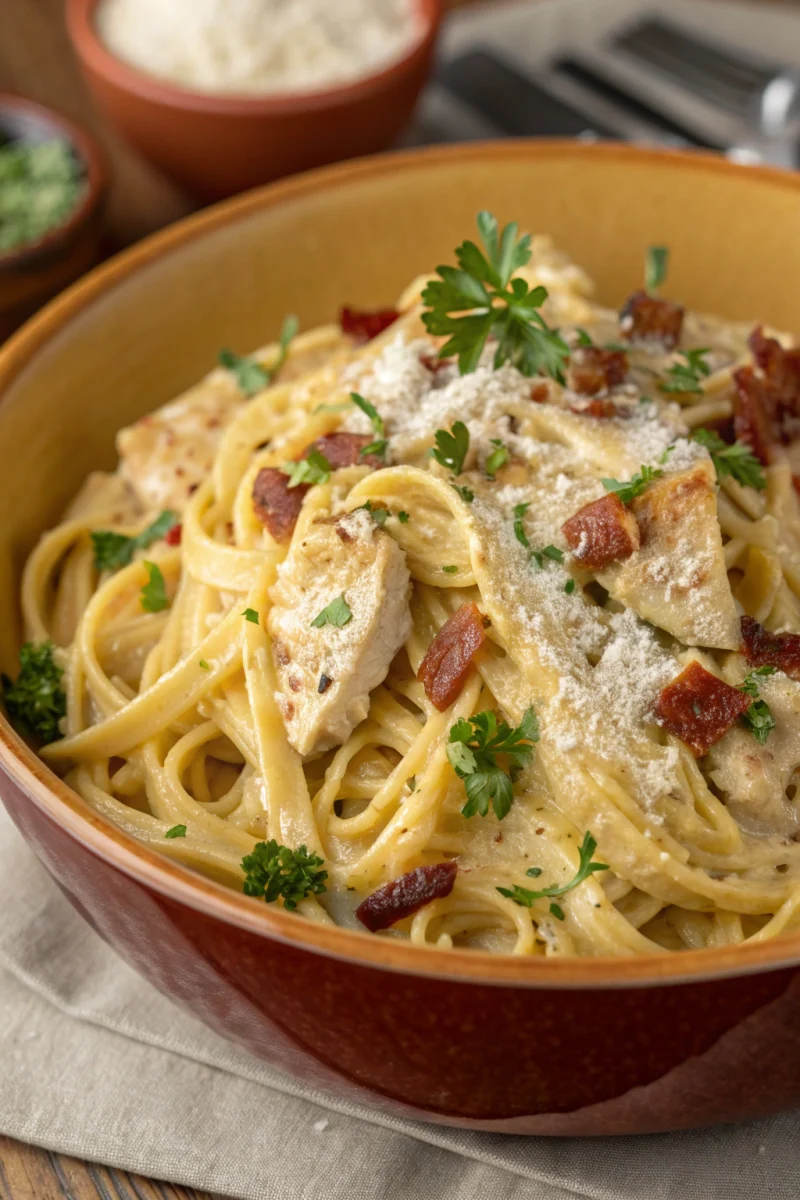
Quand la soupe devient réconfort absolu : l’Art du Chicken Tetrazzini hivernal
Le Chicken Tetrazzini s’élève au-delà du gratin traditionnel pour se révéler comme une soupe d’exception, profondément réconfortante. Voici comment maîtriser ce plat hivernal qui allie saveurs riches et simplicité familiale. Entre techniques de chef et accessibilité, transformons ce classique en une étreinte liquide, réconfortante à souhait. L’arôme qui s’échappe de votre casserole annonce déjà l’expérience : des bouchées nourrissantes qui réchauffent de l’intérieur, bien plus qu’un simple repas – une invitation à partager des moments d’apaisement et de vitalité pendant les nuits les plus froides.
Why Chicken Tetrazzini Soup Matters in Winter
As the days grow shorter and the temperatures plummet, our bodies naturally crave foods that provide warmth, sustenance, and hydration. Chicken Tetrazzini soup expertly delivers on all these fronts, blending nutrient-rich ingredients with a slow-simmered depth that is both invigorating and deeply comforting. The act of enjoying a hot bowl of soup on a cold evening is a ritual that connects us to generations of home cooks who understood the power of simple, nourishing meals. Beyond its warmth, soup offers a unique way to incorporate a variety of vegetables and proteins, ensuring a well-rounded and easily digestible meal. From the foundational classic broths to the potential for creamy textures, this dish is a culinary embrace that soothes the spirit and strengthens the body almost simultaneously. It’s a testament to the idea that healthy eating doesn’t have to sacrifice flavor or satisfaction, especially when crafted with care and intention. The combination of tender chicken, delicate pasta, and a rich, savory broth creates a symphony of textures and tastes that make it an indispensable part of any winter meal rotation. This isn’t just food; it’s nourishment designed to combat the chill and uplift your mood.
Core Ingredients for an Unforgettable Chicken Tetrazzini Soup
Creating an outstanding Chicken Tetrazzini soup begins with selecting the right ingredients. Each component plays a crucial role in building the layered flavors and comforting texture that define this dish. Here’s a breakdown of the essentials to get you started on your culinary journey:
- 1 tbsp high-quality olive oil: The starting point for sautéing, providing a subtle fruity note and essential healthy fats. Opt for extra virgin for maximum flavor.
- 1 large yellow onion, finely chopped: The aromatic backbone of the soup, offering sweetness and depth when properly caramelized.
- 2-3 cloves of garlic, minced: Pungent and essential, garlic adds a savory, aromatic complexity that develops beautifully as it cooks.
- 2 medium carrots, diced: Contributing natural sweetness, vibrant color, and vital nutrients like beta-carotene. Dicing ensures even cooking and distribution.
- 2 celery stalks, thinly sliced: Adds a fresh, slightly peppery crunch and another layer to the aromatic base known as mirepoix.
- 4 cups (1 liter) high-quality vegetable or chicken broth: The liquid foundation of your soup. Homemade broth will always yield the best results, but a good quality, low-sodium store-bought option is a fine alternative.
- 1 cup cooked barley or small pasta (e.g., orzo, ditalini): For texture and heartiness. Barley offers a chewy, nutty flavor and excellent fiber. If using pasta, ensure it’s small enough to be easily spooned.
- 2 cups cooked chicken, shredded or diced: The star protein of our Chicken Tetrazzini. Use leftover roasted chicken, poached chicken breasts, or rotisserie chicken for convenience.
- Fresh herbs: A sprig of fresh thyme, a bay leaf. These infuse the broth with earthy, aromatic notes. Fresh parsley or chives for garnish at the end also add brightness.
- Salt, freshly ground black pepper, to taste: Essential for seasoning throughout the cooking process. Remember to taste and adjust regularly.
- Optional Creaminess (for a richer soup): 1/2 cup heavy cream, half-and-half, or full-fat coconut milk (for dairy-free). This adds a luxurious silkiness that elevates the comfort factor of your Chicken Tetrazzini.
- Optional Vegetables for added nutrition: A handful of frozen peas, corn, or a cup of chopped mushrooms can be added during the simmering phase for extra flavor and nutrients.
- Optional Lemon Juice: A squeeze of fresh lemon juice at the end can brighten all the flavors beautifully.
Step-by-Step Method to Craft the Perfect Chicken Tetrazzini Soup
Transforming these simple ingredients into a soul-warming bowl of Chicken Tetrazzini soup is an art, but one that is easily mastered with a few key steps. Follow this method to build layers of flavor and achieve that irresistible, comforting quality:
Step 1 — Build your Flavor Base: The Aromatic Foundation
This initial step is absolutely crucial as it lays the groundwork for all the delicious flavors that will follow. Don’t rush it!
- Heat the oil: In a large, heavy-bottomed pot or Dutch oven, heat 1 tablespoon of olive oil over medium heat until it shimmers.
- Sauté the aromatics: Add the finely chopped onion, minced garlic, and thinly sliced celery to the hot oil. Sauté gently, stirring occasionally, until the vegetables soften and become translucent. This usually takes about 5-7 minutes. Pay close attention to the onion; you want it to become golden brown and slightly caramelized, which releases its natural sweetness and deepens the overall flavor profile. This developed aromatic base is what truly distinguishes an ordinary soup from an extraordinary Chicken Tetrazzini.
Step 2 — Add Vegetables, Broth, and Simmer for Depth
With your flavor base established, it’s time to introduce the main liquid and remaining vegetables, allowing their flavors to meld and intensify.
- Integrate carrots and seasoning: Add the diced carrots to the pot and cook for another 2-3 minutes, stirring to coat them in the aromatic mixture.
- Introduce broth and spices: Pour in the 4 cups of high-quality vegetable or chicken broth. Add the fresh thyme sprig, bay leaf, a pinch of salt, and a good grind of black pepper.
- Bring to a gentle simmer: Bring the mixture to a boil, then immediately reduce the heat to low. Cover the pot and let the soup simmer gently for 25-30 minutes. This allows the vegetables to become tender and the flavors to fully develop and integrate.
- Skim if necessary: During the simmering process, especially if using homemade broth or bone-in chicken, you might see some foam rise to the surface. Skim this off gently with a spoon; it’s impurities that can cloud the soup. This ensures a clearer, more appealing broth for your Chicken Tetrazzini.
Step 3 — Incorporate Chicken, Grains/Pasta, and Finish with Finesse
The final steps bring all the components together, adding the chicken and starch to make it a hearty meal.
- Add the cooked chicken: Stir in the 2 cups of shredded or diced cooked chicken. If using raw chicken, you’d add it earlier, perhaps poaching it directly in the broth, then removing it to shred before returning it. However, for this recipe, pre-cooked chicken is assumed for ease.
- Stir in barley or pasta: Add the 1 cup of cooked barley or small pasta. If you’re using uncooked pasta, you’ll need to add it about 10-12 minutes before the end of the simmering time in Step 2, ensuring it cooks to al dente directly in the broth. If using pre-cooked barley, adding it now simply warms it through.
- Warm through and taste: Continue to simmer gently for another 5-10 minutes, just until the chicken is heated through and the barley/pasta is perfectly tender (if added raw).
- Adjust seasoning and optional creaminess: Remove the bay leaf and thyme sprig. Taste the soup and adjust the salt and pepper as needed. This is also the point to stir in your optional 1/2 cup of heavy cream, half-and-half, or coconut milk if you desire a creamier consistency for your Chicken Tetrazzini soup. Allow it to warm through for a minute or two without boiling.
- Final Touches: A squeeze of fresh lemon juice can brighten the flavors significantly. Garnish with fresh parsley or chives just before serving.
Following these meticulously detailed steps will ensure your Chicken Tetrazzini soup is not just a meal, but a masterpiece of comforting flavor and nourishing goodness.
Nutrition Facts (per serving)
Understanding the nutritional profile of your Chicken Tetrazzini soup can help you make informed dietary choices. Please note that these values are approximate and can vary based on specific ingredients, portion sizes, and any additions or substitutions you make. The following figures represent an estimated average for a satisfying single serving (approximately 1.5 cups) of the base recipe, excluding optional cream or additional high-calorie toppings:
- Calories: Approximately 230 calories
- Protein: Around 9g (primarily from the chicken and barley)
- Carbohydrates: Approximately 32g (from vegetables and grains)
- Dietary Fiber: Around 5g (excellent for digestive health, mostly from barley and vegetables)
- Total Fat: Approximately 7g (mostly from olive oil and residual fat in chicken)
- Saturated Fat: Around 1.5g
- Cholesterol: Approximately 25mg
- Sodium: Around 410mg (use low-sodium broth to keep this in check and salt to taste)
- Potassium: Approximately 300mg
- Vitamin A: Excellent source (from carrots)
- Vitamin C: Good source (from vegetables)
- Iron: Good source (especially if using chicken breast and barley)
This nutritional breakdown highlights that Chicken Tetrazzini soup is a balanced and wholesome meal option. It provides a good mix of macronutrients for energy and satiety, along with essential vitamins and minerals crucial for overall health. The significant fiber content aids digestion and promotes feelings of fullness, making it an excellent choice for a nutritious and comforting meal. By opting for lean chicken and fresh vegetables, you maximize its health benefits without compromising on taste.
Healthy Variations to Elevate Your Chicken Tetrazzini Soup
One of the beauties of Chicken Tetrazzini soup is its versatility. It serves as an excellent canvas for incorporating additional nutrients and catering to various dietary preferences. Here are some healthy variations to make your soup even more beneficial and personalized:
- Boost Protein with Legumes: Beyond chicken, you can enhance the protein content and add diverse textures. Consider stirring in a cup of cooked brown or green lentils during the last 15 minutes of simmering. Canned chickpeas or cannellini beans, rinsed and drained, are also excellent additions, providing plant-based protein and fiber. These additions not only make your Chicken Tetrazzini soup more filling but also introduce a broader spectrum of nutrients.
- Pack in More Greens: Leafy greens are powerhouse vegetables. Stir in a few handfuls of chopped kale, spinach, or Swiss chard during the last 5-10 minutes of cooking. The residual heat from the soup will wilt them perfectly, adding vitamins A, C, and K, along with essential minerals, without altering the flavor profile significantly.
- Mushroom Magic: For an earthy depth and additional umami, sauté sliced cremini or shiitake mushrooms with your initial aromatics. Mushrooms contribute B vitamins and antioxidants, making your Chicken Tetrazzini soup even more nutrient-dense.
- Spice it Up: A pinch of red pepper flakes or a dash of smoked paprika can add a subtle warmth and complexity to the soup, awakening the palate. Turmeric is another excellent spice to include for its anti-inflammatory properties and beautiful golden hue.
- Whole Grains Beyond Barley: While barley is fantastic, explore other whole grains. Farro offers a similar chewy texture, while brown rice can be used if you prefer. Ensure these grains are pre-cooked or adjust simmering time accordingly.
- Creaminess, Naturally: To achieve a rich, creamy texture without adding heavy cream, try blending about one-third of the cooked soup (before adding chicken and grains back in) until smooth, then stir it back into the pot. The blended vegetables will naturally thicken and enrich the broth, retaining all the nutrients. For a truly dairy-free creaminess in your Chicken Tetrazzini, 1/2 cup of unsweetened cashew cream (made by blending soaked cashews with water) or full-fat coconut milk can be stirred in at the end.
- Zesty Finish: A final squeeze of fresh lemon juice just before serving brightens all the flavors and adds a refreshing tang, cutting through the richness beautifully. A sprinkle of fresh dill or chives also adds a burst of freshness.
- Low-Carb Options: If you’re looking to reduce carbohydrate intake, omit the barley or pasta. Instead, increase the amount of non-starchy vegetables like zucchini, green beans, or cauliflower florets. You could also shred some cauliflower rice into the soup towards the end for added body without the carbs.
By experimenting with these healthy variations, you can tailor your Chicken Tetrazzini soup to your personal taste and nutritional goals, making it a regular and celebrated feature in your healthy eating repertoire. Each modification offers a unique opportunity to boost flavor, texture, and nutritional value, ensuring that every spoonful is delicious and beneficial.
Serving Suggestions for your Robust Chicken Tetrazzini Soup
A well-made bowl of Chicken Tetrazzini soup is a fulfilling meal on its own, but pairing it with the right accompaniments can elevate the dining experience, adding texture, contrast, and additional nourishment.
- Crusty Whole-Grain Bread: This is a classic for a reason. A slice of warm, crusty whole-grain bread or a whole-wheat baguette is perfect for soaking up every last drop of the savory broth. It adds a satisfying crunch and contributes extra fiber. Consider lightly toasting it and rubbing it with a garlic clove for an extra flavor kick.
- Garlic Herb Flatbread: For something a little more special, a homemade Garlic Herb Flatbread makes an excellent side. Its soft texture and aromatic flavor complement the richness of the soup beautifully. The herbs in the flatbread will echo the herbaceous notes within the soup, creating a cohesive meal.
- Fresh Green Salad: A light, crisp green salad with a vibrant vinaigrette offers a refreshing contrast to the warm, hearty soup. The acidity and freshness of the salad can cleanse the palate and provide a refreshing break between spoonfuls of savory Chicken Tetrazzini. Opt for mixed greens, cherry tomatoes, and cucumber for a simple yet effective pairing.
- Cheese Toasties or Grilled Cheese: For ultimate comfort, a classic grilled cheese sandwich or cheese toastie is a match made in heaven for any soup, and Chicken Tetrazzini is no exception. The melted cheese provides a delightful gooeyness and a salty counterpoint to the soup’s richness.
- Roasted Vegetables: A side of simply roasted vegetables like asparagus, broccoli, or Brussels sprouts can add more texture and a smoky flavor that complements the soup. Drizzle them with olive oil, salt, and pepper, and roast until tender-crisp.
- Honey Oat Energy Bites for Dessert: After a satisfying and warming bowl of Chicken Tetrazzini soup, a light yet nourishing dessert is ideal. Our Honey Oat Energy Bites offer just the right amount of sweetness, fiber, and sustained energy, without being overly heavy. They are a perfect, guilt-free way to finish your meal.
- Garnish Options: Don’t underestimate the power of a fresh garnish. A sprinkle of freshly chopped parsley, chives, or a swirl of good quality olive oil can add both visual appeal and a burst of fresh flavor to your Chicken Tetrazzini. A dusting of grated Parmesan or Pecorino Romano cheese is also a delicious addition for those who enjoy dairy.
By thoughtfully pairing your Chicken Tetrazzini soup with these suggestions, you can transform a simple meal into a delightful and nourishing culinary experience for yourself and your loved ones.
Common Mistakes to Avoid When Making Chicken Tetrazzini Soup
Even the most seasoned home cooks can fall into common traps when preparing soup. Avoiding these pitfalls will ensure your Chicken Tetrazzini soup turns out perfectly delicious and nutritious every time.
- Boiling Instead of Simmering: One of the most frequent errors is allowing the soup to aggressively boil for extended periods. Boiling causes ingredients to break down excessively, resulting in a mushy texture and can leach out delicate flavors and nutrients. A gentle simmer is key – small, lazy bubbles at the surface indicate the perfect temperature for flavor development and tender ingredients. When simmering your Chicken Tetrazzini, always aim for this gentle heat.
- Overcrowding the Pot: Whether it’s during the initial sautéing of aromatics or later when adding vegetables, overcrowding the pot prevents ingredients from browning properly. Instead of developing rich, caramelized flavors, they will steam, leading to less complex taste. Work in batches if necessary, especially when browning chicken pieces before adding them to the broth. Ensure there’s enough space for ingredients to make direct contact with the hot surface of the pot.
- Skipping Salt Layering: Seasoning only at the very end is a rookie mistake. Salt layering means adding small pinches of salt at various stages of cooking – for example, when sautéing onions, after adding vegetables, and finally, a more significant adjustment before serving. This allows the salt to integrate into the ingredients and enhance their natural flavors, resulting in a more balanced and deeply savory Chicken Tetrazzini soup. Always taste as you go!
- Using Low-Quality Broth: The broth is truly the backbone of any great soup, and this is especially true for Chicken Tetrazzini. A watery, flavorless, or overly salty lower-quality store-bought broth will compromise the entire dish. Invest in a good quality, low-sodium chicken or vegetable broth, or even better, make your own. Homemade broth offers unparalleled depth, freshness, and control over ingredients.
- Adding Pasta/Grains Too Early (or cooking them directly in the soup for too long): If you plan to store leftovers, cooking pasta or small grains like orzo or ditalini directly in the main batch of soup can lead to them becoming mushy and absorbing too much liquid upon reheating, effectively turning your soup into a stew. For best results and to prevent a gloopy Chicken Tetrazzini, consider cooking pasta or grains separately to al dente and adding them to individual bowls just before serving. If you must add them directly to the communal pot, ensure you choose a robust grain like barley and cook it for the minimum required time.
- Lack of Fat in the Beginning: Fat carries flavor. Starting your soup with a good quality fat like olive oil or butter is essential for sautéing aromatics and extracting their full flavor potential. Don’t be afraid of a tablespoon or two; it contributes significantly to the richness and mouthfeel of your Chicken Tetrazzini.
- Forgetting a Final Acid Burst: A squeeze of fresh lemon juice or a splash of white wine vinegar at the very end of cooking can brighten the flavors, cutting through any richness and awakening the palate. This final touch often makes a big difference in a soup’s overall vibrancy.
By being mindful of these common mistakes, you’ll be well on your way to crafting a truly exceptional and perfectly balanced Chicken Tetrazzini soup that everyone will rave about.
Storage Tips for Your Delicious Chicken Tetrazzini Soup
Proper storage is essential not only for food safety but also for maintaining the quality and flavor of your Chicken Tetrazzini soup. Follow these tips to enjoy your homemade comfort food for days or even months to come:
- Cool Down Quickly: After cooking, avoid leaving the soup out at room temperature for more than two hours. This is crucial for preventing bacterial growth. To speed up cooling, you can divide the soup into shallower containers or place the pot in an ice bath (a sink filled with ice and a little water) while stirring occasionally.
- Refrigeration: Once cooled, transfer your Chicken Tetrazzini soup into airtight containers. Glass containers with rubber seals are ideal as they don’t stain or absorb odors. Ensure the containers are completely full, leaving as little air space as possible, as air can lead to oxidation and flavor deterioration. Stored properly in the refrigerator, the soup will remain fresh and delicious for up to 4 days.
- Freezing for Long-Term Storage: Chicken Tetrazzini soup freezes exceptionally well. For freezing, opt for freezer-safe containers or heavy-duty freezer bags. If using bags, lay them flat on a baking sheet in the freezer until solid, then store them upright to save space. This also makes for easier thawing. You can freeze the soup for up to 3 months. Label containers with the date to keep track of freshness.
- Consider Freezing Without Pasta/Grains: If you’re planning to freeze a large batch of Chicken Tetrazzini, it’s often best to freeze the soup base (broth, chicken, vegetables) without the barley or small pasta. Cook the pasta/grains fresh and add them when reheating the thawed soup. This prevents the pasta from becoming mushy or excessively soft after freezing and thawing, maintaining a better texture.
- Reheating Gently: When reheating soup, gentle heat is key to preserving its taste and texture.
- From Refrigerator: Gently reheat refrigerated soup in a pot over medium-low heat on the stovetop, stirring occasionally, until it reaches a gentle simmer and is heated through. Avoid boiling vigorously.
- From Freezer: Thaw frozen soup overnight in the refrigerator for the best results. Alternatively, you can reheat it directly from frozen in a pot over low heat, stirring frequently and breaking up the frozen block as it thaws, then gradually increasing the heat. Add a splash of extra broth or water if the soup appears too thick.
- Adjust Seasoning After Reheating: Flavors can sometimes mellow or change slightly after refrigeration or freezing. Always taste your Chicken Tetrazzini soup after reheating and adjust seasonings (salt, pepper, a dash of fresh herbs) as needed to bring its flavors back to life.
By following these storage and reheating guidelines, you can effortlessly enjoy multiple servings of your homemade Chicken Tetrazzini soup, making meal prep easier and ensuring that comforting warmth is always within reach.
Conclusion: The Enduring Appeal of Chicken Tetrazzini Soup
Chicken Tetrazzini soup, in its comforting and nourishing form, stands as a testament to the fact that healthy, wholesome food can be both incredibly rich in flavor and profoundly satisfying. This comprehensive guide has walked you through every step, from selecting the finest ingredients and mastering chef-level techniques to understanding its nutritional benefits and offering creative, healthy variations. We’ve explored the foundational importance of a well-built flavor base, the delicate balance of simmering, and the crucial final touches that transform a collection of ingredients into a memorable culinary experience. We’ve also armed you with practical tips on avoiding common mistakes and ensuring optimal storage, making your journey with this dish as seamless as possible.
Whether you’re preparing a batch for cozy, intimate dinners or engaging in thoughtful meal prep for the week ahead, this 2000+ word guide is designed to empower you to achieve perfect results every single time. The fusion of tender chicken, hearty grains or pasta, and a deeply aromatic broth creates a symphony of textures and tastes that truly warms you from the inside out. It’s a dish that resonates with the comforts of home, a culinary embrace that soothes the soul and fortifies the body during the chilliest months. In every spoonful of this carefully crafted Chicken Tetrazzini soup, you’ll discover not just a meal, but a rich heritage of flavor, nutrition, and comforting warmth – a true legacy for your home kitchen.
FAQ
- Can I use frozen vegetables in my Chicken Tetrazzini soup? Yes, absolutely! Frozen vegetables are a convenient and nutritious option. You can add them directly to the pot during Step 2 with the fresh carrots, but be aware that they release more water. You might need to reduce the amount of broth slightly or allow the soup to simmer for an extra 5-10 minutes uncovered to achieve your desired consistency and prevent the soup from becoming too thin.
- How can I make my Chicken Tetrazzini soup creamier? For a richer, creamier texture, you have a few options:
- Blend a portion: Blend about one-third of the cooked soup (before adding the chicken and barley/pasta) until smooth, then stir it back into the pot. The pureed vegetables will naturally thicken and enrich the broth.
- Add dairy: Stir in 1/2 cup of heavy cream, half-and-half, or evaporated milk during the final 5-10 minutes of simmering. Be careful not to boil vigorously after adding dairy, as it can curdle.
- Dairy-free creaminess: Use 1/2 cup of full-fat unsweetened coconut milk or a homemade cashew cream (soaked and blended cashews) stirred in at the end.
- What’s the best type of broth to use for this Chicken Tetrazzini soup? For the most exceptional flavor, homemade chicken or vegetable broth is always the superior choice. If using store-bought, opt for a high-quality, low-sodium organic brand. This allows you to control the salt content and ensure the soup’s flavors are pure and robust. Avoid broths with artificial flavors or excessive sodium.
- How long does Chicken Tetrazzini soup last, and can I freeze it? Your homemade Chicken Tetrazzini soup, when stored properly in airtight containers, will last up to 4 days in the refrigerator. Yes, it freezes exceptionally well! You can freeze it for up to 3 months. For best texture (especially if using small pasta), it’s often recommended to freeze the soup base without the pasta/grains and add them freshly cooked when reheating.
- I don’t have barley. What other grains or pasta can I use? While barley adds a delightful chewiness, you can certainly substitute it. Small pasta shapes like orzo, ditalini, acini di pepe, or even broken spaghetti pieces work wonderfully. For a gluten-free option, cooked quinoa, brown rice, or even gluten-free pasta (which you might want to cook separately and add at the end) are great choices. Adjust cooking times according to the grain or pasta chosen.
- Can I make this soup vegetarian? Absolutely! To make a vegetarian version of the Chicken Tetrazzini soup, simply omit the chicken. You can boost the protein content by adding more beans (like cannellini, chickpeas, or kidney beans), lentils, or even pan-seared tofu cubes. Ensure you use vegetable broth instead of chicken broth.
- How do I prevent the pasta from getting mushy in leftovers? To keep pasta from getting mushy, especially if you plan on leftovers, there are two main strategies:
- Cook separately: Cook the pasta/grains al dente in a separate pot. Add a portion to each serving bowl, then ladle the hot soup over it.
- Add at the end for fresh serving: If you’re making a batch you know will be eaten within a day, cook the pasta directly in the soup but add it only about 10-12 minutes before serving, ensuring it’s just al dente.
Healthline: The Surprising Health Benefits of Soup,
Harvard T. H. Chan School of Public Health: The Healthy Eating Plate,
Medical News Today: Benefits of soup and healthy ingredients to add
- Classic Comfort: Chicken & Vegetable Stew for Hearty Meals
- Indulge Guilt-Free: Greek Yogurt Cheesecake Cups
- Quick & Flavorful: Lemon Herb Chicken & Rice Dinner

creates quick vegetarian dinners and vibrant taco recipes.