
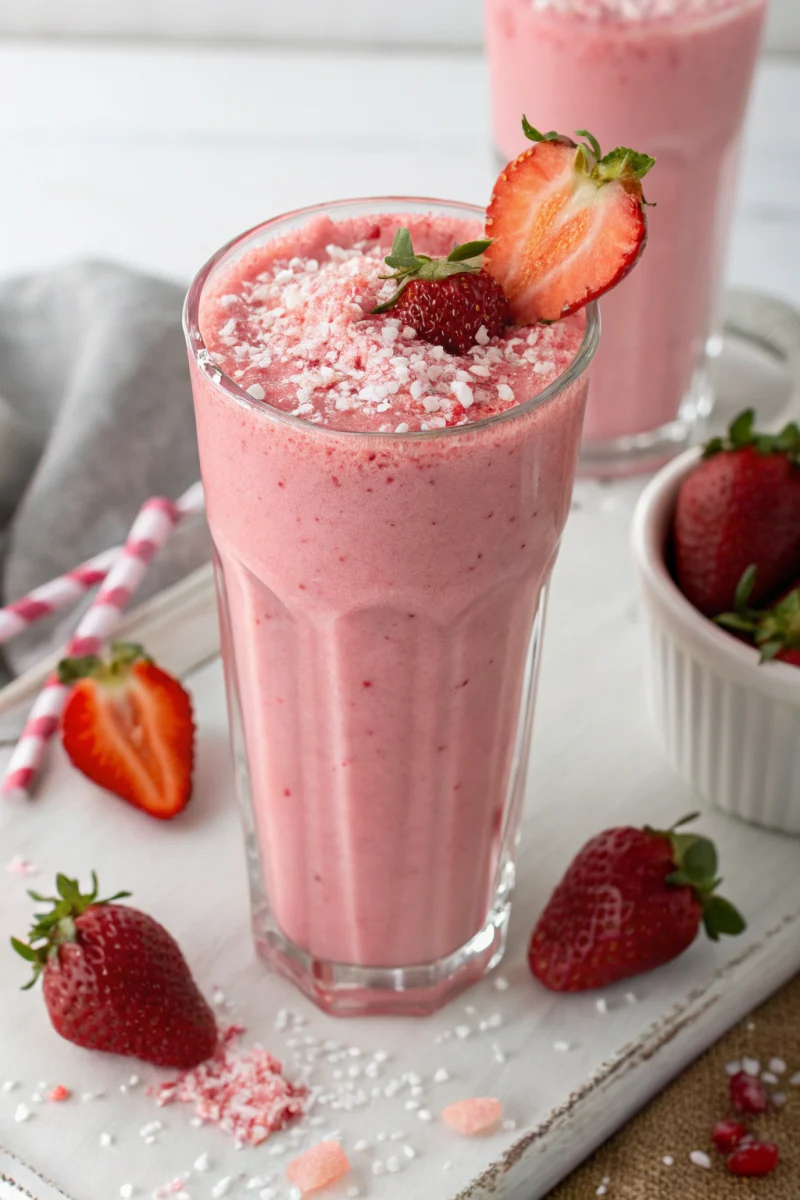
Strawberry Protein Smoothie — A Refreshing & Nourishing Blend for Optimal Health
Why Strawberry Protein Smoothie is Your New Go-To
The quest for a nutritious, delicious, and convenient meal or snack often leads us to the humble smoothie. But not all smoothies are created equal. A strawberry protein smoothie, when crafted with intention, can be a powerhouse of essential nutrients, offering everything from muscle recovery to immune support. This guide delves into the art and science of creating the perfect strawberry protein smoothie, moving beyond basic recipes to explore ingredient synergies, health benefits, and customization for various dietary needs and fitness goals. Whether you’re an athlete, a busy parent, or simply looking for a wholesome addition to your diet, this comprehensive resource will transform your approach to smoothie making.
Core Ingredients for a Stellar Strawberry Protein Smoothie
Crafting an exceptional strawberry protein smoothie begins with selecting high-quality ingredients. Each component plays a vital role in taste, texture, and nutritional profile. Here’s a breakdown of the core elements:
- Strawberries (1 cup, fresh or frozen): The star of the show. Strawberries are rich in Vitamin C, antioxidants, and fiber. Frozen strawberries contribute to a thicker, colder smoothie without the need for ice, which can dilute flavor.
- Protein Powder (1 scoop, approx. 20-30g): This is where the “protein” in “strawberry protein smoothie” comes in. Options include:
- Whey Protein: Fast-absorbing, excellent for post-workout recovery.
- Casein Protein: Slow-digesting, ideal for sustained release, often before bed.
- Plant-Based Protein (pea, rice, hemp, soy): Suitable for vegans or those with dairy sensitivities.
- Collagen Peptides: Flavorless and good for skin, hair, and joint health, though not a complete protein source.
- Liquid Base (1/2 to 1 cup): Determines consistency and adds nutrients.
- Almond Milk (unsweetened): Low in calories, neutral flavor, dairy-free.
- Soy Milk: Higher in protein than almond milk, creamy texture.
- Cow’s Milk (skim, 1%, whole): Traditional choice, offers natural dairy protein and calcium.
- Coconut Water: Hydrating, provides electrolytes, slightly sweet.
- Water: Simplest option for minimal calorie addition.
- Greek Yogurt (1/2 cup, optional): Adds creaminess, probiotics, and extra protein. Choose plain, unsweetened to control sugar content.
- Chia Seeds or Flaxseeds (1 tbsp, optional): Boosts omega-3 fatty acids, fiber, and helps thicken the smoothie.
- Natural Sweetener (optional, to taste):
- Honey or Maple Syrup: Natural sugars, use sparingly.
- Stevia or Monk Fruit: Calorie-free artificial sweeteners.
- Banana (1/2, ripe): Adds sweetness, potassium, and creaminess.
Step-by-Step Method for the Perfect Strawberry Protein Smoothie
Making a delicious and nutritious strawberry protein smoothie is incredibly simple. The key is to add ingredients in the correct order to ensure optimal blending and a smooth, creamy texture. Follow these steps for success:
Step 1 — Prepare Your Ingredients
Before you begin, ensure all your ingredients are measured and ready. If using fresh strawberries, wash them thoroughly and remove the green caps. If using frozen strawberries, measure them directly from the freezer. Having everything prepped makes the blending process quick and efficient.
Step 2 — Add Liquid to the Blender First
To prevent your blender blades from getting stuck and to ensure a smooth blend, always add your liquid base first. Pour 1/2 to 1 cup of your chosen liquid (almond milk, water, etc.) into the blender. This creates a vortex that helps pull down the other ingredients, ensuring even blending.
Step 3 — Add Softer Ingredients Next
Following the liquid, add any softer, easier-to-blend ingredients. This includes protein powder, Greek yogurt (if using), chia or flaxseeds, and any natural sweeteners like honey or maple syrup. Adding these before the frozen fruit helps them integrate better without clumping. One scoop of your preferred protein powder, along with a tablespoon of chia seeds, works wonderfully at this stage. If you’re adding fresh banana for sweetness and creaminess, this is also the ideal time.
Step 4 — Add Frozen Ingredients Last
Finally, add your frozen strawberries (1 cup) and any other frozen fruits or ice. Placing frozen items on top of the softer ingredients helps them get pushed down into the blades more effectively. This layering technique is crucial for achieving a thick, cold, and consistent strawberry protein smoothie without overworking your blender.
Step 5 — Blend Until Smooth
Secure the lid on your blender and start blending on a low setting. Gradually increase the speed to high. Blend until the strawberry protein smoothie is completely smooth and creamy, with no visible chunks of fruit or protein powder. This typically takes 30-60 seconds, depending on your blender’s power. If the smoothie is too thick, add a splash more liquid and blend again. If it’s too thin, add a few more frozen strawberries or a couple of ice cubes and re-blend.
Step 6 — Taste and Adjust
Once blended, taste your strawberry protein smoothie. Does it need more sweetness? A bit more tang? Adjust as needed. You can add a little more sweetener, a squeeze of lemon juice (for brightness), or even a dash of vanilla extract to enhance the flavor profile. Blend briefly to incorporate any additions.
Step 7 — Serve Immediately
Pour your freshly made strawberry protein smoothie into a glass and enjoy immediately. Smoothies are best consumed fresh to maximize nutrient content and enjoy the ideal texture. Garnish with a fresh strawberry or a sprinkle of chia seeds if desired.
Nutrition Facts (per serving — estimated, varies by ingredients)
Understanding the nutritional breakdown of your strawberry protein smoothie is essential for aligning it with your dietary goals. The following estimations are based on a typical recipe using 1 cup frozen strawberries, 1 scoop whey protein, 1 cup unsweetened almond milk, and 1 tbsp chia seeds:
- Calories: 250-350 kcal
- Protein: 25-35g (primarily from protein powder, Greek yogurt if added, and milk)
- Carbohydrates: 25-40g (from strawberries, milk, and any added sweeteners)
- Fiber: 6-10g (from strawberries, chia seeds)
- Sugars: 10-20g (natural sugars from fruit and milk; can be higher with added sweeteners)
- Fat: 5-15g (from almond milk, chia seeds, and protein powder; healthy fats)
- Vitamin C: ~150% Daily Value (DV) (high from strawberries)
- Potassium: ~10-15% DV
- Calcium: ~20-30% DV (from milk/almond milk)
- Omega-3 Fatty Acids: High (from chia seeds)
Healthy Variations and Boosters for Your Strawberry Protein Smoothie
The beauty of a strawberry protein smoothie lies in its versatility. You can easily customize it to enhance its nutritional profile, cater to specific dietary needs, or simply explore new flavor combinations. Here are several healthy variations and boosters:
1. Green Smoothie Boost
Incorporate a handful of leafy greens like spinach or kale. They blend in almost undetected, adding a significant dose of vitamins A, K, and C, as well as iron and fiber, without altering the delicious strawberry flavor too much. Spinach is particularly mild and blends very smoothly.
2. Healthy Fat Inclusion
Add 1/4 avocado for extra creaminess, healthy monounsaturated fats, and fiber. Its neutral flavor won’t overpower the strawberries. Alternatively, a tablespoon of almond butter or cashew butter adds healthy fats, a bit more protein, and a nutty flavor that pairs well with berries. A teaspoon of coconut oil is another option for medium-chain triglycerides (MCTs) which provide quick energy.
3. Elevated Fiber Content
Beyond chia and flaxseeds, consider adding 1/4 cup of rolled oats (blend well for a smooth texture) or 1/2 tablespoon of psyllium husk powder. These are excellent sources of soluble and insoluble fiber, promoting digestive health and increasing satiety.
4. Antioxidant Power-Up
Mix in other berries like blueberries or raspberries for an extra burst of antioxidants. A teaspoon of acai powder or beet powder can also significantly increase antioxidant content and add a vibrant color.
5. Immune System Support
A small piece of fresh ginger (peeled) adds a zesty kick and has anti-inflammatory and immune-boosting properties. A pinch of turmeric powder (with a tiny amount of black pepper for absorption) also offers powerful anti-inflammatory benefits.
6. Gut Health Focus
Opt for kefir instead of milk for your liquid base, as it’s a fermented dairy product loaded with probiotics. If using Greek yogurt, ensure it contains live active cultures. Adding a tablespoon of fermented foods like kimchi juice (a small amount) or a probiotic supplement can also support gut flora.
7. Vegan and Dairy-Free Options
If you’re avoiding dairy, ensure you use a plant-based protein powder (pea, rice, hemp, or soy). Use almond milk, soy milk, oat milk, or coconut milk as your liquid base, and omit Greek yogurt (or use a dairy-free yogurt alternative). A splash of lemon juice can add a pleasant tang that some dairy yogurts provide.
8. Texture Enhancers
For an even thicker, more ice cream-like consistency, freeze your liquid base in ice cube trays and add those ice cubes instead of plain water. This works especially well with almond milk or coconut milk. Freezing a ripe banana and adding half of it also achieves a superior creamy texture.
By experimenting with these variations, you can tailor your strawberry protein smoothie to meet precise nutritional needs, satisfy diverse cravings, and keep your daily routine exciting and flavorful. Remember to always prioritize whole, unprocessed ingredients for the most health benefits.
Serving Suggestions for Your Strawberry Protein Smoothie
While a strawberry protein smoothie is a complete meal or snack in itself, pairing it with certain items can enhance the experience, add more nutrients, or make it feel more substantial. Here are some thoughtful serving suggestions:
- With Whole-Grain Toast: Spread some Lemon Herb Chicken & Rice on whole-grain toast or a rice cake for a balanced breakfast or light lunch. The crunch of the toast complements the smooth texture of the smoothie.
- Granola Topping: If you prefer to eat your smoothie with a spoon, pour it into a bowl and top with a sprinkle of your favorite granola. This adds crunch, extra fiber, and healthy fats. Choose a low-sugar, whole-grain granola for maximum benefit.
- Fresh Fruit Garnish: Garnish your smoothie with a few slices of fresh strawberries, blueberries, or a sprig of mint. This not only makes it visually appealing but also adds a final burst of fresh fruit flavor and texture.
- Nut and Seed Sprinkles: A sprinkle of chopped nuts (almonds, walnuts) or additional seeds (chia, flax, hemp) on top boosts healthy fats, protein, and fiber, adding a pleasant chewiness.
- Alongside a Light Salad: For a more complete meal, particularly at lunchtime, pair your strawberry protein smoothie with a small, refreshing green salad. This ensures you’re getting a broad spectrum of micronutrients and helps with satiety.
- With Energy Bites: For an on-the-go snack or a post-workout recovery, pair your Honey Oat Energy Bites with a few Greek Yogurt Cheesecake Cups. These provide sustained energy and additional protein.
- As a Post-Workout Recovery: Consume your strawberry protein smoothie within 30-60 minutes after a workout to aid in muscle repair and replenish glycogen stores. The combination of protein and carbohydrates is ideal for recovery.
- As a Meal Replacement: If you’ve loaded your smoothie with enough healthy fats, fiber, and protein, it can serve as a convenient and nourishing meal replacement, especially for breakfast or lunch.
The key is to consider your dietary goals and preferences when choosing how to serve your strawberry protein smoothie. With its adaptable nature, it fits seamlessly into various eating styles and daily routines.
Common Mistakes to Avoid When Making a Strawberry Protein Smoothie
While making a strawberry protein smoothie seems straightforward, a few common pitfalls can affect its taste, texture, and nutritional value. Being aware of these can help you consistently create a perfect blend:
- Too Much Liquid: Adding too much liquid initially can result in a thin, watery smoothie, especially if you’re using fresh rather than frozen fruit. Start with the lower end of the liquid recommendation (e.g., 1/2 cup) and add more gradually as needed to achieve your desired consistency.
- Not Enough Liquid: Conversely, not enough liquid can cause your blender to struggle, leading to unblended chunks and a grainy texture. It can also put undue strain on your blender motor. Ensure there’s enough liquid to cover at least the bottom of the blade.
- Adding Ingredients in the Wrong Order: As mentioned in the step-by-step guide, layering your ingredients (liquid first, then soft, then frozen) is critical. Adding frozen fruit first can jam the blades and prevent proper circulation, leading to uneven blending.
- Using Too Much Ice: While ice can make a smoothie colder and thicker, too much ice can dilute the flavor of your strawberries and other ingredients. Whenever possible, use frozen fruit instead of ice for a more concentrated flavor and creamier texture.
- Over-sweetening: Many store-bought smoothies are packed with sugar. When making your own strawberry protein smoothie, it’s easy to add too much honey, maple syrup, or other sweeteners, negating some of the health benefits. Taste as you go and rely on the natural sweetness of ripe strawberries or half a banana first.
- Neglecting Fiber: While protein is key, fiber is equally important for digestive health and satiety. Skipping ingredients like chia seeds, flaxseeds, or leafy greens means you’re missing out on valuable dietary fiber.
- Using Unripe Fruit: Ripe strawberries are naturally sweeter and more flavorful. Unripe strawberries can make your smoothie tart and less enjoyable, requiring more added sweetener.
- Not Blending Long Enough: Rushing the blending process can leave you with a chunky or grainy smoothie, especially if you’ve added hard ingredients like nuts or fibrous greens. Blend until truly smooth, scraping down the sides as needed.
- Ignoring Protein Powder Flavor: Unflavored protein powder is often best for a pure strawberry taste. If using a flavored protein (e.g., vanilla, chocolate), ensure it complements the strawberry flavor. Some strong flavors can clash.
- Letting it Sit Too Long: Smoothies are best consumed immediately. Letting them sit for too long can lead to separation of ingredients, loss of freshness, and a less appealing texture as ice melts and ingredients oxidize.
By being mindful of these common mistakes, you can ensure that every strawberry protein smoothie you make is perfectly balanced in taste, texture, and nutrition.
Storage Tips for Your Strawberry Protein Smoothie (and why fresh is best)
While a strawberry protein smoothie is undeniably best consumed fresh, there are situations where you might want to prepare it ahead of time. Understanding proper storage can help maintain its quality, although some degradation in texture and nutrient content is inevitable.
Immediate Consumption is Ideal
The optimal time to enjoy your strawberry protein smoothie is right after blending. This is when its texture is creamiest, its flavors are brightest, and its nutrient profile (especially delicate vitamins like Vitamin C and certain antioxidants) is at its peak. As soon as a smoothie is made, exposure to air (oxidation) begins to diminish some of its freshness and nutritional value.
Short-Term Storage (Up to 24 Hours)
If you absolutely must store your strawberry protein smoothie for a short period, follow these guidelines:
- Use an Airtight Container: Transfer the smoothie into an airtight container or a jar with a tight-fitting lid immediately after blending. This minimizes air exposure.
- Fill to the Top: Fill the container as close to the brim as possible, leaving minimal air space. This further reduces oxidation.
- Refrigerate Promptly: Store the container in the coldest part of your refrigerator.
- Taste and Re-blend: When you’re ready to drink it, give it a good shake or a quick re-blend for a few seconds. The ingredients may separate, and the texture might become slightly thinner or less vibrant, but it should still be enjoyable.
- Add Lemon/Lime Juice: A small squeeze of lemon or lime juice (about 1 teaspoon per serving) before blending can act as a natural antioxidant, helping to slow down discoloration and nutrient loss for smoothies stored for a few hours.
Expect some changes in texture and color, especially if you included ingredients like banana or greens. The smoothie might become darker and less appealing visually, but it should still be safe to consume within 24 hours.
Longer-Term Storage (Freezing – Not Recommended for Blended Smoothies)
Freezing pre-blended smoothies is generally not recommended for optimal quality, especially for a strawberry protein smoothie. While technically possible:
- Texture Changes: Freezing and thawing will significantly alter the texture, making it more watery and potentially grainy. The delicate emulsion created during blending often breaks down.
- Flavor Degradation: Flavors can dull, and some ingredients might not hold up well to the freezing process.
- Convenience Compromise: You’ll still need to re-blend it thoroughly after thawing or let it thaw for a long time, which defeats the purpose of a quick, on-the-go snack.
Instead of freezing a pre-blended strawberry protein smoothie, consider freezing individual portions of your dry ingredients (protein powder, seeds) and pre-portioned frozen fruits in freezer bags. When you’re ready for a smoothie, just dump the contents into a blender with your liquid base and blend fresh. This “smoothie pack” method offers the convenience of meal prep with the freshness of a newly blended smoothie.
In summary, while you can store a strawberry protein smoothie for a short time in the refrigerator, aim for immediate consumption to enjoy its full benefits and deliciousness. Fresh is always best for smoothies.
The Science-Backed Benefits of a Strawberry Protein Smoothie
Beyond its delicious taste and convenient preparation, a well-formulated strawberry protein smoothie offers a wealth of health benefits supported by scientific research. This isn’t just a tasty drink; it’s a functional food that can contribute significantly to overall well-being. Let’s delve into the science:
1. Excellent Source of High-Quality Protein
The primary benefit of a strawberry protein smoothie, as its name suggests, is its protein content. Protein is a macronutrient crucial for:
- Muscle Repair and Growth: Especially vital for athletes and those engaging in regular physical activity. Protein provides the amino acids needed to rebuild and strengthen muscle tissue post-exercise. (Healthline – Protein for Muscle Growth)
- Satiety and Weight Management: Protein is highly satiating, meaning it helps you feel fuller for longer. This can reduce overall calorie intake and cravings, aiding in weight loss or maintenance.
- Enzyme and Hormone Production: Proteins are the building blocks for enzymes that drive thousands of biochemical reactions in the body, and for hormones that regulate various bodily functions.
- Immune Function: Antibodies, which are critical for fighting off infections, are composed of protein.
The type of protein powder chosen (whey, casein, plant-based) can influence absorption rate and amino acid profile, allowing for tailored benefits.
2. Rich in Antioxidants and Vitamin C from Strawberries
Strawberries are a nutritional powerhouse, particularly known for their high content of Vitamin C and various antioxidants:
- Antioxidant Power: Strawberries contain anthocyanins (which give them their red color), ellagic acid, and other flavonoids. These compounds combat oxidative stress in the body, which is caused by free radicals. Oxidative stress is linked to chronic diseases like heart disease, cancer, and neurodegenerative disorders.
- Immune System Support: Vitamin C is a potent antioxidant that strengthens the immune system, helping the body defend against pathogens. It also plays a role in skin health by supporting collagen synthesis.
- Anti-inflammatory Effects: The antioxidants and phytonutrients in strawberries have anti-inflammatory properties, which can help reduce chronic inflammation throughout the body.
The presence of these compounds makes your strawberry protein smoothie a delicious way to protect your cells and promote long-term health.
3. Supports Digestive Health through Fiber
Both strawberries and any added seeds (chia, flax) are excellent sources of dietary fiber:
- Regularity: Fiber adds bulk to stool and helps it pass more easily, preventing constipation and promoting regular bowel movements.
- Gut Microbiome Health: Certain types of fiber act as prebiotics, feeding beneficial gut bacteria. A healthy gut microbiome is linked to improved digestion, enhanced immune function, and even better mood.
- Blood Sugar Regulation: Fiber slows down the absorption of sugar into the bloodstream, helping to stabilize blood glucose levels and prevent spikes, which is beneficial for managing and preventing type 2 diabetes.
4. Provides Essential Micronutrients
Depending on the ingredients used, a strawberry protein smoothie can be a significant source of various vitamins and minerals:
- Potassium: Important for blood pressure regulation, fluid balance, and muscle contractions (from strawberries, banana, milk).
- Calcium: Crucial for bone health, nerve function, and muscle function (from milk, fortified plant milks, Greek yogurt).
- Manganese: An essential trace mineral involved in bone formation, carbohydrate and fat metabolism, and antioxidant defense (from strawberries, chia seeds).
- Omega-3 Fatty Acids: From chia or flaxseeds, these healthy fats are vital for brain health, reducing inflammation, and supporting cardiovascular health. (Harvard T.H. Chan School of Public Health — The Nutrition Source)
5. Hydration and Convenience
Smoothies contribute to your daily fluid intake, which is essential for all bodily functions. As a convenient, all-in-one meal or snack, a strawberry protein smoothie helps busy individuals meet their nutritional needs efficiently, preventing reliance on less healthy fast-food options. (Medical News Today — Smoothies: Benefits, risks, and recipes)
Summary of Benefits
In essence, a strawberry protein smoothie isn’t just about deliciousness; it’s a strategically designed concoction that delivers high-quality protein for muscle and satiety, a burst of antioxidants and vitamin C for immune health and cellular protection, fiber for digestion, and a host of other micronutrients. When prepared with wholesome ingredients, it stands as a testament to how food can be both a pleasure and a powerful tool for health and well-being.
Conclusion
The strawberry protein smoothie is more than just a passing trend; it’s a foundational component of a healthy, balanced diet. This comprehensive guide has explored every facet of its creation, from selecting the finest ingredients and mastering the art of blending to understanding its profound nutritional benefits and versatile customizability. We’ve seen how integrating quality protein, antioxidant-rich strawberries, and fiber-packed additions creates a beverage that supports everything from muscle recovery and digestive health to immune function and sustained energy. By avoiding common pitfalls and embracing the endless possibilities for customization, you can craft a strawberry protein smoothie that perfectly aligns with your personal health goals and taste preferences. Whether you’re fueling up for a workout, seeking a quick meal replacement, or simply indulging in a delicious, guilt-free treat, the humble strawberry protein smoothie stands ready to nourish and delight, proving that healthy eating can indeed be both simple and exquisitely satisfying.
FAQ
- Can I use fresh strawberries instead of frozen? Yes, you can, but your smoothie won’t be as thick or cold. You may need to add a few ice cubes to achieve your desired consistency without diluting the flavor.
- What if my protein powder is flavored? Many protein powders come flavored (vanilla, chocolate, etc.). Vanilla protein powder often pairs well with strawberries. Be mindful of how other strong flavors might interact. Unflavored protein is best if you want the pure strawberry taste to shine.
- How can I make my smoothie thicker? Use more frozen strawberries, add half a frozen banana, include a tablespoon of chia seeds or flaxseeds (they absorb liquid), a scoop of Greek yogurt, or a quarter of an avocado.
- How can I make my smoothie thinner? Add more of your liquid base (milk, water, coconut water) incrementally until you reach your desired consistency.
- Is it okay to add vegetables like spinach or kale? Absolutely! A handful of spinach or kale is an excellent way to boost nutrients without significantly altering the taste, especially spinach which has a very mild flavor.
- Can I prepare smoothie packs for faster mornings? Yes! Combine all your dry ingredients (protein powder, seeds, oats) and frozen fruits in individual freezer bags. In the morning, just dump the contents into your blender, add your liquid, and blend.
- What’s the best time to drink a strawberry protein smoothie? It’s great anytime! Post-workout for muscle recovery, as a nourishing breakfast, or a satisfying snack between meals to keep hunger at bay.
- How many serving does this recipe make? This recipe typically makes one generous serving. Adjust ingredient quantities proportionally if you want to make more servings.
- Chicken & Vegetable Stew
- Greek Yogurt Cheesecake Cups
- Lemon Herb Chicken & Rice

HomeCook Legacy Kitchen is the editorial name of homecooklegacy.com. Recipes on this site are drafted with the help of AI tools and published by the HomeCook Legacy team. Please check ingredients, cooking times and food-safety guidance for your own situation.