
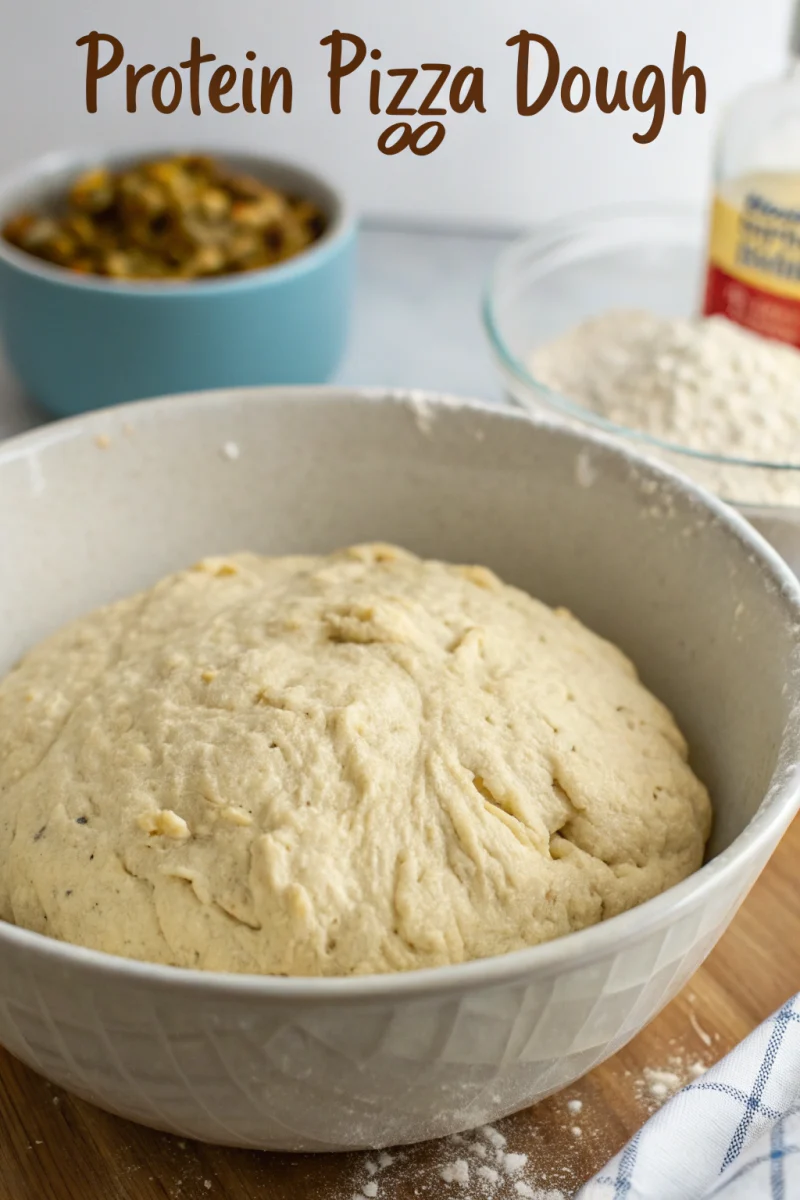
Protein Pizza Dough — High-Protein Pizza Base, Hearty, Satisfying, and Delicious
Protein Pizza Dough combines heartiness, warmth, and nutrition in one bowl. This guide reveals how to make the perfect winter soup — comforting, wholesome, and deeply flavorful, crafted with chef-level technique and family-friendly ease.
The Science Behind High-Protein Dough
Dough, at its core, is a network of gluten, a protein complex formed when water is added to flour and kneaded. In traditional pizza dough, the protein content comes primarily from all-purpose or bread flour, which typically contains 10-14% protein. This gluten network gives the dough its elasticity, chewiness, and ability to trap gases produced during fermentation, leading to a light and airy crust. However, when we talk about Protein Pizza Dough, we’re often aiming to significantly boost this protein content beyond what standard flour provides. This is where the “science” really comes into play.
Adding supplemental protein, such as whey protein, casein, or plant-based proteins like pea or soy isolate, directly influences the dough’s structure. These additional proteins can interact with the existing gluten network, potentially altering its strength and elasticity. Too much added protein, or the wrong type, can sometimes lead to a denser, tougher dough that doesn’t rise as well because the gluten network becomes too tight or inhibited. The key is balance and understanding how different proteins behave.
For instance, whey protein, being soluble, can sometimes weaken the gluten network if used in large quantities, leading to a stickier dough. Casein, on the other hand, can absorb more water and contribute to a firmer, sometimes drier dough. Plant-based proteins generally have different hydration properties and can impact the dough’s texture and water absorption rate. This is why our recipe meticulously balances the type and amount of added protein with other ingredients to ensure a tender yet sturdy crust.
Beyond structure, the added protein provides significant nutritional advantages. Protein is essential for muscle repair, satiety, and sustained energy. A slice of pizza made with Protein Pizza Dough offers a more balanced macronutrient profile, helping to keep you feeling full longer and reducing the glycemic impact of the carbohydrates in the crust. This makes it an excellent choice for athletes, those managing their weight, or anyone looking for a more nutrient-dense meal. The amino acids provided by the protein are crucial for various bodily functions, making your pizza not just a delicious treat, but a functional food.
Furthermore, the increased protein content can influence the dough’s flavor and browning characteristics. Proteins, when subjected to heat, undergo Maillard reactions, contributing to the desirable golden-brown color and complex savory flavors of a perfectly baked pizza crust. Understanding these scientific principles allows us to create a Protein Pizza Dough that isn’t just “healthy,” but truly delicious and structurally sound.

Key Ingredients for the Perfect Protein Pizza Dough
Creating an exceptional Protein Pizza Dough involves carefully selected ingredients, each playing a vital role in texture, flavor, and nutritional profile. Here’s a detailed breakdown:
- Warm Water (1 ¼ cups, 105-115°F / 40-46°C): Yeast is a living organism that needs warm water to activate. Too cold, and it won’t activate; too hot, and it will die. This narrow temperature range is crucial for a successful proof.
- Active Dry Yeast (2 ¼ teaspoons or 1 standard packet): This leavening agent is responsible for the dough’s rise. As it feeds on sugars in the flour, it produces carbon dioxide gas, which gets trapped in the gluten network, creating an airy texture.
- Granulated Sugar (1 teaspoon): While optional, a small amount of sugar acts as “food” for the yeast, helping to kickstart its activity and proofing process. It’s quickly consumed by the yeast and doesn’t significantly impact the final sweetness.
- Bread Flour (2 cups, plus more for dusting): With a higher protein content (typically 12-14%) than all-purpose flour, bread flour creates a stronger, more elastic gluten network. This is essential for a chewy pizza crust that can hold up to toppings and the added weight of protein powder.
- Whole Wheat Flour (1 cup): Adds fiber, nutrients, and a slightly nutty flavor. The germ and bran in whole wheat flour contribute additional protein and texture, creating a heartier crust. It also helps in achieving a desirable browning.
- Unflavored Protein Powder (½ cup; whey isolate or plant-based blend recommended): This is the star ingredient for our Protein Pizza Dough. Unflavored is crucial to avoid unwanted tastes. Whey isolate is a popular choice for its high protein content and relatively neutral flavor, but a good quality plant-based blend (pea, rice, soy) works equally well. It significantly boosts the protein content without dramatically altering the dough’s texture if balanced correctly.
- Fine Sea Salt (1 ½ teaspoons): Salt is not just for flavor; it’s critical for controlling yeast activity. Without it, the yeast can over-ferment, leading to an overly porous and bland crust. Salt also strengthens the gluten structure, contributing to a better texture.
- Olive Oil (2 tablespoons, plus extra for bowl): Adds flavor, moisture, and elasticity to the dough. It also contributes to a tender interior and a slightly crispy exterior. A good quality extra virgin olive oil can impart subtle fruity notes.
Each ingredient is chosen specifically to contribute to the overall success of this unique pizza dough. Substituting wisely is key if you need to make changes, keeping in mind the role each element plays.
Step-by-Step Recipe: Making Your Protein Pizza Dough From Scratch
Follow these detailed steps to create a perfect batch of our nutritious Protein Pizza Dough. Precision and patience are your best friends here.
Step 1: Activate the Yeast
In a large mixing bowl or the bowl of a stand mixer, combine 1 ¼ cups warm water (105-115°F / 40-46°C) and 1 teaspoon of granulated sugar. Sprinkle 2 ¼ teaspoons of active dry yeast over the water. Stir gently and let it sit for 5-10 minutes. The mixture should become foamy and bubbly, indicating the yeast is active. If it doesn’t foam, your yeast might be old or the water temperature was off; start over with fresh yeast.
Step 2: Combine Dry Ingredients
While the yeast is activating, in a separate medium-sized bowl, whisk together 2 cups bread flour, 1 cup whole wheat flour, ½ cup unflavored protein powder, and 1 ½ teaspoons fine sea salt. Whisk thoroughly to ensure all ingredients, especially the protein powder, are evenly distributed. This prevents lumps in your final dough.
Step 3: Mix the Dough
Once the yeast is active, pour the proofed yeast mixture and 2 tablespoons of olive oil into the bowl with the dry ingredients (or into the stand mixer bowl). Using a sturdy spoon or the dough hook attachment of your stand mixer on low speed, mix until a shaggy dough forms and most of the flour is incorporated. It will be sticky at this stage, which is normal.
Step 4: Knead the Dough
Lightly flour a clean work surface. Turn the dough out onto the floured surface. Knead the dough for 8-10 minutes by hand, or 6-8 minutes with a stand mixer on medium-low speed. To knead by hand, push the dough away with the heels of your hands, fold it back, rotate, and repeat. Add tiny amounts of flour as needed to prevent excessive stickiness, but be careful not to add too much, which can make the dough tough. The dough should become smooth, elastic, and spring back when gently poked. This kneading develops the gluten, crucial for the structure of our Protein Pizza Dough.
Step 5: First Proof (Bulk Fermentation)
Lightly grease a large bowl with olive oil. Place the kneaded dough in the bowl, turning it once to coat the entire surface with oil. Cover the bowl tightly with plastic wrap or a clean kitchen towel. Place the bowl in a warm, draft-free place (like a turned-off oven with the light on) for 1 to 1 ½ hours, or until the dough has doubled in size. The higher protein content might make it rise a little slower than traditional dough, so be patient and let it double.
Step 6: Shape Your Pizza
Once doubled, gently punch down the dough to release the accumulated gases. This recipe makes enough for one large (14-16 inch) pizza or two medium (10-12 inch) pizzas. Divide the dough if making two. On a lightly floured surface, gently stretch or roll the dough into your desired pizza shape and thickness. Be gentle to avoid tearing the gluten network you’ve worked hard to develop. Transfer the shaped dough to a cornmeal-dusted pizza peel or a parchment-lined baking sheet.
Step 7: Topp and Bake
Preheat your oven to the highest possible temperature (usually 475-500°F / 245-260°C) with a pizza stone or baking steel inside if you have one, for at least 30-60 minutes. Top your Protein Pizza Dough with your favorite sauce, cheese, and toppings. Carefully transfer the pizza to the hot oven. Bake for 10-15 minutes, or until the crust is golden brown and the cheese is bubbly and slightly charred. Cooking times may vary depending on oven and thickness of toppings.
Step 8: Cool and Serve
Once baked, remove the pizza from the oven and let it cool on a wire rack for 5 minutes before slicing and serving. This resting period allows the cheese and toppings to set and prevents burns from the molten cheese. Enjoy your homemade, nutritious Protein Pizza Dough!

Tips for Success: Troubleshooting Common Issues with Protein Pizza Dough
Working with high-protein dough can sometimes present unique challenges. Here are some expert tips to ensure your Protein Pizza Dough comes out perfect every time:
- Dough is Too Sticky: If your dough is excessively sticky even after kneading for several minutes, resist the urge to add too much flour. A little stickiness is normal for a well-hydrated dough. Instead, lightly oil your hands and the work surface, or use a bench scraper to help manage it. If it’s truly unmanageably wet, add flour a tablespoon at a time during kneading until it reaches the desired consistency. Remember, protein powders can absorb more liquid than regular flour.
- Dough is Too Dry or Stiff: This often happens if too much flour was added during kneading, or if your protein powder absorbed more liquid than anticipated. To rectify, sparingly add water, one teaspoon at a time, while kneading, until the dough becomes more pliable and elastic. The goal is a dough that is soft and slightly tacky, not dry or crumbly.
- Poor Rise (Dense Crust): Several factors can contribute to a dense crust:
- Inactive Yeast: Always ensure your yeast foams up in warm water at the beginning.
- Too Much Flour or Protein Powder: Overloading the dough can inhibit gluten development and yeast activity. Stick to the recipe measurements.
- Insufficient Kneading: The gluten network must be adequately developed to trap gases. Knead until smooth and elastic.
- Cold Proofing Environment: Yeast works best in a warm, draft-free place. If your kitchen is cold, find a warmer spot.
- Crust is Tough or Chewy: While some chewiness is desirable in pizza, an overly tough crust indicates over-kneading or too much flour. It can also be a result of the wrong type of protein powder. Protein powders react differently; if using a new brand, adjust gradually. Over-baking can also lead to a very tough crust, so watch your baking time carefully.
- Dough Doesn’t Stretch Easily (Tears): This often means the gluten needs more relaxation time. After kneading, if you try to shape it and it resists or tears, cover it with plastic wrap and let it rest for 10-15 minutes. This allows the gluten strands to relax, making the dough much easier to stretch without tearing. This is sometimes called “bench rest.”
- Uneven Browning: Ensure your oven is fully preheated to the correct temperature. A pizza stone or baking steel helps distribute heat evenly and provides a crispy bottom crust. If your pizza is browning too quickly on top, but not cooking through, reduce the top heat slightly or move it to a lower rack.
Patience and observation are key. Every batch of flour and every environment is slightly different, so be prepared to make minor adjustments as you go. With these tips, you’ll master making delicious Protein Pizza Dough in no time!

Flavor Variations and Topping Pairings
The beauty of a versatile base like Protein Pizza Dough is its adaptability to a myriad of flavors. Whether you lean towards savory, spicy, or even a touch of sweet, this dough can handle it. Here are some creative ideas to elevate your protein pizza:
Savory Enhancements for the Dough:
- Herb Infusion: Incorporate 1-2 tablespoons of dried Italian herbs, dried oregano, or garlic powder directly into the dry ingredients. This will lend a subtle aromatic background to your crust.
- Spicy Kick: A teaspoon of red pepper flakes mixed into the dough can give a pleasant warmth that complements many toppings.
- Cheese Crust: For an extra rich crust, mix in ¼ cup of grated Parmesan or Pecorino Romano cheese with the dry ingredients.
- Whole Grain Boost: Experiment with different proportions of whole wheat, rye, or even spelt flour to adjust the texture and flavor profile, but remember to adjust liquids as needed.
Creative Topping Pairings:
- Mediterranean Delight: Spread a thin layer of hummus or pesto, top with crumbled feta cheese, Kalamata olives, sun-dried tomatoes, artichoke hearts, and a sprinkle of fresh oregano.
- BBQ Chicken Protein Powerhouse: Use a sugar-free BBQ sauce as the base. Top with shredded grilled chicken (tossed in more BBQ sauce), smoked Gouda cheese, thinly sliced red onion, and fresh cilantro after baking.
- Veggie Garden & Goat Cheese: A light tomato sauce, spinach, roasted red peppers, zucchini slices, and crumbled goat cheese create a vibrant and flavorful pizza. A drizzle of balsamic glaze after baking is a fantastic finish.
- Breakfast Pizza: Scrambled eggs as the base, topped with turkey bacon or sausage, shredded cheddar cheese, and a sprinkle of chives. Perfect for a weekend brunch.
- Steak and Blue Cheese: A creamy béchamel sauce base, thinly sliced cooked steak, caramelized onions, crumbled blue cheese, and a sprinkle of chopped parsley.
- Spicy Shrimp & Garlic: Olive oil and minced garlic base, cooked shrimp, diced jalapeños, mozzarella, and a squeeze of fresh lime juice after baking.
Remember that because Protein Pizza Dough can be a bit heartier, it stands up well to robust flavors and generous toppings. Don’t be afraid to experiment!
Storage and Reheating Your Protein Pizza Dough
Proper storage is essential to maintain the freshness and quality of your Protein Pizza Dough, whether it’s raw dough or leftover pizza. Here’s how to manage it:
Storing Raw Dough:
- Refrigerator: After the first proof, you can store the dough in an airtight, lightly oiled container in the refrigerator for up to 2-3 days. The cold temperature slows down yeast activity, allowing for a slower, more flavorful fermentation. When ready to use, remove the dough from the fridge at least 30-60 minutes before shaping to allow it to come to room temperature and become more pliable. It might need a short second proof (15-30 minutes) at room temperature before shaping if it seems dense.
- Freezer: For longer storage, after the first proof, gently punch down the dough. Divide it into individual pizza-sized portions. Lightly oil each portion, then wrap tightly in plastic wrap, followed by aluminum foil. Place in a freezer-safe bag. It can be frozen for up to 1-2 months.
To use frozen dough: Transfer it to the refrigerator to thaw overnight. Then, remove it from the fridge 1-2 hours before use to let it come to room temperature and complete a second short proof.
Storing Leftover Protein Pizza:
- Refrigerator: Allow leftover pizza to cool completely. Store slices in an airtight container or wrap them tightly in foil or plastic wrap. Refrigerate for up to 3-4 days.
- Freezer: For longer storage, freeze individual slices by wrapping them tightly in plastic wrap and then foil. Place in a freezer-safe bag. Frozen pizza can last for up to 2 months.
Reheating Leftover Pizza:
- Oven/Toaster Oven (Recommended): Preheat your oven or toaster oven to 350°F (175°C). Place slices directly on the rack or on a baking sheet. Heat for 5-10 minutes, or until the cheese is melted and the crust is crispy. This method revitalizes the crust best.
- Skillet: Place a slice in a non-stick skillet over medium-low heat. Cover with a lid (or foil) to trap steam and melt the cheese. Heat for 5-7 minutes, until the bottom is crispy and the cheese is bubbly.
- Microwave: While quick, the microwave often results in a soggy crust. Heat slices for 30-60 seconds, checking frequently.
Following these storage and reheating tips will help you enjoy your delicious Protein Pizza Dough creations at their best, minimizing waste and maximizing convenience.
Nutrition Facts (per serving)
The nutritional profile for Protein Pizza Dough can vary based on the specific protein powder used and how much dough constitutes a “serving.” This estimate is for one-eighth of a 14-inch pizza (crust only), using whey isolate and the flours specified in the recipe. Toppings will significantly alter these values.
- Calories: 230-260 kcal
- Protein: 18-22g
- Carbohydrates: 30-35g (of which Fiber: 4-6g)
- Fat: 4-6g
- Sodium: 250-300mg
This higher protein and fiber content makes the pizza much more satisfying and helps regulate blood sugar compared to traditional dough. For personalized dietary advice, it’s always best to consult with a nutritionist or healthcare professional. Healthline provides an excellent overview of protein’s benefits for overall health, reinforcing why a protein-rich option like this dough is beneficial. Further research into nutrition can be found on sites like Harvard’s Nutrition Source.
Frequently Asked Questions (FAQ) About Protein Pizza Dough
- Can I use any type of protein powder? While unflavored whey isolate or a plant-based blend (like pea or brown rice protein) are generally recommended for best results, some people successfully use casein. Avoid flavored protein powders as they will significantly alter the taste of your pizza. Different protein powders absorb liquids differently, so you may need to adjust the water content slightly.
- Is this dough gluten-free? No, this recipe uses bread flour and whole wheat flour, both of which contain gluten. If you need a gluten-free option, you would need to use a certified gluten-free flour blend and a gluten-free protein powder, along with specific instructions for gluten-free pizza dough, as the structure will be very different.
- How does the protein powder affect the taste? If you use an unflavored protein powder and knead the dough well, the impact on taste is minimal. It might have a subtly different mouthfeel or a slightly “earthier” flavor if using plant-based proteins, but it should not taste like protein powder.
- Can I make the dough ahead of time? Absolutely! Raw dough can be stored in the refrigerator for up to 2-3 days or frozen for 1-2 months. See our “Storage and Reheating” section for detailed instructions.
- Why did my dough not rise? Common culprits include inactive yeast (water too cold or hot, or old yeast), too much salt inhibiting yeast, insufficient kneading, or a cold proofing environment. Double-check your yeast activation step first.
- What’s the best way to get a crispy crust with Protein Pizza Dough? A very hot oven (475-500°F / 245-260°C), preheating a pizza stone or baking steel for at least 30-60 minutes, and not overcrowding the pizza with too many wet toppings are key. Baking directly on a hot surface helps transfer heat efficiently. For more on the health aspects of various ingredients, Medical News Today offers insights into food and health.
Conclusion
Embracing the goodness of Protein Pizza Dough opens up a world where indulgence and nutrition coexist beautifully. This comprehensive guide has walked you through every stage, from understanding the science behind high-protein dough to mastering the delicate balance of ingredients, and confidently executing each step of the recipe. We’ve explored common troubleshooting tips, unleashed a plethora of flavor variations, and provided practical advice for storage and reheating, ensuring your culinary journey is both successful and satisfying.
Making your own Protein Pizza Dough is more than just a cooking project; it’s an investment in your health and a delightful way to customize one of the world’s most beloved dishes. With its elevated protein content, this dough provides sustained energy, enhanced satiety, and a more balanced meal, making it an excellent choice for active lifestyles, mindful eating, or simply adding a nutritious twist to your family’s favorite pizza night. The robust texture and rich flavor profile ensure that cutting down on empty calories never means compromising on taste or enjoyment.
So, gather your ingredients, activate that yeast, and prepare to transform your pizza experience. Whether it’s a quick weeknight dinner, a fun weekend cooking activity, or fueling your body post-workout, this Protein Pizza Dough is designed to deliver. Enjoy the creative process, savor the delicious results, and take pride in crafting a meal that is both wholesome and utterly delicious. Make protein-packed pizza a delicious and regular part of your home cooking legacy!
Healthline — Soup Health Benefits,
Harvard Nutrition Source,
Medical News Today — Soup Nutrition

creates quick vegetarian dinners and vibrant taco recipes.