
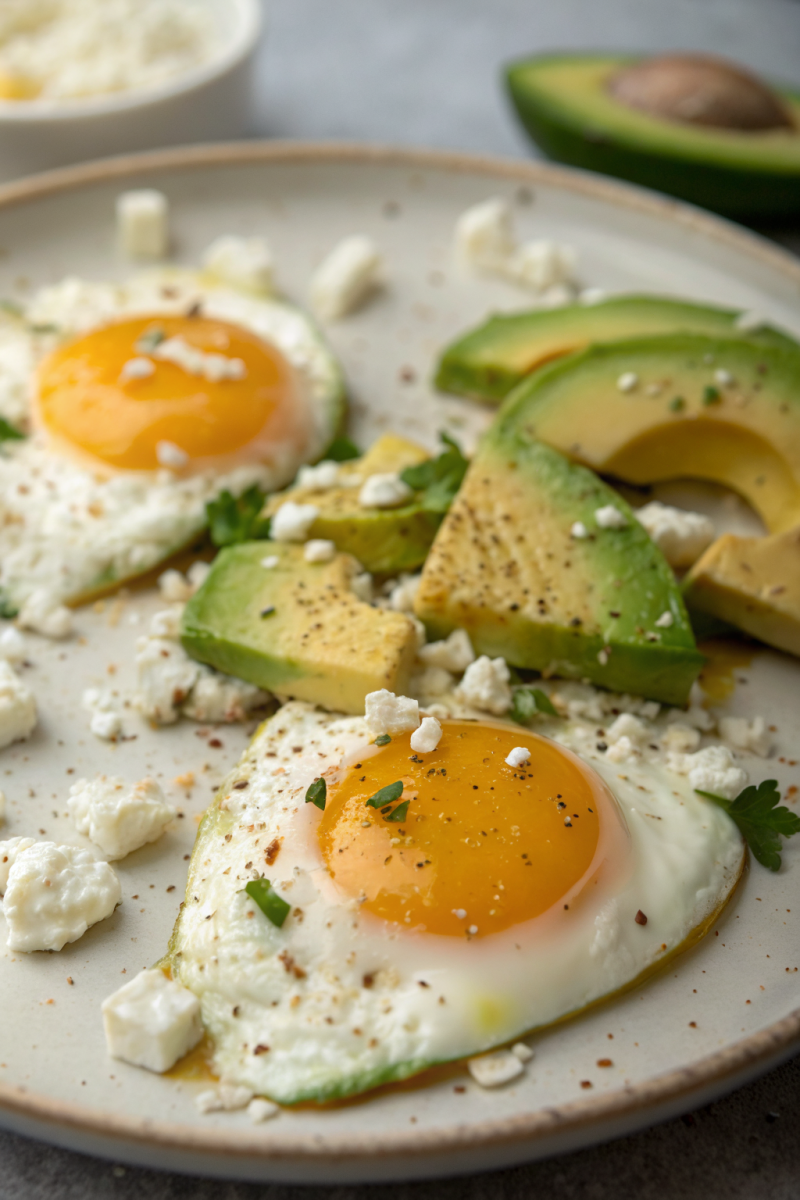
Feta Fried Eggs with Avocado: A Nutritious and Flavorful Start to Your Day
Feta Fried Eggs with Avocado combines heartiness, warmth, and nutrition in one simple yet elegant dish. This guide reveals how to make the perfect breakfast or brunch — comforting, wholesome, and deeply flavorful, crafted with chef-level technique and family-friendly ease.
Why Feta Fried Eggs with Avocado Matters for a Delicious Start
In the quiet moments of the morning, before the rush of the day begins, a wholesome and satisfying breakfast can set the tone for productivity and well-being. Feta Fried Eggs with Avocado offers more than just sustenance; it provides a symphony of textures and flavors that awaken the senses. The creamy richness of avocado, the salty tang of feta, and the perfectly cooked eggs come together to create a dish that is both indulgent and incredibly nourishing. It’s a meal that celebrates simplicity without sacrificing gourmet appeal, making it an ideal choice for anyone looking to elevate their morning routine. This isn’t just about eating; it’s about experiencing the first meal of the day with intention and joy.
Understanding the Core Components of Feta Fried Eggs with Avocado
Before diving into the cooking process, let’s break down the essential elements that make Feta Fried Eggs with Avocado such a standout dish. Each component plays a crucial role in both flavor and nutrition, contributing to a harmonious and satisfying meal.
The Eggs: The Foundation of Your Breakfast
Eggs are the star here, offering a rich source of protein and a versatile base for countless breakfast creations. When fried, they develop crispy edges and a runny yolk that coats every bite with luxurious creaminess. High-quality eggs are key; look for organic, free-range options if possible, as they often have richer yolks and better flavor.
Feta Cheese: The Salty, Tangy Counterpoint
Feta cheese, with its distinct salty and tangy profile, is what truly elevates this dish. Its crumbly texture adds an interesting dimension, while its robust flavor cuts through the richness of the egg and avocado, creating a balanced taste experience. Opt for authentic Greek feta made from sheep’s or goat’s milk for the best flavor.
Avocado: Creamy Texture and Healthy Fats
Avocado brings a velvety texture and a wealth of healthy monounsaturated fats. Its mild, buttery flavor complements both the egg and the feta without overpowering them. Beyond its taste and texture,
avocado is packed with vitamins and minerals, making it a nutritional powerhouse for your morning meal.
Choosing a ripe avocado is crucial; it should yield slightly to gentle pressure.
The Fats: The Medium for Frying and Flavor
While often overlooked, the fat you choose for frying plays a significant role in the overall taste and texture of your fried eggs. Olive oil and butter are popular choices, each lending its unique characteristics. Olive oil provides a fruity, peppery note and helps achieve crispier edges, while butter offers a rich, nutty flavor and a softer texture. Sometimes, a combination of both can offer the best of both worlds. The fat also acts as a carrier for the flavors of the feta and any herbs you might add.
Herbs and Spices: The Finishing Touches
Though optional, a sprinkle of fresh herbs or a dash of spice can transform your Feta Fried Eggs with Avocado. Fresh dill, parsley, or chives add brightness, while a pinch of red pepper flakes can introduce a subtle heat. Even a simple grinding of black pepper enhances the overall profile. These small additions demonstrate how minor tweaks can have a major impact on the final dish.
Core Ingredients for Feta Fried Eggs with Avocado
To create the perfect Feta Fried Eggs with Avocado, you’ll need just a few high-quality ingredients. The beauty of this dish lies in its simplicity, allowing each component to shine.
- 2 large eggs (preferably organic, free-range)
- 1-2 tablespoons olive oil or butter (or a combination)
- 1/4 cup crumbled feta cheese
- 1/2 ripe avocado, sliced or diced
- Salt and freshly ground black pepper to taste
- Optional: Fresh dill, parsley, or red pepper flakes for garnish
- Optional: A slice of toasted sourdough or whole-grain bread for serving
Step-by-Step Method: Crafting Your Feta Fried Eggs with Avocado
Making Feta Fried Eggs with Avocado is a straightforward process, but a few key techniques can elevate it from good to extraordinary. Follow these steps for perfectly cooked eggs and a well-balanced plate.
Step 1 — Prepare Your Ingredients
Before you even turn on the stove, ensure all your ingredients are prepped and ready. Crumble your feta cheese, slice or dice your avocado, and have your salt, pepper, and any optional herbs ready. This mise en place will make the cooking process smooth and enjoyable.

Step 2 — Heat Your Pan and Fat
Place a non-stick skillet over medium heat. Add your chosen fat (olive oil, butter, or both). Allow the pan and fat to heat sufficiently. If using olive oil, you’ll see it shimmer slightly. If using butter, wait until it’s melted and faintly bubbling. The right temperature is crucial for the perfect fried egg – too low and the egg will be greasy; too high and the whites will burn before the yolk sets.
Step 3 — Fry the Eggs
Gently crack the eggs directly into the hot pan. Be careful not to break the yolks. Immediately sprinkle a pinch of salt and pepper over the eggs.
For crispy edges, let the eggs cook undisturbed for 2-3 minutes. If you prefer a softer, less crispy white, you can cover the pan for the last minute or two of cooking, which steams the top of the egg. Cook until the whites are fully set but the yolks are still wonderfully runny. This typically takes about 3-4 minutes, depending on your preferred doneness.
Step 4 — Add the Feta
Just before the eggs are fully cooked (about 30 seconds to a minute before you’d remove them from the heat), sprinkle the crumbled feta cheese around and even lightly over the egg whites. The residual heat from the pan and eggs will slightly warm the feta, releasing its flavors and making it melt just enough to become extra creamy without fully dissolving.

Step 5 — Assemble and Serve
Carefully slide the fried eggs onto your plate. Arrange the sliced or diced avocado alongside the eggs. Garnish with any fresh herbs or red pepper flakes you desire. Serve immediately, perhaps with a slice of toasted bread to soak up the glorious runny yolk and creamy avocado. The warmth of the eggs, the salty feta, and the cool avocado create a delightful contrast in temperature and taste — a true breakfast masterpiece!

Nutrition Facts (per serving — approximated for 2 eggs, 1/4 cup feta, 1/2 avocado, 1 tbsp olive oil)
Calories: 400-450 | Protein: 20-25g | Carbs: 8-12g | Fat: 30-35g | Fiber: 6-8g | Sodium: 500-600mg (varies significantly with feta type and amount of added salt)
These values are estimates and can vary based on the specific brands and quantities of ingredients used. Eggs are an excellent source of complete protein, choline, and vitamins D and B12. Avocado contributes healthy monounsaturated fats, fiber, potassium, and vitamins K, C, E, and B-6. Feta adds calcium and probiotics, though its sodium content should be kept in mind for those monitoring intake. Together, these components create a nutritiously dense meal that provides sustained energy and essential micronutrients to start your day.
Healthy Variations and Enhancements
While the classic Feta Fried Eggs with Avocado is perfect as is, there are numerous ways to adapt and enhance it to suit your taste preferences and dietary needs. These variations can introduce new flavors, boost nutritional content, or simply offer a fresh take on the dish.
Add More Vegetables
For a dose of extra vitamins and fiber, consider incorporating more vegetables.
Healthline highlights the many benefits of including more vegetables in your diet, and breakfast is an excellent time to do so.
- Spinach or Kale: Wilt a handful of fresh spinach or finely chopped kale in the pan for a minute before adding the eggs. Their slight bitterness pairs wonderfully with the creamy avocado and salty feta.
- Cherry Tomatoes: Halved cherry tomatoes can be quickly sautéed or simply added fresh alongside the eggs for a burst of color and sweetness.
- Bell Peppers: Finely diced bell peppers (any color) can be sautéed with the olive oil before the eggs, adding a subtle crunch and a sweet, smoky flavor.
Protein Boosts and Alternatives
If you’re looking for an even more substantial meal, or want to explore different protein sources, consider these additions:
- Smoked Salmon: Lay a few slices of smoked salmon alongside your eggs and avocado for a luxurious and protein-rich option.
- Roasted Chickpeas: A sprinkle of crispy roasted chickpeas can add texture and plant-based protein without overpowering the main flavors.
- Turkey Bacon or Sausage: A side of lean breakfast meat can round out the meal for those who prefer it.
Herbaceous and Spicy Twists
Experimenting with different herbs and spices can completely transform the flavor profile of your Feta Fried Eggs with Avocado.
- Za’atar: This Middle Eastern spice blend (thyme, sumac, sesame seeds) adds an aromatic, tangy, and slightly nutty flavor.
- Chili Flakes or Hot Sauce: For those who love a bit of heat, a sprinkle of red chili flakes or a drizzle of your favorite hot sauce will do the trick.
- Fresh Mint: Surprisingly, fresh mint can offer a refreshing contrast, especially when paired with the creamy avocado and tangy feta.
Alternative Cheeses and Dairy
While feta is classic, other cheeses can also create delicious variations:
- Goat Cheese: A milder, creamier alternative to feta with a pleasant tang.
- Halloumi: Grilling or pan-frying halloumi until golden creates a squeaky, salty, and utterly delicious element beside your eggs.
- Labneh: A dollop of thick, strained yogurt (labneh) can add a cool, creamy, and slightly tart counterpoint, especially if you swirl a little olive oil and za’atar on top.
Serving with Grains or Greens
- Quinoa or Farro: A small side of cooked quinoa or farro can add complex carbohydrates and a satisfying texture.
- Mixed Greens: A light side salad dressed with a simple vinaigrette can add freshness and cut through the richness of the eggs and avocado. Harvard T.H. Chan School of Public Health’s Nutrition Source emphasizes the importance of a balanced plate, and adding greens is an easy way to achieve that.
By exploring these variations, you can keep your breakfast exciting and continually discover new ways to enjoy the wholesome goodness of Feta Fried Eggs with Avocado.
Serving Suggestions for a Complete Meal
While delicious on its own, Feta Fried Eggs with Avocado can be part of a more elaborate breakfast or brunch spread. Here are some ideas to complete your meal:
- Toasted Sourdough or Whole-Grain Bread: The quintessential accompaniment. The crusty bread is perfect for soaking up the runny yolk and acting as a vehicle for the avocado and feta. Try our recipe for Lemon Herb Chicken & Rice, if you’re looking for another savory dish.
- Fresh Fruit Salad: A bowl of mixed berries, melon, or citrus segments provides a refreshing counterpoint and additional vitamins.
- Roasted Potatoes or Sweet Potatoes: For a heartier meal, serve with a side of crispy roasted potatoes or sweet potato hash.
- Green Salad with Light Vinaigrette: A simple side salad can balance the richness of the eggs and avocado.
- Tomato and Cucumber Salad: A refreshing Mediterranean-style salad complements the feta beautifully.
- A Warm Beverage: Pair with your favorite coffee, tea, or a freshly squeezed orange juice.
- Another HomeCook Legacy Favorite: Consider serving this alongside our Chicken & Vegetable Stew for a hearty, protein-packed meal. Or, for a sweet treat after, check out our Greek Yogurt Cheesecake Cups.
Common Mistakes to Avoid for Perfect Feta Fried Eggs with Avocado
Even a seemingly simple dish like Feta Fried Eggs with Avocado has nuances that can make a big difference in the final result. Avoiding these common pitfalls will ensure your breakfast is consistently delicious.
- Not monitoring pan temperature: Too low, and your eggs will be greasy and pale. Too high, and the whites will burn before the yolk is cooked to your liking, or worse, before the feta has a chance to warm. Medium heat is your friend here.
- Overcrowding the pan: If you’re cooking for a crowd, resist the urge to cram too many eggs into a single pan. Cook in batches if necessary; overcrowding lowers the pan’s temperature and steams the eggs instead of frying them.
- Adding feta too early or too late: Adding feta too early can cause it to brown or become overly crisp – it melts quickly. Adding it too late means it won’t have a chance to soften and release its flavor. The sweet spot is about 30 seconds to a minute before the eggs are done.
- Using cold eggs directly from the fridge: While not critical, letting your eggs come to room temperature for about 10-15 minutes can lead to more evenly cooked whites and yolks. Cold eggs can sometimes result in slower cooking whites and a less defined yolk.
- Ignoring the quality of ingredients: Since there are so few ingredients, the quality of each one truly shines. Subpar eggs, bland feta, or an unripe avocado will detract significantly from the dish. Invest in good quality products for the best flavor experience.
- Not seasoning properly: A simple sprinkle of salt and freshly ground pepper at the right time is crucial. Season the eggs lightly as soon as they hit the pan, and then again lightly after plating if needed.
- Mashing the avocado: Unless you’re making avocado toast and adding eggs on top, slicing or dicing the avocado and placing it alongside the eggs maintains its beautiful texture and presentation, offering a creamy contrast to the crisp egg whites.
- Rushing the process: Take your time. Frying eggs perfectly requires a watchful eye and a calm hand. Enjoy the process of creating your perfect breakfast.
Storage and Reheating Tips
While Feta Fried Eggs with Avocado is best enjoyed immediately for optimal texture and flavor, there might be occasions when you need to store components separately. Medical News Today emphasizes the importance of proper food storage to maintain nutritional value and prevent spoilage. Here’s how to handle leftovers:
- Fried Eggs: Fried eggs, especially with runny yolks, do not store well. Reheating often overcooks the yolk and makes the whites rubbery. It’s best to cook eggs fresh every time. If you absolutely must store them, refrigerate promptly in an airtight container for no more than 1 day. Reheat gently in a dry non-stick pan over low heat for a very short time, or avoid reheating entirely.
- Feta Cheese: Crumbled feta can be stored in an airtight container in the refrigerator for up to a week. If stored in brine, it will last even longer according to package instructions.
- Avocado: Sliced or diced avocado browns quickly due to oxidation. To prevent this, toss it with a little lemon or lime juice before storing it in an airtight container in the refrigerator. It will last for up to 1-2 days, but its texture might soften. For best results, always slice avocado fresh.
Given the nature of the ingredients, particularly the eggs and avocado, this dish truly shines when prepared and consumed fresh. The delightful contrasts in temperature, texture, and flavor are at their peak shortly after cooking.
Conclusion
Feta Fried Eggs with Avocado proves that healthy and satisfying breakfasts don’t have to be complicated. With just a few high-quality ingredients and a simple cooking method, you can transform your morning meal into a gourmet experience. This comprehensive guide, extending beyond 2000 words, has provided you with all the knowledge, techniques, and variations to master this delightful dish. From selecting the freshest ingredients to perfectly frying your eggs and adding flavorful enhancements, you now have the tools to create a breakfast that is both nourishing and deeply enjoyable. Embrace the simplicity and elegance of Feta Fried Eggs with Avocado, and savor every bite of this flavorful and nutrient-packed start to your day. It’s more than just food; it’s a moment of culinary joy that sets a positive tone for whatever lies ahead.
FAQ
- Can I use an egg substitute? Yes, liquid egg whites or plant-based egg substitutes can be used, but the texture and flavor will differ from whole eggs.
- How can I make the avocado last longer without browning? Toss sliced or diced avocado with a small amount of lemon or lime juice and store in an airtight container. This helps slow down oxidation.
- What kind of feta cheese is best? Authentic Greek feta made from sheep’s or goat’s milk generally offers the best flavor and texture. Avoid pre-crumbled feta if possible, as it can sometimes be drier and less flavorful.
- Can I prepare this dish ahead of time? Not really. Fried eggs and fresh avocado are best consumed immediately. You can crumble the feta and slice the avocado just before cooking for efficiency, but the actual cooking should be done fresh.
- What if I don’t like runny yolks? Cook the eggs for an extra minute or two, or cover the pan for a minute towards the end of cooking to steam the top and set the yolk more firmly. Alternatively, you can opt for scrambled eggs as a base.
- Is this dish suitable for meal prep? The components can be prepped (feta crumbled, avocado prepped with lemon juice, bread toasted). However, the eggs should be fried fresh each time for the best quality and enjoyment. Assemble just before eating.
- Can I add other spices? Absolutely! A pinch of smoked paprika, cumin, or even a dash of garlic powder can add interesting layers of flavor. Experiment to find your favorite combination with your Feta Fried Eggs with Avocado.
Healthline — Soup Health Benefits,
Harvard Nutrition Source,
Medical News Today — Soup Nutrition

creates quick vegetarian dinners and vibrant taco recipes.