
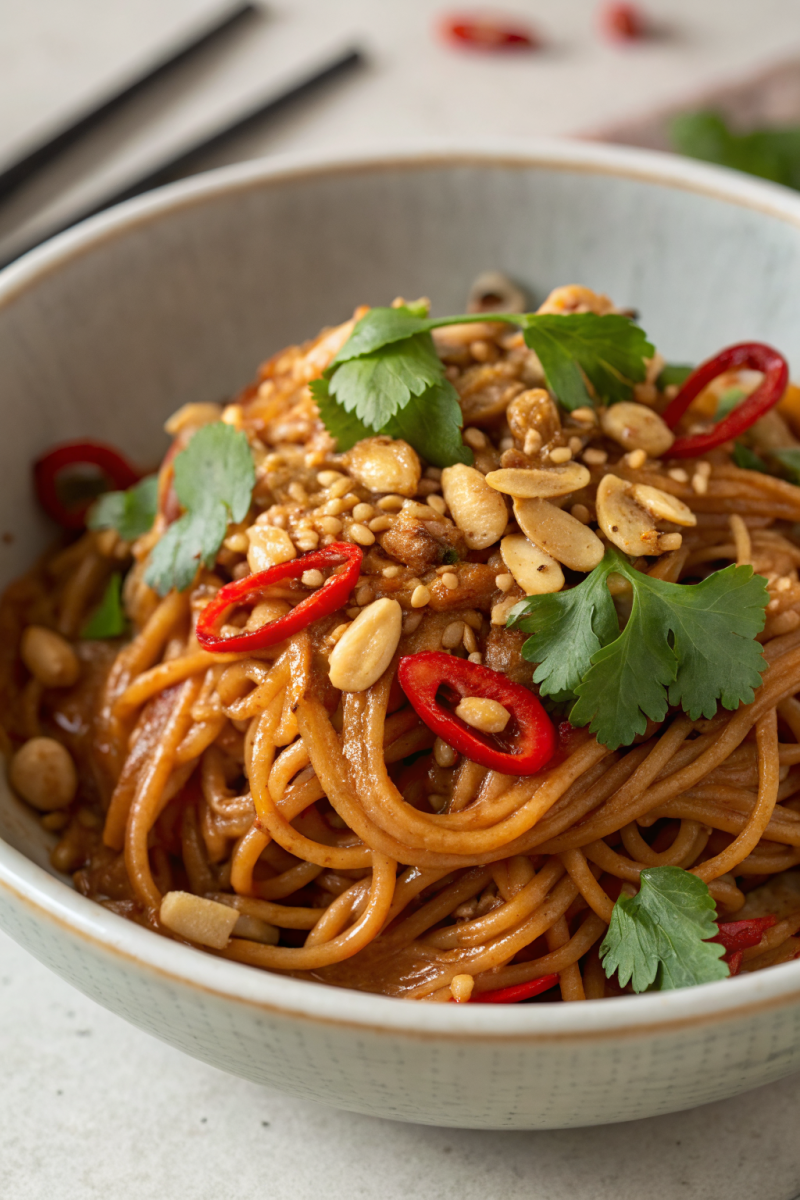
Spicy Peanut Noodles: Your Ultimate Guide to Crafting Perfectly Balanced, Zesty, and Comforting Bowls
Spicy Peanut Noodles combines heartiness, warmth, and nutrition in one bowl. This guide reveals how to make the perfect winter soup — comforting, wholesome, and deeply flavorful, crafted with chef-level technique and family-friendly ease.
Why Spicy Peanut Noodles Matters in Winter
During cold months, the body craves warmth and hydration. Spicy Peanut Noodles offers both, blending nutrient-rich ingredients with slow-simmered depth. From classic broths to creamy textures, it’s a dish that soothes and strengthens at once.
Core Ingredients for Spicy Peanut Noodles
Crafting the perfect bowl of Spicy Peanut Noodles begins with selecting high-quality ingredients that build layers of flavor and texture. This dish thrives on a balance of savory, sweet, spicy, and tangy notes, making each bite an exciting experience. Here’s a detailed breakdown of the essential components:
The Noodles
- Udon Noodles: Thick, chewy, and satisfying, udon noodles are excellent for soaking up the rich peanut sauce. Their hearty texture stands up well to robust flavors.
- Ramen Noodles: Quick to cook and wonderfully springy, ramen noodles offer a lighter alternative while still providing that comforting slurp.
- Spaghetti or Linguine: Don’t underestimate Italian pasta! Spaghetti or linguine can be a fantastic, readily available substitute, especially if you prefer a firmer bite.
- Rice Noodles: For a gluten-free option, thin or wide rice noodles work beautifully, imparting a delicate texture that complements the sauce.
- Soba Noodles: Made from buckwheat, soba noodles offer a slightly nutty flavor and firmer texture, adding another layer of complexity.
The Irresistible Spicy Peanut Sauce
This is the heart and soul of your Spicy Peanut Noodles. It’s a symphony of contrasting flavors that come together to create an unforgettable experience.
- Peanut Butter: Creamy or crunchy, your choice! Creamy peanut butter provides a smoother, more uniform sauce, while crunchy adds pleasant texture. Opt for natural peanut butter with minimal added sugar for the best flavor and health benefits.
- Soy Sauce (or Tamari): Provides the essential umami and saltiness. Use low-sodium soy sauce to control the salt content, or tamari for a gluten-free alternative.
- Rice Vinegar: Adds a crucial tangy bright note that cuts through the richness of the peanut butter, balancing the flavors.
- Sesame Oil: Toasted sesame oil is non-negotiable for its deep, nutty aroma and distinct flavor that screams “Asian cuisine.” A little goes a long way.
- Chili Garlic Sauce: This is your primary source of heat and a fantastic savory depth. Adjust the amount to your preference – from a mild warmth to a fiery kick. Sriracha can be a substitute, but chili garlic sauce offers more texture and robust garlic flavor.
- Fresh Ginger: Grated or minced, fresh ginger adds a pungent, zesty, and warming element that lifts the entire sauce.
- Fresh Garlic: Minced garlic provides aromatic depth and a foundational savory taste. Using fresh is always best here.
- Honey or Maple Syrup: A touch of sweetness helps to balance the heat and acidity, creating a more harmonious flavor profile.
- Lime Juice: Similar to rice vinegar, fresh lime juice adds a bright, citrusy zing that awakens the palate and enhances all the other flavors.
- Szechuan Peppercorns (optional): For an authentic “mala” (numbing hot) sensation, lightly toast and grind a pinch of Szechuan peppercorns. This adds an intoxicating floral and tingling heat that is unique and highly addictive.
- Tahini (optional): A tablespoon or two of tahini can add an extra layer of creaminess and a deeper, slightly bitter, nutty undertone, complementing the peanut butter wonderfully.
- Red Pepper Flakes (optional): For an extra visual pop and a quick burst of heat, sprinkle in some red pepper flakes.
Fresh Vegetables and Proteins
These components add color, texture, nutrition, and bulk to your Spicy Peanut Noodles.
- Cucumber: Thinly sliced or julienned cucumber provides a refreshing, crisp contrast to the rich sauce and spiciness.
- Carrots: Julienne or finely shredded carrots add sweetness, crunch, and a vibrant color.
- Bell Peppers: Sliced red, yellow, or orange bell peppers contribute vibrant color, a sweet crunch, and essential vitamins.
- Edamame: Shelled edamame (fresh or frozen) adds a pop of green, a slightly sweet flavor, and a significant protein boost.
- Scallions (Green Onions): Sliced scallions are crucial for both flavor and garnish, offering a mild oniony bite and freshness.
- Cilantro: Fresh cilantro is an absolute must for garnish, providing a bright, herbaceous counterpoint to the rich sauce.
- Snap Peas: Sweet and crisp, snap peas can be stirred in at the end for fresh texture or lightly blanched.
- Broccolini or Broccoli Florets: Lightly steamed or stir-fried, these add a healthy, slightly bitter edge that balances the richness.
- Bok Choy: Lightly sautéed or wilted, bok choy adds a tender-crisp texture and mild, earthy flavor.
- Chicken or Tofu (optional protein):
- Chicken: Sliced chicken breast or thighs, marinated and stir-fried, provide a lean protein source.
- Tofu: Extra-firm tofu, pressed, cubed, and pan-fried or baked until crispy, is an excellent plant-based protein option that absorbs flavors beautifully.

Step-by-Step Method for Perfect Spicy Peanut Noodles
Creating your ideal bowl of Spicy Peanut Noodles is a straightforward process, breaking down into three main stages: crafting the sauce, cooking the noodles, and assembling with your chosen additions. Follow these steps for chef-level results.
Step 1 — Prepare Your Vegetables and Protein
Before you begin cooking, it’s essential to have all your ingredients prepped. This makes the cooking process smooth and prevents overcooking.
- Chop and Slice: Julienne your cucumber and carrots. Thinly slice bell peppers. Mince your ginger and garlic. Finely chop your scallions (reserving some for garnish) and cilantro. If using edamame, ensure it’s shelled.
- Prepare Protein (if using):
- Chicken: Slice chicken breast or thighs into thin strips. Marinate for at least 15-30 minutes in a dash of soy sauce, a tiny bit of sesame oil, and a pinch of cornstarch for tenderness.
- Tofu: Press extra-firm tofu for at least 30 minutes to remove excess water. Cut into cubes. Toss with a tablespoon of cornstarch, a drizzle of soy sauce, and a pinch of salt and pepper. Pan-fry or bake until golden and crispy.
- Blanch (optional): For firmer vegetables like broccolini or snap peas, you can quickly blanch them in boiling water for 1-2 minutes until tender-crisp, then immediately plunge into an ice bath to stop cooking and preserve color.
Step 2 — Craft the Irresistible Spicy Peanut Sauce
This is where the magic happens. The peanut sauce is the star, so take your time to ensure it’s balanced and flavorful.
- Combine Wet Ingredients: In a medium bowl, whisk together the creamy (or crunchy) peanut butter, soy sauce (or tamari), rice vinegar, toasted sesame oil, chili garlic sauce, lime juice, and honey (or maple syrup).
- Add Aromatics: Stir in the minced fresh ginger and garlic. If using Szechuan peppercorns, add them now, finely ground.
- Achieve Desired Consistency: The sauce will likely be quite thick at this stage. Gradually add 2-4 tablespoons of warm water (or vegetable broth) to thin it until it reaches a smooth, pourable consistency that will easily coat the noodles. Adjust the amount of liquid based on your preferred thickness.
- Taste and Adjust: This is a crucial step! Taste the sauce. Does it need more sweetness? Add a touch more honey. More tang? A squeeze of lime or dash of rice vinegar. Spicier? More chili garlic sauce or red pepper flakes. Saltier? A splash more soy sauce. Ensure all flavors are balanced.
Step 3 — Cook Your Noodles to Perfection
The key to great Spicy Peanut Noodles is perfectly cooked noodles – al dente, not mushy.
- Bring Water to a Boil: Fill a large pot with water and bring it to a rolling boil. Add a generous pinch of salt – this seasons the noodles from the inside out.
- Cook Noodles: Add your chosen noodles (udon, ramen, spaghetti, rice, or soba) to the boiling water. Cook according to package directions, typically 3-8 minutes, until al dente. They should be tender but still have a slight bite.
- Drain and Rinse (Optional):
- For most noodles (udon, ramen, spaghetti): Drain well and give them a quick rinse under cold water. This stops the cooking process and prevents them from sticking together.
- For some rice noodles: A quick rinse can also be beneficial.
- For Soba noodles: Rinsing thoroughly under cold water is essential to remove excess starch.
- Toss with a Touch of Oil: Immediately after draining and rinsing, toss the cooked noodles with a tiny drizzle of sesame oil or a neutral oil to prevent sticking while you finish assembling.
Step 4 — Assemble Your Spicy Peanut Noodles
Now it’s time to bring all the delicious components together.
- Combine Noodles and Sauce: In a large mixing bowl, add the cooked and drained noodles. Pour about two-thirds of the Spicy Peanut Noodles sauce over the noodles.
- Toss Thoroughly: Using tongs, gently toss the noodles until they are evenly coated with the sauce. Add more sauce as needed, ensuring every strand is luscious.
- Add Vegetables and Protein: Add your prepared cucumber, carrots, bell peppers, edamame, and any cooked protein (chicken or tofu) to the noodles. Add most of your chopped scallions and cilantro at this point, reserving some for garnish. Stir gently to combine.
- Final Seasoning and Garnish: Divide the Spicy Peanut Noodles into serving bowls. Garnish generously with the reserved chopped scallions and cilantro. For added texture and flavor, sprinkle with crushed roasted cashews or peanuts, and an optional dash of red pepper flakes for extra heat. A final drizzle of sesame oil or a squeeze of lime juice can brighten everything up.
Serve immediately and enjoy the incredible layers of flavor!
Nutrition Facts (per serving — estimated for a medium bowl with tofu and mixed vegetables)
Calories: 450-550 | Protein: 18-25g | Carbs: 55-65g | Fat: 20-30g | Fiber: 6-9g | Sodium: 800-1100mg (varies significantly with soy sauce type/amount)*
*These values are estimates and can vary widely based on specific ingredients, portion sizes, and preparation methods. Using low-sodium soy sauce and natural peanut butter will significantly impact sodium and sugar content.
Healthy Variations and Enhancements
Spicy Peanut Noodles are incredibly versatile. You can easily adapt the recipe to boost its nutritional value, cater to dietary needs, or simply add more exciting flavors.
- Protein Power-Ups:
- Lentils: Cooked brown or green lentils can be stirred into the noodles for an extra plant-based protein and fiber boost, adding an earthy texture.
- Chickpeas: Roasted chickpeas (tossed with a little soy sauce and chili powder) offer a delightful crunch and protein.
- Shrimp: Quickly sautéed shrimp adds a lean, quick-cooking protein that pairs well with the sauce.
- Hard-boiled eggs: Sliced or halved hard-boiled eggs can be a simple and satisfying addition.
- Greens, Greens, Greens:
- Kale or Spinach: Wilt a handful of chopped kale or fresh spinach into the noodles during the last minute of cooking, or simply massage raw kale with a little lime juice to soften before adding.
- Bok Choy or Napa Cabbage: Quickly stir-fry thinly sliced bok choy or napa cabbage leaves with a touch of garlic before adding to the noodles for extra crispness and nutrients.
- Swiss Chard: Similar to spinach, chard adds vitamins and a beautiful color.
- Flavor Boosts:
- Spicy Crunch: For extra texture and heat, consider adding a spoonful of Chinese chili crisp or toasted sesame seeds.
- Citrus Zest: A little lime or orange zest grated into the sauce can amplify the brightness.
- Nutty Alternative: For those with peanut allergies (or if you just want to try something different), use almond butter or sunbutter (sunflower seed butter) as a base. The flavor profile will change, but it can still be delicious.
- Fermented Foods: A small dollop of kimchi or a sprinkle of fermented black beans (finely chopped) can add complex umami and probiotic benefits.
- Creamy Texture:
- Coconut Milk: For a richer, slightly sweeter, and more luxurious sauce, substitute part of the water used to thin the sauce with full-fat coconut milk. This also makes the dish dairy-free.
- Avocado: Blend a quarter of an avocado into your sauce for an incredibly creamy texture and healthy fats, though this will mute some of the acidity.
- Whole Grains:
- Whole Wheat Noodles: Opt for whole wheat spaghetti or whole wheat ramen noodles for increased fiber content.
- Add Quinoa or Brown Rice: For a noodle-free or noodle-reduced bowl, serve the Spicy Peanut Noodles sauce and vegetables over cooked quinoa or brown rice.
By experimenting with these variations, you can tailor your Spicy Peanut Noodles to suit any craving or dietary requirement, making it a truly versatile and healthy meal.
Serving Suggestions for Spicy Peanut Noodles
Spicy Peanut Noodles can be a complete meal on its own, but pairing it with complementary dishes can elevate the experience and create a well-rounded feast.
- Fresh & Crunchy Sides:
- Simple Green Salad: A light, crisp green salad with a simple Lemon Herb Chicken & Rice dressing can provide a refreshing contrast to the rich noodles.
- Quick Pickled Cucumber: Thinly sliced cucumbers marinated in rice vinegar, a pinch of sugar, and a dash of sesame oil offer a tangy, refreshing crunch.
- Steamed Edamame Pods: A simple bowl of salted edamame pods makes for a fun, interactive appetizer or side, and adds more plant-based protein.
- Savory Enhancements:
- Chicken or Tofu Skewers: Marinated and grilled or pan-fried chicken or tofu skewers (perhaps with a similar flavoring profile to the peanut sauce) make a great protein-focused addition.
- Spring Rolls or Summer Rolls: Fresh, non-fried summer rolls with plenty of vegetables and perhaps some shrimp or tofu are a fantastic light accompaniment. Our Chicken & Vegetable Stew could be an interesting fusion.
- Garlic Herb Flatbread: While not traditionally Asian, a side of Garlic Herb Flatbread can be a delightful textural contrast for scooping up extra sauce.
- Sweet Endings:
- Fresh Fruit Platter: A simple platter of sliced mango, pineapple, or lychees offers a refreshing and light dessert.
- Coconut Sticky Rice with Mango: A classic Thai dessert that would align perfectly with the flavors.
- Honey Oat Energy Bites: For a lighter, healthier sweet treat, Honey Oat Energy Bites provide a satisfying end to the meal without being too heavy.
- Greek Yogurt Cheesecake Cups: Our Greek Yogurt Cheesecake Cups offer a cool, creamy, and subtly sweet finish.
- Beverages:
- Iced Green Tea: A refreshing and palate-cleansing choice.
- Sparkling Water with Lime: The acidity of lime cuts through the richness of the peanut sauce.
- Light Beer or Sake: For an adult pairing, a crisp lager or a dry sake can complement the flavors without overpowering them.
Remember to consider texture, temperature, and flavor contrast when choosing your pairings. A fresh, crisp, or tangy side will provide a delightful balance to the rich, spicy, and creamy Spicy Peanut Noodles.
Common Mistakes to Avoid When Making Spicy Peanut Noodles
While making Spicy Peanut Noodles is relatively simple, a few common pitfalls can prevent it from reaching its full potential. Being aware of these can help you achieve a truly outstanding dish every time.
- Not Rinsing Noodles (Crucial for Cold Noodles): For most cold noodle dishes, rinsing cooked noodles under cold water after draining is essential. This stops the cooking process, removes excess starch (which can make the sauce gummy), and prevents the noodles from sticking together. Skipping this step can result in clumpy, overly soft noodles that don’t absorb the sauce well.
- Under-seasoning the Sauce: The peanut sauce needs bold flavors to stand up to the noodles and vegetables. Be generous with soy sauce, lime juice, ginger, garlic, and chili garlic sauce. Taste and adjust repeatedly until it pops. A bland sauce will result in bland Spicy Peanut Noodles.
- Overcooking the Noodles: Mushy noodles are the enemy of any good noodle dish. Cook them al dente, meaning they should be tender but still have a slight firm bite. They will continue to soften slightly as they sit in the sauce.
- Using Too Little Sauce: The magic of Spicy Peanut Noodles is that every strand is coated in that delicious, creamy sauce. Don’t be shy! If your noodles look dry, add more sauce. It’s better to have a little extra than not enough.
- Skipping Fresh Aromatics: While garlic powder and ginger powder can work in a pinch, fresh minced ginger and garlic are absolutely crucial for the vibrant, pungent, and warming flavor profile of this dish. They make a huge difference.
- Forgetting the Tang/Acidity: Peanut butter can be very rich. Rice vinegar and fresh lime juice are vital for cutting through that richness and adding brightness. Without them, the sauce can taste heavy and flat.
- Not Marinating Protein (if using): If you’re adding chicken or tofu, a quick marinade (even 15-30 minutes) in soy sauce, sesame oil, and a touch of cornstarch can significantly improve its flavor and texture, making it more tender and absorbing the sauce better.
- Adding Hot Sauce Too Early (for Chili Garlic Sauce): While chili garlic sauce is robust, if you’re using a very delicate or fresh chili, adding it to a hot pan too early can diminish its fresh heat. For this recipe, since it’s mixed into a cold sauce, this isn’t an issue, but generally, be mindful of heat application for fresh chilies.
- Overcooking Vegetables: For cold Spicy Peanut Noodles, you want your vegetables to be crisp-tender, not soft and mushy. If stir-frying, cook them quickly over high heat. For raw additions like cucumber and carrots, ensure they are fresh and crunchy.
- Not Storing Properly: If making ahead, store the sauce and noodles/veg separately, or mix just before serving for best results. This prevents the noodles from soaking up too much sauce and becoming mushy, or the vegetables losing their crispness.
By keeping these points in mind, you’ll be well on your way to mastering Spicy Peanut Noodles.
Storage Tips and Reheating Recommendations
Spicy Peanut Noodles are excellent for meal prep and leftovers, but proper storage ensures they remain delicious and safe to eat. Follow these tips to maximize their freshness.
Storage
- Cool Completely: Before storing any leftovers, ensure your Spicy Peanut Noodles have cooled down to room temperature. This typically takes about 30 minutes to an hour. Storing warm food can create condensation, leading to soggy noodles and potential bacterial growth.
- Airtight Containers: Transfer the cooled Spicy Peanut Noodles into airtight containers. This prevents air exposure, which can dry out the noodles and cause the flavors to fade.
- Refrigeration: When stored in an airtight container in the refrigerator, Spicy Peanut Noodles will last for up to 3-4 days. The sauce may thicken a bit more upon chilling.
- Separating Components (Optional, but Recommended for Best Texture):
- For optimal texture, especially if you plan to store for more than a day, it’s best to store the sauce and cooked noodles/vegetables separately.
- Keep the peanut sauce in a separate airtight jar in the fridge.
- Store the cooked noodles and mixed vegetables (or even raw, prepped veggies) in another airtight container.
- When ready to eat, simply combine the desired amount of noodles, veggies, and sauce, and toss. This prevents the noodles from absorbing too much sauce and becoming too soft.
- Freezing (Sauce Only): The peanut sauce itself can be frozen. Pour it into freezer-safe containers or thick freezer bags. It can be stored for up to 2-3 months. Thaw in the refrigerator overnight before using. However, freezing the assembled noodles with vegetables is generally not recommended, as the noodles can become mushy and the vegetables lose their crispness upon thawing.
Reheating
Spicy Peanut Noodles are often enjoyed cold or at room temperature, making reheating less of a concern. However, if you prefer them warm, here’s how to do it without compromising texture:
- Microwave (Gentle Heat):
- Place a single serving of noodles in a microwave-safe bowl.
- Add a tablespoon or two of water or broth to help rehydrate the sauce and noodles.
- Heat on medium power for 1-2 minutes, stirring halfway through, until just warmed through. Be careful not to overheat, as this can make the noodles rubbery or mushy.
- Stovetop (Best for Texture):
- Transfer the desired amount of Spicy Peanut Noodles to a non-stick skillet or wok.
- Add a splash of water, broth, or even a tiny bit more sesame oil to loosen the sauce.
- Heat over medium-low heat, tossing frequently with tongs, until warmed through. Again, avoid high heat or prolonged cooking.
- Enjoy Cold or Room Temperature: Many people find that Spicy Peanut Noodles are even better the next day, after the flavors have had more time to meld. If you stored the sauce and noodles separately, simply combine them and let them sit for 10-15 minutes at room temperature before serving to take off the chill and allow the sauce to coat everything beautifully.
By following these storage and reheating guidelines, you can ensure that every serving of your Spicy Peanut Noodles is as delicious as the first, making it a perfect convenient and tasty meal throughout the week.
Conclusion
Spicy Peanut Noodles proves that healthy food can be both rich and comforting. Whether for meal prep or cozy dinners, this 2000+ word guide ensures perfect results every time — warmth in every spoonful. By mastering the art of the sauce, choosing the right noodles, and incorporating a vibrant array of fresh vegetables and optional proteins, you unlock a dish that is deeply satisfying, incredibly versatile, and bursting with flavor. From the pungent kick of ginger and garlic to the creamy richness of peanut butter, balanced by the tang of lime and rice vinegar, every bite is a culinary adventure. Embrace the heat, savor the textures, and confidently bring this beloved dish to your kitchen for a truly memorable meal, proving that homemade Asian-inspired cuisine can be both authentic and accessible.
FAQ
- Can I use frozen vegetables? Yes, ensure they are thawed and thoroughly drained to avoid excess water, which could thin the sauce. You may want to briefly sauté them to remove excess moisture and enhance flavor.
- How can I make it creamier? For extra creaminess, blend one-third of the peanut sauce with a tablespoon or two of tahini or full-fat coconut milk. You can also add finely mashed avocado to the sauce for an even richer, healthier creaminess, though it may alter the flavor slightly.
- What’s the best type of noodle to use? The “best” noodle is subjective! Udon offers a hearty chew, ramen is springy, spaghetti/linguine is a great pantry staple, and rice noodles provide a gluten-free, delicate option. Choose based on your preferred texture and dietary needs for your Spicy Peanut Noodles.
- How long does it last? Spicy Peanut Noodles will last up to 3-4 days in an airtight container in the refrigerator. The peanut sauce can be frozen separately for 2-3 months. It’s often best enjoyed within 1-2 days for optimal texture of the noodles and vegetables.
- Can I make it gluten-free? Absolutely! Use tamari instead of soy sauce, opt for 100% rice noodles or soba noodles (check ingredients for wheat), and ensure any additional ingredients (like chili garlic sauce) are certified gluten-free.
- How do I adjust the spiciness? You have full control! Increase or decrease the amount of chili garlic sauce and red pepper flakes according to your heat preference. For a milder version, use less chili garlic sauce or substitute with a smaller amount of sweet chili sauce. For more heat, a dash of Sriracha or freshly chopped bird’s eye chilies can be added.
- Can I add more vegetables? Yes, this dish is fantastic for using up various vegetables. Consider adding blanched broccoli florets, thinly sliced red cabbage, sautéed mushrooms, or sprouts for extra crunch and nutrition in your Spicy Peanut Noodles.
- What if my sauce is too thick or too thin? If the sauce is too thick, gradually whisk in warm water, broth, or even a splash of lime juice until it reaches your desired consistency. If it’s too thin, you can try adding a bit more peanut butter or a pinch of cornstarch mixed with cold water, then simmering briefly to thicken (if heating).
Healthline — Benefits of Peanuts and Peanut Butter,
Harvard Nutrition Source — Healthy Eating Plate Guidelines,
Medical News Today — Health Benefits of Garlic and Ginger

creates quick vegetarian dinners and vibrant taco recipes.