

Slow Cooker Pulled Pork
Ingredients
Method
- In a small bowl, combine brown sugar, smoked paprika, garlic powder, onion powder, salt, and black pepper. Mix well.
- Pat the pork shoulder dry with paper towels. Rub the spice mixture all over the pork, coating all sides generously.
- Pour the apple cider vinegar and chicken broth into the bottom of your slow cooker. Place the seasoned pork shoulder in the slow cooker.
- Cover and cook on LOW for 8 hours or HIGH for 4-5 hours, until the pork is fork-tender and easily shreds.
- Remove the pork from the slow cooker and transfer to a cutting board. Discard any bones and excess fat. Use two forks to shred the meat into bite-sized pieces.
- Return the shredded pork to the slow cooker. Add BBQ sauce and stir to combine. Let it sit on WARM for 15-20 minutes to absorb the flavors.
- Serve the pulled pork on buns with additional BBQ sauce, coleslaw, and pickles if desired.
Nutrition
Notes
Tried this recipe?
Let us know how it was!There’s something magical about coming home to the intoxicating aroma of tender, perfectly seasoned pork that’s been slowly transforming in your slow cooker all day. This Slow Cooker Pulled Pork recipe delivers restaurant-quality results with minimal effort, making it the ultimate solution for busy weeknights, weekend gatherings, or meal prep sessions. The beauty of this dish lies in its simplicity—just a handful of ingredients and your trusty slow cooker create fall-apart tender meat that’s bursting with flavor.
Thank you for reading this post, don't forget to subscribe!Whether you’re feeding a crowd at a backyard barbecue or preparing meals for the week ahead, this slow cooker pulled pork promises consistent, delicious results every single time. The low and slow cooking method breaks down the tough connective tissues in the pork shoulder, resulting in meat so tender it practically shreds itself. Best of all, this hands-off cooking approach frees you up to focus on other tasks while your dinner cooks itself to perfection.
Why This Slow Cooker Pulled Pork Recipe Works Every Time
The success of this Slow Cooker Pulled Pork recipe hinges on three critical factors: the right cut of meat, proper seasoning, and adequate cooking time. Pork shoulder, also known as pork butt or Boston butt, contains just the right amount of fat and connective tissue to become incredibly tender during the long cooking process. This marbling throughout the meat ensures your pulled pork stays moist and flavorful rather than drying out.
The slow cooker environment creates the perfect conditions for breaking down collagen into gelatin, which gives pulled pork its signature succulent texture. Unlike oven roasting or grilling, the enclosed slow cooker traps moisture and maintains a consistent temperature throughout the cooking process. This gentle heat allows the meat to reach that perfect fork-tender consistency without any risk of burning or drying out.
Another advantage of using a slow cooker is the incredible depth of flavor that develops over several hours of cooking. The spices and seasonings have ample time to penetrate deep into the meat, while the pork’s natural juices mingle with your chosen liquids to create a rich, flavorful cooking liquid. This method requires virtually no monitoring, making it ideal for both novice cooks and experienced home chefs looking for reliable results.
Core Ingredients You’ll Need for Perfect Pulled Pork
The foundation of exceptional Slow Cooker Pulled Pork starts with selecting a quality pork shoulder roast, typically weighing between 4 to 6 pounds. Look for a piece with good marbling and a decent fat cap, as this fat will render during cooking and keep your meat incredibly moist. Bone-in or boneless both work wonderfully, though bone-in cuts often provide slightly more flavor.
For the seasoning blend, you’ll need a combination of brown sugar, smoked paprika, garlic powder, onion powder, ground cumin, chili powder, salt, and black pepper. These spices create a balanced rub that adds complexity and depth to the pork without overwhelming its natural flavor. The brown sugar helps form a beautiful caramelized crust while balancing the savory and spicy elements.
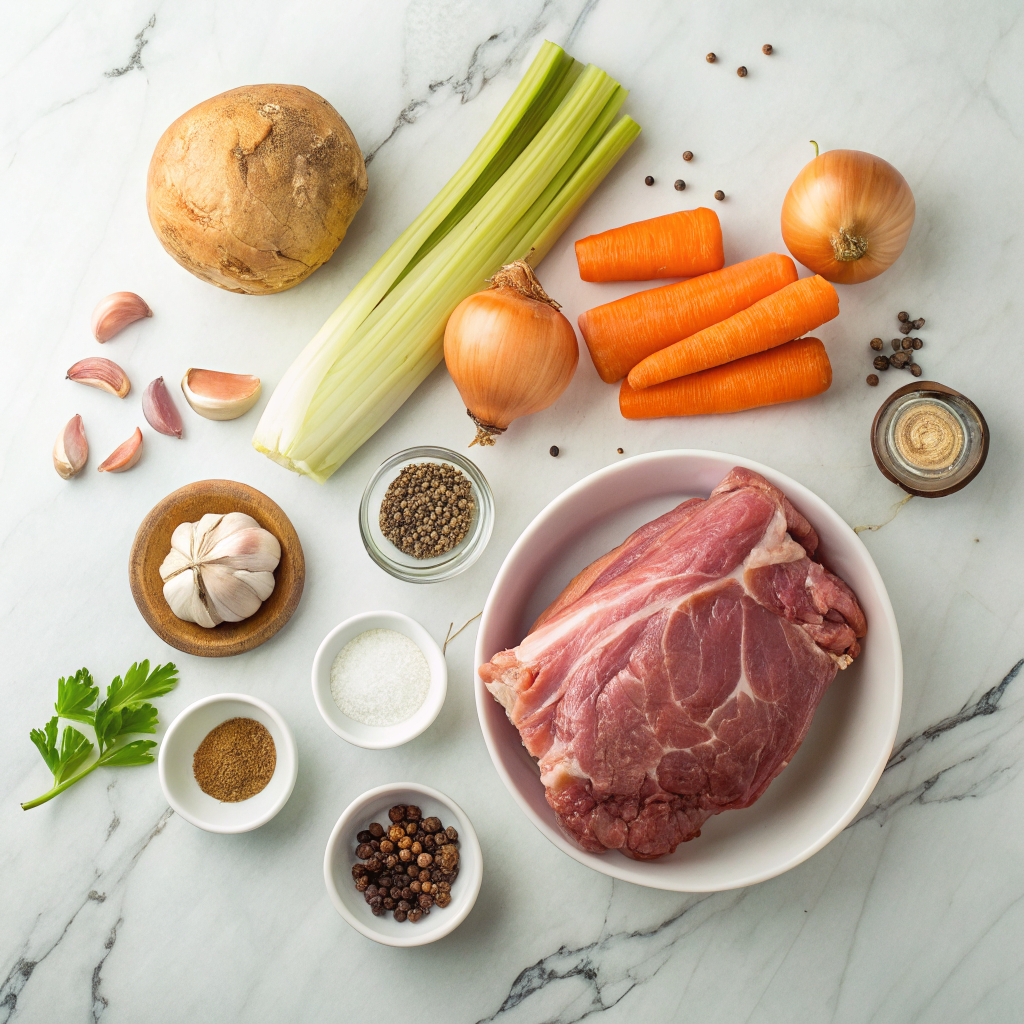
The liquid component is equally important—you’ll need apple cider vinegar, chicken broth, and your favorite barbecue sauce. The vinegar adds brightness and helps tenderize the meat while cutting through the richness of the pork. Chicken broth keeps everything moist during cooking, and the barbecue sauce can be added either during cooking or after shredding, depending on your preference.
Optional aromatics like sliced onions, minced garlic cloves, and bay leaves can elevate your pulled pork to the next level. These additions infuse the cooking liquid with extra flavor that permeates every strand of meat. Some cooks also like to add a splash of Worcestershire sauce or liquid smoke for additional depth and that authentic barbecue flavor.
Step-by-Step Instructions for Slow Cooker Success
Begin by preparing your pork shoulder, removing it from the refrigerator about 30 minutes before cooking to allow it to come closer to room temperature. Pat the meat completely dry with paper towels, as moisture on the surface will prevent the spice rub from adhering properly. If your roast has an exceptionally thick fat cap, trim it down to about a quarter-inch thickness, but don’t remove it entirely as it contributes to flavor and moisture.
In a small bowl, combine all your dry spices—brown sugar, paprika, garlic powder, onion powder, cumin, chili powder, salt, and pepper—mixing thoroughly to create your signature rub. Massage this spice mixture generously over every surface of the pork shoulder, pressing it into the meat so it adheres well. For best results, you can prepare the rubbed pork the night before and refrigerate it overnight, allowing the seasonings to penetrate deeper into the meat.
Place the seasoned pork shoulder in your slow cooker, fat side up so the rendering fat bastes the meat as it cooks. Pour the chicken broth and apple cider vinegar around the sides of the meat, being careful not to wash off the spice rub. If using aromatics like onions and garlic, nestle them around the pork in the cooking liquid.
Set your slow cooker to low and cook for 8 to 10 hours, or on high for 5 to 6 hours, until the pork is fork-tender and easily pulls apart. The meat is done when an instant-read thermometer inserted into the thickest part registers at least 195°F to 205°F—this higher temperature is crucial for breaking down the connective tissues. Resist the urge to open the lid frequently during cooking, as this releases heat and extends the cooking time.
Once the pork is cooked through and tender, carefully transfer it to a large cutting board or shallow dish. Using two forks, shred the meat by pulling it apart along its natural grain, discarding any large pieces of fat or the bone if using a bone-in roast. At this point, you can strain and skim the cooking liquid, then mix some back into the shredded pork for extra moisture and flavor, or toss the pork with your favorite barbecue sauce.
Understanding the Nutritional Profile
Slow Cooker Pulled Pork provides an excellent source of high-quality protein, with a typical 4-ounce serving containing approximately 25 to 30 grams of protein. According to Healthline, adequate protein intake is essential for muscle maintenance, satiety, and overall health. Pork shoulder also contains important vitamins and minerals including B vitamins, selenium, zinc, and phosphorus.
The nutritional content of your pulled pork will vary depending on how much fat you trim and whether you remove excess fat after cooking. A leaner preparation method involves skimming the fat from the cooking liquid and removing visible fat pieces during shredding. The calorie count typically ranges from 250 to 350 calories per 4-ounce serving, with the variation depending largely on fat content and any added sauces.
While pork shoulder is higher in fat compared to leaner cuts like pork loin, much of this fat renders out during the long cooking process. The remaining fat contributes to the meat’s tenderness and flavor while providing fat-soluble vitamins. According to Harvard School of Public Health, choosing lean preparation methods and controlling portion sizes allows pork to be part of a balanced, nutritious diet.
To make your Slow Cooker Pulled Pork even healthier, serve it with nutrient-dense sides like coleslaw made with a vinegar-based dressing, roasted vegetables, or a fresh green salad. Choosing whole-grain buns instead of white bread adds fiber and additional nutrients. You can also reduce added sugars by selecting a barbecue sauce with minimal added sweeteners or making your own sauce at home.
Creative Variations to Try
Transform your basic Slow Cooker Pulled Pork into a Caribbean-inspired feast by swapping the traditional spice rub for a jerk seasoning blend featuring allspice, thyme, cinnamon, nutmeg, and Scotch bonnet peppers. Replace the chicken broth with pineapple juice for a tropical sweetness that complements the heat. This variation pairs beautifully with coconut rice and black beans for a complete island-style meal.
For an Asian-inspired twist, create a Korean-style pulled pork by using a spice rub with ginger, five-spice powder, and sesame seeds. Add soy sauce, rice vinegar, and gochujang (Korean chili paste) to the cooking liquid for authentic flavor. Serve the shredded pork in lettuce wraps with quick-pickled vegetables, cucumber slices, and a drizzle of spicy mayo for a fresh, exciting take on traditional pulled pork.
Mexican-style pulled pork, known as carnitas, can be achieved by adding orange juice, lime juice, cumin, oregano, and bay leaves to your slow cooker. After shredding, crisp the pork under the broiler for a few minutes to create those coveted crispy edges. Serve in warm tortillas with fresh cilantro, diced onions, salsa verde, and a squeeze of lime for authentic street-taco flavor that rivals any taqueria.
For a Hawaiian luau experience, prepare your pulled pork with teriyaki sauce, crushed pineapple, and a touch of liquid smoke. The sweet and savory combination creates an irresistible flavor profile that’s perfect for sliders topped with grilled pineapple rings and a tangy coleslaw. This variation is particularly popular for summer gatherings and brings a festive, vacation-like atmosphere to any meal.
Serving Suggestions and Pairing Ideas
The classic way to serve Slow Cooker Pulled Pork is piled high on soft hamburger buns or brioche rolls, topped with creamy coleslaw and extra barbecue sauce. The contrast between the tender, warm pork and the cool, crunchy slaw creates a perfect textural balance. Consider toasting your buns with a bit of butter for added richness and to prevent them from becoming soggy from the juicy meat.
Transform your pulled pork into loaded nachos by layering tortilla chips with shredded cheese, pulled pork, jalapeños, black beans, and your favorite nacho toppings. Bake until the cheese melts, then finish with dollops of sour cream, guacamole, and fresh cilantro. This crowd-pleasing appetizer works wonderfully for game day gatherings or casual entertaining.
Create a hearty pulled pork bowl by serving the meat over a base of rice, quinoa, or cauliflower rice for a lower-carb option. Add roasted sweet potatoes, sautéed peppers and onions, corn, black beans, and a drizzle of chipotle ranch or cilantro lime dressing. These bowls are perfect for meal prep and can be customized with different toppings throughout the week to keep things interesting.
For a comfort food mashup, top a loaded baked potato with pulled pork, shredded cheese, bacon bits, sour cream, and chives. The fluffy potato interior soaks up the flavorful juices from the pork, creating an incredibly satisfying meal. You can also use pulled pork as a pizza topping, in quesadillas, stuffed into bell peppers, or mixed into mac and cheese for an indulgent twist on classic dishes.
Don’t overlook the importance of side dishes that complement the rich flavor of pulled pork. Classic options include baked beans, potato salad, corn on the cob, and pickles. For lighter options, consider grilled vegetables, a crisp garden salad, or cucumber salad that provides a refreshing contrast to the savory meat.
Common Mistakes to Avoid
One of the most frequent errors home cooks make is selecting the wrong cut of meat for pulled pork. Choosing a lean cut like pork loin instead of pork shoulder results in dry, tough meat that doesn’t shred properly. Pork shoulder’s higher fat content and connective tissue are essential for achieving that signature fall-apart texture, so don’t be tempted to substitute a “healthier” lean cut.
Undercooking is another common pitfall that prevents pulled pork from reaching its full potential. Even when the meat reaches a safe internal temperature of 145°F, it won’t be tender enough to shred properly. Patience is crucial—the pork needs to reach 195°F to 205°F internal temperature for the collagen to fully break down into gelatin, creating that desired tenderness.
Adding too much liquid to the slow cooker is a mistake that can dilute flavors and result in watery, bland pulled pork. Remember that the meat itself releases considerable moisture during cooking, and the enclosed environment of a slow cooker prevents evaporation. Generally, 1 to 1.5 cups of liquid is sufficient for a 4 to 6-pound roast.
Rushing the resting period after cooking is an often-overlooked error that affects the final texture. Once the pork is cooked, let it rest for 10 to 15 minutes before shredding, allowing the juices to redistribute throughout the meat. This brief wait ensures every bite is moist and flavorful rather than dry and stringy.
Finally, many cooks make the mistake of shredding the pork too finely, which can make it mushy and unappetizing. Aim for rustic, chunky shreds rather than completely pulverized meat. The varied texture makes each bite more interesting and prevents the pulled pork from turning into a homogeneous paste.
Storage and Reheating Tips
Proper storage is essential for maintaining the quality and safety of your Slow Cooker Pulled Pork. Allow the meat to cool to room temperature within two hours of cooking, then transfer it to airtight containers. Refrigerated pulled pork stays fresh for 3 to 4 days, making it excellent for meal prep and leftovers throughout the week.
For longer storage, pulled pork freezes exceptionally well for up to 3 months without significant loss of quality. Divide the meat into portion-sized freezer bags or containers, removing as much air as possible to prevent freezer burn. Consider freezing some of the cooking liquid or extra sauce with the meat to help maintain moisture during storage and reheating.
When reheating refrigerated pulled pork, the stovetop method works best for maintaining texture and moisture. Place the meat in a saucepan with a splash of broth, apple juice, or barbecue sauce over medium-low heat, stirring occasionally until heated through. This gentle reheating method prevents the meat from drying out and allows you to adjust seasoning if needed.
Microwave reheating is convenient but requires care to avoid drying out the meat. Place the pulled pork in a microwave-safe dish, add a tablespoon or two of liquid, and cover with a damp paper towel or microwave-safe lid. Heat in 1-minute intervals, stirring between each interval, until the meat reaches your desired temperature.
To reheat frozen pulled pork, thaw it overnight in the refrigerator for best results, then use the stovetop or microwave method. If you’re short on time, you can reheat from frozen, but add extra liquid and expect longer reheating times. The slow cooker itself can also be used to gently reheat large quantities of pulled pork on the low setting for 2 to 3 hours.
Expert Tips for Next-Level Results
