
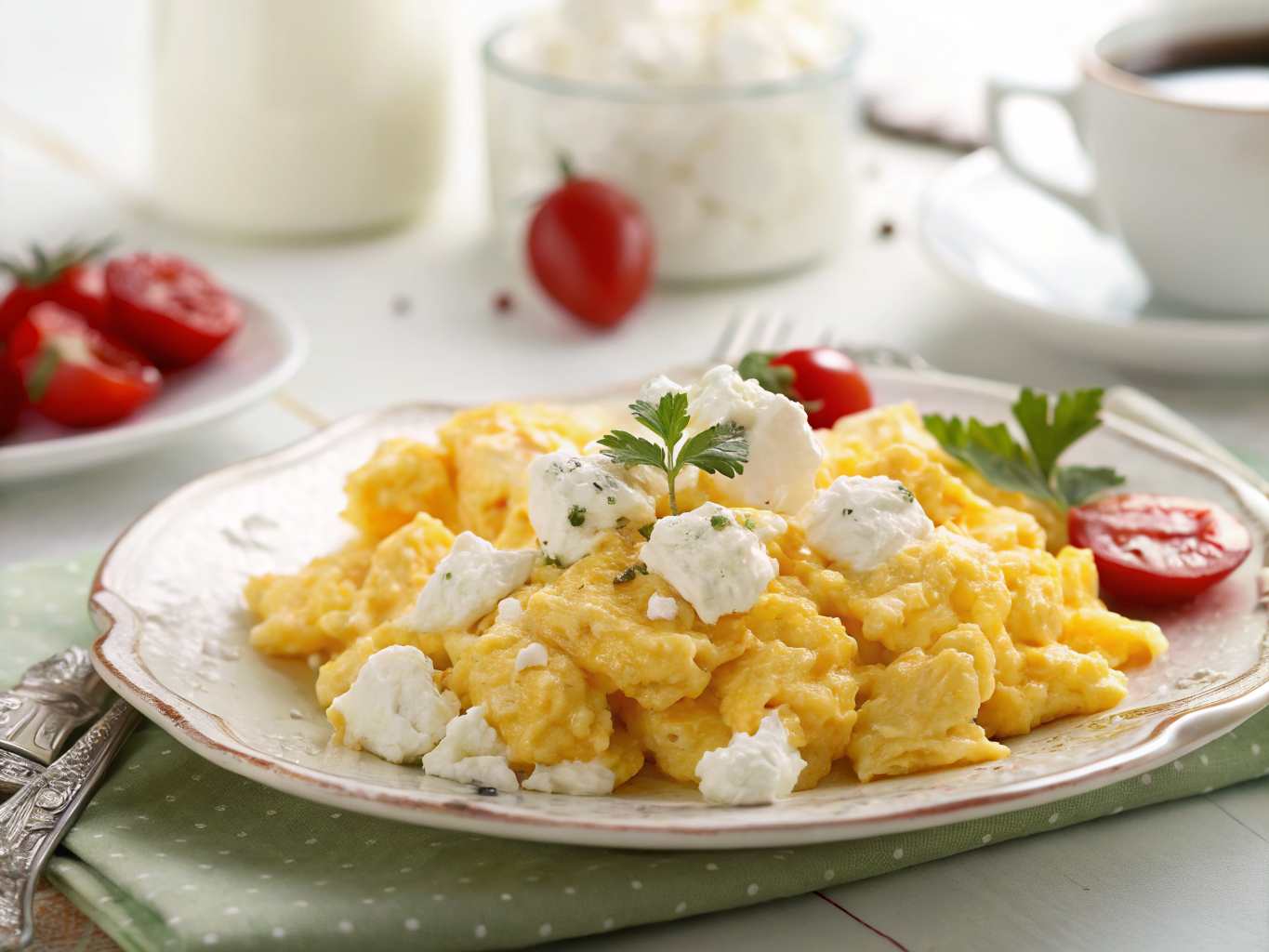
Cottage Cheese Scrambled Eggs
Ingredients
Method
- Crack the eggs into a medium bowl and whisk them together until well combined and slightly frothy.
- Add the cottage cheese to the whisked eggs along with salt, pepper, and garlic powder if using. Gently stir to combine, leaving some small curds intact.
- Heat a non-stick skillet over medium-low heat and add the butter, swirling to coat the pan evenly.
- Pour the egg mixture into the pan and let it sit undisturbed for 20-30 seconds until edges begin to set.
- Using a rubber spatula, gently push the eggs from the edges toward the center, creating soft curds. Continue cooking and folding for 2-3 minutes until eggs are just set but still creamy.
- Remove the pan from heat when eggs are still slightly wet, as they will continue cooking from residual heat.
- Transfer to plates immediately, garnish with fresh chives if desired, and serve hot.
Nutrition
Notes
Tried this recipe?
Let us know how it was!If you’re looking for a breakfast that delivers incredible flavor and serious protein power, these Cottage Cheese Scrambled Eggs are about to become your new morning obsession. With 30 grams of protein per serving, this ultra-creamy dish combines fluffy scrambled eggs with tangy cottage cheese for a texture that’s absolutely divine. This high-protein breakfast takes just minutes to prepare but will keep you satisfied for hours.
Thank you for reading this post, don't forget to subscribe!The secret to these remarkable scrambled eggs lies in the cottage cheese, which melts into the eggs creating pockets of creamy richness while boosting the protein content significantly. Unlike traditional scrambled eggs that can turn rubbery when overcooked, the cottage cheese acts as a buffer, keeping everything luxuriously soft. Whether you’re an athlete, a busy professional, or simply someone who appreciates a nutritious start to the day, this recipe delivers on every front.
Why This Cottage Cheese Scrambled Eggs Recipe Works So Well
The magic of Cottage Cheese Scrambled Eggs isn’t just about protein—it’s about creating a breakfast that satisfies multiple nutritional goals while tasting absolutely incredible. Traditional scrambled eggs provide around 12-18 grams of protein per serving, but adding cottage cheese nearly doubles that amount. This makes it perfect for anyone following a high-protein diet, trying to build muscle, or simply wanting to stay full until lunch.
The cottage cheese also adds essential nutrients beyond just protein. You’re getting calcium for bone health, phosphorus for energy metabolism, and B vitamins for sustained vitality throughout your morning. According to research from Healthline, cottage cheese is one of the most nutrient-dense foods you can incorporate into your diet.
Another compelling reason this recipe works is the texture it creates. The curds of cottage cheese provide little bursts of creamy tanginess throughout the eggs, creating an interesting mouthfeel that elevates simple scrambled eggs into something special. The slight acidity from the cottage cheese also balances the richness of the eggs, preventing that heavy feeling some breakfast dishes can leave.
This recipe is also incredibly versatile and forgiving. Whether you prefer your eggs on the wetter side or more fully cooked, the cottage cheese adapts beautifully. It’s a recipe that works for beginners and experienced cooks alike, requiring no special equipment or techniques—just a good non-stick pan and a few minutes of your time.
Core Ingredients You’ll Need
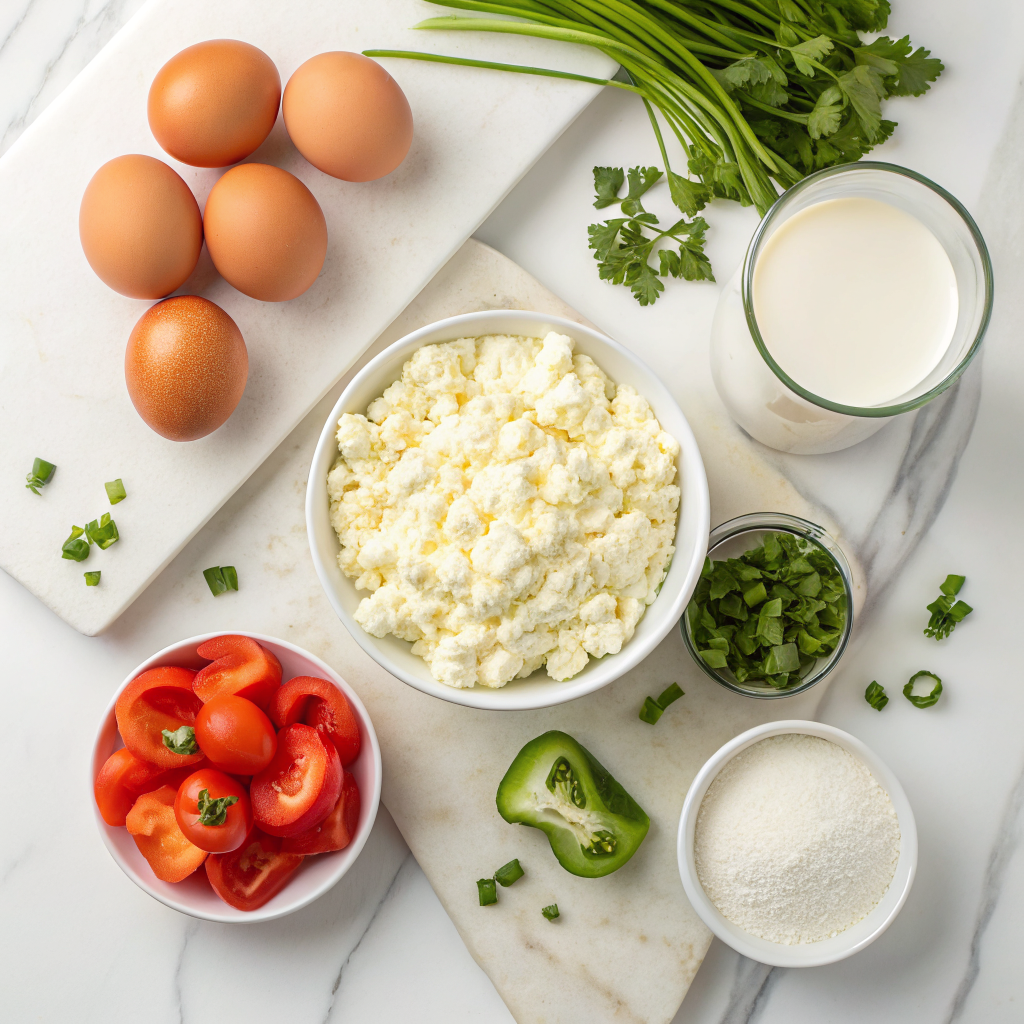
The beauty of Cottage Cheese Scrambled Eggs lies in their simplicity. You need just a handful of quality ingredients to create this protein-packed breakfast masterpiece. Let’s break down what you’ll need and why each component matters for the final result.
The Essential Ingredients
Large eggs (4): The foundation of this recipe, eggs provide high-quality protein, healthy fats, and essential vitamins. Choose the freshest eggs you can find for the best flavor and texture. Room temperature eggs scramble more evenly than cold ones straight from the refrigerator.
Cottage cheese (1/2 cup): This is where the magic happens. Full-fat cottage cheese works best for the creamiest results, though low-fat versions also work well if you’re watching calories. The curds should be relatively small for better distribution throughout the eggs.
Butter (1 tablespoon): Unsalted butter is preferred so you can control the salt level. The butter adds richness and helps prevent sticking while contributing to that restaurant-quality flavor. You can substitute with olive oil or ghee if preferred.
Salt and black pepper: Simple seasonings that enhance the natural flavors without overwhelming them. Start with 1/4 teaspoon of salt and adjust to taste. Freshly ground black pepper makes a noticeable difference in the final dish.
Fresh chives or green onions (optional): These add a pop of color and a mild onion flavor that complements the creamy eggs beautifully. About two tablespoons of chopped herbs is perfect for garnishing.
Ingredient Quality Matters
For the best Cottage Cheese Scrambled Eggs, ingredient quality significantly impacts the final result. Choose organic, pasture-raised eggs when possible—they have brighter yolks and richer flavor. According to Harvard School of Public Health, eggs are one of the most nutritious foods available when sourced properly.
The cottage cheese brand matters too. Look for varieties with simple ingredient lists—just cultured milk, salt, and perhaps enzymes. Avoid cottage cheese with stabilizers and gums if possible, as these can affect the texture when heated. Nancy’s, Good Culture, and Organic Valley are excellent options that perform well in this recipe.
Step-by-Step Instructions for Perfect Results
Making Cottage Cheese Scrambled Eggs requires gentle technique and patience. Rushing scrambled eggs is the number one mistake home cooks make. Follow these detailed steps for the creamiest, most luxurious scrambled eggs you’ve ever made.
Preparation Phase
Step 1: Gather and prep your ingredients. Take your eggs out of the refrigerator 15 minutes before cooking to bring them closer to room temperature. Measure out your cottage cheese and let it sit at room temperature as well. Cold ingredients lower the pan temperature and can lead to uneven cooking.
Step 2: Crack and whisk the eggs. Crack your eggs into a medium bowl, being careful to avoid any shell fragments. Whisk them thoroughly for about 30 seconds until the yolks and whites are completely combined and the mixture appears uniform in color. This ensures even cooking and consistent texture throughout.
Step 3: Season the egg mixture. Add your salt and pepper directly to the whisked eggs. This distributes the seasoning evenly throughout the dish. Whisking the seasoning in now, rather than adding it during cooking, ensures every bite is perfectly flavored.
Cooking Process
Step 4: Heat your pan properly. Place a non-stick skillet over medium-low heat and add your butter. Let the butter melt completely and coat the bottom of the pan, but don’t let it brown. The pan should be warm but not screaming hot—this is crucial for creamy scrambled eggs.
Step 5: Pour in the eggs. Add your whisked eggs to the pan and resist the urge to touch them immediately. Let them sit undisturbed for about 20 seconds until you see the edges just beginning to set. This patience creates larger, more luxurious curds.
Step 6: Begin the scrambling process. Using a silicone spatula, gently push the eggs from one side of the pan to the other, creating large, soft curds. Move slowly and deliberately, allowing uncooked egg to flow into the spaces you create. This should be a gentle folding motion, not aggressive stirring.
Step 7: Add the cottage cheese. When the eggs are about 60% cooked—still quite wet but beginning to form curds—add your cottage cheese in dollops across the surface. Don’t stir it in immediately. Let it warm for about 10 seconds, then gently fold it into the eggs with the same slow motion you’ve been using.
Step 8: Cook to perfect doneness. Continue cooking and gently folding until the eggs are just set but still glossy and slightly wet-looking. This should take another 1-2 minutes. Remember that eggs continue cooking after you remove them from heat, so take them off slightly before they reach your ideal doneness.
Step 9: Serve immediately. Transfer your Cottage Cheese Scrambled Eggs to a warm plate right away. Garnish with fresh herbs if using, and enjoy while they’re at peak creaminess. Scrambled eggs wait for no one—they’re best enjoyed straight from the pan.
Nutritional Profile and Health Benefits
The nutritional powerhouse that is Cottage Cheese Scrambled Eggs makes this dish far more than just a delicious breakfast. With approximately 30 grams of protein per serving, you’re getting nearly half of the daily protein recommendation for most adults in a single meal. This protein density makes it exceptional for muscle recovery, satiety, and steady energy levels throughout your morning.
Beyond protein, this breakfast provides healthy fats essential for hormone production and nutrient absorption. The eggs contribute omega-3 fatty acids (especially if you use pasture-raised eggs) and the full complement of essential amino acids your body needs. The fat content also helps slow digestion, preventing blood sugar spikes and crashes that leave you reaching for mid-morning snacks.
The micronutrient profile is equally impressive. You’re getting significant amounts of vitamin B12 for energy metabolism, selenium for immune function, and choline for brain health. The cottage cheese contributes calcium and phosphorus for bone health. According to Medical News Today, the combination of nutrients in eggs and dairy products work synergistically for optimal absorption.
Nutritional Information Per Serving: Calories: 340 | Protein: 30g | Fat: 22g | Carbohydrates: 5g | Fiber: 0g | Calcium: 15% DV | Iron: 12% DV | Vitamin B12: 45% DV
For those managing their weight, the high protein and fat content of Cottage Cheese Scrambled Eggs promotes satiety far better than carbohydrate-heavy breakfasts. Studies consistently show that protein-rich breakfasts reduce overall calorie intake throughout the day by decreasing hunger hormones and increasing feelings of fullness. This makes it an excellent choice for anyone trying to maintain or lose weight without feeling deprived.
Creative Variations to Try
Once you’ve mastered the basic Cottage Cheese Scrambled Eggs recipe, a world of delicious variations opens up. These adaptations maintain the high-protein benefits while introducing new flavors and textures to keep your breakfast routine exciting.
Mediterranean Style
Transform your scrambled eggs into a Mediterranean feast by adding sun-dried tomatoes, kalamata olives, and fresh spinach. Crumble some feta cheese on top along with the cottage cheese for an extra tangy dimension. Finish with a drizzle of quality olive oil and fresh oregano. This variation pairs beautifully with whole grain toast or stuffed into a whole wheat pita. For more Mediterranean-inspired recipes, check out our Greek Yogurt Pancakes.
Southwestern Twist
Add diced bell peppers, jalapeños, and a pinch of cumin to the eggs while cooking. Top your finished Cottage Cheese Scrambled Eggs with salsa, sliced avocado, and fresh cilantro. A squeeze of lime juice brightens everything up beautifully. Serve with black beans on the side for an even more substantial protein boost that will keep you energized all morning.
Garden Vegetable Version
Sauté mushrooms, cherry tomatoes, and baby spinach before adding your eggs to create a vegetable-packed version. The vegetables add fiber, antioxidants, and additional vitamins without significantly increasing calories. This variation is particularly satisfying and provides a more complete nutritional profile with the added plant-based nutrients.
Smoked Salmon Luxury
For a restaurant-worthy breakfast, add flaked smoked salmon to your Cottage Cheese Scrambled Eggs just before they finish cooking. Top with capers, thinly sliced red onion, and fresh dill. This combination provides additional omega-3 fatty acids and creates an elegant dish perfect for special occasions or weekend brunches.
Herb and Cheese Variation
Mix in fresh herbs like basil, parsley, and tarragon along with the cottage cheese. Add a handful of shredded gruyere or aged cheddar for extra richness. The combination of fresh herbs and quality cheese elevates simple scrambled eggs into something truly gourmet without requiring any advanced cooking techniques.
Serving Suggestions and Pairings
While Cottage Cheese Scrambled Eggs are delicious on their own, pairing them with complementary sides creates a more complete and satisfying meal. The key is balancing the rich protein with some complex carbohydrates and additional vegetables for a well-rounded nutritional profile.
Whole grain toast is a classic pairing that provides fiber and complex carbohydrates for sustained energy. Choose sourdough, whole wheat, or multigrain bread and toast it until golden and crispy. A light smear of butter or avocado creates the perfect vehicle for your creamy eggs. The textural contrast between crispy toast and soft eggs is deeply satisfying.
Fresh fruit on the side adds natural sweetness and important vitamins. Berries are particularly excellent as they’re lower in sugar than many fruits while providing antioxidants and fiber. Sliced melon, grapefruit segments, or apple slices also work wonderfully. The fruit cleanses your palate between bites of the rich eggs.
Roasted or sautéed vegetables make excellent companions to Cottage Cheese Scrambled Eggs. Asparagus, broccolini, or roasted tomatoes add color, nutrients, and complementary flavors. These vegetables provide the fiber that eggs lack while keeping the meal relatively low in carbohydrates if that’s important to your dietary goals.
For a heartier meal, consider adding breakfast potatoes or sweet potato hash. While this increases the carbohydrate content significantly, it creates a more substantial breakfast that’s perfect before a long workout or on days when you know lunch might be delayed. The combination of protein and complex carbs provides both immediate and sustained energy.
If you’re looking for more high-protein breakfast ideas, our High Protein Oatmeal makes an excellent alternative on days when you want something warm but different from eggs.
Common Mistakes to Avoid
Even though Cottage Cheese Scrambled Eggs are relatively straightforward, several common mistakes can prevent you from achieving that perfect creamy texture. Understanding these pitfalls helps you avoid them and consistently produce restaurant-quality results at home.
Cooking Over Too High Heat
The number one mistake people make with scrambled eggs is cooking them over heat that’s too high. High heat causes proteins to seize up quickly, creating rubbery, dry eggs with small, tight curds. Medium-low heat is your friend—yes, it takes a few minutes longer, but the difference in texture is dramatic. Patient, low-temperature cooking creates large, soft, luxurious curds that melt in your mouth.
Overcooking the Eggs
Eggs continue cooking from residual heat even after you remove them from the stove. If you cook them until they look completely done in the pan, they’ll be overdone by the time they hit your plate. Remove your Cottage Cheese Scrambled Eggs when they still look slightly underdone and glossy—they’ll finish cooking to perfection during plating.
Adding Cottage Cheese Too Early

Food lover & recipe creator sharing simple, protein-rich recipes for busy lives.