
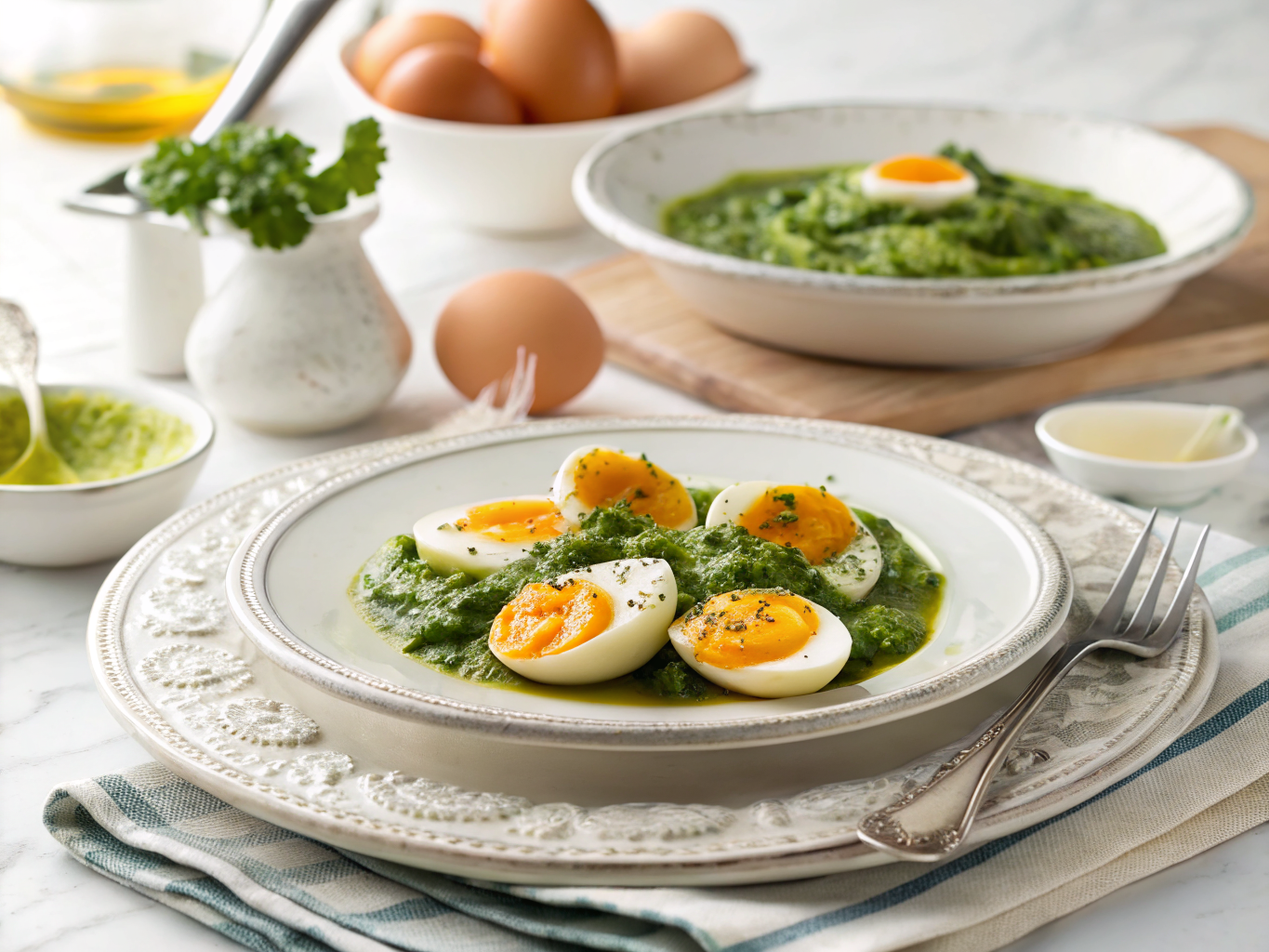
Delicious Pesto Eggs: The 30-Minute Culinary Adventure You Need
Few recipes combine flavor, nutrition, and ease the way this dish does. It adapts to any schedule without compromising on quality or taste.
Whether you are cooking for one or feeding a crowd, this recipe fits seamlessly into your meal plan. The ingredients are accessible and the results are consistently impressive.
Why Pesto Eggs Belongs in Your Weekly Rotation
This vibrant dish elevates basic ingredients into a gourmet experience with minimal effort. It’s perfect for a quick breakfast, a satisfying brunch, or a light dinner.
The combination of rich egg yolks, fragrant pesto, and a hint of spice creates a flavor profile that is both comforting and exciting. It’s also incredibly versatile, allowing for numerous customizations.
Core Ingredients for Authentic Pesto Eggs
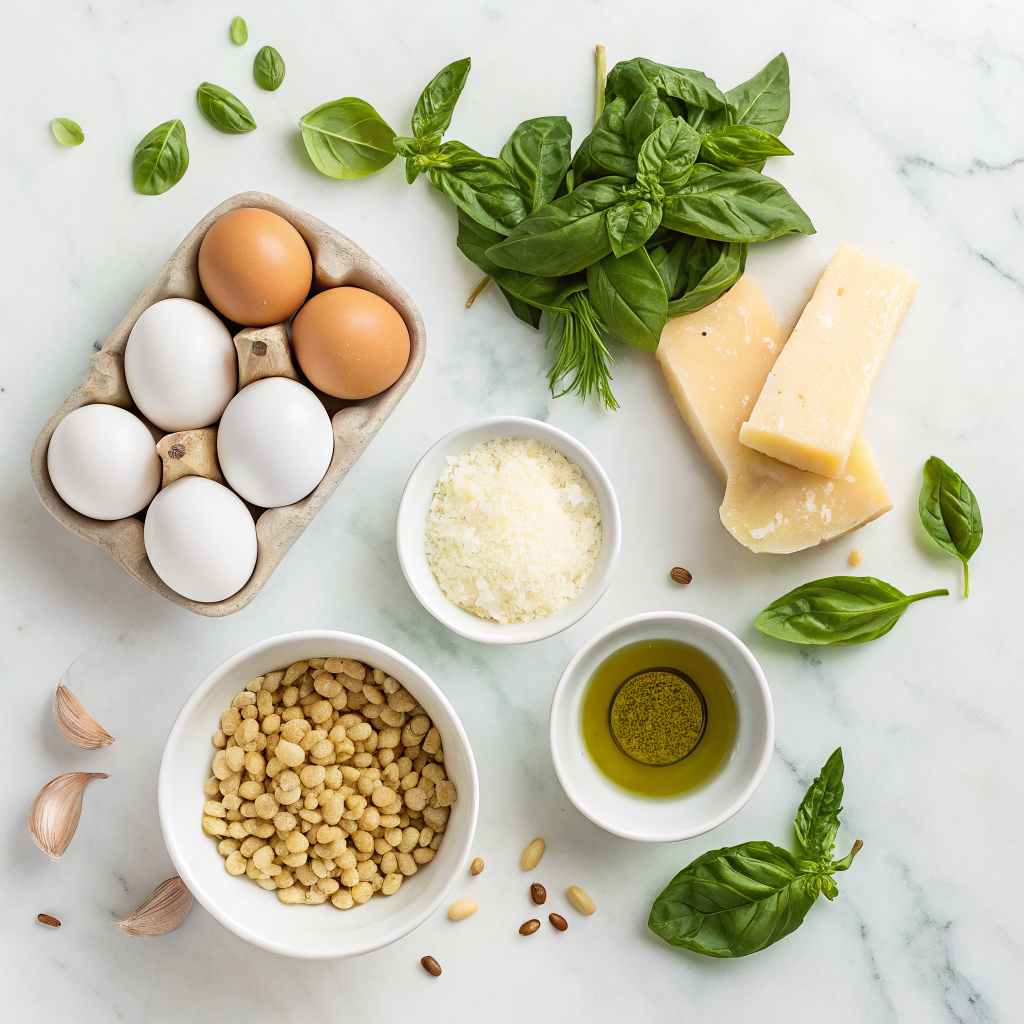
Here are the essential ingredients for creating the perfect Pesto Eggs, scaled for 4 servings. Choosing high-quality ingredients will significantly enhance the final taste and texture.
- 8 large eggs, preferably free-range or organic, for richer yolks and flavor.
- ½ cup basil pesto (homemade or high-quality store-bought).
- 2 tablespoons olive oil, extra virgin for best flavor, for cooking.
- ¼ teaspoon black pepper, freshly ground, to taste.
- Pinch of red pepper flakes (optional), for a subtle kick.
- ¼ cup grated Parmesan cheese, for serving.
- 2 slices crusty bread or toast, for serving, ideally sourdough or rustic whole grain.
- Fresh basil leaves, for garnish.
Comprehensive Step-by-Step Instructions to Master Pesto Eggs
Step 1 — Prepare Your Ingredients
Gather all your ingredients and cooking tools before you begin. Crack the eggs into a small bowl, keeping the yolks intact if you prefer a runnier texture.
Measure out your pesto, olive oil, and seasonings. Having everything ready prevents last-minute scrambling and ensures a smooth cooking process.
Step 2 — Infuse the Pan with Pesto Flavor
Heat a non-stick skillet over medium-low heat. Add 2 tablespoons of olive oil and let it warm for about 30 seconds.
Spoon the ½ cup of basil pesto directly into the warm oil, spreading it evenly across the bottom of the pan. Let the pesto cook gently for 1-2 minutes until fragrant and slightly bubbling, but not browning.
This essential step infuses the oil with the pesto’s aromatic essence, creating a flavorful base for your Pesto Eggs.
Step 3 — Cook the Pesto Eggs to Perfection
Carefully crack each egg onto the bubbling pesto in the pan, ensuring they are spaced apart. Season each egg with a pinch of salt and black pepper.
Cover the skillet and cook for 3-5 minutes, or until the egg whites are set and the yolks reach your desired consistency (runny, jammy, or firm). For sunny-side up Pesto Eggs, you might cook uncovered, spooning warm pesto mixture over the whites to help them set.
The gentle heat allows the whites to cook through while the pesto toasts slightly, imparting an incredible depth of flavor to the entire dish.
Step 4 — Final Adjustments and Plating
Once cooked, carefully slide the Pesto Eggs onto serving plates using a spatula. Immediately sprinkle with grated Parmesan cheese and, if desired, a pinch of red pepper flakes.
Garnish with fresh basil leaves for a burst of color and aroma. Serve with warm, crusty bread or toast on the side, perfect for dipping into the rich yolks and savory pesto.
Nutrition Facts (Per Serving) for Pesto Eggs
Estimated values below – actual results may vary based on specific ingredients, brand choices, and portion sizes used. These values assume 2 eggs per serving and about 2 tablespoons of pesto.
- Calories: Approximately 300-350 kcal. This figure can fluctuate based on the oil content in the pesto and whether you add cheese.
- Protein: Around 14-18 grams. Eggs are an excellent source of complete protein, supporting muscle repair and satiety.
- Fat: Roughly 25-30 grams. The majority comes from olive oil in the pesto and egg yolks. These are primarily healthy monounsaturated and polyunsaturated fats.
- Carbohydrates: About 3-5 grams. This includes minimal carbs from the pesto ingredients. This makes Pesto Eggs a fantastic low-carb option.
- Fiber: Less than 1 gram. The minimal fiber comes from the basil and garlic in the pesto.
- Vitamins and Minerals: Rich in Vitamin A, Vitamin D, Vitamin B12, Riboflavin, Folate, Iron, Selenium, and Phosphorus due to the eggs. Pesto contributes Vitamin K and antioxidants.
This dish provides a balanced distribution of macronutrients, making it a satisfying and energy-boosting meal. For precise figures, consider using nutrition tracking apps with your specific ingredient brands.
Healthy Variations for Pesto Eggs
Adapt this dish to different dietary goals using targeted swaps that preserve the core flavor profile while meeting specific needs. Pesto Eggs are incredibly adaptable.
1. High Protein Boost
To further increase the protein content, serve your Pesto Eggs alongside a grilled chicken breast or a serving of cottage cheese. You could also mix an extra egg white into the whole eggs before cooking.
Another option is to crumble some feta or goat cheese over the finished dish, which adds both protein and a tangy flavor contrast.
2. Low Carb Focus
For a strictly low-carb version, simply omit the bread or toast. Serve the Pesto Eggs on a bed of fresh spinach or mixed greens, which wilt slightly from the warmth of the eggs and pesto.
You can also add sliced avocado for healthy fats and extra creaminess without adding significant carbohydrates. Consider using a pesto with minimal added sugars, if possible.
3. Vegan Adaptation
Creating vegan Pesto Eggs requires a few smart substitutions. Use a high-quality plant-based egg substitute, such as JUST Egg, ensuring it can be cooked sunny-side up or scrambled.
For the pesto, ensure it is dairy-free, often made with nutritional yeast instead of Parmesan. Serve with toasted vegan bread and a sprinkle of vegan Parmesan alternative.
4. Gluten-Free Option
This dish is naturally gluten-free if you avoid serving it with traditional bread. Use gluten-free toast or crackers, or simply enjoy the Pesto Eggs on their own or with a fresh salad.
Always check the label on your store-bought pesto to ensure no hidden gluten-containing ingredients, though most traditional pestos are gluten-free.
5. Nutrient-Dense Additions
Boost the nutritional value of your Pesto Eggs by adding sautéed vegetables. Spinach, mushrooms, cherry tomatoes, or bell peppers can be quickly cooked in the pan before adding the pesto.
This not only adds vitamins and minerals but also volume and texture, making the meal even more satisfying.
Remember that each variation maintains the essence of the dish while allowing you to tailor it to personal health goals or dietary restrictions. The fundamental technique of cooking eggs in flavored oil remains consistent.
Serving Suggestions for Pesto Eggs
Pairing Pesto Eggs with complementary sides transforms it into a complete and unforgettable meal. Here are some HomeCookLegacy favorites that work exceptionally well:
- Garlic Herb Flatbread — perfect for scooping up the rich yolk and pesto. Its mild flavor complements the robust pesto without overpowering it.
- Honey Oat Energy Bites — a light, nutritious finish to the meal, offering a sweet counterpoint to the savory main dish.
- Lemon Herb Chicken & Rice — if you’re making a larger brunch spread, this offers a complementary protein-rich pairing without competing with the unique flavor of the Pesto Eggs.
- Fresh Avocado Slices: The creamy texture and healthy fats of avocado pair wonderfully with the rich eggs and zesty pesto.
- Cherry Tomato Salad: A simple side salad with halved cherry tomatoes, a drizzle of balsamic glaze, and a pinch of salt provides a refreshing, acidic counterpoint.
- Roasted Asparagus: A quick Roast of asparagus spears with olive oil, salt, and pepper makes an elegant and healthy green side that enhances the meal.
- Crispy Bacon or Prosciutto: For those who enjoy a meaty side, a couple of slices of crispy bacon or thinly sliced prosciutto add a salty, smoky crunch.
- Simple Green Salad: A light, mixed green salad with a vinaigrette dressing offers freshness and balances the richness of the Pesto Eggs.
Common Mistakes to Avoid When Making Pesto Eggs
Even a seemingly simple dish like Pesto Eggs can go awry if certain common pitfalls aren’t avoided. Being aware of these will help you achieve perfect results every time:
- Skipping the prep stage: Trying to gather ingredients as you cook leads to uneven cooking and rushed timing. Ensure all ingredients are measured and ready before the heat goes on.
- Wrong heat level: Cooking Pesto Eggs on too high heat will burn the pesto and result in rubbery eggs with undercooked yolks, or conversely, runny whites and overcooked yolks. Too low heat will result in pale, slowly cooked eggs that lack texture. Medium-low heat is ideal for a gentle cook.
- Over-seasoning too early: Pesto itself is quite salty due to the Parmesan cheese. Layer salt gradually, tasting as you go, rather than adding too much at the beginning. You can always add more at the end, but you can’t take it away.
- Not tasting as you go: This applies more to homemade pesto, but even with store-bought varieties, a quick taste check allows you to adjust flavors before the final serve, not after. Ensure the pesto is vibrant and well-balanced.
- Overcrowding the pan: If cooking for more than two people, resisting the urge to cram too many eggs into a single skillet is crucial. Overcrowding lowers the pan temperature and steams the eggs instead of frying them, resulting in an unappetizing texture. Cook in batches if necessary.
- Using cold eggs directly from the fridge: While not a deal-breaker, letting your eggs come to room temperature for 10-15 minutes before cooking helps them cook more evenly and prevents the whites from spreading too much.
- Ignoring the type of pesto: Not all pestos are created equal. A very oily pesto might make the dish too greasy, while a very dry one might burn easily. Adjust the amount of oil you add to the pan accordingly. Homemade pesto typically yields the best results.
By avoiding these common errors, you can ensure your Pesto Eggs are consistently delicious, beautifully textured, and packed with flavor.
Storage and Reheating Tips for Pesto Eggs
While Pesto Eggs are best enjoyed fresh, you can store and reheat them with proper care to maintain their quality and flavor. These tips apply whether you’re dealing with leftovers or preparing elements ahead of time.
Storage:
Store leftover Pesto Eggs in an airtight container in the refrigerator within two hours of cooking. They will remain fresh for 1-2 days. The texture of the egg yolks might change slightly upon cooling and reheating, becoming firmer.
If you’re making a larger batch for meal prep, it’s often best to cook the eggs separately and store the pesto in a different container. Then, combine them for reheating, or simply re-sauce freshly cooked eggs with stored pesto.
As for freezing, it is not recommended for cooked eggs, especially yolks, as they can become rubbery and watery upon thawing. However, homemade pesto freezes beautifully in ice cube trays or small containers for up to 3 months. This allows you to have fresh pesto on hand for future Pesto Eggs.
Reheating:
The best method for reheating Pesto Eggs is gently on the stovetop. This preserves the texture better than a microwave, which can make eggs rubbery.
- Place a non-stick skillet over low heat.
- Add a tiny splash of water or olive oil to the pan.
- Carefully place the leftover Pesto Eggs in the skillet.
- Cover the pan and heat for 3-5 minutes, until warmed through. The steam helps to gently reheat without overcooking.
Avoid microwaving at full power. If you must use a microwave, reheat at 50% power in 30-second increments, checking frequently, until just warm. This minimizes the risk of rubbery whites and exploding yolks.
Remember that the jammy or runny yolk consistency of freshly cooked Pesto Eggs is difficult to perfectly replicate upon reheating, but careful reheating will yield a warm, flavorful meal.
Expert Resources for Nutrition and Healthy Eating
For those interested in delving deeper into the nutritional aspects of Pesto Eggs and overall healthy eating, these reputable sources provide evidence-based information and guidance:
- Healthline Nutrition Guide — Offers science-backed dietary advice, articles on healthy eating, and information on specific nutrients and foods. It’s an accessible resource for understanding the benefits of ingredients like eggs and basil.
- Harvard T.H. Chan — The Nutrition Source — Provides research-led food guidelines and expert opinions from Harvard University. This site offers in-depth analysis of diet and disease, healthy eating plates, and comprehensive food fact sheets.
- Medical News Today — Nutrition — Delivers up-to-date health and nutrition news, covering a broad range of topics from superfoods to dietary supplements, often citing peer-reviewed studies.
- The American Heart Association (heart.org): Provides recommendations for healthy eating, including information on fats, cholesterol (relevant for eggs), and sodium intake, all vital for a balanced lifestyle.
- The Academy of Nutrition and Dietetics (eatright.org): Offers practical advice from registered dietitian nutritionists, with articles on meal planning, healthy recipes, and managing various dietary needs.
These resources can empower you to make informed decisions about your diet and better understand the health benefits derived from dishes like Pesto Eggs.
Conclusion: The Enduring Appeal of Pesto Eggs
Pesto Eggs stands out as a reliable, nutritious recipe that delivers consistent results with its vibrant flavors and satisfying textures. From its simple ingredient list to its quick preparation time, it’s a dish that caters to both culinary novices and seasoned home cooks.
By following this comprehensive guide, you’ve learned not just how to cook it, but also its nutritional value, adaptable variations, and how to troubleshoot common mistakes. The interplay of rich eggs and aromatic pesto creates a symphony of taste that makes this dish an instant classic.
Whether you’re starting your day with a flavorful boost or enjoying a light, savory meal, Pesto Eggs offers a delightful and wholesome experience every time. Embrace this recipe, experiment with its variations, and let it become a cherished part of your culinary repertoire.
Frequently Asked Questions About Pesto Eggs
Here are answers to some common questions about preparing and enjoying Pesto Eggs:
- Can I make this ahead? Yes — while best fresh, some components can be prepped. Homemade pesto can be made 3-5 days in advance and stored in the fridge. Eggs can be cracked into a bowl and covered the night before, but for optimal texture, cook them fresh.
- Is it freezer-friendly? The pesto is freezer-friendly for up to 3 months. Cooked eggs, however, are not recommended for freezing as they tend to become rubbery and watery upon thawing and reheating.
- Best reheating method? For leftover Pesto Eggs, gently reheat them on a stovetop over low heat with a lid to create steam. This helps retain moisture and prevents them from drying out or becoming rubbery. Avoid the microwave for best texture unless using very low power and short bursts.
- Can I double the recipe? Yes — you can easily double the ingredients for more servings. However, if your pan is not large enough to accommodate all the eggs without overcrowding, cook them in batches to ensure even cooking and prevent steaming.
- What kind of pesto is best? A high-quality basil pesto is ideal. You can use store-bought (check ingredient labels for quality) or make your own for the freshest flavor experience. Homemade pesto usually has a brighter, more intense basil flavor.
- Can I use egg whites only? Yes, you can use only egg whites if you prefer a lower-fat or lower-cholesterol option. The cooking time might be slightly shorter, and the texture will be firmer. The flavor of the pesto will be more prominent as well.
- How do I get runny yolks? For runny yolks, cook the eggs covered on medium-low heat for approximately 3-4 minutes, or until the whites are just set but the yolks are still very liquid. Keep a close eye on them, as even a minute can change the consistency.
- What if my pesto burns? If your pesto starts to brown or smell burnt, your heat is likely too high. Reduce the heat immediately and scrape out any burnt bits to avoid a bitter taste. Start fresh with new pesto and a lower flame.

creates quick vegetarian dinners and vibrant taco recipes.