
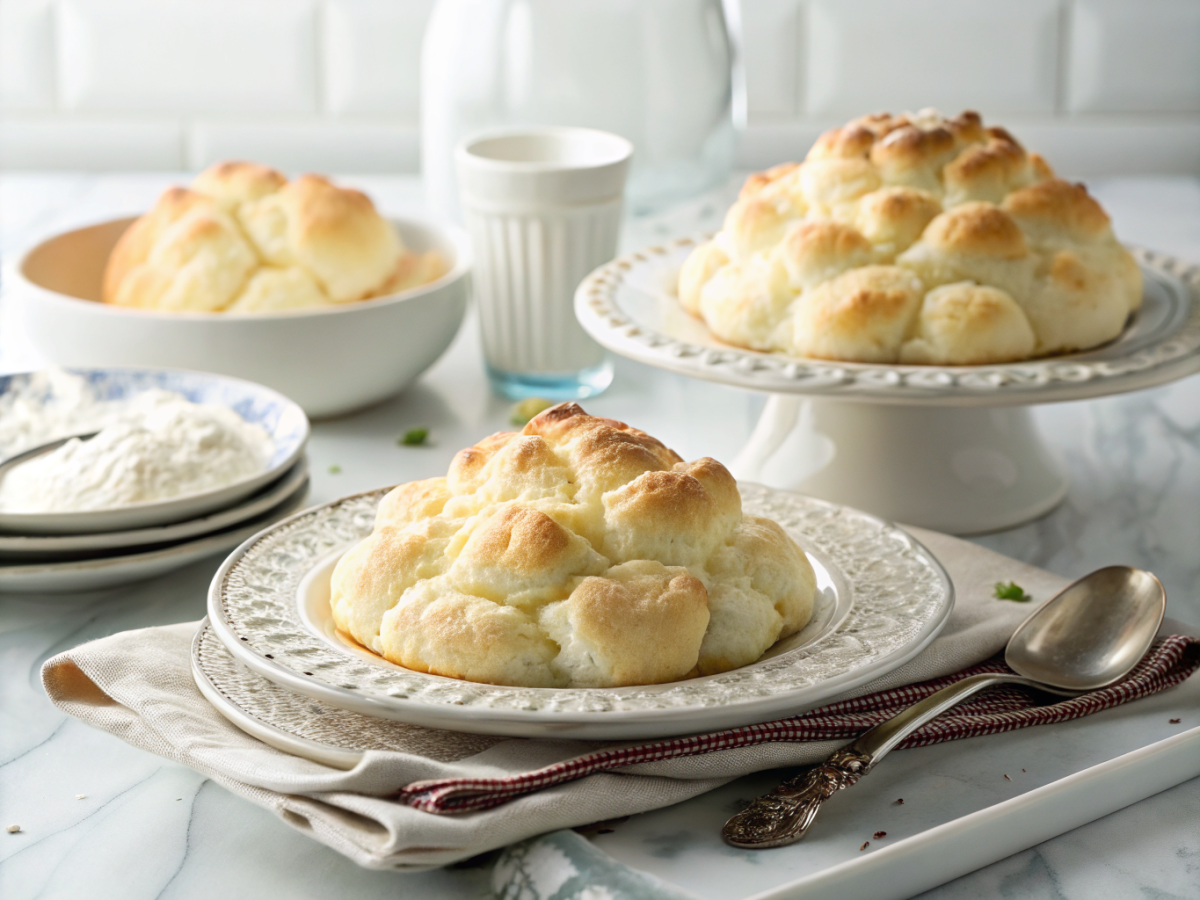
Cloud Bread Recipe: 5 Easy Tips for the Best Results

The secret to perfect cloud bread

The Secret to Perfect Cloud Bread

A light and fluffy viral cloud bread made with just a few simple ingredients, perfect as a healthy dessert.
Prep Time 10 minutes
Cook Time 25 minutes
Total Time 35 minutes
Servings: 4 servings
Course: Healthy Desserts
Cuisine: American
Calories: 78

Ingredients
  

  • 3 large eggs separated
  • 3 tablespoons granulated sugar divided
  • 1 tablespoon cornstarch
  • 1 teaspoon vanilla extract
  • 1 pinch cream of tartar
  • 1 pinch salt
  • 2 drops food coloring optional, any color

Method
 

  1. Preheat your oven to 300 degrees Fahrenheit. Line a baking sheet with parchment paper and set aside.
  2. Carefully separate the egg whites from the yolks, ensuring no yolk gets into the whites. Place whites in a large mixing bowl and yolks in a separate small bowl.
  3. Add cream of tartar and salt to the egg whites. Using an electric mixer, beat on high speed until soft peaks form. Gradually add 2 tablespoons of sugar and continue beating until stiff, glossy peaks form, about 3-4 minutes.
  4. In the small bowl with egg yolks, add the remaining 1 tablespoon sugar, cornstarch, and vanilla extract. Whisk until smooth and well combined. Add food coloring if desired.
  5. Gently fold the yolk mixture into the beaten egg whites using a spatula. Use a folding motion to maintain the airiness, being careful not to deflate the mixture.
  6. Spoon or pipe the mixture onto the prepared baking sheet in 4 equal mounds, creating cloud-like shapes. Bake for 23-25 minutes until the tops are lightly golden and set.
  7. Remove from oven and let cool on the baking sheet for 5 minutes before transferring to a wire rack. Serve immediately for best texture, as cloud bread is best enjoyed fresh.

Nutrition

Calories: 78kcalCarbohydrates: 11gProtein: 5gFat: 2gSodium: 85mg

Notes

For the fluffiest cloud bread, make sure your mixing bowl is completely clean and grease-free before beating egg whites. Do not overmix when folding the yolk mixture into the whites, as this will deflate the clouds. Cloud bread is best eaten within a few hours of baking as it can become soggy if stored too long.

Tried this recipe?

Let us know how it was!
\n\nCloud Bread has taken the internet by storm as a light, fluffy, and deliciously simple treat that’s perfect for anyone seeking a healthier alternative to traditional bread. This viral sensation requires just a handful of ingredients and delivers a texture so airy it practically melts in your mouth. Whether you’re following a low-carb lifestyle or simply want to try something new, this recipe will guide you through creating the perfect batch every time.Thank you for reading this post, don't forget to subscribe!

Cloud Bread: 5 Amazing Tips for Perfect Results

Creating the perfect Cloud Bread starts with understanding the science behind this unique recipe. The key lies in properly whipping egg whites to create stable peaks that give the bread its signature cloud-like texture. Temperature control and gentle folding techniques are essential to maintain the airiness that makes this bread so special.

The first tip is to ensure your eggs are at room temperature before you begin. Cold eggs don’t whip as well and won’t achieve the volume needed for truly fluffy results. Separate your eggs carefully, making sure no yolk gets into the whites, as even a small amount of fat can prevent proper whipping.

Second, add cream of tartar or a small amount of lemon juice to your egg whites before whipping. This acidic ingredient stabilizes the protein structure and helps maintain those beautiful peaks throughout the baking process. Your mixture should be glossy and hold firm peaks when you lift the beater.

Third, fold your ingredients together with a gentle hand using a rubber spatula. Use a motion that cuts down through the center, sweeps across the bottom, and brings the mixture up and over. This technique preserves the air bubbles you’ve worked so hard to create.

Fourth, shape your clouds consistently on the baking sheet for even cooking. Use a large spoon or ice cream scoop to portion the mixture into rounds about half an inch thick. Space them at least two inches apart as they will spread slightly during baking.

Finally, bake at a low temperature to dry out the bread without browning it too quickly. The goal is to create a slightly crispy exterior while maintaining a soft, marshmallow-like interior. Watch them carefully during the last few minutes to prevent over-browning.

Why You’ll Love This Cloud Bread

This recipe stands out because it’s incredibly versatile and accommodates various dietary preferences effortlessly. With only three to four basic ingredients, you can create a bread alternative that’s naturally gluten-free and low in carbohydrates. It’s perfect for those following keto, paleo, or simply looking to reduce their carb intake without sacrificing satisfaction.

The texture is unlike anything you’ve experienced with traditional bread. Each bite offers a delicate, pillowy softness that’s both light and satisfying. The subtle sweetness makes it perfect for both sweet and savory applications, from breakfast sandwiches to dessert bases.

Preparation time is minimal, making this an ideal recipe for busy weeknights or last-minute entertaining. From start to finish, you’ll have fresh bread ready in under 30 minutes. The simple ingredient list means you likely have everything you need already in your refrigerator.

The visual appeal of these fluffy clouds makes them Instagram-worthy and impressive to serve to guests. Their unique appearance sparks conversation and curiosity. Plus, watching them puff up in the oven is oddly satisfying and fun for cooks of all ages.

This recipe is also budget-friendly compared to specialty low-carb breads from the store. You’re essentially creating gourmet bread from eggs and cream cheese. The cost per serving is remarkably low, especially when you consider the health benefits and versatility you’re getting.

Core Ingredients for Cloud Bread

Cloud bread ingredients

The foundation of this recipe requires just three essential ingredients that work together to create magic. Large eggs are the star of the show, providing both structure and the airy texture through whipped whites. You’ll need three eggs, separated carefully into yolks and whites.

Cream cheese adds richness, flavor, and helps bind the mixture together for better structure. Use three ounces of full-fat cream cheese at room temperature for the best results. Low-fat versions can be used but may result in a slightly less rich flavor and different texture.

Cream of tartar is the secret weapon that stabilizes your egg whites and ensures they hold their shape. Just one-quarter teaspoon is enough to make a significant difference in the final product. If you don’t have cream of tartar, you can substitute with an equal amount of white vinegar or lemon juice.

Optional additions include a pinch of salt to enhance flavor and a small amount of sweetener if you prefer a sweeter result. Some recipes call for baking powder to add extra lift, though it’s not strictly necessary. Vanilla extract or other flavorings can be added to customize the taste to your preference.

For those interested in exploring more healthy desserts, this recipe serves as an excellent foundation. The ingredient simplicity makes it easy to experiment with different flavor profiles. You can also check out additional breads and baked goods for more inspiration.

How to Make Cloud Bread: Step-by-Step

Begin by preheating your oven to 300°F (150°C) and lining a baking sheet with parchment paper. This low temperature is crucial for achieving the right texture without over-browning. Make sure your parchment is secured at the corners to prevent it from curling up during baking.

Separate your three eggs carefully, placing the whites in a large, clean mixing bowl and the yolks in a medium bowl. Ensure no yolk gets into the whites, as any fat will prevent them from whipping properly. Even a tiny speck can cause problems, so separate each egg over a small bowl first before adding to your main bowls.

Add the cream cheese to the bowl with the egg yolks and beat until smooth and well combined. The mixture should be creamy with no lumps of cream cheese remaining. This creates the base that will be folded into the whipped whites later.

Add the cream of tartar to the egg whites and begin beating on medium speed. Gradually increase to high speed as the whites begin to foam. Continue beating until stiff peaks form, which means when you lift the beater, the peaks stand straight up without drooping.

Gently fold one-third of the whipped egg whites into the cream cheese mixture to lighten it. Use a rubber spatula and a gentle folding motion to avoid deflating the whites. This first addition makes it easier to incorporate the remaining whites without losing too much volume.

Add the remaining egg whites to the mixture and fold gently until just combined. You should still see some white streaks, which is fine—over-mixing will deflate your clouds. The mixture should be light, fluffy, and voluminous.

Spoon the mixture onto your prepared baking sheet in six to eight equal portions. Use the back of the spoon to gently shape them into rounds about half an inch thick. Try to make them as uniform as possible for even baking.

Bake for 25 to 30 minutes, or until the clouds are golden brown on top and firm to the touch. They should feel set but still have a slight give when pressed gently. Remove from the oven and let cool on the baking sheet for five minutes before transferring to a wire rack.

Allow the bread to cool completely before serving for the best texture. They will firm up slightly as they cool. For more quick and easy meals, this recipe fits perfectly into a busy schedule.

Nutrition & Health Benefits

Each piece of this bread contains approximately 60-70 calories, making it an excellent low-calorie option for those watching their intake. The macronutrient breakdown is impressive, with about 5 grams of protein, 4 grams of fat, and less than 1 gram of carbohydrates per serving. This makes it ideal for ketogenic and low-carb diets.

The high protein content comes primarily from the eggs, which provide all nine essential amino acids your body needs. Eggs are considered a complete protein source and contain important nutrients like choline, which supports brain health. They’re also rich in vitamins A, D, E, and B12.

Being naturally gluten-free, this recipe is perfect for those with celiac disease or gluten sensitivity. Unlike many gluten-free alternatives that rely on processed starches and gums, this version uses whole food ingredients. The absence of grains also means it’s suitable for paleo and grain-free diets.

The cream cheese contributes calcium and vitamin A to the nutritional profile. While it does add some saturated fat, recent research suggests that dairy fats may not be as harmful as once thought. Moderation is key, and the small amount used per serving fits well within most dietary guidelines.

For those interested in learning more about nutritious cooking methods, exploring various recipe techniques can enhance your culinary knowledge. The low-carb nature of this bread helps maintain stable blood sugar levels. This makes it an excellent choice for people managing diabetes or those trying to avoid energy crashes from high-carb foods.

Variations & Substitutions

Transform your basic recipe into a savory delight by adding herbs and spices to the mixture. Try incorporating garlic powder, dried Italian herbs, or everything bagel seasoning into the cream cheese mixture. Grated parmesan cheese can also be folded in for a cheesy, savory version that’s perfect for sandwiches.

For a sweet version, add a teaspoon of vanilla extract and your preferred sweetener to taste. Cinnamon, nutmeg, or pumpkin pie spice can create a dessert-like bread perfect for breakfast. Top with a cream cheese frosting or sugar-free jam for an indulgent treat.

If you’re dairy-free, you can substitute the cream cheese with an equal amount of dairy-free cream cheese alternative. Coconut cream that’s been chilled and separated can also work, though the texture will be slightly different. The flavor will have a subtle coconut undertone that pairs well with sweet variations.

Greek yogurt can replace cream cheese for a tangier flavor and slightly different texture. Use the same amount and ensure it’s full-fat for the best results. This substitution adds extra protein and probiotics to your bread.

For those looking to boost nutrition further, try adding a tablespoon of ground flaxseed or chia seeds to the mixture. These additions provide omega-3 fatty acids and fiber without significantly affecting the texture. Protein powder can also be incorporated, though you may need to adjust the liquid content slightly.

Coloring the bread with natural food dyes creates fun, vibrant clouds for special occasions. Beet powder creates pink clouds, while spirulina makes green ones. Just add a small amount to avoid affecting the taste.

Serving Suggestions

Use these fluffy rounds as a base for open-faced sandwiches topped with avocado, smoked salmon, and cream cheese. The mild flavor complements both delicate and bold toppings beautifully. Add fresh herbs, capers, and a squeeze of lemon for a sophisticated brunch option.

Create mini burger buns by making smaller portions and slicing them horizontally once cooled. They hold up surprisingly well to juicy burger patties and all your favorite toppings. The slight sweetness pairs wonderfully with savory meats and tangy condiments.

For breakfast, top with sugar-free syrup, fresh berries, and a dollop of whipped cream. This transforms the bread into a pancake-like treat that’s far lower in carbs than traditional pancakes. A sprinkle of cinnamon or powdered erythritol adds extra sweetness without the sugar.

Use them as a base for eggs Benedict, replacing traditional English muffins. The soft texture soaks up the hollandaise sauce beautifully while maintaining its structure. This creates an elegant low-carb brunch option that’s sure to impress.

Spread with nut butter and sliced bananas for a quick, satisfying snack. The combination of protein from the eggs and healthy fats from the nut butter keeps you full for hours. This makes an excellent pre-workout or mid-afternoon energy boost.

For inspiration on complementary dishes, consider exploring foundational cooking techniques that can elevate your meals. Create dessert stacks by layering with whipped cream and fresh fruit between multiple pieces. Strawberries, blueberries, and kiwi work particularly well. Drizzle with sugar-free chocolate sauce for an indulgent yet guilt-free dessert.

Common Mistakes to Avoid

The most frequent error is under-whipping the egg whites, resulting in flat, dense bread instead of fluffy clouds. Your whites should form stiff, glossy peaks that stand straight up when the beater is lifted. If they droop or look dull, keep beating for another minute or two.

Over-mixing when folding the egg whites into the cream cheese mixture deflates all the air you’ve incorporated. Use a gentle hand and stop as soon as you no longer see large streaks of white. It’s better to have a few small streaks remaining than to over-mix and lose volume.

Using cold cream cheese creates lumps that are difficult to incorporate smoothly. Always let your cream cheese sit at room temperature for at least 30 minutes before starting. If you’re short on time, microwave it for 10-15 seconds, but be careful not to melt it.

Baking at too high a temperature causes the outside to brown before the inside sets properly. Stick to 300°F for the best results, even though it may seem low. Patience is key—rushing the process with higher heat will result in burnt exteriors and raw centers.

Not allowing the bread to cool completely before handling can cause them to deflate or fall apart. They need time to set and firm up as they cool. Resist the temptation to eat them straight from the oven, even though they smell amazing.

Skipping the cream of tartar or acidic stabilizer often results in egg whites that don’t hold their structure. This ingredient is crucial for stability, especially in humid environments. Don’t skip this small but mighty ingredient.

Storage & Meal Prep Tips

Store cooled bread in an airtight container in the refrigerator for up to five days. Place parchment paper between layers to prevent sticking. They’re best enjoyed within the first three days when the texture is optimal, though they remain safe to eat for up to five.

For longer storage, freeze the bread for up to three months. Place them in a single layer on a baking sheet and freeze until solid, then transfer to a freezer-safe bag. This prevents them from sticking together and allows you to remove just what you need.

To reheat, toast them lightly in a toaster or toaster oven for best results. This refreshes the texture and adds a pleasant crispness to the exterior. Avoid microwaving as it can make them rubbery and tough.

For meal prep, make a double or triple batch on the weekend to have on hand throughout the week. They’re perfect for quick breakfasts or last-minute sandwich needs. Having them ready to go makes sticking to your healthy eating goals much easier.

If you notice they’ve become slightly soft during storage, refresh them in a 250°F oven for 5-10 minutes. This drives out excess moisture and restores some of the original texture. Let them cool before eating for the best experience.

Label your containers with the date made so you can track freshness. Include any variations or flavors you’ve made so you remember what’s what. This is especially helpful if you’re experimenting with different flavor combinations.

Final Thoughts on Cloud Bread

This recipe represents the perfect intersection of simplicity, health, and deliciousness that modern home cooks are seeking. With minimal ingredients and straightforward techniques, anyone can create bakery-quality results at home. The versatility of Cloud Bread makes it a valuable addition to your recipe repertoire, whether you’re following a specific diet or simply looking for lighter alternatives.

The viral nature of this recipe speaks to its universal appeal and the satisfaction it brings to those who try it. Social media has been flooded with beautiful photos of golden, fluffy clouds that look almost too good to eat. Yet the real magic happens when you take that first bite and experience the unique, melt-in-your-mouth texture.

Don’t be discouraged if your first batch isn’t perfect—like any skill, making the ideal batch takes practice. Pay attention to the texture of your egg whites, be gentle when folding, and watch the oven carefully. Each attempt will teach you something new and bring you closer to mastery.

For those seeking additional recipe ideas, exploring classic accompaniments and toppings can enhance your experience. The beauty of this recipe lies in its adaptability to your personal preferences and dietary needs. Experiment with different flavors, toppings, and serving methods to make it your own. Share your creations with friends and family, and watch their faces light up when they taste these magical clouds.

Frequently Asked Questions

Can I make Cloud Bread without cream cheese?

Yes, you can substitute Greek yogurt or mascarpone cheese for cream cheese in your recipe. The texture will be slightly different, but you’ll still achieve fluffy, delicious results. Some recipes use cottage cheese blended smooth, though this creates a slightly tangier flavor profile.

Why did my Cloud Bread deflate after baking?

Deflation usually occurs when the egg whites weren’t whipped to stiff peaks or were over-mixed when folding. Under-baking can also cause collapse as the structure hasn’t fully set. Make sure to bake until golden and firm to the touch, and let them cool completely on the baking sheet before moving.

Is Cloud Bread suitable for sandwiches?

Absolutely! While the texture is more delicate than traditional bread, it works wonderfully for lighter sandwiches. Let the bread cool completely before assembling, and avoid overly wet fillings that might make them soggy. They’re particularly good for open-faced sandwiches or as burger buns when made slightly thicker.

How many carbs are in Cloud Bread?

Each piece contains less than 1 gram of carbohydrates, making it extremely low-carb and keto-friendly. The exact amount varies slightly depending on the size of your portions and whether you add any optional ingredients. This makes it an excellent bread alternative for anyone limiting carbohydrate intake.