
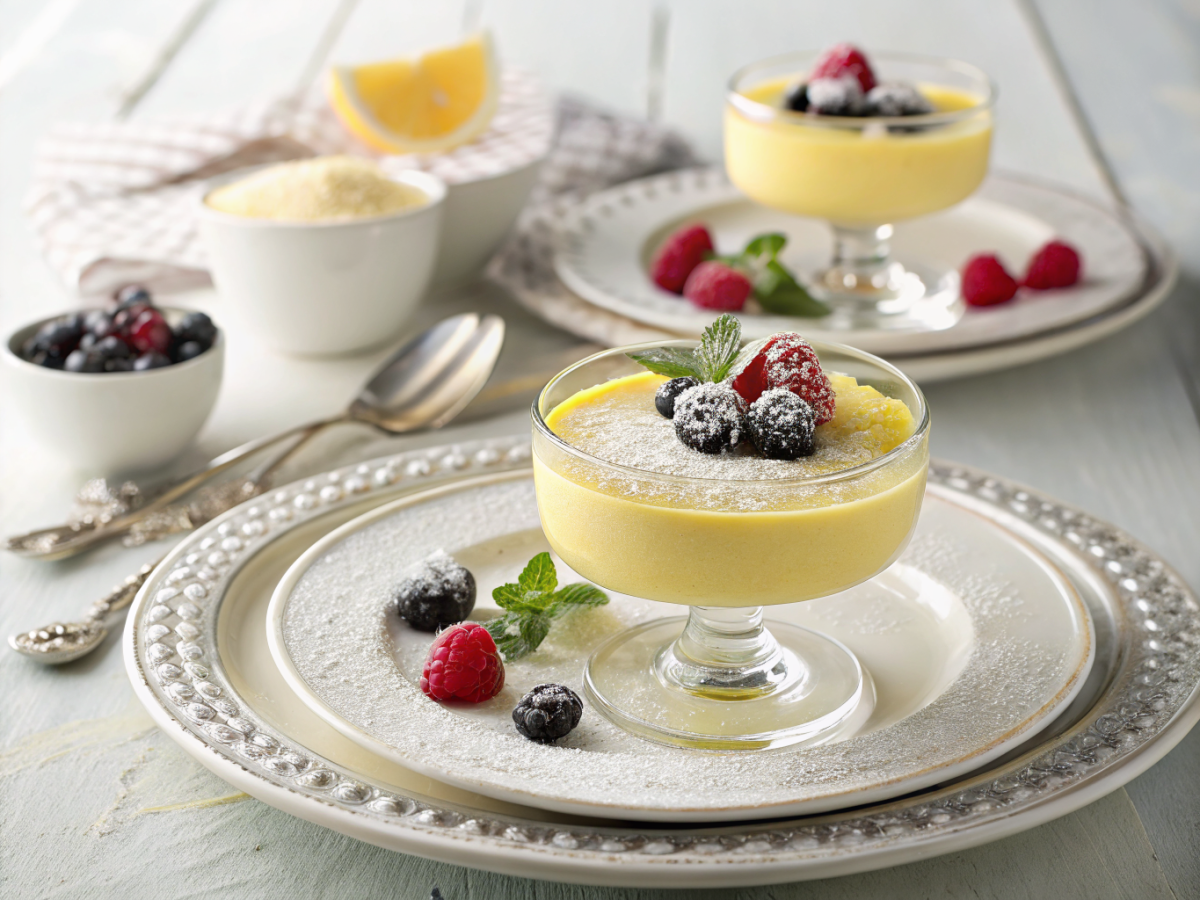
Lemon Posset Recipe: 5 Easy Tips for the Best Results

The secret to perfect lemon posset

The Secret to Perfect Lemon Posset

A luxuriously creamy British dessert made with just three simple ingredients that sets into silky perfection.
Prep Time 10 minutes
Cook Time 5 minutes
Total Time 15 minutes
Servings: 4 servings
Course: Healthy Desserts
Cuisine: American
Calories: 445

Ingredients
  

  • 2 cups heavy cream
  • 1/2 cup granulated sugar
  • 1/3 cup fresh lemon juice about 2-3 lemons
  • 1 tablespoon lemon zest finely grated
  • 1 pinch sea salt optional
  • 4 sprigs fresh mint for garnish

Method
 

  1. Set out 4 small ramekins or serving glasses on a tray that will fit in your refrigerator.
  2. In a medium saucepan, combine the heavy cream and sugar. Heat over medium heat, stirring occasionally, until the mixture comes to a full boil. Let it boil for 2-3 minutes, stirring constantly to prevent scorching.
  3. Remove the pan from heat and immediately stir in the fresh lemon juice, lemon zest, and a pinch of salt if using. Whisk well to combine. The mixture will thicken slightly as the acid reacts with the cream.
  4. Pour the mixture through a fine-mesh strainer into a measuring cup or bowl with a spout to remove any zest pieces and ensure a silky smooth texture.
  5. Carefully divide the lemon posset mixture evenly among the prepared ramekins or glasses, pouring slowly to avoid bubbles.
  6. Cover each ramekin with plastic wrap and refrigerate for at least 3-4 hours, or preferably overnight, until the possets are completely set and firm.
  7. Remove from refrigerator 10 minutes before serving. Garnish with fresh mint sprigs, additional lemon zest, or fresh berries if desired. Serve chilled.

Nutrition

Calories: 445kcalCarbohydrates: 32gProtein: 2gFat: 36gSodium: 45mg

Notes

The key to perfect posset is using fresh lemon juice, never bottled. The acid from the lemon naturally thickens the cream, so no gelatin is needed. For best results, use full-fat heavy cream with at least 36% fat content. The posset will keep covered in the refrigerator for up to 3 days.

Tried this recipe?

Let us know how it was!
nnThis Lemon Posset is a luxurious British dessert that transforms just three simple ingredients into pure magic. With its silky texture and bright citrus flavor, it’s the perfect ending to any meal. Whether you’re hosting a dinner party or craving something elegant yet effortless, this recipe delivers restaurant-quality results every time.Thank you for reading this post, don't forget to subscribe!

Lemon Posset: 5 Simple Secrets for Perfect Results

The beauty of lemon posset lies in its remarkable simplicity and sophisticated outcome. This classic British dessert has graced tables for centuries, winning hearts with its velvety texture and intense lemon flavor. Unlike complicated desserts that require precise techniques, posset forgives minor variations while still delivering exceptional results.

What makes this dessert truly special is the chemical reaction between cream and lemon juice. The acidity naturally thickens the cream without eggs, gelatin, or cornstarch. This means you can create an impressive dessert with minimal effort and maximum flavor impact.

The five secrets to perfection include using quality ingredients, achieving the right temperature, precise lemon juice measurement, proper setting time, and ideal serving temperature. Each element plays a crucial role in creating that signature silky texture. Master these fundamentals, and you’ll have a go-to dessert that never fails to impress.

Traditional possets date back to medieval times when they were served as warming beverages. Modern versions evolved into the set dessert we know today, becoming a staple in British cuisine. The transformation from drink to dessert happened gradually as cooks discovered the thickening properties of citrus and cream.

Why You’ll Love This Lemon Posset

This dessert requires only three ingredients that you might already have in your kitchen. Heavy cream, sugar, and fresh lemons combine to create something far greater than the sum of their parts. The minimal ingredient list makes shopping easy and keeps costs reasonable while delivering gourmet results.

Preparation takes less than fifteen minutes of active work, making it perfect for busy schedules. You simply heat, stir, pour, and chill—no complicated techniques or special equipment required. This efficiency makes it ideal for both weeknight treats and special occasions when you need to prepare ahead.

The make-ahead nature of this dessert is a lifesaver for entertaining. You can prepare it up to three days in advance, freeing you to focus on other dishes. When guests arrive, your dessert is already perfectly set and waiting in the refrigerator, eliminating last-minute stress.

The bright, tangy flavor profile cleanses the palate beautifully after rich meals. The balance between sweet cream and tart lemon creates a refreshing finish that doesn’t feel heavy. It’s sophisticated enough for formal dinners yet approachable enough for casual family meals.

Lemon posset fits beautifully into a healthy desserts rotation when enjoyed in moderation. The natural ingredients and portion control make it a more mindful choice than many processed desserts. Plus, lemons provide vitamin C and antioxidants alongside the indulgence.

Core Ingredients for Lemon Posset

Heavy whipping cream forms the foundation of this dessert, providing richness and body. Use cream with at least 36% fat content for the best texture and setting properties. Avoid substituting with half-and-half or milk, as they lack sufficient fat to set properly without additional thickeners.

Lemon posset ingredients

Granulated white sugar sweetens and balances the tart lemon juice perfectly. The amount can be adjusted slightly based on personal preference, but stay within ten percent of the recipe amount. Too little sugar affects the setting process, while too much can overpower the delicate lemon flavor.

Fresh lemon juice is absolutely essential—bottled juice simply cannot compare. The bright, complex flavor of freshly squeezed lemons elevates this dessert from good to extraordinary. Plan on using three to four medium lemons to yield the necessary juice, and always strain out seeds and pulp.

The quality of your lemons matters significantly to the final result. Look for lemons that feel heavy for their size, indicating juiciness, with smooth, thin skin. Organic lemons are preferable if you plan to use zest as garnish, as they’re free from pesticide residues on the peel.

Room temperature ingredients aren’t necessary for this recipe, unlike many baking projects. The heating process brings everything to the same temperature naturally. However, having lemons at room temperature makes them easier to juice and yields slightly more liquid per fruit.

Ingredient Quantities

  • 2 cups (480ml) heavy whipping cream
  • ⅔ cup (130g) granulated sugar
  • ⅓ cup (80ml) fresh lemon juice (approximately 3 lemons)
  • 1 tablespoon lemon zest for garnish (optional)

These proportions create the ideal balance of sweetness, tartness, and creaminess. The ratio of cream to lemon juice is critical for proper setting. Too much juice and the mixture may become grainy; too little and it won’t set firmly enough.

How to Make Lemon Posset: Step-by-Step

Begin by preparing your serving vessels—small ramekins, glasses, or teacups work beautifully. Choose containers that hold approximately four to six ounces each for proper portion sizes. Having these ready before you start cooking ensures smooth, efficient preparation without scrambling at the last moment.

Combine the heavy cream and sugar in a medium saucepan over medium heat. Stir occasionally as the mixture warms, ensuring the sugar dissolves completely into the cream. This initial step is straightforward but requires attention to prevent scorching on the bottom of the pan.

Bring the cream mixture to a full rolling boil, watching carefully as it approaches this stage. Once boiling, maintain the boil for exactly three minutes, stirring frequently to prevent overflow. This boiling period is crucial for the proper chemical reaction that will set your dessert, so don’t rush or skip this step.

Remove the pan from heat and let it cool for two minutes before adding lemon juice. This brief cooling period prevents the mixture from curdling when the acidic juice hits the hot cream. Temperature control at this stage significantly impacts the final texture and smoothness.

Stir in the fresh lemon juice thoroughly, mixing until completely incorporated. The mixture will thicken slightly as you stir, which is exactly what should happen. You’ll notice the consistency change from liquid cream to something slightly more viscous, indicating the chemical reaction has begun.

Pour the mixture through a fine-mesh strainer into a pouring vessel with a spout. This straining step removes any bits of cooked cream or lemon pulp that might affect texture. A measuring cup with a spout works perfectly for this purpose, making the next step much easier.

Carefully pour the strained mixture into your prepared serving containers, dividing it evenly. Fill each container leaving about a quarter-inch space at the top for potential garnishes. Work slowly to avoid creating bubbles on the surface, which can mar the smooth appearance.

Allow the possets to cool at room temperature for approximately thirty minutes. This gradual cooling prevents condensation from forming on the surface when refrigerated. Once cooled, cover each container with plastic wrap, ensuring the wrap doesn’t touch the surface of the posset.

Refrigerate for at least four hours, though overnight is ideal for the firmest set. The dessert continues to thicken as it chills, reaching its perfect consistency after several hours. Patience during this setting period rewards you with that signature silky texture that makes posset so special.

Before serving, remove from the refrigerator fifteen minutes early to take the chill off slightly. This brief tempering enhances the flavor and creates a more luxurious mouthfeel. The texture is best when not ice-cold, allowing the lemon flavor to shine through more prominently.

Pro Tips for Success

Use a timer for the three-minute boiling period to ensure accuracy. Even thirty seconds can make a difference in the final set. Keep a close eye on the pot during boiling, as cream can foam up and overflow quickly if left unattended.

If you notice any curdling after adding lemon juice, immediately strain through cheesecloth. This extra filtration removes any separated bits, salvaging the batch. Most minor curdling disappears during chilling, but straining provides insurance for perfectly smooth results.

For deeper lemon flavor, add one teaspoon of finely grated zest to the cream before boiling. The heat releases the aromatic oils from the zest, infusing the entire dessert. Just remember to strain well afterward to remove any zest pieces that might affect the silky texture.

Nutrition & Health Benefits

Each serving of this dessert contains approximately 340 calories, making it a rich but reasonable indulgence. The majority of calories come from the heavy cream’s fat content, which provides satiety and flavor. Portion control is key—the small serving size delivers big satisfaction without excessive calories.

The fat content is approximately 30 grams per serving, primarily from dairy. While high in saturated fat, the dessert contains no trans fats or artificial ingredients. When enjoyed occasionally as part of a balanced diet, it fits into most eating patterns without guilt.

Carbohydrates total around 22 grams per serving, mostly from the sugar with a small contribution from natural milk sugars. The glycemic impact is moderated somewhat by the high fat content, which slows sugar absorption. This makes it less likely to cause rapid blood sugar spikes compared to lower-fat desserts.

Fresh lemon juice provides valuable vitamin C, offering about 15% of the daily recommended intake per serving. This antioxidant vitamin supports immune function and skin health. Lemons also contain beneficial plant compounds called flavonoids that have anti-inflammatory properties.

The calcium content from cream contributes to bone health, providing approximately 8% of daily needs. Dairy also supplies vitamin A, important for vision and immune function. These nutrients make this dessert slightly more nutritious than many alternatives that rely on processed ingredients.

For those monitoring sodium, this dessert is naturally very low in salt. With less than 30mg per serving, it’s suitable for low-sodium diets. The absence of added salt allows the natural sweetness and tartness to shine through without interference.

While not a health food, this dessert offers advantages over many processed alternatives. The short ingredient list means no artificial preservatives, colors, or flavors. You control exactly what goes into your body, which aligns with clean eating principles that many health-conscious cooks appreciate.

Those interested in baking recipes with quality ingredients will appreciate this dessert’s simplicity. The minimal processing and natural ingredients make it a better choice than store-bought options. Understanding nutrition helps you make informed decisions about when and how to enjoy indulgent treats.

Variations & Substitutions

Lime posset offers a tropical twist on the classic recipe, using lime juice instead of lemon. The flavor profile shifts from bright and sharp to slightly more mellow and exotic. Use the same quantity of lime juice, though you may need one additional lime since they’re typically smaller than lemons.

Blood orange posset creates a stunning pink-hued dessert with complex citrus notes. The slightly sweeter, less acidic juice requires adding one tablespoon of regular lemon juice for proper setting. The visual appeal makes this variation perfect for special occasions or romantic dinners.

Grapefruit posset delivers a sophisticated, slightly bitter edge that appeals to adult palates. Use half grapefruit juice and half lemon juice to maintain proper acidity for setting. The pink grapefruit variety adds beautiful color while the flavor complexity impresses adventurous eaters.

For a lighter version, substitute half the heavy cream with whole milk. The texture will be slightly less rich but still creamy and satisfying. You may need to add one teaspoon of cornstarch mixed with the milk to ensure proper setting with the reduced fat content.

Coconut cream can replace dairy cream for a vegan-friendly version, though results vary by brand. Choose full-fat coconut cream from a can, not the beverage version, for adequate fat content. The coconut flavor pairs beautifully with lemon, creating a tropical variation that’s naturally dairy-free.

Honey or maple syrup can substitute for half the sugar for a different sweetness profile. These natural sweeteners add subtle flavor complexity beyond simple sweetness. Reduce the liquid (lemon juice) by one tablespoon when using liquid sweeteners to maintain proper consistency.

Herb-infused variations add sophisticated flavor layers that elevate the dessert. Steep fresh lavender, thyme, or basil in the hot cream for five minutes before straining and proceeding. The herbal notes complement the lemon beautifully, creating restaurant-worthy complexity with minimal effort.

Boozy versions incorporate two tablespoons of limoncello, Grand Marnier, or gin for adult gatherings. Add the alcohol along with the lemon juice for even distribution. The alcohol doesn’t cook off, so these variations pack a subtle kick alongside enhanced flavor depth.

Serving Suggestions

Fresh berries make the perfect accompaniment, adding color, texture, and nutritional value. Raspberries, blueberries, or sliced strawberries provide tartness that complements the creamy dessert. Arrange them artfully on top just before serving, or serve them alongside in a small dish.

Shortbread cookies offer delightful textural contrast to the smooth posset. The buttery crunch pairs perfectly with creamy citrus flavors, and they’re ideal for scooping if you prefer. Homemade or store-bought both work well—choose a quality brand if purchasing to maintain the dessert’s elegant profile.

Candied lemon slices create an impressive garnish that signals the flavor within. Thinly slice lemons, simmer in simple syrup until translucent, and place one slice atop each posset. The jewel-like appearance and concentrated lemon flavor make this garnish worth the extra effort for special occasions.

Whipped cream adds another layer of richness for those who want extra indulgence. Lightly sweetened cream piped in a small rosette looks elegant and professional. Keep it minimal—this dessert already features cream as the main ingredient, so a little whipped cream goes a long way.

Crushed amaretti cookies or graham crackers sprinkled on top add pleasant crunch. The slight almond flavor of amaretti complements lemon beautifully, while graham crackers evoke lemon meringue pie. Add this garnish just before serving to maintain crispness against the creamy dessert.

Mint leaves provide a fresh, aromatic garnish that’s visually appealing and flavorful. A small sprig placed at an angle looks professional and adds a subtle herbal note. The mint’s coolness enhances the refreshing quality of the lemon, making it perfect for summer entertaining.

Serve in clear glass vessels to showcase the beautiful pale yellow color and smooth texture. Vintage teacups, small mason jars, or elegant coupe glasses all work wonderfully. The presentation vessel contributes significantly to the overall dining experience, so choose thoughtfully based on your occasion.

Pair with espresso or tea for a classic British-style dessert course. The bitter notes of coffee or the subtle flavors of Earl Grey tea balance the sweet-tart posset perfectly. This combination makes an ideal ending to dinner parties or afternoon tea gatherings.

Common Mistakes to Avoid

Under-boiling the cream mixture is the most common error that leads to possets that won’t set. The full three-minute boil at a rolling bubble is essential for the proper chemical reaction. Set a timer and resist the urge to shortcut this crucial step, even when you’re in a hurry.

Using bottled lemon juice instead of fresh produces inferior flavor and can affect setting. Bottled juice often contains preservatives that interfere with the cream’s natural thickening process. The fresh, bright flavor of real lemons is irreplaceable and worth the minimal extra effort of juicing.

Adding lemon juice to cream that’s too hot causes curdling and grainy texture. Always allow the two-minute cooling period after boiling before adding citrus. This patience prevents the proteins in the cream from seizing up, ensuring that silky-smooth texture you’re aiming for.

Skipping the straining step can leave bits of cooked cream or lemon pulp in the final dessert. These small imperfections affect both texture and appearance, diminishing the elegant simplicity. Take the extra thirty seconds to strain—it’s a small effort with significant impact on quality.

Insufficient chilling time results in possets that are too soft or runny. While four hours is the minimum, overnight chilling produces the best texture. Plan ahead and resist the temptation to serve early, even if the surface appears set—the interior needs full time to firm up properly.

Over-stirring after adding lemon juice can incorporate too much air, creating bubbles. Stir just until combined, then stop to maintain the smooth, glossy appearance. Excessive stirring also risks cooling the mixture too quickly, which can affect the even setting process.

Using low-fat cream or milk substitutes leads to disappointing results that won’t set properly. The high fat content of heavy cream is essential for the chemistry that creates posset’s signature texture. Save the lighter dairy products for other recipes where they’re more appropriate.

Serving directly from the refrigerator masks the delicate flavors behind excessive cold. Allow fifteen to twenty minutes at room temperature before serving for optimal flavor and texture. This tempering makes a noticeable difference in how the dessert tastes and feels on the palate.

Storage & Meal Prep Tips

Properly stored possets keep beautifully for up to three days in the refrigerator. Cover each serving tightly with plastic wrap, pressing it directly against the surface to prevent skin formation. Alternatively, use containers with tight-fitting lids that seal out air and prevent the dessert from absorbing other refrigerator odors.

Prepare possets up to three days ahead for stress-free entertaining and meal planning. The flavor actually improves slightly as it sits, with the lemon notes mellowing and integrating. This make-ahead quality makes it ideal for holiday meals or dinner parties when kitchen time is precious.

Freezing is not recommended as it dramatically affects the delicate texture. The cream separates upon thawing, creating a grainy, unpleasant consistency that can’t be restored. If you need longer storage, consider freezing the lemon juice separately and making fresh possets when needed.

Add garnishes only just before serving to maintain their fresh appearance and texture. Berries release juice as they sit, potentially creating unwanted moisture on the posset surface. Cookies or crumbs soften quickly against the creamy dessert, losing their appealing crunch if added too early.

Transport possets to gatherings in their serving containers, covered and kept cold in a cooler. The set texture holds up well to gentle movement, making them more portable than many delicate desserts. Just avoid stacking containers or placing heavy items on top that might damage the smooth surface.

Batch preparation is efficient since the recipe scales easily for larger gatherings. Double or triple the ingredients, using a larger pot to accommodate the increased volume. The cooking time remains the same—just ensure you have enough serving vessels prepared and sufficient refrigerator space for chilling.

Label containers with preparation dates if making multiple batches or flavors. This organization helps track freshness and prevents confusion when you have several desserts stored. Masking tape and a permanent marker work perfectly for temporary labels that remove cleanly.

Room temperature storage is unsafe—always refrigerate within two hours of preparation. The dairy base is perishable and can harbor bacteria if left at room temperature too long. Food safety should never be compromised, even for the sake of convenience or space constraints.

Final Thoughts on Lemon Posset

This elegant dessert proves that simplicity often triumphs over complexity in the kitchen. With just three ingredients and minimal technique, you create something that tastes like it came from a professional pastry chef. The magic lies in understanding how those simple components interact and respecting the process that transforms them.

The versatility of Lemon Posset makes it suitable for virtually any occasion or season. Serve it at formal dinner parties, casual family meals, holiday gatherings, or summer barbecues with equal success. The bright, refreshing flavor and make-ahead convenience adapt beautifully to whatever your entertaining needs require.

Mastering this recipe builds confidence for exploring other classic British desserts and cream-based preparations. The techniques you learn—controlling temperature, understanding acid’s effect on dairy, and achieving proper setting—transfer to numerous other recipes. This foundational knowledge expands your culinary repertoire significantly beyond this single dessert.

The impressive presentation belies the ease of preparation, making you look like a kitchen wizard. Guests consistently express amazement when they learn how simple the recipe actually is. This gap between perceived difficulty and actual effort makes posset a secret weapon for home cooks who want maximum impact with minimum stress.

Whether you’re new to dessert-making or an experienced baker, this recipe deserves a permanent place in your collection. It’s reliable, delicious, and adaptable to various dietary preferences with minor modifications. The combination of foolproof technique and sophisticated results is rare and valuable in home cooking.

Consider exploring more quick and easy meal ideas that deliver similar impressive results with minimal effort. Building a repertoire of such recipes transforms your cooking confidence and entertaining capabilities. Simple doesn’t mean boring—it means smart, efficient cooking that respects your time while delighting your taste buds.

Frequently Asked Questions

Can I make Lemon Posset without heavy cream?

While heavy cream is traditional and produces the best results, you can experiment with alternatives. Full-fat coconut cream works for dairy-free versions, though the flavor profile changes with added coconut notes. Using half heavy cream and half whole milk creates a lighter version, but you may need to add cornstarch for proper setting since the reduced fat content affects the chemical reaction that thickens the dessert.

Why didn’t my Lemon Posset set properly?

Several factors can prevent proper setting in your dessert. The most common issue is insufficient boiling time—the cream and sugar mixture must boil for a full three minutes to activate the proteins properly. Using low-fat cream, bottled lemon juice, or incorrect proportions also affects setting. Ensure you’re using heavy whipping cream with at least 36% fat content and fresh lemon juice in the exact measurements specified for reliable results.

How long does Lemon Posset last in the refrigerator?

Properly stored Lemon Posset remains fresh for up to three days when refrigerated. Cover each serving tightly with plastic wrap or use containers with secure lids to prevent the dessert from absorbing other refrigerator odors. The flavor actually improves slightly after the first day as the lemon notes mellow and integrate with the cream. Always check for any signs of spoilage before serving, though properly prepared and stored posset rarely develops issues within this timeframe.

Can I use bottled lemon juice instead of fresh?

Fresh lemon juice is strongly recommended over bottled for optimal flavor and texture. Bottled juice often contains preservatives and lacks the bright, complex flavor of freshly squeezed lemons. These preservatives can interfere with the chemical reaction between acid and cream that creates the signature texture. If you absolutely must use bottled juice, choose a high-quality brand without additives, but expect slightly diminished flavor and potentially different setting characteristics compared to fresh.