Mango Pancakes Recipe: 5 Easy Tips for the Best Results

Simple mango pancakes guide

Simple Mango Pancakes

Light and fluffy pancakes infused with fresh mango puree, creating a tropical twist on a breakfast classic that works perfectly as a healthy dessert.
Prep Time 15 minutes
Cook Time 20 minutes
Total Time 35 minutes
Servings: 4 servings
Course: Healthy Desserts
Cuisine: American
Calories: 285

Ingredients
  

  • 1 cup ripe mango puree about 1 large mango
  • 1.5 cups all-purpose flour
  • 2 tablespoons honey
  • 1 large egg
  • 3/4 cup milk
  • 2 teaspoons baking powder
  • 1/4 teaspoon salt
  • 2 tablespoons melted butter plus extra for cooking
  • 1/2 teaspoon vanilla extract

Method
 

  1. Peel and dice the ripe mango, then blend until smooth to create 1 cup of mango puree. Set aside.
  2. In a large bowl, whisk together the flour, baking powder, and salt until well combined.
  3. In a separate bowl, whisk together the mango puree, egg, milk, honey, melted butter, and vanilla extract until smooth.
  4. Pour the wet ingredients into the dry ingredients and gently fold together until just combined. Do not overmix; small lumps are okay.
  5. Heat a non-stick griddle or skillet over medium heat and lightly grease with butter.
  6. Pour 1/4 cup of batter onto the griddle for each pancake. Cook for 2-3 minutes until bubbles form on the surface, then flip and cook for another 2 minutes until golden brown.
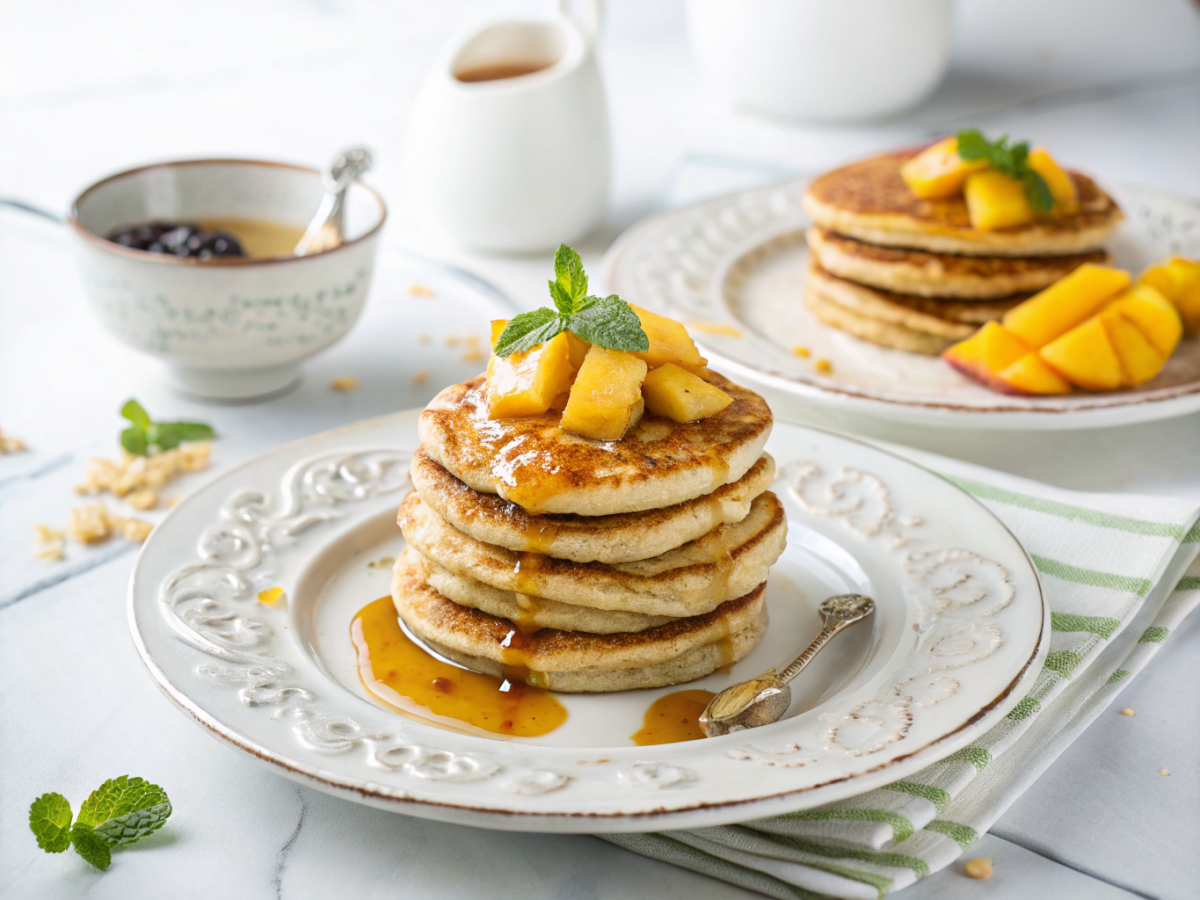
  7. Stack the pancakes on plates and serve warm with fresh mango slices, a drizzle of honey, or Greek yogurt if desired.

Nutrition

Calories: 285kcalCarbohydrates: 48gProtein: 7gFat: 8gSodium: 320mgFiber: 2g

Notes

Use very ripe mangoes for the sweetest flavor and best natural sweetness. The batter should be slightly thick; if too thin, add a tablespoon more flour. These pancakes freeze well for up to 2 months; reheat in a toaster or microwave for a quick healthy dessert.

Tried this recipe?

Let us know how it was!
\n\nMango Pancakes are a delightful tropical twist on the classic breakfast favorite, combining fluffy pancake batter with sweet, juicy mango pieces. This recipe transforms ordinary mornings into something extraordinary with minimal effort and maximum flavor. Whether you’re looking for a weekend brunch centerpiece or a healthy dessert option, these pancakes deliver both taste and nutrition.Thank you for reading this post, don't forget to subscribe!

Mango Pancakes: 5 Simple Tips for Perfect Results

Creating the perfect mango pancakes starts with understanding the balance between moisture and texture. Fresh mangoes add natural sweetness and incredible flavor, but they also introduce extra liquid that can affect your batter consistency. The key is finding that sweet spot where your pancakes remain fluffy while showcasing the tropical fruit.

Temperature control plays a crucial role in achieving golden-brown exteriors with fully cooked centers. A medium heat setting allows the sugars in the mango to caramelize slightly without burning. This creates those beautiful caramelized edges that make each bite irresistible.

The ripeness of your mangoes matters significantly to the final outcome. Perfectly ripe mangoes should yield slightly to gentle pressure and emit a sweet fragrance near the stem. Overripe mangoes become too mushy and release excessive moisture, while underripe ones lack the sweetness that makes this recipe shine.

Folding ingredients gently preserves the air bubbles created by your leavening agents. Overmixing develops gluten strands that result in tough, chewy pancakes instead of light, fluffy ones. A few lumps in your batter are perfectly acceptable and actually preferred.

Resting your batter for five to ten minutes before cooking allows the flour to fully hydrate. This simple step improves texture dramatically and helps create those picture-perfect bubbles that signal it’s time to flip. Patience here pays dividends in the final product.

Why You’ll Love This Mango Pancakes Recipe

These pancakes bring restaurant-quality breakfast to your home kitchen without requiring professional skills or exotic ingredients. The natural sweetness of mangoes means you can reduce added sugars while still satisfying your sweet tooth. This makes them an excellent choice for anyone seeking healthy desserts that don’t taste like compromises.

The vibrant golden color and tropical aroma create an instant mood boost that coffee alone can’t achieve. Mangoes contain over 20 different vitamins and minerals, transforming a simple breakfast into a nutrient-dense meal. You’re essentially sneaking fruit servings into a beloved comfort food.

Preparation takes less than 30 minutes from start to finish, making this recipe practical for busy weekday mornings. The ingredient list is straightforward with items most people already have in their pantry. No specialty equipment or advanced techniques are required.

Kids and adults alike gravitate toward the naturally sweet flavor profile that doesn’t need heavy syrup toppings. The beautiful presentation makes these pancakes Instagram-worthy without any extra effort. They’re equally appropriate for casual family breakfasts or impressive brunch gatherings.

Mangoes pair beautifully with various complementary flavors like coconut, lime, and vanilla. This versatility allows you to customize the recipe to your preferences while maintaining the core tropical appeal. Each variation feels like a completely new recipe despite using the same base.

Core Ingredients for Mango Pancakes

Mango pancakes ingredients

The foundation of exceptional pancakes begins with all-purpose flour, which provides the structure needed for fluffy texture. You’ll need approximately two cups of flour, measured correctly by spooning into the measuring cup rather than scooping. This prevents compacting that leads to dense, heavy pancakes.

Fresh ripe mangoes are the star ingredient, requiring about two medium-sized fruits or roughly two cups of diced mango. Choose mangoes with vibrant color and slight give when gently squeezed. The Ataulfo variety works particularly well due to its creamy texture and minimal fiber content.

Baking powder and baking soda work together as leavening agents to create those characteristic air pockets. Two teaspoons of baking powder combined with half a teaspoon of baking soda provides optimal lift. Make sure your leavening agents are fresh, as expired products lose effectiveness.

Buttermilk adds tanginess and reacts with baking soda to enhance fluffiness. If you don’t have buttermilk, create a substitute by adding one tablespoon of lemon juice to regular milk. Let this mixture sit for five minutes before using.

Eggs bind the ingredients together while contributing to the rich, golden color. Two large eggs at room temperature incorporate more easily into the batter. The proteins in eggs also help create structure that prevents pancakes from falling apart.

Melted butter adds richness and helps achieve those crispy edges everyone loves. Three tablespoons of unsalted butter work best, allowing you to control the salt level. Coconut oil makes an excellent alternative that enhances the tropical flavor profile.

Granulated sugar balances the tanginess from buttermilk and enhances mango sweetness. Two tablespoons provide subtle sweetness without overwhelming the fruit flavor. You can reduce this amount if your mangoes are exceptionally sweet.

A pinch of salt might seem insignificant, but it amplifies all the other flavors in your pancakes. Salt also strengthens gluten structure slightly, contributing to better texture. Half a teaspoon of fine sea salt works perfectly.

Vanilla extract adds depth and warmth to complement the tropical fruit notes. One teaspoon of pure vanilla extract makes a noticeable difference. Imitation vanilla works in a pinch, but pure extract delivers superior flavor.

How to Make Mango Pancakes: Step-by-Step

Begin by preparing your mangoes, which involves peeling, pitting, and dicing them into small, uniform pieces. Reserve about half a cup of the prettiest pieces for topping your finished pancakes. The remaining mango will be folded into your batter and potentially pureed for extra moisture.

Combine all dry ingredients in a large mixing bowl, whisking thoroughly to distribute the leavening agents evenly. This step prevents pockets of baking powder or soda that create uneven rising. Sifting isn’t necessary, but breaking up any lumps ensures smooth batter.

In a separate bowl, whisk together buttermilk, eggs, melted butter, and vanilla extract until well combined. The mixture should be smooth and uniform in color. Room temperature ingredients emulsify more easily, creating better texture in your final product.

Create a well in the center of your dry ingredients and pour in the wet mixture all at once. Using a wooden spoon or rubber spatula, fold the ingredients together with gentle strokes. Stop mixing as soon as no dry flour remains visible, even if small lumps persist.

Fold in three-quarters of your diced mango pieces, distributing them throughout the batter gently. Avoid crushing the mango as you fold, which would release excess juice. The batter should be thick but pourable, similar to cake batter consistency.

Allow the batter to rest for 5-10 minutes while you preheat your griddle or large skillet. This resting period lets the flour fully hydrate and the leavening agents begin working. You’ll notice the batter thicken slightly and small bubbles forming on the surface.

Heat your cooking surface to medium heat, around 350°F if using an electric griddle. Lightly grease with butter or cooking spray between batches. Test the temperature by sprinkling a few drops of water; they should sizzle and evaporate within seconds.

Pour approximately one-quarter cup of batter for each pancake, leaving space between them for spreading. Resist the urge to flatten or spread the batter with your spoon. Natural spreading creates the best texture and shape.

Watch for bubbles to form across the entire surface and the edges to look set and slightly dry. This typically takes 2-3 minutes on the first side. The bubbles should pop and leave small holes rather than filling back in.

Flip carefully using a wide spatula, supporting the entire pancake to prevent tearing. Cook the second side for approximately 1-2 minutes until golden brown. The second side always cooks faster than the first.

Transfer cooked pancakes to a warm oven set at 200°F to keep them hot while you finish the batch. Stacking them directly on a plate causes steam buildup that makes them soggy. A wire rack placed over a baking sheet works perfectly for maintaining crispness.

Top your finished stack with the reserved fresh mango pieces and your choice of accompaniments. A drizzle of honey or maple syrup enhances sweetness without overwhelming the fruit. Consider adding a dollop of Greek yogurt for protein and tangy contrast.

Nutrition & Health Benefits

Mangoes deliver an impressive nutritional profile packed with vitamins A and C, which support immune function and skin health. A single serving of these pancakes provides approximately 25% of your daily vitamin C requirement. The beta-carotene content gives mangoes their vibrant orange color and converts to vitamin A in your body.

The fiber content in mangoes aids digestion and promotes feelings of fullness that last throughout the morning. Each serving contains roughly 3-4 grams of dietary fiber when made with whole mango pieces. This helps stabilize blood sugar levels compared to traditional pancakes made with syrup alone.

Buttermilk contributes probiotics that support gut health and improve nutrient absorption. The calcium content strengthens bones and teeth while supporting muscle function. One serving provides approximately 15% of your daily calcium needs.

Eggs supply high-quality complete protein containing all nine essential amino acids your body cannot produce. They’re also rich in choline, which supports brain health and memory function. The protein helps maintain steady energy levels rather than the crash associated with sugar-heavy breakfasts.

Using whole wheat flour instead of all-purpose increases fiber content and adds B vitamins. This substitution creates a heartier texture and nuttier flavor that complements mango beautifully. The additional fiber slows digestion, providing sustained energy release.

Each pancake contains approximately 180-220 calories depending on size and toppings chosen. The macronutrient balance includes roughly 6-8 grams of protein, 30-35 grams of carbohydrates, and 5-7 grams of fat. This makes them substantially more balanced than traditional pancakes loaded with syrup.

Mangoes contain unique antioxidants like mangiferin, which has anti-inflammatory properties. Research suggests these compounds may help protect against chronic diseases. For more information on antioxidant-rich ingredients, check out this guide to fruit-based recipes.

Variations & Substitutions

Create a tropical paradise version by adding shredded coconut and a splash of coconut milk to your batter. Replace half the buttermilk with coconut milk for enhanced tropical flavor. Top with toasted coconut flakes and macadamia nuts for textural contrast and additional healthy fats.

For a protein-boosted version, add a scoop of vanilla protein powder and reduce the flour by an equal amount. Greek yogurt can replace some of the buttermilk for extra protein and tanginess. This variation works particularly well for high-protein breakfast options that fuel active lifestyles.

Gluten-free adaptations work beautifully using a 1:1 gluten-free flour blend designed for baking. Add half a teaspoon of xanthan gum if your blend doesn’t include it. The texture will be slightly different but equally delicious with proper technique.

Vegan modifications require replacing eggs with flax eggs (1 tablespoon ground flaxseed plus 3 tablespoons water per egg). Use plant-based milk with a tablespoon of vinegar instead of buttermilk. Coconut oil replaces butter seamlessly while enhancing the tropical profile.

Spice variations include adding half a teaspoon of cardamom or cinnamon to the dry ingredients. A pinch of ginger complements mango’s sweetness with subtle warmth. Lime zest brightens the entire flavor profile and adds aromatic complexity.

For a more indulgent dessert version, fold in white chocolate chips along with the mango pieces. A cream cheese drizzle made from softened cream cheese, powdered sugar, and milk creates decadent topping. This transforms breakfast pancakes into an elegant dessert suitable for special occasions.

Savory adaptations might seem unusual but work surprisingly well with slightly underripe mangoes. Reduce sugar to one tablespoon and add herbs like cilantro or basil. Serve with grilled chicken or shrimp for a unique fusion meal.

Frozen mango works when fresh isn’t available, though you’ll need to thaw and drain excess liquid first. Pat the pieces dry with paper towels before folding into batter. The flavor remains excellent, though texture may be slightly softer than fresh.

Serving Suggestions

Classic maple syrup remains a popular choice, but consider warming it with a cinnamon stick for elevated flavor. Honey drizzled over hot pancakes creates beautiful cascading effects in photos. Agave nectar offers a lower glycemic option that dissolves beautifully into warm pancakes.

Fresh whipped cream lightened with a touch of coconut extract complements the tropical theme perfectly. Greek yogurt sweetened with honey provides protein and tangy contrast to sweet pancakes. A dollop of mascarpone cheese creates luxurious richness for special occasions.

Additional fresh fruit transforms your plate into a colorful fruit salad presentation. Sliced strawberries, blueberries, and kiwi add variety in flavor and nutrition. Passion fruit pulp drizzled over the top intensifies the tropical experience dramatically.

Chopped nuts like macadamias, cashews, or almonds add satisfying crunch and healthy fats. Toasted pecans or walnuts bring earthy notes that balance mango’s sweetness. A sprinkle of chia seeds or hemp hearts boosts nutrition without altering flavor significantly.

Beverage pairings should complement rather than compete with the tropical flavors. Fresh-squeezed orange juice or a mango smoothie creates a cohesive tropical breakfast experience. For something different, try pairing with refreshing detox drinks that cleanse your palate.

Savory accompaniments like crispy bacon or breakfast sausage provide salty contrast to sweet pancakes. Scrambled eggs with herbs add protein for a more complete meal. This combination satisfies both sweet and savory cravings in one sitting.

For brunch entertaining, create a pancake bar with various toppings in small bowls. Let guests customize their stacks with different fruits, nuts, and syrups. This interactive approach makes the meal more memorable and accommodates different preferences.

Temperature matters significantly to enjoyment, so serve pancakes immediately after cooking when possible. If preparing for a crowd, keep them warm in a low oven on a wire rack. Avoid covering them tightly, which traps steam and creates sogginess.

Common Mistakes to Avoid

Overmixing the batter ranks as the most common error that results in tough, rubbery pancakes. Once you add wet to dry ingredients, mix only until combined with visible lumps remaining. Those lumps disappear during cooking, so resist the perfectionist urge to eliminate them.

Using too much mango overwhelms the batter structure and creates soggy centers that never cook properly. Stick to the recommended ratio of roughly one cup of diced mango per two cups of flour. More isn’t always better when it comes to fruit additions.

Cooking at excessively high heat burns the exterior before the interior cooks through. Medium heat allows even cooking that creates golden-brown surfaces and fluffy centers. If your first pancake burns, reduce heat and let the pan cool slightly before continuing.

Flipping too early causes pancakes to tear and lose their shape completely. Wait until bubbles cover the surface and edges look dry and set. Patience during this stage ensures picture-perfect results every time.

Using old or expired leavening agents produces flat, dense pancakes that lack the characteristic fluffiness. Test baking powder by adding a teaspoon to hot water; it should bubble vigorously. Replace these ingredients every six months for best results.

Pressing down on pancakes with the spatula while cooking squeezes out air and creates dense texture. Let them cook undisturbed except for the single flip. This preserves the airy structure created by your leavening agents.

Stacking hot pancakes directly on top of each other creates steam that makes them soggy. Use a wire rack or separate them with parchment paper squares. This simple step maintains the slightly crispy exterior that contrasts beautifully with fluffy interiors.

Not adjusting consistency when batter sits too long causes thick, difficult-to-spread pancakes. The flour continues absorbing liquid as batter rests. Add buttermilk one tablespoon at a time to restore proper consistency if needed.

Storage & Meal Prep Tips

Cooked pancakes store beautifully in the refrigerator for up to five days when properly contained. Allow them to cool completely before stacking with parchment paper between each pancake. Store in an airtight container to prevent them from absorbing refrigerator odors.

Freezing extends storage to three months while maintaining excellent quality and flavor. Flash-freeze pancakes on a baking sheet for an hour before transferring to freezer bags. This prevents them from sticking together, allowing you to remove individual portions as needed.

Reheating in a toaster creates crispy edges similar to freshly made pancakes. Place frozen pancakes directly in the toaster on a medium setting for best results. This method is faster than using an oven and produces superior texture.

Microwave reheating works for quick breakfasts but produces softer texture without crispy edges. Place a damp paper towel over pancakes to prevent drying during heating. Heat in 20-second intervals to avoid tough, rubbery texture from overheating.

Prepare batter the night before for even quicker morning cooking, though texture will be slightly different. Store covered in the refrigerator and stir gently before cooking. You may need to thin with a tablespoon or two of buttermilk.

Batch cooking on meal prep day provides quick breakfasts throughout the week. Make double or triple batches and freeze in individual portions. This strategy works particularly well for busy families or anyone following quick and easy meal plans.

Fresh mango pieces should be stored separately from cooked pancakes to maintain optimal texture. Keep diced mango in an airtight container in the refrigerator for up to three days. Add fresh mango to reheated pancakes for the best flavor and texture contrast.

Uncooked batter doesn’t freeze well due to the leavening agents losing effectiveness. Always cook all batter rather than attempting to save it for later. The time investment is minimal compared to disappointing results from frozen batter.

Final Thoughts on Mango Pancakes

Mango Pancakes represent the perfect marriage of comfort food and nutritious ingredients that don’t require sacrifice. This recipe proves that healthy eating doesn’t mean giving up the foods you love. With minimal adjustments to traditional pancake recipes, you create something extraordinary that nourishes body and soul.

The versatility of this recipe means you’ll never grow bored with countless variations to explore. Each season brings opportunities to experiment with different fruits and flavor combinations. The basic technique remains the same while the results feel completely new and exciting.

Mastering this recipe builds confidence for tackling other breakfast creations and baking projects. The skills you develop translate directly to muffins, waffles, and other quick breads. Understanding how ingredients interact empowers you to modify recipes successfully based on preferences and dietary needs.

Sharing these pancakes with family and friends creates memorable moments around the breakfast table. Food brings people together in ways few other activities can match. The vibrant colors and tropical aromas set a positive tone for the entire day ahead.

Whether you’re cooking for picky children, health-conscious adults, or impressive brunch guests, this recipe delivers. The approachable technique and familiar format make it accessible to cooks of all skill levels. Success is virtually guaranteed when you follow the straightforward steps outlined above.

Don’t hesitate to make this recipe your own through creative experimentation with flavors and toppings. Cooking should be joyful rather than stressful, and this forgiving recipe encourages playfulness. Your kitchen adventures might lead to discovering your new signature breakfast dish.

For additional nutritional benefits, consider exploring other fresh fruit preparations that complement pancake breakfasts. The combination of whole grains, protein, and fruit creates balanced meals that sustain energy. This approach to breakfast sets you up for productive, energized days.

Frequently Asked Questions

Can I use canned mango instead of fresh for Mango Pancakes?

While fresh mango delivers the best flavor and texture, canned mango works in a pinch. Drain canned mango thoroughly and pat dry with paper towels to remove excess syrup. The results will be slightly sweeter and softer than using fresh fruit, but still delicious.

Why are my Mango Pancakes turning out flat and dense?

Flat pancakes typically result from expired leavening agents or overmixing the batter. Check that your baking powder and baking soda are fresh by testing them with water. Mix batter only until ingredients are just combined, leaving small lumps for the fluffiest texture.

How do I prevent mango pieces from sinking to the bottom?

Toss diced mango pieces in a tablespoon of flour before folding into batter. This light coating helps suspend fruit throughout the pancake rather than sinking. Also ensure your batter is thick enough to support the fruit pieces without being too heavy.

Can I make the batter ahead of time for morning cooking?

You can prepare batter the night before and refrigerate it in an airtight container. Gently stir before using and add a tablespoon of buttermilk if it’s too thick. For best results with optimal fluffiness, fresh batter produces slightly better texture than refrigerated batter.