
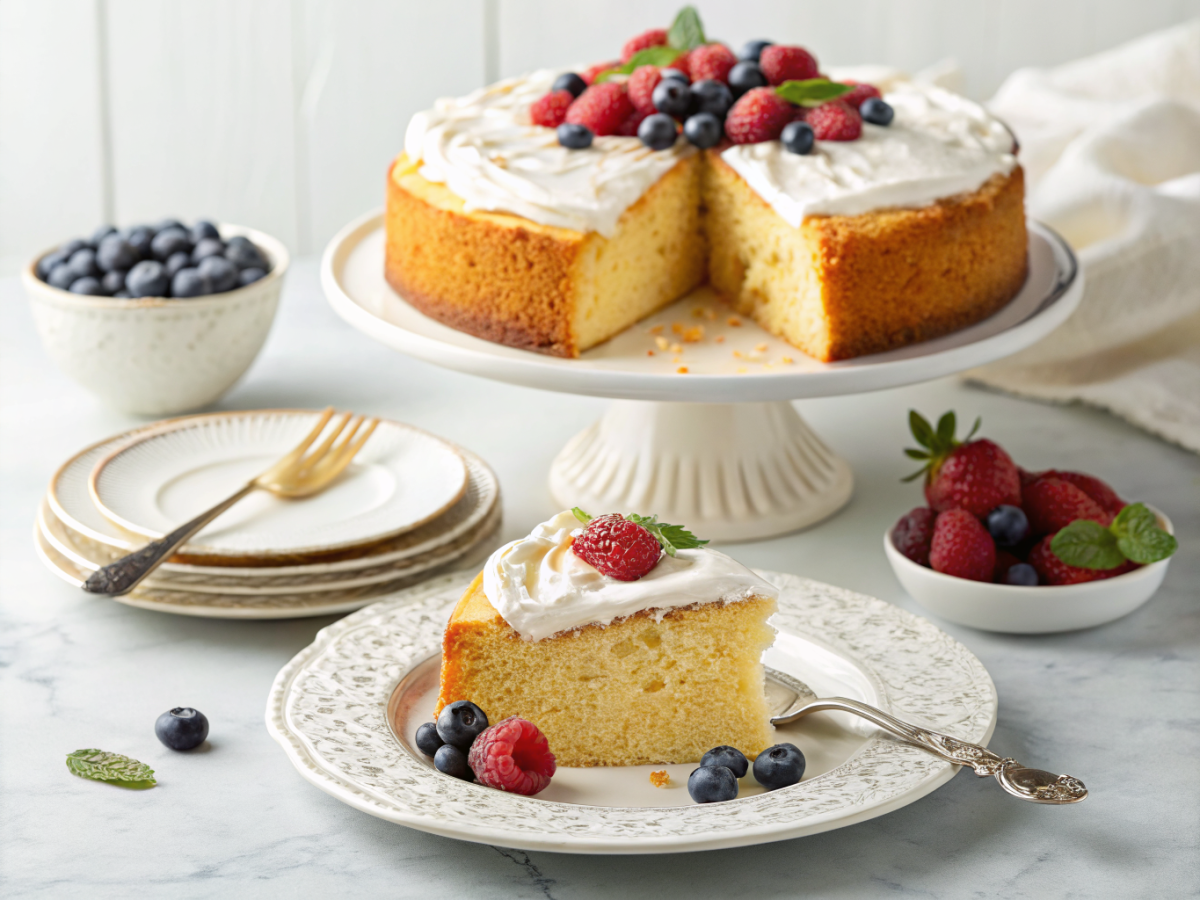
Easy Yogurt Cake Recipe: 5 Easy Tips for the Best Results

Amazing easy yogurt cake for busy nights

Amazing Easy Yogurt Cake for Busy Nights

A moist and tender yogurt cake that comes together in minutes with simple pantry ingredients, perfect for busy weeknights.
Prep Time 10 minutes
Cook Time 35 minutes
Total Time 45 minutes
Servings: 8 servings
Course: Healthy Desserts
Cuisine: American
Calories: 285

Ingredients
  

  • 1 cup plain Greek yogurt room temperature
  • 1.5 cups all-purpose flour
  • 3/4 cup granulated sugar
  • 3 large eggs room temperature
  • 1/2 cup vegetable oil or melted coconut oil
  • 2 teaspoons baking powder
  • 1 teaspoon vanilla extract
  • 1/4 teaspoon salt
  • 1 tablespoon lemon zest optional

Method
 

  1. Preheat your oven to 350°F (175°C). Grease a 9-inch round cake pan with butter or cooking spray and line the bottom with parchment paper.
  2. In a large mixing bowl, whisk together the Greek yogurt, eggs, sugar, vegetable oil, and vanilla extract until smooth and well combined.
  3. In a separate bowl, sift together the flour, baking powder, and salt. Add lemon zest if using.
  4. Gently fold the dry ingredients into the wet ingredients using a spatula. Mix until just combined, being careful not to overmix. The batter should be smooth and thick.
  5. Pour the batter into the prepared cake pan and smooth the top with a spatula to ensure even baking.
  6. Bake in the preheated oven for 30-35 minutes, or until a toothpick inserted into the center comes out clean and the top is golden brown.
  7. Remove from oven and let the cake cool in the pan for 10 minutes, then transfer to a wire rack to cool completely. Dust with powdered sugar before serving if desired.

Nutrition

Calories: 285kcalCarbohydrates: 35gProtein: 7gFat: 13gSodium: 180mgFiber: 1g

Notes

For extra moisture, brush the warm cake with a simple syrup made from equal parts sugar and water. This cake tastes even better the next day as the flavors develop. Store covered at room temperature for up to 3 days or refrigerate for up to 5 days.

Tried this recipe?

Let us know how it was!
nnThis Easy Yogurt Cake is the perfect solution for busy weeknights when you crave something sweet but don’t have hours to spend in the kitchen. With just a handful of pantry staples and minimal prep time, you’ll have a moist, tender cake that rivals any bakery creation. This foolproof recipe delivers consistent results every single time, making it ideal for both beginner bakers and seasoned pros looking for a reliable go-to dessert.

Easy Yogurt Cake: 5 Simple Tips for Perfect Results

Creating the perfect yogurt cake doesn’t require professional baking skills or expensive equipment. The beauty of this recipe lies in its simplicity and the forgiving nature of yogurt as a key ingredient. Yogurt adds moisture, tenderness, and a subtle tang that balances the sweetness beautifully.

The first tip is to use full-fat yogurt for the richest texture and most luxurious crumb. Greek yogurt works wonderfully, but regular plain yogurt produces equally impressive results. Avoid flavored yogurts as they can throw off the sugar balance and introduce unwanted artificial flavors.

Second, always bring your ingredients to room temperature before mixing. Cold eggs and yogurt don’t emulsify properly with the other ingredients, leading to a dense, uneven texture. Simply set everything out on your counter about 30 minutes before you plan to bake.

Third, don’t overmix the batter once you add the flour. Overmixing develops gluten strands that make your cake tough and chewy instead of tender and fluffy. Mix just until the flour disappears into the batter, even if a few small lumps remain.

Fourth, test for doneness with a toothpick inserted into the center of the cake. It should come out with just a few moist crumbs attached, not completely clean. The cake will continue cooking slightly as it cools, so removing it at this stage prevents dryness.

Fifth, let the cake cool in the pan for exactly 10 minutes before turning it out onto a wire rack. This allows the structure to set without the cake becoming soggy from trapped steam. These simple techniques guarantee bakery-quality results every time you bake.

Why You’ll Love This Easy Yogurt Cake

This recipe transforms basic pantry ingredients into something truly spectacular with minimal effort. Unlike complicated layer cakes that require frosting skills or delicate pastries that demand precision, this yogurt cake is remarkably forgiving. Even if you’ve never baked before, you’ll achieve beautiful results that taste like you spent hours in the kitchen.

The texture is what sets this cake apart from other simple desserts. It’s incredibly moist without being heavy, with a tender crumb that melts on your tongue. The yogurt keeps it from drying out even days after baking, making it perfect for meal prep or making ahead for gatherings.

Versatility is another major advantage of this recipe. You can enjoy it plain with your morning coffee, dress it up with fresh berries and whipped cream for an elegant dessert, or add chocolate chips and nuts for a more indulgent treat. It adapts beautifully to whatever occasion you’re serving it for.

The ingredient list is refreshingly short and uses items you likely already have in your kitchen. No specialty flours, exotic extracts, or hard-to-find ingredients required. This makes it an excellent last-minute dessert option when unexpected guests arrive or you need to bring something to a potluck.

Cleanup is minimal compared to most baking projects. You’ll use just one bowl for mixing, which means less time scrubbing dishes and more time enjoying your delicious creation. For those who love healthy desserts that don’t compromise on taste, this recipe checks all the boxes.

The subtle tang from the yogurt creates a sophisticated flavor profile that appeals to adult palates while remaining sweet enough for children to enjoy. It’s not overly sugary like many commercial cakes, allowing the natural flavors to shine through. This balanced sweetness means you can enjoy a generous slice without feeling overwhelmed.

Core Ingredients for Easy Yogurt Cake

Easy yogurt cake ingredients

The foundation of this recipe starts with plain yogurt, which serves multiple purposes in the batter. It provides moisture, adds tenderness to the crumb, and contributes a subtle tanginess that enhances the overall flavor. Use full-fat yogurt for the richest results, though low-fat versions work in a pinch.

All-purpose flour creates the structure of the cake, giving it body and stability. You’ll need about 1 and 3/4 cups, measured correctly by spooning it into your measuring cup and leveling it off. Never pack flour into the cup or scoop directly from the bag, as this adds too much and results in a dry, dense cake.

Granulated sugar sweetens the cake while also contributing to its tender texture. The recipe calls for 3/4 cup, which provides balanced sweetness without being cloying. Sugar also helps the cake brown beautifully and creates that slightly crispy edge everyone loves.

Three large eggs bind everything together and provide structure and richness. They also contribute to the cake’s light, fluffy texture when properly beaten. Always use eggs at room temperature for better incorporation into the batter.

Vegetable oil keeps the cake incredibly moist and prevents it from drying out during baking. You’ll need 1/2 cup of a neutral-flavored oil like canola, vegetable, or light olive oil. Oil-based cakes stay fresher longer than butter-based cakes, making this perfect for advance preparation.

Baking powder acts as the leavening agent, creating air pockets that make the cake rise and become fluffy. Use 2 teaspoons of fresh baking powder, as old leavening agents lose their potency and won’t give you the lift you need. Check the expiration date before using.

A pinch of salt enhances all the other flavors and prevents the cake from tasting flat. Don’t skip this crucial ingredient, even though it seems insignificant. Salt balances the sweetness and makes the vanilla and yogurt flavors more pronounced.

Pure vanilla extract adds warmth and depth to the flavor profile. Use 2 teaspoons of real vanilla extract rather than imitation for the best results. The quality of your vanilla makes a noticeable difference in the final taste.

Optional lemon zest brings a bright, citrusy note that pairs beautifully with the tangy yogurt. Just one tablespoon of freshly grated zest transforms this simple cake into something extraordinary. The aromatic oils in the zest add complexity without making the cake taste overtly lemony.

How to Make Easy Yogurt Cake: Step-by-Step

Begin by preheating your oven to 350°F (175°C) and positioning a rack in the center. This ensures even heat distribution and prevents the cake from browning too quickly on top or bottom. While the oven heats, prepare a 9-inch round cake pan by greasing it thoroughly with butter or cooking spray and dusting it lightly with flour.

In a large mixing bowl, whisk together the yogurt, sugar, and eggs until the mixture is smooth and well combined. Beat vigorously for about one minute to incorporate air, which helps create a lighter texture. The mixture should look pale and slightly frothy when properly beaten.

Add the vanilla extract and lemon zest if using, stirring to distribute evenly throughout the wet ingredients. The zest will release its aromatic oils into the batter, infusing every bite with subtle citrus notes. Make sure no large clumps of zest remain in one spot.

Pour in the vegetable oil and whisk until it’s completely emulsified with the yogurt mixture. The batter should look uniform without any oil pooling on the surface. This step is crucial for achieving that signature moist texture that makes this cake so irresistible.

In a separate bowl, combine the flour, baking powder, and salt, whisking them together to eliminate any lumps. This dry ingredient mixture ensures even distribution of the leavening agent throughout the cake. Sifting isn’t necessary, but a thorough whisking accomplishes the same goal.

Gently fold the dry ingredients into the wet ingredients using a rubber spatula or wooden spoon. Use a folding motion rather than stirring to minimize gluten development. Stop mixing as soon as no visible flour streaks remain, even if the batter looks slightly lumpy.

Pour the batter into your prepared pan, using the spatula to scrape every last bit from the bowl. Tap the pan gently on the counter a few times to release any large air bubbles trapped in the batter. Smooth the top with your spatula for an even surface.

Bake for 35-40 minutes, or until the top is golden brown and a toothpick inserted into the center comes out with just a few moist crumbs. The cake should spring back when lightly pressed with your finger. Avoid opening the oven door during the first 30 minutes, as temperature fluctuations can cause the cake to sink.

Remove the cake from the oven and let it cool in the pan for 10 minutes on a wire rack. This resting period allows the structure to firm up enough to handle without breaking. After 10 minutes, run a knife around the edges and invert the cake onto the rack to cool completely.

For those interested in exploring more breads and baked goods, this technique of using yogurt as a moisture-adding ingredient works wonderfully in many other recipes. The cooling process is just as important as the baking, so resist the temptation to slice into it while still warm. A completely cooled cake slices more cleanly and has better texture.

Nutrition & Health Benefits

Yogurt-based cakes offer several nutritional advantages over traditional butter-heavy recipes. The yogurt provides protein, calcium, and beneficial probiotics that support digestive health. One slice contains approximately 8-10 grams of protein, making it more substantial than many other dessert options.

The calcium content supports bone health and muscle function, with each serving providing about 15% of your daily recommended intake. This makes the cake a more nutritious choice for growing children and adults concerned about bone density. Yogurt also contains B vitamins that support energy metabolism.

Using oil instead of butter reduces saturated fat content while maintaining the cake’s moist texture. Vegetable oils contain heart-healthy unsaturated fats that don’t raise cholesterol levels the way saturated fats do. This swap makes the cake lighter and more digestible without sacrificing flavor.

The moderate sugar content means this cake won’t cause dramatic blood sugar spikes like heavily frosted commercial cakes. At approximately 180-200 calories per slice, it’s a reasonable indulgence that fits into most balanced eating plans. You can further reduce sugar by using a sugar substitute designed for baking.

Greek yogurt varieties increase the protein content even further, with some versions containing up to 15 grams per serving. The higher protein content helps you feel satisfied longer and prevents the blood sugar crash associated with pure carbohydrate desserts. For more information on incorporating nutritious ingredients, check out resources on alternative baking ingredients.

The probiotics in yogurt survive the baking process to some degree, though heat does reduce their numbers. Even with reduced probiotic activity, the cake still provides beneficial nutrients that support overall health. The digestive enzymes in yogurt also make this cake easier to digest than many dense, butter-laden alternatives.

Adding fresh fruit toppings increases the vitamin and fiber content without significantly impacting calories. Berries provide antioxidants that fight inflammation and support immune function. A handful of blueberries or sliced strawberries transforms this simple cake into a nutrient-dense dessert.

Variations & Substitutions

Transform this basic recipe into a chocolate lover’s dream by adding 1/3 cup of cocoa powder to the dry ingredients. Reduce the flour by the same amount to maintain the proper batter consistency. The result is a rich, chocolatey cake with the same tender crumb and moist texture.

For a citrus variation, replace the lemon zest with orange zest and add 2 tablespoons of fresh orange juice. The orange flavor pairs beautifully with the tangy yogurt, creating a bright, refreshing dessert. You can also make a simple glaze with powdered sugar and orange juice for extra citrus punch.

Berry swirl cakes are stunning and delicious, requiring just a few extra minutes of effort. Reserve 1/2 cup of batter, mix it with 1/4 cup of berry puree, then swirl it through the plain batter in the pan. Use a knife to create marble patterns before baking.

Coconut lovers can substitute coconut yogurt and add 1/2 cup of shredded coconut to the batter. Top with toasted coconut flakes after baking for extra texture and tropical flavor. This variation works beautifully for summer gatherings and pairs wonderfully with fresh pineapple.

Make it gluten-free by replacing the all-purpose flour with a 1:1 gluten-free baking blend. Look for blends that contain xanthan gum for the best texture results. The cake will be just as tender and delicious, with no one suspecting it’s gluten-free.

For a vegan version, use dairy-free yogurt and replace the eggs with flax eggs (3 tablespoons ground flaxseed mixed with 9 tablespoons water). Let the flax mixture sit for 5 minutes to thicken before using. The texture will be slightly denser but still delicious.

Spice cake variations work wonderfully with the yogurt base. Add 1 teaspoon of cinnamon, 1/2 teaspoon of ginger, and 1/4 teaspoon of nutmeg to the dry ingredients. The warm spices complement the tangy yogurt beautifully and make your kitchen smell amazing while baking.

Reduce sugar for a less sweet version that works better as a breakfast cake. Cut the sugar to 1/2 cup and add an extra 1/4 cup of yogurt for moisture. This creates a lightly sweet cake perfect for pairing with coffee or tea in the morning.

Serving Suggestions

Serve this cake simply dusted with powdered sugar for an elegant presentation that requires no additional effort. The white powder creates a beautiful contrast against the golden cake and suggests sophistication. Use a fine-mesh sieve to achieve an even, professional-looking dusting.

Fresh berries and whipped cream transform this simple cake into an impressive dinner party dessert. Macerate the berries with a tablespoon of sugar for 15 minutes to release their juices. The berry syrup soaks into the cake, adding moisture and intense fruit flavor.

Create a lemon glaze by mixing 1 cup of powdered sugar with 2-3 tablespoons of lemon juice. Drizzle it over the cooled cake, letting it drip down the sides naturally. The tart glaze complements the subtle sweetness of the cake perfectly.

For a more indulgent presentation, serve warm slices with vanilla ice cream or gelato. The temperature contrast between the warm cake and cold ice cream creates a delightful sensory experience. The ice cream melts slightly into the cake, creating pockets of creamy richness.

Turn it into a trifle by cubing the cake and layering it with custard, whipped cream, and fresh fruit in a glass bowl. This makes an impressive presentation for gatherings and allows you to stretch one cake to serve more people. The layers look stunning and taste even better.

Pair with coffee or tea for an afternoon snack that feels special without being overly heavy. The subtle sweetness won’t overwhelm your palate, making it perfect for mid-afternoon refreshment. This combination works beautifully for book club meetings or casual get-togethers.

Create individual portions by baking the batter in a muffin tin for 18-20 minutes. These personal-sized cakes are perfect for packed lunches, portion control, or serving at parties. Top each with a dollop of yogurt and fresh fruit for a complete dessert.

For inspiration on quick meal solutions that pair well with desserts, consider planning your entire menu around efficiency. This cake works beautifully as the sweet ending to any weeknight dinner.

Common Mistakes to Avoid

The most frequent error is overmixing the batter after adding the flour. This develops too much gluten, resulting in a tough, chewy cake instead of a tender one. Mix only until the flour disappears, using gentle folding motions rather than vigorous stirring.

Using cold ingredients straight from the refrigerator prevents proper emulsification and creates a dense texture. Room temperature ingredients blend together smoothly, creating a uniform batter that bakes evenly. Plan ahead and set everything out 30 minutes before you start mixing.

Opening the oven door repeatedly during baking causes temperature fluctuations that can make the cake sink in the middle. The sudden rush of cool air disrupts the rising process and affects the final texture. Resist the urge to peek until at least 30 minutes have passed.

Overbaking is another common problem that results in dry, crumbly cake. Remember that the cake continues cooking slightly as it cools, so remove it when a toothpick comes out with a few moist crumbs. An overbaked cake cannot be rescued, so err on the side of slightly underdone.

Incorrectly measuring flour leads to dry, dense results. Always spoon flour into your measuring cup and level it off with a knife. Scooping directly from the bag packs too much flour into the cup, throwing off the ratio of wet to dry ingredients.

Skipping the pan preparation step can result in a cake that sticks and tears when you try to remove it. Always grease and flour your pan thoroughly, paying special attention to the corners and edges. A stuck cake is frustrating and ruins the presentation.

Using expired baking powder produces a flat cake that doesn’t rise properly. Test your baking powder by mixing a teaspoon with hot water—it should bubble vigorously. If it doesn’t react strongly, replace it with fresh baking powder before proceeding.

Cutting the cake while it’s still warm causes it to crumble and fall apart. The structure needs time to set as it cools. Practice patience and wait until the cake reaches room temperature for clean, beautiful slices.

Storage & Meal Prep Tips

Store the cooled cake at room temperature in an airtight container for up to three days. The yogurt keeps it moist, so it actually improves slightly on the second day as the flavors meld. Cover it tightly with plastic wrap or place it in a cake keeper to prevent drying.

For longer storage, refrigerate the cake for up to one week. The cool temperature extends its shelf life without affecting texture significantly. Let refrigerated slices come to room temperature before serving, or warm them briefly in the microwave for 10-15 seconds.

This cake freezes beautifully for up to three months when properly wrapped. Wrap individual slices in plastic wrap, then place them in a freezer-safe bag or container. This allows you to thaw single portions as needed without defrosting the entire cake.

To freeze a whole cake, wrap it tightly in plastic wrap, then cover with aluminum foil. Label it with the date and contents. Thaw frozen cake overnight in the refrigerator, then bring it to room temperature before serving.

Prepare the dry ingredients in advance and store them in an airtight container for up to one month. When you’re ready to bake, simply combine with the wet ingredients and proceed with the recipe. This makes the process even faster on busy weeknights.

The batter can be prepared and poured into the pan up to two hours in advance. Cover it with plastic wrap and refrigerate until you’re ready to bake. Add 5 minutes to the baking time to account for the cold batter starting temperature.

Baked and cooled cake slices can be individually wrapped and kept in lunch boxes or desk drawers for convenient snacking. They don’t require refrigeration for several hours, making them perfect for packed lunches or afternoon treats. For additional quick and easy meal ideas, this cake fits perfectly into a busy lifestyle.

Leftover cake can be transformed into cake pops, trifles, or bread pudding if it starts to dry out. Crumble it and mix with frosting for cake pops, or cube it for layered desserts. These creative uses ensure nothing goes to waste.

Final Thoughts on Easy Yogurt Cake

This Easy Yogurt Cake proves that impressive desserts don’t require complicated techniques or hours of preparation. With simple pantry ingredients and straightforward methods, you can create a cake that rivals any bakery offering. The foolproof nature of this recipe makes it perfect for bakers of all skill levels.

The versatility of this recipe means you’ll never tire of making it. Change the flavors, toppings, and presentation to suit any occasion or craving. From casual family dinners to elegant dinner parties, this cake adapts beautifully to any setting.

The nutritional benefits of using yogurt make this a more wholesome choice than many traditional cakes. You can feel good about serving it to your family, knowing it provides protein, calcium, and probiotics along with delicious flavor. It’s a dessert that satisfies without the guilt.

Once you master this basic recipe, you’ll find yourself turning to it again and again. It becomes your go-to solution for last-minute gatherings, potluck contributions, and weeknight treats. The minimal cleanup and short preparation time make it sustainable for regular baking.

The moist, tender texture and balanced sweetness appeal to a wide range of palates. Children love it plain, while adults appreciate its sophisticated simplicity. It’s one of those rare recipes that truly pleases everyone at the table.

Don’t be surprised when this becomes your most-requested recipe. Friends and family will ask for the secret to your amazing cake, shocked when you reveal how simple it actually is. The impressive results belie the minimal effort required.

For more inspiration on creating delicious treats without spending hours in the kitchen, explore resources like time-saving cooking techniques. The key to sustainable home cooking is finding reliable recipes that deliver consistent results with minimal fuss, and this Easy Yogurt Cake embodies that philosophy perfectly.

Frequently Asked Questions

Can I use Greek yogurt instead of regular yogurt?

Absolutely! Greek yogurt works beautifully in this Easy Yogurt Cake recipe and actually produces an even richer, more tender crumb. The higher protein content in Greek yogurt contributes to better structure and moisture retention. You may notice a slightly denser texture compared to regular yogurt, but the flavor and overall quality remain excellent. Both full-fat and low-fat Greek yogurt work well, though full-fat produces the most luxurious results.

Why did my cake sink in the middle?

Leave a Comment

Recipe Rating