
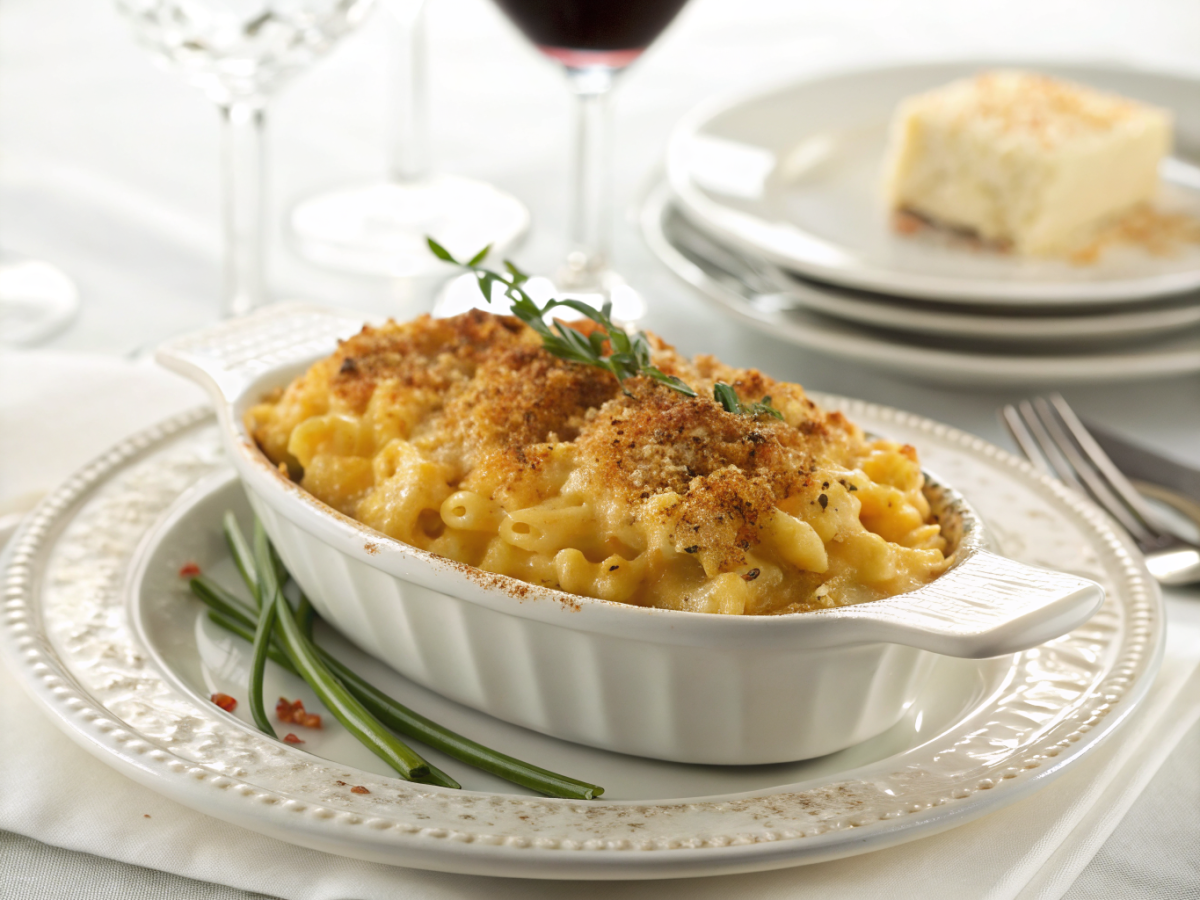
New Orleans Mac and Cheese Recipe: 5 Easy Tips for the Best Results

Quick and easy new orleans mac and cheese

Quick and Easy New Orleans Mac and Cheese
A creamy, spicy Cajun-inspired mac and cheese with bold New Orleans flavors that comes together in under 30 minutes.
Prep Time 10 minutes
Cook Time 20 minutes
Total Time 30 minutes
Servings: 6 servings
Course: Dinner Recipes
Cuisine: American
Calories: 685

Ingredients
  

  • 1 pound elbow macaroni
  • 4 tablespoons butter
  • 3 tablespoons all-purpose flour
  • 2.5 cups whole milk
  • 1 cup heavy cream
  • 3 cups sharp cheddar cheese shredded
  • 1 cup pepper jack cheese shredded
  • 2 teaspoons Cajun seasoning
  • 1 teaspoon garlic powder
  • 0.5 teaspoon cayenne pepper adjust to taste
  • 1 teaspoon salt
  • 0.5 teaspoon black pepper

Method
 

  1. Bring a large pot of salted water to a boil. Add the elbow macaroni and cook according to package directions until al dente, about 8 minutes. Drain and set aside.
  2. In a large pot or Dutch oven over medium heat, melt the butter. Add the flour and whisk constantly for 2-3 minutes until the mixture turns golden and smells nutty, creating a light roux.
  3. Gradually whisk in the milk and heavy cream, stirring constantly to prevent lumps. Continue cooking and stirring for 4-5 minutes until the sauce thickens and coats the back of a spoon.
  4. Stir in the Cajun seasoning, garlic powder, cayenne pepper, salt, and black pepper. Mix well to combine all the spices into the sauce.
  5. Reduce heat to low and add the shredded cheddar and pepper jack cheese in batches, stirring after each addition until completely melted and smooth.
  6. Add the cooked macaroni to the cheese sauce and stir gently until all the pasta is evenly coated with the creamy Cajun cheese sauce.
  7. Taste and adjust seasonings if needed. Serve immediately while hot and creamy, garnished with extra Cajun seasoning or fresh parsley if desired.

Nutrition

Calories: 685kcalCarbohydrates: 58gProtein: 28gFat: 38gSodium: 890mgFiber: 2g

Notes

For extra New Orleans flair, add cooked andouille sausage or blackened shrimp to the finished dish. The pepper jack cheese provides the signature spicy kick, but you can substitute with more cheddar for a milder version. Make sure to shred your own cheese from a block rather than using pre-shredded for the smoothest, creamiest sauce.

Tried this recipe?

Let us know how it was!
nnNew Orleans Mac and Cheese brings bold Creole flavors to the classic comfort food everyone loves. This rich, creamy dish combines perfectly cooked pasta with a spicy cheese sauce that captures the spirit of Louisiana cooking. Whether you’re hosting a dinner party or craving soul-warming comfort food, this recipe delivers restaurant-quality results in your own kitchen.

New Orleans Mac and Cheese: Perfect Recipe in 5 Easy Steps

This New Orleans-inspired version transforms traditional mac and cheese into something extraordinary with the addition of Creole seasonings and bold flavors. The combination of multiple cheeses creates an incredibly creamy texture while the spices add that signature Louisiana kick. You’ll discover how simple ingredients come together to create a dish that’s both comforting and exciting.

The secret to this recipe lies in balancing the heat from Creole spices with the richness of quality cheeses. Unlike standard mac and cheese, this version incorporates bell peppers, onions, and sometimes even andouille sausage for authentic New Orleans character. The result is a dish that stands out at potlucks, family gatherings, and holiday celebrations.

What makes this recipe truly special is how it honors the culinary traditions of New Orleans while remaining accessible to home cooks. The cooking process is straightforward, requiring no advanced techniques or hard-to-find ingredients. With proper timing and attention to detail, you’ll create a memorable dish that rivals anything you’d find in the French Quarter.

Why You’ll Love This New Orleans Mac and Cheese

This recipe delivers maximum flavor with minimal effort, making it perfect for busy weeknights or special occasions. The creamy cheese sauce coats every piece of pasta, while the Creole seasoning adds depth without overwhelming heat. It’s comfort food elevated to a whole new level of deliciousness.

The versatility of this dish means you can easily adjust the spice level to suit your family’s preferences. Add more cayenne for extra heat or keep it mild for younger eaters. Either way, the combination of sharp cheddar, creamy Monterey Jack, and tangy cream cheese creates an irresistible flavor profile.

This mac and cheese also works beautifully as either a main course or a side dish. Serve it alongside grilled chicken, barbecue ribs, or other satisfying dinner recipes for a complete meal. The leftovers reheat wonderfully, making it ideal for meal prep and planning ahead.

The visual appeal of this dish shouldn’t be overlooked either. The golden-brown top layer, flecked with colorful bell peppers and herbs, makes for an impressive presentation. Your guests will be reaching for seconds before they’ve finished their first serving.

Core Ingredients for New Orleans Mac and Cheese

New orleans mac and cheese ingredients

The foundation of this recipe starts with quality pasta, preferably elbow macaroni or cavatappi for their ability to hold sauce. You’ll need about one pound of pasta, which serves six to eight people generously. Choose a pasta shape with ridges or curves to maximize the cheese sauce coverage.

For the cheese component, you’ll need sharp cheddar cheese, Monterey Jack, and cream cheese. The sharp cheddar provides bold flavor, while Monterey Jack adds creaminess and melts beautifully. Cream cheese creates that signature smooth, velvety texture that makes this mac and cheese so luxurious.

The Creole seasoning blend is what sets this recipe apart from standard mac and cheese. You’ll need paprika, cayenne pepper, garlic powder, onion powder, dried thyme, and dried oregano. Black pepper and salt round out the spice profile, creating that authentic Louisiana flavor.

Fresh vegetables add color, texture, and nutrition to the dish. Bell peppers in multiple colors, along with diced onion and minced garlic, form the aromatic base. Some recipes also include diced tomatoes or green onions for additional freshness and visual appeal.

The sauce requires butter, all-purpose flour, whole milk, and heavy cream. These ingredients create the roux-based cheese sauce that’s essential to the recipe’s success. Don’t skimp on the dairy—full-fat versions produce the richest, most satisfying results.

Optional additions include andouille sausage, cooked shrimp, or crispy bacon for protein. Hot sauce like Tabasco or Crystal adds extra Louisiana authenticity. Breadcrumbs mixed with melted butter create a crunchy topping that contrasts beautifully with the creamy interior.

Essential Pantry Items

Keep your pantry stocked with Creole seasoning, which you can purchase pre-made or blend yourself at home. Having quality pasta on hand means you can make this dish whenever the craving strikes. Store dried herbs in a cool, dark place to maintain their potency and flavor.

Invest in good-quality cheese rather than pre-shredded varieties for the best melting properties. Pre-shredded cheese contains anti-caking agents that can affect the sauce’s texture. Freshly grated cheese melts more smoothly and creates a silkier consistency.

Fresh Ingredients Matter

While many ingredients can be pantry staples, fresh bell peppers and onions make a noticeable difference in flavor. Choose firm, brightly colored peppers without soft spots or wrinkles. Fresh garlic provides more aromatic punch than jarred or powdered alternatives, though those work in a pinch.

When selecting dairy products, check expiration dates and choose the freshest options available. Whole milk and heavy cream should smell sweet and clean, without any sour notes. Quality dairy products contribute significantly to the final dish’s richness and taste.

How to Make New Orleans Mac and Cheese: Step-by-Step

Begin by bringing a large pot of salted water to a rolling boil for the pasta. Use about one tablespoon of salt per gallon of water to properly season the pasta as it cooks. This step ensures your noodles have flavor throughout, not just from the sauce.

While the water heats, prepare your vegetables by dicing the bell peppers and onion into small, uniform pieces. Mince the garlic finely so it distributes evenly throughout the dish. Having everything prepped before you start cooking makes the process smooth and stress-free.

Cook the pasta according to package directions until it’s just al dente, typically about seven to eight minutes. You want the pasta slightly undercooked since it will continue cooking when combined with the hot cheese sauce. Drain the pasta but don’t rinse it—the starch helps the sauce adhere better.

In a large skillet or sauté pan, melt two tablespoons of butter over medium heat. Add the diced onions and bell peppers, cooking until they soften and become fragrant, about five minutes. Stir in the minced garlic and cook for another minute until aromatic.

If you’re adding protein like andouille sausage, cook it in the pan with the vegetables until browned. The sausage releases flavorful oils that enhance the entire dish. Remove the vegetable mixture from the pan and set aside while you prepare the cheese sauce.

Creating the Perfect Cheese Sauce

In a large saucepan, melt four tablespoons of butter over medium heat until it begins to foam. Whisk in an equal amount of all-purpose flour, stirring constantly to create a smooth roux. Cook this mixture for two to three minutes, stirring continuously to eliminate the raw flour taste.

Gradually add the milk and cream to the roux, whisking constantly to prevent lumps from forming. Pour slowly at first, incorporating each addition completely before adding more liquid. This technique ensures a smooth, lump-free sauce that’s the hallmark of great mac and cheese.

Once all the liquid is incorporated, continue cooking and stirring until the sauce thickens enough to coat the back of a spoon. This usually takes five to seven minutes over medium heat. Be patient during this step—rushing will result in a thin, runny sauce.

Reduce the heat to low and begin adding the shredded cheeses in handfuls, stirring after each addition until melted. Add the cream cheese in chunks, stirring until it’s completely incorporated and the sauce is silky smooth. The cream cheese adds tanginess and helps create that luxurious, velvety texture.

Season the cheese sauce with your Creole spice blend, adjusting the cayenne pepper to your heat preference. Taste and adjust the seasoning, adding salt and black pepper as needed. Remember that the pasta will dilute the sauce slightly, so it should taste slightly over-seasoned at this stage.

Combining and Finishing

Add the cooked pasta and sautéed vegetables to the cheese sauce, stirring gently to coat every piece evenly. The pasta should be completely covered in the creamy sauce with no dry spots. If the mixture seems too thick, add a splash of milk to achieve your desired consistency.

For a baked version, transfer the mac and cheese to a greased baking dish and top with additional shredded cheese and breadcrumbs. Bake at 350°F for 20-25 minutes until the top is golden brown and bubbly. This step adds textural contrast with a crispy top layer.

If serving immediately without baking, let the mac and cheese rest for five minutes before serving. This allows the sauce to thicken slightly and makes serving easier. Garnish with chopped fresh parsley or green onions for color and freshness.

For those interested in quick and easy meal solutions, this recipe can be prepared ahead and refrigerated before the final baking step. Simply cover tightly with foil and refrigerate for up to 24 hours, then bake as directed, adding an extra 10 minutes to the cooking time.

Nutrition & Health Benefits

While New Orleans Mac and Cheese is undeniably indulgent, it does provide several nutritional benefits when enjoyed as part of a balanced diet. The pasta offers complex carbohydrates for sustained energy, while the cheese provides protein and calcium. One serving contains approximately 450-550 calories, depending on portion size and specific ingredients used.

The cheese component delivers significant amounts of calcium, which supports bone health and muscle function. Each serving provides roughly 30% of the daily recommended calcium intake. The protein content, typically 18-22 grams per serving, helps with satiety and muscle maintenance.

Bell peppers add vitamin C, vitamin A, and antioxidants to the dish without adding significant calories. These colorful vegetables support immune function and eye health. The variety of colors—red, yellow, and green—provides different antioxidant profiles for maximum nutritional benefit.

Garlic and onions contain compounds with anti-inflammatory properties and may support cardiovascular health. While present in small amounts, these aromatics contribute beneficial sulfur compounds. The Creole spices, particularly cayenne pepper, may boost metabolism slightly and provide capsaicin’s anti-inflammatory benefits.

Making Healthier Modifications

To reduce calories and fat, consider using reduced-fat cheeses and milk instead of full-fat versions. You can cut about 100-150 calories per serving with these substitutions. However, be aware that the texture may be slightly less creamy with lower-fat dairy products.

Increase the vegetable content by adding spinach, diced tomatoes, or mushrooms to boost fiber and nutrients. These additions increase the volume of the dish without significantly increasing calories. Extra vegetables also add moisture, allowing you to use slightly less cheese sauce.

Whole wheat pasta provides more fiber and nutrients than traditional white pasta, adding about 3-4 grams of fiber per serving. The nutty flavor of whole wheat pasta complements the bold Creole seasonings nicely. For even more protein, try chickpea or lentil-based pasta alternatives.

Portion control is key when enjoying rich dishes like this one. Serve smaller portions alongside a large green salad or steamed vegetables for a more balanced meal. You can learn more about balanced nutrition from resources like this guide to incorporating dairy into meals.

Variations & Substitutions

The beauty of this recipe lies in its adaptability to different tastes and dietary needs. For a seafood version, add cooked shrimp, crawfish, or lump crabmeat during the final mixing stage. These proteins complement the Creole flavors perfectly and create a dish reminiscent of Louisiana seafood boils.

Meat lovers can incorporate diced andouille sausage, crispy bacon, or pulled chicken for added protein and smoky flavor. Brown the meat separately before adding to ensure proper texture and flavor development. The rendered fat from sausage or bacon can even replace some of the butter in the recipe.

For a vegetarian version, omit any meat additions and increase the vegetables instead. Add mushrooms, zucchini, or roasted red peppers for extra substance and flavor. Smoked paprika can provide some of the smoky notes typically contributed by sausage or bacon.

Cheese variations can dramatically change the flavor profile while maintaining the creamy texture. Try substituting pepper jack for Monterey Jack to increase the heat level. Gruyère or fontina can replace some of the cheddar for a more sophisticated, nutty flavor.

Dietary Accommodations

For gluten-free diets, use gluten-free pasta and substitute cornstarch or rice flour for the all-purpose flour in the roux. Most Creole seasonings are naturally gluten-free, but always check labels to be certain. The texture and flavor remain excellent with these simple substitutions.

Creating a dairy-free version requires more significant modifications but is entirely possible. Use plant-based butter, cashew cream or coconut milk, and dairy-free cheese alternatives. Nutritional yeast adds a cheesy flavor that works well in vegan versions.

For those watching sodium intake, use low-sodium cheese and broth, and reduce or eliminate added salt. The Creole spices provide plenty of flavor without relying heavily on salt. Fresh herbs like basil, parsley, and thyme can enhance flavor without adding sodium.

Creative Flavor Twists

Add a Cajun twist by incorporating blackened chicken or shrimp seasoned with extra Creole spices. The charred exterior of blackened proteins adds textural contrast and intensified flavor. This variation transforms the dish into a complete meal that needs no accompaniments.

For a breakfast version, add scrambled eggs and breakfast sausage to create a morning-appropriate mac and cheese. This hearty option works wonderfully for brunch gatherings. Top with hot sauce and green onions for authentic New Orleans breakfast flavor.

Create a buffalo-style version by adding buffalo sauce to the cheese mixture and topping with blue cheese crumbles. This spicy, tangy variation appeals to fans of buffalo chicken. Serve with celery sticks and ranch dressing for the complete buffalo experience.

Serving Suggestions

New Orleans Mac and Cheese shines as a standalone main course but also pairs beautifully with various proteins and sides. Serve it alongside grilled or blackened fish for a Louisiana-inspired surf and turf experience. The creamy richness complements the charred, seasoned exterior of grilled seafood perfectly.

For barbecue gatherings, this mac and cheese is the ultimate side dish that steals the show. It pairs exceptionally well with smoked ribs, pulled pork, or brisket. The creamy, spicy flavors balance the smoky, sweet notes of barbecue sauce beautifully.

Create a Southern feast by serving this dish with fried chicken, collard greens, and cornbread. The combination of textures and flavors represents the best of Southern comfort food. Add a simple cucumber salad or coleslaw to cut through the richness.

For a lighter meal, serve smaller portions of mac and cheese alongside a large mixed green salad with vinaigrette dressing. The acidity and freshness of the salad balance the rich, creamy pasta perfectly. This approach allows you to enjoy the indulgence without feeling overly full.

Presentation Ideas

Serve the mac and cheese in individual ramekins for an elegant presentation at dinner parties. Top each portion with fresh herbs and a sprinkle of paprika for visual appeal. Individual servings also make portion control easier and look impressive on the table.

For casual gatherings, serve family-style in a large, colorful serving bowl or cast-iron skillet. The rustic presentation suits the dish’s comfort food nature perfectly. Garnish with chopped parsley, sliced green onions, and a dusting of additional Creole seasoning.

Create a mac and cheese bar for parties by offering various toppings in small bowls. Provide options like crispy bacon bits, diced jalapeños, extra cheese, breadcrumbs, and hot sauce. Guests can customize their portions to their taste preferences.

Beverage Pairings

Cold beer, particularly lagers or wheat beers, pairs excellently with this rich, spicy dish. The carbonation and crispness cut through the creamy cheese sauce beautifully. For wine lovers, a crisp Sauvignon Blanc or unoaked Chardonnay provides similar refreshing contrast.

Sweet iced tea is a classic Southern pairing that complements the spicy Creole flavors perfectly. The sweetness balances the heat while the cold temperature refreshes the palate. For an adult version, try a bourbon-spiked sweet tea or a classic Sazerac cocktail.

Non-alcoholic options include lemonade, sparkling water with lime, or a refreshing fruit punch. These beverages cleanse the palate between bites without competing with the bold flavors. Check out refreshing beverage ideas for more inspiration.

Common Mistakes to Avoid

One of the most frequent errors is overcooking the pasta before combining it with the cheese sauce. Remember that the pasta continues cooking when mixed with hot sauce and especially during baking. Always cook pasta one to two minutes less than package directions suggest for al dente texture.

Another common mistake is adding cheese to sauce that’s too hot, causing it to separate and become grainy. Always reduce heat to low before adding cheese, and add it gradually while stirring constantly. Patience during this step ensures a smooth, creamy sauce every time.

Using pre-shredded cheese is convenient but often results in a less smooth sauce due to anti-caking additives. These additives prevent proper melting and can create a grainy texture. Taking the extra few minutes to shred cheese yourself makes a noticeable difference in the final result.

Many home cooks make their sauce too thick initially, forgetting that the pasta will absorb liquid as it sits. The sauce should look slightly too thin when you first combine it with the pasta. It will thicken to the perfect consistency as it rests or bakes.

Seasoning Errors

Under-seasoning is a critical mistake that results in bland mac and cheese despite quality ingredients. The cheese sauce needs more seasoning than you might expect because the pasta dilutes the flavors. Always taste and adjust seasonings before combining the sauce with pasta.

Conversely, adding too much cayenne pepper can make the dish uncomfortably spicy for many palates. Start with less cayenne than the recipe suggests, then add more to taste. You can always increase heat, but you can’t remove it once added.

Forgetting to salt the pasta water is a missed opportunity to season the dish from within. Properly salted pasta water should taste like seawater. This foundational step ensures every component of the dish is well-seasoned, not just the sauce.

Texture Problems

Creating a roux that’s too dark results in a bitter-tasting sauce with an off-putting color. The roux for mac and cheese should be pale blonde, cooked just long enough to eliminate raw flour taste. Watch it carefully and stir constantly to prevent burning.

Adding liquid too quickly to the roux creates lumps that are difficult to smooth out. Pour the milk in a thin, steady stream while whisking vigorously. If lumps do form, strain the sauce through a fine-mesh sieve before adding cheese.

Baking at too high a temperature causes the edges to dry out while the center remains undercooked. Maintain oven temperature at 350°F for even cooking and browning. Cover with foil for the first half of baking if the top browns too quickly.

Storage & Meal Prep Tips

Proper storage ensures your New Orleans Mac and Cheese remains delicious for several days after preparation. Transfer cooled leftovers to an airtight container and refrigerate within two hours of cooking. Properly stored, the mac and cheese stays fresh for three to four days in the refrigerator.

For best reheating results, add a splash of milk or cream to restore the sauce’s creamy consistency. Microwave individual portions in 30-second intervals, stirring between each, until heated through. Alternatively, reheat in a covered baking dish at 325°F for 20-25 minutes.

This dish freezes surprisingly well for up to three months when properly packaged. Portion into individual servings in freezer-safe containers for convenient single servings. Leave about half an inch of headspace to allow for expansion during freezing.

To freeze, cool the mac and cheese completely before transferring to freezer containers or heavy-duty freezer bags. Remove as much air as possible to prevent freezer burn. Label containers with the date and contents for easy identification.

Meal Prep Strategies

Prepare the cheese sauce and cook the pasta separately, storing them in separate containers in the refrigerator. This method prevents the pasta from absorbing too much sauce and becoming mushy. Combine and bake when ready to serve for the freshest texture.

Make a double batch and freeze half for future meals when you need dinner in a hurry. Having homemade mac and cheese in the freezer is like having a gourmet convenience food ready to go. Thaw overnight in the refrigerator before reheating.

Prep all ingredients—shredded cheese, diced vegetables, measured spices—in advance and store in labeled containers. This mise en place approach makes weeknight cooking much faster and less stressful. You can complete all prep work on the weekend for easy assembly during the week.

Thawing and Reheating from Frozen

The safest method for thawing frozen mac and cheese is overnight in the refrigerator. This slow thawing prevents bacterial growth and maintains the best texture. Plan ahead and transfer from freezer to fridge the night before you want to serve it.

For faster thawing, place the sealed container in cold water, changing the water every 30 minutes. Never thaw mac and cheese at room temperature, as this creates food safety risks. Once thawed, reheat promptly and do not refreeze.

Reheat frozen mac and cheese directly from frozen by covering tightly with foil and baking at 350°F for 45-60 minutes. Remove the foil for the last 10 minutes to crisp the top. The center should reach 165°F for food safety.

Final Thoughts on New Orleans Mac and Cheese

This New Orleans Mac and Cheese recipe successfully combines the comfort of classic mac and cheese with the exciting flavors of Louisiana cuisine. The creamy cheese sauce, bold Creole seasonings, and colorful vegetables create a dish that’s both familiar and adventurous. It’s the perfect recipe for anyone looking to elevate their comfort food game.

Leave a Comment

Recipe Rating