
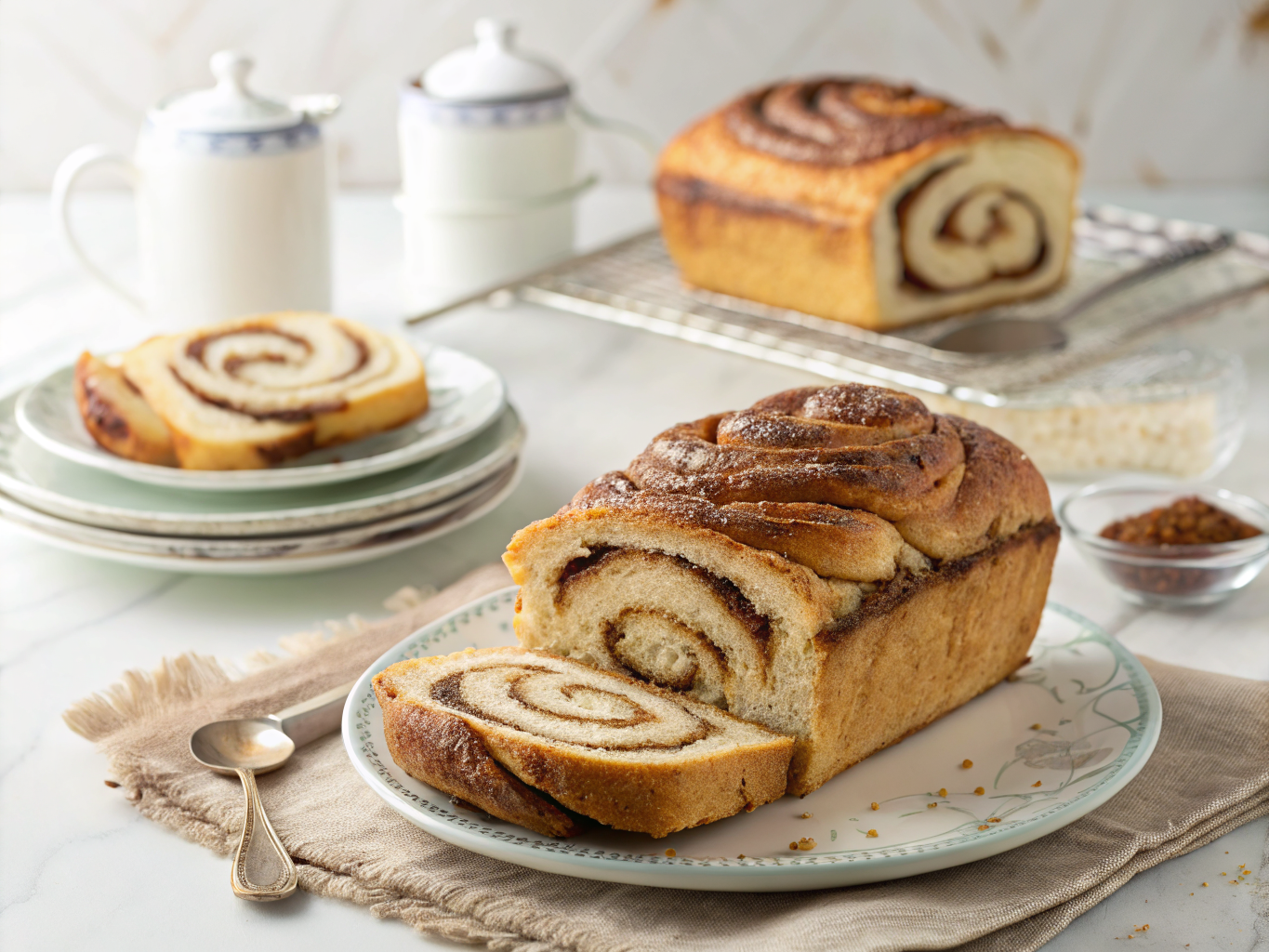
Cinnamon Swirl Bread
Ingredients
Method
- In a large bowl, combine warm milk, yeast, and 1 tablespoon of the granulated sugar. Let stand for 5-10 minutes until frothy. Add the remaining granulated sugar, egg, melted butter, and salt. Mix well.
- Gradually add the flour, mixing until a shaggy dough forms. Turn onto a lightly floured surface and knead for 5-7 minutes, until smooth and elastic. Place in a greased bowl, cover, and let rise in a warm place for 1-1.5 hours, or until doubled in size.
- While the dough is rising, prepare the cinnamon swirl by combining brown sugar and cinnamon in a small bowl. Set aside.
- Punch down the risen dough and turn it out onto a lightly floured surface. Roll into a 12x9 inch rectangle. Brush the surface with the 2 tablespoons of melted butter, then sprinkle evenly with the cinnamon-sugar mixture.
- Starting from a long side, tightly roll up the dough into a log. Pinch the seam closed. Place the log seam-side down into a greased 9x5 inch loaf pan. Cover and let rise again for 30-45 minutes, or until nearly doubled.
- Preheat oven to 375°F (190°C). Bake for 30-35 minutes, or until golden brown and cooked through. If the top browns too quickly, tent loosely with foil. Let cool in the pan for 10 minutes before transferring to a wire rack to cool completely before slicing.
Nutrition
Notes
Tried this recipe?
Let us know how it was!There are some baking projects that transcend mere recipes, becoming heartfelt rituals that fill your home with an intoxicating aroma and your family with joy. Cinnamon Swirl Bread is undoubtedly one of them. This classic comfort food, with its tender crumb, rich cinnamon ribbons, and sweet glaze, holds a special place in the hearts of many, evoking memories of cozy mornings and warm, buttery slices.
Thank you for reading this post, don't forget to subscribe!The Irresistible Allure of Cinnamon Swirl Bread
Imagine waking up to the smell of freshly baked bread, still warm from the oven, its golden-brown crust hinting at the delightful secrets within. That’s the magic of homemade Cinnamon Swirl Bread. It’s more than just a breakfast item; it’s a canvas for culinary creativity, a testament to the simple pleasure of baking from scratch, and a comforting embrace in every bite.
From a simple toaster slice to a decadent French toast base, its versatility is unmatched. Mastering this recipe elevates your baking game and allows you to share a truly special treat with loved ones. Let’s embark on this delicious journey together, uncovering the techniques and tips that guarantee a perfect loaf every time.
Decoding the Art of Yeasted Breads
At its heart, Cinnamon Swirl Bread is a yeasted bread, and understanding yeast is key to its success. Yeast, a living microorganism, is responsible for the bread’s rise, creating that light, airy texture we all love. It feeds on sugar and produces carbon dioxide, which gets trapped in the dough, causing it to expand.
Working with yeast requires a bit of patience and attention to detail. Optimal water temperature, proper kneading, and sufficient proofing times are crucial for activating the yeast and allowing it to do its miraculous work. Don’t be intimidated; with a few simple guidelines, you’ll become a yeast master in no time.
Core Ingredients: The Building Blocks of Flavor
Every magnificent loaf of Cinnamon Swirl Bread begins with a carefully selected array of ingredients. Each component plays a vital role in creating the bread’s texture, flavor, and overall appeal. Starting with high-quality ingredients ensures a superior final product that truly shines.
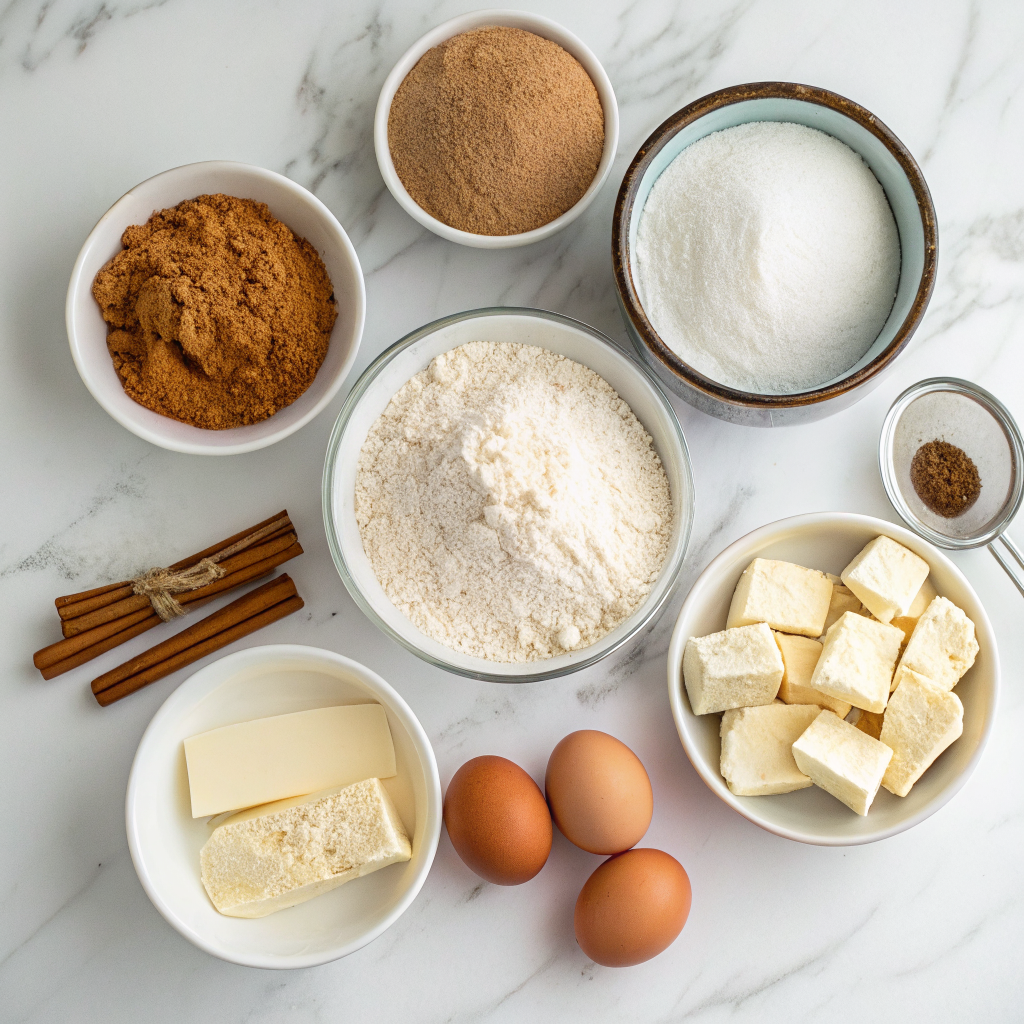
- All-Purpose Flour: The foundation of our bread, providing structure and chew. While bread flour can be used for a chewier texture, all-purpose flour offers a beautifully tender crumb.
- Granulated Sugar: Not just for sweetness, sugar also feeds the yeast, aids in browning, and helps keep the bread tender.
- Active Dry Yeast: The leavening agent that gives the bread its rise and soft texture. Ensure it’s fresh for best results.
- Milk: Adds moisture and richness to the dough, contributing to a softer crumb than water alone. Whole milk is recommended for optimal flavor.
- Unsalted Butter: Enriches the dough, making it more tender and flavorful. It also contributes to a beautiful golden crust.
- Eggs: Add richness, color, and contribute to the bread’s structure and softness.
- Salt: Essential for flavor balance and also helps to control yeast activity. Don’t skip it!
- Vanilla Extract: Enhances the overall flavor profile of the dough, adding a subtle warmth.
For the Cinnamon Swirl: The Heart of the Loaf
- Brown Sugar: Provides a deeper, more molasses-like sweetness and a moist texture to the swirl.
- Ground Cinnamon: The star spice, offering its characteristic warmth and aromatic presence. Use fresh, good-quality cinnamon for the best flavor.
- Melted Unsalted Butter: Helps bind the cinnamon-sugar mixture and creates a barrier, preventing it from completely dissolving into the dough.
For the Glaze (Optional but Highly Recommended): The Sweet Finish
- Powdered Sugar: Creates a smooth, pourable glaze.
- Milk (or Cream): Thins the powdered sugar to the desired consistency.
- Vanilla Extract: Adds another layer of warm flavor to the glaze.
Crafting the Dough: Step-by-Step Excellence
The journey to perfect Cinnamon Swirl Bread begins with meticulous dough preparation. Each step is designed to build flavor, develop gluten, and ensure a light, airy texture. Patience and precision at this stage will yield delicious rewards.
Step 1: Activating the Yeast
- In a large bowl (or the bowl of a stand mixer), gently warm the milk to a temperature between 105-115°F (40-46°C). It should feel warm to the touch, not hot.
- Stir in 1 tablespoon of the granulated sugar, then sprinkle the active dry yeast over the milk.
- Let it sit for 5-10 minutes until the mixture becomes foamy. This indicates the yeast is active and ready to work its magic. If no foam appears, your yeast might be old or the milk temperature was off; start again with fresh yeast.
Step 2: Mixing the Dough
- To the activated yeast mixture, add the remaining granulated sugar, melted butter, eggs, and vanilla extract. Whisk briefly to combine.
- Gradually add the all-purpose flour, one cup at a time, mixing on low speed with a dough hook attachment (or by hand with a wooden spoon) until a shaggy dough forms.
- Add the salt, then continue mixing (or kneading by hand) for 8-10 minutes. The dough should be smooth, elastic, and pull away from the sides of the bowl. If kneading by hand, flour your surface lightly and use a push-fold-turn motion until the dough is pliable.
Step 3: The First Rise (Bulk Fermentation)
- Lightly grease a large bowl with a neutral oil or non-stick spray.
- Place the dough in the greased bowl, turning once to coat the entire surface.
- Cover the bowl tightly with plastic wrap or a clean kitchen towel and place it in a warm, draft-free spot. An oven with the light on (but not heated) works perfectly.
- Allow the dough to rise for 1-1.5 hours, or until it has doubled in size. This first rise develops flavor and texture.
Crafting the Cinnamon Filling and Shaping the Loaf
The swirl is what makes this bread truly iconic. A perfectly prepared filling and precise shaping technique ensure beautiful layers and an even distribution of cinnamon sugar throughout the loaf. This stage requires a delicate touch and a keen eye.
Step 4: Preparing the Cinnamon Swirl
- While the dough is rising, prepare the cinnamon filling. In a small bowl, combine the brown sugar and ground cinnamon.
- Melt the indicated amount of unsalted butter and set aside. This butter will be brushed onto the dough before sprinkling the cinnamon sugar.
Step 5: Punching Down and Shaping
- Once the dough has doubled, gently punch it down to release the air.
- Lightly flour a clean work surface. Turn the dough out onto the floured surface and gently shape it into a rough rectangle.
- Using a rolling pin, roll the dough into a large rectangle, approximately 18×12 inches (45×30 cm). Aim for an even thickness across the entire surface.
- Brush the surface of the dough evenly with the melted unsalted butter, leaving a small border (about ½ inch) along one of the longer edges untouched.
- Evenly sprinkle the brown sugar and cinnamon mixture over the buttered surface, again leaving that small border.
- Starting from the longer edge opposite the unbuttered border, tightly roll up the dough into a log. Aim for a snug roll to ensure a tight swirl and prevent gaps.
- Firmly pinch the seam closed to seal the log.
Step 6: Preparing for the Second Rise
- Grease a 9×5-inch (23×13 cm) loaf pan with butter or non-stick spray, or line it with parchment paper for easy removal.
- Carefully transfer the rolled dough log, seam-side down, into the prepared loaf pan.
The Final Rise and Baking Brilliance
The second rise, also known as proofing, is vital for achieving the perfect texture and volume. Baking at the correct temperature ensures a golden crust and a thoroughly cooked interior. These final steps are where your patience truly pays off.
Step 7: The Second Rise (Proofing)
- Cover the loaf pan loosely with plastic wrap or a clean kitchen towel.
- Place it in a warm, draft-free spot for another 45-60 minutes, or until the dough has nearly doubled in size and looks puffy. It should peek over the edge of the loaf pan.
- Towards the end of the second rise, preheat your oven to 375°F (190°C).
Step 8: Baking the Loaf
- Carefully remove the plastic wrap.
- Bake for 35-45 minutes, or until the top is golden brown and a wooden skewer or instant-read thermometer inserted into the center (avoiding the cinnamon swirl) reads 190-200°F (88-93°C). If the top starts to brown too quickly, you can loosely tent it with aluminum foil.
- Once baked, remove the loaf from the oven.
Step 9: Cooling and Glazing
- Allow the Cinnamon Swirl Bread to cool in the loaf pan for 10-15 minutes. This prevents it from collapsing and makes it easier to remove.
- Carefully invert the bread onto a wire rack to cool completely. Cooling on a rack allows air to circulate, preventing the bottom from becoming soggy.
- While the bread cools, prepare the glaze (if using). In a small bowl, whisk together the powdered sugar, milk (adding a little at a time until you reach your desired consistency), and vanilla extract until smooth.
- Once the bread is mostly cool (or completely cool, for a set glaze), drizzle the glaze generously over the top.
- Slice and enjoy! This bread is best enjoyed fresh on the day it’s made, but it stores well too. For more storage tips, visit our storage tips for baked goods page.
Mastering Common Cinnamon Swirl Bread Challenges
Even seasoned bakers encounter hiccups. Understanding common issues and their solutions will empower you to troubleshoot and achieve perfect results consistently. Don’t let these minor setbacks deter you from baking success.
- My dough didn’t rise: This is almost always a yeast issue. Ensure your yeast is fresh and your liquid temperature is within the recommended range. Too hot will kill it; too cold won’t activate it.
- My bread is dense: Over-kneading or under-proofing can lead to dense bread. Ensure you’re kneading until elastic, and let it rise until truly doubled in size. Not enough liquid can also create a stiff dough.
- The cinnamon swirl “disappeared”: This often happens if the swirl isn’t rolled tightly enough or if there isn’t enough butter to act as a barrier. Ensure a good amount of butter and a snug roll. You might also want to check our perfect swirl techniques for more details.
- My bread is dry: Over-baking is a common culprit. Use an instant-read thermometer to check for doneness. Insufficient fat (butter) or liquid in the dough can also contribute to dryness.
- The loaf sank in the middle: This can be due to over-proofing (the yeast used up all its energy), under-baking (structure not fully set), or removing the loaf from the pan too quickly before it cools slightly.
Elevate Your Loaf: Creative Variations
While the classic Cinnamon Swirl Bread is perfect as is, there’s always room for personalization. These variations allow you to tailor the bread to your taste preferences and explore new flavor combinations. Baking is all about experimentation!
- Nutty Swirl: Add finely chopped pecans, walnuts, or almonds to the cinnamon filling for added texture and flavor.
- Cream Cheese Swirl: Before rolling, spread a thin layer of softened cream cheese mixed with a little sugar and vanilla over the dough, then add the cinnamon sugar.
- Apple Cinnamon: Thinly slice peeled apples and layer them over the buttered dough before sprinkling with cinnamon sugar. This adds moisture and a delightful fruitiness.
- Chocolate Swirl: Substitute some of the cinnamon sugar with mini chocolate chips or finely chopped good-quality chocolate for a decadent treat.
- Cardamom & Orange: Replace half of the cinnamon with ground cardamom and add a teaspoon of orange zest to the dough for an aromatic twist.
The Healthier Side of Homemade Bread
While often seen as an indulgence, homemade Cinnamon Swirl Bread, when made with quality ingredients, can be part of a balanced diet. Unlike store-bought versions that often contain preservatives and high-fructose corn syrup, your homemade loaf offers transparency and control over what you consume. You can even make subtle adjustments to enhance its nutritional profile.
For instance, using whole wheat pastry flour for a portion of the all-purpose flour can boost fiber content without significantly altering the texture. Reducing granulated sugar slightly can also help, focusing on the natural sweetness of the cinnamon. Understanding basic nutrition can help you make informed choices, as highlighted by Healthline’s guide on whole vs. refined grains.
Baking at home also gives you control over the quality of fats used. Opting for unsalted butter allows you to manage sodium intake, a factor discussed by Medical News Today regarding low-sodium diets. These small changes can make a difference in your overall dietary choices without sacrificing flavor or enjoyment. Harvard Health also provides excellent insights into the truth about fats, which can guide your ingredient choices.
Storage and Reheating Recommendations
Proper storage is crucial for maintaining the freshness and deliciousness of your homemade Cinnamon Swirl Bread. While it’s tempting to devour it all immediately, sometimes you need to save some for later. These tips ensure your labor of love stays delightful.
- Room Temperature: Store unsliced bread wrapped tightly in plastic wrap or placed in an airtight container for up to 2-3 days at room temperature. Sliced bread tends to dry out faster.
- Refrigeration: While typically not recommended for most breads as it can accelerate staling, if your kitchen is very warm or humid, refrigerating might extend its life by an extra day. Wrap it well.
- Freezing for Longer Term: For optimal freshness beyond a few days, freeze the bread. You can freeze the whole loaf or individual slices. Wrap the loaf tightly in plastic wrap, then again in aluminum foil. For slices, wrap each individually in plastic, then place in a freezer-safe bag. It can be frozen for up to 3 months.
- Reheating:
- From Room Temperature: Warm slices in a toaster oven, microwave briefly, or in a regular oven at 300°F (150°C) for a few minutes until warm and soft.
- From Frozen: Thaw a whole loaf overnight in the refrigerator, then warm as above. Individual slices can be placed directly into a toaster or toaster oven. You can also visit our guide on the best bread reheating methods for more tips.
The Joy of Sharing Homemade Goodness
Baking Cinnamon Swirl Bread is an act of love, and the real reward comes from sharing it. Whether it’s a breakfast treat for the family, a thoughtful gift for a neighbor, or a centerpiece for a brunch gathering, its comforting appeal is universal. The smiles it brings are priceless.
From the moment the sweet cinnamon aroma fills your kitchen to the first bite of a tender, glazed slice, this bread is a journey of sensory delight. Embrace the process, savor the results, and create lasting memories around this cherished classic. Happy baking!
Frequently Asked Questions About Cinnamon Swirl Bread
Q1: Why is my dough not rising?
A1: The most common reasons for dough not rising are inactive yeast, liquid that is too hot (killing the yeast) or too cold (not activating it), or an environment that is too cold for proofing. Ensure your yeast is fresh, your liquid is between 105-115°F (40-46°C), and your proofing spot is warm and draft-free.
Q2: Can I make this bread ahead of time?
A2: Yes, you can! You can prepare the dough up to the first rise, then punch it down, shape it, and place it in the loaf pan. Cover tightly and refrigerate overnight (up to 24 hours). The next morning, take it out of the fridge and let it come to room temperature and proof (about 1.5-2 hours, as it will be cold) before baking as directed.
Q3: How do I store leftover Cinnamon Swirl Bread?
A3: Store unsliced bread tightly wrapped in plastic wrap or in an airtight container at room temperature for 2-3 days. For longer storage, freeze the loaf or individual slices, wrapped well, for up to 3 months. Thaw at room temperature or reheat from frozen if individual slices.
Q4: Can I use different types of flour?
A4: For this recipe, all-purpose flour provides the best, most tender crumb. Bread flour can be used for a chewier texture. While you can substitute a small portion (up to 25%) with whole wheat pastry flour for added fiber, using a high percentage of whole wheat flour will result in a denser loaf and may require additional liquid.
Q5: My cinnamon swirl melted and disappeared into the bread. What went wrong?
A5: This often happens if the dough isn’t rolled tightly enough, allowing the cinnamon-sugar mixture to escape into the dough during baking. Ensure you brush a good layer of melted butter over the dough before sprinkling the cinnamon-sugar, as the butter acts as a barrier. Roll the log very tightly and pinch the seam securely closed.
