
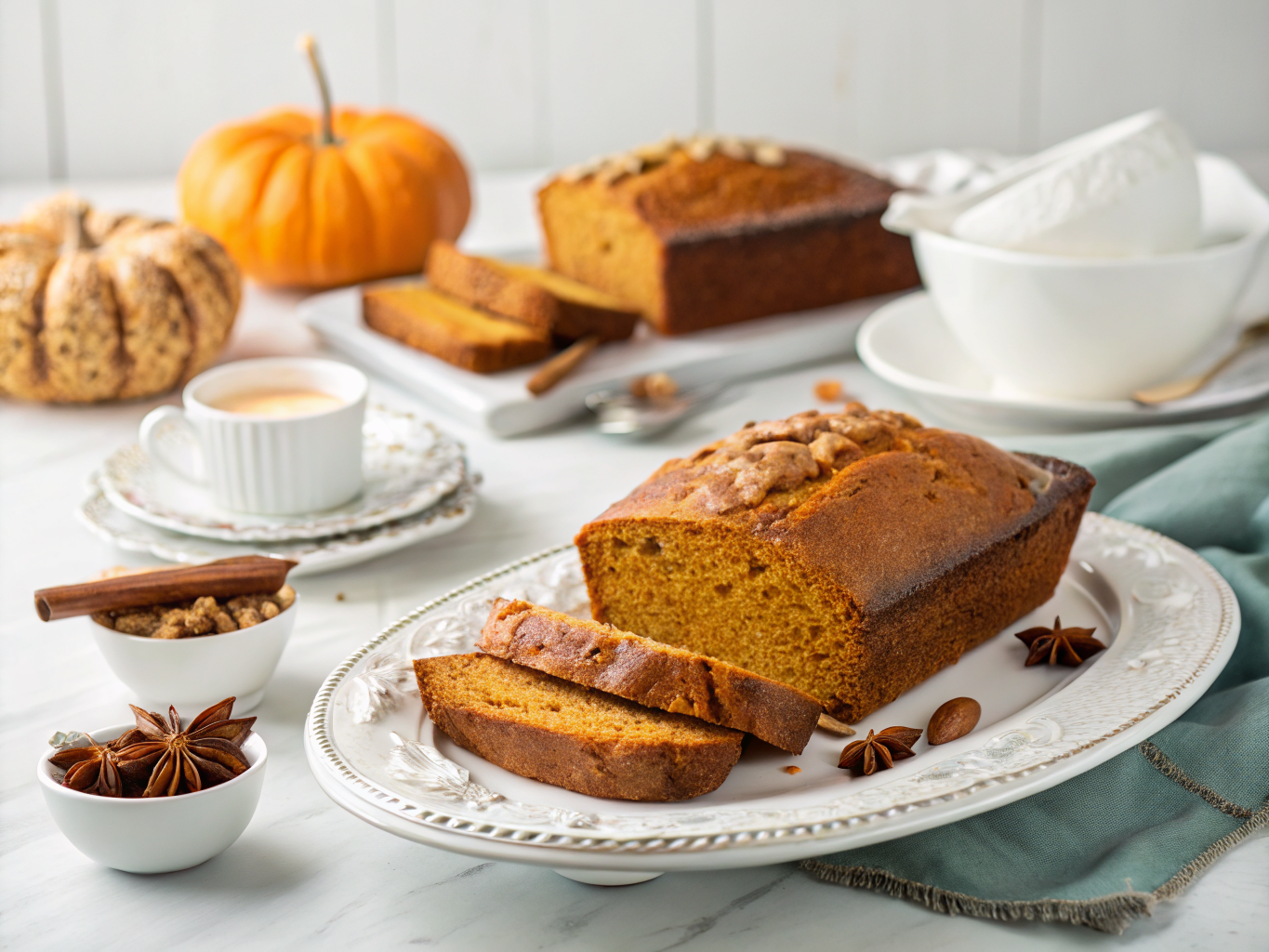
Pumpkin Bread
Ingredients
Method
- Preheat your oven to 350°F (175°C). Grease and flour a 9x5 inch loaf pan.
- In a large bowl, whisk together the flour, baking soda, cinnamon, nutmeg, cloves, and salt. Set aside.
- In a separate large bowl, whisk together the granulated sugar, brown sugar, pumpkin puree, vegetable oil, and eggs until well combined.
- Gradually add the dry ingredients to the wet ingredients, mixing until just combined. Be careful not to overmix.
- Pour the batter into the prepared loaf pan. Bake for 60-70 minutes, or until a wooden skewer inserted into the center comes out clean.
- Let the pumpkin bread cool in the pan for 10-15 minutes before inverting it onto a wire rack to cool completely.
Nutrition
Notes
Tried this recipe?
Let us know how it was!There’s something inherently comforting about the aroma of warm spices and sweet pumpkin filling your kitchen, especially as the crisp air of autumn descends. This isn’t just any pumpkin bread; it’s *the* Pumpkin Bread recipe you’ve been searching for, a true masterpiece of flavor and texture. Get ready to embark on a culinary journey that will make this delightful quick bread a staple in your home.
Thank you for reading this post, don't forget to subscribe!The Unrivaled Charm of Homemade Pumpkin Bread
Few things evoke the spirit of fall quite like a perfectly baked loaf of pumpkin bread. Its tender crumb, fragrant spices, and rich, moist texture make it an irresistible treat. Whether enjoyed for breakfast, a comforting snack, or a delightful dessert, homemade pumpkin bread truly shines.
Our recipe ensures a consistently delicious result, every single time. It’s a taste of nostalgia and a celebration of autumn’s bounty, all wrapped up in one glorious loaf. You’ll soon discover why this recipe quickly becomes a cherished family favorite.
The Science Behind Super Moist Pumpkin Bread
Achieving that coveted super moist texture in pumpkin bread isn’t just luck; it’s a careful balance of ingredients and technique. The star ingredient, pumpkin puree, plays a crucial role. Its high water content naturally contributes to moisture, preventing a dry, crumbly loaf.
Beyond the pumpkin, we incorporate other elements that enhance this characteristic. A precise ratio of wet to dry ingredients, along with the right amount of fat, ensures a supremely tender crumb. Even the addition of certain spices can subtly impact the bread’s overall hydration and mouthfeel.
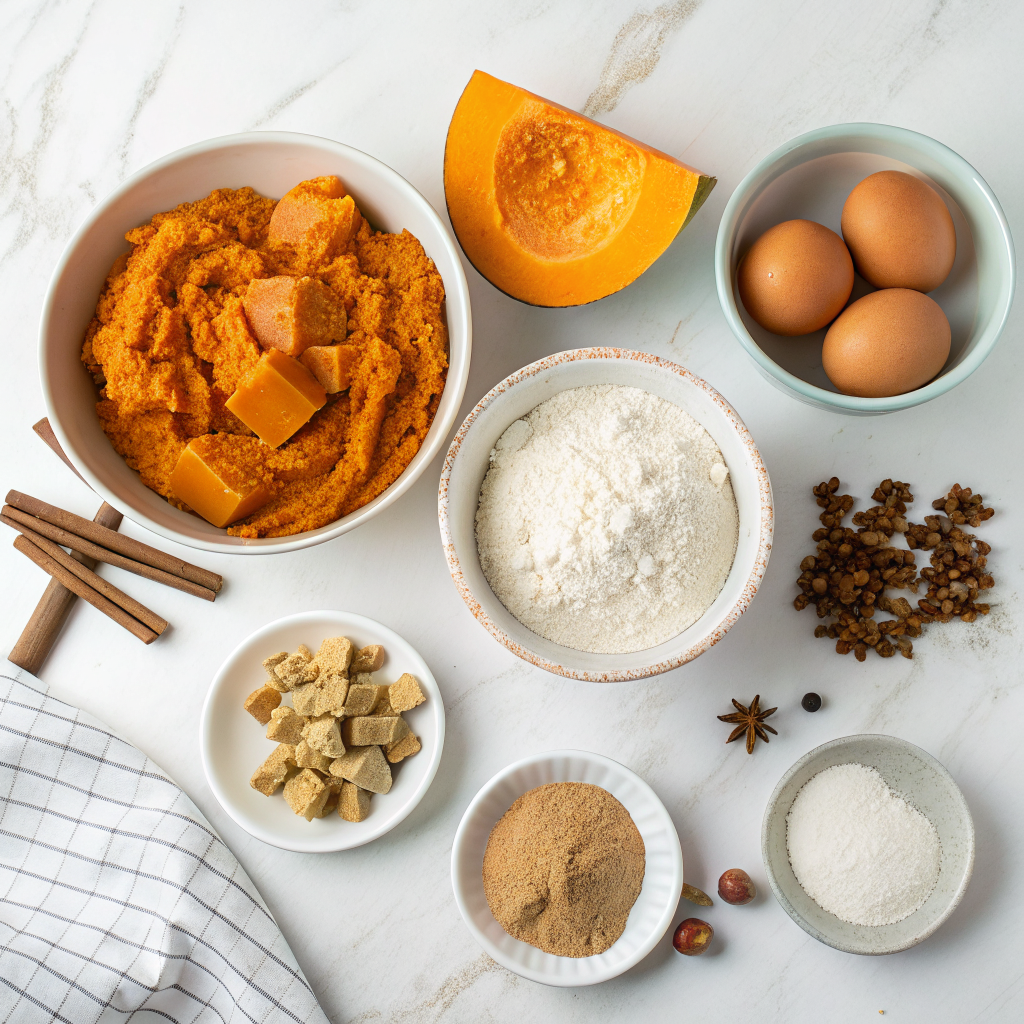
Essential Ingredients for Your Perfect Loaf: Gathering Your Autumn Arsenal
To create the best pumpkin bread, starting with high-quality ingredients is paramount. Each component plays a vital role in the final flavor and texture. Think of it as assembling your autumn arsenal for a delicious battle against blandness.
Don’t settle for mediocre; fresh, fragrant spices and pure pumpkin will elevate your bread from good to extraordinary. A little attention to detail when selecting your ingredients will yield profoundly rewarding results.
Core Ingredients: The Heart of the Loaf
* All-Purpose Flour: The structural backbone of our bread, providing the necessary gluten development.
* Granulated Sugar & Brown Sugar: A blend for balanced sweetness and moisture, with brown sugar adding depth.
* Pumpkin Puree: Not pumpkin pie filling! This is the key to authentic pumpkin flavor and moisture.
* Large Eggs: Binders that contribute to the bread’s rise and tender texture.
* Vegetable Oil: For unparalleled moisture and a delicate crumb, without overpowering other flavors.
* Baking Soda & Baking Powder: Leavening agents that work together to create a light and airy loaf.
* Salt: Essential for balancing sweetness and enhancing all the other flavors.
* Ground Cinnamon, Nutmeg, Ginger, and Cloves: The quintessential pumpkin spice blend that defines autumn.
Optional Add-Ins: Elevating Your Pumpkin Bread Experience
* Chocolate Chips: A classic pairing, especially dark or semi-sweet. They melt into pockets of deliciousness.
* Chopped Nuts: Walnuts or pecans add a delightful crunch and nutty flavor.
* Dried Cranberries: For a festive tartness that brightens the overall profile.
* Pumpkin Seeds: Toasted, they offer a satisfying crunch and a beautiful visual.
* Spiced Glaze: A simple powdered sugar glaze with a hint of cinnamon elevates presentation and taste.
Step-by-Step Guide: How to Bake the Best Pumpkin Bread
Baking pumpkin bread is a straightforward process, but following these steps carefully will ensure success. From mixing to baking, each stage contributes to the perfect loaf. Get ready to transform simple ingredients into something truly spectacular.
Even beginner bakers will find this recipe approachable and rewarding. With a little care and attention, you’ll be pulling a golden-brown masterpiece from your oven.
1. Prep Your Workspace and Ingredients
Preheat your oven to 350°F (175°C). Grease and flour a 9×5-inch loaf pan, or line with parchment paper for easy removal. This crucial step prevents sticking and ensures a beautifully shaped loaf.
Measure out all your ingredients before you begin. This practice, known as *mise en place*, makes the baking process smooth and stress-free.
2. Combine Dry Ingredients
In a medium bowl, whisk together the all-purpose flour, granulated sugar, brown sugar, baking soda, baking powder, salt, cinnamon, nutmeg, ginger, and cloves. Ensure there are no lumps, and the spices are evenly distributed. This dry mixture forms the foundational flavor and structure of your bread.
A well-mixed dry base ensures consistent leavening and spice distribution throughout the loaf. Set this bowl aside for a moment.
3. Mix Wet Ingredients
In a large bowl, whisk together the pumpkin puree, vegetable oil, and eggs until thoroughly combined. The mixture should be smooth and uniform in color. This wet base provides the essential moisture for a tender crumb.
Don’t overmix at this stage; just ensure everything is incorporated. Overmixing can lead to a less tender final product.
4. Combine Wet and Dry Mixtures
Pour the wet ingredients into the dry ingredients. Using a rubber spatula or wooden spoon, mix until *just* combined. A few streaks of flour are perfectly acceptable.
Overmixing the batter at this stage can develop too much gluten, resulting in a tough bread. Gently fold until no dry pockets remain.
5. Incorporate Optional Add-Ins (if using)
If you’re adding chocolate chips, nuts, or dried fruit, fold them gently into the batter now. Evenly distribute them without overworking the mixture. This is where you personalize your loaf.
A light dusting of flour on add-ins can help prevent them from sinking to the bottom of the pan. This ensures every slice gets a delicious inclusion.
6. Bake to Golden Perfection
Pour the batter into your prepared loaf pan and spread evenly. Bake for 50-65 minutes, or until a wooden skewer or toothpick inserted into the center comes out clean. Baking times can vary slightly depending on your oven.
Keep an eye on the top; if it browns too quickly, you can loosely tent it with aluminum foil. This prevents over-browning while the inside finishes baking.
7. Cool and Serve
Once baked, let the pumpkin bread cool in the pan on a wire rack for 10-15 minutes. This allows the bread to set and prevents it from crumbling. Then, carefully invert it onto the rack to cool completely.
Slicing into warm bread is tempting, but waiting until it’s fully cooled enhances its texture and makes for cleaner slices. This also allows the flavors to fully meld together. For more baking tips, check out this guide on how to properly store baked goods.
Mastering the Art of Pumpkin Bread: Expert Tips and Tricks
Even with a fantastic recipe, a few extra pointers can elevate your pumpkin bread from good to truly exceptional. These expert tips address common baking challenges and enhance the overall experience. Every great baker has their secrets, and now you have ours.
From ingredient preparation to baking techniques, these insights will ensure your pumpkin bread is always a winner. You’ll be impressing friends and family with your baking prowess in no time.
Don’t Use Pumpkin Pie Filling
This is perhaps the most crucial tip. Pumpkin puree and pumpkin pie filling are not interchangeable. Pumpkin puree is 100% cooked pumpkin, while pie filling contains added sugars and spices. Using pie filling will drastically alter the sweetness, spice balance, and moisture content of your bread.
Always double-check the label when purchasing canned pumpkin. You want pure, unadulterated pumpkin for this recipe.
Measure Flour Correctly
Too much flour is a common culprit for dry, dense quick breads. Avoid scooping flour directly from the bag with your measuring cup. Instead, fluff the flour with a spoon, then spoon it into your measuring cup and level it off with a straight edge. This method ensures an accurate measurement.
Alternatively, for the most precise results, use a kitchen scale to weigh your flour. Precision in measuring dry ingredients makes a significant difference. You can find more helpful measuring tips on Healthline.
Avoid Overmixing
Overmixing develops gluten, leading to a tough and chewy bread instead of a tender, moist one. Mix the wet and dry ingredients only until *just* combined. A few lumps of flour are actually preferable to an over-mixed batter.
Gentle folding is key to achieving a light and airy crumb. Less is truly more when it comes to mixing quick bread batter.
Proper Oven Temperature is Key
Ensure your oven is accurately calibrated by using an oven thermometer. Many home ovens run hotter or cooler than their display indicates. An accurate temperature is vital for proper rising and even baking.
An oven that’s too hot can brown the outside too quickly while leaving the inside raw. One that’s too cool can result in a dense, underbaked loaf. Getting this right is fundamental.
Let it Rest!
While tempting to slice into a warm loaf, allowing the pumpkin bread to cool completely results in a better texture and flavor. As it cools, the starches firm up, and the flavors meld, making for cleaner slices and a more enjoyable eating experience.
Patience is a virtue, especially in baking. Give your beautiful loaf the time it deserves to transform into its best self.
Serving Suggestions & Creative Pairings
Pumpkin bread is incredibly versatile, lending itself to a variety of serving styles. Whether you prefer it simple or dressed up, there are countless ways to enjoy this autumnal delight. Get creative and make it your own!
From breakfast to dessert, its rich flavor profile makes it suitable for almost any occasion. Think beyond the slice with these delicious ideas.
Classic Ways to Enjoy:
* Plain: Sometimes, the simplest way is the best. Enjoy a slice with a cup of coffee or tea.
* With Butter: A smear of good quality butter enhances the richness of the bread.
* Cream Cheese Frosting: A thin layer of tangy cream cheese frosting turns it into a decadent dessert.
* Toasted: Pop a slice in the toaster for a crispy exterior and warm, soft interior.
Adventurous Pairings:
* Maple Glaze: Drizzle with a simple glaze made from powdered sugar, maple syrup, and a splash of milk.
* Nut Butter: Spread with almond or cashew butter for added protein and healthy fats.
* Yogurt & Granola: Crumble a slice over plain Greek yogurt with some granola for a hearty breakfast.
* Ice Cream: Serve warm slices with a scoop of vanilla bean or cinnamon ice cream for a blissful dessert.
* Compote: A dollop of apple or pear compote adds a lovely fruity twist. For more ideas on fruit pairings, check out a resource like Medical News Today.
Storing Your Pumpkin Bread: Keeping it Fresh
Proper storage ensures your delicious pumpkin bread stays moist and flavorful for as long as possible. Nobody wants a stale loaf, especially after all that effort! A few simple steps will keep your bread at its best.
Understanding the best storage methods will help you enjoy your homemade treat for days. You’ll be glad you took the extra minute to properly preserve it.
At Room Temperature:
Store the cooled loaf tightly wrapped in plastic wrap or aluminum foil, or in an airtight container, for up to 3-4 days. This method works well for immediate consumption.
Keep it in a cool, dry place away from direct sunlight. High humidity can cause it to spoil faster.
In the Refrigerator:
If you want to extend its freshness, move the tightly wrapped loaf to the refrigerator. It will last for up to a week. The cooler temperature slows down spoilage.
Allow it to come to room temperature or gently warm a slice before serving for the best texture and flavor.
Freezing for Longer Storage:
Pumpkin bread freezes beautifully! Wrap the cooled loaf (whole or sliced) tightly in plastic wrap, then an additional layer of aluminum foil. Place it in a freezer-safe bag or container. It will keep for up to 3 months.
Thaw slices at room temperature or warm them gently in the microwave or oven. Freezing is an excellent way to always have a delicious treat on hand. You can find comprehensive freezing guidelines from HomeCookLegacy.
Troubleshooting Common Pumpkin Bread Problems
Even experienced bakers encounter hiccups. Knowing how to diagnose and fix common issues can save your next loaf. Don’t let a small setback deter you from baking!
Understanding the “why” behind baking problems empowers you to become a more confident and skilled baker. Let’s tackle some typical challenges.
Dense or Gummy Texture:
* Cause: Overmixing the batter, too much flour, or old leavening agents.
* Solution: Mix only until just combined. Measure flour accurately. Ensure your baking soda and powder are fresh (test with vinegar or hot water).
Dry or Crumbly Bread:
* Cause: Too much flour, not enough wet ingredients, or overbaking.
* Solution: Measure flour properly. Ensure pumpkin puree is 100% pumpkin. Use a timer and check for doneness at the earliest recommended time.
Sunk in the Middle:
* Cause: Oven door opened too early, oven temperature too low, too much leavening, or underbaked.
* Solution: Don’t open the oven door during the first 3/4 of baking. Calibrate your oven. Ensure correct leavening agent ratios. Bake until a toothpick comes out clean. For more about proper oven use, Harvard Health has useful information here.
Top Browns Too Quickly:
* Cause: Oven temperature too high, or rack placed too high in the oven.
* Solution: Lower oven temperature slightly or move the loaf to a lower rack. Tent loosely with foil if the top is browning excessively.
The Enduring Legacy of Pumpkin Bread
Pumpkin bread isn’t just a recipe; it’s a tradition, a comforting presence during the cooler months. It embodies the warmth of home, the richness of autumn’s harvest, and the joy of sharing. Every loaf carries with it a story, a memory in the making.
We hope this recipe becomes a cherished part of your culinary legacy, passed down through generations. Baking, after all, is an act of love and connection. Discover more timeless recipes at HomeCookLegacy.com.
Pumpkin Bread Recipe FAQ
Q: Can I use fresh pumpkin instead of canned puree?
A: Yes! You can absolutely use homemade pumpkin puree. Ensure it’s thick and smooth, similar to canned puree, and avoid any watery consistency. If it’s too watery, gently simmer it down to reduce moisture. Homemade puree often offers a richer flavor.
Q: What’s the difference between pumpkin puree and pumpkin pie filling?
A: Pumpkin puree is 100% cooked, mashed pumpkin. Pumpkin pie filling, on the other hand, is pre-sweetened and pre-spiced, containing ingredients like sugar, cinnamon, nutmeg, and cloves. They are NOT interchangeable in recipes unless specifically stated.
Q: How can I tell if my pumpkin bread is done baking?
A: The best way is to insert a wooden skewer or toothpick into the center of the loaf. If it comes out clean with no wet batter attached, your bread is done. The top should also be golden brown and spring back slightly when gently pressed.
Q: My bread ended up dense and heavy. What went wrong?
A: This usually indicates overmixing the batter. Overmixing develops the gluten in the flour too much, leading to a tough, dense texture. Mix only until the wet and dry ingredients are *just* combined, with a few small lumps still visible.
Q: Can I make this a gluten-free pumpkin bread?
A: While this specific recipe is not written for gluten-free, you can often substitute all-purpose flour with a 1:1 gluten-free all-purpose baking flour blend that contains xanthan gum. Results may vary slightly in texture, but it’s often a good alternative.
Q: How should I store leftover pumpkin bread to keep it fresh?
A: Once completely cooled, wrap the loaf tightly in plastic wrap or aluminum foil, or store it in an airtight container at room temperature for up to 3-4 days. For longer storage, refrigerate it for up to a week or freeze for up to 3 months.
Q: Can I reduce the sugar in this recipe?
A: While you can slightly reduce the sugar, be cautious. Sugar not only provides sweetness but also contributes to moisture and browning. Reducing it too much can affect the texture and shelf life of the bread. Try reducing by no more than 1/4 to 1/2 cup initially.
Q: Why did my pumpkin bread sink in the middle after baking?
A: This can happen for a few reasons: opening the oven door too early (causing a sudden temperature drop), an oven temperature that is too low, using old or expired leavening agents, or underbaking the bread. Ensure your oven temperature is accurate and don’t open the door until the last quarter of baking time.
Q: Can I add other spices?
A: Absolutely! While our recipe includes the classic pumpkin pie spices, feel free to experiment. A pinch of cardamom, allspice, or a touch of black pepper can add interesting depth. Start with small amounts and adjust to your taste.
Q: What kind of oil is best for pumpkin bread?
A: Vegetable oil, canola oil, or another neutral-flavored oil works best as it provides moisture without imparting a strong flavor that would compete with the pumpkin and spices. Melted butter can also be used, but it will yield a slightly different texture.
