
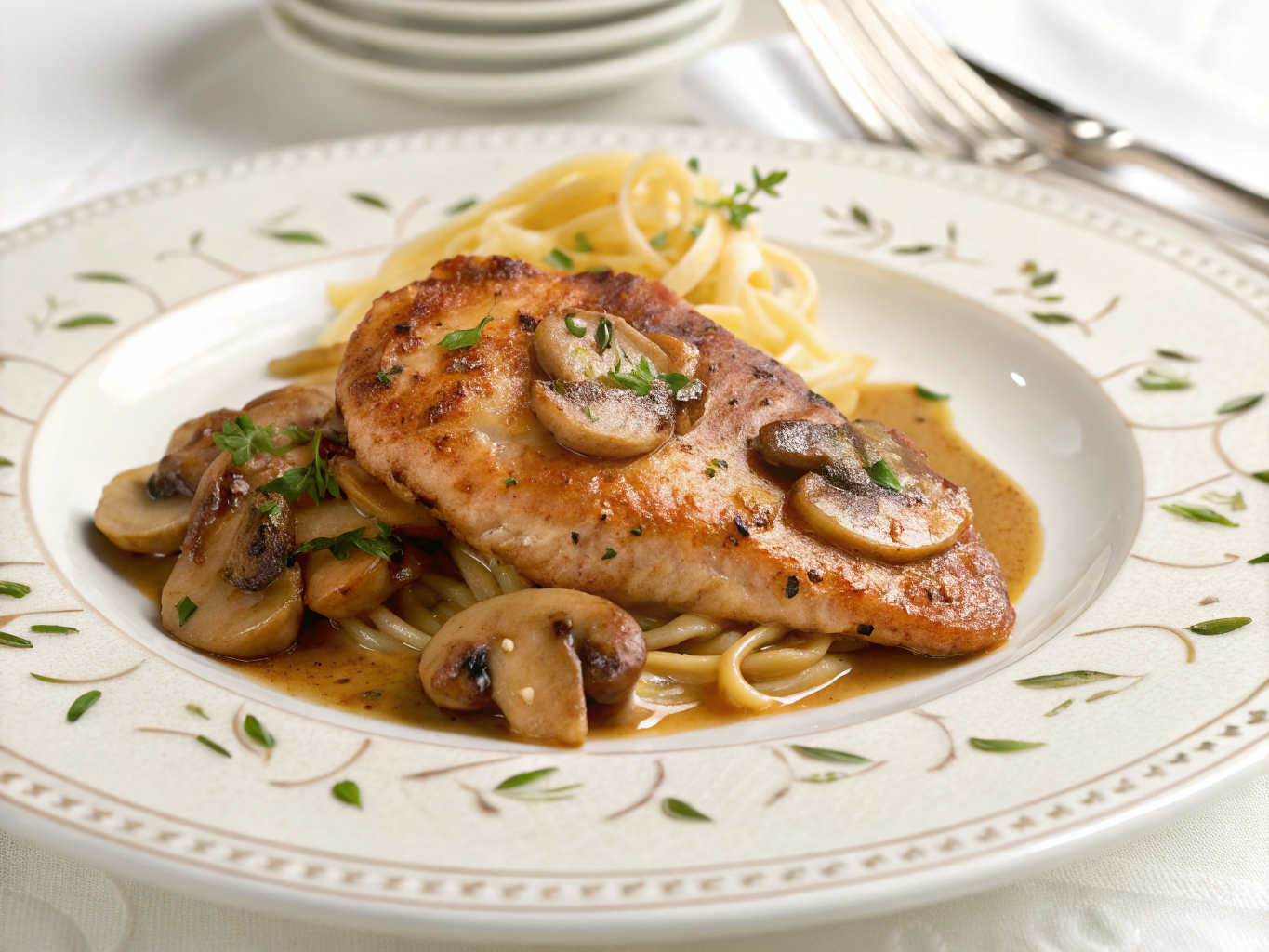
Chicken Marsala
Ingredients
Method
- Slice chicken breasts in half horizontally to create thinner cutlets, or pound them to about 1/2-inch thick. In a shallow dish, combine flour, salt, and pepper. Dredge chicken cutlets in the flour mixture, shaking off excess.
- Heat olive oil and butter in a large skillet over medium-high heat. Add chicken and cook for 3-4 minutes per side, until golden brown and cooked through. Remove chicken from skillet and set aside.
- In the same skillet, add sliced mushrooms and cook for 5-7 minutes, stirring occasionally, until softened and browned. Add minced garlic and cook for another minute until fragrant.
- Pour in the Marsala wine, scraping up any browned bits from the bottom of the skillet. Bring to a simmer and cook for 2-3 minutes until the wine has slightly reduced. Stir in the chicken broth.
- Return the cooked chicken to the skillet, spooning the sauce over it. Simmer for 2-3 minutes to heat the chicken through and allow flavors to meld. Garnish with fresh parsley and serve immediately.
Nutrition
Notes
Tried this recipe?
Let us know how it was!\n\n2100+ Words: Mastering the Ultimate Chicken Marsala Recipe for Dinner Tonight
Thank you for reading this post, don't forget to subscribe!There are certain dishes that evoke a sense of warmth, elegance, and pure culinary delight. Chicken Marsala is undoubtedly one of them. This classic Italian-American creation, with its tender chicken cutlets, earthy mushrooms, and rich Marsala wine sauce, is a true testament to the power of simple yet exquisite ingredients. Whether you’re a seasoned chef or a home cook looking to impress, mastering this Chicken Marsala recipe will elevate your dinner repertoire to new heights.
The Enduring Allure of Chicken Marsala
Originating from Sicily, Marsala wine brings its unique sweet and savory notes to countless dishes, but it finds its most iconic expression in Chicken Marsala. This dish has graced dinner tables for generations, a beloved staple for its comforting appeal and sophisticated flavor profile. It’s the kind of meal that feels special without being overly complicated, perfect for a cozy weeknight or an elegant dinner party.
The beauty of Chicken Marsala lies in the harmonious interplay of its core components. Thinly sliced chicken breasts are pan-seared to a golden perfection, providing a delicate yet satisfying texture. Sautéed mushrooms add an earthy depth, soaking up the incredible flavors of the sauce. And of course, the star of the show, the Marsala wine reduction, transforms into a glossy, irresistible elixir that coats every bite.
Decoding the Core Ingredients for a Perfect Chicken Marsala Recipe
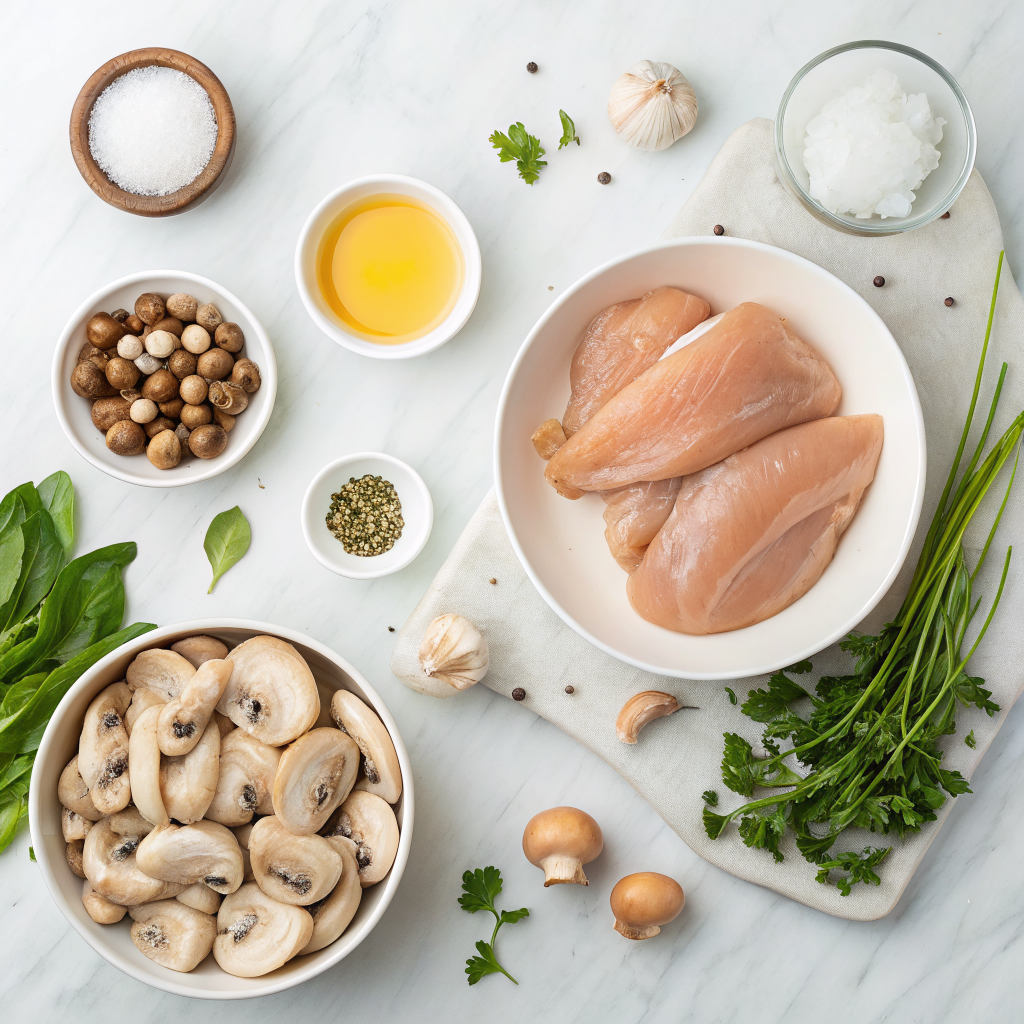
Crafting an exceptional Chicken Marsala starts with understanding and sourcing quality ingredients. Each component plays a vital role in building the dish’s complex flavor profile. Don’t underestimate the impact of fresh produce and suitable cuts of meat.
Here’s a detailed breakdown of what you’ll need, along with tips for selection:
- Chicken Breasts: Boneless, skinless chicken breasts are the standard. Aim for about 1.5 to 2 pounds for four servings. Pounding them thinly (about 1/4 inch thick) ensures even cooking and tenderness.
- All-Purpose Flour: Used for dredging the chicken, it creates a light crust that helps seal in juices and thickens the sauce slightly. Season the flour generously.
- Mushrooms: Cremini (baby bella) mushrooms are highly recommended for their robust, earthy flavor. White button mushrooms are a good substitute if cremini are unavailable. Slice them about a quarter-inch thick.
- Marsala Wine: This is non-negotiable. Use a dry Marsala for a savory sauce, or a sweet Marsala for a slightly richer, more caramelized flavor. Don’t use cooking Marsala; invest in a good quality drinking Marsala for superior results.
- Chicken Broth: Low-sodium chicken broth is preferred, allowing you to control the salt content. It adds depth and volume to the sauce.
- Garlic: Freshly minced garlic is essential. It provides an aromatic base for the sauce.
- Shallots (Optional but Recommended): Finely diced shallots offer a delicate, sweet onion flavor that complements the garlic beautifully.
- Butter & Olive Oil: A combination of these two fats provides excellent flavor and heat control for searing the chicken and sautéing the mushrooms.
- Fresh Parsley: A garnish that adds a burst of freshness and color. Flat-leaf (Italian) parsley is best.
- Salt & Black Pepper: Seasoning is key at every stage.
Step-by-Step Guide: Crafting Your Perfect Chicken Marsala Recipe
Follow these detailed instructions to create a restaurant-quality Chicken Marsala in your own kitchen. Precision and attention to detail will yield the most flavorful results.
Preparation is Key: Setting Yourself Up for Success
- Pound the Chicken: Place chicken breasts between two sheets of parchment paper or plastic wrap. Using a meat mallet or the flat side of a heavy pan, pound them to an even 1/4-inch thickness. This ensures uniform cooking and tenderness.
- Season the Flour: In a shallow dish, combine 1/2 cup all-purpose flour with 1 teaspoon salt and 1/2 teaspoon black pepper. Mix thoroughly.
- Dredge the Chicken: Lightly dredge each pounded chicken cutlet in the seasoned flour, shaking off any excess. This thin coating will help create a beautiful sear and contribute to the sauce’s body.
- Prep Your Aromatics: Slice mushrooms, mince garlic, and finely dice shallots (if using). Having everything ready before you start cooking streamlines the process.
The Searing Stage: Building Flavor Foundations
- Heat the Pan: In a large, heavy-bottomed skillet or Dutch oven, heat 1 tablespoon olive oil and 1 tablespoon unsalted butter over medium-high heat. The combination of oil and butter prevents the butter from burning too quickly and adds rich flavor.
- Sear the Chicken: Once the butter is melted and sizzling, carefully add the floured chicken cutlets to the pan in a single layer. Do not overcrowd the pan; cook in batches if necessary. Sear for 2-3 minutes per side until golden brown and cooked through. The internal temperature should reach 165°F (74°C).
- Remove & Rest: Transfer the seared chicken to a plate and loosely tent with foil to keep warm. Do not clean the pan; the flavorful fond (browned bits) left behind is crucial for the sauce.
Developing the Marsala Sauce: The Heart of the Dish
- Sauté Aromatics: Add another tablespoon of olive oil to the same pan if needed. Add the sliced mushrooms and cook over medium heat for 5-7 minutes, stirring occasionally, until they release their moisture and turn golden brown.
- Add Garlic and Shallots: Stir in the minced garlic and diced shallots (if using). Cook for another 1-2 minutes until fragrant, being careful not to burn the garlic.
- Deglaze with Marsala: Pour in 1 cup of Marsala wine. Increase the heat to medium-high and use a wooden spoon to scrape up all the browned bits from the bottom of the pan. Let the wine simmer and reduce by about half, for 3-5 minutes. This concentrates the Marsala flavor and burns off the alcohol.
- Add Broth: Pour in 1 cup of chicken broth. Bring the sauce to a simmer and let it reduce slightly for another 5-7 minutes, allowing the flavors to meld and the sauce to thicken.
- Final Touches: Remove the pan from the heat. Swirl in 2 tablespoons of cold unsalted butter, a technique known as “monter au beurre.” This adds richness, gloss, and emulsifies the sauce beautifully. Season the sauce with salt and black pepper to taste. If the sauce is too thin, you can return it to low heat and simmer for a few more minutes, or whisk in a very thin slurry of cornstarch and water (1 tsp cornstarch mixed with 1 tbsp cold water) for a thicker consistency.
Assembling and Serving: The Grand Finale
- Return Chicken to Pan: Gently place the cooked chicken cutlets back into the pan with the Marsala sauce. Spoon some of the sauce and mushrooms over the chicken to ensure every piece is coated.
- Garnish and Serve: Garnish generously with freshly chopped parsley. Serve immediately with your preferred side dishes.
Chef’s Tip: For an extra layer of flavor, consider adding a sprig of fresh thyme or a bay leaf to the sauce while it simmers, removing it before serving.
Pairing Perfection: What to Serve with Chicken Marsala
Chicken Marsala is a rich and flavorful dish, so choosing the right accompaniments can enhance the entire dining experience. Aim for sides that complement its robust profile without overpowering it.
- Pasta: Classic choices like fettuccine, linguine, or angel hair pasta are excellent for soaking up the delicious Marsala sauce. A simple buttered pasta or one tossed with a little olive oil and parmesan works wonderfully.
- Risotto: A creamy mushroom risotto or a simple parmesan risotto offers a luxurious and complementary pairing. The earthy notes of the risotto echo the mushrooms in the Marsala.
- Mashed Potatoes: Creamy mashed potatoes provide a comforting canvas for the sauce. Garlic mashed potatoes or even a parsnip purée can add an interesting twist.
- Polenta: Soft, creamy polenta is a fantastic gluten-free alternative to pasta or potatoes. Its mild flavor lets the Marsala shine.
- Roasted or Steamed Vegetables: Light and slightly bitter vegetables contrast beautifully with the richness of the main dish. Asparagus, green beans, broccoli, or a medley of roasted root vegetables are great choices. Consider a simple drizzle of olive oil and a squeeze of lemon.
- Crusty Bread: Don’t forget a warm, crusty baguette or ciabatta for dipping into any leftover sauce – it’s too good to let go to waste!
Variations and Customizations: Making Chicken Marsala Your Own
While the classic Chicken Marsala recipe is magnificent in its own right, there’s always room for personal touches and dietary adaptations. Don’t be afraid to experiment!
- Creamy Marsala: For an even richer, more decadent sauce, stir in about 1/4 to 1/2 cup of heavy cream at the very end, after the butter has been swirled in. This adds a velvety texture.
- Different Meats: While chicken is traditional, veal cutlets are an equally delicious alternative, creating Veal Marsala. Pork tenderloin medallions or even turkey cutlets can also be used.
- Mushroom Medley: Instead of just cremini, try a mix of wild mushrooms like shiitake, oyster, or porcini for a more complex earthy flavor. Rehydrated dried porcini mushrooms can add incredible depth.
- Herbal Infusions: Beyond parsley, fresh thyme, rosemary, or even a hint of sage can be incorporated into the sauce for additional aromatic complexity. Add them with the garlic and shallots.
- A Touch of Spice: For those who enjoy a little heat, a pinch of red pepper flakes added with the garlic can provide a subtle warmth.
- Gluten-Free Version: For a gluten-free option, use gluten-free all-purpose flour for dredging the chicken. Ensure your chicken broth is also gluten-free. For thickening, a cornstarch slurry works well.
- Dairy-Free Version: Replace butter with a dairy-free butter alternative or simply use more olive oil. Coconut cream can be used sparingly instead of heavy cream for richness, though it will alter the flavor profile slightly.
The Science of Flavor: Why Marsala Wine is So Special
Marsala wine, originating from the city of Marsala in Sicily, is a fortified wine, meaning a distilled spirit (usually brandy) is added to it. This process not only increases its alcohol content and shelf life but also contributes to its distinct flavor profile. Understanding Marsala wine is key.
Marsala typically comes in dry and sweet varieties, and its flavor notes can range from apricot and vanilla to brown sugar, licorice, and even smoky undertones. For savory dishes like Chicken Marsala, a dry or semi-dry Marsala is generally preferred as it contributes a complex, savory depth without adding excessive sweetness. The fortification process also helps the wine interact uniquely with the other ingredients, creating a more robust and cohesive sauce.
When cooking, the alcohol in the Marsala wine evaporates, leaving behind its concentrated flavor compounds. These compounds undergo a process called Maillard reaction (browning) and caramelization, which intensely deepen the sauce’s color and richness. This interaction creates the signature “umami” quality that makes Chicken Marsala so incredibly satisfying. The acidity of the wine also helps to tenderize the chicken and balance the richness of the butter and mushrooms. For further reading on the science of flavor, Medical News Today offers insights into umami.
Nutritional Aspects of Chicken Marsala
While indulgent, Chicken Marsala can be a well-balanced meal. Lean protein from the chicken, vitamins and minerals from the mushrooms, and healthy fats from olive oil all contribute to its nutritional value. For a healthier spin, you can reduce the amount of butter and oil used, or increase the vegetable portion of your meal. The University of Harvard provides excellent resources on healthy eating and fats.
Chicken itself is a fantastic source of lean protein, essential for muscle repair and growth. The mushrooms provide dietary fiber, B vitamins, and antioxidants. While Marsala wine does contain sugar, the amount per serving in the finished dish is relatively low, as much of it is reduced and integrated into the complex flavors. Overall, it’s a dish that brings both pleasure and nutritional benefits when consumed as part of a balanced diet.
Storage and Reheating
Chicken Marsala makes for fantastic leftovers. Store any remaining chicken and sauce in an airtight container in the refrigerator for up to 3-4 days. For reheating, gently warm the chicken and sauce in a skillet over low to medium heat, or in the microwave, until heated through. If the sauce has thickened too much, you can add a splash of chicken broth or water to loosen it up. Avoid reheating at high temperatures, as this can dry out the chicken.
Embracing the Legacy: Why This Chicken Marsala Recipe Belongs in Your Repertoire
This Chicken Marsala recipe is more than just a set of instructions; it’s an invitation to partake in a culinary tradition beloved by many. It offers a beautiful balance of flavors and textures – the succulence of the chicken, the earthiness of the mushrooms, and the aromatic depth of the Marsala wine sauce. It’s a dish that speaks of comfort, celebration, and sophisticated home cooking. By following these steps and understanding the nuances of each ingredient, you’re not just cooking; you’re creating a memorable experience.
Whether you’re cooking for family, friends, or simply treating yourself, crafting this dish from scratch is immensely rewarding. The aroma that fills your kitchen alone is worth the effort, promising a delectable meal ahead. So, gather your ingredients, uncork that Marsala, and prepare to embark on a delightful culinary journey. Your perfect Chicken Marsala awaits!
Homecook Legacy Favorite: Looking for other classic comfort food recipes? Check out our other dinner recipes for inspiration!
Frequently Asked Questions (FAQ) about Chicken Marsala
Q: What’s the difference between dry and sweet Marsala wine for cooking?
A: Dry Marsala is less sweet and generally preferred for savory dishes like Chicken Marsala, as it contributes a deeper, more complex, and less sugary flavor profile. Sweet Marsala is typically used for desserts or in richer, more caramelized sauces where a pronounced sweetness is desired.
Q: Can I make Chicken Marsala without wine?
A: While the Marsala wine is the defining ingredient, you can make a version without it. Substitute the Marsala with an equal amount of additional chicken broth and add a tablespoon of balsamic vinegar or a squeeze of lemon juice at the end to provide some acidity and depth. The flavor will be different, but still enjoyable.
Q: How do I prevent the chicken from being tough or dry?
A: Overcooking is the main culprit. Make sure to pound the chicken to an even thickness for uniform cooking. Sear it quickly on each side until just golden brown and cooked through (165°F/74°C internal temperature). Remove it from the pan before making the sauce and only return it to briefly warm through at the end.
Q: My sauce is too thin/thick. How can I fix it?
A: If your sauce is too thin, simmer it gently for a few more minutes to allow it to reduce. If it’s still not thick enough, you can whisk together 1 teaspoon of cornstarch with 1 tablespoon of cold water, then slowly whisk this slurry into the simmering sauce until it reaches your desired consistency. If it’s too thick, simply add a splash more chicken broth or water until it thins out.
Q: Can I prepare Chicken Marsala in advance?
A: Chicken Marsala can be partially prepared in advance. You can sear the chicken and make the sauce separately. Store them refrigerated. When ready to serve, gently reheat the sauce, then add the chicken and warm through. However, for the best flavor and texture, it’s ideal to cook and serve it fresh.
Q: What kind of mushrooms are best for Chicken Marsala?
A: Cremini (baby bella) mushrooms are highly recommended for their robust, earthy flavor and firm texture, which holds up well in the sauce. White button mushrooms are a good, milder alternative. For more complex flavor, consider a mix of wild mushrooms like shiitake or oyster mushrooms.
