
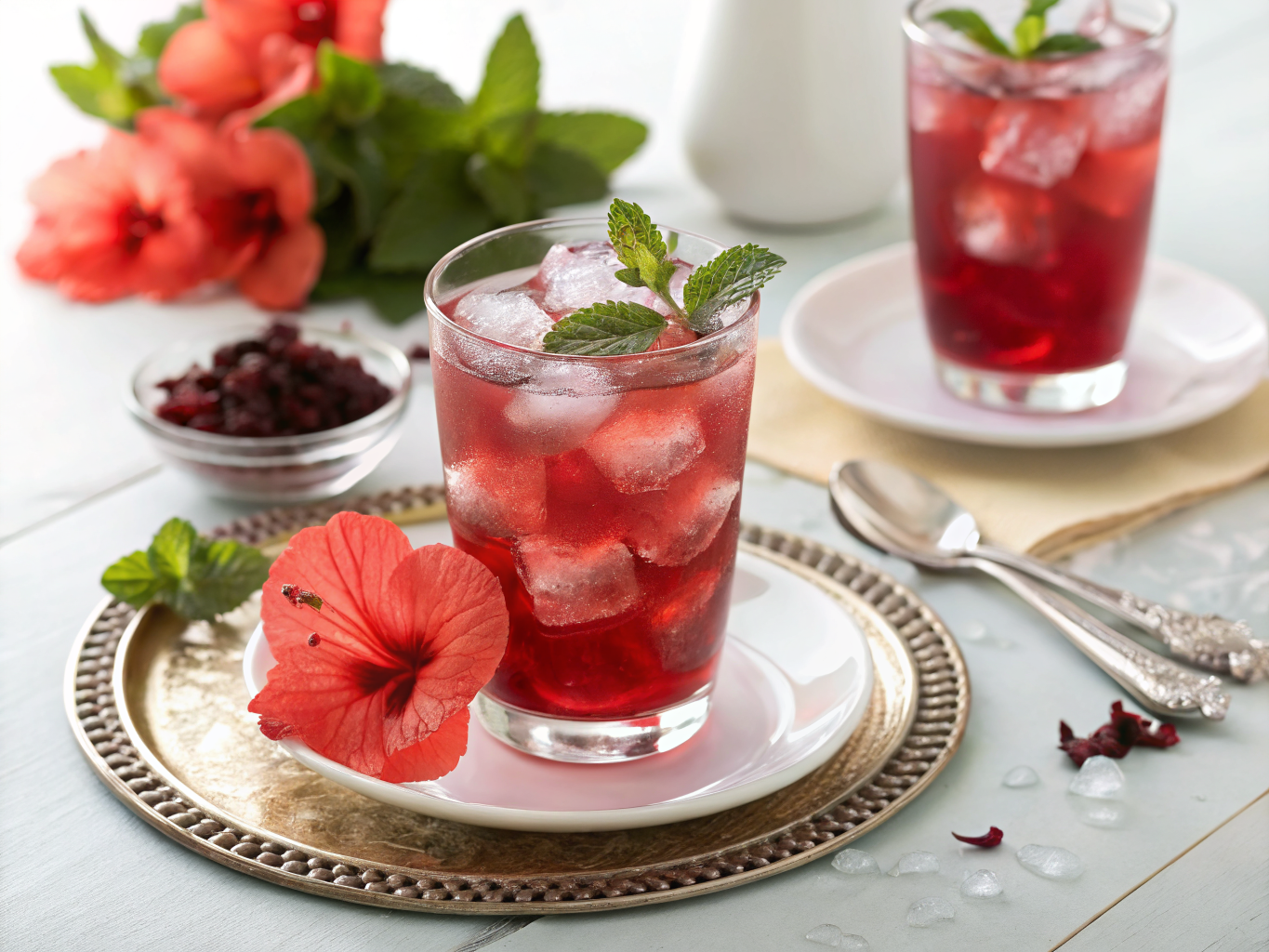
Hibiscus Iced Tea
Ingredients
Method
- Bring 4 cups of water to a rolling boil in a medium saucepan.
- Remove the saucepan from the heat and add the dried hibiscus flowers (or tea bags). Stir gently.
- Let the hibiscus steep for 5-10 minutes, or until the tea reaches your desired strength and color. The longer it steeps, the stronger the flavor and deeper the color.
- Strain the hibiscus tea through a fine-mesh sieve into a heatproof pitcher or jar, discarding the flowers. While the tea is still warm, stir in the granulated sugar until it dissolves completely, if using.
- Allow the tea to cool to room temperature, then refrigerate for at least 1 hour, or until thoroughly chilled. Serve over ice, garnished with orange slices and fresh mint, if desired.
Nutrition
Notes
Tried this recipe?
Let us know how it was!There’s something undeniably enchanting about a vibrant, ruby-red beverage glistening with ice on a warm day. But what if that delightful drink also packed a powerful punch of health benefits? Enter Hibiscus Iced Tea, a refreshing and surprisingly versatile infusion that’s been cherished for centuries across various cultures. More than just a pretty face, this floral elixir offers a wealth of advantages, from supporting heart health to boosting your immune system. If you’re looking for a delicious way to hydrate and revitalize, you’ve just found your new favorite drink.
Thank you for reading this post, don't forget to subscribe!Originating from the beautiful hibiscus sabdariffa flower, also known as roselle, this tea is renowned for its tart, cranberry-like flavor and stunning deep crimson hue. It’s not just a culinary pleasure; traditional medicine systems in Africa, Asia, and Latin America have long recognized hibiscus for its medicinal properties. Today, modern science is increasingly validating these ancient claims, revealing a treasure trove of antioxidants and beneficial compounds within each sip. Get ready to explore the fascinating world of Hibiscus Iced Tea and discover why it deserves a permanent spot in your daily routine.
The Historical Tapestry of Hibiscus
The journey of hibiscus as a brewed beverage is a rich and diverse one, spanning continents and millennia. While often associated with tropical locales, its roots run deep in various cultures. From ancient Egypt, where it was consumed for its refreshing qualities, to West Africa, where it formed the base for popular drinks like bissap, hibiscus has always held a special place.
In various parts of the world, hibiscus has been used not only as a drink but also in traditional medicine. It was believed to aid digestion, reduce fever, and even possess mild diuretic properties. This historical reverence for hibiscus underscores its multifaceted utility and enduring appeal, testifying to its delightful taste and perceived health benefits long before scientific scrutiny.
Core Ingredients: Simple Elegance
Crafting a perfect glass of Hibiscus Iced Tea requires only a few, readily available ingredients. The star, of course, is dried hibiscus calyces, which are the vibrant, fleshy sepals that enclose the flower’s reproductive organs. These are responsible for the tea’s characteristic color and tart flavor. Opt for high-quality dried hibiscus for the best results.
Beyond the hibiscus itself, you’ll need water, a sweetener of your choice, and optionally, a squeeze of fresh citrus. These simple components combine to create a sophisticated and invigorating beverage. The beauty lies in its simplicity, allowing the natural essence of the hibiscus to truly shine through.
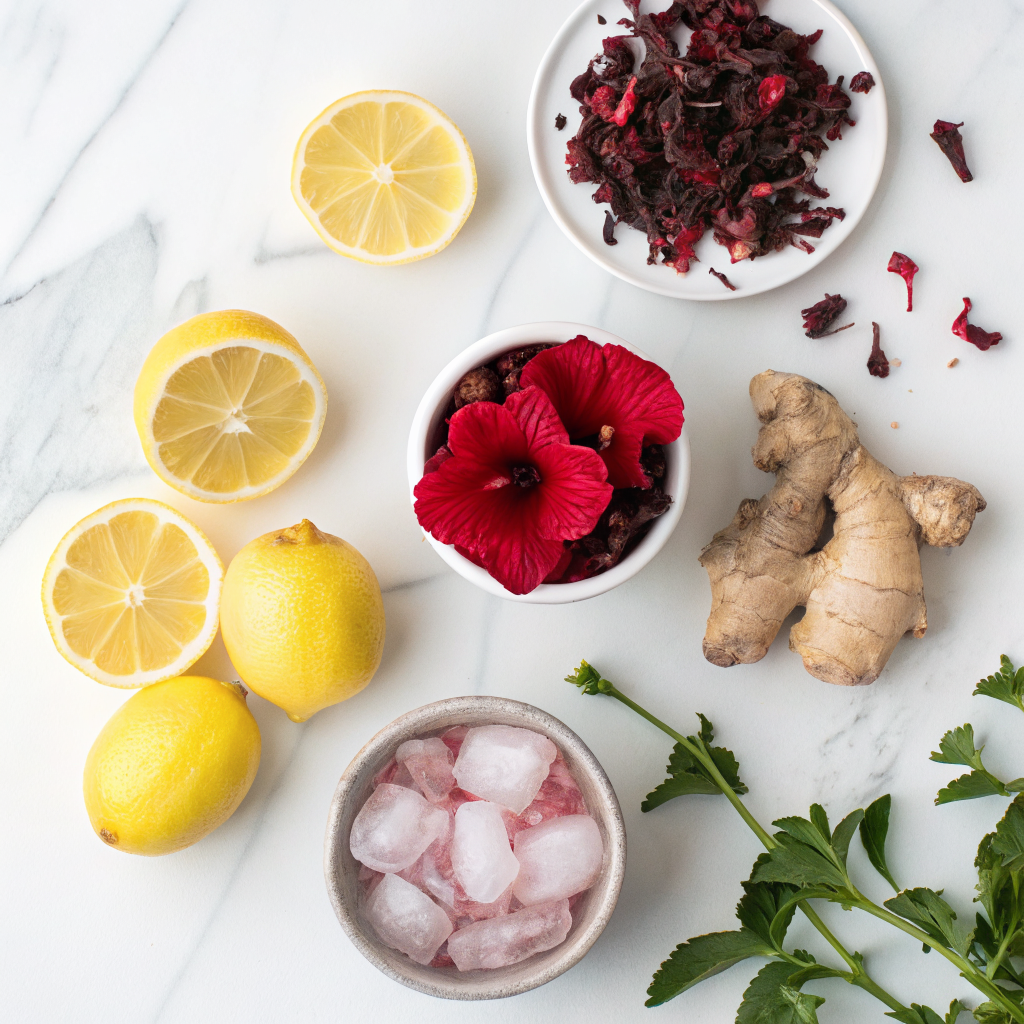
Essential Ingredients Breakdown:
- Dried Hibiscus Calyces: The foundational ingredient. Look for whole, vibrant pieces for optimal flavor and color.
- Filtered Water: The quality of your water significantly impacts the taste of your tea. Use filtered water for the cleanest flavor.
- Sweetener (Optional): Granulated sugar, honey, agave nectar, or stevia can be used to balance the tartness. Adjust to your personal preference.
- Fresh Citrus (Optional): Lemon or lime wedges add another layer of refreshing tang and enhance the overall taste.
These primary ingredients form the base of an authentic Hibiscus Iced Tea experience. The magic happens when they are combined, creating a synergy of flavors and aromas that delight the senses. Experiment with different ratios to discover your ideal strength and sweetness, making it truly your own.
Mastering the Art of Brewing Hibiscus Iced Tea
Making Hibiscus Iced Tea is an incredibly straightforward process, yet a few tips can elevate your brew from good to extraordinary. The key is in extracting the maximum flavor and color from the dried hibiscus without over-steeping, which can sometimes lead to a slightly bitter taste. Patience and attention to detail are your best allies in this endeavor.
Whether you prefer a hot brew and then chilling, or a cold brew method, both yield fantastic results. Each method offers a slightly different flavor profile, allowing you to tailor the tea to your preference. Don’t be afraid to experiment with steeping times to find your perfect balance of tartness and floral notes.
Step-by-Step Brewing Guide:
- Prepare your Hibiscus: For every 8 ounces of water, use 1-2 tablespoons of dried hibiscus calyces. You can use a tea infuser, a French press, or simply add the hibiscus directly to the water if you plan to strain it later.
- Boil Water: Bring your filtered water to a rolling boil. For optimal flavor extraction, ensuring the water is hot enough is crucial.
- Steep: Pour the hot water over the hibiscus. Cover your brewing vessel to trap the heat and aromas. Allow it to steep for 5-10 minutes. For a stronger, more tart tea, steep longer; for a milder taste, steep for less time. Observe the color as it deepens.
- Strain: Carefully strain the steeped hibiscus from the liquid using a fine-mesh sieve. Discard the spent hibiscus. You now have a concentrated hibiscus tea base.
- Sweeten (if desired): While the tea is still warm, stir in your preferred sweetener until fully dissolved. Taste and adjust sweetness as needed.
- Chill: Allow the tea to cool to room temperature, then transfer it to a pitcher and refrigerate for at least 2-4 hours, or until thoroughly chilled. You can also speed up chilling by adding a generous amount of ice to the warm tea.
- Serve: Pour over ice and garnish with fresh lemon or lime slices, mint sprigs, or even a few fresh hibiscus petals for a beautiful presentation.
For a cold brew alternative, simply combine the dried hibiscus and cold filtered water in a pitcher. Refrigerate for 8-12 hours, or overnight. Strain and sweeten as desired. Cold brewing typically results in a smoother, less astringent flavor profile. This method is fantastic for meal prepping on a Sunday, providing refreshing sips all week long.
Flavor Pairings and Creative Variations for Hibiscus Iced Tea
The distinct, tart flavor of Hibiscus Iced Tea makes it an excellent base for a variety of delightful concoctions. Its versatility allows for endless experimentation, transforming a simple drink into a sophisticated beverage. Think beyond just a plain glass and consider how different ingredients can complement and enhance its unique profile.
Enhance Your Hibiscus Iced Tea with:
- Ginger: A few slices of fresh ginger steeped along with the hibiscus or added to the chilled tea provides a warming, spicy kick that beautifully contrasts the tartness.
- Mint: Muddled fresh mint leaves add a refreshing, cooling sensation, perfect for hot summer days. Add them directly to the pitcher or as a garnish.
- Citrus: Beyond lemon and lime, try orange slices for a sweeter, zesty note. Grapefruit can add a pleasant bitterness that complements the hibiscus.
- Berries: Muddled fresh berries like raspberries or strawberries can infuse the tea with extra fruitiness and vibrant color. They also add a natural sweetness.
- Spices: A cinnamon stick or a few cloves can be steeped along with the hibiscus for a warm, aromatic variation, especially delightful during cooler months.
- Tropical Fruits: A splash of pineapple juice or a few cubes of mango can transport your hibiscus tea to a tropical paradise, balancing the tartness with natural sweetness.
Chef’s Tip: For a delightful sparkling variation, mix chilled Hibiscus Iced Tea with sparkling water or club soda. Add a splash of tonic for a subtly bitter, sophisticated twist. This immediately elevates any casual get-together.
Don’t be afraid to get creative and experiment with different combinations. The beauty of Hibiscus Iced Tea lies in its ability to adapt and shine in various flavor profiles. Explore these pairings to find your perfect customized beverage that suits every mood and occasion, from a quiet afternoon to a festive gathering. For more tea recipes, check out Homecook Legacy’s recipe collection.
7 Powerful Health Benefits of Hibiscus Iced Tea
Beyond its refreshing taste and stunning color, Hibiscus Iced Tea is a powerhouse of health benefits. Research increasingly highlights the potent compounds found in hibiscus, making it much more than just a pleasant beverage. Integrating it into your routine can contribute positively to overall well-being, leveraging centuries of traditional knowledge with modern scientific backing.
1. Supports Healthy Blood Pressure
One of the most well-researched benefits of hibiscus tea is its potential to lower blood pressure. Several studies have indicated that regular consumption of hibiscus tea may significantly reduce both systolic and diastolic blood pressure in individuals with high blood pressure. This effect is attributed to the tea’s diuretic properties and its ability to relax blood vessels, similar to some conventional medications.
Compounds like anthocyanins and other antioxidants play a crucial role in managing hypertension. Regularly sipping on Hibiscus Iced Tea can be a delicious, natural way to support cardiovascular health. For more detailed insights on natural blood pressure management, you can refer to sources like Healthline’s article on hibiscus benefits.
2. Rich in Antioxidants
Hibiscus is brimming with powerful antioxidants, including anthocyanins, flavonoids, and phenolic acids. These compounds combat free radicals in the body, which are unstable molecules that can cause cellular damage and contribute to chronic diseases like cancer, heart disease, and premature aging. Antioxidants are vital for protecting your cells and maintaining optimal health, acting as internal guardians.
By neutralizing these harmful free radicals, Hibiscus Iced Tea helps reduce oxidative stress, promoting cellular longevity and overall vitality. This makes it an excellent addition to any diet focused on disease prevention and wellness. The vibrant color is a visual indicator of its rich antioxidant content.
3. May Aid Weight Management
Emerging research suggests that hibiscus tea may play a role in weight management. Some studies indicate that it can inhibit the production of amylase, an enzyme that breaks down complex carbohydrates into simple sugars. By reducing sugar absorption, hibiscus tea may help with weight loss and prevent fat accumulation, making it a valuable tool in a balanced diet.
Additionally, its diuretic properties can help reduce water retention, contributing to a feeling of lightness and reduced bloating. While certainly not a magic bullet, incorporating Hibiscus Iced Tea into a healthy lifestyle could offer subtle yet beneficial support for weight management goals. Combined with a balanced diet and regular exercise, it can contribute to a healthier metabolism. For more on dietary approaches to weight management, explore resources like Medical News Today on metabolism.
4. Supports Liver Health
The liver is a vital organ responsible for detoxification and metabolism, and hibiscus tea may help keep it healthy. Studies have shown that hibiscus extract can protect the liver from toxins and improve its function, particularly in cases of non-alcoholic fatty liver disease. Its antioxidant properties help shield liver cells from damage.
By promoting overall liver health, hibiscus tea contributes to the body’s natural detoxification processes, ensuring efficient nutrient processing and waste elimination. A healthy liver is fundamental for energy levels, digestive efficiency, and overall vitality, making hibiscus tea a valuable ally. For further reading on liver health, check a reputable source like Harvard Health Publishing.
5. Possesses Anti-Bacterial Properties
Hibiscus has demonstrated impressive antibacterial properties, particularly against certain strains of bacteria. This means that regularly drinking hibiscus tea could help bolster your body’s defenses against common infections. These antiseptic qualities contribute to a robust immune system, helping you stay well year-round.
While not a substitute for conventional medicine, this natural antimicrobial action adds another layer of health benefits to your refreshing drink. It’s an excellent way to support your body’s natural resistance to various pathogens. This makes it particularly appealing during periods where immune support is crucial.
6. May Help Lower Cholesterol Levels
Several clinical trials have suggested that hibiscus tea may help lower levels of “bad” LDL cholesterol and triglycerides, while potentially increasing “good” HDL cholesterol. This cholesterol-lowering effect is beneficial for cardiovascular health, reducing the risk of plaque buildup in arteries. Maintaining healthy cholesterol levels is a key component of heart disease prevention, contributing significantly to long-term well-being.
The bioactive compounds in hibiscus are believed to contribute to these positive lipid profile changes. Including Hibiscus Iced Tea in your diet, especially if you are monitoring your cholesterol, can be a tasty and natural strategy. Always consult your doctor for personalized medical advice regarding cholesterol management. Discover more healthy beverage ideas on homecooklegacy.com.
7. Rich in Vitamin C
Hibiscus flowers naturally contain a good amount of Vitamin C, a crucial nutrient for a strong immune system. Vitamin C is a powerful antioxidant that protects cells, aids in collagen production for healthy skin, and supports wound healing. A single serving of Hibiscus Iced Tea can provide a valuable boost of this essential vitamin, contributing to overall health and vitality.
Regular intake of Vitamin C can help fend off common colds and other ailments, especially during flu season. This makes Hibiscus Iced Tea an excellent choice not just for refreshment, but also for supporting your daily nutrient intake and keeping your immune system robust. Staying hydrated and nourished are cornerstones of preventative health, and this tea contributes to both.
Storage and Shelf Life
Proper storage ensures that your delicious Hibiscus Iced Tea remains fresh and flavorful for as long as possible. Once brewed, it’s best to store it in an airtight container in the refrigerator. This prevents absorption of other food odors and maintains its vibrant taste and nutritional integrity, allowing you to enjoy your refreshing drink for days.
Typically, homemade Hibiscus Iced Tea will last for up to 3-5 days in the refrigerator. After this period, the flavor may start to diminish, and there’s a higher chance of bacterial growth. Always smell and taste your tea before consuming if it’s been stored for a few days; any off-color or sour taste indicates it’s time to discard it. For longer storage, consider freezing it into ice cubes, which can later be added to fresh tea or smoothies. Explore more beverage advice on Homecook Legacy’s drink recipes.
Potential Side Effects and Considerations
While Hibiscus Iced Tea offers numerous health benefits, it’s important to be aware of potential side effects and considerations. Generally, it’s safe for most people when consumed in moderation. However, certain individuals should exercise caution or consult their doctor before incorporating it into their diet, particularly if they are on medication.
Hibiscus can interact with certain medications, including some blood pressure medications (like hydrochlorothiazide) and antimalarial drugs. It may also affect blood sugar levels, which is a consideration for individuals with diabetes. Pregnant and breastfeeding women are also typically advised to avoid hibiscus tea due to insufficient research on its safety during these periods. Always prioritize your health and seek professional medical advice if you have underlying health conditions or are taking prescription medications.
Embracing the Hibiscus Lifestyle
Incorporating Hibiscus Iced Tea into your daily routine is a simple yet impactful way to boost your health and enjoy a truly refreshing beverage. Its vibrant color, tart flavor, and impressive health benefits make it a superior choice over sugary sodas or artificial drinks. Whether you’re seeking to lower blood pressure, increase antioxidant intake, or simply enjoy a delicious, natural thirst quencher, hibiscus tea delivers on all fronts.
From its ancient origins to modern scientific validation, hibiscus has stood the test of time as a truly remarkable plant. So, brew a batch, chill it down, and savor the invigorating taste and profound health advantages that each ruby-red sip offers. You’re not just drinking tea; you’re embracing a legacy of wellness and flavor. Make Hibiscus Iced Tea a staple in your journey towards a healthier, more vibrant life, enjoying every single drop.
FAQ About Hibiscus Iced Tea
Dive into some of the most frequently asked questions about this captivating drink:
Q1: Is Hibiscus Iced Tea naturally caffeinated?
A1: No, Hibiscus Iced Tea is naturally caffeine-free. This makes it an excellent choice for any time of day, including evenings when you want to avoid stimulants. It’s a perfect option if you’re looking to reduce your caffeine intake while still enjoying a flavorful beverage.
Q2: Can I hot brew hibiscus tea and then chill it for iced tea?
A2: Absolutely! In fact, hot brewing is the most common method for making Hibiscus Iced Tea. You simply brew it hot, allow it to cool to room temperature, and then refrigerate it until thoroughly chilled. This method extracts maximum flavor and color.
Q3: What is the best way to sweeten Hibiscus Iced Tea?
A3: The best way to sweeten Hibiscus Iced Tea depends on your preference. You can use granulated sugar, honey, agave nectar, or even stevia. Sweeten it while the tea is still warm to ensure the sweetener fully dissolves. Adjust to your taste, starting with small amounts and adding more as needed to balance the tartness.
Q4: Can children drink Hibiscus Iced Tea?
A4: Generally, hibiscus tea is considered safe for children in moderation, especially as a natural, caffeine-free alternative to sugary drinks. However, it’s always best to consult with a pediatrician before introducing any new herbal teas to young children, especially if they have underlying health conditions or allergies. Some children may find the tartness too strong.
Q5: Where can I buy dried hibiscus calyces?
A5: Dried hibiscus calyces are widely available. You can find them in specialty tea shops, health food stores, Latin American or Asian markets, and increasingly in the ethnic food aisles of larger supermarkets. Online retailers are also an excellent source, offering a wide selection of organic and ethically sourced options. Look for vibrant, whole pieces for the best quality.

passionate about high-protein, easy meal-prep recipes for busy lifestyles.