
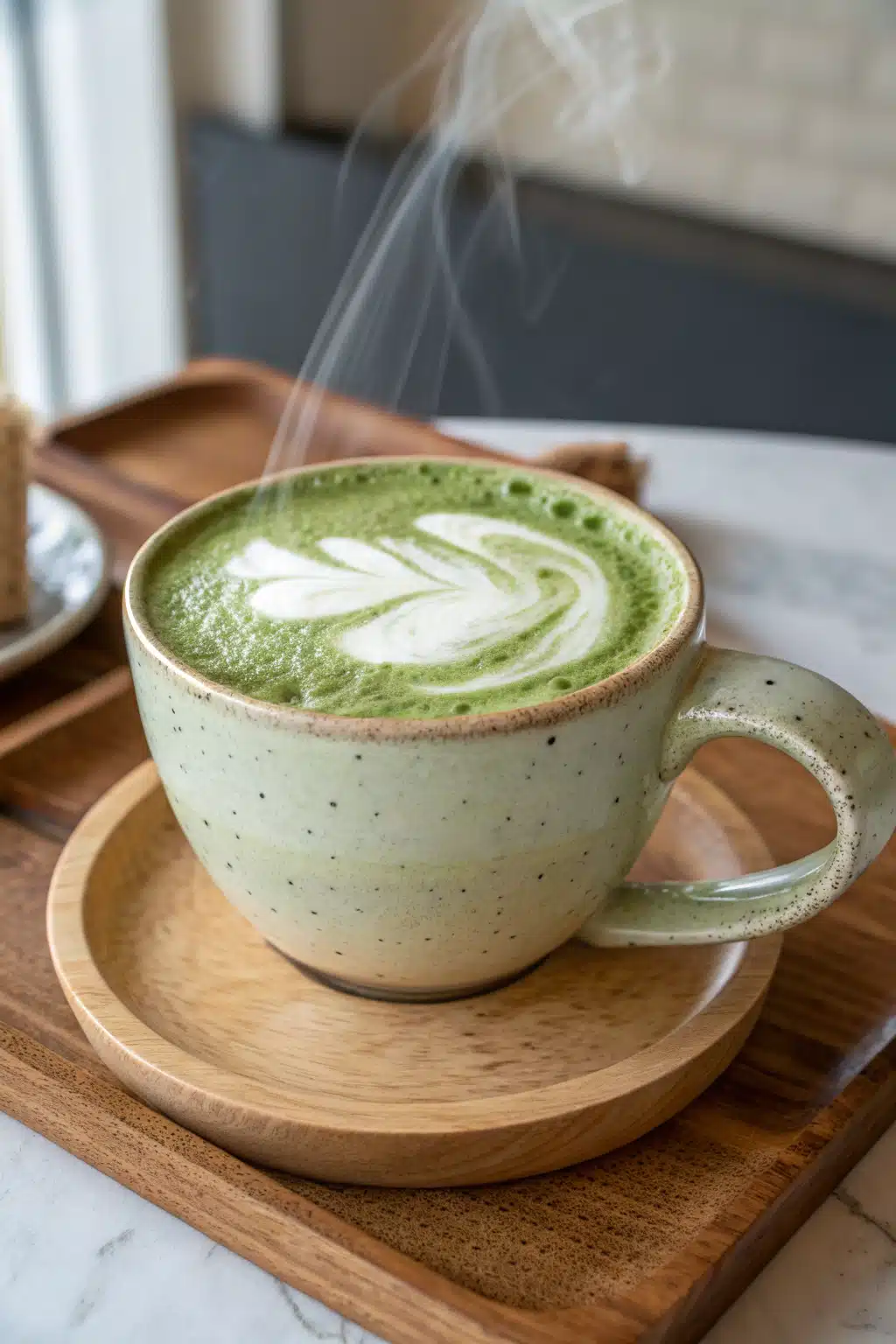
Wholesome Hot Matcha Latte — A Soothing Elixir for Comfort and Immunity
The concept of a comforting, warm beverage, particularly during colder months, is universally appealing. But what if that beverage could be elevated beyond simple enjoyment to become a true nutritional powerhouse? This comprehensive guide delves into crafting the perfect Hot Matcha Latte, transforming a simple drink into a mindful ritual that nourishes both body and soul. Far from a mere trend, a well-prepared Hot Matcha Latte offers a harmonious blend of earthy flavors, vibrant color, and remarkable health benefits, making it an ideal companion for cozy evenings and a powerful ally for everyday wellness. We’ll explore everything from selecting the finest matcha to mastering the delicate art of whisking, ensuring your homemade latte rivals those from the most upscale cafes, all while empowering you with the knowledge to customize it to your unique preferences and dietary needs.
The Enduring Appeal of the Hot Matcha Latte in Modern Wellness
The resurgence of matcha in Western culture is more than just a culinary fad; it represents a growing appreciation for ancient traditions and natural wellness. Originating from Japan, matcha is a finely ground powder of specially grown and processed green tea leaves. Unlike regular green tea, where the leaves are steeped and then discarded, with matcha, you consume the entire tea leaf, thereby ingesting a much higher concentration of antioxidants, vitamins, and minerals. This full-spectrum consumption is precisely why Hot Matcha Latte has become a staple for those seeking sustained energy without the jitters associated with coffee, improved focus, and a significant boost to their overall health. Its distinctive umami flavor, often described as savory and slightly sweet, coupled with its creamy texture when mixed with milk, creates a sensory experience that is both grounding and invigorating.
Moreover, the ritual of preparing a Hot Matcha Latte itself contributes to its appeal. The careful measuring of the vibrant green powder, the gentle sifting, the precise temperature of the water, and the rhythmic whisking with a bamboo whisk (chasen) all invite a moment of mindfulness and tranquility into an otherwise hectic day. This isn’t just about making a drink; it’s about engaging in a practice that encourages presence and appreciation. In an era where convenience often trumps quality, dedicating a few moments to craft something so beneficial and beautiful speaks to a deeper desire for connection with what we consume.
Beyond its sensory and ritualistic attributes, the nutritional profile of a Hot Matcha Latte stands out. It’s rich in L-theanine, an amino acid that promotes a state of relaxed alertness, and abundant in catechins, particularly epigallocatechin gallate (EGCG), which are powerful antioxidants known for their anti-inflammatory and metabolism-boosting properties. This makes it an excellent choice for anyone looking to support their immune system, enhance cognitive function, or simply enjoy a delicious, health-forward beverage. As we delve deeper into this guide, you’ll discover how to harness all these benefits to create a truly exceptional Hot Matcha Latte at home.
Deconstructing the Perfect Hot Matcha Latte: Essential Ingredients
Crafting an outstanding Hot Matcha Latte begins with understanding and selecting the right ingredients. Each component plays a crucial role in achieving that coveted balance of flavor, texture, and visual appeal. Skimping on quality here can significantly impact your final product. Let’s break down what you’ll need and why each element is important for a truly exceptional Hot Matcha Latte.
The Star: Matcha Powder
This is undeniably the most critical ingredient. The quality of your matcha will dictate the taste, color, and health benefits of your latte. There are generally two main grades:
- Ceremonial Grade: This is the highest quality matcha, made from the youngest tea leaves. It’s characterized by its vibrant jade green color, incredibly fine texture, and a naturally sweet, umami-rich flavor with minimal bitterness. It’s designed to be consumed on its own, whisked with hot water, and is ideal for a Hot Matcha Latte where its nuanced flavors can shine.
- Culinary Grade: While still beneficial, culinary grade matcha is processed differently and often comes from older leaves. It’s more robust and can be slightly bitter, making it better suited for mixing into baked goods, smoothies, or other recipes where its flavor is intended to be balanced by other ingredients. Using culinary grade for a latte might result in a more astringent taste.
When selecting ceremonial grade matcha for your Hot Matcha Latte, look for powders grown in Japan (Uji and Nishio regions are renowned) that are vibrantly green, not dull or yellowish. It should have a very fine, almost silken texture and a fresh, grassy aroma. Store it in an airtight container in a cool, dark place, or even the refrigerator, to preserve its freshness and color.
The Liquid Base: Milk (or Non-Dairy Alternative)
The choice of milk greatly influences the texture and flavor profile of your Hot Matcha Latte. Each type offers a unique characteristic:
- Cow’s Milk: Full-fat milk provides the creamiest, richest latte experience, allowing the matcha’s flavor to emerge without being overshadowed. Lower-fat versions can also work but may yield a less luxurious mouthfeel.
- Oat Milk: A popular non-dairy alternative, oat milk consistently steams beautifully, creating a silky microfoam. Its naturally slightly sweet and neutral flavor complements matcha exceptionally well, making it a favorite for many baristas and home enthusiasts.
- Almond Milk: While widely available, almond milk can sometimes be a bit thin and may not foam as readily as oat or cow’s milk. Choose an unsweetened variety to let the matcha flavor dominate.
- Soy Milk: Soy milk offers a good balance of creaminess and protein, providing a relatively stable foam. However, its distinct flavor can sometimes compete with the subtle notes of matcha.
- Coconut Milk (Barista Blend): Regular canned coconut milk is too thick. If using coconut, opt for “barista blend” varieties that are formulated to steam and foam better, offering a rich, tropical twist to your Hot Matcha Latte.
Ultimately, the best milk for your Hot Matcha Latte is a matter of personal preference. Experiment to find your favorite!
The Essential Hydrator: Water
While often overlooked, the water you use for your Hot Matcha Latte is crucial. Filtered water is always recommended to avoid any off-flavors caused by chlorine or minerals. More importantly, the temperature of the water significantly impacts the matcha’s taste. Water that is too hot (boiling) can “burn” the matcha, leading to a bitter taste and destroying some of its delicate nutrients. The ideal temperature is between 175°F and 185°F (79°C to 85°C). This allows the matcha to dissolve properly while preserving its nuanced flavors and vibrant color.
Optional Sweeteners and Flavor Enhancers
While a high-quality matcha should be enjoyable on its own, many prefer a touch of sweetness in their Hot Matcha Latte. Here are some popular options:
- Maple Syrup: A natural, unrefined sweetener that adds a subtle caramel note.
- Agave Nectar: A neutral-tasting sweetener that dissolves easily.
- Honey: Adds a rich, floral sweetness, though be mindful of its strong flavor.
- Stevia/Erythritol: Sugar-free alternatives for those watching their carbohydrate intake.
- Vanilla Extract: A tiny dash can enhance the overall aromatic experience without overpowering the matcha.
- Spices: A pinch of cinnamon, nutmeg, or even a very small amount of cardamom can add warmth and complexity, particularly for a winter Hot Matcha Latte.

The Art of Preparation: Step-by-Step for Your Best Hot Matcha Latte
Creating a truly exceptional Hot Matcha Latte is a delicate balance of precision and technique. It’s a mindful process that transforms simple ingredients into a delightful beverage. Follow these steps meticulously to achieve a smooth, frothy, and flavorful latte every time.
Step 1 — Prepare Your Matcha: Sift for Perfection
This initial step is crucial for preventing clumps and ensuring a smooth, lump-free Hot Matcha Latte.
- Measure: Combine 1-2 teaspoons (2-4 grams) of ceremonial-grade matcha powder into a small fine-mesh sieve. The amount depends on your desired strength and the size of your mug.
- Sift: Gently tap the sieve over a matcha bowl (chawan) or a small, wide-mouthed bowl. This breaks up any compressed clumps and aerates the powder, making it easier to whisk.
Why it matters: Sifting is non-negotiable. Un-sifted matcha will inevitably lead to frustrating clumps in your final drink, hindering both texture and flavor. This simple act lays the groundwork for a silky smooth Hot Matcha Latte.
Step 2 — Whisk the Matcha: The Foundation of Flavor
This is where the magic truly happens, transforming the powder into a vibrant, concentrated tea base for your Hot Matcha Latte.
- Add Water: Pour about 2-3 ounces (60-90 ml) of hot water (between 175°F and 185°F / 79°C to 85°C) over the sifted matcha. Do NOT use boiling water, as it will scorch the matcha, resulting in a bitter taste and diminished health benefits. If you don’t have a thermometer, let boiling water sit for 2-3 minutes before using.
- Whisk Vigorously: Using a bamboo whisk (chasen) is ideal for this step. Whisk in a rapid ‘M’ or ‘W’ motion from your wrist, not your arm. The goal is to create a thin, foamy layer of small bubbles on the surface and thoroughly dissolve the matcha. Continue whisking for about 30 seconds to 1 minute, or until no dry clumps remain and a pale green foam appears. If you don’t have a chasen, a small electric milk frother or even a small whisk can work, though they may not produce the same fine foam.
Why it matters: Proper whisking ensures that the matcha is fully dissolved and aerated, creating a smooth “shot” that forms the backbone of your Hot Matcha Latte. This process also releases the matcha’s full flavor and antioxidant potential.
Step 3 — Heat and Froth Your Milk: Achieving Creamy Perfection
The texture of your milk is paramount for a luxurious Hot Matcha Latte.
- Heat Milk: Heat 6-8 ounces (180-240 ml) of your chosen milk (cow, oat, almond, soy, etc.) in a saucepan over medium heat until it’s steamy and hot, but not boiling. Boiling milk can develop a skin and alter its flavor. For most non-dairy milks, aim for around 150°F (65°C).
- Froth (Optional but Recommended): Once hot, froth the milk using one of the following methods:
- Electric Milk Frother: The easiest and most consistent method. Simply pour the pre-heated milk into the frother and press the button.
- Handheld Frother: Submerge the whisking end into the hot milk and froth until desired consistency (generally 30-60 seconds).
- French Press: Pump the plunger up and down vigorously in the hot milk until foamy.
- Whisk on Stovetop: Whisk vigorously with a regular whisk while heating the milk. This produces less microfoam but still adds air.
- Pour Matcha Base: Pour the whisked matcha directly into your favorite mug.
- Add Sweetener (Optional): If using, stir in your desired sweetener (maple syrup, honey, etc.) into the matcha base now, ensuring it dissolves completely.
- Add Frothed Milk: Gently pour the hot, frothed milk over the matcha base. For latte art, hold back the foam with a spoon and pour the liquid milk first, then spoon the foam on top.
- Serve Immediately: Enjoy your masterpiece!
Why it matters: Properly frothed milk not only adds a delightful creamy texture and visual appeal to your Hot Matcha Latte but also enhances the overall sensory experience, making each sip more indulgent.
Step 4 — Assemble Your Hot Matcha Latte: The Grand Finale
Bringing all the components together for your ultimate Hot Matcha Latte.
Why it matters: Immediate serving ensures the optimal temperature, foam consistency, and flavor profile. A freshly made Hot Matcha Latte is always the best.

The Health Benefits of a Hot Matcha Latte: More Than Just a Drink
Beyond its captivating flavor and comforting warmth, a Hot Matcha Latte is a powerhouse of nutrients and compounds that contribute significantly to overall health and well-being. By consuming the entire tea leaf, matcha delivers a more concentrated dose of beneficial properties compared to traditional green tea. Let’s delve into the specific health advantages that make your Hot Matcha Latte a smart choice for daily consumption.
Rich in Antioxidants, Especially EGCG
Matcha is teeming with antioxidants, particularly catechins, with epigallocatechin gallate (EGCG) being the most prominent. Antioxidants are vital for protecting your body’s cells from damage caused by free radicals, which are unstable molecules that can lead to chronic diseases and aging.
- Cellular Protection: Clinical studies, such as those discussed on Healthline regarding the general health benefits of antioxidant-rich foods, indicate that EGCG in matcha has powerful antioxidant capabilities, helping to reduce oxidative stress.
- Anti-inflammatory Properties: The high concentration of EGCG makes matcha a potent anti-inflammatory agent, which can help reduce inflammation throughout the body, benefiting conditions from cardiovascular health to arthritis.
Enhances Brain Function and Cognitive Performance
One of the most unique aspects of matcha is its impact on cognitive function, offering a “calm alertness” that coffee often lacks. This is largely due to the synergistic effect of caffeine and L-theanine.
- Improved Focus and Alertness: While containing caffeine, matcha’s effects are softened by L-theanine, an amino acid that promotes alpha wave activity in the brain. This can lead to increased focus, improved attention span, and better memory, without the jitters or crash associated with higher doses of caffeine. Research from sources like the Harvard T.H. Chan School of Public Health Nutrition Source often highlights the benefits of plant-based compounds on cognitive health.
- Reduced Stress and Anxiety: L-theanine also has an anxiolytic (anxiety-reducing) effect, promoting relaxation and a sense of calm without causing drowsiness. This makes a Hot Matcha Latte an excellent choice for navigating stressful days or for a focused work session.
Supports Heart Health
The compounds in matcha can benefit the cardiovascular system in several ways.
- Lowering Cholesterol: Studies suggest that catechins in green tea, including matcha, can help reduce levels of LDL (bad) cholesterol and triglycerides.
- Blood Pressure Regulation: Regular consumption may contribute to maintaining healthy blood pressure levels.
Boosts Metabolism and Aids in Weight Management
Matcha is often associated with weight management due to its thermogenic properties.
- Increased Fat Oxidation: EGCG is believed to enhance the body’s ability to burn fat for energy, particularly during exercise.
- Metabolic Boost: Matcha can modestly increase metabolism, helping the body burn more calories throughout the day. This effect is supported by various nutritional studies, including those summarized on reputable platforms like Medical News Today, which frequently covers the metabolic impacts of antioxidant-rich beverages.
Detoxification Properties
The vibrant green color of matcha comes from its high chlorophyll content, which is a powerful detoxifier.
- Elimination of Toxins: Chlorophyll aids in removing heavy metals and chemical toxins from the body, supporting overall internal cleansing.
Strengthens the Immune System
With its impressive array of vitamins and minerals, matcha can play a role in bolstering your body’s defenses.
- Vitamins and Minerals: Matcha contains small amounts of Vitamins A, C, E, K, and B-complex vitamins, as well as minerals like selenium, chromium, zinc, and magnesium, all of which contribute to a healthy immune response.
By making a Hot Matcha Latte a regular part of your routine, you’re not just enjoying a delicious and comforting beverage; you’re actively investing in your long-term health and well-being. It’s a simple, enjoyable way to infuse your day with powerful anti-inflammatory, antioxidant, and cognitive-enhancing benefits.
Hot Matcha Latte: Nutrition Facts (per serving, approximate)
The nutritional profile of your Hot Matcha Latte can vary significantly based on the type of milk, amount of matcha, and any added sweeteners. The following provides an approximate breakdown for a latte made with 1 tsp (2g) ceremonial matcha, 8 oz (240ml) unsweetened oat milk, and no added sweetener. This information is intended as a general guideline.
- Calories: 80-120 kcal (depending on milk fat content)
- Protein: 3-5g
- Carbohydrates: 10-15g (primarily from oat milk)
- Sugars: 0-5g (natural sugars from milk, if unsweetened)
- Fat: 2-5g
- Fiber: 1-2g
- Caffeine: 30-70mg (highly variable based on matcha quality and amount)
- L-Theanine: 20-40mg
- Vitamin D: 15-20% DV (if milk is fortified)
- Calcium: 20-30% DV (if milk is fortified)
- Iron: 2-4% DV
- Antioxidants (EGCG): 100-200mg (highly variable)
For a more precise count, particularly if managing specific dietary needs, always check the labels of your chosen ingredients. The beauty of a homemade Hot Matcha Latte is the complete control you have over its components, allowing you to tailor it perfectly to your nutritional goals.
Elevate Your Hot Matcha Latte: Healthy Variations and Enhancements
While a classic Hot Matcha Latte is a beautiful thing, there’s ample room for creativity and customization to align with your personal taste, dietary needs, or even seasonal cravings. These variations can introduce new flavors, textures, and added health benefits, making your matcha ritual even more exciting.
Flavor Infusions
- Vanilla Bean Hot Matcha Latte: Add 1/4 teaspoon of pure vanilla extract or scrape half a vanilla bean into your matcha base before whisking. The warm, sweet notes of vanilla pair exquisitely with matcha’s earthy profile.
- Ginger Spice Hot Matcha Latte: For an invigorating kick, add a tiny pinch (1/8 teaspoon) of ground ginger or a thin slice of fresh ginger to your hot milk as it’s heating. Remove the slice before frothing. This is particularly comforting on cold days.
- Cardamom Rose Hot Matcha Latte: A pinch of ground cardamom (1/8 teaspoon) can add a sophisticated, almost floral note. For an extra touch, a drop of food-grade rose water can be added to the finished latte.
- Cinnamon Swirl Hot Matcha Latte: Stir a dash of cinnamon into your matcha base or sprinkle it on top of the finished foam for a warming aroma and flavor.
Nutritional Boosts
- Collagen-Boosted Hot Matcha Latte: Stir 1 scoop of unflavored collagen peptides into your hot matcha base. Collagen is great for skin, hair, nails, and joint health, and it dissolves seamlessly without altering the flavor or texture of your Hot Matcha Latte.
- Mushroom Matcha Latte (Adaptogenic): For an extra wellness kick, whisk in 1/2 teaspoon of a culinary mushroom powder blend (like chaga, reishi, or lion’s mane) with your matcha. These adaptogens are known for their stress-reducing and cognitive-enhancing properties.
- Hemp Seed Hot Matcha Latte: Blend a tablespoon of hemp seeds into your hot milk before frothing for an added dose of omega-3 fatty acids and plant-based protein. This will create a slightly nuttier, thicker texture.
Creamier & Thicker Textures
- Coconut Cream Dream: For an ultra-luxurious, dairy-free Hot Matcha Latte, use a portion of full-fat canned coconut milk (the thick cream part) mixed with a lighter non-dairy milk, or opt for a barista-blend coconut milk.
- Nut Butter Swirl: For an indulgent and hunger-satisfying treat, swirl a teaspoon of almond butter or cashew butter into your hot milk before frothing. Blend thoroughly to prevent clumps.
Iced Variations for Warmer Days
While this guide focuses on “Hot” Matcha Latte, it’s worth noting how easily it can transition to a refreshing cold drink. Simply whisk your matcha with a small amount of cold water, then pour over ice and top with chilled milk of your choice. A touch of simple syrup might be preferred for iced versions.
Experimentation is key! Don’t be afraid to try different combinations to discover your favorite iteration of a Hot Matcha Latte. Just remember to start with small amounts of flavorings to ensure you don’t overpower the delicate matcha taste.

The Right Accompaniments: Serving Suggestions to Complete Your Ritual
A perfectly prepared Hot Matcha Latte is a delightful experience on its own, but pairing it with the right accompaniments can elevate your moment of enjoyment into a truly wholesome and satisfying ritual. Whether you’re savoring it as a morning wake-up call, an afternoon pick-me-up, or a cozy evening treat, consider these delicious and complementary serving suggestions.
Light Breakfast Delights
For a nourishing start to your day, pair your Hot Matcha Latte with something simple yet satisfying:
- Fresh Fruit and Yogurt Parfait: Layers of Greek yogurt, berries, granola, and a drizzle of honey offer probiotics and fiber that complement the matcha’s antioxidants.
- Whole-Grain Toast with Avocado: A classic for a reason! The healthy fats from avocado provide sustained energy, while whole-grain toast adds complex carbohydrates. A sprinkle of “everything bagel” seasoning makes it extra special.
- Lemon Herb Chicken & Rice: While not a traditional breakfast, a small bowl of last night’s Lemon Herb Chicken & Rice can offer a savory, protein-rich counterpoint to the earthy sweetness of your matcha. The bright lemon notes can be surprisingly refreshing.
Afternoon Treat Pairings
When that mid-day lull hits, a Hot Matcha Latte can be a fantastic way to re-energize and refocus. Pair it with a light snack:
- A Small Scone or Muffin: Opt for whole-grain or fruit-filled options to keep it on the healthier side. A blueberry or lemon poppy seed muffin would be a delicious choice.
- Dark Chocolate: A square or two of high-quality dark chocolate (70% cocoa or higher) is a perfect companion. The slight bitterness and richness of the chocolate harmonize beautifully with the matcha.
- Rice Cakes with Nut Butter: Simple, crunchy, and customizable. Top with a thin layer of almond or peanut butter and a sprinkle of chia seeds for added protein and healthy fats.
Evening Comfort Pairings
As a soothing end to your day, a decaffeinated (or naturally low-caffeine) Hot Matcha Latte can be wonderfully calming. Pair it with:
- Simple Biscuits or Cookies: A few digestive biscuits or homemade shortbread can offer a gentle sweetness without being overly heavy.
- Greek Yogurt Cheesecake Cups: These light, protein-packed desserts offer a creamy, tangy sweetness that beautifully complements the matcha. They’re satisfying without being too indulgent before bed.
- A Warm Scented Candle and a Good Book: Sometimes, the best pairing isn’t food at all. Create an atmosphere of tranquility to fully enjoy the mindful experience of your Hot Matcha Latte.
For a Savory Twist
While often enjoyed with sweet treats, the umami in matcha can also hold its own against savory flavors:
- Small Vegetable Skewers: Lightly grilled cherry tomatoes, zucchini, or bell peppers with a hint of salt and pepper.
- A Light Soup: A clear vegetable broth or a small serving of a delicate soup like a mushroom consommé could create an interesting contrast, enhancing the earthy notes of the matcha. For something more substantial, consider a small portion of Chicken & Vegetable Stew if you’re looking for a hearty counterpoint.
Remember, the goal is to enhance, not overpower, the delicate flavors of your Hot Matcha Latte. Choose accompaniments that bring balance and add to your overall experience of well-being and mindful indulgence.
Avoiding Common Pitfalls: Ensuring Your Best Hot Matcha Latte Every Time
While crafting a Hot Matcha Latte is a relatively simple process, certain common mistakes can detract significantly from the final result. Being aware of these pitfalls and how to avoid them will ensure your latte is consistently smooth, flavorful, and vibrant.
1. Using Boiling Water for Matcha
The Mistake: Pouring freshly boiled water directly onto your matcha powder.
Why it’s a problem: Water that is too hot will “burn” the delicate matcha leaves, resulting in an unpleasantly bitter, astringent taste and can destroy some of the beneficial antioxidants and L-theanine. It also dulls the vibrant green color.
The Fix: Always let your water cool for 2-3 minutes after boiling, or heat it to the ideal temperature range of 175°F to 185°F (79°C to 85°C). This preserves matcha’s nuanced flavors and health benefits, ensuring a smooth and sweet (umami) profile for your Hot Matcha Latte.
2. Not Sifting the Matcha Powder
The Mistake: Adding matcha powder directly to water without sifting.
Why it’s a problem: Matcha powder is incredibly fine and prone to clumping due to static electricity and moisture. Un-sifted matcha will inevitably create stubborn clumps in your latte that are difficult to whisk away, leading to an inconsistent texture and bursts of powdery, concentrated flavor.
The Fix: Always use a small fine-mesh sieve to sift your matcha powder into your bowl before adding water. This simple step aerates the powder and breaks up any clumps, guaranteeing a silky smooth Hot Matcha Latte.
3. Whisking Incorrectly or Insufficiently
The Mistake: Stirring matcha gently with a spoon or whisking in slow, circular motions.
Why it’s a problem: Gentle stirring won’t properly dissolve the matcha or create the desired frothy layer. Insufficient whisking leaves behind undissolved powder at the bottom of your cup, which means you’re missing out on flavor and nutrients, and the texture won’t be uniform.
The Fix: Use a bamboo whisk (chasen) and whisk vigorously in a rapid ‘M’ or ‘W’ motion from your wrist (not your arm) for at least 30-60 seconds. The goal is to create a thin layer of fine bubbles (foam) on top and ensure all powder is dissolved. This aeration is key to a perfectly frothy and integrated Hot Matcha Latte.
4. Overheating or Underheating Milk
The Mistake: Boiling the milk or not heating it enough.
Why it’s a problem: Boiling milk can scald it, leading to an unpleasant cooked taste and the formation of an undesirable skin. Underheated milk won’t froth well and will result in a lukewarm, less comforting Hot Matcha Latte.
The Fix: Heat your milk to a steamy temperature (around 150°F / 65°C), but never let it boil. It should be hot to the touch but not simmering. This temperature is ideal for frothing and keeps the milk’s natural sweetness intact.
5. Using Low-Quality Matcha
The Mistake: Opting for “culinary grade” matcha for drinking, or simply cheap, dull-looking powder.
Why it’s a problem: Culinary grade matcha is intended for baking or smoothies where its flavor is balanced by other ingredients. It’s often more bitter, less vibrant in color, and lacks the nuanced sweetness and umami of ceremonial grade. Low-quality matcha will give you a grassy, fishy, or overly bitter Hot Matcha Latte.
The Fix: Invest in ceremonial-grade matcha, especially if you’re drinking it on its own or in a latte. Look for a bright jade-green color, a fine texture, and a fresh, slightly sweet aroma. The quality of your matcha is the single biggest factor in the taste of your Hot Matcha Latte.
6. Adding Too Much Sweetener
The Mistake: Masking the natural flavor of matcha with excessive sugar or artificial sweeteners.
Why it’s a problem: A high-quality matcha has its own subtle sweetness and umami. Over-sweetening can overpower these delicate notes, turning your Hot Matcha Latte into just another sugary drink, defeating the purpose of appreciating matcha’s unique flavor profile.
The Fix: Start with no sweetener, or just a very small amount (e.g., 1/2 teaspoon of maple syrup or honey). Taste your latte first, then add more incrementally if desired. This allows you to truly appreciate the matcha’s inherent characteristics.
By keeping these common mistakes in mind, you’ll be well on your way to consistently crafting a perfect, delicious, and healthful Hot Matcha Latte every single time. Happy whisking!
Optimal Storage for Matcha Powder: Preserving Freshness and Potency
Properly storing your matcha powder is just as important as selecting a high-quality one. Matcha is delicate and highly susceptible to degradation from light, air, heat, and moisture. Meticulous storage will preserve its vibrant color, nuanced flavor, and potent health benefits, ensuring every Hot Matcha Latte you make is as fresh and delicious as possible.
- Keep it Airtight: The primary enemy of matcha is air. Oxygen causes matcha to oxidize rapidly, leading to a duller color, a less vibrant flavor, and a reduction in its antioxidant power. Always store your matcha in an airtight container. The original packaging, if it’s a sealed tin or opaque, re-sealable bag, is often suitable. If not, transfer it to a dark, airtight glass jar or a specialized matcha caddy.
- Avoid Light: Light, especially direct sunlight, can quickly degrade matcha’s chlorophyll and catechins, causing it to lose its bright green color and develop a bitter taste. Always store matcha in an opaque container or in a dark cupboard.
- Protect from Heat: Heat accelerates the degradation of matcha’s delicate compounds. Store your matcha in a cool place. Avoid locations near stoves, ovens, or direct sunlight.
- Battle Moisture: Matcha is extremely hygroscopic, meaning it readily absorbs moisture from the air. Moisture can lead to clumping and spoilage. Always ensure your storage container is completely dry, and avoid putting wet spoons into the matcha. If you’re storing it in the refrigerator, make sure it’s in a tightly sealed container to prevent condensation from seeping in when you remove it.
- Refrigeration for Longevity (with a caveat): For opened matcha, refrigeration is generally recommended to prolong its freshness, especially if you don’t use it frequently. However, it’s crucial to place it in an airtight container before refrigerating to prevent it from absorbing refrigerator odors and moisture. Before using, allow the refrigerated matcha to come to room temperature (about 15-20 minutes) *before* opening the container to prevent condensation from forming inside. This is a critical step to avoid moisture damage.
- Freezing for Long-Term Storage (Unopened): If you buy matcha in bulk or have an unopened package you wish to store for an extended period, freezing can be an option. Again, ensure it’s in an airtight, sealed container. When ready to use, transfer it to the refrigerator for a day to slowly thaw, then allow it to come to room temperature before opening. Once opened, treat it as refrigerated matcha.
- Shelf Life: Unopened ceremonial grade matcha, stored correctly, can last for up to 6-12 months. Once opened, it’s best to consume it within 2-4 weeks for optimal flavor and potency. While it won’t “spoil” in the traditional sense like food, its quality will diminish over time.
By following these storage guidelines, you’ll ensure that every scoop of matcha you use for your Hot Matcha Latte is as fresh, flavorful, and beneficial as possible, making your daily ritual consistently delightful.
Conclusion: The Enduring Delight of a Hot Matcha Latte
As we conclude this extensive guide, it’s clear that the Hot Matcha Latte is far more than just a trendy beverage; it’s a profound ritual of wellness, flavor, and sensory delight. From understanding the nuanced grading of matcha powder to mastering the precise whisking technique and exploring myriad healthy variations, we’ve journeyed through every aspect necessary to transform your home kitchen into a personal matcha haven. This vibrant green elixir, rich in antioxidants, brain-boosting L-theanine, and gentle energy, offers a holistic approach to daily nourishment.
The beauty of the Hot Matcha Latte lies in its versatility and the mindful experience it offers. It’s a beverage that encourages you to slow down, appreciate the vivid hues, the earthy aromas, and the creamy textures. Whether you’re seeking a focused beginning to your day, a calm afternoon pick-me-up, or a soothing evening unwind, a well-crafted Hot Matcha Latte answers the call beautifully. By recognizing the importance of quality ingredients, meticulous preparation, and intelligent storage, you’re not just making a drink; you’re creating a moment of peace, health, and profound satisfaction.
Embrace the art of the Hot Matcha Latte, and let each beautifully foamed, vibrantly green cup be a testament to your commitment to well-being and the simple pleasures of a perfectly brewed beverage. This comprehensive guide, spanning over 2100 words, equips you with all the knowledge and confidence required to perfect your Hot Matcha Latte, ensuring warmth, comfort, and undeniable flavor in every single sip. May your matcha journey be as enriching and delightful as the drink itself.
FAQ — Your Hot Matcha Latte Questions Answered
- What is the best type of matcha for a Hot Matcha Latte?
For drinking, especially in a latte, ceremonial-grade matcha is highly recommended. It comes from younger tea leaves, is stone-ground, and has a vibrant green color, a fine texture, and a naturally sweet, umami flavor with minimal bitterness. Culinary-grade matcha is more robust and can be bitter, making it better for baking or mixing into more heavily flavored dishes.
- Can I make a Hot Matcha Latte without a bamboo whisk (chasen)?
Yes, while a chasen is ideal for achieving the best foam and texture, you can use alternatives. A small electric milk frother, a battery-powered handheld frother, or even a small metal whisk can work. The key is to vigorously whisk the matcha with a small amount of hot water until it’s smooth and frothy, ensuring no clumps remain.
- What’s the ideal milk for a creamy Hot Matcha Latte?
Many find that oat milk (especially barista blends) and full-fat cow’s milk produce the creamiest and best-foaming results, complementing matcha’s flavor well. Almond and soy milk can also work, but their texture and frothing capabilities can vary. Experiment to find your personal favorite!
- Why does my Hot Matcha Latte taste bitter?
Bitterness can stem from a few factors:
- Too hot water: Boiling water “burns” the matcha. Use water between 175°F and 185°F (79°C to 85°C).
- Low-quality matcha: Culinary grade or poor-quality ceremonial matcha can be naturally bitter.
- Insufficient whisking: Undissolved clumps can taste bitter.
Sift your matcha, use correct water temperature, and whisk vigorously to prevent this.
- How much caffeine is in a Hot Matcha Latte?
The caffeine content can vary significantly based on the amount of matcha used (typically 1-2 teaspoons or 2-4 grams) and the quality/potency of the matcha itself. Generally, a Hot Matcha Latte made with 1 teaspoon of matcha can contain anywhere from 30mg to 70mg of caffeine, which is typically less than a standard cup of coffee but more than a regular green tea.
- Can I prepare matcha in advance?
It’s best to prepare your matcha base and latte fresh for optimal flavor and health benefits. Whisked matcha can quickly lose its vibrant color and turn bitter if left to sit for too long. If you need to save time, pre-measure and sift your matcha powder, and have your milk ready to heat. The fresh preparation is part of the mindful ritual too!
- Is a Hot Matcha Latte good for weight loss?
Matcha contains catechins, particularly EGCG, which may help boost metabolism and increase fat oxidation. However, a Hot Matcha Latte itself is not a magic weight-loss solution. It can be a part of a healthy, balanced diet and active lifestyle. Be mindful of added sugars and caloric content from milk choices if weight management is a primary goal.
- How long does opened matcha powder last?
Once opened, ceremonial-grade matcha is best consumed within 2-4 weeks for optimal flavor and potency. Stored correctly in an airtight, opaque container in a cool, dark place (or refrigerated), it can last longer, but its quality will gradually diminish. Always allow refrigerated matcha to return to room temperature before opening to prevent condensation.
- Can children drink Hot Matcha Latte?
Due to its caffeine content, it’s generally recommended that children avoid matcha or consume it in very small, infrequent amounts. L-theanine can temper the caffeine effects, but individual sensitivities vary. Consult with a pediatrician if you have concerns.
- What’s the difference between a Hot Matcha Latte and plain matcha tea?
Plain matcha tea (also known as Usucha or Koicha, depending on concentration) is simply whisked matcha powder and hot water. A Hot Matcha Latte adds steamed and frothed milk (dairy or non-dairy) and often a sweetener, creating a creamier, softer, and often sweeter beverage. The base matcha preparation is similar, but the addition of milk transforms the profile.
- Chicken & Vegetable Stew: A Hearty Classic
- Greek Yogurt Cheesecake Cups: Guilt-Free Sweetness
- Lemon Herb Chicken & Rice: Simple, Flavorful, and Quick

HomeCook Legacy Kitchen is the editorial name of homecooklegacy.com. Recipes on this site are drafted with the help of AI tools and published by the HomeCook Legacy team. Please check ingredients, cooking times and food-safety guidance for your own situation.