
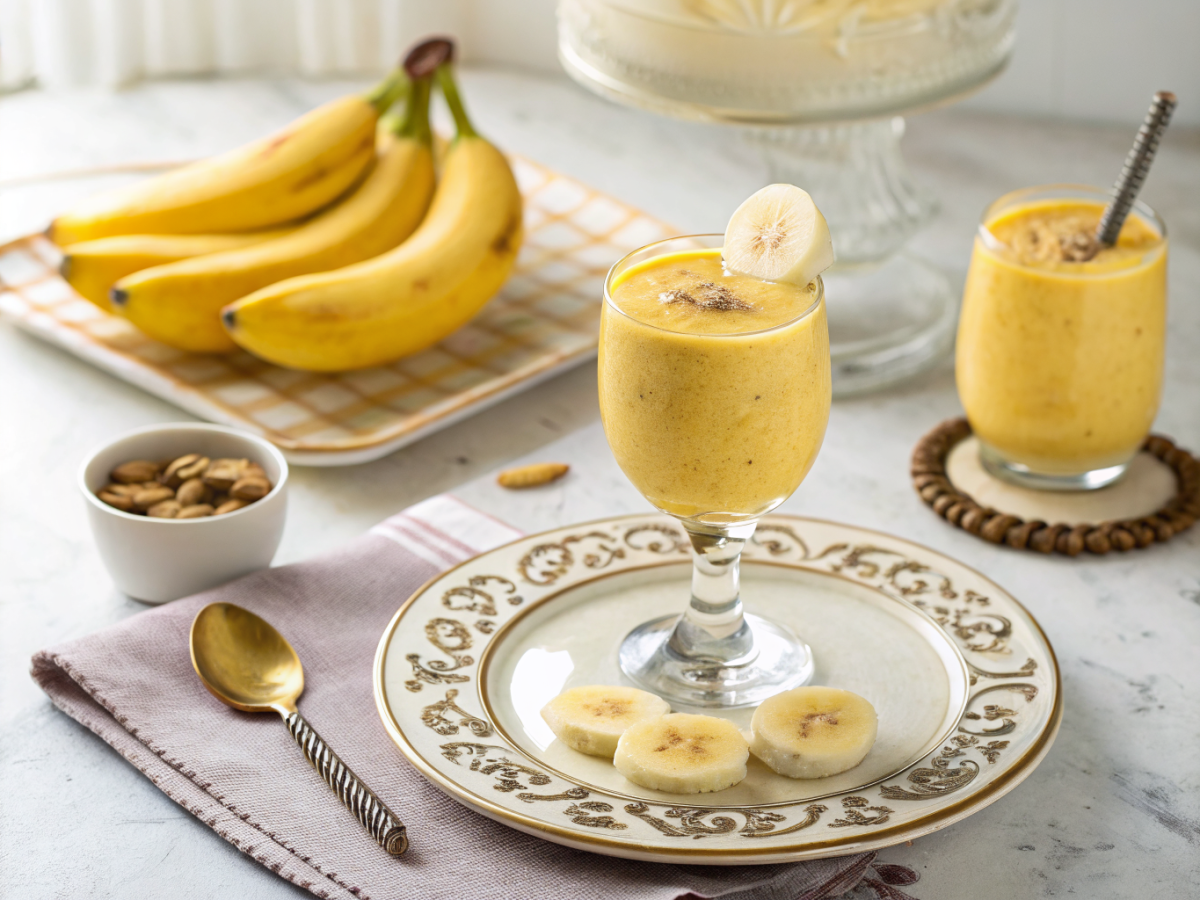
Zero Waste Banana Peel Smoothie That Everyone Will Save
Ingredients
Method
- Wash the organic bananas thoroughly under running water, scrubbing the peels gently to remove any dirt or residue. Cut off the hard stem ends and any brown spots from the peels.
- Peel the bananas and set the fruit aside. Chop the banana peels into small pieces, about 1-inch chunks, to help them blend more easily.
- Place the chopped banana peels, banana fruit, almond milk, almond butter, honey, vanilla extract, and cinnamon into a high-speed blender.
- Blend on high speed for 60 to 90 seconds until the mixture is completely smooth and creamy. The banana peels should be fully incorporated with no chunks remaining.
- Add the ice cubes and chia seeds if using, then blend again for another 30 seconds until the smoothie reaches your desired consistency.
- Taste the smoothie and adjust sweetness if needed by adding more honey or a pitted date. Blend briefly to combine.
- Pour the smoothie into two glasses and serve immediately. Garnish with a sprinkle of cinnamon or banana slices if desired.
Notes
\n\nThis Zero Waste Banana Peel Smoothie is perfect when you want something easy but still packed with flavor, especially if you love sustainable cooking. Using the entire banana including the peel reduces food waste while adding extra nutrients and fiber to your morning routine. This creamy, delicious smoothie proves that zero waste cooking doesn’t mean compromising on taste or texture.
Zero Waste Banana Peel Smoothie: 5 Easy Tips for Perfect Results
Creating the perfect banana peel smoothie requires understanding a few key techniques that transform what many consider trash into nutritional treasure. The banana peel contains essential vitamins, minerals, and fiber that most people throw away without realizing their potential. With the right preparation method, you can unlock these benefits while creating a smoothie that tastes amazing and supports your sustainability goals.
The first tip is always choosing organic bananas to avoid pesticide residues that concentrate on the peel. Wash your bananas thoroughly under running water, scrubbing gently with a vegetable brush to remove any dirt or contaminants. Remove both ends of the banana where it was attached to the bunch, as these parts can be tough and bitter.
Second, select bananas with yellow peels that have just started developing brown spots for optimal sweetness and digestibility. Overly green peels contain more resistant starch and tannins that create bitterness and astringency. Ripe banana peels blend more smoothly and contribute natural sweetness that reduces the need for added sugars.
Third, cut the peel into smaller pieces before blending to ensure your blender can process them completely. Even high-powered blenders work more efficiently when the peel is chopped into one-inch segments. This prevents large chunks from escaping the blades and ensures a silky-smooth texture in your final smoothie.
Fourth, balance the earthiness of the peel with complementary flavors like vanilla, cinnamon, or cocoa powder. These warming spices mask any slight bitterness while enhancing the overall flavor profile. Adding a pinch of salt also helps balance flavors and makes the natural sweetness more pronounced.
Fifth, include frozen fruit or ice to create a thick, creamy consistency that feels indulgent and satisfying. The cold temperature also helps mellow any strong flavors from the peel while making the smoothie more refreshing. A frozen banana (without peel) combined with the fresh banana peel creates the perfect texture combination.
Why You’ll Love This Zero Waste Banana Peel Smoothie
This sustainable smoothie represents a delicious way to reduce your environmental footprint while nourishing your body with overlooked nutrients. Banana peels contain high levels of potassium, vitamin B6, vitamin B12, magnesium, and fiber that support heart health and digestion. By incorporating the entire fruit, you’re maximizing nutritional value while minimizing waste in a way that feels both responsible and rewarding.
The environmental impact of this simple change is more significant than you might imagine. Americans alone throw away billions of pounds of banana peels annually, contributing to landfill waste and methane emissions. When you choose to blend these peels into smoothies, you’re participating in a circular food system that honors the resources required to grow and transport your food.
Beyond sustainability, this smoothie offers practical benefits for busy lifestyles and budget-conscious cooking. You’re essentially getting two servings of fruit for the price of one banana, stretching your grocery budget further. The added fiber from the peel keeps you feeling full longer, making it an excellent breakfast or post-workout option that sustains energy levels throughout the morning.
The taste is surprisingly delicious when prepared correctly, with a creamy texture similar to traditional smoothies. The natural sweetness of ripe bananas shines through, while the peel adds subtle depth and complexity to the flavor profile. Most people who try this smoothie are amazed that they can’t detect any “peel” taste, just pure banana goodness with extra body and nutrition.
This recipe also serves as a gateway to exploring other zero-waste cooking techniques and reducing kitchen waste overall. Once you experience success with banana peels, you’ll feel inspired to find creative uses for other vegetable scraps and fruit parts. It’s a small step that can transform your relationship with food and inspire more mindful consumption patterns in all areas of your kitchen.
Core Ingredients for Zero Waste Banana Peel Smoothie
The beauty of this recipe lies in its simplicity, requiring just a handful of wholesome ingredients that work together perfectly. Each component serves a specific purpose in creating the ideal balance of flavor, nutrition, and texture. Quality ingredients make all the difference, so choose organic produce when possible, especially for the banana since you’re consuming the peel.
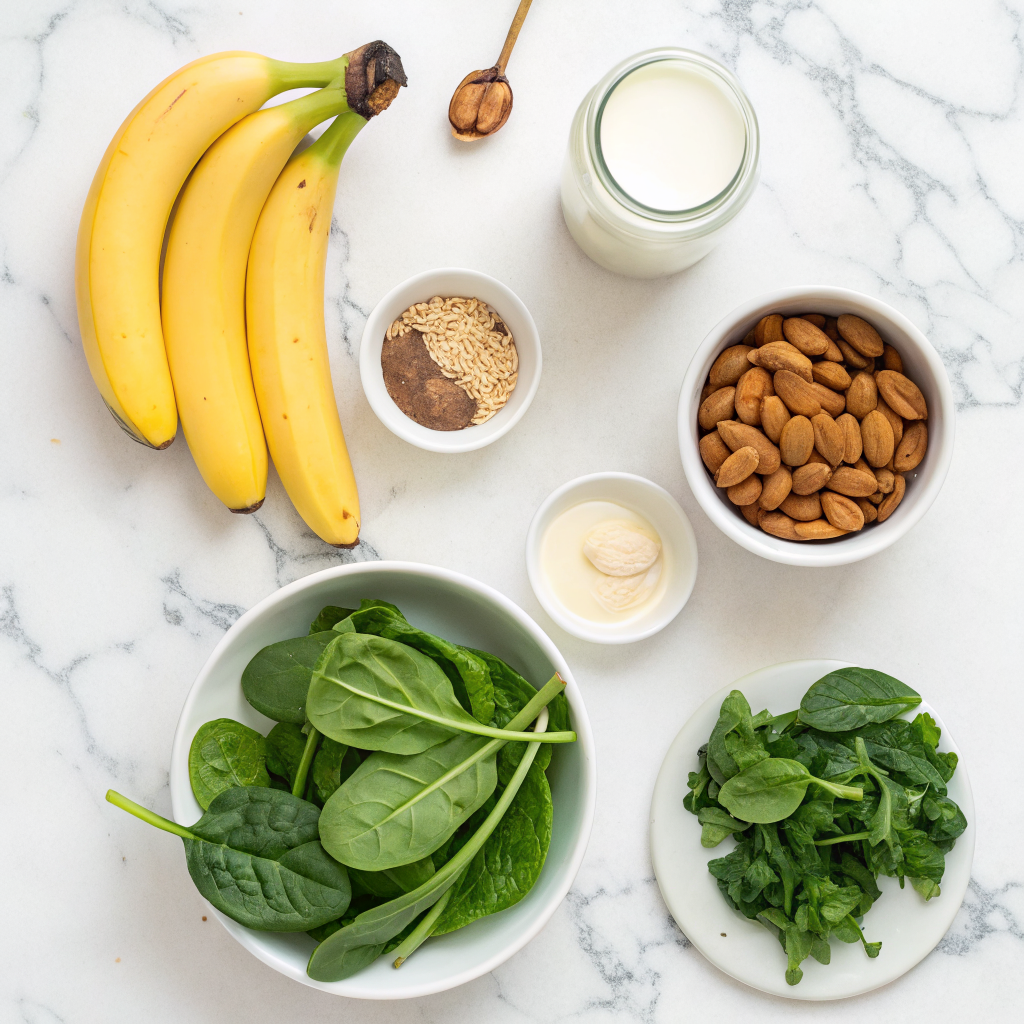
Main Ingredients:
- 1 organic banana with peel – Choose a ripe banana with yellow skin and brown spots for optimal sweetness and digestibility
- 1 cup unsweetened almond milk – Or any plant-based milk of your choice; adjust quantity for desired thickness
- 1 frozen banana (peeled) – Provides creamy texture and natural sweetness without diluting the smoothie
- 1 tablespoon almond butter – Adds healthy fats, protein, and rich flavor that complements the banana perfectly
- 1 teaspoon vanilla extract – Enhances sweetness perception and adds aromatic complexity to mask any bitterness
- 1/2 teaspoon ground cinnamon – Provides warmth and depth while supporting blood sugar regulation
- 1 tablespoon ground flaxseed – Contributes omega-3 fatty acids, fiber, and helps bind the smoothie ingredients together
- 1 cup fresh spinach (optional) – Boosts nutritional content without affecting taste when blended thoroughly
- 1-2 teaspoons maple syrup or honey (optional) – Add only if needed for additional sweetness based on banana ripeness
- 4-5 ice cubes – Creates the perfect frosty consistency and makes the smoothie more refreshing
These ingredients create approximately two servings of smoothie, perfect for sharing or saving half for later. The combination provides a balanced macronutrient profile with carbohydrates from fruit, healthy fats from almond butter, and protein from the milk and flaxseed. This balance ensures sustained energy without blood sugar spikes that leave you hungry an hour later.
You can easily customize this base recipe by adding protein powder, Greek yogurt, or additional fruits based on your preferences. The foundation remains the same: whole banana with peel, liquid base, frozen element for texture, and flavor enhancers. Once you master this basic formula, experimentation becomes fun and intuitive as you discover your perfect combination.
How to Make Zero Waste Banana Peel Smoothie: Step-by-Step
Preparing this sustainable smoothie takes just five minutes from start to finish, making it perfect for busy mornings. The key is proper peel preparation and the correct blending sequence to ensure smooth, creamy results. Follow these detailed steps for foolproof success every time you make this eco-friendly breakfast option.
Step 1: Prepare the Banana Peel
Start by selecting an organic banana with yellow skin and brown spots indicating ripeness. Wash the entire banana thoroughly under cool running water, gently scrubbing with a vegetable brush to remove any dirt, debris, or residues. Pat the banana completely dry with a clean kitchen towel to prevent excess water from diluting your smoothie.
Cut off both ends of the banana where it connected to the bunch, removing about half an inch from each end. These portions can be tough and sometimes bitter, so discarding them improves the final taste. Peel the banana carefully, setting the fruit aside and keeping the peel for your smoothie preparation.
Chop the banana peel into roughly one-inch pieces to help your blender process them more efficiently. Even high-powered blenders work better with smaller pieces that can be caught by the blades easily. Place the chopped peel pieces directly into your blender container along with the peeled banana from inside.
Step 2: Add Liquid and Frozen Ingredients
Pour one cup of unsweetened almond milk into the blender as your liquid base. The liquid should cover at least half of the solid ingredients to help the blending process begin smoothly. If you prefer thicker smoothies, start with less liquid and add more gradually until you reach your desired consistency.
Add your frozen banana pieces to the blender, which will create that thick, creamy texture reminiscent of soft-serve ice cream. The frozen element is crucial for achieving the right consistency without watering down your smoothie with excessive ice. If you don’t have frozen banana, you can use extra ice cubes, though the texture won’t be quite as creamy.
Step 3: Add Flavor Enhancers and Nutritional Boosters
Spoon in one tablespoon of almond butter, which adds richness, healthy fats, and protein to make this smoothie more satisfying. The nut butter also helps create a velvety texture while providing sustained energy that keeps you full until lunch. If you have a nut allergy, sunflower seed butter works as an excellent alternative with similar nutritional benefits.
Add one teaspoon of vanilla extract and half a teaspoon of ground cinnamon to enhance the natural banana flavor. These aromatics work together to create depth and complexity while masking any potential bitterness from the peel. Sprinkle in one tablespoon of ground flaxseed for omega-3 fatty acids and additional fiber that supports digestive health.
If you’re including spinach for extra nutrients, add it now along with ice cubes for the perfect frosty consistency. The spinach will blend completely invisible in both color and taste when combined with the other ingredients. Add your optional sweetener only if your bananas aren’t quite ripe enough to provide sufficient natural sweetness on their own.
Step 4: Blend to Perfection
Secure the blender lid tightly and start blending on low speed for about 10 seconds to break down the larger pieces. Gradually increase to high speed and blend for 60-90 seconds until the mixture is completely smooth and creamy. You should see no visible pieces of peel or any graininess in the texture when properly blended.
Stop the blender and scrape down the sides with a spatula if needed to ensure all ingredients are incorporated evenly. Blend for an additional 15-30 seconds on high speed to achieve that silky-smooth consistency. The smoothie should pour easily but maintain a thick, spoonable texture that doesn’t separate immediately.
Taste your smoothie and adjust sweetness or spices as needed before serving. If it’s too thick, add a splash more almond milk and pulse briefly to combine. If it’s too thin, add a few more ice cubes or a small handful of frozen fruit and blend again until you reach your preferred consistency.
Step 5: Serve and Enjoy
Pour your smoothie into glasses immediately for the best texture and temperature. The smoothie tastes best when consumed fresh, though it can be refrigerated for up to 24 hours in an airtight container. Give it a good shake or stir before drinking if it has been stored, as natural separation may occur over time.
Consider garnishing with a sprinkle of cinnamon, a few banana slices, or a drizzle of almond butter for visual appeal. These finishing touches make your sustainable smoothie feel special and Instagram-worthy while adding textural interest. Serve with a reusable straw or spoon depending on how thick your final consistency turned out.
Nutrition & Health Benefits
This nutrient-dense smoothie provides an impressive array of vitamins, minerals, and beneficial compounds that support overall health and wellness. Banana peels contain significantly higher levels of certain nutrients compared to the fruit itself, making this zero-waste approach nutritionally superior. Understanding these benefits helps you appreciate why this simple recipe is so much more than just an environmental choice.
Banana peels are exceptionally rich in potassium, containing even more than the banana fruit, which supports heart health and blood pressure regulation. They also provide substantial amounts of vitamin B6 and vitamin B12, which are crucial for energy metabolism and nervous system function. The high fiber content aids digestion, promotes feelings of fullness, and supports healthy gut bacteria that influence everything from immunity to mood.
The antioxidants in banana peels, including dopamine and lutein, help protect your cells from oxidative stress and inflammation. These compounds may support eye health, reduce the risk of chronic diseases, and promote healthy aging. Research suggests that banana peels contain polyphenols and carotenoids with potential anti-cancer properties, though more studies are needed to fully understand these effects.
This smoothie provides approximately 300-350 calories per serving, making it a substantial breakfast or post-workout recovery drink. The macronutrient breakdown includes roughly 60 grams of carbohydrates, 8 grams of protein, and 10 grams of healthy fats. This balance provides quick energy from natural sugars while the fiber, protein, and fat slow digestion for sustained energy release.
The combination of ingredients creates a complete nutritional profile with essential amino acids, omega-3 fatty acids, and a wide spectrum of micronutrients. The almond butter and flaxseed contribute healthy fats that support brain function, hormone production, and nutrient absorption. If you’re interested in more drinks and detox recipes, this smoothie fits perfectly into a clean eating lifestyle while reducing food waste.
Regular consumption of this smoothie may support weight management goals due to its high fiber content and balanced macronutrients. The resistant starch in banana peels acts as a prebiotic, feeding beneficial gut bacteria that influence metabolism and appetite regulation. Many people report improved digestion, more stable energy levels, and reduced cravings when incorporating this smoothie into their routine.
Variations & Substitutions
This versatile recipe adapts easily to accommodate different dietary needs, taste preferences, and available ingredients. The basic formula remains the same while allowing creative freedom to customize flavors and nutritional profiles. Experimenting with variations keeps your smoothie routine interesting while helping you discover new favorite combinations.
Protein-Packed Variations
Transform this smoothie into a complete meal replacement by adding a scoop of your favorite protein powder. Vanilla or chocolate protein powder both work beautifully with the banana base, increasing the protein content to 25-30 grams per serving. This makes it ideal for post-workout recovery or as a quick lunch option when you need sustained energy.
Greek yogurt or silken tofu can replace some of the almond milk for a creamier texture and additional protein. Use half a cup of Greek yogurt and reduce the almond milk to half a cup for a thicker, more substantial smoothie. This variation works especially well if you’re looking for high-protein recipes that support muscle building and recovery.
Tropical Twist
Add half a cup of frozen mango or pineapple chunks to create a tropical flavor profile that transports you to a sunny beach. The natural acidity of these fruits brightens the smoothie while complementing the banana’s sweetness perfectly. Include a tablespoon of coconut flakes or use coconut milk instead of almond milk for an extra tropical dimension.
Fresh or frozen papaya works wonderfully in this variation, adding digestive enzymes that support gut health. A squeeze of fresh lime juice enhances the tropical flavors while providing vitamin C and helping your body absorb the iron from the spinach. This version tastes like a vacation in a glass while maintaining all the zero-waste benefits.
Chocolate Indulgence
Create a dessert-like smoothie by adding one to two tablespoons of unsweetened cocoa powder or cacao powder. The chocolate flavor pairs naturally with banana while adding antioxidants and a mood-boosting compound called theobromine. This variation satisfies sweet cravings while providing substantial nutrition, making it perfect for those transitioning to healthier eating habits.
Add a handful of dark chocolate chips or cacao nibs for texture and extra richness. You can also include a tablespoon of peanut butter instead of almond butter for a classic chocolate-peanut butter combination. This indulgent variation proves that healthy eating doesn’t mean sacrificing the flavors you love most.
Green Goddess Version
Double the spinach to two cups or add a handful of kale for an extra nutrient boost without significantly changing the taste. The banana and other ingredients mask the green flavor completely while you benefit from increased vitamins A, C, K, and iron. Add half an avocado for additional healthy fats and an incredibly creamy texture that feels luxurious.
Include fresh herbs like mint or basil for an unexpected flavor dimension that feels refreshing and sophisticated. A small piece of fresh ginger or a pinch of spirulina powder adds anti-inflammatory benefits and unique taste notes. This variation is perfect for those who want maximum nutritional density in every sip.
Substitution Options
Replace almond milk with oat milk, coconut milk, soy milk, or regular dairy milk based on your preferences and dietary needs. Each type of milk creates a slightly different flavor and texture profile while maintaining the smoothie’s creamy consistency. Oat milk adds extra creaminess and subtle sweetness, while coconut milk provides tropical notes and healthy medium-chain triglycerides.
Swap almond butter for peanut butter, cashew butter, tahini, or sunflower seed butter depending on allergies and taste preferences. Each nut or seed butter brings its own unique flavor and nutritional profile to the smoothie. Tahini creates an interesting savory-sweet combination that sophisticated palates often appreciate.
Use dates, agave nectar, or stevia instead of maple syrup for sweetening if needed. Medjool dates add natural sweetness along with fiber and minerals, though they require a high-powered blender to incorporate smoothly. Frozen fruit like berries, peaches, or cherries can replace the frozen banana while creating entirely new flavor profiles worth exploring.
Serving Suggestions
This versatile smoothie works beautifully in various serving contexts, from quick weekday breakfasts to leisurely weekend brunches. Presentation matters even for everyday meals, and a few simple touches can transform this nutritious drink into something that feels special. Consider these creative serving ideas to maximize enjoyment and make your zero-waste smoothie feel like a treat.
Serve your smoothie in a chilled glass or mason jar to maintain the perfect cold temperature throughout your meal. A wide-mouth glass allows you to appreciate the creamy texture and makes it easier to add toppings or eat with a spoon. Mason jars with handles are practical for taking your smoothie on the go while reducing single-use cup waste.
Create a smoothie bowl by using less liquid for a thicker consistency that can be eaten with a spoon. Top with sliced fresh fruit, granola, coconut flakes, chia seeds, and a drizzle of nut butter for added texture and visual appeal. This presentation transforms a simple smoothie into an Instagram-worthy breakfast that feels more substantial and satisfying than a drinkable version.
Pair your smoothie with whole grain toast, avocado toast, or a breakfast sandwich for a complete morning meal. The smoothie provides quick energy and nutrients while the toast offers additional fiber and sustained energy from complex carbohydrates. This combination works especially well if you’re looking for quick and easy meals that don’t compromise on nutrition or taste.
Serve alongside a small handful of nuts or a hard-boiled egg if you need extra protein to stay full until lunch. The smoothie’s carbohydrates provide immediate energy while the additional protein source ensures sustained satiety. This pairing is particularly effective for active individuals or those with higher protein requirements.
Use this smoothie as a post-workout recovery drink within 30 minutes of exercise for optimal nutrient timing. The natural sugars help replenish glycogen stores while the protein supports muscle repair and growth. The potassium from the banana and peel helps prevent cramping and supports proper muscle function after intense physical activity.
Freeze leftover smoothie in popsicle molds for a healthy frozen treat that kids and adults both love. These smoothie popsicles make perfect afternoon snacks or desserts that provide nutrition without added sugars or artificial ingredients. They’re especially appreciated during hot summer months when you want something cold and refreshing but still wholesome.
Common Mistakes to Avoid
Even simple recipes can go wrong without proper technique and attention to detail. Understanding common pitfalls helps you achieve perfect results every time you make this sustainable smoothie. Learn from these mistakes so you can enjoy consistently delicious smoothies without frustration or wasted ingredients.
Using Non-Organic Bananas
The most critical mistake is using conventionally grown bananas that may contain pesticide residues concentrated on the peel. These chemicals can affect taste and potentially impact your health when consumed regularly. Always choose organic bananas when you plan to consume the peel, as this ensures you’re getting nutrients without unwanted chemical exposure.
If organic bananas aren’t available or affordable, thoroughly wash conventional bananas with a produce wash or vinegar solution. Scrub vigorously with a vegetable brush to remove as much surface residue as possible. However, understand that some pesticides penetrate beyond the surface, so organic remains the safest choice for peel consumption.
Using Unripe or Overripe Bananas
Green banana peels contain high levels of tannins and resistant starch that create an unpleasant astringent, bitter taste. These compounds make the smoothie difficult to enjoy regardless of what other ingredients you add. Wait until your bananas develop brown spots before using them, as this indicates the starches have converted to sugars and the tannins have mellowed.
Conversely, extremely overripe bananas with completely black peels may have fermented slightly, creating off flavors and potentially causing digestive discomfort. The ideal banana shows yellow skin with brown spots covering about 30-50% of the surface. This stage offers optimal sweetness, digestibility, and nutritional availability for your smoothie.
Not Removing the Ends
The tough, fibrous ends where the banana connected to the bunch contain concentrated bitterness and don’t blend smoothly. These portions can create an unpleasant grainy texture and add unwanted astringency to your smoothie. Always trim off at least half an inch from both ends before chopping the peel for blending.
Adding Too Much Liquid
Starting with too much liquid creates a thin, watery smoothie that lacks the creamy, satisfying texture that makes smoothies enjoyable. It’s always easier to add more liquid than to thicken a smoothie that’s already too thin. Begin with less liquid than you think you need, blend, then add more gradually until you reach your preferred consistency.
Insufficient Blending Time
Banana peels require thorough blending to break down their fibrous structure completely. Stopping too soon leaves small pieces of peel that create an unpleasant texture and make the smoothie less enjoyable to drink. Blend for at least 60-90 seconds on high speed, checking the consistency before deciding if additional blending is needed.
If you notice any graininess or visible peel pieces, continue blending in 15-second intervals until completely smooth. High-powered blenders like Vitamix or Blendtec work best for this recipe, though standard blenders can achieve good results with longer blending times. The extra minute of blending makes the difference between a mediocre smoothie and an exceptional one.
Skipping Flavor Enhancers
For more culinary inspiration, visit AllRecipes.

HomeCook Legacy Kitchen is the editorial name of homecooklegacy.com. Recipes on this site are drafted with the help of AI tools and published by the HomeCook Legacy team. Please check ingredients, cooking times and food-safety guidance for your own situation.