
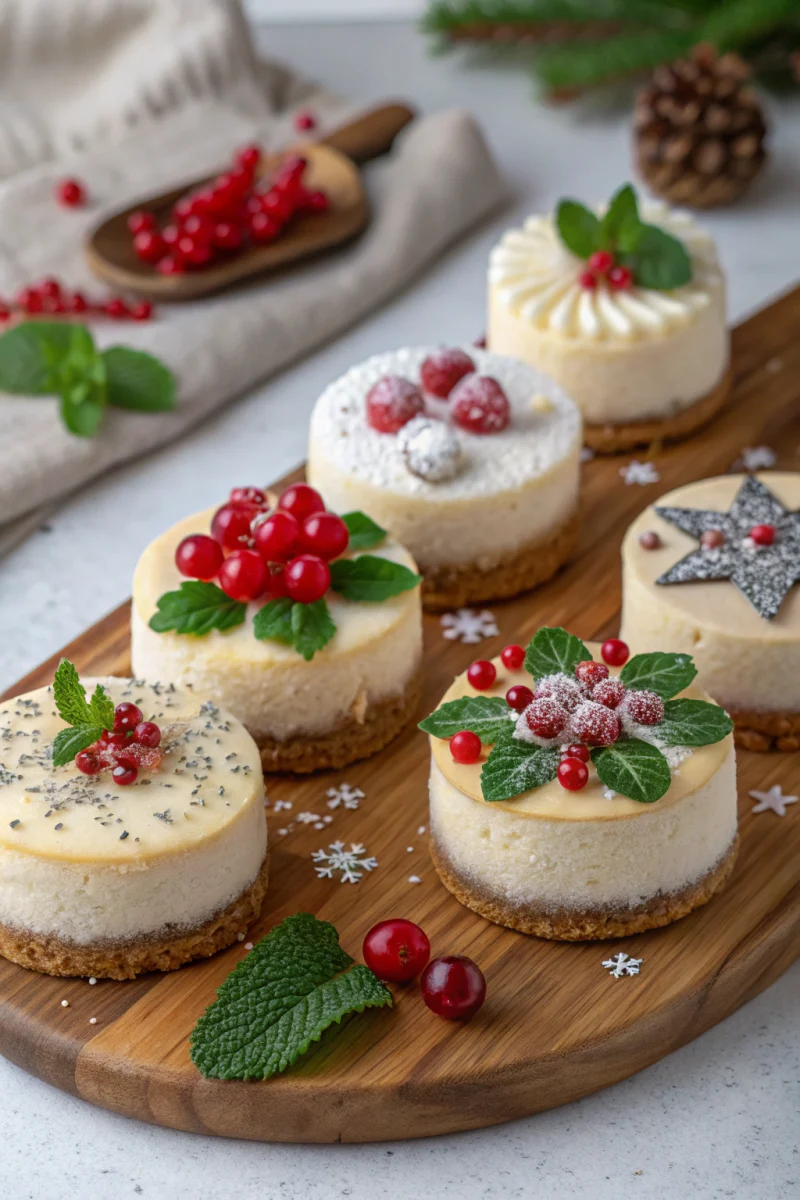
If you are dreaming of baking show-stopping Christmas Cheesecakes that look impressive on the holiday table and taste bakery-quality, this guide will walk you through every step from crust to topping.
Christmas Cheesecakes are more than just a seasonal dessert; they’re a centerpiece of holiday feasts, a decadent treat that embodies the spirit of warmth, celebration, and togetherness. This comprehensive guide will delve into mastering the art of creating the perfect Christmas Cheesecake, from velvety smooth fillings to crunchy, festive crusts, ensuring every slice is a memorable experience.
From texture to toppings, Christmas Cheesecakes are the ultimate holiday showstopper, and understanding how they work will make your bakes more reliable and more delicious.
The Enduring Appeal of Christmas Cheesecakes
There’s something undeniably magical about a cheesecake during the holidays. Its rich, creamy texture and often intricate flavors evoke a sense of special indulgence. Unlike lighter, fruit-based desserts, Christmas Cheesecakes offer a comforting weight and a luxurious mouthfeel that perfectly complements the hearty meals and chilly evenings of the winter season. They are versatile, allowing for endless variations to suit any holiday theme, from traditional spiced recipes to more modern, inventive combinations.
Q: Why do Christmas cheesecakes feel more special than regular weeknight desserts?
A: The combination of rich dairy, warming spices, and festive toppings turns Christmas cheesecakes into a celebratory centerpiece that people expect only once or twice a year, so every slice feels like a treat.
Q: How many people can one Christmas cheesecake serve at a holiday gathering?
A: A standard 9-inch cheesecake comfortably serves 10–12 people. For bigger parties, bake two different flavors so guests can sample more than one slice.
Understanding the Foundation: The Key Components of Christmas Cheesecakes
A truly exceptional Christmas Cheesecake is built on three essential pillars: the crust, the filling, and the topping. Each component plays a crucial role in creating a harmonious balance of flavors and textures.
Q: What’s the easiest way to start experimenting with Christmas cheesecake recipes?
A: Keep your favorite base recipe and change just one pillar at a time—try a new crust, a new spice mix in the filling, or a different topping—so you can taste how each change affects the final dessert.
The Crust: The Unsung Hero
The crust provides a foundation of texture and often a counterpoint of flavor to the rich filling. While a classic graham cracker crust is always a winner, Christmas offers opportunities to elevate it.
- Classic Graham Cracker Crust: Simple, sweet, and buttery. Made with crushed graham crackers, melted butter, and a touch of sugar.
- Ginger Snap Crust: A festive twist, offering a spicy, warm flavor that pairs wonderfully with many Christmas cheesecake fillings. Crushed ginger snaps (or gingersnaps) replace graham crackers.
- Oreo or Chocolate Wafer Crust: For chocolate lovers, a dark chocolate crust provides a dramatic contrast and rich flavor.
- Shortbread Crust: Provides a more substantial, tender, and buttery base, perfect for elegant cheesecakes.
Q: Which crust is best for very heavy Christmas cheesecakes with lots of toppings?
A: A par-baked gingersnap or shortbread crust holds up especially well under dense fillings and generous toppings because it bakes into a sturdier, slightly crunchier base.
The Filling: The Velvety Heart of Christmas Cheesecakes
This is where the magic truly happens. A good cheesecake filling is smooth, creamy, and holds its shape beautifully. The core ingredients typically include:
- Cream Cheese: Always use full-fat block cream cheese, softened at room temperature. Its high fat content is crucial for the rich texture.
- Sugar: Granulated sugar is standard, but brown sugar can add a caramel note.
- Eggs: Act as a binder and help set the cheesecake. Room temperature eggs blend more smoothly.
- Sour Cream or Heavy Cream: Adds moisture, tang, and contributes to the creamy texture. It also helps prevent cracking.
- Flavorings: Vanilla extract is essential, but for Christmas Cheesecakes, this is where holiday spices and extracts come into play.
Q: How can I keep my cheesecake filling from getting lumpy?
A: Beat the cream cheese on its own until perfectly smooth, then add sugar and remaining ingredients at low speed. Room temperature ingredients and frequent bowl scraping are key.
The Topping: The Crowning Glory
Toppings provide an additional layer of flavor, texture, and visual appeal, making your Christmas Cheesecakes truly spectacular.
- Berry Compotes: Cranberry, raspberry, or mixed berry compotes offer a tart contrast to the rich filling.
- Chocolate Ganache: A decadent, glossy topping that pairs well with almost any cheesecake flavor.
- Caramel Sauce: Particularly delicious with apple, pecan, or pumpkin cheesecakes.
- Whipped Cream and Fresh Fruit: Simple, elegant, and always a crowd-pleaser.
- Spiced Pecans or Candied Walnuts: Adds crunch and a warm, nutty flavor.
Q: When should I add toppings to my Christmas cheesecake?
A: Let the cheesecake chill completely first. Add sauces, compotes, nuts, or whipped cream just before serving so the crust stays crisp and the toppings look fresh.
Mastering the Technique: Step-by-Step Guide to Perfect Christmas Cheesecakes
Creating a crack-free, perfectly set cheesecake requires attention to detail, but it’s completely achievable with these steps.
Step 1 — Prepare Your Pan and Crust
Lightly grease a 9-inch springform pan. Prepare your chosen crust mixture. Press it firmly and evenly into the bottom of the pan and about an inch up the sides. For a sturdier crust, par-bake it at 350°F (175°C) for 8-10 minutes, then let it cool completely. This prevents soggy bottoms.
Step 2 — Mix the Cream Cheese Filling
Ensure all cold ingredients (cream cheese, eggs, sour cream) are at room temperature. This is critical for a smooth, lump-free batter. Beat the softened cream cheese with sugar on low speed until smooth and creamy. Scrape down the sides of the bowl frequently. Add sour cream or heavy cream and vanilla extract, mixing until just combined. Then, one at a time, beat in the eggs on low speed, mixing just until incorporated after each addition. Overmixing at this stage incorporates too much air, which contributes to cracks.
Step 3 — Add Christmas Flavorings
This is where your Christmas Cheesecakes truly shine. Gently fold in your chosen festive additions:
- Pumpkin Spice Cheesecake: 1 cup pumpkin puree, 2 tsp pumpkin pie spice, 1/2 tsp ginger.
- Peppermint Bark Cheesecake: 1 tsp peppermint extract, 1/2 cup crushed candy canes (folded in at the end).
- Gingerbread Cheesecake: 1/4 cup molasses, 1 tsp ground ginger, 1/2 tsp cinnamon, 1/4 tsp cloves.
- Cranberry Orange Cheesecake: Zest of 1 orange, 1/2 cup finely chopped fresh cranberries.
Step 4 — The Water Bath: Your Best Friend for Crack-Free Cheesecakes
Wrap the outside of your springform pan tightly with several layers of heavy-duty aluminum foil to prevent water from seeping in. Place the foil-wrapped pan into a larger roasting pan. Pour the cheesecake batter into the prepared crust. Carefully pour hot water into the roasting pan, reaching about halfway up the sides of the springform pan. The water bath creates a moist, even heat, preventing the rapid temperature changes that cause cracking. For even more detail on water baths and crack prevention, King Arthur Baking’s cheesecake guide walks through foil-wrapping and oven setup step by step. :contentReference[oaicite:0]{index=0}
Step 5 — Baking and Cooling
Bake in a preheated oven at 325°F (160°C) for 60-90 minutes, depending on your oven and the exact recipe. The cheesecake is done when the edges are set, but the center 2-3 inches still jiggle slightly when the pan is gently nudged.
Turn off the oven, leave the oven door ajar (props open with a wooden spoon), and allow the cheesecake to cool inside the oven for 1 hour. This slow cooling process is crucial for preventing cracks.
Remove from the oven, remove the foil, and let it cool completely on a wire rack at room temperature for another 1-2 hours.
Finally, refrigerate the cheesecake for at least 6-8 hours, or preferably overnight, before serving. Chilling fully allows the cheesecake to set properly and develop its full flavor and texture.
Q: How do I know when to stop baking my Christmas cheesecake?
A: Look for set edges and a slight wobble in the 2–3 inch center when you gently nudge the pan. If it ripples like soup, it needs more time; if it doesn’t move at all, it may be overbaked.
Q: Do I always have to use a water bath?
A: A water bath gives the most reliable, crack-free results, especially for dense Christmas cheesecakes. If you skip it, bake at a lower temperature and avoid sudden temperature changes to minimize cracking.
Creative Christmas Cheesecakes Variations
The beauty of Christmas Cheesecakes lies in their adaptability. Here are some inspiring ideas for your holiday table:
- Candy Cane Peppermint Cheesecake: A white chocolate cheesecake base swirled with peppermint flavoring and topped with crushed candy canes or a peppermint ganache.
- Gingerbread Cheesecake: A spiced cream cheese filling with molasses, ginger, cinnamon, and cloves, often paired with a gingersnap crust and a dollop of sweetened whipped cream.
- Cranberry Orange Cheesecake: A bright, tangy filling incorporating orange zest and swirls of cranberry compote. A shortbread crust complements this beautifully.
- Eggnog Cheesecake: Infuse your cheesecake with the classic holiday drink, using eggnog in the filling and a sprinkle of fresh nutmeg on top.
- Chocolate Peppermint Swirl Cheesecake: A rich chocolate cheesecake batter swirled with a peppermint-flavored white cheesecake batter.
- Spiced Apple Crumble Cheesecake: A creamy spiced cheesecake topped with a layer of caramelized apples and a crunchy oat crumble.
- Maple Pecan Cheesecake: A rich, maple-flavored cheesecake topped with candied pecans and a drizzle of maple syrup or caramel.
Q: What’s an easy way to offer multiple Christmas cheesecake flavors?
A: Make a plain base batter and divide it into bowls. Stir different spices, extracts, or mix-ins into each portion, then swirl them together in the pan or bake them as mini cheesecakes.
Q: Can I turn these Christmas cheesecake variations into mini desserts?
A: Yes. Spoon different flavored batters into muffin tins or small jars with crust in the bottom for a festive trio of mini cheesecakes on your dessert table.
Nutrition Insights for Christmas Cheesecakes
While often seen as an indulgence, Christmas Cheesecakes can contribute certain nutrients, especially when considering homemade versions with quality ingredients. For a typical slice (approximately 1/12th of a 9-inch cheesecake):
Calories: 350-500 (varies greatly by recipe, crust, and toppings)
Protein: 8-12g (from cream cheese and eggs)
Carbohydrates: 30-50g (from sugar, crust, and any fruit purees)
Fat: 25-40g (primarily from full-fat cream cheese, butter, and eggs)
Calcium: ~10% DV (from dairy)
Vitamin A: ~10% DV (from dairy)
While these are estimates, understanding the components allows for mindful enjoyment. For a slightly lighter option, you can reduce the sugar slightly, or use a thin crust. However, the true joy of Christmas Cheesecakes often lies in embracing its richness for a special occasion.
For more detailed nutritional information on dairy products, you can refer to resources like Healthline’s article on cream cheese nutrition and health benefits. :contentReference[oaicite:1]{index=1}
Q: Is there a way to make Christmas cheesecakes feel a bit lighter without losing the classic texture?
A: Try a thinner crust, slightly reduce sugar, and add a bright, fruity topping like cranberry or citrus. You’ll still enjoy the creamy filling, but the overall dessert will taste less heavy.
Serving and Storage Suggestions
Presentation is key for Christmas Cheesecakes. Remove the cheesecake from the springform pan by carefully releasing the latch and running a thin knife around the edge. Use
a hot, dry knife for clean slices; wipe the knife clean between each cut.
Serve plain for a classic look, or adorn with festive garnishes:
- A dusting of powdered sugar (like fresh snow).
- Fresh cranberries and rosemary sprigs for a natural, elegant touch.
- Chocolate shavings or curls.
- A drizzle of homemade caramel or chocolate sauce.
- A dollop of spiced whipped cream.
Storage Tips:
Christmas Cheesecakes store remarkably well.
Refrigerate leftover cheesecake, covered loosely with plastic wrap or foil, for up to 5-7 days.
For longer storage, cheesecake freezes beautifully. Wrap individual slices or the entire cheesecake (once fully chilled) tightly in plastic wrap, then an additional layer of aluminum foil. It can be frozen for up to 1-2 months. Thaw overnight in the refrigerator before serving. Freezing can sometimes slightly alter the texture, making it a bit denser.
For a clear overview of how long cheesecake lasts in the fridge and freezer, Food Network summarizes USDA-based storage and food safety guidelines that home bakers can easily follow. :contentReference[oaicite:2]{index=2}
Q: How long can a Christmas cheesecake safely sit out at a party?
A: Aim for no more than about 2 hours at room temperature before returning it to the fridge. Set a timer so you don’t lose track in the holiday chaos.
Q: What is the best way to thaw a frozen Christmas cheesecake?
A: Keep it wrapped and thaw it overnight in the refrigerator. Unwrap shortly before serving and add fresh toppings so the surface stays neat.
Common Pitfalls and How to Avoid Them
Even seasoned bakers can encounter challenges with cheesecakes. Here are common issues and their solutions:
- Cracked Surface: The most common problem. Caused by overmixing the batter (incorporating too much air), rapid temperature changes during baking or cooling, or dry oven air. Solutions: Mix on low speed, use a water bath, cool slowly in the oven, and avoid opening the oven door frequently.
- Soggy Crust: Usually due to not par-baking the crust, or water seeping into the pan during the water bath. Ensure your foil wrapping is very secure around the springform pan.
- Lumpy Filling: Primarily caused by not using room temperature cream cheese and eggs. Beat cream cheese on its own until perfectly smooth before adding other ingredients.
- Undercooked Center: The center jiggles too much. It needs more bake time. Go by the jiggle test, not just the timer.
- Overcooked/Dry Cheesecake: Usually caused by baking too long or at too high a temperature. The texture will be crumbly rather than creamy. Stick to lower temperatures and the jiggle test.
Understanding these potential issues empowers you to troubleshoot and achieve perfect results every time. Harvard Health Publishing offers valuable insights into healthy baking practices that can be applied to many desserts, including cheesecake components: Harvard T.H. Chan School of Public Health Nutrition Source. :contentReference[oaicite:3]{index=3}
Q: My cheesecake still cracked—can I save it?
A: Absolutely. Cover cracks with whipped cream, ganache, or fruit topping. The texture will still be delicious, and most guests will never see the flaw.
Q: Which mistake ruins Christmas cheesecakes most often?
A: Overbaking is the big one. Pull the cheesecake when the center still has a gentle wobble, then rely on slow cooling and chilling to finish setting it.
The Cultural Significance of Cheesecake
Cheesecake, in its various forms, has a surprisingly long and rich history. Its roots can be traced back to ancient Greece, where a simple form of cheesecake was served at the first Olympic Games. Over centuries, it evolved through Roman, European, and eventually American culinary traditions, adopting local ingredients and techniques. The modern cream cheese cheesecake, as we know it, gained popularity in the early 20th century in New York.
For Christmas, the cheesecake transforms, often incorporating spices and flavors that resonate with holiday traditions globally. From the subtle warmth of ginger and cinnamon to the festive brightness of cranberry and orange, Christmas Cheesecakes have become a beloved part of winter celebrations, signifying abundance, joy, and the pleasure of sharing comforting food with loved ones. It’s a dessert that feels both celebratory and deeply cozy, a perfect reflection of the season. To learn more about the nutritional aspects of various food ingredients, Medical News Today also provides useful information: Medical News Today – Nutrition and Diet. :contentReference[oaicite:4]{index=4}
Q: Why are cheesecakes especially popular at Christmas?
A: The rich, creamy texture and warm spices match cold-weather comfort food, and a beautifully decorated cheesecake feels like a centerpiece as well as a dessert.
Pairing Your Christmas Cheesecakes
To fully experience your Christmas Cheesecake, consider complementary beverages and accompaniments:
- Coffee or Espresso: The bitterness cuts through the richness beautifully.
- Dessert Wine: A late-harvest Riesling or a Port wine can be a surprisingly elegant pairing.
- Spiced Tea: A black tea infused with cinnamon or cloves will enhance the festive flavors.
- Hot Chocolate: Especially good with chocolate or peppermint cheesecakes, creating a truly indulgent experience.
- Fruit-Infused Water: For a lighter option, a sparkling water with muddled berries or orange slices provides a refreshing contrast.
For additional holiday recipes that complement your cheesecake, explore other sections of HomeCookLegacy.com, such as our Chicken & Vegetable Stew for a hearty main course, or perhaps some Greek Yogurt Cheesecake Cups for a lighter, individual-portioned dessert. If you’re looking for quick meal ideas during the busy holiday season, make sure to check out our Lemon Herb Chicken & Rice.
Q: What drink should I serve with a very rich chocolate Christmas cheesecake?
A: Strong coffee, espresso, or a not-too-sweet Port pairs beautifully with chocolate cheesecakes and balances the richness.
Q: How can I build a whole dessert spread around one Christmas cheesecake?
A: Serve smaller bites that echo its flavors—like peppermint bark, spiced nuts, or citrus cookies—so the cheesecake stays the star while the other treats tie into the same theme.
Pro Tips for Show-Stopping Christmas Cheesecakes
Once you are comfortable with the basics, a few strategic tweaks can take your Christmas Cheesecakes from delicious to unforgettable. Think about contrast: creamy filling against crisp crust, warm spices against bright citrus, and smooth base layers crowned with textural toppings.
- Use quality dairy: Full-fat brick cream cheese and real sour cream or heavy cream create a smoother, richer texture than low-fat or whipped alternatives.
- Mind your mixing: Keep the mixer on low and stop as soon as ingredients are combined to avoid incorporating excess air, which can cause cracks and a spongy texture.
- Flavor in layers: Add spices to the crust, zest to the filling, and complementary flavors in the topping so each bite tastes complex rather than one-note.
- Rest the batter: After mixing, let the batter sit for 5–10 minutes so large air bubbles rise to the surface; tap the pan gently before baking to release them.
- Trim the edges: Run a thin knife around the edge of the cheesecake once it comes out of the oven to release it from the pan and prevent tearing and cracking as it cools.
Q: What single change makes the biggest difference in Christmas cheesecake texture?
A: Using room temperature ingredients and mixing on low speed transforms the texture, giving you that ultra-smooth, bakery-style filling.
Q: How can I make my cheesecake look more professional on the plate?
A: Clean each slice with a hot, dry knife, then add a small garnish—like a cranberry, mint sprig, or chocolate curl—to each plate for a polished finish.
Equipment and Make-Ahead Strategy for Christmas Cheesecakes
Having the right tools makes baking Christmas Cheesecakes calmer and more consistent, especially when your holiday kitchen is busy with other dishes.
- Springform pan: A sturdy 9-inch springform pan with a reliable latch is essential for easy release and neat presentation.
- Roasting pan: Choose a pan large enough to hold the springform pan with space all around for the water bath.
- Stand or hand mixer: Either works, as long as you can control the speed and scrape the bowl frequently.
- Instant-read thermometer (optional): Some bakers like to check that the center of a baked cheesecake reaches about 150–155°F (65–68°C) for doneness while keeping texture creamy.
From a timing perspective, cheesecakes are ideal make-ahead desserts. Plan to bake at least one day before you need to serve, so the cake can chill and the flavors can develop fully. You can even bake, cool, and freeze your Christmas cheesecakes weeks in advance, then thaw them slowly in the fridge and add fresh toppings just before serving.
Q: How far in advance can I safely bake a Christmas cheesecake?
A: Bake 1–2 days ahead for best texture and flavor, or freeze for up to a month. Just remember to thaw overnight in the fridge and add toppings at the last minute.
Q: Do I need a special mixer to make cheesecake?
A: No. A basic hand mixer on low speed is enough, as long as you beat the cream cheese smooth and don’t whip too much air into the batter.
Conclusion
Creating beautiful and delicious Christmas Cheesecakes is a rewarding culinary journey. From selecting the perfect crust to infusing the filling with festive flavors and mastering the art of the water bath, each step contributes to a dessert that is not just food, but a cherished part of holiday traditions. With the tips and techniques outlined in this guide, you are well-equipped to bake a show-stopping cheesecake that will delight family and friends throughout the festive season. Embrace the joy of baking and create creamy, decadent Christmas Cheesecakes that will be remembered long after the last slice is gone.
FAQ
- What’s the best way to prevent my cheesecake from cracking? Use room temperature ingredients, mix on low speed, and always bake in a water bath. Cool slowly in the oven with the door propped open.
- Can I make mini Christmas Cheesecakes? Absolutely! Use a muffin tin lined with paper liners. Reduce baking time to 20-30 minutes. These are perfect for individual servings.
- How far in advance can I make a cheesecake? Cheesecake is a fantastic make-ahead dessert! You can bake and refrigerate it up to 2-3 days before serving. Many find the flavor even improves after a day or two in the fridge.
- What if I don’t have a springform pan? While a springform pan is ideal, you can use a regular 9-inch round cake pan. Line it with parchment paper, leaving an overhang on two sides to create “handles” for easy lifting once cooled. You won’t be able to remove the sides, but the parchment will help you transfer it.
- Can I use low-fat cream cheese? It’s generally not recommended for best results. Low-fat cream cheese can lead to a less creamy texture and may affect how the cheesecake sets. For a truly decadent holiday treat, full-fat is best.
- How do I know when my cheesecake is fully chilled? A fully chilled cheesecake will feel firm to the touch all the way through and will slice cleanly. If it’s still soft in the center, it needs more refrigeration time.
- What is the purpose of sour cream in a cheesecake? Sour cream (or heavy cream) adds moisture, a slight tang that balances the sweetness, and contributes to the cheesecake’s characteristic smooth, creamy texture. It also helps prevent cracking by adding flexibility to the batter.

passionate about high-protein, easy meal-prep recipes for busy lifestyles.