
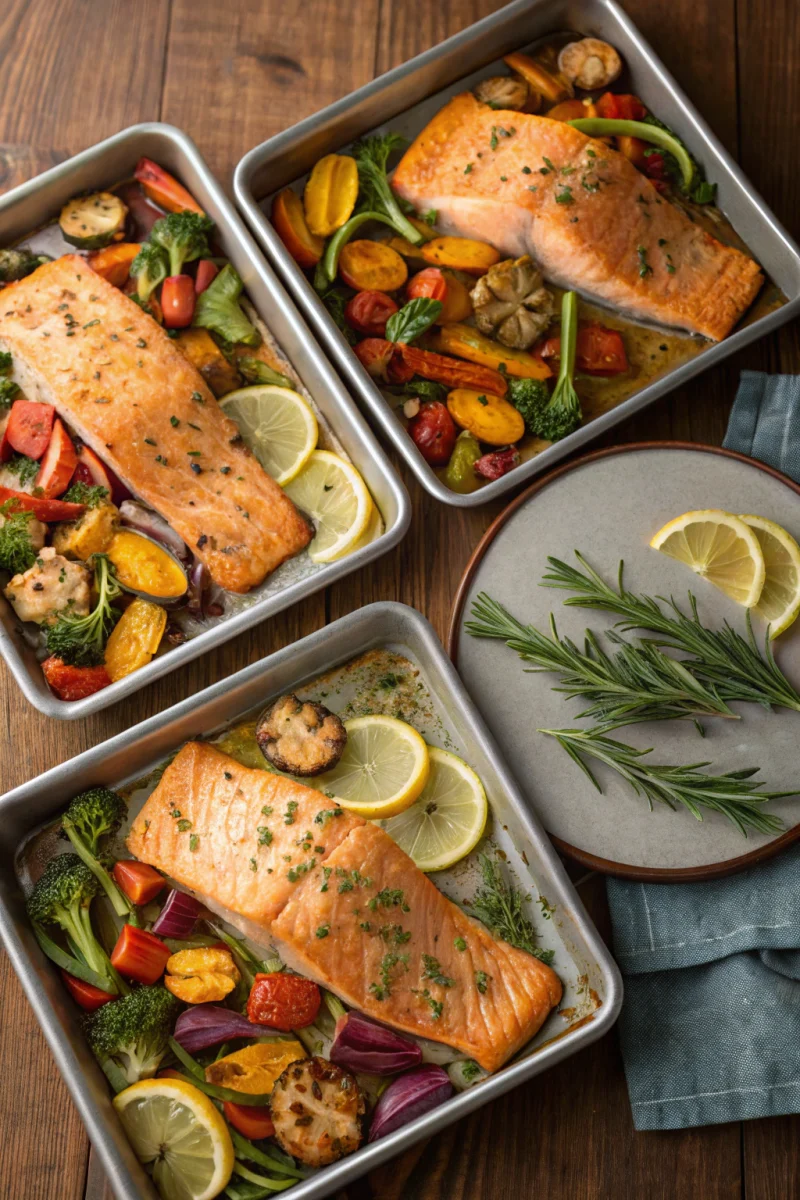
Sheet Pan Salmon — Effortless, Flavorful Dinners for Healthy Weeknights
Sheet Pan Salmon is a true culinary hero, offering an unbeatable combination of convenience, incredible flavor, and substantial nutritional benefits. This guide will walk you through crafting perfect sheet pan salmon dishes, from simple weeknight dinners to elegant meal prep options, ensuring every bite is both delicious and wholesome. Discover chef-level techniques adapted for home cooks, making healthy eating easier and more enjoyable than ever before.
Thank you for reading this post, don't forget to subscribe!The Magic of Sheet Pan Salmon: Why It’s Your New Go-To Meal
In our bustling lives, finding dishes that are both nourishing and quick is a constant quest. Sheet Pan Salmon answers this call with resounding success. The beauty lies in its simplicity: combine your protein and vegetables on a single sheet pan, pop it in the oven, and emerge with a perfectly cooked, flavorful, and minimal-cleanup meal. This method not only saves time but also concentrates flavors, leading to a richer, more satisfying dining experience.
Beyond convenience, sheet pan salmon is incredibly versatile. It’s a fantastic canvas for various flavor profiles, from Mediterranean herbs to Asian-inspired marinades. It’s also inherently healthy, as salmon is packed with omega-3 fatty acids, protein, and essential vitamins, while the roasted vegetables add fiber and nutrients. This makes sheet pan salmon an ideal solution for anyone seeking a balanced, delicious, and stress-free way to eat well.
Core Components of a Perfect Sheet Pan Salmon Dish
While the concept is simple, the right ingredients and preparation elevate a good sheet pan salmon to a great one. Here’s a breakdown of the essential elements:
1. The Salmon Fillets
- Type: Opt for wild-caught salmon if possible (e.g., Sockeye, Coho, King) for superior flavor and nutritional profile. Farmed salmon is also a good, more accessible option.
- Portion Size: Aim for 4-6 oz (110-170g) fillets per person.
- Skin-on or Skin-off: Skin-on provides a protective layer, helping the fish stay moist, and can be crisped up beautifully. Skin-off is fine if preferred.
- Thickness: Try to get fillets of similar thickness to ensure even cooking.
- Preparation: Pat the salmon dry thoroughly with paper towels. This helps seasonings adhere and promotes a better sear/roast.
2. The Vegetables
This is where you can truly customize your sheet pan salmon. Choose vegetables that cook in roughly the same amount of time as salmon (typically 12-18 minutes at 400°F/200°C), or adjust their size to match cooking times.
- Quick-cooking options: Asparagus, broccoli florets, bell peppers (sliced), cherry tomatoes, zucchini, snap peas.
- Medium-cooking options: Brussels sprouts (halved), green beans, thinly sliced carrots, small potato cubes (par-boil first for very large cubes).
- Root vegetables: For hearty root vegetables like potatoes or sweet potatoes, it’s best to cut them into small, uniform cubes (1/2-inch to 3/4-inch) or roast them for 10-15 minutes *before* adding the salmon and quicker-cooking vegetables to the pan.
- Aromatic vegetables: Onions (red or yellow, sliced), minced garlic, shallots.
3. The Seasonings and Marinades
This is where the flavor magic happens. A simple drizzle of olive oil, salt, and pepper is a great start, but don’t be afraid to experiment!
- Classic: Olive oil, salt, black pepper, garlic powder, dried dill, lemon slices.
- Mediterranean: Olive oil, oregano, thyme, rosemary, red pepper flakes, lemon zest, capers.
- Asian-inspired: Soy sauce (or tamari), sesame oil, ginger (grated), garlic (minced), honey or maple syrup, sriracha.
- Herbaceous: Olive oil, fresh parsley, chives, tarragon, lemon juice.
- Spicy: Olive oil, smoked paprika, chili powder, cumin, a pinch of cayenne.
Step-by-Step Guide to Perfect Sheet Pan Salmon

Step 1: Preheat and Prepare
Preheat your oven to 400°F (200°C). Line a large, sturdy sheet pan (or two if needed to avoid overcrowding) with parchment paper or aluminum foil. This prevents sticking and makes cleanup a breeze. If using aluminum foil, lightly grease it with cooking spray or a little olive oil to prevent sticking, especially with delicate fish.
Step 2: Prepare the Vegetables
Wash and chop your chosen vegetables into uniform sizes. Uniformity is key for even cooking. For example, if using broccoli and bell peppers, ensure florets are similar size to pepper slices. If including tougher vegetables like potatoes or sweet potatoes, cut them into small, 1/2-inch cubes. In a large bowl, toss the vegetables with 1-2 tablespoons of olive oil, salt, pepper, and any desired dried herbs (e.g., garlic powder, onion powder, Italian seasoning). Spread them in a single layer on the prepared sheet pan, ensuring they are not overcrowded. Overcrowding leads to steaming instead of roasting, resulting in soggy vegetables.
Step 3: Pre-Roast (if necessary)
If using denser vegetables like small potato cubes, butternut squash, or Brussels sprouts, consider roasting them on their own for 8-10 minutes before adding the salmon and quicker-cooking vegetables. This head start helps ensure everything finishes cooking at the same time.
Step 4: Prepare the Salmon
While the vegetables are pre-roasting (or if you don’t need to pre-roast), pat your salmon fillets thoroughly dry with paper towels. This is a crucial step for achieving a nice crust and preventing a “steamed” texture. Place the salmon fillets in a separate bowl or directly on the sheet pan, leaving space between them. Drizzle with olive oil and generously season with salt, pepper, and your chosen herbs or spices. If using lemon slices, place them on top of or alongside the salmon.
Step 5: Combine and Roast
Once any pre-roasting is complete, or if all ingredients cook similarly, arrange the seasoned salmon fillets on the sheet pan alongside the vegetables. Ensure there’s still a little space around each piece for proper air circulation. Place the sheet pan in the preheated oven.
Roast for 12-18 minutes, depending on the thickness of your salmon and your desired doneness. Salmon is typically cooked when it reaches an internal temperature of 145°F (63°C) and flakes easily with a fork. Overcooking will dry out the fish, so keep a close eye on it, especially towards the end of the cooking time. For extra flavor, you can briefly broil the pan for the last 1-2 minutes to get a nice char on the vegetables and slightly crisp the salmon skin (if skin-on and desired), but watch closely to prevent burning.
Step 6: Garnish and Serve
Carefully remove the sheet pan from the oven. Squeeze fresh lemon juice over the cooked salmon and vegetables. Garnish with fresh herbs like chopped parsley, dill, or cilantro if desired. Serve immediately, straight from the pan or portioned onto plates.
Nutrition Facts (per serving, approximate for 4oz salmon & 1 cup mixed veggies)
Calories: 350-450 | Protein: 30-35g | Carbs: 15-25g | Fat: 18-25g | Fiber: 4-7g | Sodium: 350-500mg (varies greatly with seasoning and sauce choices)
These values are estimates and can vary based on the specific cut of salmon, types of vegetables, and the amount of oil and seasoning used. Sheet pan salmon is inherently a very healthy meal. For more information on the health benefits of such nutrient-rich meals, you can explore resources like Healthline’s insights on healthy eating.
Elevating Your Sheet Pan Salmon: Creative Variations and Flavor Pairings
The beauty of Sheet Pan Salmon lies in its endless adaptability. Once you master the basic technique, you can explore a world of flavor combinations. Here are some ideas to spark your culinary imagination:
Mediterranean Sheet Pan Salmon
- Ingredients: Salmon fillets, cherry tomatoes, Kalamata olives, red onion slices, bell peppers (red and yellow), zucchini chunks.
- Seasoning: Olive oil, dried oregano, dried thyme, minced garlic, a pinch of red pepper flakes.
- Finish: Fresh parsley, crumbled feta cheese, and a squeeze of fresh lemon juice after cooking.
Asian Ginger-Sesame Sheet Pan Salmon
- Ingredients: Salmon fillets, broccoli florets, snap peas, sliced carrots, sliced red bell pepper.
- Marinade: Whisk together soy sauce (or tamari for gluten-free), sesame oil, grated fresh ginger, minced garlic, a touch of honey or maple syrup, and a dash of rice vinegar.
- Finish: Sprinkle with sesame seeds and chopped green onions after cooking.
Lemon-Dill Sheet Pan Salmon with Asparagus
- Ingredients: Salmon fillets, fresh asparagus spears, thinly sliced lemon.
- Seasoning: Olive oil, fresh dill (chopped), salt, black pepper, garlic powder.
- Finish: More fresh dill, and extra lemon wedges for serving.
Smoky Paprika and Root Vegetable Sheet Pan Salmon
- Ingredients: Salmon fillets, small cubed sweet potatoes, Brussels sprouts (halved), red onion wedges.
- Seasoning: Olive oil, smoked paprika, cumin, garlic powder, a pinch of cayenne pepper, salt, black pepper.
- Pre-roast: Give the cubed sweet potatoes and Brussels sprouts a 10-15 minute head start before adding the salmon.
- Finish: A drizzle of balsamic glaze or fresh chopped cilantro.
Creamy Garlic-Parmesan Sheet Pan Salmon
- Ingredients: Salmon fillets, broccoli florets, cauliflower florets.
- Sauce: Whisk together melted butter, minced garlic, grated Parmesan cheese, a splash of heavy cream (or milk), Italian seasoning, salt, and pepper. Toss vegetables with half the sauce, then drizzle the rest over salmon before roasting.
- Finish: More grated Parmesan and fresh parsley.
Expert Tips for Sheet Pan Perfection
Achieving consistently excellent sheet pan salmon involves a few simple principles that can make a big difference in the outcome:
- Don’t Overcrowd the Pan: This is arguably the most crucial tip. If your pan is too full, ingredients will steam rather than roast, leading to soggy, unappealing results. Use two sheet pans if necessary, ensuring everything has space to breathe.
- Know Your Oven: Ovens can vary significantly in temperature. Investing in an oven thermometer can help you ensure your oven is consistently at the desired temperature. Rotate your pan halfway through cooking if you notice uneven browning.
- Chop Uniformly: For vegetables, consistency in size ensures even cooking. Smaller, denser vegetables might need more time or a head start.
- Pat Salmon Dry: Removing excess moisture from the salmon surface promotes better browning and a flakier texture.
- Season Generously: Roasting can mellow flavors, so don’t be shy with your salt, pepper, and herbs. Consider a final sprinkle of fresh herbs after cooking for a burst of freshness.
- Don’t Be Afraid of High Heat: Roasting at 400°F (200°C) or even 425°F (220°C) helps achieve nice caramelization on veggies and a good crust on salmon.
- Rest the Salmon: Just like with other proteins, letting the salmon rest for 5 minutes after cooking allows the juices to redistribute, resulting in a more tender and flavorful fish.
Beyond the Pan: Serving Suggestions for Your Sheet Pan Salmon
While sheet pan salmon is a complete meal on its own, here are some ideas to complement it or turn it into a more elaborate spread:
- Grain Bowls: Serve salmon and roasted veggies over a bed of quinoa, brown rice, or farro for added fiber and substance. This is an excellent option for meal prep.
- Warming Accompaniments: A side of fluffy couscous or a simple pasta dish can absorb the delicious pan juices. For another comforting option, consider making our Classic Chicken & Vegetable Stew on a separate night.
- Fresh Salads: A crisp green salad with a light vinaigrette provides a refreshing contrast to the rich salmon and roasted vegetables.
- Crusty Bread: A simple slice of crusty bread is perfect for soaking up any lingering juices.
- Sauces and Dips: A dollop of Greek yogurt with fresh dill and lemon, a zesty pesto, or a simple chimichurri can add another layer of flavor.
- Dessert Pairing: For a delightful finish, follow your healthy main course with light and delicious Greek Yogurt Cheesecake Cups.
For more inspiration on healthy and practical meal planning, check out resources like Harvard T.H. Chan School of Public Health’s Nutrition Source.
Common Mistakes to Avoid for Sheet Pan Success
Even though sheet pan meals are designed for ease, a few pitfalls can hinder your success. Steering clear of these common errors will ensure your Sheet Pan Salmon turns out perfectly every time:
- Undercooking or Overcooking the Salmon: Salmon cooks relatively quickly. Use a meat thermometer to ensure it reaches 145°F (63°C) for medium-rare to medium, or check for flakiness. Overcooked salmon becomes dry and less enjoyable.
- Forgetting to Pat the Salmon Dry: Moisture on the surface prevents browning and can lead to a steamed, rather than roasted, texture. Always pat salmon very dry with paper towels.
- Not Spreading Ingredients in a Single Layer: As mentioned, overcrowding is a major enemy of sheet pan cooking. Always ensure plenty of space between ingredients for proper air circulation and roasting.
- Using Too Many Different Cooking Times: Combining vegetables that have vastly different cooking requirements (e.g., dense root vegetables with tender greens) without accounting for it can lead to some ingredients being raw and others burnt. Pre-roast denser items or cut them smaller.
- Lack of Seasoning: Roasted vegetables and salmon need good seasoning to shine. Don’t be shy with salt, pepper, and herbs. Seasoning in layers (e.g., with oil, then spices, then perhaps a fresh herb finish) builds depth.
- Ignoring Your Oven’s Hot Spots: Most ovens have hot spots. If you notice one side of the pan browning faster, rotate it halfway through cooking.
- Forgetting the Liner: While optional, parchment paper or foil truly makes cleanup a breeze. Skipping it often results in scrubbing stuck-on bits.
Meal Prep with Sheet Pan Salmon: A Week of Healthy Eating
Sheet Pan Salmon is not just for dinner; it’s an exceptional candidate for meal prepping. You can cook a larger batch on the weekend and enjoy healthy, delicious meals throughout the week. Here’s how to integrate it into your meal prep routine:
- Batch Cooking: Prepare 2-3 sheet pans of salmon and various vegetables. Roast them simultaneously or in quick succession.
- Portioning: Once cooled, divide the salmon and vegetables into individual airtight containers. Add a serving of your favorite grain (like quinoa or brown rice) to each container for a complete meal.
- Storage: Store the containers in the refrigerator for up to 3-4 days. This makes grabbing a healthy lunch or quick dinner incredibly convenient.
- Reheating: Reheat in the microwave for 1-2 minutes until warmed through, or in a toaster oven for a crispier result (though salmon can dry out if reheated too long in an oven).
- Variety: Don’t make the same sheet pan salmon every time! Alternate your vegetable and seasoning combinations each week to keep things exciting and prevent flavor fatigue. One week it could be Mediterranean, the next Asian-inspired.
For ideas on diverse applications of single-protein cooking, you might also find inspiration in our recipe for Lemon Herb Chicken & Rice, which, like sheet pan salmon, is perfect for versatile meal prep.
Understanding the nutritional components of your meals is crucial for long-term health. For comprehensive information on how various foods contribute to your well-being, resources such as Medical News Today offer valuable insights into food and nutrition.
Conclusion
Sheet Pan Salmon stands out as a culinary triumph: a dish that delivers on flavor, nutrition, and unparalleled convenience. From its elegant simplicity to its endless variations, it embodies the essence of smart, healthy home cooking. Whether you’re a busy parent, a health-conscious individual, or simply looking for an easy weeknight solution, this comprehensive guide has equipped you with all the knowledge to master sheet pan salmon. Embrace the versatility, savor the flavors, and enjoy the effortlessly delicious results that make this dish a true hero in any kitchen. It’s more than just a meal; it’s a lifestyle choice for better, easier eating, proving that healthy food can indeed be both rich and comforting. Dive in and make sheet pan salmon your ultimate go-to for cozy evenings and efficient meal prep.
FAQ
- What kind of sheet pan should I use? A large, heavy-duty half-sheet pan (18×13 inches) is ideal. If cooking for more than 2-3 people, use two pans to avoid overcrowding.
- Can I use frozen vegetables with sheet pan salmon? Yes, but ensure they are not clumped together. Toss them directly from frozen with oil and seasoning. They might release a little more water, so ensure the pan isn’t too crowded.
- How do I prevent my salmon from drying out? Pat it dry before seasoning, don’t overcook it (aim for 145°F/63°C internal temperature), and consider adding a lemon slice on top or a thin layer of sauce/marinade.
- What’s the best temperature for cooking sheet pan salmon? 400°F (200°C) is generally excellent, providing good roasting for vegetables and efficient cooking for salmon. Some recipes go as high as 425°F (220°C).
- How far in advance can I marinate the salmon? For most marinades, 15-30 minutes is sufficient. Acidic marinades (with a lot of lemon juice or vinegar) shouldn’t be left on salmon for more than 30 minutes, as they can start to “cook” the fish or change its texture.
- What are some good gluten-free seasoning options? Tamari instead of soy sauce, and always check that spice blends are gluten-free. Fresh herbs, garlic, ginger, smoked paprika, and chili powder are naturally gluten-free.
- Can I add grains to the sheet pan? While some recipes might include grains like couscous, it’s generally best to cook grains separately (e.g., quinoa, rice) and serve them underneath the roasted salmon and vegetables. This ensures the grains are perfectly cooked and don’t absorb too much moisture or oil from the roasting process.
- How long do leftovers last? Cooked sheet pan salmon and vegetables can be stored in an airtight container in the refrigerator for up to 3-4 days.
- Can I freeze cooked sheet pan salmon? You can, but the texture of the salmon might change slightly upon thawing and reheating, becoming a bit drier. Vegetables generally freeze well. Freeze in airtight containers for up to 2-3 months. Thaw in the refrigerator overnight before reheating.
- What if my vegetables cook faster/slower than my salmon? Adjust the size of your vegetable pieces (smaller for slower-cooking ones) or give slower-cooking vegetables a head start (10-15 minutes in the oven) before adding the salmon and quicker-cooking vegetables. This ensures everything is done at roughly the same time.
Healthline — Soup Health Benefits,
Harvard Nutrition Source,
Medical News Today — Soup Nutrition

Food lover & recipe creator sharing simple, protein-rich recipes for busy lives.