Tzatziki Chicken Salad Recipe: 5 Easy Tips for the Best Results

Delicious tzatziki chicken salad guide

Delicious Tzatziki Chicken Salad

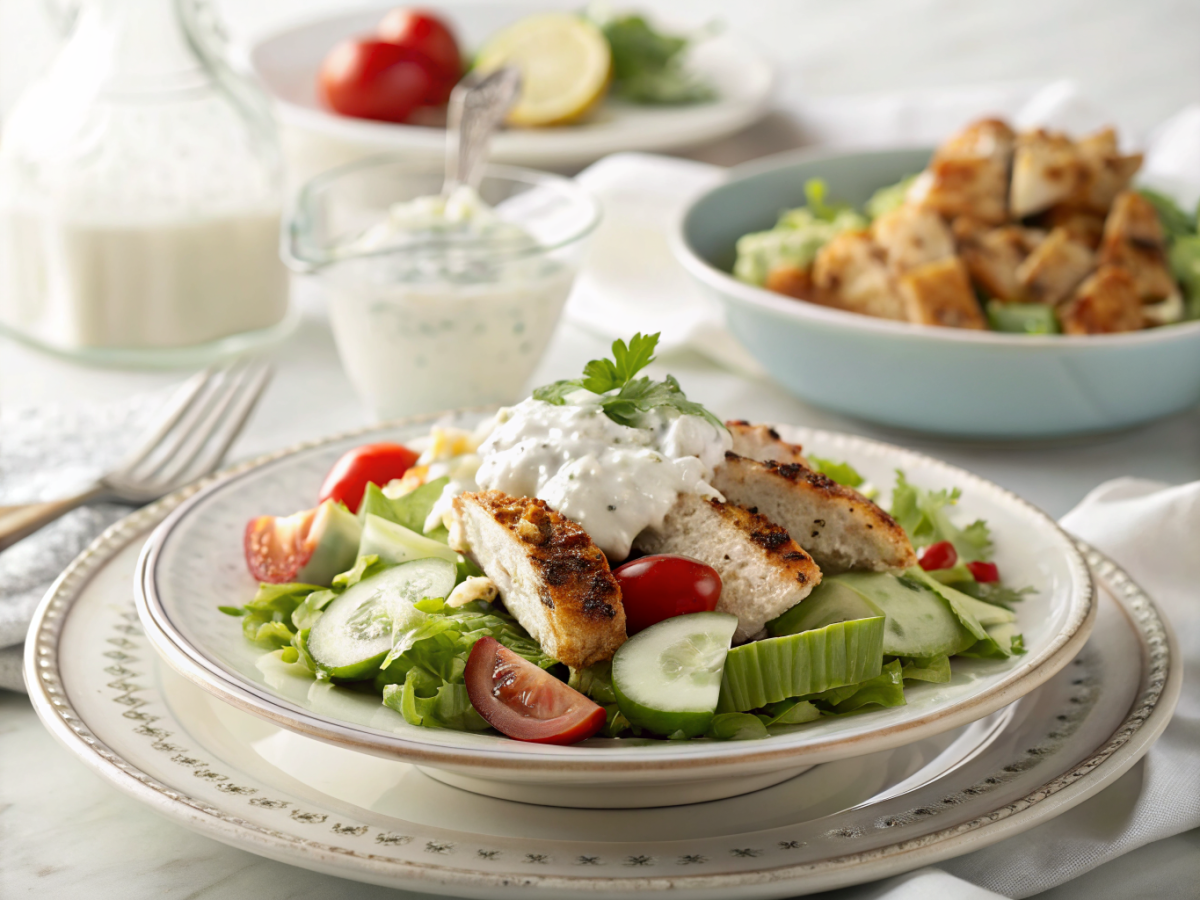
A refreshing high-protein salad featuring tender chicken mixed with creamy tzatziki sauce, crisp vegetables, and Mediterranean flavors.
Prep Time 15 minutes
Cook Time 20 minutes
Total Time 35 minutes
Servings: 4 servings
Course: High Protein Recipes
Cuisine: American
Calories: 285

Ingredients
  

  • 1.5 pounds boneless skinless chicken breasts
  • 1 cup Greek yogurt plain, full-fat
  • 1 medium cucumber grated and drained
  • 3 cloves garlic minced
  • 2 tablespoons fresh dill chopped
  • 2 tablespoons lemon juice freshly squeezed
  • 1 tablespoon olive oil extra virgin
  • 1 teaspoon salt divided
  • 0.5 teaspoon black pepper freshly ground

Method
 

  1. Season chicken breasts with half the salt and pepper. Heat olive oil in a large skillet over medium-high heat. Cook chicken for 6-7 minutes per side until golden brown and internal temperature reaches 165 degrees Fahrenheit. Remove from heat and let rest for 5 minutes.
  2. While chicken cooks, grate the cucumber and squeeze out excess moisture using a clean kitchen towel or cheesecloth. In a medium bowl, combine Greek yogurt, grated cucumber, minced garlic, chopped dill, and lemon juice. Season with remaining salt and pepper. Mix well until fully combined.
  3. Once chicken has rested, dice it into bite-sized cubes, approximately half-inch pieces. This ensures even coating with the tzatziki sauce.
  4. Add the diced chicken to the bowl with tzatziki sauce. Gently fold together until all chicken pieces are evenly coated with the creamy sauce.
  5. Cover the bowl and refrigerate for at least 30 minutes to allow flavors to meld together. Serve chilled over mixed greens, in pita pockets, or as a wrap filling.

Nutrition

Calories: 285kcalCarbohydrates: 8gProtein: 42gFat: 9gSodium: 680mgFiber: 1g

Notes

For best results, make sure to thoroughly drain the grated cucumber to prevent a watery sauce. This salad tastes even better the next day as the flavors continue to develop. Store in an airtight container in the refrigerator for up to 3 days. You can also add chopped cherry tomatoes, red onion, or kalamata olives for extra Mediterranean flair.

Tried this recipe?

Let us know how it was!
nnThis Tzatziki Chicken Salad combines tender chicken with creamy tzatziki sauce and crisp vegetables for a refreshing Mediterranean-inspired meal. Perfect for meal prep or quick lunches, this protein-packed salad delivers incredible flavor with minimal effort. Whether you’re looking for a healthy weeknight dinner or a satisfying post-workout meal, this recipe checks all the boxes.

Tzatziki Chicken Salad: 5 Easy Tips for Perfect Results

Creating the perfect tzatziki chicken salad starts with understanding the balance between creamy, tangy, and fresh elements. The key lies in properly seasoned chicken, homemade or high-quality tzatziki, and crisp vegetables that maintain their texture. These five tips will transform your salad from ordinary to extraordinary every single time.

First, always pat your chicken dry before cooking to achieve a beautiful golden exterior. Season generously with salt, pepper, and Mediterranean herbs like oregano and garlic powder. Cook until the internal temperature reaches 165°F, then let it rest for five minutes before slicing to retain all the juices.

Second, make your tzatziki ahead of time and refrigerate for at least an hour. This allows the flavors to meld together beautifully, creating a more cohesive sauce. The cucumber should be grated and squeezed dry to prevent a watery consistency that can make your salad soggy.

Third, choose the freshest vegetables possible for maximum crunch and flavor. Romaine lettuce, cucumbers, cherry tomatoes, and red onions work exceptionally well. Chop everything into bite-sized pieces for easy eating and better flavor distribution throughout the salad.

Fourth, don’t overdress your salad initially. Start with a moderate amount of tzatziki and add more as needed. You can always add more dressing, but you cannot remove it once the salad becomes too wet and loses its appealing texture.

Fifth, serve immediately after assembling for the best texture and flavor experience. If meal prepping, store the components separately and combine just before eating. This simple strategy ensures your salad stays fresh and crispy for several days.

Why You’ll Love This Tzatziki Chicken Salad

This recipe offers incredible versatility that adapts to your dietary needs and preferences effortlessly. Packed with lean protein from chicken and probiotics from Greek yogurt, it supports your health goals while satisfying your taste buds. The Mediterranean flavors transport you to sunny Greek islands with every delicious bite.

The preparation time is remarkably short, making it ideal for busy weeknights when you need something nutritious quickly. Most of the ingredients are pantry staples or readily available at any grocery store. You can have this complete meal on the table in under 30 minutes from start to finish.

The protein content makes this salad incredibly filling and satisfying for hours after eating. Unlike traditional salads that leave you hungry shortly after, this substantial meal keeps you energized throughout your day. It’s perfect for anyone following high protein recipes for fitness or weight management goals.

The fresh, light flavors make this salad perfect for warm weather dining when heavy meals feel unappealing. The cooling tzatziki sauce provides a refreshing contrast to the seasoned chicken. Each bite delivers a perfect balance of creamy, tangy, and savory notes that keep you coming back for more.

Meal prep enthusiasts will appreciate how well this recipe scales up for weekly preparation. The components store beautifully when kept separate, maintaining their quality for up to four days. This makes healthy eating convenient and accessible even during your busiest weeks.

Core Ingredients for Tzatziki Chicken Salad

The foundation of this recipe starts with boneless, skinless chicken breasts or thighs, depending on your preference. Chicken breasts offer a leaner option with slightly less flavor, while thighs provide more richness and stay moist more easily. Either choice works wonderfully, so select based on your dietary goals and taste preferences.

Tzatziki chicken salad ingredients

For the tzatziki sauce, you’ll need thick Greek yogurt, grated cucumber, fresh garlic, lemon juice, and dill. Full-fat Greek yogurt creates the creamiest texture, but 2% or non-fat versions work if you’re watching calories. Fresh dill is essential for authentic flavor, though dried dill can substitute in a pinch at one-third the amount.

The vegetable components include crisp romaine lettuce, English cucumber, cherry tomatoes, and thinly sliced red onion. English cucumbers are preferred because they have fewer seeds and less water content than regular cucumbers. Cherry tomatoes add bursts of sweetness, while red onion provides a sharp, pungent contrast to the creamy elements.

Additional ingredients include extra virgin olive oil, red wine vinegar, dried oregano, salt, and black pepper. Kalamata olives and crumbled feta cheese make excellent optional additions for more authentic Mediterranean flavor. Fresh herbs like parsley or mint can brighten the entire dish with minimal effort.

For the chicken seasoning, gather garlic powder, onion powder, dried oregano, paprika, salt, and pepper. These simple spices create a flavorful crust without overwhelming the delicate tzatziki sauce. A squeeze of fresh lemon juice after cooking adds brightness and enhances all the other flavors beautifully.

Tzatziki Sauce Ingredients

One cup of thick Greek yogurt forms the creamy base of your tzatziki sauce. Half of a large English cucumber, grated and squeezed dry, adds refreshing flavor and texture. Two cloves of fresh garlic, minced or pressed, provide the characteristic pungent kick that defines tzatziki.

Two tablespoons of fresh lemon juice brighten the sauce and balance the richness of the yogurt. One tablespoon of extra virgin olive oil adds smoothness and authentic Mediterranean character. Two tablespoons of fresh dill, finely chopped, deliver the herbaceous notes that make tzatziki unmistakable.

Salt and freshly ground black pepper season the sauce to perfection, enhancing all the other flavors. A small pinch of white pepper can add complexity without changing the color. Some recipes include a touch of white wine vinegar for extra tanginess, though this remains optional based on preference.

Salad Components

One pound of chicken breast or thighs provides ample protein for four generous servings. Six cups of chopped romaine lettuce create the crispy base that holds all the other ingredients. One English cucumber, diced into half-inch pieces, adds refreshing crunch and hydration to every bite.

Two cups of halved cherry tomatoes contribute sweetness and acidity that balance the rich tzatziki. One small red onion, thinly sliced, offers sharp flavor that cuts through the creaminess. Half a cup of Kalamata olives, pitted and halved, adds briny, savory depth for those who enjoy them.

Four ounces of crumbled feta cheese provides salty, tangy notes and creamy texture contrast. Fresh lemon wedges for serving allow everyone to adjust the brightness to their preference. A handful of fresh herbs like parsley or mint makes a beautiful, flavorful garnish.

How to Make Tzatziki Chicken Salad: Step-by-Step

Begin by preparing your tzatziki sauce since the flavors improve with resting time in the refrigerator. Grate half an English cucumber using the large holes of a box grater onto a clean kitchen towel. Gather the towel around the cucumber and squeeze firmly over the sink to remove as much liquid as possible.

In a medium bowl, combine the squeezed cucumber with one cup of Greek yogurt, two minced garlic cloves, two tablespoons of lemon juice, and one tablespoon of olive oil. Add two tablespoons of finely chopped fresh dill, half a teaspoon of salt, and a quarter teaspoon of black pepper. Stir everything together until well combined, then cover and refrigerate for at least 30 minutes.

While the tzatziki chills, prepare your chicken by patting it completely dry with paper towels. This step is crucial for achieving a golden, flavorful exterior during cooking. Season both sides generously with salt, pepper, garlic powder, onion powder, dried oregano, and a pinch of paprika.

Heat two tablespoons of olive oil in a large skillet over medium-high heat until shimmering but not smoking. Carefully place the seasoned chicken in the hot pan, leaving space between pieces to ensure proper browning. Cook without moving for 5-7 minutes until a golden crust forms on the bottom.

Flip the chicken and reduce heat to medium, continuing to cook for another 5-7 minutes until the internal temperature reaches 165°F. Remove from heat and transfer to a cutting board, tenting loosely with foil. Let the chicken rest for at least five minutes to allow juices to redistribute throughout the meat.

While the chicken rests, prepare your salad vegetables by washing and thoroughly drying all produce. Chop the romaine lettuce into bite-sized pieces and place in a large serving bowl. Dice the remaining cucumber half into half-inch pieces and halve the cherry tomatoes, adding both to the bowl.

Slice the red onion as thinly as possible, either with a sharp knife or a mandoline for uniform pieces. If the onion flavor is too sharp for your preference, soak the slices in cold water for 10 minutes, then drain and pat dry. Add the onions to the salad bowl along with Kalamata olives and crumbled feta if using.

Slice the rested chicken against the grain into half-inch strips or bite-sized pieces, depending on your preference. Cutting against the grain ensures the most tender texture in every bite. Arrange the sliced chicken over the prepared vegetables in the serving bowl.

Drizzle half of the prepared tzatziki sauce over the entire salad, reserving the rest for serving on the side. Toss everything together gently but thoroughly to ensure even distribution of the dressing. Taste and adjust seasoning with additional salt, pepper, or lemon juice as needed.

Garnish with fresh herbs like parsley or mint, extra dill, and lemon wedges for squeezing over individual servings. Serve immediately for the best texture and flavor experience. For those looking for more quick easy meals, this recipe delivers maximum flavor with minimal time investment.

Nutrition & Health Benefits

This salad delivers an impressive nutritional profile that supports various health and fitness goals effectively. Each serving provides approximately 35-40 grams of protein from the chicken and Greek yogurt, making it excellent for muscle maintenance and growth. The high protein content also promotes satiety, helping you feel full and satisfied for hours after eating.

Greek yogurt in the tzatziki sauce offers probiotics that support digestive health and immune function. These beneficial bacteria help maintain a healthy gut microbiome, which influences everything from digestion to mood. The yogurt also provides calcium for bone health and B vitamins for energy metabolism.

The vegetables contribute essential vitamins, minerals, and fiber with minimal calories for optimal nutrition density. Romaine lettuce provides vitamin A for eye health and vitamin K for blood clotting. Tomatoes offer lycopene, a powerful antioxidant linked to heart health and cancer prevention, while cucumbers provide hydration and vitamin C.

The olive oil contains heart-healthy monounsaturated fats that help reduce inflammation and support cardiovascular health. These healthy fats also aid in the absorption of fat-soluble vitamins from the vegetables. Garlic provides compounds that may help lower blood pressure and cholesterol levels naturally.

Fresh herbs like dill and parsley contribute antioxidants and anti-inflammatory compounds with negligible calories. Dill specifically contains compounds that may help regulate blood sugar levels. For more information on balanced nutrition, check out this resource on healthy recipe preparation.

A typical serving contains approximately 350-400 calories, depending on portion sizes and optional ingredients like feta cheese. The macronutrient breakdown includes roughly 35-40g protein, 15-20g fat, and 20-25g carbohydrates. This balanced ratio makes it suitable for various dietary approaches including low-carb, Mediterranean, and high-protein eating plans.

Variations & Substitutions

Transform this base recipe into countless variations to keep your meals exciting and prevent flavor fatigue. Swap chicken for grilled salmon or shrimp for a seafood twist that maintains the Mediterranean theme. Vegetarians can substitute chickpeas or white beans for protein while keeping the refreshing tzatziki and vegetable components.

Try different lettuce varieties like butter lettuce, mixed greens, or arugula for varied textures and flavors. Arugula adds a peppery bite that complements the cool tzatziki beautifully. Spinach increases the iron content while providing a milder flavor that appeals to picky eaters.

Add roasted red peppers, artichoke hearts, or sun-dried tomatoes for more complex Mediterranean flavors. Quinoa or farro can bulk up the salad and add whole grains for additional fiber and nutrients. These additions make the salad even more filling and satisfying as a complete meal.

For a spicy kick, mix harissa paste or red pepper flakes into the tzatziki sauce. This creates a fusion of Mediterranean and Middle Eastern flavors that excites the palate. Alternatively, add fresh jalapeños or banana peppers directly to the salad for heat and crunch.

Replace traditional tzatziki with avocado tzatziki by blending ripe avocado into the sauce for extra creaminess. This variation adds healthy fats and a beautiful green color that looks stunning on the plate. Vegan versions can use coconut yogurt or cashew cream as the tzatziki base with equally delicious results.

Dietary Modifications

For keto or low-carb diets, this recipe works perfectly as-is or with minor adjustments. Simply reduce or eliminate the tomatoes and onions to lower the carbohydrate content further. Increase the olive oil and add avocado for more healthy fats that align with ketogenic macros.

Dairy-free versions substitute coconut yogurt or cashew-based yogurt in the tzatziki sauce with excellent results. Nutritional yeast can replace feta cheese for a dairy-free option with a similar savory, tangy flavor. These swaps maintain the creamy texture while accommodating lactose intolerance or vegan preferences.

Whole30 compliant versions use compliant yogurt alternatives or skip the tzatziki entirely, dressing the salad with lemon juice and olive oil instead. This simplified approach still delivers fresh, satisfying flavors without compromising the program’s guidelines. Add extra herbs and garlic to compensate for the missing tzatziki complexity.

Serving Suggestions

This versatile salad works beautifully as a standalone meal or paired with various complementary dishes. Serve it with warm pita bread or naan for scooping up the creamy tzatziki and creating satisfying bites. Whole grain pita adds fiber and makes the meal more filling for those with larger appetites.

Transform leftovers into stuffed pita pockets or wraps for convenient, portable lunches throughout the week. The salad holds up well inside bread without making it soggy if you drain excess dressing first. Add hummus or tahini for extra creaminess and protein in your wraps.

Pair with Greek lemon potatoes, roasted vegetables, or a simple tomato and cucumber salad for a complete Mediterranean feast. These sides complement the main dish without overwhelming it or creating redundant flavors. For more ideas, explore these dinner recipes that pair well with salads.

Serve alongside grilled vegetables like zucchini, eggplant, and bell peppers for a colorful, nutrient-dense plate. The smoky char from grilling adds another layer of flavor that enhances the fresh salad components. Drizzle the vegetables with any extra tzatziki sauce for cohesive flavors across the entire meal.

For entertaining, present the salad components separately on a large platter for a beautiful build-your-own salad bar. This interactive approach lets guests customize their portions and ingredient combinations according to their preferences. Provide extra tzatziki, lemon wedges, and fresh herbs for garnishing individual servings.

Wine and Beverage Pairings

A crisp white wine like Sauvignon Blanc or Assyrtiko complements the fresh, tangy flavors beautifully. These wines have enough acidity to cut through the creamy tzatziki without overwhelming the delicate ingredients. Their citrus notes echo the lemon in the dressing for harmonious flavor pairing.

For non-alcoholic options, try sparkling water with fresh lemon and mint or homemade cucumber water. These refreshing beverages cleanse the palate between bites without competing with the salad’s flavors. Iced green tea with lemon provides antioxidants and a subtle flavor that won’t overpower your meal.

Greek white wines like Moschofilero or Roditis offer authentic Mediterranean pairing options that transport you to the Greek islands. These lesser-known varietals deserve exploration for their unique flavor profiles and excellent food compatibility. They’re increasingly available at specialty wine shops and larger retailers.

Common Mistakes to Avoid

The most frequent error is failing to properly drain the cucumber before adding it to the tzatziki sauce. Excess moisture creates a watery, thin sauce that slides off the salad ingredients instead of coating them. Always squeeze the grated cucumber firmly in a clean kitchen towel or cheesecloth to remove maximum liquid.

Overcooking the chicken results in dry, tough meat that detracts from the overall eating experience significantly. Use an instant-read thermometer to ensure you remove the chicken exactly at 165°F internal temperature. Remember that carryover cooking will raise the temperature another 5 degrees during resting, so timing is crucial.

Adding the dressing too far in advance causes the lettuce to wilt and become unappetizing in texture. Always dress the salad immediately before serving for maximum crunch and freshness. When meal prepping, store all components separately and combine only when ready to eat.

Using low-quality or watery yogurt produces thin, runny tzatziki that doesn’t coat the salad properly. Always choose thick Greek yogurt with at least 2% fat content for the best texture and flavor. If your yogurt seems thin, strain it through cheesecloth for 30 minutes to remove excess whey.

Skipping the resting period after cooking chicken causes all the juices to run out when you slice it. This leaves you with dry chicken and a puddle of liquid on your cutting board instead of inside the meat. Patience during this five-minute rest period makes an enormous difference in the final result.

Using dull knives to slice vegetables results in bruised, torn pieces instead of clean cuts that maintain their texture. Sharp knives glide through produce cleanly, preserving cell structure and preventing premature wilting. Invest in a good knife and learn to maintain it properly for better cooking results across all recipes.

Storage & Meal Prep Tips

Store all components separately in airtight containers to maintain optimal freshness and texture throughout the week. Cooked chicken keeps well in the refrigerator for up to four days when stored properly in a sealed container. Slice it just before assembling your salad rather than storing it pre-sliced to prevent drying out.

Tzatziki sauce actually improves in flavor after a day in the refrigerator as the ingredients meld together. Store it in an airtight container with plastic wrap pressed directly against the surface to prevent oxidation. It will keep for up to five days, though you may need to stir it before using as separation is natural.

Wash and thoroughly dry all lettuce and vegetables immediately after purchasing for easy assembly throughout the week. Store lettuce wrapped in paper towels inside a plastic bag or container to absorb excess moisture. Prep other vegetables like cucumbers and tomatoes a day or two ahead, but no earlier to maintain peak freshness.

For grab-and-go convenience, portion individual servings into mason jars with the dressing at the bottom. Layer heartier ingredients like cucumbers and tomatoes next, followed by chicken, then lettuce on top. When ready to eat, simply shake the jar to distribute the dressing and pour into a bowl.

Freeze cooked, unseasoned chicken for up to three months for ultimate meal prep flexibility and convenience. Thaw overnight in the refrigerator, then slice and season as needed for quick salad assembly. This strategy ensures you always have protein ready for healthy meals even during your busiest weeks.

Avoid freezing the assembled salad or tzatziki sauce as both the yogurt and vegetables break down upon thawing. The texture becomes watery and unappetizing, making the dish unenjoyable to eat. Stick to refrigerator storage only for the best quality and food safety.

Batch Cooking Strategies

Cook multiple pounds of chicken at once using your preferred method for efficient weekly meal prep. Bake several chicken breasts on a sheet pan at 400°F for 20-25 minutes for hands-off preparation. This approach frees you to prepare other components simultaneously, maximizing your time efficiency.

Double or triple the tzatziki recipe since it keeps well and works with many other dishes throughout the week. Use it as a dip for vegetables, a spread for sandwiches, or a sauce for grilled meats. This versatility makes the extra preparation time worthwhile and reduces decision fatigue during busy weeknights.

Pre-portion all dry ingredients like lettuce, cucumbers, and tomatoes into individual containers for the entire week. Label each container with the day you plan to eat it for foolproof meal planning. This system removes all barriers to healthy eating when you’re tired or tempted by less nutritious options.

Final Thoughts on Tzatziki Chicken Salad

This Tzatziki Chicken Salad represents the perfect intersection of health, convenience, and incredible flavor in one satisfying dish. The Mediterranean-inspired ingredients provide essential nutrients while delivering a taste experience that never gets boring. Whether you’re meal prepping for the week or preparing a quick dinner, this recipe adapts to your needs effortlessly.

The versatility of this Tzatziki Chicken Salad means you’ll find yourself making it repeatedly with different variations each time. From the protein source to the vegetable mix-ins, countless customization options keep this recipe fresh and exciting. The fundamental combination of creamy tzatziki, seasoned chicken, and crisp vegetables remains consistently delicious regardless of modifications.

Don’t hesitate to make this recipe your own by experimenting with different herbs, vegetables, and serving styles. The forgiving nature of salads means there’s no wrong way to approach it as long as you follow the basic principles. Your personal touches will make this dish even more special and tailored to your unique taste preferences.

Start with this foundational recipe, master the techniques, then branch out into creative variations that excite you. The skills you develop making this salad will transfer to countless other recipes in your cooking repertoire. For more creative recipe ideas, explore options like those found at Serious Eats for culinary inspiration.

Remember that the best recipes are those you’ll actually make repeatedly rather than complicated dishes you attempt once. This salad’s simplicity and reliability make it a true staple worth adding to your regular rotation. The combination of nutrition, flavor, and convenience creates a winning formula for sustainable healthy eating.

Leave a Comment

Recipe Rating