
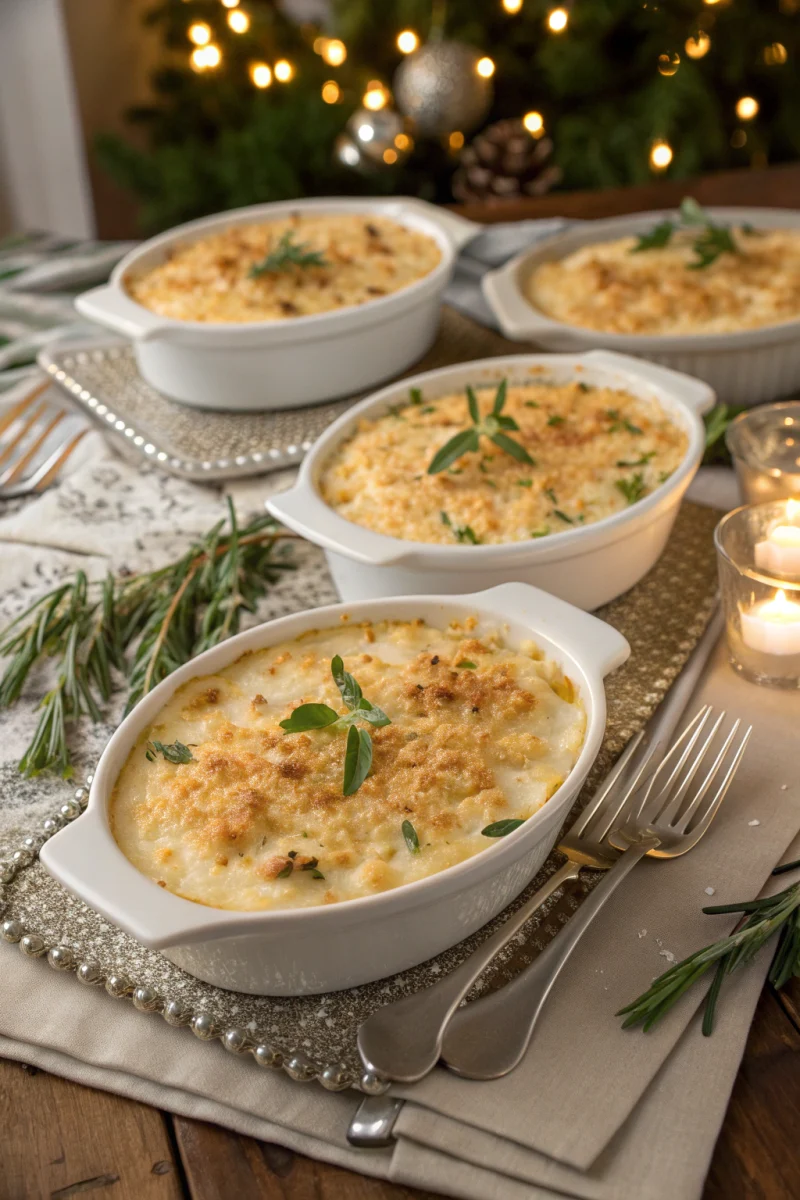
Potato Casseroles – Hearty, Flavorful Comfort for Every Meal
Potato Casseroles stands as a culinary cornerstone, a dish that effortlessly marries simplicity with profound satisfaction. More than just a side, a well-crafted potato casserole can be a main event, offering a spectrum of textures from crispy golden tops to creamy, tender interiors. This comprehensive guide from HomeCookLegacy.com delves deep into the art and science of perfecting potato casseroles, transforming humble ingredients into an unforgettable culinary experience.
The Enduring Appeal of Potato Casseroles
There’s an undeniable magic in a dish that can be both rustic and refined, comforting and celebratory. Potato Casseroles embody this versatility, having graced tables from farmhouse kitchens to sophisticated dinner parties for generations. Its appeal lies in its ability to adapt—a blank canvas for flavors from across the globe, yet always delivering that quintessential warm, hearty embrace. This adaptability makes potato casseroles a year-round favorite, though it truly shines during cooler months when its warmth is most appreciated.
A Brief History and Cultural Significance
The potato, originating in the Andes mountains, has been a staple food for thousands of years. Its journey across continents led to its integration into countless cuisines, with the casserole format becoming particularly popular in European and North American cooking. Early potato casseroles were often simple affairs, designed to make hearty meals from readily available ingredients. Over time, they evolved, incorporating cheeses, creams, meats, and vegetables, reflecting regional tastes and culinary advancements. Today, potato casseroles are deeply embedded in holiday traditions, family gatherings, and everyday meals, symbolizing togetherness and comfort.
Understanding Potato Varieties for Perfect Casseroles
The type of potato you choose is paramount to the success of your casserole. Different varieties offer unique starch levels and textures that react differently to heat and moisture.
- Russet (Baking Potatoes): High in starch, producing a fluffy interior when cooked. Ideal for mashed potato casseroles or dishes where a tender, crumbly texture is desired. Their skin is thick and bakes up crispy.
- Yukon Gold (All-Purpose): Medium starch content, offering a creamy, slightly waxy texture that holds its shape well. Excellent for sliced or diced potato casseroles where you want a balance of tenderness and structure, like a gratin. They have a naturally buttery flavor.
- Red or New Potatoes (Waxy): Low in starch, high in moisture, and hold their shape exceptionally well even after prolonged cooking. Perfect for casseroles where distinct potato pieces are preferred, such as a hearty stew-like casserole or roasted potato bakes.
For a classic creamy Potato Casseroles, Yukon Golds are often the top choice due to their versatility and rich flavor. For a heartier, more rustic dish, a mix of Russets and a waxy variety can provide an interesting textural contrast.
Essential Ingredients for a Stellar Potato Casserole
While recipes vary wildly, some core components ensure a rich and satisfying potato casserole. Here’s a breakdown:
- Potatoes: As discussed, choose wisely based on your desired texture.

- Dairy: Cream, milk, or half-and-half are crucial for creaminess. For a richer flavor, consider heavy cream or a combination of milk and cream cheese.
- Cheese: The soul of many potato casseroles! Sharp cheddar, Gruyère, Parmesan, and Monterey Jack are popular choices. A blend often offers the best flavor and melt.
- Aromatics: Onion and garlic form the flavor backbone. Sautéing them before adding to the casserole deepens their taste.
- Fats: Butter or olive oil for sautéing and enriching the dish.
- Seasonings: Salt, black pepper, and herbs like thyme, rosemary, or chives are essential. A pinch of nutmeg often enhances creamy potato dishes.
- Binding Agents (Optional): A roux (butter and flour) can be used to thicken sauces, or a small amount of cornstarch or potato starch can provide a velvety texture.


Beyond these basics, the sky’s the limit! Consider adding crisp bacon, diced ham, sautéed mushrooms, leeks, or even a hint of smoky paprika to elevate your Potato Casseroles.
Recipe: Classic Cheesy Garlic Herb Potato Casserole
This recipe provides a foundational, incredibly delicious potato casserole that can be customized to your heart’s content. It balances creamy richness with savory depth.
Yields: 8-10 servings | Prep time: 25 minutes | Cook time: 1 hour 15 minutes
Ingredients:
- 3 lbs Yukon Gold potatoes, peeled and thinly sliced (approx. 1/8 inch thick)
- 2 tbsp unsalted butter
- 1 large yellow onion, finely diced
- 4 cloves garlic, minced
- 1/4 cup all-purpose flour
- 2 cups whole milk, warmed
- 1 cup heavy cream, warmed
- 1 tsp salt, plus more to taste
- 1/2 tsp freshly ground black pepper, plus more to taste
- 1/4 tsp grated nutmeg
- 1 tbsp fresh thyme leaves, chopped
- 1 tbsp fresh rosemary, chopped
- 2 cups shredded sharp cheddar cheese, divided
- 1 cup shredded Gruyère cheese, divided (or more cheddar)
- Optional: 1/2 cup grated Parmesan cheese for topping
Equipment:
- 9×13 inch baking dish
- Large saucepan or Dutch oven
- Mandoline slicer (highly recommended for uniform potato slices)
Instructions:
Step 1: Prepare the Potatoes
Preheat your oven to 375°F (190°C). Grease your 9×13 inch baking dish. If using a mandoline, carefully slice your peeled Yukon Gold potatoes into uniform 1/8-inch thick rounds. If not, slice as uniformly as possible with a sharp knife. Uniformity is key for even cooking. Rinse the sliced potatoes under cold water to remove excess starch (this helps prevent gumminess), then pat them thoroughly dry with paper towels.
Step 2: Create the Roux and Sauce Base
In a large saucepan or Dutch oven over medium heat, melt the butter. Add the finely diced onion and cook until softened and translucent, about 5-7 minutes. Add the minced garlic and cook for another minute until fragrant. Sprinkle in the flour, stirring constantly for 1-2 minutes to create a roux. This will cook out the raw flour taste.
Step 3: Whisk in Dairy and Seasonings
Gradually whisk in the warmed milk and heavy cream, ensuring no lumps form. Continue whisking as the sauce gently thickens, about 5-8 minutes. Bring it to a gentle simmer, then reduce heat to low. Stir in 1 tsp salt, 1/2 tsp black pepper, grated nutmeg, fresh thyme, and rosemary. Taste and adjust seasoning as needed. The sauce should be well-seasoned, as the potatoes will absorb some of the flavor. Stir in 1 cup of the shredded cheddar cheese and 1/2 cup of the Gruyère cheese until melted and smooth. The sauce should be creamy and moderately thick.
Step 4: Layer the Casserole
Arrange one-third of the sliced potatoes evenly in the bottom of the prepared baking dish. Pour approximately one-third of the cheese sauce over the potatoes, spreading it to cover. Sprinkle with another 1/2 cup of shredded cheddar and 1/4 cup of Gruyère. Repeat this layering process two more times, ending with a layer of sauce on top. You can gently press down on the layers to ensure they are compact and coated.
Step 5: Bake to Golden Perfection
Cover the baking dish tightly with aluminum foil. Bake for 45 minutes. This initial covered bake allows the potatoes to steam and become tender without drying out. Remove the foil, then sprinkle the remaining 1/2 cup of cheddar and 1/4 cup of Gruyère (and optional Parmesan) over the top. Return the dish to the oven, uncovered, and bake for another 30-40 minutes, or until the potatoes are tender when pierced with a fork, the sauce is bubbly, and the cheese topping is golden brown and irresistible. If it’s browning too quickly, you can loosely tent it with foil.
Step 6: Rest and Serve
Once out of the oven, let the Potato Casseroles rest for at least 15-20 minutes before serving. This resting period allows the sauce to set and prevents the casserole from becoming soupy when cut. Garnish with additional fresh herbs if desired. Serve warm as a hearty side dish or a comforting main.

Enhancing Your Potato Casseroles: Variations and Add-ins
This classic recipe is a springboard for endless creativity. Here are some ideas to customize your Potato Casseroles:
- Meat Lovers: Fold in cooked, crumbled bacon, diced ham, browned ground sausage, or shredded rotisserie chicken.
- Vegetable Boost: Sautéed mushrooms, caramelized onions (in place of diced), blanched spinach (squeezed dry), or roasted red peppers can add depth and nutrition.
- Spice it Up: A pinch of smoked paprika, a dash of cayenne pepper for heat, or a sprinkle of chili powder can transform the flavor profile.
- Herb Garden: Experiment with different fresh herbs like chives, tarragon, or a blend of Italian herbs.
- Cheese Exploration: Beyond cheddar and Gruyère, consider Fontina for its melting quality, smoked Gouda for a unique flavor, or even goat cheese for a tangy contrast.
- Creamy Alternatives: For a lighter casserole, use low-fat milk and cream cheese. For a dairy-free version, almond milk and nutritional yeast with a cashew cream sauce can work wonders.
Regional Inspirations for Potato Casseroles
Different cultures offer unique takes on potato casseroles:
- Gratin Dauphinois (France): Often features thinly sliced potatoes baked in milk or cream, sometimes with garlic, but traditionally without cheese until later adaptations. Known for its elegant simplicity.
- Scalloped Potatoes (North America): Similar to gratin, but often includes a roux-thickened white sauce and is more commonly made with cheese.
- Kartoffelgratin (Germany): Hearty potato casserole, often with cheese and sometimes bacon or ham, baked until bubbly.
- Aloo Tikki Casserole (Indian-inspired): While not traditional, you could create a casserole featuring layered spiced potato patties (aloo tikki) baked with a savory yogurt sauce.
Nutrition and Health Aspects of Potato Casseroles
Despite its reputation as comfort food, potato casseroles can be quite nutritious when prepared mindfully. Potatoes themselves are packed with essential vitamins and minerals.
- Excellent Source of Vitamin C: Important for immune function and skin health.
- Rich in Potassium: A vital electrolyte that helps maintain fluid balance and blood pressure.
- Good Source of Vitamin B6: Plays a role in brain development and function.
- Fiber Content: Especially with the skin on (though peeled for this recipe), potatoes contribute dietary fiber which aids digestion.
To make your Potato Casseroles even healthier:
- Reduce Fat: Use lower-fat dairy options (skim milk, light cream cheese) or reduce the amount of cheese.
- Increase Vegetables: Incorporate more non-starchy vegetables like spinach, broccoli florets, or bell peppers.
- Lean Proteins: Add lean cooked chicken or turkey breast for a more complete meal.
- Watch Sodium: Use low-sodium broths or stocks if incorporating them, and be mindful of added salt, especially if using salty cheeses or meats.
Understanding the nutritional benefits can help you enjoy your potato casserole guilt-free, knowing you’re providing your body with valuable nutrients. For more information on the benefits of wholesome meals, you can refer to resources like Healthline’s insights on healthy eating and Harvard’s Nutrition Source.
Troubleshooting Common Potato Casserole Problems
Even experienced cooks can encounter hiccups. Here’s how to tackle common issues:
- Soupy Casserole:
- Cause: Too much moisture from potatoes (not dried adequately), thin sauce, or not enough resting time.
- Solution: Ensure potatoes are very dry before layering. Thicken the sauce with a bit more flour (make a slurry first) or ensure there’s enough cheese. Always rest the casserole before serving.
- Hard Potatoes:
- Cause: Potatoes sliced too thick, oven temperature too low, or not baked long enough.
- Solution: Use a mandoline for uniform, thin slices. Ensure oven is at the correct temperature and bake until tender. Covering with foil initially helps steam them.
- Dry Casserole:
- Cause: Not enough liquid in the sauce, overcooked, or too much cheese on top forming a barrier.
- Solution: Ensure your sauce-to-potato ratio is generous. Don’t overbake. If the top is browning too fast, tent with foil.
- Greasy Casserole:
- Cause: Too much butter or high-fat cheese.
- Solution: Drain excess fat from cooked meats if adding. Use a balance of cheeses and be mindful of butter quantities.
Serving Suggestions for Your Potato Casseroles
A well-made potato casserole is a star on its own, but it pairs beautifully with many dishes. Consider these pairings:
- Roast Meats: Perfect alongside roast beef, turkey, or pork loin. The richness of the casserole complements savory meats.
- Grilled Chicken or Fish: Provides a comforting balance to leaner proteins.
- Vegetarian Mains: Pairs wonderfully with a hearty mushroom stroganoff or a robust lentil loaf.
- Simple Green Salad: A fresh, crisp salad with a vinaigrette dressing cuts through the richness of the casserole.
- Garlic Herb Flatbread: Scoop up every last bit of delicious sauce with a piece of crispy Garlic Herb Flatbread.
For a complete HomeCookLegacy experience, you might even consider a light, fruity dessert after your hearty casserole, perhaps a flavorful Lemon Herb Chicken & Rice or a satisfying scoop of Greek Yogurt Cheesecake Cups to finish the meal.
Advanced Tips for Mastering Potato Casseroles
- Pre-cook Potatoes Slightly: For very thick slices or certain waxy varieties, a brief par-boil (5-7 minutes) can ensure tenderness without overbaking. Drain and dry thoroughly.
- Infuse the Dairy: Gently heat the milk and cream with aromatics (like bay leaves, onion slices, or whole garlic cloves) before adding them to your roux. Strain them out before use for a subtle flavor infusion.
- Layering Technique: Overlap potato slices slightly to create a more stable casserole structure. For a visually stunning presentation, arrange slices in neat rows or concentric circles.
- The Crumb Topping: While cheese is classic, consider a crispy breadcrumb topping mixed with herbs and Parmesan cheese for added texture and crunch.
- Make Ahead: Potato casseroles are excellent for meal prep. Assemble the casserole up to 24 hours in advance, cover tightly, and refrigerate. Add an extra 15-20 minutes to baking time when baking from cold.
- Freezing: Unbaked potato casseroles generally freeze better than baked ones. Assemble, cover tightly with foil, then plastic wrap, and freeze for up to 3 months. Thaw in the refrigerator overnight before baking. Or fully bake, cool, portion, and freeze for quick meals. Reheat gently. Learn more about food safety and storage from sources like Medical News Today’s food advice.
Conclusion
The journey to creating the perfect Potato Casseroles is a rewarding one, culminating in a dish that consistently delivers comfort, flavor, and satisfaction. From understanding the nuance of potato varieties to mastering the art of a creamy, well-seasoned sauce, every step contributes to a culinary triumph. Whether you’re preparing a weeknight family dinner or a festive holiday meal, this HomeCookLegacy guide ensures your potato casserole will be deeply appreciated, cementing its place as a beloved classic in your kitchen. Embrace the warmth, savor the flavors, and enjoy the timeless appeal of this incredible dish.
FAQ
- Which potatoes are best for a creamy casserole? Yukon Golds are generally preferred for their creamy texture and ability to hold their shape.
- How can I prevent my potato casserole from being watery? Ensure potatoes are thoroughly dried after slicing and before layering. Don’t skimp on the roux or cheese, and let the casserole rest after baking.
- Can I prepare potato casserole ahead of time? Yes, you can assemble it up to 24 hours in advance and refrigerate, or freeze unbaked for up to 3 months.
- What’s the difference between scalloped potatoes and gratin? Traditionally, scalloped potatoes use a thickened white sauce (often with flour), while gratin typically uses only cream or milk to create its sauce, often without cheese, though modern versions blur these lines.
- How do I get a perfectly golden, crispy top? Remove foil for the last 30-40 minutes of baking. You can also finish under the broiler for a minute or two (watch carefully!) once the potatoes are tender.
- Is it necessary to peel the potatoes? For a classic creamy casserole, peeling is usually preferred for a smoother texture. However, for a more rustic approach, thin-skinned potatoes like red or Yukon Golds can be left unpeeled, adding more fiber and nutrients.
- Can I add meat to this casserole? Absolutely! Cooked bacon, ham, or shredded chicken are popular additions. Add them in layers with the potatoes and sauce.
- What herbs pair best with potato casseroles? Thyme, rosemary, chives, and parsley are classic choices. Nutmeg also enhances the creamy dairy flavors beautifully.
Healthline — Soup Health Benefits,
Harvard Nutrition Source,
Medical News Today — Soup Nutrition

creates quick vegetarian dinners and vibrant taco recipes.