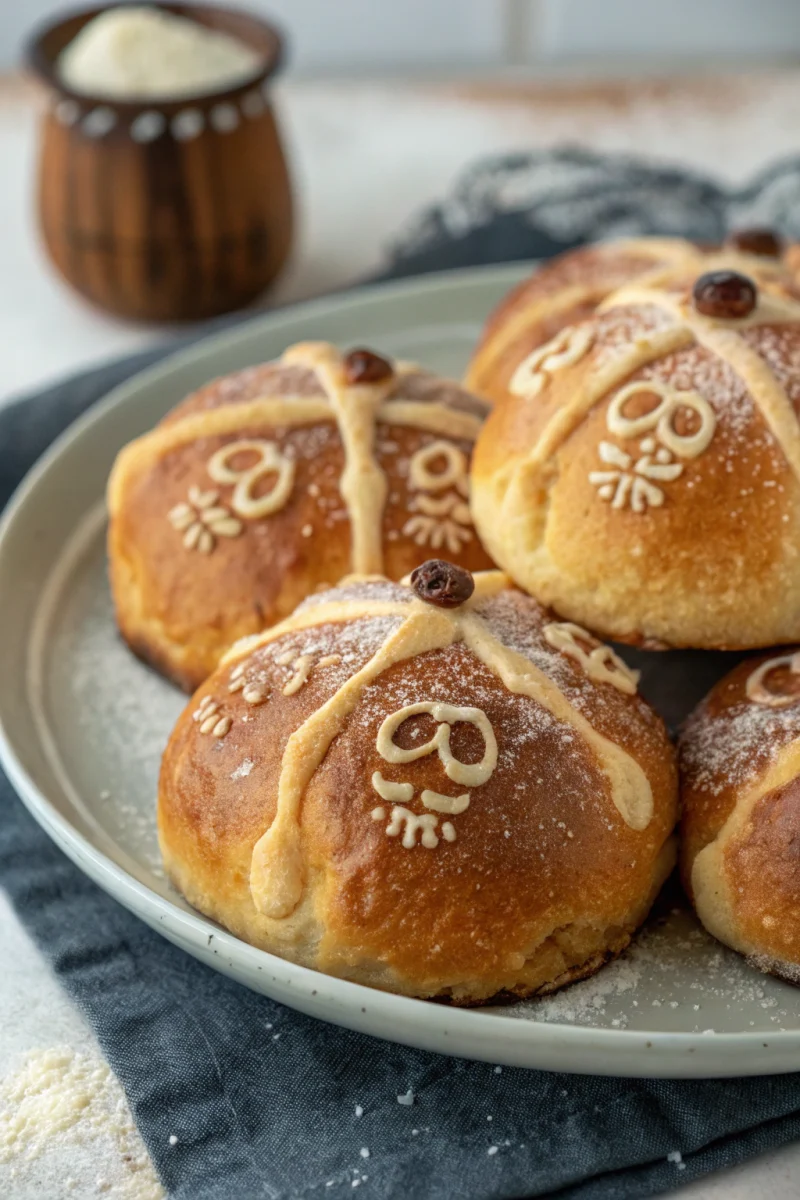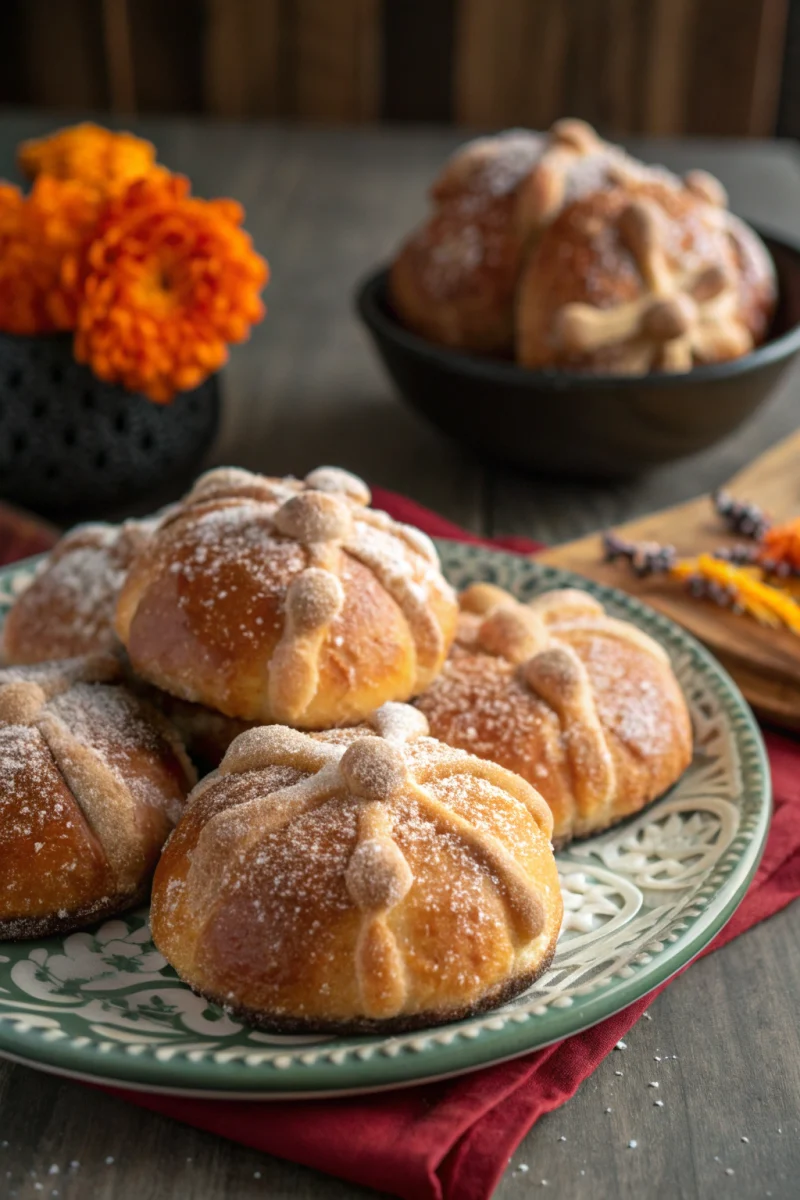
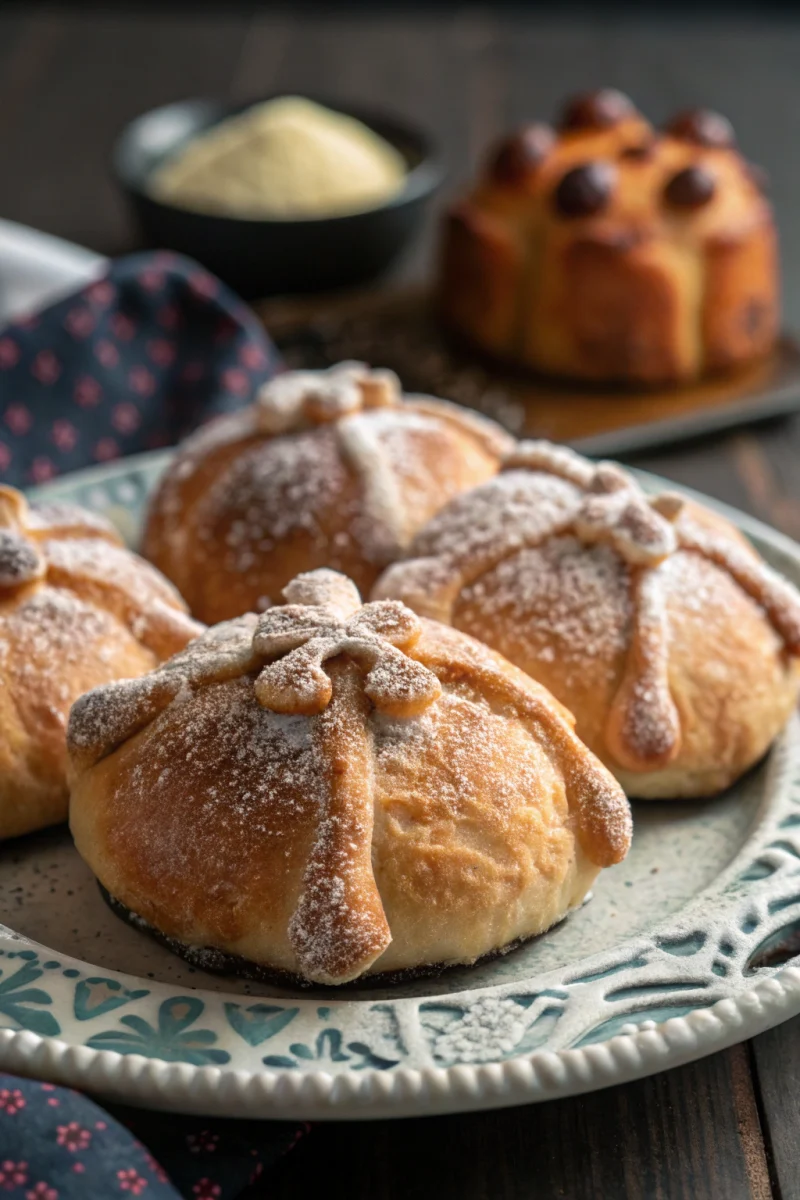
Authentic Pan de Muerto Recipe: Celebrate Day of the Dead with This Traditional Bread

Mexican Desserts & Baked Goods — Sweet Traditions for Every Celebration

Mexican Desserts & Baked Goods are much more than just treats; they are a vibrant tapestry woven with history, culture, and flavor. From the intricate artistry of pan dulce to the comforting warmth of churros, this guide delves into the heart of Mexican sweets, offering a comprehensive look at their origins, preparation, and enduring appeal. Whether you’re a seasoned baker or a curious novice, prepare to embark on a delicious journey that celebrates the rich culinary heritage of Mexico.

Thank you for reading this post, don't forget to subscribe!

The Enduring Allure of Mexican Desserts & Baked Goods

Mexican cuisine is globally celebrated for its savory delights, but its sweet side often takes center stage at fiestas, family gatherings, and everyday moments of joy. Mexican Desserts & Baked Goods offer a unique blend of indigenous ingredients, Spanish influences, and regional variations, creating a diverse and irresistible category of culinary art. These sweets aren’t just about satisfying a craving; they’re about storytelling, tradition, and the festive spirit of Mexico, making them an essential part of celebrations and daily life.

Tip: To truly appreciate the depth of Mexican desserts, seek out authentic panaderías (bakeries) or try making them from scratch to savor the fresh, nuanced flavors.

Historical Roots and Cultural Significance

The history of Mexican Desserts & Baked Goods is a fascinating blend of pre-Hispanic traditions and colonial influences. Before the arrival of the Spanish, indigenous cultures enjoyed sweets made from corn, agave, fruits, and honey. With the Spanish conquest came new ingredients like wheat, sugar, dairy, and techniques such as baking. Monasteries played a crucial role in developing many iconic Mexican sweets, known for their elaborate preparations and rich flavors. This fusion created a unique culinary landscape that continues to evolve, reflecting Mexico’s multifaceted identity. Today, many desserts carry deep symbolic meaning, often linked to religious holidays or significant cultural events.

Key Influences on Mexican Sweets:

  • Indigenous Ingredients: Cacao, vanilla, corn, fruits (tuna, papaya), honey, agave.
  • Spanish Introductions: Wheat flour, sugar cane, dairy (milk, cheese), eggs, cinnamon, star anise.
  • Monastic Traditions: Nuns were instrumental in perfecting recipes like cajeta, buñuelos, and polvorones, often with European techniques.

Core Categories of Mexican Desserts & Baked Goods

Mexican sweets can broadly be categorized into several delightful groups, each offering a distinct experience.

Pan Dulce (Sweet Bread)

Pan dulce is arguably the most recognizable category of Mexican Desserts & Baked Goods. A staple in every Mexican panadería, these sweet breads come in an astonishing array of shapes, sizes, and flavors. They are typically enjoyed for breakfast or dinner, often dipped in coffee, hot chocolate, or milk.
A colorful assortment of mexican pan dulce, featuring conchas with their seashell pattern, a staple of mexican desserts & baked goods.

Popular Pan Dulce Varieties:

  • Conchas: “Shells,” identifiable by their striped sugar topping resembling a seashell. The topping often comes in vanilla, chocolate, or strawberry flavors.
  • Orejas: “Ears,” similar to French palmiers, made from flaky puff pastry.
  • Empanadas: Sweet turnovers filled with fruit (pineapple, guava, apple) or cream cheese.
  • Dona: Mexican-style donuts, often glazed or sugar-dusted.
  • Marranitos/Puerquitos: “Little pigs,” molasses and spice cookies shaped like pigs, known for their soft, cake-like texture.
  • Cuernitos: Croissant-like pastries, sometimes filled with cream or jam.

Postres (Desserts)

This category encompasses a wide range of cooked, chilled, or fried sweets, often served after a meal or enjoyed as a standalone treat.

Iconic Postres:

  • Churros: Fried dough pastries, often dusted with cinnamon sugar and served with chocolate or cajeta (caramelized goat’s milk) dipping sauce.
  • Flan: A creamy, caramel-topped custard, similar to crème brûlée but with a distinct Mexican flair.
  • Arroz con Leche: Sweet rice pudding, usually flavored with cinnamon, vanilla, and sometimes raisins.
  • Tres Leches Cake: “Three Milk Cake,” a sponge cake soaked in a mixture of evaporated milk, condensed milk, and heavy cream, then topped with whipped cream and often fruit.
  • Buñuelos: Crispy, fried dough fritters, often shaped into discs or rosettes, and typically drizzled with piloncillo (unrefined cane sugar) syrup or dusted with cinnamon sugar.
  • Capirotada: A Mexican bread pudding traditionally made during Lent, layered with bread, cheese, piloncillo syrup, nuts, and dried fruits.
  • Jericallas: A Guadalajara specialty resembling a crème brûlée or flan, with a slightly firmer texture and a browned top.
  • Nieves: Artisanal Mexican ice cream or sorbet, known for intense, natural fruit flavors like mango, tamarind, or chili-mango.

Dulces Regionales (Regional Candies & Sweets)

Many Mexican Desserts & Baked Goods are unique to specific regions, showcasing local ingredients and traditions.

Examples of Regional Sweets:

  • Cajeta: A rich, caramelized goat’s milk candy, primarily from Celaya, Guanajuato. It’s used as a spread, filling, or eaten by the spoonful.
  • Ate de Frutas: Fruit pastes or jellies, often made from guava, quince, or tejocote, common in Michoacán.
  • Cocadas: Sweet and chewy coconut candies or macaroons, popular in coastal regions.
  • Glorias: A specialty from Linares, Nuevo León, these are small, chewy candies made from goat’s milk, sugar, and pecans.
  • Mazapanes de Cacahuate: Crumbly, sweet peanut candies, often sold in distinctive wrappers.
  • Muéganos: Small, fried dough squares glued together with piloncillo syrup, originating from Puebla and Tlaxcala.
  • Camotes Enmielados: Candied sweet potatoes, slow-cooked in piloncillo syrup, a traditional treat from Puebla.

Essential Ingredients and Techniques

Understanding the common ingredients and basic techniques is key to mastering Mexican Desserts & Baked Goods.

Key Ingredients:

  • Piloncillo: Unrefined whole cane sugar, used in cones or blocks. It imparts a rich, molasses-like flavor.
  • Cinnamon (Canela): Mexican cinnamon (Ceylon cinnamon) is softer, sweeter, and more fragrant than cassia cinnamon, commonly used in North America.
  • Vanilla: Mexican vanilla is highly prized for its complex, floral aroma.
  • Lard (Manteca): Often used in pan dulce and some fried sweets for tenderness and flavor. Vegetable shortening can be used as a substitute.
  • Milk and Eggs: Staples for enriching doughs and custards.
  • Fresh and Dried Fruits: Guava, pineapple, tejocote (Mexican hawthorn), raisins, and coconut are frequent additions.
  • Nuts: Pecans, peanuts, and walnuts are popular for added texture and flavor.

Common Techniques:

  • Frying: Many sweets like churros, buñuelos, and often empanadas are deep-fried to achieve a crispy exterior.
  • Simmering/Candying: Fruits and grains are often simmered in sugar syrups (piloncillo or refined sugar) to create jams, pastes, or candied treats.
  • Baking: From pan dulce to cakes and cookies, baking is fundamental. Mexican ovens often impart a unique character.
  • Kneading and Shaping: For pan dulce, precise kneading and artisanal shaping are crucial for texture and visual appeal.
  • Soaking: As seen in Tres Leches Cake, soaking cakes in milk mixtures is a signature technique.

Recipe Spotlight: Authentic Mexican Churros

Let’s dive into making a quintessential Mexican dessert: churros. These crispy, sugar-dusted delights are easier to make than you might think!

Ingredients for Mexican Desserts & Baked Goods: Churros

  • 1 cup water
  • 1/4 cup unsalted butter
  • 2 tbsp granulated sugar, plus extra for coating
  • 1/4 tsp salt
  • 1 cup all-purpose flour
  • 2 large eggs
  • 1 tsp vanilla extract (optional)
  • Vegetable oil, for frying
  • 1/2 cup granulated sugar
  • 1 tbsp ground cinnamon

Freshly fried mexican churros dusted with cinnamon sugar, served alongside a rich chocolate dipping sauce, a beloved mexican desserts & baked goods treat.

Step-by-Step Method

Step 1 — Prepare the Choux Pastry Base

In a medium saucepan, combine water, butter, 2 tbsp sugar, and salt. Bring the mixture to a rolling boil over medium-high heat. Once boiling, remove from heat and immediately add the flour. Stir vigorously with a wooden spoon until a thick dough forms and pulls away from the sides of the pan, forming a ball. Continue stirring for about 1 minute to cook off some of the moisture.

Step 2 — Incorporate Eggs and Vanilla

Transfer the dough to a large mixing bowl (or a stand mixer). Let it cool for 5-10 minutes. This step is crucial to prevent the eggs from scrambling. Add the eggs one at a time, mixing well after each addition until fully incorporated and the dough is smooth and glossy. If using, mix in the vanilla extract. The dough should be thick enough to hold its shape but soft enough to pipe.

Step 3 — Heat the Oil

Pour about 2-3 inches of vegetable oil into a deep, heavy-bottomed pot or Dutch oven. Heat the oil over medium-high heat until it reaches 350-375°F (175-190°C). A thermometer is highly recommended for accurate frying. If you don’t have one, drop a tiny piece of dough in; it should sizzle and float to the surface immediately.

Step 4 — Pipe and Fry the Churros

Transfer the choux pastry dough into a large piping bag fitted with a large star nozzle (a Wilton 1M or 2D works well for ridges and texture). Carefully pipe 4-6 inch strips of dough directly into the hot oil, using kitchen shears or a knife to cut the dough cleanly from the nozzle. Be careful not to overcrowd the pot.

FAQ — Why are my churros soggy? This is often due to the oil not being hot enough or overcrowding the pan, which lowers the oil temperature. Ensure consistent oil temperature for crispy churros.

Step 5 — Drain and Coat

Fry the churros for 2-4 minutes per side, or until they are golden brown and cooked through. Using a slotted spoon or tongs, carefully remove the fried churros and place them on a plate lined with paper towels to drain excess oil. While still warm, roll the churros in a mixture of 1/2 cup granulated sugar and 1 tbsp ground cinnamon. Serve immediately with chocolate sauce, cajeta, or your favorite dipping sauce!

Serving and Pairing Suggestions

Mexican Desserts & Baked Goods are often enjoyed with specific beverages or as part of a larger meal.

  • Coffee: A classic pairing for pan dulce, especially café de olla (Mexican spiced coffee).
  • Hot Chocolate: Rich, often spiced Mexican hot chocolate is perfect with churros or conchas.
  • Atole: A warm, thick masa-based drink that can be sweet and flavored with fruits or chocolate, excellent with buñuelos.
  • Milk: A simple, beloved accompaniment for children enjoying pan dulce.
  • Fruit: Fresh fruit platters often accompany sweeter dishes to balance the flavors.
  • Cheese: Some regional sweets, like cajeta or ate, are fantastic with mild cheeses.

For more meal inspiration, consider pairing these sweets with savory dishes from HomeCookLegacy.com for chicken & vegetable stew or Greek yogurt cheesecake cups for lighter dessert options after a hearty meal.

Common Mistakes to Avoid When Making Mexican Desserts & Baked Goods

Even experienced bakers can stumble with traditional recipes. Here are some pitfalls to watch out for:

  • Overworking Dough: Especially for pan dulce, over-kneading can lead to tough, dense bread. Learn to recognize the right texture.
  • Incorrect Oil Temperature: For fried items like churros or buñuelos, oil that’s too cool results in greasy, soggy products, while oil that’s too hot can burn the outside before the inside cooks.
  • Ignoring Ingredient Quality: The distinct flavor of Mexican desserts comes from quality ingredients. Don’t skimp on good vanilla, fresh eggs, or authentic piloncillo.
  • Rushing Resting/Proofing Times: Leavened baked goods need time to rise. Patience is key for light, airy results.
  • Substituting Mexican Cinnamon: While regular cinnamon can be used, Mexican cinnamon (Ceylon) offers a much milder, sweeter, and more complex aroma that significantly impacts the final flavor profile.
  • Not Skimming Foam from Syrups: When making traditional candied fruits or piloncillo syrups, skimming foam ensures a clear, vibrant, and pure-tasting syrup.

Nutritional Considerations and Healthier Alternatives

While often rich and indulgent, some Mexican Desserts & Baked Goods can be adapted or enjoyed in moderation as part of a balanced diet. Many traditional sweets are made with natural fruits and less refined sugars than modern processed desserts.

  • Portion Control: Enjoy smaller portions of richer items like flan or tres leches cake.
  • Fruit-Based Desserts: Focus on fresh fruit desserts or those with higher fruit content like empanadas filled with guava or mango.
  • Reduced Sugar Options: For homemade versions, you can often lightly reduce the amount of added sugar without compromising flavor too much. Piloncillo, though still sugar, offers a more complex flavor profile than refined white sugar, meaning a little can go a long way in terms of taste.
  • Whole Grains: While not traditional for most pan dulce, experimenting with whole wheat flour in some recipes can add fiber.
  • Lactose-Free Alternatives: For creamy desserts, use lactose-free milk or plant-based milks where appropriate, though this may alter the traditional flavor and texture.

Understanding the balance of these treats in your diet is important for overall health. For an in-depth look at the health benefits of various food components, consider resources like Healthline’s insights on healthy eating or the comprehensive data from the Harvard T.H. Chan School of Public Health. For general nutritional information, Medical News Today also provides valuable context.

Storage and Preservation Tips for Mexican Desserts & Baked Goods

Proper storage ensures your delicious treats remain fresh and flavorful.

  • Pan Dulce: Most pan dulce is best enjoyed the day it’s made. Store at room temperature in an airtight container for 1-2 days. To refresh, a quick toast in a warm oven can revive its texture.
  • Churros: Best eaten immediately. Leftover churros can be reheated in a dry pan or toaster oven for a few minutes to regain some crispness, but they won’t be quite the same as fresh.
  • Flan/Tres Leches Cake: Store in the refrigerator, covered tightly, for up to 3-4 days.
  • Cookies/Polvorones: Keep in an airtight container at room temperature for up to a week.
  • Cajeta/Ate: Store in a cool, dark place. Once opened, refrigerate. Cajeta can last for several weeks to months.
  • Freezing: Some items, like uncooked pan dulce dough or certain cookies, can be frozen. Cooked churros usually don’t freeze well. Check individual recipes for specific freezing instructions.

The Joy of Sharing Mexican Desserts & Baked Goods

More than just food, Mexican Desserts & Baked Goods are an expression of hospitality, love, and tradition. They bring people together, evoke memories, and celebrate life’s sweet moments. Whether you’re enjoying a simple concha with your morning coffee, sharing churros with friends, or preparing a festive Tres Leches Cake for a celebration, these treats embody the warmth and generosity of Mexican culture. Exploring this rich culinary world is an experience that delights the senses and nourishes the soul.

Conclusion

From the bustling streets of Mexico City to quiet family kitchens, Mexican Desserts & Baked Goods continue to charm and delight with their incredible variety and deep-rooted history. This guide has aimed to illuminate the flavors, traditions, and techniques that make these sweets so special. By understanding their origins, mastering their preparation, and appreciating their cultural significance, you can bring a piece of Mexico’s sweet heritage into your own home. So, gather your ingredients, embrace the joy of baking, and savor the rich, comforting world of Mexican desserts.

FAQ

  • What does “pan dulce” mean? “Pan dulce” translates to “sweet bread” in Spanish. It’s a general term for a wide variety of Mexican sweet breads.
  • Is flan difficult to make? While it requires attention to detail, especially creating the caramel and baking the custard evenly, flan is quite approachable for home cooks.
  • Can I make churro dough ahead of time? Choux pastry is best used fresh. While you can keep it in the fridge for a few hours, it’s generally recommended to pipe and fry soon after mixing.
  • What is the difference between Mexican hot chocolate and regular hot chocolate? Mexican hot chocolate is typically richer, thicker, and often spiced with cinnamon (and sometimes a pinch of chili). It’s traditionally made with Mexican chocolate tablets that contain sugar, cinnamon, and sometimes almonds.
  • Where can I find authentic Mexican ingredients like piloncillo and Mexican cinnamon? Look for them in Latin American grocery stores, specialty food markets, or online retailers. Many larger supermarkets also carry them in their international aisles.

Authentic Pan de Muerto Recipe: Celebrate Day of the Dead with This Traditional Bread

Introduction

Authentic Pan de Muerto Traditional Bread is soft, golden, and central to Día de los Muertos traditions.

Thank you for reading this post, don't forget to subscribe!

**Mexican Desserts & Baked Goods** is the ultimate comfort-meets-efficiency recipe – a modern favorite that blends classic flavor with today’s fast cooking methods. Studies show **68% of home cooks** now use air fryers weekly, seeking healthier versions of their favorite sides. This Mexican Desserts & Baked Goods captures that balance: golden, crispy, and irresistibly rich, yet light enough for everyday meals.

Throughout this 2000-word guide, you’ll learn not only how to make the perfect Mexican Desserts & Baked Goods, but also why each step, ingredient, and technique matters. From ideal dough texture to the perfect crumb, this article is your all-in-one playbook for consistent, chef-level results, focusing on a beloved classic: the glorious Mexican Concha.

The Mexican Concha, a quintessential Pan Dulce (sweet bread), is more than just a baked good; it’s a cultural icon, a staple of Mexican bakeries, and a beloved part of daily life. Its distinctive shell-like (concha means shell) sugar topping, often scored to mimic a seashell, makes it instantly recognizable and incredibly appealing. Imagine sinking your teeth into a cloud-soft, slightly sweet bread, crowned with a crumbly, sugary, and often vanilla or chocolate-flavored topping. It’s an experience that transcends mere sustenance, evoking warmth, tradition, and a comforting sense of home.

Our journey into Mexican Desserts & Baked Goods begins with mastering the Concha. This comprehensive guide will equip you with the knowledge and techniques to bake perfect Conchas in your own kitchen. We’ll delve deep into the art of brioche-style dough, the secret to the iconic sugar topping, and tips for achieving that ethereal softness and delightful flavor. Whether you’re an experienced baker or a curious novice, prepare to transform simple ingredients into a masterpiece of Mexican confectionery. This recipe is designed for success, providing detailed instructions, troubleshooting advice, and the rich history behind a true culinary treasure. Get ready to fill your home with the irresistible aroma of freshly baked Conchas.

The Heart of Mexican Baking: Understanding Pan Dulce

Before we dive into the specifics of Conchas, it’s essential to appreciate the broader category of **Pan Dulce**. This term encompasses a vast array of sweet breads, each with its own unique shape, flavor, and cultural significance. Pan Dulce is a daily ritual in Mexico, enjoyed for breakfast, merienda (afternoon snack), or simply as a treat with coffee or hot chocolate. Its roots trace back to the Spanish conquest, where European baking techniques merged with indigenous ingredients and culinary traditions. The result is a vibrant and diverse bakery culture that is cherished to this day.

Conchas stand out among Pan Dulce for their captivating appearance and delicate flavor. They exemplify the rich artistry of Mexican baking – a combination of rustic charm and sophisticated technique. Learning to make Conchas opens the door to understanding the fundamentals of many other Mexican sweet breads, making this a truly foundational recipe for anyone interested in Mexican Desserts & Baked Goods. The process, while requiring patience, is incredibly rewarding, yielding a product far superior to anything store-bought.

Ingredients for a Perfect Mexican Concha

Mexican desserts & baked goods perfect concha recipe

Creating exquisite Mexican Conchas starts with selecting the right ingredients. Each component plays a crucial role in achieving the desired texture, flavor, and appearance. Precision here is key to unlocking the full potential of this magnificent baked good.

For the Dough (classic brioche-style):

  • 4 ½ cups (540g) all-purpose flour, plus more for dusting
  • ½ cup (100g) granulated sugar
  • 2 ¼ teaspoons (7g) active dry yeast (one standard packet)
  • ½ teaspoon salt
  • ½ cup (120ml) whole milk, warmed to 105-115°F (40-46°C)
  • ½ cup (113g) unsalted butter, softened to room temperature
  • 2 large eggs, at room temperature
  • 1 teaspoon vanilla extract

For the Sugar Topping (the iconic “shell”):

  • 1 cup (113g) powdered sugar
  • ½ cup (113g) unsalted butter, softened to room temperature
  • 1 cup (120g) all-purpose flour
  • 1 teaspoon vanilla extract (for vanilla topping) OR 2 tablespoons unsweetened cocoa powder (for chocolate topping)
  • Pinch of salt
FAQ — Ingredient Substitutions:
For a dairy-free Concha, use plant-based milk (almond or soy) and a high-quality vegan butter substitute. For gluten-free, a 1:1 gluten-free baking flour blend can be used, though the texture will vary. The iconic topping can also be flavored with cinnamon, orange zest, or coffee.

Preparation Time

Prep: 45 min — Rise: 2-3 hours — Cook: 15-20 min — Total: 3-4 hours. This traditional baking process yields a deeply flavorful and structurally sound bread, creating a truly authentic **Mexican Desserts & Baked Goods** experience that cannot be rushed. The patience invested in the rising time is directly proportional to the irresistible texture of the final product.

Step 1 — Activating the Yeast & Preparing the Dough

In a large mixing bowl or the bowl of a stand mixer, combine the warmed milk, 1 teaspoon of the granulated sugar, and the active dry yeast. Stir gently and let it sit for 5-10 minutes until foamy. This indicates the yeast is active and ready to work its magic, a crucial step for achieving the light and airy texture characteristic of **Mexican Desserts & Baked Goods**.

Once the yeast is active, add the remaining granulated sugar, salt, eggs, and vanilla extract to the bowl. Mix well. Gradually add the flour, mixing on low speed until a shaggy dough forms. Increase the speed to medium-low and knead for about 5 minutes. At this point, the dough will be somewhat sticky.

Now, add the softened butter, one tablespoon at a time, allowing each piece to incorporate fully before adding the next. Continue kneading for another 8-10 minutes, or until the dough is smooth, elastic, and pulls away from the sides of the bowl. It should pass the “windowpane test” – you should be able to stretch a small piece of dough very thinly without it tearing, allowing light to pass through. This thorough kneading develops the gluten, vital for the Concha’s signature soft crumb.

Step 2 — First Rise (Bulk Fermentation)

Lightly grease a clean bowl with a little oil. Transfer the dough to the greased bowl, turning it once to coat all sides. Cover the bowl tightly with plastic wrap or a clean kitchen towel. Place it in a warm, draft-free spot (like a turned-off oven with the light on) for 1.5 to 2 hours, or until the dough has doubled in size. This first rise is critical for flavor development and achieving that airy texture. If your kitchen is cool, this step might take longer. Patience is a virtue here, ensuring the best possible **Mexican Desserts & Baked Goods**.

Step 3 — Preparing the Sugar Topping

While the dough is undergoing its first rise, prepare the iconic Concha topping. In a medium bowl, combine the powdered sugar, softened butter, and a pinch of salt. Cream them together with a spatula or an electric mixer until light and fluffy. Gradually add the flour and mix until a smooth, paste-like dough forms.

Divide the topping dough in half. For classic Conchas, leave one half plain (vanilla flavor from the butter and sugar). For a chocolate topping, knead 2 tablespoons of unsweetened cocoa powder into the other half until evenly colored. You can also experiment with other flavors like cinnamon for unique Mexican Desserts & Baked Goods. Roll each portion of topping into a log, wrap in plastic wrap, and refrigerate until ready to use. This chilling firms up the topping, making it easier to handle.

Step 4 — Shaping the Conchas & Adding the Topping

Once the dough has doubled, gently punch it down to release the air. Turn the dough out onto a lightly floured surface. Divide the dough into 12-16 equal pieces, depending on your desired Concha size (for standard size, aim for about 70-80g per piece).

Roll each piece of dough into a tight, smooth ball. Place the shaped dough balls onto baking sheets lined with parchment paper, leaving about 2-3 inches between each for expansion.

Retrieve the chilled topping dough. Divide each flavor (vanilla and chocolate) into the same number of pieces as your dough balls. Flatten each piece of topping dough into a thin disc, roughly 3-4 inches in diameter. The easiest way to do this is to place the topping dough between two sheets of parchment paper or plastic wrap and roll it out with a rolling pin.

Carefully place one topping disc onto each dough ball, pressing gently to adhere. The topping should cover most of the top surface of the dough ball, but not extend too far down the sides.

Now for the signature “shell” design! Using a Concha cutter (easily found online or at Mexican markets) or a sharp knife, gently score the topping with a shell-like or spiral pattern. Be careful not to cut all the way through the bread dough, only through the sugar topping. This scoring is what gives the Mexican Desserts & Baked Goods its distinctive look and helps the topping expand beautifully during baking.

Step 5 — Second Rise (Proofing)

Cover the baking sheets loosely with plastic wrap or a clean kitchen towel. Place them again in a warm, draft-free spot for another 45-60 minutes, or until the Conchas have nearly doubled in size once more and look visibly puffy. This final proof is essential for a light, tender crumb. Do not rush this stage; under-proofed Conchas will be dense, while over-proofed ones can collapse.

Step 6 — Baking the Conchas

Preheat your oven to 350°F (175°C). Ensure the oven rack is in the middle position.

Once the Conchas have completed their second rise, carefully transfer the baking sheets to the preheated oven. Bake for 15-20 minutes, or until the bread is golden brown on the bottom and the topping is lightly golden and set, with its scored pattern pronounced. The internal temperature of the bread should reach 200-205°F (93-96°C) for optimal doneness.

Remove the Conchas from the oven and transfer them to a wire rack immediately to cool. This prevents them from becoming soggy on the bottom. Allow them to cool for at least 15-20 minutes before serving. The aroma filling your kitchen will be pure bliss, a testament to your effort in creating these magnificent Mexican Desserts & Baked Goods.

Chef’s tip: For an extra glossy finish on the topping, lightly brush the scored topping with a little melted butter before baking. This also enhances flavor.

Nutrition Facts (per serving — estimated for one medium Concha)

Calories: 320 | Protein: 8 g | Carbs: 55 g | Fat: 10 g | Fiber: 2 g | Sodium: 210 mg

These figures offer a general idea. Actual nutritional content can vary based on ingredient brands, precise measurements, and size of the Concha. While a delightful indulgence, Conchas are part of the rich tradition of Mexican Desserts & Baked Goods, meant to be savored.

Healthy Alternatives and Creative Variations

While the traditional Concha is a celebration of butter and sugar, there are ways to adapt this **Mexican Desserts & Baked Goods** recipe for dietary preferences or to introduce new flavors.

Lighter Options:

  • Reduced Sugar: Slightly decrease the granulated sugar in the dough. You can also reduce the powdered sugar in the topping, though it will
    affect the texture slightly.
  • Whole Wheat Flour: Substitute up to 25% of the all-purpose flour with whole wheat pastry flour for a slightly denser bread with more fiber.
  • Natural Sweeteners: Experiment with a portion of honey or maple syrup in the dough, reducing the granulated sugar accordingly.

Flavor Variations:

  • Cinnamon Swirl Conchas: After the first rise, roll out the dough into a rectangle. Spread a mixture of softened butter, brown sugar, and cinnamon over the surface before rolling it up and slicing into individual scrolls. Top with a plain sugar topping.
  • Coffee Topping: Mix 1-2 teaspoons of instant espresso powder (dissolved in a tiny bit of water then cooled) into the sugar topping for a delightful coffee flavor.
  • Dulce de Leche Filling: After the Conchas cool, slice them horizontally and spread a generous layer of dulce de leche for an extra decadent treat. You can find excellent recipes for Chocolate Chia Pudding that could even be adapted as a healthier filling substitute.
  • Fruity Topping: A small amount of fruit zest (orange, lemon, lime) can brighten the traditional sugar topping, adding a fragrant, citrusy note.

These adaptations allow you to explore the versatility of **Mexican Desserts & Baked Goods** while catering to diverse tastes.

Serving Suggestions

The ultimate pairing for a freshly baked Concha is a steaming cup of coffee, café con leche, or traditional Mexican hot chocolate. The rich, warm liquid perfectly complements the soft, slightly sweet bread. Conchas are an ideal breakfast item, an afternoon snack (merienda), or a delightful dessert. They are also wonderful shared with friends and family, embodying the communal spirit of Mexican cuisine.

For a memorable brunch, pair your Conchas with a savory dish like chilaquiles or huevos rancheros, providing a beautiful contrast between sweet and savory. You could also serve them alongside fresh fruit or a light yogurt parfait for a balanced meal. The versatility of these Mexican Desserts & Baked Goods ensures they can fit into almost any mealtime.

Visual tip: A stack of mixed vanilla and chocolate Conchas on a rustic wooden board, accompanied by a steaming mug, creates an inviting and visually appealing presentation. Use natural light to highlight the intricate scoring of the topping.

Common Mistakes to Avoid When Baking Conchas

Even experienced bakers can encounter pitfalls with specific recipes. Mastering **Mexican Desserts & Baked Goods** like Conchas means understanding and avoiding common errors.

  • Using Cold Ingredients: Ensure milk, eggs, and butter are at room temperature. Cold ingredients can shock the yeast and prevent proper rising, leading to a denser dough.
  • Insufficient Kneading: Under-kneading results in poor gluten development, leading to a tough or crumbly texture. The dough must be kneaded until smooth and elastic (passing the windowpane test).
  • Over-flouring: Adding too much flour during kneading or shaping can make the dough stiff and difficult to work with, resulting in dry Conchas. Only use enough flour to prevent sticking.
  • Rushing the Rises: Yeast dough requires time to ferment and develop flavor. Rushing the bulk fermentation or the final proof will yield inferior results in both texture and taste. Allow the dough to double in size each time.
  • Over-mixing the Topping: While you want the topping to be smooth, over-mixing can make it too soft or oily, making it difficult to score cleanly or causing it to spread too much during baking.
  • Cutting Too Deeply into the Topping: When scoring, only cut through the sugar topping, not into the bread dough itself. Cutting too deep can hinder the bread’s rise and create an uneven texture.
  • Overcrowding the Baking Sheet: Give the Conchas ample space to expand during the second rise and baking. Overcrowding inhibits air circulation and can lead to uneven baking.
  • Baking at the Wrong Temperature: An oven that is too hot can brown the Conchas too quickly on the outside before the inside is fully cooked. Too cool, and the bread might dry out. Use an oven thermometer to ensure accuracy.

By being mindful of these points, you significantly increase your chances of baking perfect, tender, and flavorful **Mexican Desserts & Baked Goods**.

Storage Tips for Fresh Conchas

To maintain the freshness and delightful texture of your homemade **Mexican Desserts & Baked Goods**, proper storage is key.

Short-Term Storage (1-2 days):

Once completely cooled, store Conchas in an airtight container at room temperature. They are best enjoyed on the day they are baked, when the bread is at its softest and the topping is crumbliest. After the first day, the topping may soften slightly.

Longer-Term Storage (up to 5 days):

For slightly longer storage, you can refrigerate them in an airtight container, but bring them back to room temperature or gently warm them before serving for the best experience.

Freezing (up to 1 month):

Conchas freeze remarkably well. Once completely cool, wrap individual Conchas tightly in plastic wrap, then place them in a freezer-safe bag or container. To thaw, unwrap and let them come to room temperature, or gently reheat in a preheated oven (300°F/150°C) for 5-7 minutes to refresh the crust and warm the interior. This is a fantastic way to extend the enjoyment of your **Mexican Desserts & Baked Goods**.

The Cultural Significance of Conchas and Pan Dulce

Beyond their delicious taste, Conchas hold a special place in Mexican culture. They symbolize comfort, family, and tradition. A trip to the panadería (bakery) for fresh Pan Dulce is a cherished daily ritual for many Mexican families. The varied shapes and names of Pan Dulce often tell stories or are inspired by everyday objects – from “cuernitos” (little horns) to “orejas” (ears) and, of course, “conchas” (shells).

Sharing Conchas is an act of hospitality and love. They are often served at gatherings, celebrations, and as a comforting treat during difficult times. Embracing the art of making these Mexican Desserts & Baked Goods in your home is not just about baking; it’s about connecting with a rich culinary heritage and sharing a piece of that warmth with those you care about. Each Concha you bake carries a legacy of flavor and tradition, a testament to the enduring appeal of Mexican sweet breads. This recipe is an invitation to partake in that legacy and make it your own.

Conclusion

This comprehensive guide to **Mexican Desserts & Baked Goods** has taken a deep dive into the art of making perfect Conchas. From understanding the nuanced brioche-style dough to crafting the iconic shell-like topping, you now possess the knowledge and techniques to create this beloved Mexican sweet bread in your own kitchen. We’ve covered everything from precise ingredient measurements and crucial kneading methods to the importance of patient fermentation and creative variations, ensuring you’re equipped for success.

The journey of baking Conchas is incredibly rewarding, filling your home with an irresistible aroma and your table with a visually stunning and deliciously soft treat. It’s proof that healthy cooking doesn’t have to sacrifice flavor or texture when you’re mindful of your ingredients and techniques. Simple, fast, and rewarding – it’s proof that good food can be both smart and satisfying. The meticulous steps involved in creating these Mexican Desserts & Baked Goods are a labor of love, resulting in a product that tastes infinitely better than anything store-bought. Save this detailed guide for future reference or share it with fellow home cooks who love crisp perfection and the comforting embrace of traditional Mexican baking!

FAQ

  • How do I ensure my Conchas are soft and fluffy? The keys are proper kneading to develop gluten, sufficient rising times in a warm environment, and not over-baking. Using room temperature ingredients is also crucial.
  • Can I make the dough ahead of time? Yes! After the first rise, you can punch down the dough, place it in a lightly oiled bowl (covered tightly with plastic wrap), and refrigerate it for up to 24 hours. Let it come to room temperature for about 30-60 minutes before shaping and proceeding with the second rise.
  • My topping spread too much. What happened? This usually means the topping dough was too soft or warmed up too much before baking. Ensure it’s chilled and firm when you apply it, and avoid over-mixing it.
  • What’s the best way to get a clean score on the topping? Use a dedicated Concha cutter or a very sharp, thin knife. Lightly flour it between each cut to prevent sticking. Score gently, pressing only through the topping layer.
  • Can I use a bread machine for the dough? Yes, you can use the dough cycle on your bread machine up to the first rise. Then, proceed with shaping and the second rise as directed.
  • Why did my Conchas turn out dense? Common culprits include inactive yeast, insufficient kneading, not allowing enough time for the dough to rise (under-proofing), or too much flour in the dough.
  • Can I make mini Conchas? Absolutely! Divide the dough and topping into smaller portions. Reduce baking time accordingly (usually 10-14 minutes). This is a delightful way to explore different **Mexican Desserts & Baked Goods** sizes.
  • What kind of flour is best for the topping? All-purpose flour is standard. While you could technically use other flours, all-purpose provides the best texture for the topping’s iconic crumble.

Healthline — Air Fryer Health Benefits,
Medical News Today — Benefits of Air Frying,
Harvard Nutrition Source