
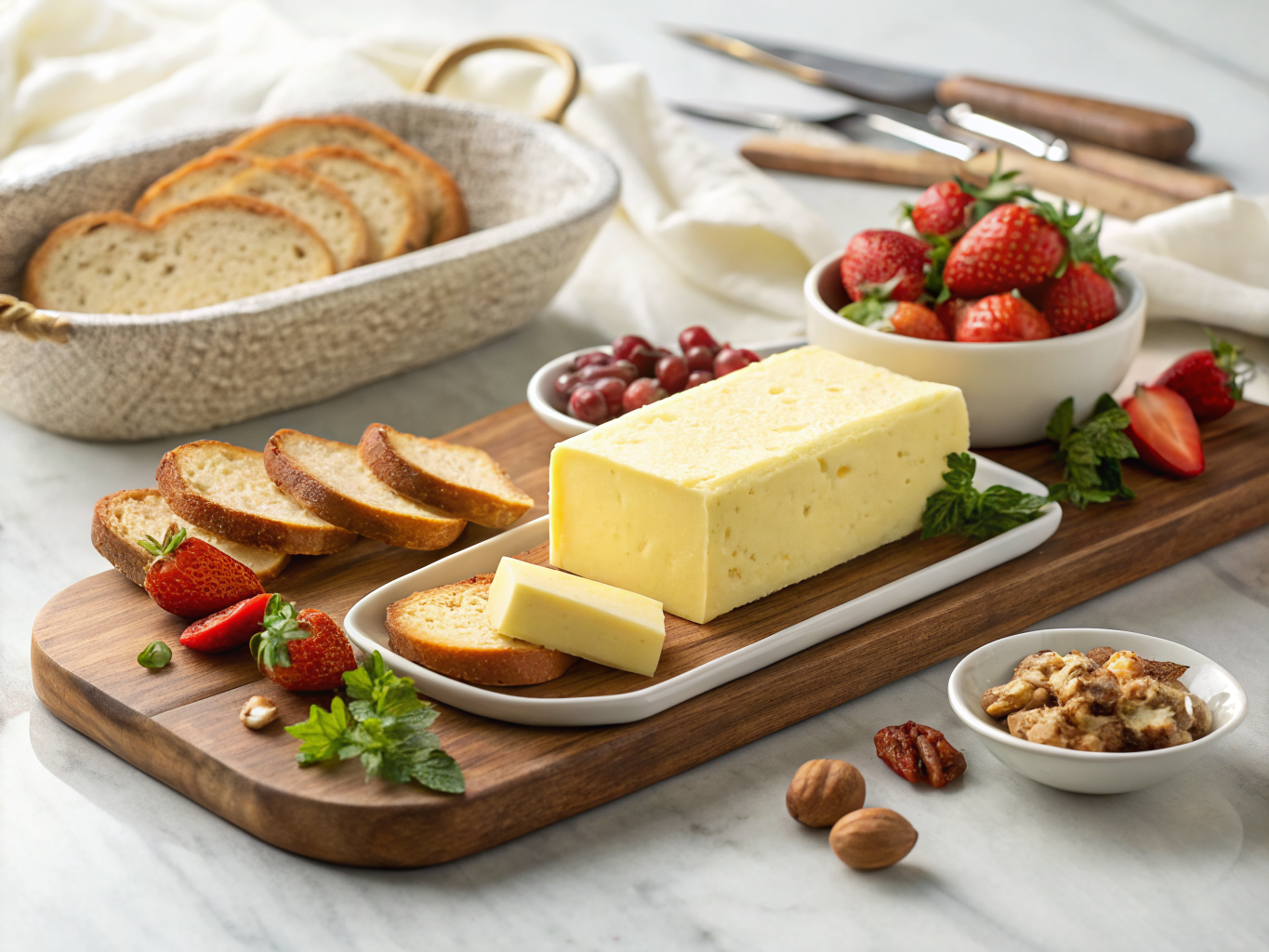
Amazing Butter Board for Busy Nights
Ingredients
Method
- Remove butter from refrigerator and let it soften at room temperature for 30 minutes until easily spreadable. Place softened butter in the center of a wooden board or serving platter.
- Using the back of a spoon or offset spatula, spread the butter across the board in an even layer, creating swirls and texture for visual appeal.
- Sprinkle the chopped rosemary, thyme leaves, and chives evenly over the butter, pressing gently so they adhere to the surface.
- Scatter pomegranate seeds across the butter board for pops of color. Sprinkle with flaky sea salt and lemon zest.
- Drizzle honey in a decorative pattern over the butter board for a touch of sweetness that balances the savory herbs.
- Slice the crusty bread and toast lightly until golden brown and crispy on the edges.
- Arrange the toasted bread slices around the butter board and serve immediately while butter is soft and spreadable. Guests can spread the herbed butter directly onto their bread.
Nutrition
Notes
Tried this recipe?
Let us know how it was!\n\nThis Butter Board is the ultimate appetizer for busy weeknights when you need something impressive yet incredibly simple. With just a few quality ingredients and minimal prep time, you’ll create a stunning spread that looks like it came from a gourmet restaurant. Perfect for entertaining guests or treating your family to something special without spending hours in the kitchen.
Thank you for reading this post, don't forget to subscribe!Butter Board: 5 Amazing Tips in 25 Minutes
Creating a beautiful butter board doesn’t require culinary school training or fancy equipment. The secret lies in using room-temperature butter, layering complementary flavors, and presenting everything with artistic flair. This showstopping appetizer comes together faster than ordering takeout.
The key to success is planning your flavor profile before you begin spreading. Think about balancing salty, sweet, herbaceous, and acidic elements to create complexity. Each bite should offer a different taste experience while maintaining harmony across the entire board.
Temperature matters more than you might think when working with butter. Butter that’s too cold won’t spread smoothly, while overly soft butter loses its structure and looks messy. Aim for butter that yields easily to pressure but still holds its shape when spread across your serving board.
Why You’ll Love This Butter Board
This recipe transforms ordinary butter into an extraordinary centerpiece that sparks conversation and delights taste buds. Unlike complicated appetizers requiring multiple cooking steps, this dish celebrates simplicity while delivering maximum visual impact. Your guests will think you spent hours preparing when it actually took minutes.
The versatility of this recipe means you can customize it endlessly based on what’s in your pantry or seasonal availability. From Mediterranean-inspired versions with olives and sun-dried tomatoes to sweet variations featuring honey and cinnamon, the possibilities are limitless. Each creation becomes uniquely yours while following the same basic technique.
Budget-friendly ingredients make this an accessible luxury for any occasion. High-quality butter serves as the foundation, but the toppings can range from pantry staples to specialty items. You control the cost while maintaining an upscale presentation that rivals expensive restaurant appetizers.
Cleanup is remarkably simple compared to recipes requiring multiple pots and pans. You’ll use one board, one spreading tool, and a few small bowls for prep. The minimal mess means you can enjoy your creation rather than dreading the kitchen cleanup that follows.
Core Ingredients for Butter Board
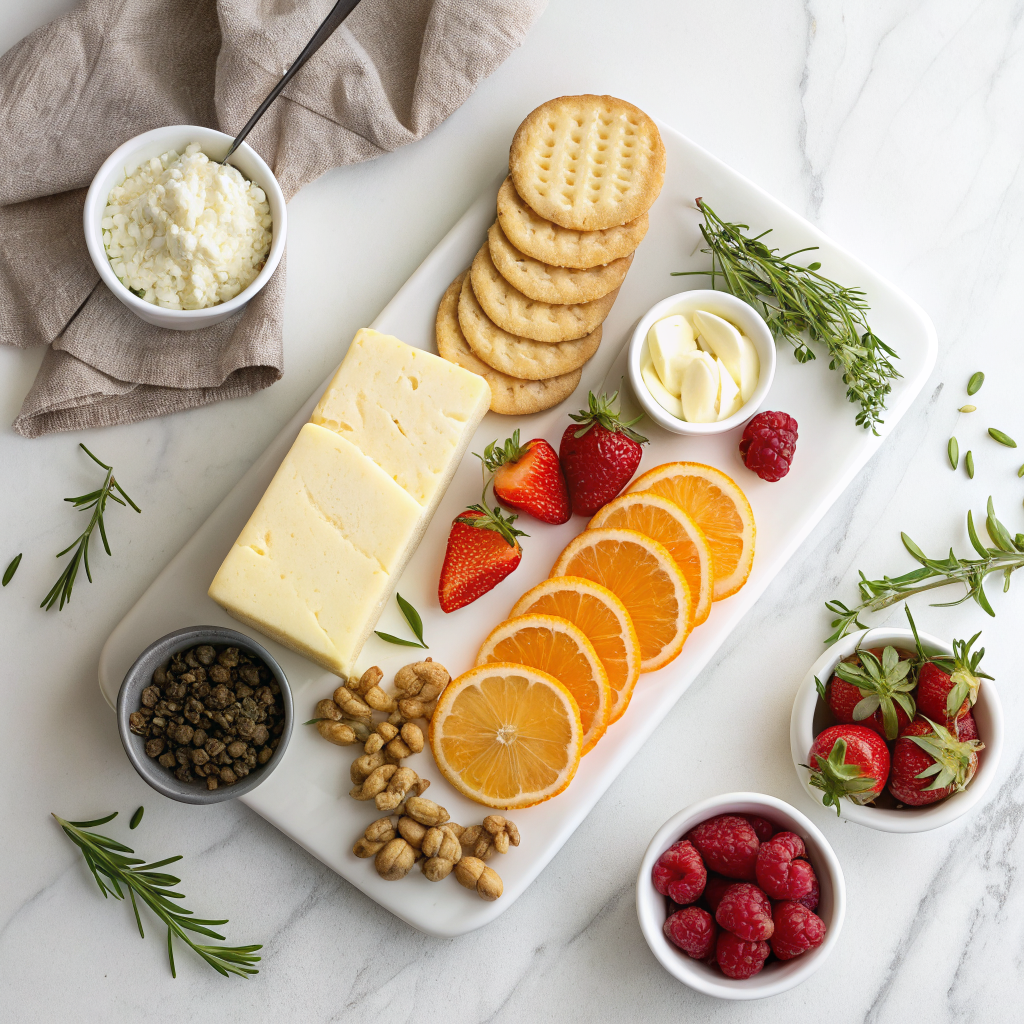
The foundation starts with one pound of unsalted European-style butter, which offers higher butterfat content for superior flavor and texture. European butter creates a creamier, more luxurious spread than standard American butter. Allow it to sit at room temperature for 45-60 minutes before beginning your preparation.
Flaky sea salt provides essential seasoning and textural contrast against the smooth butter. Maldon or fleur de sel work beautifully, offering delicate crystals that sparkle visually while delivering bursts of salinity. Avoid table salt, which dissolves too quickly and lacks visual appeal.
Fresh herbs bring color, fragrance, and bright flavors to your creation. Fresh rosemary, thyme, chives, and parsley work exceptionally well, either individually or combined. Chop herbs just before using to preserve their aromatic oils and prevent browning.
High-quality extra virgin olive oil adds richness and helps herbs adhere to the butter surface. A drizzle also creates beautiful visual swirls and enhances the Mediterranean character of your board. Choose a fruity, peppery oil that complements rather than overwhelms the butter’s delicate flavor.
Acidic elements like lemon zest and juice cut through the butter’s richness and brighten the overall flavor profile. Fresh citrus zest adds aromatic oils while juice provides tanginess. This balance prevents the dish from feeling heavy or one-dimensional.
Optional toppings include crushed red pepper flakes, minced garlic, edible flowers, honey, or toasted nuts. These additions allow personalization based on your taste preferences and the occasion. Consider your accompanying bread or vegetables when selecting complementary flavors.
For serving, you’ll need crusty bread, crackers, or fresh vegetables as vehicles for the butter. Sourdough, baguette slices, or artisan crackers work wonderfully. Radishes, carrots, and celery offer fresh, crunchy alternatives that pair beautifully with rich butter.
How to Make Butter Board: Step-by-Step
Step 1: Prepare Your Workspace — Select a wooden cutting board, marble slab, or slate serving platter as your canvas. The surface should be clean, dry, and large enough to accommodate spreading without crowding. A 12×16 inch board works well for one pound of butter and provides adequate serving space.
Step 2: Soften the Butter — Remove butter from refrigeration 45-60 minutes before serving to reach ideal spreading consistency. The butter should yield easily when pressed but not appear shiny or separated. If you’re short on time, cut butter into small cubes to accelerate softening, but never microwave it.
Step 3: Create the Base Layer — Using an offset spatula or butter knife, spread softened butter across your board in organic, swooping motions. Don’t aim for perfect smoothness; textured swirls and peaks add visual interest and create pockets for toppings. Leave the butter slightly thicker in some areas for dimensional appeal.
Step 4: Add Aromatic Elements — Drizzle extra virgin olive oil over the butter surface, allowing it to pool slightly in the valleys. Sprinkle flaky sea salt generously, focusing on creating an even distribution. The salt should be visible as sparkling crystals that catch the light.
Step 5: Layer Fresh Herbs — Scatter chopped fresh herbs across the butter, varying the placement for visual interest. Press some herbs gently into the butter while leaving others on the surface. This creates depth and ensures every bite captures herbal flavors.
Step 6: Add Finishing Touches — Incorporate your chosen optional toppings like lemon zest, crushed red pepper, or minced garlic. Consider color contrast and flavor balance when deciding placement. Edible flowers or microgreens add restaurant-quality polish if you’re entertaining.
Step 7: Arrange Accompaniments — Surround your butter board with bread slices, crackers, or vegetables arranged artfully. Toasted bread slices can be fanned around the edges or stacked nearby. Fresh vegetables add color and provide lighter dipping options.
Step 8: Serve Immediately — Present your creation while the butter maintains its perfect spreading consistency. Provide small spreading knives or butter knives for guests to serve themselves. Encourage diners to drag their bread through the butter, capturing herbs and toppings in each swipe.
Pro Tip: Create a practice board first if you’re preparing this for an important event. You’ll discover your preferred thickness, topping combinations, and presentation style. Photograph your creation before serving to remember successful combinations for future boards.
Nutrition & Health Benefits
Butter contains essential fat-soluble vitamins including vitamins A, D, E, and K that support various bodily functions. These vitamins require dietary fat for proper absorption, making butter an efficient delivery system. According to Healthline, grass-fed butter offers higher levels of omega-3 fatty acids and conjugated linoleic acid compared to conventional butter.
The saturated fat in butter has been subject to evolving nutritional science. Recent research suggests that moderate butter consumption as part of a balanced diet doesn’t necessarily increase heart disease risk for most people. Harvard School of Public Health notes that butter quality and overall dietary patterns matter more than isolated fat sources.
Fresh herbs contribute antioxidants, vitamins, and anti-inflammatory compounds to this dish. Rosemary contains carnosic acid, which supports brain health and cognitive function. Parsley provides vitamin K for bone health, while thyme offers antimicrobial properties that support immune function.
Extra virgin olive oil adds heart-healthy monounsaturated fats and polyphenols with anti-inflammatory effects. The combination of butter and olive oil creates a more favorable fatty acid profile than butter alone. This Mediterranean approach balances richness with beneficial compounds found in quality olive oil.
Portion control remains important when enjoying rich foods like butter boards. A typical serving of 1-2 tablespoons of butter provides approximately 100-200 calories and 11-22 grams of fat. Medical News Today emphasizes that enjoying indulgent foods mindfully within an overall healthy eating pattern supports both physical and mental wellbeing.
Pairing butter with whole grain bread or fresh vegetables adds fiber, vitamins, and minerals that create nutritional balance. The fiber slows digestion and promotes satiety, preventing overconsumption. This combination transforms a simple butter spread into a more complete snack or appetizer.
Variations & Substitutions
Mediterranean Version — Top your butter with sun-dried tomatoes, kalamata olives, capers, and oregano for a Greek-inspired flavor profile. Add crumbled feta cheese and a drizzle of balsamic glaze for extra complexity. This variation pairs beautifully with pita chips or focaccia bread.
Sweet Honey Butter Board — Create a dessert version using softened butter topped with honey, cinnamon, vanilla bean seeds, and chopped toasted pecans. Add a pinch of flaky sea salt to balance sweetness. Serve with apple slices, graham crackers, or warm croissants for an indulgent treat.
Spicy Everything Board — Incorporate everything bagel seasoning, sliced jalapeños, crushed red pepper flakes, and fresh cilantro for heat lovers. Add a squeeze of lime juice and smoked paprika for depth. This bold version works wonderfully with pretzel crisps or bagel chips.
Fall Harvest Board — Combine butter with maple syrup, chopped candied pecans, dried cranberries, and fresh sage. Add a sprinkle of pumpkin pie spice and orange zest for seasonal warmth. This autumnal version complements cornbread or apple slices perfectly.
Dairy-Free Alternative — Substitute high-quality vegan butter made from cashews or coconut oil for a plant-based version. The texture won’t be identical, but the concept works beautifully with dairy-free spreads. Choose brands that maintain firmness at room temperature for best results.
Compound Butter Approach — Mix ingredients directly into softened butter before spreading for more uniform flavor distribution. This method works well when preparing boards in advance since flavors meld together during refrigeration. Simply bring to room temperature before serving.
Check out our quick appetizer recipes for more entertaining ideas that complement butter boards beautifully.
Serving Suggestions
Present your butter board as the centerpiece of a casual cocktail party or pre-dinner appetizer spread. The interactive nature encourages guests to gather around and serve themselves, creating natural conversation opportunities. Position it on a stable surface where multiple people can access it comfortably from different angles.
Pair with a selection of wines that complement rich, savory flavors without overwhelming delicate herb notes. Crisp white wines like Sauvignon Blanc or unoaked Chardonnay cut through butter’s richness beautifully. For red wine lovers, light-bodied Pinot Noir offers fruity notes that harmonize with herbs and olive oil.
Create a complete appetizer spread by surrounding your butter board with complementary items. Include a cheese board, charcuterie selection, marinated olives, and roasted nuts for variety. This abundance allows guests to customize their plates while ensuring dietary preferences are accommodated.
For casual weeknight dinners, serve a smaller butter board alongside soup or salad as a special touch. The addition elevates simple meals without requiring significant extra effort. Family members enjoy the novelty of spreading their own flavored butter on warm bread.
Brunch gatherings benefit from sweet butter board variations served with pastries, scones, and fresh fruit. The visual appeal adds elegance to morning entertaining while offering something unexpected. Guests appreciate the creative twist on traditional butter service.
Outdoor gatherings and picnics can feature butter boards if you manage temperature carefully. Transport butter in a cooler and assemble on-site shortly before serving. Choose sturdy toppings that won’t wilt quickly in warm weather, and provide shade to maintain ideal consistency.
Explore our entertaining menu ideas for complete meal plans that incorporate butter boards seamlessly into larger gatherings.
Common Mistakes to Avoid
Using Cold Butter — The most frequent error is attempting to spread butter straight from the refrigerator. Cold butter tears bread, looks unappetizing when spread, and doesn’t showcase toppings well. Always allow adequate time for proper softening to room temperature.
Over-Salting — While salt enhances flavor, too much overwhelms the delicate butter taste and makes the dish unpalatable. Remember that salted butter already contains sodium, so adjust accordingly. Start conservatively and add more if needed rather than over-salting initially.
Choosing Low-Quality Butter — The butter is your star ingredient, so quality matters tremendously. Store-brand or margarine won’t deliver the same rich, creamy results as premium European-style butter. This isn’t the place to economize since butter comprises the majority of your dish.
Ignoring Visual Balance — Dumping all toppings in one area creates an unattractive, unbalanced presentation. Distribute ingredients thoughtfully across the entire surface for visual appeal and flavor consistency. Every section should offer an appealing combination of butter and toppings.
Preparing Too Far in Advance — While you can prep ingredients early, assembled butter boards don’t hold well for extended periods. Herbs wilt, butter absorbs flavors unevenly, and the presentation deteriorates. Assemble within 30 minutes of serving for optimal appearance and taste.
Skimping on Toppings — A sparse butter board looks sad and fails to deliver the promised flavor experience. Be generous with herbs, salt, and other additions to create visual abundance. The toppings should be immediately visible and appear plentiful across the butter surface.
Forgetting Serving Utensils — Guests need appropriate tools to spread butter without making a mess. Provide several small knives or spreaders so multiple people can serve themselves simultaneously. This practical consideration prevents bottlenecks and ensures smooth service.
Storage & Meal Prep Tips
Leftover butter boards can be scraped into an airtight container and refrigerated for up to one week. The mixed flavors create a delicious compound butter perfect for melting over vegetables, steak, or baked potatoes. Label containers with the date and ingredient list for future reference.
Freeze flavored butter in ice cube trays or rolled into logs wrapped in parchment paper for longer storage. Frozen butter maintains quality for up to three months and provides convenient pre-portioned servings. Pop out individual cubes as needed for cooking or spreading on hot foods.
Prepare ingredients in advance by chopping herbs, zesting citrus, and measuring toppings into small containers. Store prepped components separately in the refrigerator until assembly time. This advance work reduces last-minute stress while maintaining ingredient freshness and visual appeal.
If entertaining frequently, create a master list of successful flavor combinations and topping quantities. Document what worked well and what you’d change for next time. This reference guide streamlines future preparations and helps you recreate favorite versions.
Transport butter boards to potlucks or gatherings by assembling on a portable wooden board with raised edges. Cover loosely with plastic wrap and place in a cooler with ice packs positioned around but not touching the board. Assemble toppings on-site if traveling more than 30 minutes.
Consider making compound butter logs as an alternative to full boards when cooking for smaller groups. Roll flavored butter into parchment paper cylinders and slice rounds as needed. This approach offers similar flavors with better portion control and extended storage capability.
Visit our meal prep strategies guide for more tips on preparing entertaining recipes efficiently without sacrificing quality or presentation.
Final Thoughts on Butter Board
This Butter Board represents the perfect intersection of minimal effort and maximum impact for home entertainers. The technique requires no cooking skills yet delivers restaurant-quality results that impress guests and family members alike. Once you master the basic method, endless variations keep the concept fresh and exciting for repeated entertaining.
The beauty of this dish lies in its adaptability to any season, occasion, or dietary preference. Whether you’re hosting a formal dinner party or enjoying a casual weeknight meal, a thoughtfully prepared butter board elevates the experience. The interactive serving style encourages connection and conversation while satisfying both visual and culinary appetites.
Don’t hesitate to experiment with unconventional flavor combinations and seasonal ingredients. Your personal creativity transforms simple butter into edible art that reflects your taste and style. Each board becomes a unique expression of your culinary personality while maintaining the approachable simplicity that makes this trend so appealing.
Frequently Asked Questions
Can I make a Butter Board ahead of time?
You can prepare a Butter Board up to 2 hours in advance if kept at cool room temperature away from direct sunlight. Cover loosely with plastic wrap to prevent drying while allowing butter to maintain spreadable consistency. For longer advance preparation, assemble ingredients separately and create your board within 30 minutes of serving for best appearance and texture.
What type of butter works best for butter boards?
European-style unsalted butter with higher butterfat content (82% or more) creates the creamiest, most luxurious Butter Board experience. Brands like Kerrygold, Plugrá, or local artisan butters offer superior flavor and texture compared to standard American butter. The extra butterfat creates a silkier spread that showcases toppings beautifully while delivering rich, complex flavor.
How much butter do I need per person?
Plan for approximately 2-3 tablespoons of butter per person when serving a Butter Board as an appetizer alongside other dishes. For a butter board as the main appetizer, increase to 3-4 tablespoons per guest. One pound of butter typically serves 8-12 people comfortably, depending on what else you’re offering and how generously guests spread their bread.
Can I use salted butter instead of unsalted?
You can use salted butter for your Butter Board, but reduce or eliminate additional salt toppings to prevent over-salting. Unsalted butter provides better flavor control since you can adjust seasoning precisely to your preference. If using salted butter, taste a small portion with your chosen toppings before assembling the full board to ensure balanced seasoning.

creates quick vegetarian dinners and vibrant taco recipes.