
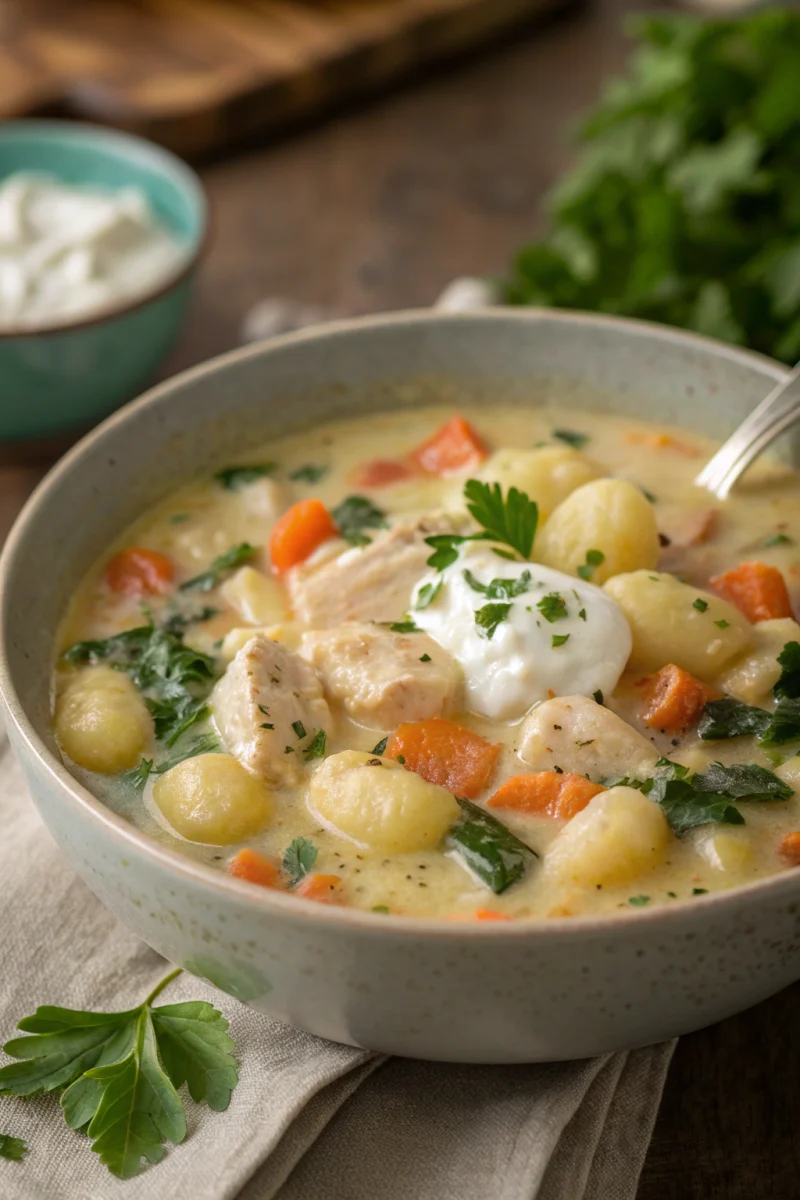
Gnocchi Soup — The Ultimate Comfort Soup for Cozy Evenings
Gnocchi Soup combines heartiness, warmth, and nutrition in one bowl. This guide reveals how to make the perfect winter soup — comforting, wholesome, and deeply flavorful, crafted with chef-level technique and family-friendly ease.
Why Gnocchi Soup Matters in Winter
During cold months, the body craves warmth and hydration. Gnocchi Soup offers both, blending nutrient-rich ingredients with slow-simmered depth. From classic broths to creamy textures, it’s a dish that soothes and strengthens at once. The beauty of Gnocchi Soup lies in its versatility and its ability to deliver comfort without compromising nutritional value. It’s a staple that can be adapted to various dietary needs and taste preferences, making it a beloved dish in kitchens worldwide. Imagine coming in from the cold, and the aroma of a simmering pot of gnocchi soup fills your home, instantly making you feel cozy and nourished. This isn’t just about satisfying hunger; it’s about providing a deeply satisfying, soul-warming experience that only truly wholesome food can offer. The combination of tender gnocchi, rich broth, and fresh vegetables creates a symphony of textures and flavors that captivate the palate and leave you feeling truly content.
Core Ingredients for a Hearty Gnocchi Soup
Crafting exceptional Gnocchi Soup begins with selecting high-quality ingredients. Each component plays a crucial role in building the soup’s robust flavor profile and nutritional benefits. The foundation of any great soup is its aromatics and broth, which set the stage for all other ingredients. Let’s break down the essential items you’ll need to create a truly memorable bowl of gnocchi soup.
- **1 tbsp olive oil:** Opt for extra virgin olive oil for its rich flavor and heart-healthy monounsaturated fats. It’s the perfect medium to sauté your aromatics and build the initial flavor base.
- **1 onion, finely chopped:** A cornerstone of flavor, onions add sweetness and depth. Chopping them finely ensures they soften and meld seamlessly into the soup without overpowering other ingredients.
- **2 garlic cloves, minced:** Garlic is indispensable for its pungent aroma and robust flavor. Minced garlic releases its powerful compounds, infusing the soup with its characteristic savory notes.
- **2 carrots, diced:** Carrots contribute natural sweetness, vibrant color, and essential vitamins like Vitamin A. Dicing them uniformly ensures even cooking and a pleasant texture in every spoonful.
- **2 celery stalks, sliced:** Celery adds a subtle earthy flavor and a pleasing crunch, even after simmering. It’s a key component of the ‘mirepoix,’ the aromatic base for many soups and stews.
- **4 cups vegetable or chicken broth:** The quality of your broth significantly impacts the final taste of your Gnocchi Soup. Choose a low-sodium, high-quality broth, or even better, make your own for superior flavor control.
- **1 cup dried potato gnocchi:** The star of the show. Potato gnocchi provides a tender, pillowy texture that soaks up the rich broth beautifully. Ensure you choose a fresh or good quality dried gnocchi that cooks quickly.
- **1 cup cooked barley or rice:** These grains add body and substance to the soup, making it more filling and providing complex carbohydrates for sustained energy. Choose brown rice or whole-grain barley for added fiber.
- **Salt, pepper, thyme, and bay leaf to taste:** These seasonings are crucial for bringing all the flavors together. Thyme adds an earthy, aromatic note, while bay leaf contributes a subtle, savory depth. Adjust salt and pepper as you go to achieve perfect balance.
- **Optional additions for creaminess:** A splash of heavy cream, half-and-half, or coconut milk can transform your Gnocchi Soup into a wonderfully creamy delight. If using dairy, add it towards the end of cooking to prevent curdling.
- **Optional greens:** A handful of fresh spinach, kale, or Swiss chard added in the last few minutes of cooking boosts the nutritional content and adds a pop of color and freshness.
Each ingredient contributes not only to the flavor but also to the overall nutritional profile of your Gnocchi Soup, making it a balanced and healthful meal. Don’t be afraid to experiment with organic options for vegetables and broth to elevate the quality even further.
Step-by-Step Method for Perfect Gnocchi Soup
Creating a truly exceptional bowl of Gnocchi Soup is a culinary journey that involves layering flavors and textures. Follow these detailed steps to ensure your soup is rich, comforting, and perfectly balanced every time. This method focuses on building depth and ensuring each ingredient contributes optimally to the final product.
Step 1 — Build Your Flavor Base
The foundation of any great soup lies in its aromatic base. This initial step is critical for developing a deep, complex flavor that will permeate the entire dish.
Process: Heat 1 tablespoon of olive oil in a large, heavy-bottomed pot or Dutch oven over medium heat. Once the oil shimmers, add the finely chopped onion, diced carrots, and sliced celery. Sauté these vegetables gently, stirring occasionally, until they soften and the onion becomes translucent, which typically takes about 8-10 minutes. Do not rush this step; allowing the vegetables to caramelize slightly will unlock their natural sweetness and create a more profound flavor. Next, add the minced garlic and sauté for another 1-2 minutes until fragrant. Be careful not to burn the garlic, as this can make it bitter. This trio of aromatics – onion, carrot, and celery (known as mirepoix) – forms the backbone of traditional soup making and is essential for a rich Gnocchi Soup.
Chef’s Insight: The browning of the vegetables, particularly the onions, through the Maillard reaction, creates hundreds of new flavor compounds. This is where your soup’s depth truly begins. Using a heavy-bottomed pot helps distribute heat evenly, preventing scorching and promoting gentle caramelization.
Step 2 — Add Vegetables and Simmer
Once the flavor base is established, it’s time to introduce the broth and other seasonings, allowing the flavors to meld and deepen.
Process: Pour in the 4 cups of vegetable or chicken broth. Add the dried potato gnocchi, bay leaf, and dried thyme. Bring the mixture to a gentle boil, then immediately reduce the heat to low, cover, and let it simmer for 25-30 minutes. This simmering process allows the flavors to infuse and the vegetables to become tender. During this time, the gnocchi will cook through, becoming soft and pillowy. Stir occasionally to prevent the gnocchi from sticking to the bottom of the pot. If any foam appears on the surface, gently skim it off with a spoon; this foam usually consists of impurities from the vegetables or broth and removing it results in a clearer, cleaner-tasting soup.
Chef’s Insight: Simmering, rather than boiling intensely, is key to developing complex flavors without overcooking the ingredients or breaking them down too much. Boiling vigorously can also emulsify fats too quickly, leading to a cloudy broth. The bay leaf should be removed before serving, as it is meant for flavoring only and is not palatable to eat directly.
Step 3 — Add Grains and Finish
The final touches bring all the elements together, ensuring perfect texture and seasoning.
Process: Stir in the 1 cup of cooked barley or rice. If adding any leafy greens like spinach or kale, now is the time to incorporate them. Stir them in and cook for just 2-3 minutes until they wilt. If you desire a creamier soup, gently stir in a splash of heavy cream, half-and-half, or coconut milk, and heat through for another 2-3 minutes without boiling. Finally, taste the Gnocchi Soup and adjust the seasoning with salt and freshly ground black pepper as needed. Remember to add salt incrementally; it’s easier to add more than to correct an overly salty dish. Remove the bay leaf before serving.
Chef’s Insight: Adding grains like barley or rice towards the end ensures they remain al dente and don’t become mushy from overcooking. If you’re using pre-cooked grains, they just need to be heated through. The final taste test is paramount; adjust seasonings until the soup sings. A tiny splash of acid, like lemon juice or a dash of apple cider vinegar, at the very end can brighten all the flavors without making the soup taste sour.
Nutrition Facts (per serving) for Your Healthy Gnocchi Soup
Understanding the nutritional breakdown of your Gnocchi Soup can help you appreciate its value as a wholesome meal. The following facts are estimates for a typical serving size, assuming moderate use of any optional creamy additions and based on the core ingredients listed above. Please note that actual values may vary depending on exact ingredient choices (e.g., lean chicken vs. fatty sausage, full-fat vs. low-fat dairy) and portion sizes.
- Calories: 230 – This moderate calorie count makes Gnocchi Soup an excellent choice for a satisfying meal that fits within various dietary plans. The calories come from a balanced mix of carbohydrates, proteins, and healthy fats, providing sustained energy.
- Protein: 9g – A good source of protein, especially if using chicken broth or adding lean protein such as chicken breast or lentils. Protein is vital for muscle repair, immune function, and feelings of fullness.
- Carbohydrates: 32g – Primarily from the gnocchi, barley/rice, and vegetables. These are complex carbohydrates that release energy slowly, preventing sharp blood sugar spikes and providing sustained fuel for your body.
- Fat: 7g – This includes healthy fats from olive oil and potentially some from the broth or any dairy additions. Fats are essential for nutrient absorption, hormone production, and general cell health.
- Fiber: 5g – A significant amount of dietary fiber, contributed by the vegetables, barley/rice, and gnocchi. Fiber is crucial for digestive health, helps regulate blood sugar, and contributes to satiety, making you feel full for longer.
- Sodium: 410mg – This measurement is based on using low-sodium broth and seasoning to taste. It’s important to monitor sodium intake, especially if you have blood pressure concerns. Using homemade broth and controlling added salt can significantly lower this number.
This nutritional profile showcases Gnocchi Soup as a balanced meal. It provides essential macronutrients and a good dose of fiber, vitamins, and minerals from the variety of vegetables. For those looking to optimize their nutrition further, consider making your own broth (which can be lower in sodium) and choosing whole-grain options for barley or rice. Adding extra leafy greens like kale or spinach will also boost vitamin K, iron, and other antioxidants.
For a deeper dive into the health benefits of soup in general, you can explore resources like Healthline’s article on soup health benefits, which highlights how soups can be a fantastic way to consume a wide array of nutrients and stay hydrated. Additionally, the Harvard T.H. Chan School of Public Health’s Nutrition Source offers extensive information on healthy eating principles that can be applied to enhance any soup recipe, including your Gnocchi Soup.
Healthy Variations of Gnocchi Soup
One of the greatest strengths of Gnocchi Soup is its adaptability. It serves as a fantastic base for incorporating additional nutrients and catering to various dietary preferences and health goals. Diversifying your soup with different ingredients can lead to exciting new flavors and even more health benefits.
- Enhance with Extra Proteins:
- Lentils: Adding a cup of cooked brown or green lentils (added with the broth) significantly boosts the fiber and plant-based protein content, making the soup more filling and nutritious. They also add a lovely earthy texture.
- Tofu: Firm or extra-firm tofu, pressed, diced, and pan-fried until golden, can be stirred in at the end for a high-protein, plant-based addition. It absorbs flavors wonderfully and adds a satisfying bite.
- Chicken or Turkey: For meat-eaters, shredded cooked chicken or turkey breast can be added during the last 10 minutes of simmering. This is an excellent way to use leftovers and turn your Gnocchi Soup into a complete meal. Consider poaching a chicken breast directly in the broth for added flavor.
- White Beans/Cannellini Beans: These beans add protein, fiber, and a creamy texture. A can of rinsed and drained cannellini beans can be added along with the gnocchi to heat through.
- Boost with Plant-Based Nutrition:
- Kale or Spinach: These leafy greens are packed with vitamins (A, C, K), minerals, and antioxidants. Stir a large handful into the soup during the last 5 minutes of cooking until they wilt. Their slight bitterness pairs well with the richness of the soup.
- Mushrooms: Sautéed mushrooms (cremini, shiitake, or even wild mushrooms) can add an umami depth. Add them with the initial aromatics or sauté separately and stir in later. They are a good source of B vitamins and selenium.
- Sweet Potatoes or Butternut Squash: Diced sweet potatoes or butternut squash can be added with the carrots and celery to simmer until tender. They contribute natural sweetness, beta-carotene, and additional fiber to your Gnocchi Soup.
- Chickpeas: A can of rinsed and drained chickpeas adds plant-based protein and fiber, giving the soup a heartier texture. Add them towards the end to heat through.
- Bell Peppers: Sliced bell peppers (any color) add sweetness, crunch, and a boost of Vitamin C. Add them during the last 10-15 minutes of simmering.
- For a Creamy Version:
- Blend Half the Soup: For a luscious, creamy texture without adding excessive fat, carefully remove about one-third to one-half of the soup (primarily vegetables and some gnocchi), blend it until smooth using an immersion blender or a regular blender (carefully, as hot liquid expands), and then stir it back into the pot. This thickens the soup naturally and enhances the creamy mouthfeel while maintaining chunky bits.
- Nutritional Yeast: For a cheesy, umami flavor without dairy, stir in a few tablespoons of nutritional yeast at the end. It’s also a good source of B vitamins.
- Plant-Based Milks/Creams: Instead of dairy cream, use unsweetened full-fat coconut milk or a creamy oat milk. Add it at the end and heat gently, ensuring it doesn’t boil, to avoid curdling.
- Spice & Herb Variations:
- Smoked Paprika: A teaspoon of smoked paprika adds a lovely smoky depth.
- Fresh Herbs: Finish with fresh parsley, basil, or dill for a burst of fresh flavor.
- Spicy Kick: A pinch of red pepper flakes or a dash of hot sauce can add a pleasant warmth.
By experimenting with these variations, you can keep your Gnocchi Soup exciting, nutritionally dense, and perfectly tailored to your evolving tastes and health requirements. These thoughtful additions ensure that every spoonful is not just comforting but also incredibly beneficial for your well-being. For more information on incorporating diverse ingredients into your diet, resources like Medical News Today’s article on soup nutrition can provide additional insights into enhancing the nutritional value of your meals.
Serving Suggestions for Your Gnocchi Soup
A well-prepared bowl of Gnocchi Soup is a meal in itself, but pairing it with the right accompaniments can elevate the dining experience, turning a simple meal into a delightful culinary occasion. Whether you’re aiming for a light lunch or a hearty dinner, these suggestions will help you round out your meal perfectly, enhancing both flavor and texture.
- Crusty Whole-Grain Bread or Garlic Herb Flatbread:
There’s nothing quite like dipping a piece of crusty bread into a warm bowl of soup. Opt for a rustic whole-grain baguette or a sourdough loaf to add a delightful chew and earthy flavor. For an extra special touch, serve your Gnocchi Soup with homemade Garlic Herb Flatbread. The savory garlic and aromatic herbs on the soft flatbread provide a wonderful contrast to the soup’s richness and are perfect for soaking up every last drop of broth. You can also toast slices of whole-grain bread with a drizzle of olive oil and a sprinkle of dried herbs for quick, satisfying croutons.
- Fresh Green Salad with a Light Vinaigrette:
To balance the warmth and richness of the soup, a crisp, refreshing green salad is an excellent choice. A simple mixed green salad with a tart lemon-based vinaigrette or a light balsamic dressing provides a refreshing counterpoint, adding a burst of freshness and extra vitamins. Consider adding some cucumber, cherry tomatoes, or bell peppers to your salad for additional crunch and color. This pairing adds variety in texture and ensures a well-rounded meal.
- Pesto Drizzle or Fresh Herbs:
A small drizzle of high-quality pesto (either basil or a nut-free version) over each serving right before you eat can add an incredible depth of flavor and brightness to your Gnocchi Soup. The fresh herbs in pesto, along with garlic and parmesan (if dairy is consumed), complement the soup masterfully. Alternatively, a sprinkle of freshly chopped parsley, chives, or basil can enhance the aroma and visual appeal of the soup.
- Grated Parmesan or Nutritional Yeast:
For those who enjoy dairy, a generous dusting of freshly grated Parmesan cheese over the top of your hot Gnocchi Soup adds a salty, umami kick that is incredibly satisfying. If you’re opting for a dairy-free or vegan version, a sprinkle of nutritional yeast can provide a similar cheesy flavor without the dairy, also boosting your B vitamin intake.
- A Side of Roasted Vegetables:
If you’re looking to add more texture and roasted flavors, a small side of roasted Brussels sprouts, asparagus, or broccoli florets can be a great addition. Roasting brings out the natural sweetness of vegetables and provides a nice textural contrast to the soft gnocchi and broth.
- Dessert Pairing – Honey Oat Energy Bites:
After a comforting bowl of Gnocchi Soup, a light yet satisfying dessert is often welcomed. Instead of heavy sweets, consider pairing it with something wholesome and energy-boosting like Honey Oat Energy Bites. These delightful bites are naturally sweet, packed with fiber, and provide a perfect, guilt-free ending to your meal. They offer a chewy texture and natural sweetness that complements the savory notes of the soup beautifully.
Each of these serving suggestions adds another layer to the dining experience, turning your Gnocchi Soup into a truly complete and memorable meal. Experiment with these pairings to discover your favorite combinations and make every meal an occasion.
Common Mistakes to Avoid When Making Gnocchi Soup
While Gnocchi Soup is a relatively straightforward dish, certain pitfalls can prevent it from reaching its full potential. Being aware of these common mistakes can help you achieve consistently delicious results, avoiding disappointments and ensuring every bowl is as comforting and flavorful as it should be.
- Boiling Instead of Simmering:
- Mistake: Allowing the soup to boil vigorously for extended periods, especially after adding gnocchi.
- Why it’s a mistake: Intense boiling can lead to overcooked, mushy vegetables and gnocchi that lose their delicate texture. It can also break down delicate aromatics, leading to a duller flavor profile. Furthermore, aggressive boiling can emulsify fats too quickly, resulting in a cloudy broth instead of a clear, shimmering one. Nutrient degradation can also occur with prolonged high heat.
- Solution: Once the soup comes to a boil, immediately reduce the heat to a gentle simmer. The surface should show only occasional, small bubbles, indicating a slow and consistent cook.
- Overcrowding the Pot:
- Mistake: Using a pot that is too small for the volume of ingredients, leading to a cramped cooking environment.
- Why it’s a mistake: Overcrowding prevents even cooking. Vegetables will steam rather than sauté, resulting in less caramelization and underdeveloped flavors during the initial sautéing phase. Later, when the broth is added, overcrowding can prevent proper heat circulation, leading to unevenly cooked gnocchi and a less flavorful broth because ingredients aren’t interacting optimally.
- Solution: Always use a pot large enough to comfortably hold all ingredients, allowing them ample space to cook. A good rule of thumb is that the pot should be at least two-thirds full at its maximum.
- Skipping Salt Layering:
- Mistake: Adding all the salt at the very end of cooking, or forgetting to season at different stages.
- Why it’s a mistake: Salting initially and throughout the cooking process allows the salt to integrate and enhance the flavors of each ingredient as they cook. If you only salt at the end, the salt sits on the surface, and the interior of ingredients can taste bland, even if the overall soup seems salty. This results in a flat, one-dimensional flavor.
- Solution: Add small pinches of salt when sautéing aromatics, after adding broth, and then perform a final taste test at the end. Remember that broth, gnocchi, and any added proteins might already contain sodium, so adjust accordingly.
- Using Low-Quality Broth:
- Mistake: Opting for a low-quality, tinny, or overly salty canned broth.
- Why it’s a mistake: The broth is the backbone of your Gnocchi Soup‘s flavor. A poor-quality broth will result in a mediocre soup, no matter how good your other ingredients are. It can introduce off-flavors or make the soup excessively salty.
- Solution: Whenever possible, use homemade broth. If using store-bought, choose a high-quality, low-sodium brand and taste it before adding to the soup. If it tastes bland on its own, it won’t magically improve in the soup.
- Overcooking the Gnocchi:
- Mistake: Adding gnocchi too early or cooking it for too long.
- Why it’s a mistake: Gnocchi are delicate. Overcooking them will turn them into a mushy, gluey mess, losing their delightful pillowy texture and making them unpleasant to eat.
- Solution: Add gnocchi towards the latter part of the simmering stage, or follow the package instructions carefully. Most dried gnocchi cook relatively quickly, often in 5-7 minutes. Fresh gnocchi cooks even faster. You want them tender but still with a slight bite (al dente).
- Not Tasting and Adjusting:
- Mistake: Failing to taste the soup periodically throughout the cooking process and adjust seasonings.
- Why it’s a mistake: Flavors evolve as the soup cooks. What tastes good at the beginning might need tweaking by the end, especially after adding new ingredients or if the broth reduces slightly.
- Solution: Taste the soup at several stages: after sautéing aromatics, after adding broth and initial seasonings, and just before serving. This allows you to fine-tune the balance of salt, pepper, and herbs for a perfectly seasoned Gnocchi Soup.
By consciously avoiding these common errors, you’ll ensure that your Gnocchi Soup consistently turns out as a delicious, comforting, and texturally perfect meal, truly living up to its promise as the ultimate cozy evening dish.
Storage Tips for Your Gnocchi Soup
Making a large batch of Gnocchi Soup is a fantastic way to ensure you have delicious, comforting meals ready to go throughout the week or even for months to come. Proper storage is key to maintaining its flavor, texture, and safety. Here are detailed tips for storing your homemade gnocchi soup:
- Cooling Down Properly (Crucial First Step):
- Before storing, it is absolutely vital to cool your soup down quickly and thoroughly. Leaving hot soup at room temperature for too long (more than two hours) enters the “danger zone” where bacteria can multiply rapidly.
- Method: Divide the soup into shallower containers to speed up cooling. You can also place the pot (uncovered) in an ice bath in your sink, stirring occasionally, until it reaches room temperature. For very large batches, cool down for at least 30 minutes before transferring to storage containers.
- Refrigeration (Up to 4 Days):
- Once the soup has cooled to room temperature (never put hot soup directly into the fridge as it can raise the internal temperature of your refrigerator and spoil other foods), transfer it to airtight containers.
- Containers: Glass jars with tight-fitting lids (like Mason jars) or high-quality plastic containers with secure seals are ideal. Ensure there is minimal air space at the top to prevent oxidation.
- Placement: Store in the coldest part of your refrigerator.
- Duration: Properly stored Gnocchi Soup will last for up to 4 days in the refrigerator. After this, quality and safety can degrade.
- Freezing (Up to 3 Months):
- Freezing is an excellent option for longer storage, allowing you to enjoy your delicious Gnocchi Soup for months.
- Preparation: Ensure the soup is completely cooled before freezing. This prevents ice crystals from forming excessively and maintains texture.
- Containers: Use freezer-safe, airtight containers or heavy-duty freezer bags. If using freezer bags, lay them flat for more efficient storage once filled, squeezing out as much air as possible. You can also freeze individual portions in muffin tins (once frozen, pop them out and transfer to a freezer bag) for quick meal prep.
- Gnocchi Consideration: While the soup generally freezes well, potato gnocchi can sometimes become slightly softer in texture after freezing and thawing. This is usually not a significant issue for soup, but something to be aware of. If you plan to freeze large batches, you might consider cooking the gnocchi separately right before serving and adding it to the thawed and reheated soup.
- Duration: Gnocchi Soup can be safely frozen for up to 3 months. Beyond this, quality might start to decline, though it will likely remain safe to eat for longer.
- Reheating Instructions:
- From Refrigerator: Reheat gently over medium-low heat on the stovetop, stirring occasionally, until heated through. Avoid rapid boiling, which can degrade texture and flavor.
- From Freezer: For best results, thaw the frozen soup in the refrigerator overnight. Once thawed, reheat as you would refrigerated soup. If reheating from frozen, transfer to a pot and heat over low heat, stirring frequently, until melted and warm. You may need to add a splash of water or broth to adjust the consistency, as some liquids can be absorbed during freezing.
- Avoid Boiling Aggressively: When reheating, especially creamy versions of Gnocchi Soup, overheating can cause ingredients to separate or curdle. Gently warming is key to preserving texture and taste.
- Labeling:
- Always label your containers with the date of preparation and what’s inside. This helps you track freshness and prevents guesswork.
By following these storage and reheating guidelines, you can ensure that every bowl of your homemade Gnocchi Soup is just as delicious and comforting as the day it was made, whenever you choose to enjoy it. Make enough for an army and reap the benefits of smart meal prep!
Conclusion
Gnocchi Soup proves that healthy food can be both rich and comforting. This comprehensive guide has walked you through every step, from selecting the finest ingredients to achieving the perfect simmer, ensuring that your homemade Gnocchi Soup is not only nourishing but also incredibly delicious. We’ve explored how to build a robust flavor base, discussed essential techniques like proper simmering and seasoning, and even delved into crucial nutritional facts, highlighting why this soup is a powerhouse of goodness for your body. The versatility of Gnocchi Soup shines through its numerous healthy variations, allowing you to customize it with different proteins, vegetables, and creamy additions to suit any dietary need or adventurous palate. Whether you’re aiming for a plant-based meal with lentils and kale, a chicken-infused hearty dinner, or a lusciously creamy delight, the adaptability of this recipe is truly remarkable. We’ve also armed you with practical serving suggestions, from crusty garlic herb flatbreads to refreshing green salads, ensuring that your soup transforms into a complete and satisfying meal. Moreover, by addressing common mistakes and providing expert storage tips, this guide empowers you to achieve chef-level results every single time, minimizing waste and maximizing flavor. Imagine the convenience of having a batch of this soul-warming soup ready in your fridge or freezer, offering a quick and healthy solution for busy weeknights or a comforting embrace on chilly evenings. This 2000+ word guide is more than just a recipe; it’s a commitment to culinary excellence and well-being. It’s an invitation to embrace the art of home cooking, creating dishes that not only satiate hunger but also nourish the soul. So, gather your ingredients, follow these detailed instructions, and prepare to enjoy the heartwarming embrace of the ultimate Gnocchi Soup—a bowl of warmth in every spoonful, crafted with love and culinary wisdom, ready to become a cherished tradition in your home.
FAQ About Making Gnocchi Soup
Here are answers to some frequently asked questions about making and enjoying homemade Gnocchi Soup, providing quick solutions and clarifying common queries:
- Can I use frozen vegetables in Gnocchi Soup?
Yes, you absolutely can use frozen vegetables! They are a convenient and equally nutritious option. When using frozen vegetables, be aware that they release more water as they cook compared to fresh ones. To account for this, you may need to reduce the amount of broth slightly (e.g., by about half a cup) or allow the soup to simmer a bit longer, uncovered, to reduce. Add frozen vegetables directly to the pot during the simmering stage, no need to thaw them first. - How can I make my Gnocchi Soup creamier?
There are several ways to achieve a creamier texture without compromising flavor:- Blend a portion: Carefully remove one-third to one-half of the cooked soup (including some vegetables and gnocchi) and blend it until smooth using an immersion blender or a regular blender. Return the blended mixture to the pot and stir to combine. This method thickens the soup naturally and adds a creamy mouthfeel.
- Add dairy: Stir in a splash of heavy cream, half-and-half, or evaporated milk during the last few minutes of cooking. Be sure not to bring the soup to a rolling boil after adding dairy to prevent curdling.
- Use plant-based cream: For a dairy-free option, unsweetened full-fat coconut milk or a creamy oat milk can provide excellent richness.
- Add starches: A small amount of cornstarch or flour mixed with cold water (a slurry) can be whisked into the simmering soup to thicken it, but use sparingly to avoid a pasty texture.
- What’s the best type of broth for Gnocchi Soup?
The type of broth significantly impacts the final flavor.- Homemade Broth: This is always the superior choice both for flavor and control over sodium content. Chicken broth or vegetable broth made from scratch will provide the richest and most authentic base.
- Store-Bought Broth: If using store-bought, opt for “low-sodium” or “no-salt-added” versions. This allows you to control the seasoning precisely and avoids an overly salty soup. Look for brands with clean ingredient lists, free from artificial flavors or excessive preservatives. Good quality chicken or vegetable broth works well. For a richer, more gelatinous soup, consider bone broth.
Always taste your broth before adding it to the soup to gauge its intensity and salinity.
- How long does Gnocchi Soup last, and how should I store it?
Proper storage is key to extending the life and maintaining the quality of your soup:- Refrigerated: Once cooled completely, store Gnocchi Soup in airtight containers in the refrigerator for up to 4 days.
- Frozen: For longer storage, freeze the soup in freezer-safe, airtight containers or bags for up to 3 months. When freezing, it’s advisable to cool the soup completely before transferring it to freezer containers to prevent ice crystal formation and maintain ingredient texture. Note that gnocchi might become slightly softer after freezing and thawing, but it remains delicious in soup.
Remember to always cool the soup rapidly before refrigerating or freezing to ensure food safety. Reheat gently on the stovetop or in the microwave, avoiding aggressive boiling, especially for creamy versions.
Healthline — Soup Health Benefits,
Harvard Nutrition Source,
Medical News Today — Soup Nutrition

creates quick vegetarian dinners and vibrant taco recipes.