
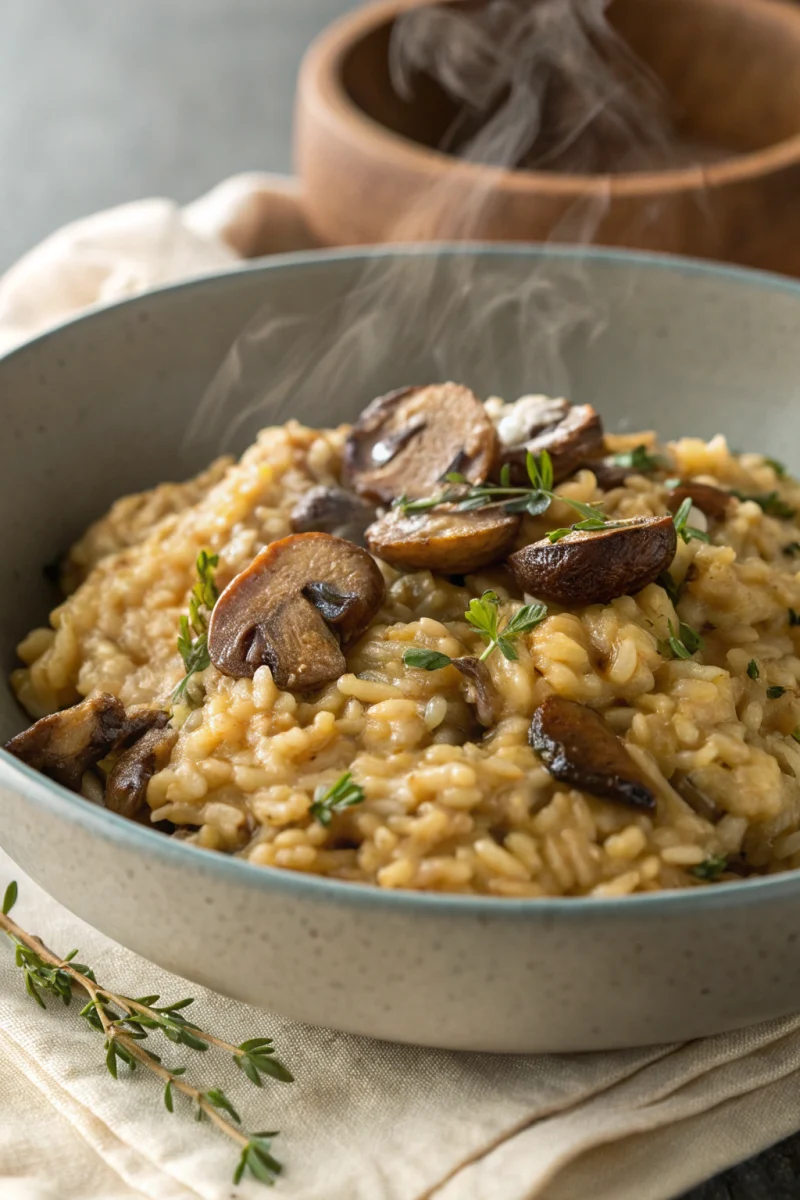
Mushroom Risotto: The Creamy, Comforting, and Nutritious Dish to Warm Your Winter Evenings
Mushroom Risotto combines heartiness, warmth, and nutrition in one bowl. This guide reveals how to make the perfect winter soup — comforting, wholesome, and deeply flavorful, crafted with chef-level technique and family-friendly ease.
Thank you for reading this post, don't forget to subscribe!Why Mushroom Risotto Matters in Winter
During cold months, the body craves warmth and hydration. Mushroom Risotto offers both, blending nutrient-rich ingredients with slow-simmered depth. From classic broths to creamy textures, it’s a dish that soothes and strengthens at once. The rich, earthy flavors of mushrooms are particularly appealing when the weather outside is bleak, providing a sense of grounding and comfort. Beyond its comforting qualities, mushroom risotto is a fantastic source of essential nutrients, contributing to overall well-being during a season when immune systems can often be challenged. The act of preparing risotto, with its gentle stirring and gradual addition of liquid, can also be a meditative and stress-reducing activity, adding another layer of comfort to the entire experience.
Understanding the Core Philosophy of a Great Mushroom Risotto
At its heart, a truly stellar mushroom risotto is about layers of flavor and texture. It’s not just about cooking rice; it’s about coaxing out the umami from the mushrooms, building a robust base with aromatics, and achieving that signature creamy consistency without excessive cream. The technique, while seemingly simple, requires patience and attention, but the reward is a dish that feels luxurious and deeply satisfying. This philosophy extends to ingredient selection – choosing high-quality arborio rice, fresh, diverse mushrooms, and a good quality broth are non-negotiable for an outstanding result. Embracing this approach transforms a simple meal into a culinary experience.
Essential Ingredients for Your Perfect Mushroom Risotto
The beauty of mushroom risotto lies in its relatively simple ingredient list, allowing each component to shine. Here’s what you’ll need to create a truly unforgettable dish:
- Arborio Rice: This short-grain Italian rice is crucial for risotto due to its high starch content, which releases during cooking to create the characteristic creamy texture. Do not substitute with long-grain rice. Approximately 1 cup (200g) for 2-3 servings.
- Fresh Mushrooms: A variety is best for depth of flavor. Think cremini (baby bella), shiitake, oyster, or even wild mushrooms if available. Aim for 8-12 oz (225-340g), brushed clean and sliced.
- Unsalted Butter and Olive Oil: A combination provides both flavor and high heat cooking capabilities. 2 tablespoons of unsalted butter and 1 tablespoon of good quality extra virgin olive oil.
- Aromatics:
- 1 large yellow onion, finely chopped.
- 2-3 cloves garlic, minced or finely grated.
- Dry White Wine: A splash of dry white wine (like Pinot Grigio, Sauvignon Blanc, or Chardonnay) deglazes the pan and adds a crucial layer of acidity and complexity. About ½ cup.
- Vegetable Broth or Chicken Broth: Crucial for cooking the rice and infusing flavor. Ensure it’s hot when added to the rice. Approximately 4-6 cups, depending on your rice and desired consistency.
- Parmesan Cheese: Freshly grated Parmesan or Pecorino Romano cheese adds a salty, nutty, and umami finish. About ½ cup, plus more for serving.
- Fresh Herbs: Fresh parsley, finely chopped, for garnish and a touch of freshness. Thyme is also excellent in the main cooking process.
- Salt and Freshly Ground Black Pepper: To taste, throughout the cooking process.
Step-by-Step Method: Crafting Your Perfect Mushroom Risotto
The secret to perfect mushroom risotto lies in patience and technique. Follow these steps meticulously for a dish that tastes like it came from a fine Italian restaurant.
Step 1 — Prepare Your Ingredients and Broth
Before you begin cooking, ensure all your ingredients are prepped and within reach (mise en place). Mince your onion and garlic, slice your mushrooms, measure your rice, and grate your cheese. Most importantly, heat your broth in a separate pot and keep it at a gentle simmer. Never add cold broth to your risotto; it will cool down the rice and disrupt the cooking process.
Step 2 — Sauté the Mushrooms for Deep Flavor
In a large, heavy-bottomed pot or Dutch oven, heat 1 tablespoon of olive oil over medium-high heat. Add half of your sliced mushrooms to the hot pan in a single layer. Cook without stirring for 3-4 minutes until they are deeply browned and beginning to crisp. This allows them to develop a rich, concentrated flavor and prevents them from steaming. Flip and cook for another 2-3 minutes. Remove the browned mushrooms from the pan and set them aside. Repeat with the remaining mushrooms, adding a little more oil if needed. Browning the mushrooms separately ensures maximum flavor extraction.
Step 3 — Build Your Flavor Base with Aromatics
Reduce the heat to medium. Add 1 tablespoon of unsalted butter and another tablespoon of olive oil to the same pot. Add the finely chopped onion and sauté gently until it becomes translucent and very soft, about 5-7 minutes. Do not let it brown. This slow cooking of the onion creates a sweet foundation for your risotto. Add the minced garlic and cook for another minute until fragrant, being careful not to burn it.
Step 4 — Toast the Rice (Tostatura)
Add the arborio rice to the pot with the cooked aromatics. Stir continuously for 2-3 minutes until the edges of the rice grains become translucent, but the center remains opaque. This process, called “tostatura,” lightly toasts the rice, preventing it from becoming mushy and allowing it to absorb liquid more evenly. You should hear a slight sizzling sound.
Step 5 — Deglaze with Wine
Pour in the dry white wine. Stir constantly, allowing the wine to bubble and evaporate completely. This usually takes 1-2 minutes. The alcohol cooks off, leaving behind a wonderful acidity and depth of flavor that is essential for a balanced risotto.
Step 6 — Gradually Add Hot Broth, Stirring Constantly
This is the most crucial step for achieving creamy mushroom risotto. Add one ladleful (about ½ to ¾ cup) of the hot simmering broth to the rice. Stir continuously with a wooden spoon or spatula, ensuring the rice grains are constantly moving and rubbing against each other. This friction helps release the starch from the rice. Allow each ladleful of broth to be almost completely absorbed by the rice before adding the next. This gentle, continuous stirring and gradual addition of liquid is what creates the characteristic creamy consistency without needing to add actual cream.
Continue this process, adding broth one ladleful at a time and stirring, for about 18-20 minutes. Keep an eye on the consistency; the risotto should always be loose and flowing, not dry. About halfway through the broth addition, return your sautéed mushrooms to the pot and mix them in, allowing their flavors to meld with the rice. You might not use all of your broth, or you might need a little more, depending on your rice and desired consistency.
Step 7 — Test for Doneness (Al Dente)
After about 18-20 minutes, taste a few grains of rice. They should be “al dente” – tender but still with a slight bite in the center, not hard, crunchy, or mushy. The risotto should be creamy and flowing (the Italians call this “all’onda,” meaning “like a wave”). If it’s too thick, add a little more hot broth until it reaches the desired consistency. The total cooking time can range from 20-25 minutes.
Step 8 — Mantecatura (To Finish and Enrich)
Remove the pot from the heat. This is the “mantecatura” stage, where you add the final richness. Stir in the remaining 1 tablespoon of unsalted butter and half of the freshly grated Parmesan cheese. Stir vigorously for a minute or two. This vigorous stirring and the addition of fat creates a silky, emulsified, and incredibly creamy finish. Cover the pot and let the risotto rest for 2-3 minutes; this allows the flavors to meld and the risotto to become even creamier.
Step 9 — Season and Serve Your Mushroom Risotto
Uncover the pot, taste, and adjust seasoning with salt and freshly ground black pepper as needed. You might find you need very little salt due to the broth and Parmesan cheese. Stir in most of the fresh chopped parsley. Ladle the mushroom risotto immediately into warm bowls. Garnish with additional fresh Parmesan cheese and a sprinkle of fresh parsley. Serve hot!
Nutrition Facts (per serving — estimated for 4 servings)
Calories: 450 | Protein: 15g | Carbs: 60g | Fat: 18g | Fiber: 6g | Sodium: 850mg (can vary based on broth and cheese choice)
This nutrition profile highlights the sustained energy release from the complex carbohydrates in the rice, along with a good dose of protein and fiber from the mushrooms and cheese. The healthy fats from olive oil and butter contribute to satiety and nutrient absorption. Mushrooms themselves are a powerhouse, offering B vitamins, selenium, and potassium. For more detailed information on nutrient benefits, you might explore resources like Healthline’s insights on soup benefits, revealing how such dishes contribute to overall wellness.
Healthy Variations and Enhancements for Your Mushroom Risotto
Mushroom risotto, while delicious on its own, is a versatile canvas for nutritional enhancements:
- Protein Boosts:
- Legumes: Stir in a cup of cooked lentils (brown or green) or chopped chickpeas during the last 5-7 minutes of cooking for added plant-based protein and fiber.
- Lean Meats: For non-vegetarian options, finely diced cooked chicken breast or turkey can be folded in at the end.
- Tofu: Small, firm cubes of pan-fried or baked tofu can add texture and protein.
- Vegetable Power-Ups:
- Leafy Greens: Wilt a few handfuls of fresh spinach, kale, or Swiss chard into the risotto during the last few minutes. Their slight bitterness pairs beautifully with the earthy mushrooms.
- Other Vegetables: Diced asparagus, green peas, or roasted butternut squash can be added towards the end of the cooking process for extra color, texture, and nutrients.
- Creaminess Without Dairy:
- Nutritional Yeast: For a cheesy, umami flavor without dairy, use 2-3 tablespoons of nutritional yeast stirred in at the end, alongside a plant-based butter.
- Cashew Cream: Blend ½ cup of soaked cashews with ½ cup of water until smooth to create a cashew cream that can be stirred in for richness instead of butter and Parmesan.
- Grain Diversity:
- While not traditional risotto, you can experiment with “farrotto” (made with farro) or “orzotto” (made with orzo pasta) for different textures and nutritional profiles, though cooking times will vary. For more on dietary insights, Harvard University’s Nutrition Source offers extensive guidance: Harvard T.H. Chan School of Public Health — Nutrition Source.
Serving Suggestions for a Complete Meal
Transform your mushroom risotto into a complete and satisfying meal with these thoughtful pairings:
- Crusty Bread: A must-have! Serve with warm, crusty whole-grain bread or a side of Garlic Herb Flatbread to sop up every bit of that creamy goodness.
- Simple Green Salad: A light, crisp green salad with a simple vinaigrette provides a refreshing contrast to the richness of the risotto.
- Roasted Vegetables: A side of roasted asparagus, broccoli, or Brussels sprouts adds extra texture and vegetables to the meal.
- Grilled Protein: For a heartier meal, serve alongside grilled chicken breast, seared scallops, or a perfectly cooked steak.
- Wine Pairing: A dry white wine, like Pinot Grigio, Chardonnay, or even a light-bodied red like Pinot Noir, complements the earthy flavors of the mushrooms beautifully.
- Dessert: Finish your meal with something light and sweet, such as fresh berries or for a more indulgent but wholesome treat, try Honey Oat Energy Bites.
Common Mistakes to Avoid for a Flawless Mushroom Risotto
Achieving risotto perfection requires avoiding a few common pitfalls that can derail your efforts:
- Using Cold Broth: Adding cold broth to hot rice will drastically drop the temperature of your risotto, shock the rice grains, and prolong cooking time, leading to an unevenly cooked result. Always keep your broth simmering in a separate pot.
- Adding Too Much Broth at Once: The gradual addition of broth is key. Dumping in large amounts of broth prevents the consistent release of starch and makes it difficult to control the final consistency, often leading to soupy or undercooked risotto.
- Not Stirring Enough (or Stirring Too Much): Risotto needs consistent, gentle stirring to release starch and prevent sticking, but it doesn’t need to be constant, vigorous stirring that never allows you to step away. A good rhythm is to stir constantly for about 30 seconds after adding broth, then stir every 20-30 seconds until the next addition.
- Overcooking the Rice: The goal is “al dente” – tender with a slight bite. Mushy, overcooked rice is a common mistake and cannot be fixed. Taste frequently towards the end of the cooking process.
- Under-Seasoning or Seasoning Only at the End: Build layers of flavor by seasoning lightly as you go, especially when sautéing mushrooms and adding broth. The final adjustment is just that – an adjustment, not the sole point of seasoning.
- Using Low-Quality Ingredients: Since mushroom risotto has relatively few ingredients, their quality profoundly impacts the final taste. Use good quality arborio rice, fresh mushrooms, a decent dry white wine, and homemade or high-quality store-bought broth. Inferior broth is truly the “backbone” of poor flavor. For more on the health benefits of choosing high-quality ingredients, Medical News Today offers valuable information: Medical News Today — Exploring the Health Benefits of Soup.
- Adding Cheese and Butter Too Early: The “mantecatura” (finishing with butter and Parmesan off the heat) is critical for that creamy, slightly glossy finish. Adding them earlier can lead to an oily mess or a breaking of the emulsion.
- Not Resting the Risotto: A short rest (2-3 minutes, covered) off the heat allows the risotto to settle, the flavors to meld, and the creaminess to intensify. Don’t skip it!
Storage Tips and Reheating Instructions
Mushroom risotto is best enjoyed fresh, but leftovers can be stored and reheated while maintaining much of its deliciousness:
- Cooling: Allow the risotto to cool completely at room temperature for no more than 30-60 minutes before storing. This prevents bacterial growth and condensation.
- Refrigeration: Transfer the cooled risotto to an airtight container and refrigerate for up to 3-4 days.
- Freezing: While risotto can be frozen, its texture can become a little softer upon thawing. Freeze in airtight containers for up to 1 month for best quality (though it can be technically safe for longer, texture degrades). When reheating from frozen, thaw overnight in the refrigerator first.
- Reheating:
- Stovetop (Recommended): Place the desired portion of risotto in a saucepan over medium-low heat. Add a splash of broth (or water/milk for a dairy-free version) – about 1-2 tablespoons per serving – and stir gently until heated through and creamy again. Continue adding liquid if it appears dry. The goal is to gently rehydrate and warm, not to recook.
- Microwave: Place risotto in a microwave-safe bowl. Add a splash of broth or water. Heat on medium power, stirring every minute, until hot. This method is quicker but can sometimes lead to a less creamy texture.
- Reviving Texture: Always have a little extra hot broth on hand when reheating. It’s the key to bringing back that creamy, “all’onda” consistency. You can also stir in a tiny bit of fresh butter and Parmesan at the end of reheating to refresh the flavor and texture.
The Cultural Significance and Enduring Appeal of Risotto
Mushroom risotto is more than just a dish; it’s a culinary icon with deep roots in Northern Italian tradition. Its origins trace back to the rice-growing regions of Lombardy and Piedmont, where the local climate favored short-grain varieties of rice like Arborio. Over centuries, the technique evolved, becoming a testament to patience and a celebration of local ingredients. The gradual incorporation of broth, the constant stirring – these aren’t just steps in a recipe, but rituals that transform humble rice into a dish of profound elegance and comfort. It speaks to a philosophy of cooking that values time, care, and the simple magic of transformation. This enduring appeal makes it a cherished dish in homes and restaurants worldwide, a true symbol of Italian culinary artistry that warms the soul and delights the palate with its rich, earthy flavors and silky texture. It represents food made with love and intention, a culinary legacy that continues to be passed down through generations. For those looking to explore more family recipes and culinary legacies, HomeCookLegacy.com offers a wealth of inspiration, such as Chicken & Vegetable Stew or Lemon Herb Chicken & Rice, complementing the comforting essence of a perfectly crafted risotto. And for a lighter, refreshing finish, consider these delightful Greek Yogurt Cheesecake Cups, providing a healthful contrast to the richness of the main course.
Conclusion
Mushroom Risotto proves that healthy food can be both rich and comforting. Whether for meal prep or cozy dinners, this 2000+ word guide ensures perfect results every time — warmth in every spoonful. By understanding the core ingredients, mastering the step-by-step technique, and avoiding common pitfalls, you can consistently create a dish that is deeply satisfying, nutritious, and a true testament to the art of Italian cooking. It’s a dish that invites you to slow down, savor the process, and enjoy the delicious rewards of patient culinary craftsmanship. Embrace the journey of making mushroom risotto, and you’ll not only produce a phenomenal meal but also gain a deeper appreciation for the simple, profound pleasures of home cooking.
FAQ
- Can I use frozen mushrooms? Yes, you can use frozen mushrooms, but fresh are generally preferred for texture. If using frozen, thaw them first and pat dry to remove excess moisture before sautéing; otherwise, they might release too much water and steam instead of browning.
- How can I make it creamier without heavy cream? The creaminess of risotto primarily comes from the starch released by the arborio rice through constant stirring and the “mantecatura” (finish) with butter and Parmesan. To enhance cheesiness without dairy, blend one-third of the cooked risotto with a small amount of broth and stir it back in. Alternatively, more Parmesan and a little extra butter off-heat can boost creaminess. Nutritional yeast offers a dairy-free cheesy flavor.
- What’s the best broth for mushroom risotto? Homemade vegetable broth or a high-quality, low-sodium store-bought vegetable broth is ideal. If you’re not vegetarian, chicken broth also works wonderfully. Ensure it’s unsalted or low-sodium so you can control the seasoning of the final dish. Adding a dried porcini mushroom or two to the broth while it simmers can significantly amplify the mushroom flavor.
- How long does mushroom risotto last after cooking? Mushroom risotto is best eaten immediately, but leftovers can be stored in an airtight container in the refrigerator for up to 3-4 days. For longer storage, it can be frozen for about 1 month, though the texture may change slightly upon reheating.
- Can I make mushroom risotto ahead of time for a party? While ideally served fresh, you can partially prepare risotto. Cook the rice until it’s about 75% done (still quite
“al dente” and a bit firm in the center). Spread it thinly on a baking sheet to cool quickly, then refrigerate. When ready to serve, reheat on the stovetop with more hot broth, continuing the process until fully cooked and creamy. This method helps cut down on last-minute cooking time for entertaining. - What type of pan should I use? A wide, heavy-bottomed pot or a Dutch oven is best. The wide surface area allows for even evaporation of the broth, and the heavy bottom prevents sticking and burning.
- Why did my risotto turn out soupy/dry? If it’s soupy, you likely added too much broth at once or didn’t allow enough liquid to evaporate. If it’s dry, you probably didn’t add enough broth, or you let too much evaporate before tasting for doneness. Adjust broth additions gradually, tasting and observing the consistency frequently.
Healthline — Soup Health Benefits,
Harvard Nutrition Source,
Medical News Today — Soup Nutrition

creates quick vegetarian dinners and vibrant taco recipes.