
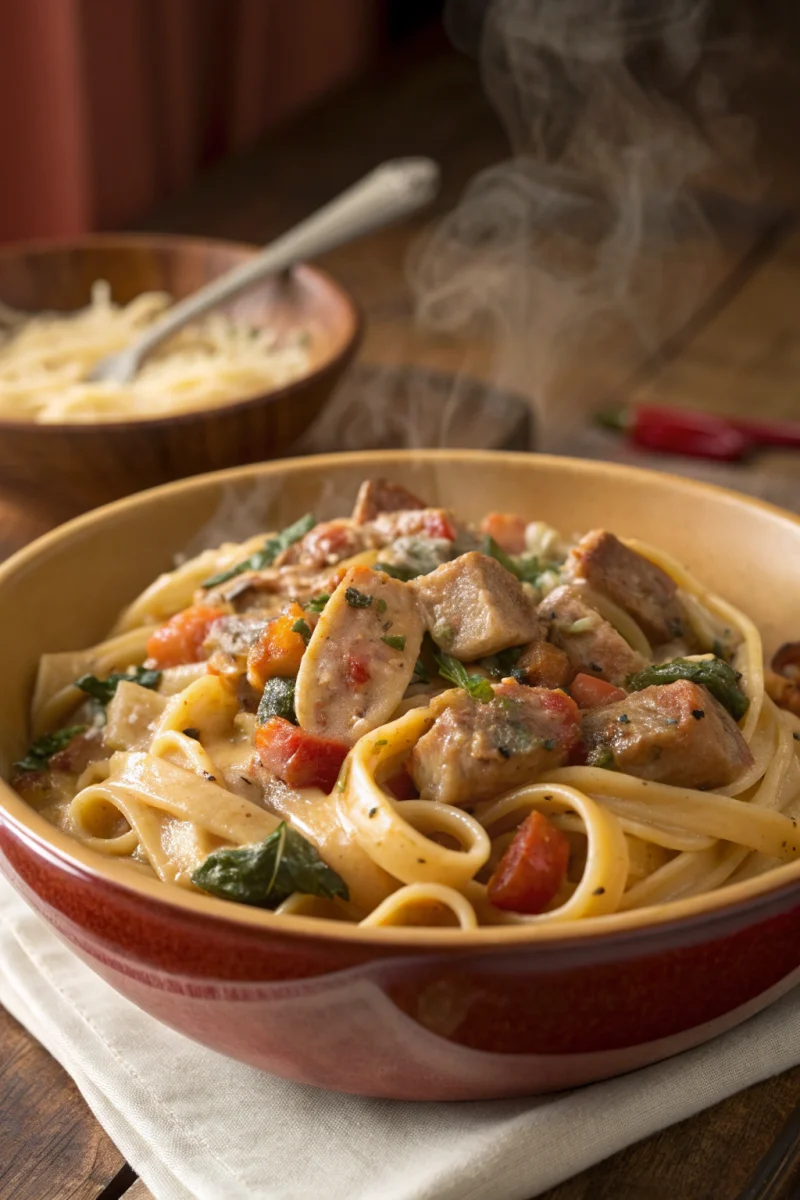
Sausage Pasta: The Ultimate Comfort Soup for Cozy Evenings
Sausage Pasta combines heartiness, warmth, and nutrition in one bowl. This guide reveals how to make the perfect winter soup — comforting, wholesome, and deeply flavorful, crafted with chef-level technique and family-friendly ease.
Thank you for reading this post, don't forget to subscribe!Why Sausage Pasta Matters in Winter
During cold months, the body craves warmth and hydration. Sausage Pasta offers both, blending nutrient-rich ingredients with slow-simmered depth. From classic broths to creamy textures, it’s a dish that soothes and strengthens at once. The robust flavors of sausage, combined with tender pasta and a hearty broth, create a meal that feels both indulgent and nourishing. This isn’t just about satisfying hunger; it’s about providing sustained energy and comfort when the temperatures drop. A well-made bowl of sausage pasta soup can significantly boost morale and provide essential vitamins and minerals that are often overlooked in hurried meals. Think of it as a culinary hug, a warm embrace delivered directly to your soul with every spoonful. This dish also lends itself beautifully to meal prepping, ensuring that you have healthy, delicious options ready to go throughout the busy week. The flavors often deepen and meld even further after a day or two in the refrigerator, making it an excellent choice for batch cooking.
Core Ingredients for Authentic Sausage Pasta

Creating a truly memorable Sausage Pasta soup starts with selecting high-quality ingredients. Each component plays a crucial role in building the layered flavors and comforting texture that define this dish.
- 1 tbsp olive oil: The base for sautéing, adding a fruity, mellow undertone. Extra virgin olive oil is preferred for its health benefits and flavor.
- 1 pound Italian sausage (mild or hot, casing removed): The star of the show. Choose high-quality sausage for optimal flavor. Removing the casing allows it to crumble beautifully and distribute evenly through the soup, infusing every bite with its savory essence.
- 1 onion, finely chopped: Provides a sweet and aromatic foundation once caramelized. Yellow or white onions work well.
- 2 garlic cloves, minced: Adds pungency and depth. Freshly minced garlic is significantly more flavorful than pre-minced varieties.
- 2 carrots, diced: Contributes natural sweetness and vibrant color, along with essential vitamins.
- 2 celery stalks, sliced: Offers a subtle bitterness and crunch, forming an integral part of the mirepoix base.
- 4 cups vegetable or chicken broth: The liquid backbone of the soup. Low-sodium varieties allow you to control the salt content. Homemade broth will always yield the best results for your sausage pasta.
- 1 (14.5 ounce) can diced tomatoes, undrained: Adds acidity, sweetness, and a lovely tang that cuts through the richness of the sausage.
- 1/2 cup small pasta (ditalini, elbow macaroni, or orzo work best): The “pasta” in sausage pasta! Choose small shapes that are easy to eat with a spoon and cook relatively quickly.
- Optional: 1 cup cooked barley or rice: For an even heartier version or to add textural variety. If using, adjust liquid as needed.
- Salt, pepper, dried thyme, and a bay leaf to taste: Essential seasonings that elevate the overall flavor profile. Don’t underestimate the power of a good pinch of salt and a grind of fresh black pepper.
- Optional: Fresh spinach or kale: Stir in at the end for an extra nutritional boost and fresh flavor.
- Optional: Parmesan cheese, freshly grated: For serving, a sprinkle adds a wonderful umami depth.
Step-by-Step Method to Master Sausage Pasta
Achieving the perfect Sausage Pasta soup is a journey of layering flavors and textures. Follow these detailed steps to create a dish that will impress and comfort.
Step 1 — Brown the Sausage and Build Your Flavor Base

Heat 1 tablespoon of olive oil in a large Dutch oven or heavy-bottomed pot over medium heat. Add the Italian sausage (casing removed) and break it apart with a wooden spoon. Cook, stirring occasionally, until the sausage is nicely browned and cooked through, about 5-7 minutes. Drain off any excess grease, leaving about 1 tablespoon in the pot. This browning step is crucial as it develops deep, rich flavors that will infuse the entire soup, setting the stage for an extraordinary sausage pasta experience.
Once the sausage is browned and set aside, add the chopped onion, minced garlic, diced carrots, and sliced celery to the pot with the remaining sausage drippings and olive oil. Sauté, stirring occasionally, until the vegetables soften and the onion becomes translucent, usually about 8-10 minutes. This process, known as building the mirepoix, creates a foundational layer of aromatic sweetness and savory depth that is essential for a truly flavorful soup. The gentle caramelization of the onions and the softening of the other vegetables release their natural sugars and essences, forming a complex flavor base for your sausage pasta.
Step 2 — Add Liquids, Tomatoes, and Simmer
Pour in the 4 cups of vegetable or chicken broth. Add the can of diced tomatoes (undrained), dried thyme, and bay leaf. Return the browned sausage to the pot. Stir everything together, scraping up any browned bits from the bottom of the pot—these are packed with flavor! Bring the soup to a gentle simmer over medium-high heat, then reduce the heat to low, cover, and let it simmer for 25–30 minutes. This allows the flavors to meld and deepen, and for the vegetables to become tender. Skim gently if any foam appears on the surface during simmering; this helps to keep your sausage pasta broth clear and clean-tasting. The slow simmer is key to extracting all the wonderful flavors from your ingredients.
Step 3 — Cook the Pasta and Finish the Sausage Pasta

After the initial simmering period, increase the heat to medium. Add the 1/2 cup of small pasta to the simmering soup. Cook the pasta according to package directions, usually 7-10 minutes, or until al dente. Be careful not to overcook the pasta, as it will continue to absorb liquid even after the heat is turned off, becoming mushy. If you are using cooked barley or rice (as an optional addition), stir it in during the last 5 minutes of cooking to ensure it is heated through. This is the moment your sausage pasta truly comes together.
Just before serving, remove the bay leaf. Stir in a handful of fresh spinach or kale, if using, and cook until just wilted (about 1-2 minutes). Taste the soup and adjust the seasoning with salt and pepper as needed. Remember, the broth will have absorbed flavor from the sausage and vegetables, so taste before adding too much salt. A final grind of black pepper will add a fresh kick. Ladle the hot sausage pasta into bowls and, if desired, sprinkle with freshly grated Parmesan cheese. Serve immediately with crusty bread on the side.
Nutrition Facts (per serving) for Sausage Pasta
Understanding the nutritional breakdown of your Sausage Pasta can help you integrate it into a balanced diet. These figures are approximate and can vary based on specific ingredient choices (e.g., lean vs. regular sausage, whole wheat vs. refined pasta, low-sodium vs. regular broth).
- Calories: 350-450 (Varies significantly with sausage fat content, pasta type, and optional additions)
- Protein: 20-30g (Primarily from the sausage and optional grains/legumes)
- Carbs: 35-45g (From pasta, vegetables, and any added grains)
- Fat: 15-25g (Mainly from the sausage and olive oil; can be reduced by draining more fat or using leaner sausage)
- Fiber: 5-8g (From vegetables, whole wheat pasta, and optional barley/quinoa – excellent for digestive health, as noted by Healthline’s article on soup benefits)
- Sodium: 600-900mg (Can be controlled by using low-sodium broth and sausage, and adjusting salt added during cooking)
- Vitamins and Minerals: Rich in Vitamin A (from carrots), Vitamin C (from tomatoes), Iron, and B vitamins (from whole grains and sausage).
This Sausage Pasta soup provides a substantial and nourishing meal. The combination of protein, complex carbohydrates, and fiber helps with satiety and provides sustained energy, making it an excellent choice for cold weather sustenance.
Healthy Variations and Enhancements for Your Sausage Pasta
While the classic Sausage Pasta recipe is delicious, there are numerous ways to adapt it to your dietary needs or preferences without sacrificing flavor. These variations ensure that your soup remains a versatile and healthy staple.
- Leaner Protein Choices: For a lower-fat option, replace traditional Italian sausage with lean ground turkey sausage or chicken sausage. Be mindful that these might require a bit more oil to prevent sticking, as they contain less fat.
- Plant-Based Power: To make a vegetarian or vegan Sausage Pasta, use plant-based Italian sausages (available in most grocery stores) or crumbled seasoned tofu. Increase the amount of beans or lentils for added protein.
- Boost the Veggies: Seriously load up on vegetables! Add chopped bell peppers, zucchini, yellow squash, or green beans during Step 2. Stir in fresh or frozen peas during the last few minutes of cooking. This increases fiber, vitamins, and antioxidants.
- Leafy Green Goodness: Incorporate more dark leafy greens. Besides spinach or kale, consider adding chopped Swiss chard or collard greens. They wilt down beautifully and add a nutritional punch.
- Gluten-Free Options: Easily swap regular pasta for your favorite gluten-free pasta variety. Ensure any broth used is certified gluten-free. For a truly gluten-free soup without pasta, you can increase the amount of barley or quinoa, or add diced potatoes or sweet potatoes for body.
- Creamy Indulgence (Dairy-Free): For a creamy sausage pasta without dairy, blend about 1 to 1.5 cups of the cooked soup (reserving some solids if you prefer) with 1/2 cup of unsweetened full-fat coconut milk or a dairy-free cream alternative. Stir it back into the pot. Alternatively, add a swirl of cashew cream for richness.
- Spice It Up: If you enjoy heat, add a pinch of red pepper flakes with the garlic and onions, or choose hot Italian sausage. A dash of smoked paprika can add a wonderful depth of flavor.
- Herbal Zest: Experiment with different herbs. Fresh chopped rosemary or sage can be added with the dried thyme, or stir in fresh chopped parsley or basil at the very end for a bright, fresh finish.
Each of these variations allows you to tailor the Sausage Pasta recipe to your taste and nutritional goals, making it a truly adaptable and endlessly enjoyable meal, aligning with healthy eating principles as outlined by Harvard Nutrition Source.
Serving Suggestions for Your Perfect Sausage Pasta
A hearty bowl of Sausage Pasta is a meal in itself, but a few thoughtful accompaniments can elevate the dining experience, turning a simple soup into a memorable culinary event. Consider these pairings:
- Crusty Whole-Grain Bread: Ideal for soaking up every last drop of the flavorful broth. A good whole-grain baguette or sourdough provides a satisfying chew and a healthy fiber boost.
- Garlic Herb Flatbread: For an extra special touch, serve with a warm, homemade Garlic Herb Flatbread. The aromatic herbs and savory garlic complement the sausage pasta beautifully.
- Simple Side Salad: A crisp green salad with a light vinaigrette can provide a refreshing contrast to the richness of the soup, adding freshness and acidity.
- Toasted Cheese Sandwich: For the ultimate comfort food pairing, a grilled cheese sandwich made with artisanal bread and your favorite melting cheese is an unbeatable companion to sausage pasta.
- Freshly Grated Parmesan or Pecorino Romano: A sprinkle of hard Italian cheese over each serving adds a salty, umami depth that perfectly finishes the dish.
- A Dollop of Pesto: Stirring a spoonful of fresh basil pesto into each bowl just before serving can add a vibrant herbal note and a touch of richness.
- Honey Oat Energy Bites: For a delightful and healthy conclusion to your meal, pair with Honey Oat Energy Bites. They offer a sweet, satisfying end that isn’t too heavy.
These serving suggestions are designed to complement the robust flavors of your Sausage Pasta, ensuring a well-rounded and deeply satisfying meal. Whether you prefer something simple or a little more elaborate, there’s an option to suit every occasion.
Common Mistakes to Avoid When Making Sausage Pasta
Even experienced cooks can make small errors that detract from the perfection of a dish. Being aware of these common pitfalls will help ensure your Sausage Pasta turns out flawlessly every time.
- Boiling instead of simmering: When adding broth and tomatoes, aim for a gentle simmer, not a rolling boil. Boiling vigorously can break down ingredients too quickly, especially the pasta if added too early, and can lead to a cloudy broth. Gentle simmering allows flavors to meld slowly and thoroughly without compromising texture. This also preserves more nutrients, as excessively high heat can degrade certain vitamins.
- Overcrowding the pot: Whether browning the sausage or sautéing the vegetables, do not overcrowd your pot. This prevents proper browning and instead steams the ingredients, leading to a lack of flavor development and a less appealing texture. If necessary, brown the sausage in batches. Ensure there’s enough space for the vegetables to cook evenly.
- Skipping salt layering: Many cooks add salt only at the end. The secret to deeply flavorful food is to add small pinches of salt at various stages of cooking. Season the sausage as it browns, season the vegetables as they sauté, and then adjust the final seasoning of the broth. This layered approach ensures that every component of the sausage pasta is perfectly seasoned from within, rather than just on the surface. However, be mindful of the sodium content in your broth and sausage to avoid over-salting.
- Using low-quality broth: The broth is the backbone of your Sausage Pasta soup. Using a cheap, flavorless, or overly salty canned broth can significantly diminish the quality of your final dish. Invest in a good quality, low-sodium chicken or vegetable broth, or even better, make your own. Homemade broth offers unparalleled depth and allows you to control the ingredients and sodium content precisely.
- Overcooking the pasta: Pasta continues to absorb liquid and cook even after it’s removed from the heat. Add the pasta at the appropriate time to ensure it cooks to al dente—tender but still with a slight bite. Overcooked pasta turns mushy and can make your soup thick and pasty. If you plan to store and reheat your sausage pasta, consider cooking the pasta separately and adding it to individual portions as you serve to prevent it from getting too soft.
- Not draining sausage fat: Italian sausage can release a significant amount of fat. While some fat adds flavor, leaving too much can make the soup greasy. After browning the sausage, always drain off any excess fat, leaving just a tablespoon or so for flavor and to sauté the vegetables. This keeps your sausage pasta light and balanced.
- Forgetting the bay leaf: A bay leaf might seem insignificant, but it adds a subtle, herbaceous note that rounds out and deepens the overall flavor profile of your soup. Remember to remove it before serving!
By avoiding these common mistakes, you’ll ensure that your Sausage Pasta is consistently delicious, with perfectly cooked ingredients and a rich, well-balanced flavor profile.
Storage Tips for Prolonging Your Sausage Pasta’s Freshness
One of the best qualities of Sausage Pasta is that it often tastes even better the next day, as the flavors have more time to meld. Proper storage is key to enjoying your leftovers safely and deliciously.
- Cool Down Quickly: Before storing, allow the Sausage Pasta to cool down for no more than 30 minutes at room temperature. To speed up cooling, you can divide the soup into smaller containers or place the pot in an ice bath (ensure water doesn’t get into the soup). Rapid cooling prevents bacterial growth.
- Refrigeration: Transfer the cooled soup into airtight containers. Glass containers are excellent as they don’t absorb odors or colors. Refrigerate for up to 4 days. If the pasta has expanded significantly and absorbed a lot of broth, you might want to add a splash more broth or water when reheating to restore its original consistency.
- Freezing for Longer Storage: Sausage Pasta freezes exceptionally well, making it perfect for meal prep.
- Preparation: It’s often best to slightly undercook the pasta if you plan to freeze the entire batch, as it will soften further upon thawing and reheating. Alternatively, cook the pasta separately and add it fresh when reheating individual portions.
- Containers: Use freezer-safe, airtight containers or heavy-duty freezer bags. If using bags, lay them flat for more efficient storage space and faster thawing.
- Duration: Freeze for up to 3 months. Beyond that, the quality may start to decline, though it will still be safe to eat.
- Thawing: Thaw frozen soup overnight in the refrigerator. For a quicker thaw, you can use the defrost setting on your microwave or gently heat it on the stovetop from frozen, adding a bit of liquid if needed.
- Reheating Gently: Reheat refrigerated or thawed Sausage Pasta gently over medium-low heat on the stovetop. Stir frequently to ensure even heating and prevent scorching. Avoid boiling vigorously, as this can degrade the pasta and vegetables further. If the soup is too thick, add a little extra broth or water to achieve your desired consistency. For individual servings, the microwave works well; heat in 1-minute intervals, stirring in between, until hot.
Proper storage not only extends the life of your delicious Sausage Pasta but also ensures that each subsequent serving is as enjoyable and flavorful as the first, truly embodying the concept of nourishing comfort food, a point supported by Medical News Today’s insights into soup nutrition.
Conclusion
Sausage Pasta proves that healthy food can be both rich and comforting. This guide has taken you through every step, from selecting core ingredients to mastering the cooking process, ensuring your soup is nothing short of perfection. We’ve explored beneficial ingredient swaps, shared nutritious variations, and provided essential storage tips, demonstrating that this versatile dish can truly fit into any lifestyle. Whether you’re preparing it for a cozy family dinner on a chilly evening or batch cooking for wholesome meal prep throughout the week, this robust Sausage Pasta recipe is designed to deliver maximum flavor and nourishment. The careful combination of aromatic vegetables, savory sausage, tender pasta, and a rich, flavorful broth creates a symphony of textures and tastes that satisfies both body and soul. It’s more than just a soup; it’s a testament to the power of home cooking to provide warmth, sustenance, and joy. Follow these detailed instructions, and you’ll consistently achieve a deeply satisfying meal that brings comfort in every spoonful. Embrace the art of layering flavors and you’ll find yourself reaching for this Sausage Pasta recipe again and again, cementing its place as a beloved staple in your culinary repertoire. Enjoy the warmth, savor the flavors, and relish the wholesome goodness it brings to your table.
FAQ
- Can I use frozen vegetables? Yes, you absolutely can! Frozen mixed vegetables (like peas, corn, green beans, or even a mirepoix blend) are a convenient substitute. Just add them during the last 10-15 minutes of simmering the broth, or follow package directions for optimal tenderness. Keep in mind that frozen vegetables may release more water, so you might need to reduce the amount of broth slightly or allow the soup to simmer a bit longer to achieve the desired consistency.
- How can I make it creamier? There are several ways to achieve a creamier Sausage Pasta. For a decadent touch, stir in 1/2 cup of heavy cream or half-and-half during the last 5 minutes of cooking. For a lighter, dairy-free creamy texture, blend one-third of the cooked soup (reserving some solids if you prefer) until smooth, then stir it back into the pot. This thickens the soup naturally using the starches from the vegetables and pasta. Another option is to add a tablespoon or two of cream cheese or a dairy-free cream cheese alternative at the end, stirring until fully melted and smooth.
- What’s the best broth to use for Sausage Pasta? The best broth for Sausage Pasta is undoubtedly homemade chicken or vegetable broth, as it offers the purest flavor and allows you complete control over ingredients and sodium. If homemade isn’t an option, choose a high-quality, low-sodium store-bought broth. Look for brands that list real ingredients like vegetables, herbs, and spices, and avoid those with excessive additives or high sodium content. A good broth is crucial for the overall flavor foundation of your soup.
- How long does Sausage Pasta last? When stored properly in an airtight container in the refrigerator, your Sausage Pasta will last for up to 4 days. If you wish to store it for longer, it freezes beautifully in freezer-safe containers for up to 3 months. When reheating, especially from frozen, you might need to add a splash of extra broth or water to thin it back to the desired consistency, as the pasta tends to absorb more liquid over time.
- What kind of pasta works best in this soup? Small pasta shapes are ideal for Sausage Pasta soup because they are easy to eat with a spoon and cook relatively quickly. Excellent choices include ditalini, elbow macaroni, small shells, or orzo. These shapes integrate well with the other ingredients without dominating the texture of the soup. Avoid very large pasta shapes that can be difficult to manage in a spoonful.
- Can I make this soup in a slow cooker? Yes, with a slight modification. Brown the sausage and sauté the aromatics (onion, garlic, carrots, celery) on the stovetop first—this step is crucial for flavor development. Then, transfer the browned sausage and sautéed vegetables to the slow cooker, add the broth, diced tomatoes, and seasonings. Cook on low for 4-6 hours or on high for 2-3 hours. Add the pasta during the last 20-30 minutes of cooking (depending on pasta type) to ensure it doesn’t get overcooked and mushy.
- Is this soup suitable for meal prepping? Absolutely! Sausage Pasta is an excellent candidate for meal prepping because it reheats well and its flavors often deepen after a day or two. If you’re concerned about the pasta becoming too soft, you can slightly undercook it or cook it separately and add it to individual portions just before reheating. Store in single-serving airtight containers for convenient grab-and-go lunches or dinners.
- What if I don’t have fresh herbs? While fresh herbs add a vibrant touch at the end, you can certainly use dried herbs. For dried thyme, use about half the amount of fresh (e.g., 1/2 teaspoon dried for 1 teaspoon fresh). For other herbs like dried rosemary or sage, use sparingly as their flavor is more concentrated. Always add dried herbs at the beginning of the cooking process (with the broth) to allow their flavors to release and meld into the soup. If adding fresh parsley or basil at the end, fresh is almost irreplaceable for that bright finish.
Healthline — Soup Health Benefits,
Harvard Nutrition Source,
Medical News Today — Soup Nutrition
- Chicken & Vegetable Stew: If you love hearty, delicious comfort food, you’ll also enjoy our Chicken & Vegetable Stew recipe, which shares many comforting qualities with this Sausage Pasta.
- Greek Yogurt Cheesecake Cups: For a lighter, healthy dessert to follow your satisfying Sausage Pasta, try our refreshing Greek Yogurt Cheesecake Cups.
- Lemon Herb Chicken & Rice: Explore another fantastic one-pot meal that provides both ease and flavor with our Lemon Herb Chicken & Rice, a perfect weeknight dinner alongside your favorite Sausage Pasta.

creates quick vegetarian dinners and vibrant taco recipes.