
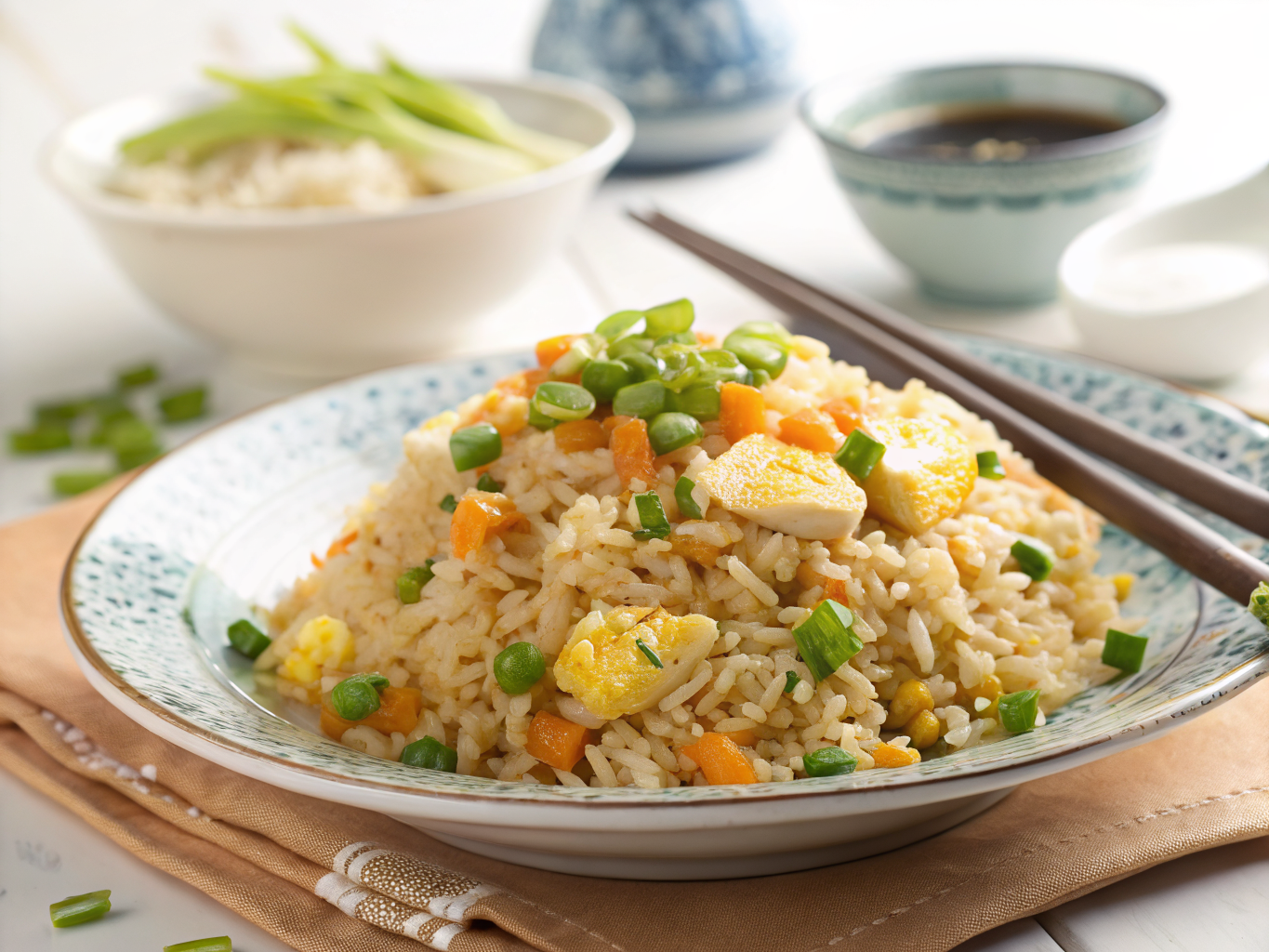
Egg Fried Rice
Ingredients
Method
- Break up any clumps in the cold rice with your hands. Have all ingredients prepped and ready near the stove as cooking happens quickly.
- Heat 1 tablespoon oil in a large wok or skillet over high heat. Pour in beaten eggs and scramble until just cooked through. Remove eggs to a plate and set aside.
- Add remaining 2 tablespoons oil to the wok. Add garlic and white parts of green onions, stir-fry for 30 seconds until fragrant.
- Add peas and carrots to the wok and stir-fry for 1-2 minutes until heated through.
- Add the cold rice to the wok, breaking up any remaining clumps. Stir-fry for 3-4 minutes, tossing constantly, until rice is heated through and slightly crispy.
- Add soy sauce, sesame oil, white pepper, and salt. Toss well to coat. Return scrambled eggs to the wok and break into smaller pieces with your spatula.
- Add green onion tops and toss everything together for 1 minute. Taste and adjust seasoning if needed. Serve immediately while hot.
Nutrition
Notes
Tried this recipe?
Let us know how it was!There’s something magical about the simplicity of a perfectly executed Egg Fried Rice that makes it one of the most beloved dishes across the globe. This better-than-takeout version combines fluffy day-old rice with savory soy sauce, aromatic sesame oil, and perfectly scrambled eggs to create a restaurant-quality meal in your own kitchen. Whether you’re looking for a quick weeknight dinner or a satisfying lunch, this Egg Fried Rice recipe delivers authentic flavors without the hefty price tag or long wait times.
Thank you for reading this post, don't forget to subscribe!The beauty of this dish lies in its versatility and speed—you can have a complete, nutritious meal on the table in less than 15 minutes. Using simple pantry staples and day-old rice, you’ll discover that making restaurant-quality fried rice at home is not only possible but incredibly rewarding. This recipe has been perfected through countless iterations to ensure every grain of rice is perfectly seasoned and every bite delivers that addictive wok-tossed flavor.
Why This Egg Fried Rice Recipe Stands Out
Most home cooks struggle with fried rice because they don’t understand the fundamental techniques that separate soggy, clumpy rice from the light, separate grains you get at your favorite Chinese restaurant. This recipe addresses every common pitfall by emphasizing the importance of using day-old rice, which has a drier texture that prevents mushiness. The moisture content in freshly cooked rice creates steam during stir-frying, resulting in a sticky, unappetizing mess rather than the crispy, separated grains we’re aiming for.
What makes this Egg Fried Rice truly exceptional is the layering of flavors through proper technique and timing. By cooking the eggs separately before incorporating them into the rice, you ensure fluffy, distinct pieces rather than tiny, overcooked fragments. The high heat of the wok or skillet creates that characteristic smoky flavor known as “wok hei” in Chinese cooking, which is impossible to replicate at lower temperatures.
This recipe also respects the minimalist philosophy of traditional egg fried rice—it doesn’t overwhelm the dish with unnecessary ingredients. Instead, it focuses on perfecting the core components: rice, eggs, and aromatics, each playing their essential role. For those interested in exploring more Asian-inspired dishes, check out our teriyaki chicken recipe which pairs beautifully with this fried rice.
Core Ingredients That Make Perfect Egg Fried Rice
The ingredient list for authentic Egg Fried Rice is refreshingly short, but each component serves a critical purpose in achieving the perfect balance of flavors and textures. Day-old cooked rice is the absolute foundation—using freshly cooked rice will result in a gummy texture that no amount of stirring can fix. The refrigeration process allows the rice grains to firm up and lose excess moisture, creating the ideal starting point for stir-frying.
Eggs provide both protein and richness to the dish, creating pockets of soft, savory goodness throughout the rice. Use high-quality eggs when possible, as their flavor will shine through in such a simple preparation. Soy sauce adds the essential umami depth and saltiness that defines fried rice, while sesame oil contributes that distinctive nutty aroma that makes this dish irresistible.
Aromatics like garlic, ginger, and green onions form the flavor base that elevates this from plain rice to a complex, satisfying meal. A neutral cooking oil with a high smoke point, such as vegetable or peanut oil, is essential for achieving the high temperatures needed for proper stir-frying. According to Harvard’s School of Public Health, choosing whole grain rice options can increase the nutritional value of your fried rice significantly.
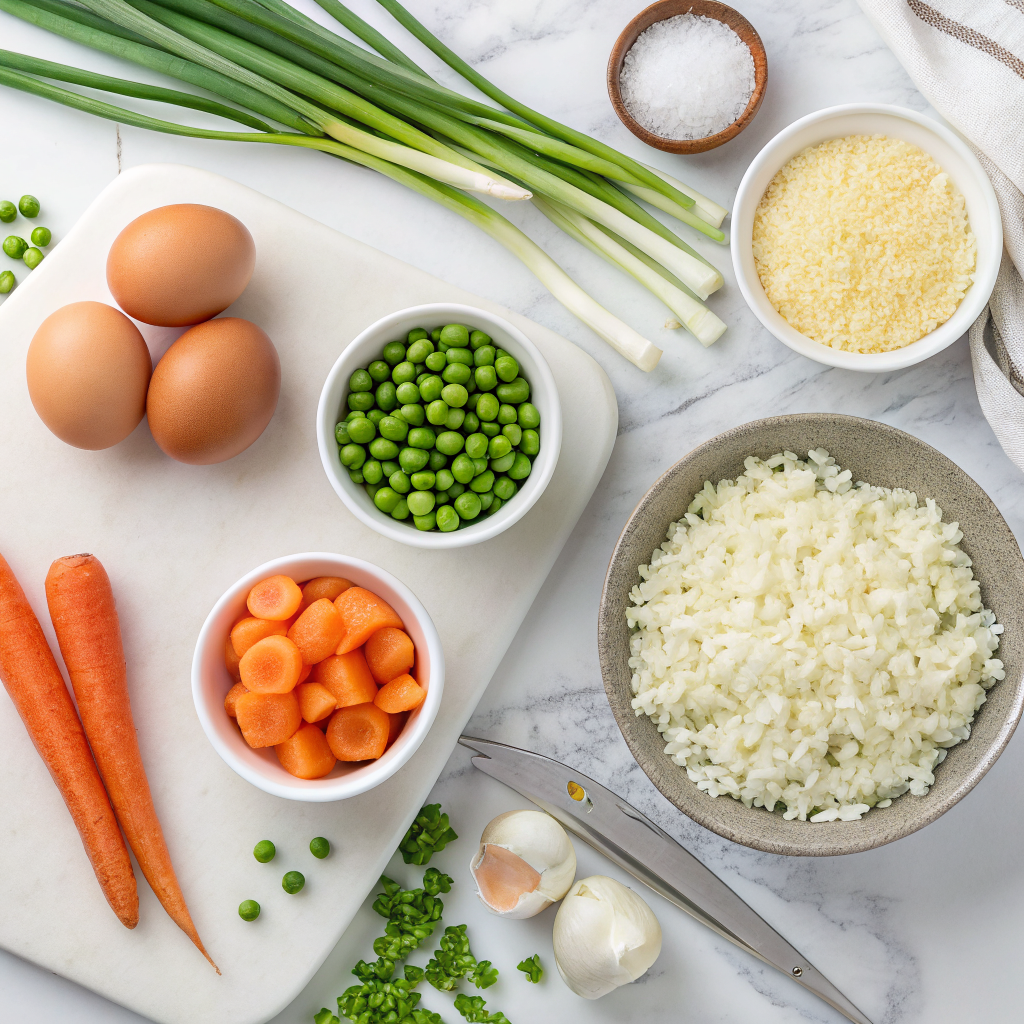
Essential Ingredients Breakdown
- 4 cups day-old cooked rice: Long-grain white rice works best, though jasmine or basmati add wonderful fragrance
- 3 large eggs: Beaten with a pinch of salt for seasoning
- 3 tablespoons vegetable oil: Divided for cooking eggs and rice separately
- 3 cloves garlic: Minced finely to release maximum flavor
- 1 tablespoon fresh ginger: Grated or minced for aromatic depth
- 3 tablespoons soy sauce: Light soy sauce preferred for authentic flavor
- 1 tablespoon sesame oil: Added at the end to preserve its delicate flavor
- 4 green onions: Sliced thinly, both white and green parts
- White pepper: To taste, for that authentic restaurant finish
- Salt: As needed, though soy sauce provides most of the saltiness
Step-by-Step Instructions for Restaurant-Quality Results
The key to perfect Egg Fried Rice lies in your preparation and the speed of execution once you start cooking. Before you turn on the heat, have all your ingredients measured, chopped, and arranged within arm’s reach of your cooking station. Stir-frying happens quickly, and you won’t have time to search for ingredients once you begin.
Start by breaking up your day-old rice with your hands or a fork, separating any clumps so that each grain is distinct. This crucial step ensures even cooking and prevents chunks of rice from remaining cold in the center. If your rice seems particularly dry or hard, you can sprinkle it very lightly with water and gently work it through, but be conservative—too much moisture defeats the purpose of using day-old rice.
Heat your wok or largest skillet over high heat until it’s smoking hot—this is not the time for timid medium heat. Add one tablespoon of oil and swirl to coat the cooking surface completely. Pour in your beaten eggs and let them sit undisturbed for about 10 seconds until they begin to set around the edges, then scramble them quickly into large, soft curds.
Cooking Process in Detail
Remove the scrambled eggs to a plate and return your pan to high heat, adding the remaining two tablespoons of oil. Add the minced garlic, grated ginger, and the white parts of the green onions, stirring constantly for about 30 seconds until fragrant but not browned. This brief cooking time releases the aromatics’ essential oils without burning them, which would create bitter flavors.
Add your separated rice to the pan, pressing it against the hot surface and then tossing it, repeating this process continuously for 3-4 minutes. This technique allows some grains to crisp slightly while ensuring even heating throughout. You’ll notice the rice beginning to look drier and more separate as it cooks—this is exactly what you want.
Drizzle the soy sauce over the rice, tossing immediately to distribute the color and flavor evenly throughout the dish. Add the cooked eggs back to the pan, breaking them into smaller pieces with your spatula as you toss everything together. The eggs should be incorporated throughout the rice rather than sitting in large chunks.
Turn off the heat and add the sesame oil, tossing to coat the rice with its aromatic essence. Adding sesame oil at the end preserves its delicate flavor, which would be lost if cooked at high heat. Finally, fold in the green parts of the sliced green onions and season with white pepper to taste, adjusting salt if needed though the soy sauce usually provides sufficient saltiness.
Pro Tip: The secret to achieving that elusive “wok hei” or breath of the wok is maintaining consistently high heat and working quickly. Don’t overcrowd your pan—if necessary, cook in batches to ensure proper temperature and texture.
Nutritional Benefits of Homemade Egg Fried Rice
When made at home with quality ingredients, Egg Fried Rice offers a balanced nutritional profile that includes carbohydrates for energy, protein from eggs, and various vitamins and minerals. A typical serving provides approximately 350-400 calories, making it a reasonable option for lunch or dinner. The eggs contribute high-quality protein and essential nutrients like vitamin B12, vitamin D, and choline, which supports brain health and cellular function.
The rice itself provides energy through complex carbohydrates, and when you use brown rice instead of white, you increase the fiber content significantly along with additional B vitamins and minerals. According to Healthline’s nutritional analysis, eggs are among the most nutritious foods available, containing a little bit of almost every nutrient your body needs. The addition of vegetables like peas, carrots, or broccoli can further enhance the nutritional value of this dish.
Sesame oil, while used sparingly, contains beneficial compounds including sesamol and sesaminol, which have antioxidant properties. Garlic and ginger both offer anti-inflammatory benefits and have been used medicinally for centuries in Asian cultures. By controlling the amount of oil and sodium in your homemade version, you can make this dish significantly healthier than typical restaurant preparations, which often contain excessive amounts of both.
Nutritional Information Per Serving
- Calories: 380
- Protein: 12g
- Carbohydrates: 52g
- Fat: 14g
- Fiber: 2g
- Sodium: 680mg
- Sugar: 1g
Creative Variations to Customize Your Egg Fried Rice
The beauty of mastering basic Egg Fried Rice is that it becomes a canvas for endless variations tailored to your preferences and dietary needs. Once you’ve nailed the fundamental technique, you can confidently experiment with additions and substitutions. For a protein boost, add diced chicken, shrimp, or tofu that’s been cooked separately and added during the final tossing stage.
Vegetable variations transform this dish into a more complete meal while adding color, texture, and nutritional value. Classic additions include frozen peas and diced carrots, added when you add the rice so they have time to heat through. More adventurous options include edamame, corn, diced bell peppers, or snap peas, each contributing their unique flavor and texture profile.
For those following specific dietary patterns, this recipe adapts beautifully—use cauliflower rice for a low-carb version, or substitute tamari or coconut aminos for soy sauce to make it gluten-free. You can also create a vegan version by replacing eggs with crumbled firm tofu seasoned with a pinch of turmeric for color. Our vegetable stir-fry guide offers additional inspiration for plant-based additions.
Popular Variation Ideas
- Shrimp Egg Fried Rice: Add 1 pound of peeled, deveined shrimp cooked until pink before combining with rice
- Chicken Egg Fried Rice: Include 2 cups diced cooked chicken breast for extra protein
- Pineapple Egg Fried Rice: Add fresh pineapple chunks and cashews for a sweet-savory Thai-inspired version
- Kimchi Egg Fried Rice: Stir in chopped kimchi and reduce soy sauce for a Korean twist
- Curry Egg Fried Rice: Add 1-2 teaspoons curry powder for an Indo-Chinese fusion
- Vegetable Deluxe: Load it with broccoli florets, mushrooms, snap peas, and bean sprouts
Perfect Pairings and Serving Suggestions
While Egg Fried Rice can certainly stand alone as a complete meal, pairing it thoughtfully with complementary dishes elevates your dining experience significantly. Traditional Chinese meals serve fried rice as part of a larger spread, balancing the carbohydrate-heavy rice with protein-rich and vegetable-forward dishes. Consider serving your fried rice alongside dishes with contrasting textures and flavors for the most satisfying meal.
Protein-based main dishes that pair exceptionally well include sweet and sour chicken, kung pao shrimp, or beef and broccoli—all of which provide saucy elements that contrast beautifully with the drier texture of fried rice. For a lighter accompaniment, serve with steamed or stir-fried vegetables like bok choy, Chinese broccoli (gai lan), or snow peas with garlic. A simple cucumber salad dressed with rice vinegar provides a refreshing, cooling contrast to the warm, savory rice.
For beverages, consider traditional pairings like jasmine tea or oolong tea, which cleanse the palate between bites. If serving for a special occasion, a light lager-style beer or a crisp white wine like Riesling or Pinot Grigio complements the dish without overwhelming its subtle flavors. The key is choosing beverages that refresh rather than compete with the food.
Common Mistakes to Avoid When Making Egg Fried Rice
Even experienced home cooks often stumble when attempting fried rice, usually due to a few predictable pitfalls that compromise the final result. The most common mistake is using freshly cooked rice instead of day-old rice, which inevitably leads to a mushy, sticky texture that resembles congee more than fried rice. If you’re caught without day-old rice, you can spread freshly cooked rice on a baking sheet and refrigerate it uncovered for 30 minutes to an hour, though this emergency method doesn’t quite match the texture of properly aged rice.
Another frequent error is cooking at insufficient heat, which steams the rice rather than frying it and prevents the development of those coveted crispy bits and smoky flavors. Your wok or skillet must be screaming hot before you add ingredients—if it’s not hot enough, you’ll know because the ingredients will simmer in their own moisture rather than sizzle on contact. Don’t be afraid of high heat; this is one instance where aggressive cooking produces superior results.
Overcrowding the pan is another culprit behind subpar fried rice, as too many ingredients lower the pan’s temperature and create steam instead of allowing proper frying. If you’re doubling the recipe, it’s better to cook in two batches than to cram everything into one pan. Additionally, many home cooks add too much soy sauce, which not only makes the dish overly salty but also adds excess moisture that compromises texture.
Troubleshooting Guide
- Problem: Rice is mushy or clumpy. Solution: Use drier, day-old rice and increase cooking heat
- Problem: Rice lacks flavor. Solution: Don’t skimp on aromatics; ensure garlic and ginger are fresh and properly sautéed
- Problem: Eggs are rubbery or in tiny pieces. Solution: Cook eggs separately over slightly lower heat until just set, then remove before continuing

creates quick vegetarian dinners and vibrant taco recipes.