
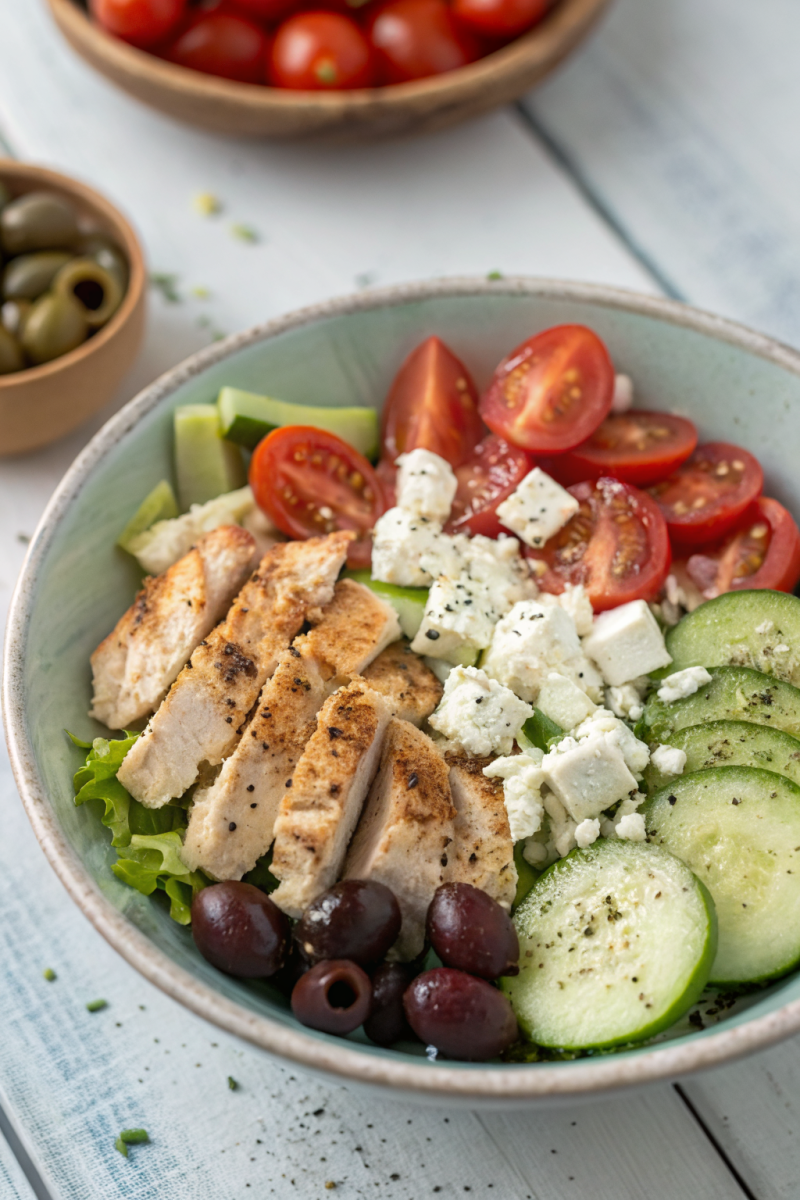
Greek Yogurt Chicken Salad: A Creamy, Healthy, and Flavorful Winter Delight
Greek Yogurt Chicken Salad combines heartiness, warmth, and nutrition in one bowl. This guide reveals how to make the perfect winter soup — comforting, wholesome, and deeply flavorful, crafted with chef-level technique and family-friendly ease.
Thank you for reading this post, don't forget to subscribe!Why Greek Yogurt Chicken Salad Matters in Winter
During cold months, the body craves warmth and hydration, but also dishes that are both satisfying and light. Greek Yogurt Chicken Salad offers a unique blend, moving beyond traditional warm dishes to provide a refreshing yet deeply comforting meal. It allows for a vibrant, fresh taste even when the weather outside is dreary, making it a perfect counterbalance to heavier winter fare. This salad isn’t just a side dish; with its rich protein content and creamy texture, it stands alone as a nutritious and filling main course. The use of Greek yogurt as the base not only significantly reduces the fat content compared to mayonnaise-based salads but also introduces a probiotic boost, which is incredibly beneficial for gut health—especially important during flu season.
The beauty of a well-crafted Greek Yogurt Chicken Salad lies in its versatility. It can be made with pre-cooked chicken, making it an excellent option for meal prep or a quick weeknight dinner. The flavors deepen as it sits, allowing for an even more exquisite taste on the second day. It’s a dish that soothes and strengthens at once, proving that healthy eating doesn’t mean sacrificing flavor or comfort. Its bright, clean profile invigorates the palate, providing a much-needed burst of freshness that can often be missed in winter diets.
Core Ingredients for a Perfect Greek Yogurt Chicken Salad
Creating an exceptional Greek Yogurt Chicken Salad begins with selecting the right ingredients. Here’s a breakdown of the essentials, accompanied by guidance on choosing the best quality and preparation methods:
- 2 cups cooked chicken, shredded or diced: Prioritize lean proteins such as chicken breast. You can boil, bake, grill, or use rotisserie chicken for convenience. Ensure it’s cooled completely before mixing to prevent the yogurt from thinning and becoming watery.
- 1 cup plain Greek yogurt (full-fat or 2%): This is the star! Full-fat Greek yogurt offers a richer, creamier texture and more satisfying mouthfeel, while 2% is a good balance of creaminess and lower fat. Avoid non-fat, as it can often lack the desired tang and texture.
- 1/4 cup finely chopped celery: Adds essential crunch and a subtle, refreshing bitterness that balances the creaminess of the Greek yogurt. Dice it very finely for even distribution.
- 1/4 cup finely chopped red onion or shallots: Provides a sharp, pungent bite. Red onion typically offers a milder flavor when raw, while shallots are even more delicate. Finely mincing is key to avoid overpowering the other flavors.
- 2 tbsp fresh dill, chopped: Aromatic, fresh dill is a game-changer. Its feathery texture and distinctive herbaceous flavor are quintessential to a bright, authentic Greek Yogurt Chicken Salad.
- 1 tbsp fresh parsley, chopped: Another fresh herb that adds verdant notes and a touch of peppery brightness. Italian flat-leaf parsley is usually preferred over curly for its more robust flavor.
- 1 tbsp fresh lemon juice: Essential for brightening the flavors and cutting through the richness of the yogurt. Always use freshly squeezed lemon juice for the best taste.
- 1 tsp Dijon mustard: Adds a subtle tang and emulsifying properties, helping to bind the salad. It also enhances the overall savory profile without being overtly mustardy.
- Salt and freshly ground black pepper to taste: Season generously! Salt enhances all the other flavors, while black pepper adds a gentle warmth.
- Optional: 1/4 cup chopped walnuts or pecans: For added texture and a nutty flavor. Toasting them lightly before adding can amplify their taste.
- Optional: 1/4 cup seedless red grapes, halved: Introduces a burst of sweetness and juiciness, contrasting beautifully with the savory and tangy elements.
- Optional: 1/4 cup dried cranberries or cherries: Another sweet and tart addition that adds chewiness and color. Especially good if you prefer a less juicy fruit option.
Step-by-Step Method for the Best Greek Yogurt Chicken Salad
Achieving a perfectly balanced and flavored Greek Yogurt Chicken Salad involves simple steps that build layers of taste and texture. Follow these instructions for a consistently delicious result:
Step 1 — Prepare Your Chicken
The foundation of any great chicken salad is well-prepared chicken. If using raw chicken breasts, poach or bake them until they are just cooked through. Poaching involves simmering chicken breasts in water or broth with aromatics (like bay leaf, peppercorns, and a slice of onion) until an internal temperature of 165°F (74°C) is reached. Baking involves seasoning and baking at 375°F (190°C) for 20-25 minutes. Once cooked, allow the chicken to cool completely. This is crucial as warm chicken can cause the yogurt dressing to separate or thin. Once cooled, shred the chicken using two forks or dice it into bite-sized pieces. Aim for uniform pieces for an even texture throughout the salad. Alternatively, a pre-cooked rotisserie chicken can be a fantastic time-saver; simply remove the skin and bones, and shred the meat.
Step 2 — Finely Chop Your Vegetables and Herbs
Precision in chopping is key for consistency in every bite of your Greek Yogurt Chicken Salad. Finely chop the celery, red onion (or shallots), fresh dill, and fresh parsley. The goal is to have small, uniform pieces so that no single ingredient overwhelms the others and the flavors meld together harmoniously. For the red onion, if you find its raw flavor too strong, you can soak the chopped onion in cold water for 10-15 minutes, then drain thoroughly. This mellows its pungency significantly. Ensure all herbs are thoroughly washed and patted dry before chopping to prevent diluting the salad’s flavor.
Step 3 — Whisk Together the Greek Yogurt Dressing
In a medium-sized mixing bowl, combine the plain Greek yogurt, fresh lemon juice, and Dijon mustard. Whisk these ingredients together until they are smooth and well-incorporated. This forms the creamy, tangy base of your dressing. Taste a small amount of the dressing at this stage and adjust the lemon juice or mustard if desired. Some might prefer a tangier salad, while others might like a milder flavor. Season this dressing lightly with salt and freshly ground black pepper. This initial seasoning helps build flavor from the ground up, ensuring a well-rounded taste in the final Greek Yogurt Chicken Salad.
Step 4 — Combine All Ingredients
Add the prepared shredded or diced chicken, finely chopped celery, and red onion to the bowl with the Greek yogurt dressing. Gently fold all the ingredients together until the chicken and vegetables are evenly coated with the dressing. Next, incorporate the freshly chopped dill and parsley. If you are adding any optional ingredients like chopped nuts (walnuts, pecans), grapes, or dried cranberries, fold them in now. Mix until everything is just combined, being careful not to overmix, which can break down the chicken or make the salad watery.
Step 5 — Season and Chill Your Greek Yogurt Chicken Salad
Once all ingredients are combined, taste the Greek Yogurt Chicken Salad and adjust the seasoning as needed. This is the stage to add more salt, pepper, or even a touch more lemon juice or dill, based on your preference. Remember that flavors tend to mellow after chilling, so a slightly bolder seasoning now can lead to a perfectly flavored salad later. Cover the bowl and refrigerate the Greek Yogurt Chicken Salad for at least 30 minutes to allow the flavors to meld and the salad to chill properly. Chilling not only enhances the taste but also improves the texture, making it firmer and more refreshing. For best results, chill for at least an hour or two before serving.
Nutrition Facts (per serving)
Understanding the nutritional profile of your Greek Yogurt Chicken Salad helps in integrating it into a balanced diet. The following values are approximate and can vary based on specific ingredient choices (e.g., full-fat vs. 2% yogurt, amount of dressing, optional additions).
Calories: 280-350 | Protein: 30-35g | Carbs: 8-12g | Fat: 10-18g | Fiber: 2-4g | Sodium: 450-600mg (varies significantly with broth/salt content)
This breakdown showcases the Greek Yogurt Chicken Salad as a powerhouse of lean protein, making it excellent for muscle recovery and satiety. The carbohydrate content is low, especially if no fruit additions are made, making it suitable for lower-carb dietary approaches. The fats predominantly come from healthy sources (yogurt, olive oil if used for cooking chicken, and nuts if added). The fiber content comes from the vegetables and any optional nuts/fruits. Sodium can be managed by using low-sodium broth or salt sparingly and tasting as you go.
For more detailed nutritional insights, especially regarding the benefits of protein and probiotics in Greek yogurt, you can consult reliable sources like Healthline’s discussions on healthy eating. Understanding these facts helps you tailor the salad to your specific health goals.
Healthy Variations of Greek Yogurt Chicken Salad
The beauty of Greek Yogurt Chicken Salad is its adaptability. You can easily tweak the recipe to suit different dietary needs, flavor preferences, or simply to use what you have on hand. Here are some healthy and delicious variations:
- Mediterranean Twist: Add chopped Kalamata olives, sun-dried tomatoes (oil-packed, drained and minced), and crumbled feta cheese. A sprinkle of dried oregano can also enhance this flavor profile.
- Spicy Kick: Incorporate a finely minced jalapeño (remove seeds for less heat), a dash of cayenne pepper, or a swirl of Sriracha into the Greek yogurt dressing.
- Herb Garden Fresh: Experiment with other fresh herbs. Besides dill and parsley, consider fresh chives for a delicate oniony note, fresh mint for a surprisingly refreshing lift, or tarragon for a mild licorice-like flavor that pairs wonderfully with chicken.
- Nut-Free Version: If you have nut allergies, simply omit the walnuts or pecans. You can add roasted sunflower or pumpkin seeds for a similar textural crunch.
- Vegetarian/Plant-Based Alternative: Replace the chicken with canned chickpeas (drained and rinsed, lightly mashed for texture), white beans, or even crumbled firm tofu. Ensure you season well to compensate for the chicken’s inherent savoriness. For a vegan option, use a dairy-free plain Greek-style yogurt.
- Extra Veggie Boost: Stir in shredded carrots, thinly sliced radishes for peppery crunch, or finely diced bell peppers (red, yellow, or orange for sweetness and color). Even a handful of baby spinach or arugula can be chopped and mixed in just before serving for an extra green boost.
- Creamier Texture: For those who desire an even creamier salad, a small amount of mashed avocado can be incorporated into the Greek yogurt dressing. This adds healthy fats and a luxurious texture while keeping it mayo-free.
- Sweet and Savory: Beyond grapes and cranberries, try diced apple (like Honeycrisp or Granny Smith for tartness) or small pieces of dried figs for a different kind of sweetness and chewiness.
- Grain Inclusion: For a heartier meal, particularly suitable for meal prep bowls, consider mixing in a small amount of cooked quinoa or farro directly into the Greek Yogurt Chicken Salad. This adds complex carbohydrates and makes the salad even more filling.
Each of these variations allows you to keep your Greek Yogurt Chicken Salad exciting and tailored to your preferences, ensuring that it remains a go-to healthy and delicious option throughout the year.
Serving Suggestions for Greek Yogurt Chicken Salad
The versatility of Greek Yogurt Chicken Salad extends brilliantly to how it can be served. It’s truly a dish that fits many occasions and meal formats. Here are some delightful ways to enjoy it:
- Classic Sandwich or Wrap: Pile your Greek Yogurt Chicken Salad high on slices of toasted whole-grain bread, a soft croissant, or tucked into a whole-wheat tortilla or pita bread. Add crisp lettuce, sliced tomato, or a few cucumber slices for extra freshness and crunch.
- Lettuce Wraps: For a low-carb and refreshing option, scoop generous portions into large lettuce cups (like butter lettuce, romaine, or endive spears). This is a light and crisp way to enjoy the salad without the bread.
- On a Bed of Greens: Serve a dollop of Greek Yogurt Chicken Salad over a simple mixed green salad, dressed with a light vinaigrette. This makes for a balanced and elegant lunch. Add some cherry tomatoes, cucumber, and bell peppers to amplify the vegetable intake.
- With Crackers or Crostini: Offer it as an appetizer or light snack with your favorite whole-grain crackers, pita chips, or toasted baguette slices (crostini). This is perfect for entertaining. For a homemade touch, serve with a side of Garlic Herb Flatbread.
- Stuffed Avocados or Tomatoes: Halve ripe avocados and remove the pit, then fill the hollow with Greek Yogurt Chicken Salad. Alternatively, hollow out ripe tomatoes and fill them for a colorful and nutritious presentation.
- As a Side Dish: It can accompany grilled fish or chicken, or even be a refreshing counterpoint to heartier stews.
- Meal Prep Bowls: Divide the Greek Yogurt Chicken Salad into meal prep containers along with fresh veggie sticks (carrots, celery, bell peppers), a handful of nuts, or some fruit for grab-and-go lunches throughout the week.
Pairing your savory Greek Yogurt Chicken Salad with a contrasting dessert adds a perfect finish to your meal. We recommend Honey Oat Energy Bites for a healthy, sweet treat that won’t undo your healthy eating. These serving suggestions not only enhance the enjoyment of your Greek Yogurt Chicken Salad but also allow for creativity in presentation and meal planning.
Common Mistakes to Avoid When Making Greek Yogurt Chicken Salad
While Greek Yogurt Chicken Salad is straightforward, a few common pitfalls can diminish its quality. Being aware of these can significantly improve your final product:
- Using Warm Chicken: This is arguably the most common mistake. Adding warm chicken to the Greek yogurt dressing will cause the yogurt to thin out and potentially curdle, resulting in a watery and unappetizing salad. Always ensure your cooked chicken is completely cooled, preferably chilled, before mixing.
- Over-Chopping or Mincing Chicken: While uniform pieces are good, over-processing the chicken (especially with a food processor) can turn it into a paste-like consistency, losing the desired texture. Aim for shredded or diced pieces that still have some structural integrity.
- Not Draining Wet Ingredients: If you’re adding ingredients like canned chickpeas or sun-dried tomatoes, ensure they are thoroughly drained and (if applicable) patted dry. Excess moisture can make the Greek Yogurt Chicken Salad watery.
- Adding Too Much Liquid (e.g., from herbs or certain fruits): If your fresh herbs are not patted dry after washing, or if you add very juicy fruits without considering their moisture content, the salad can become too liquidy.
- Skipping the Chill Time: The resting period in the refrigerator is not optional. It allows the flavors of the Greek Yogurt Chicken Salad to meld and deepen, and the salad to firm up, making it more enjoyable. Rushing this step results in a less flavorful and less cohesive salad.
- Overmixing: Once all ingredients are in, gentle folding is sufficient. Overmixing can break down the chicken and make the salad gummy.
- Improper Seasoning: Not tasting and adjusting seasoning incrementally throughout the process. Salt especially brings out all other flavors. It’s easier to add more than to fix an over-salted salad. Remember that chilling can mute flavors slightly.
- Using Weak Quality Greek Yogurt: The quality of your Greek yogurt matters. Opt for a full-fat or 2% plain Greek yogurt for the best flavor and texture. Thin, watery, or flavored yogurts will not yield the desired result.
- Ignoring Ingredient Freshness: While “Greek Yogurt Chicken Salad” can be a quick meal, the freshness of your herbs and vegetables significantly impacts the vibrancy of the final taste. Wilted celery or old herbs will result in a dull flavor. Keep these common mistakes in mind, and you’ll consistently create a stellar Greek Yogurt Chicken Salad that delights every time.
- Not using the right type of Greek yogurt: While non-fat Greek yogurt might seem like the healthiest option, it often lacks the creamy texture and rich tang necessary for a truly satisfying Greek Yogurt Chicken Salad. Full-fat or 2% Greek yogurt provides a superior mouthfeel and flavor that significantly elevates the dish.
- Overpowering with too much red onion: While red onion adds a crucial pungent note, too much can easily dominate the delicate flavors of the chicken and herbs. Mincing it very finely and potentially rinsing it under cold water can help mellow its intensity.
- Forgetting the lemon juice: Lemon juice is a powerful flavor enhancer. It brightens the salad, cuts through the richness of the yogurt, and activates the flavors of the fresh herbs. Without it, the salad might taste flat.
- Not seasoning enough: A bland Greek Yogurt Chicken Salad is often a result of insufficient seasoning. Salt and pepper should be added incrementally and tasted. Remember that Greek yogurt can sometimes absorb salt, so you might need to add a bit more than you initially think.
- Adding ingredients with conflicting flavors: While variations are good, ensure that any added ingredients complement the existing profile rather than clashing. Avoid overly sweet or strong-smelling additions that might detract from the core balance.
- Not chilling long enough: Like many salads, Greek Yogurt Chicken Salad benefits immensely from resting in the refrigerator. This chilling period allows all the flavors to meld and truly become a harmonious blend. A salad served immediately after mixing will not taste as good.
Storage Tips for Greek Yogurt Chicken Salad
Proper storage is essential for maintaining the freshness, flavor, and safety of your Greek Yogurt Chicken Salad. Given that it contains perishable ingredients, especially chicken and dairy, handling it correctly will ensure you can enjoy it for several days.
- Cool Completely Before Storing: This is a crucial first step. Never put warm or even lukewarm Greek Yogurt Chicken Salad directly into the refrigerator. This can raise the internal temperature of your fridge, potentially compromising other foods and creating a breeding ground for bacteria. Allow the salad to cool down to room temperature (typically within 30 minutes to an hour) before transferring it to storage containers.
- Use Airtight Containers: Transfer the cooled Greek Yogurt Chicken Salad into clean, airtight containers. Glass containers with tight-fitting lids are ideal, as they don’t absorb odors or colors and are non-reactive. Plastic containers work well too, but ensure they are BPA-free and have a good seal to prevent air exposure. Air is the enemy of freshness, leading to oxidation and drying out.
- Refrigeration: Store the sealed containers in the coldest part of your refrigerator, generally the bottom shelf towards the back. When stored correctly, Greek Yogurt Chicken Salad typically remains fresh and safe to eat for up to 3-4 days. After this period, the texture of the vegetables may soften, and the flavors might diminish. Always trust your senses—if it smells or looks off, it’s safer to discard it.
- Freezing (with caution): Freezing Greek Yogurt Chicken Salad is generally not recommended due to the Greek yogurt base. Dairy products, especially those with high water content like yogurt, tend to separate and become watery or grainy upon thawing, leading to an undesirable texture. The celery and other fresh vegetables will also become mushy after thawing. If you must freeze (e.g., if you’ve made a very large batch and don’t want waste), it’s best to freeze the cooked chicken separately and then combine it with fresh yogurt and vegetables when you’re ready to serve. If you decide to freeze the mixed salad, expect a significant change in texture. Freeze in individual portions to minimize thawing time and once thawed, consume immediately.
- Reheating: Greek Yogurt Chicken Salad is designed to be served cold. Reheating is not recommended as it will alter the texture of both the chicken and the yogurt, leading to a much less appealing dish. If you prefer your chicken warm, prepare the chicken separately and combine it with the chilled yogurt dressing and vegetables just before serving.
By following these storage tips, you can effectively prolong the enjoyment of your homemade Greek Yogurt Chicken Salad, ensuring delicious and safe meals throughout the week. Keep it fresh, keep it tasty!
Conclusion
Greek Yogurt Chicken Salad proves that healthy food can be both rich and comforting. This comprehensive guide has walked you through every step, from selecting the finest ingredients to achieving the perfect balance of flavors and textures. By opting for Greek yogurt, not only are you choosing a lighter alternative to traditional mayo-based salads, but you’re also infusing your meal with protein and probiotics, essential for well-being. The emphasis on fresh herbs, crisp vegetables, and quality chicken ensures that every spoonful is a burst of vibrant taste and satisfying goodness.
Whether you’re looking for a quick and nutritious lunch, a delightful light dinner, or a versatile component for your meal prep, Greek Yogurt Chicken Salad stands out as an exceptional choice. Its adaptability allows for endless variations, ensuring that it never grows tiresome. From a classic build to Mediterranean-inspired twists or a spicy kick, this salad can cater to diverse palates and dietary preferences, making it a true culinary chameleon.
We’ve also highlighted the critical steps to avoid common pitfalls, such as using warm chicken or neglecting the crucial chilling time, ensuring that your efforts consistently yield a top-tier salad. Moreover, the detailed storage tips will help you maximize its freshness and extend its enjoyment, making it an ideal candidate for batch cooking and healthy eating throughout the week.
In essence, Greek Yogurt Chicken Salad is more than just a recipe; it’s a testament to the power of thoughtful ingredient combination and simple, effective cooking techniques. It offers a refreshing escape from heavier winter meals, providing a bright, clean, and invigorating experience that nourishes both body and soul. Embrace this vibrant dish, and discover the joy of healthy eating without compromise. Each bite is a promise of flavor, health, and culinary satisfaction, truly offering warmth in every spoonful, even when served cold. Enjoy the journey of crafting this culinary gem, and let your Greek Yogurt Chicken Salad become a beloved staple in your kitchen, a source of delicious and wholesome meals all year round.
FAQ
- Can I use frozen vegetables in Greek Yogurt Chicken Salad? While fresh vegetables offer the best crispness and flavor, you can use frozen vegetables like peas or corn if thawed and thoroughly drained. However, steer clear of frozen celery or onion as their texture will not be suitable for a salad.
- How can I make Greek Yogurt Chicken Salad creamier without mayo? For an even creamier Greek Yogurt Chicken Salad, you can incorporate a small amount of mashed avocado into the dressing. It adds healthy fats and a luxurious, silky texture. Alternatively, using full-fat Greek yogurt instead of a lower-fat version will naturally yield a creamier result.
- What’s the best type of chicken for Greek Yogurt Chicken Salad? Poached or baked boneless, skinless chicken breasts are ideal for their lean protein and neutral flavor profile. Rotisserie chicken is a convenient alternative; just ensure it’s cooled and the skin and bones are removed. Leftover grilled chicken can also be an excellent option for added smoky flavor.
- How long does Greek Yogurt Chicken Salad last in the refrigerator? When stored in an airtight container in the coldest part of your refrigerator, Greek Yogurt Chicken Salad will typically last for 3 to 4 days. Beyond this period, the texture and flavor may begin to degrade, and it’s best to discard it to ensure food safety.
- Can I prepare Greek Yogurt Chicken Salad ahead of time for a party? Absolutely! Preparing it a few hours in advance, or even the day before, allows the flavors to truly meld and deepen, making it even more delicious. Just ensure it’s kept well-chilled in an airtight container until serving. For optimal freshness, a quick taste and seasoning adjustment right before serving are often beneficial.
- What if my Greek Yogurt Chicken Salad is too tangy? If your salad is too tangy due to the Greek yogurt or lemon juice, you can balance it out by adding a pinch of sugar or a small amount of honey. Alternatively, mix in a bit more shredded chicken or other mild ingredients to dilute the strong flavors.
- Can I add nuts to Greek Yogurt Chicken Salad? Yes, chopped nuts like walnuts, pecans, or almonds add a wonderful crunch and nutty flavor. Toasting them lightly in a dry pan before adding them can enhance their flavor profile significantly.
- What herbs are best for Greek Yogurt Chicken Salad? Fresh dill and parsley are classic choices that offer a bright, herbaceous flavor. However, other herbs like fresh chives (for a milder onion note), fresh mint (for a refreshing twist), or tarragon (for a delicate, slightly anise-like flavor) can also be excellent additions.
- Is Greek Yogurt Chicken Salad gluten-free? Yes, the core recipe for Greek Yogurt Chicken Salad is naturally gluten-free as it contains no gluten-containing grains. If serving with bread or crackers, ensure those accompaniments are also gluten-free.
- Can I make a dairy-free version of Greek Yogurt Chicken Salad? Yes, you can substitute traditional Greek yogurt with a plain, unsweetened dairy-free Greek-style yogurt (often made from coconut, almond, or soy). Be mindful of flavor differences, as some dairy-free yogurts can have a distinct taste.
Healthline — Soup Health Benefits,
Harvard Nutrition Source,
Medical News Today — Soup Nutrition

creates quick vegetarian dinners and vibrant taco recipes.