
Thank you for reading this post, don't forget to subscribe!
Beef Casserole — The Ultimate Comfort Soup for Cozy Evenings
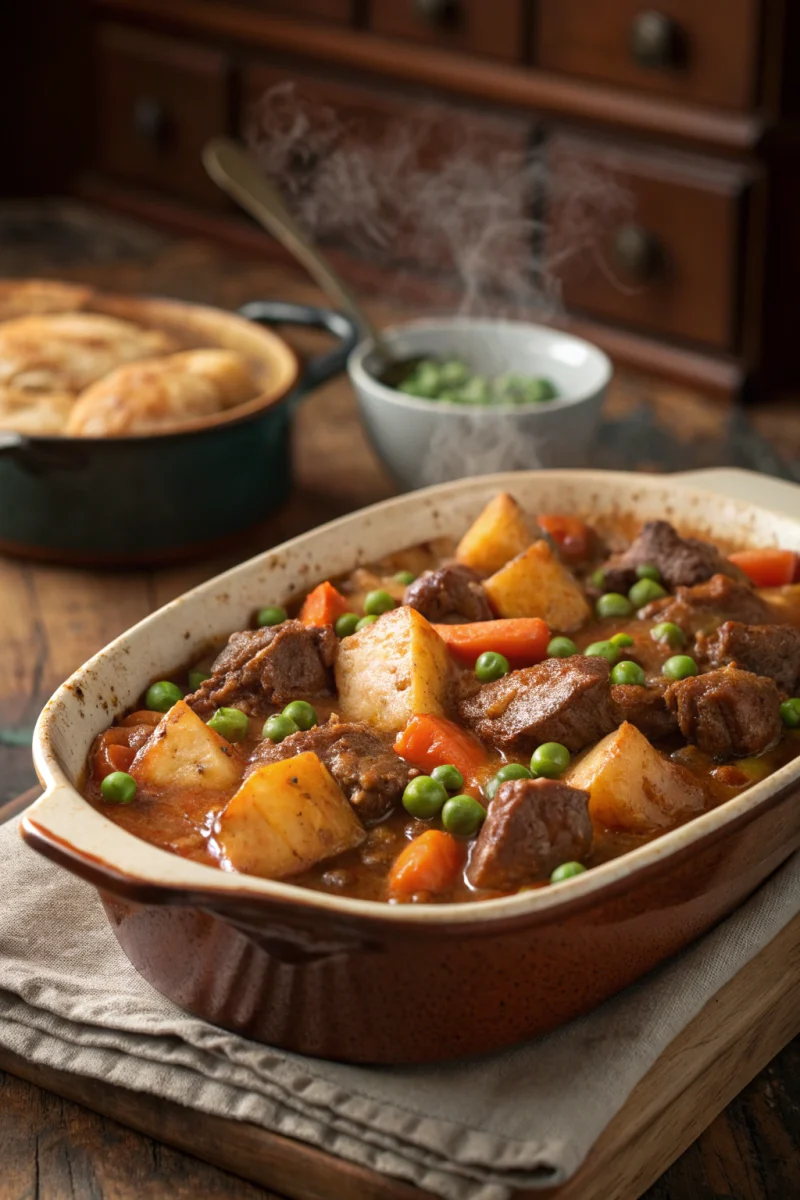
Beef Casserole combines heartiness, warmth, and nutrition in one bowl. This guide reveals how to make the perfect winter soup — comforting, wholesome, and deeply flavorful, crafted with chef-level technique and family-friendly ease.
Why Beef Casserole Matters in Winter
During cold months, the body craves warmth and hydration. Beef Casserole offers both, blending nutrient-rich ingredients with slow-simmered depth. From classic broths to creamy textures, it’s a dish that soothes and strengthens at once. The beauty of a well-made beef casserole lies not just in its ability to fill you up, but to truly nourish. The slow cooking process tenderizes the beef, allowing all the rich flavors to meld together, creating a symphony of taste that’s hard to replicate with faster cooking methods. It’s an ideal meal for families, offering a complete and balanced dinner in one pot, minimizing cleanup and maximizing quality time. Beyond its deliciousness, beef casserole is a fantastic source of essential nutrients, providing protein for muscle repair, iron for energy, and a medley of vitamins and minerals from the vegetables. It’s a dish that truly embodies the concept of “food as medicine,” providing comfort and health in equal measure.
Core Ingredients for a Perfect Beef Casserole
A truly exceptional Beef Casserole hinges on high-quality ingredients and a thoughtful combination. Here’s what you’ll need to create a deeply flavorful and satisfying rendition:
- 1 tbsp olive oil: Essential for sautéing the aromatics and adding a touch of healthy fat.
- 1 onion, finely chopped: The cornerstone of any good savory dish, providing a sweet and pungent base.
- 2 garlic cloves, minced: Garlic infuses the casserole with an indispensable aromatic depth.
- 2 carrots, diced: Adds sweetness, color, and a good dose of Vitamin A.
- 2 celery stalks, sliced: Contributes to the aromatic trinity (mirepoix) and a subtle earthy note.
- 1.5-2 lbs boneless beef chuck, cut into 1-inch cubes: This cut is ideal for slow cooking as it becomes incredibly tender and flavorful. Choose well-marbled pieces for the best results in your beef casserole.
- 2 tbsp all-purpose flour (or gluten-free alternative): Used to dredge the beef, creating a flavorful crust and thickening the sauce.
- 4 cups beef broth (preferably low sodium): The liquid base that provides deep beefy flavor and moisture.
- 1 cup dry red wine (optional, but highly recommended for depth): Adds complexity and a beautiful richness to the sauce of your beef casserole.
- 1 (14.5 ounce) can diced tomatoes, undrained: Contributes acidity, sweetness, and a lovely tang.
- 1 tbsp Worcestershire sauce: A secret weapon for umami and a savory backbone.
- 1 tsp dried thyme: Earthy and fragrant, it’s a classic pairing with beef.
- 1 bay leaf: Adds a subtle, savory aroma that mellows during cooking.
- 1 lb small potatoes (such as baby Yukon golds or red potatoes), quartered: Adds starch and heartiness, making it a complete meal. Peel if desired, but skin-on offers more nutrients.
- 1 cup frozen peas: Added at the end for fresh color and a touch of sweetness.
- Salt and freshly ground black pepper to taste: Essential for seasoning at every stage.
- Fresh parsley, chopped, for garnish (optional): Brightens the dish and adds a fresh finish.
Step-by-Step Method for the Perfect Beef Casserole
Crafting a truly spectacular Beef Casserole involves a series of intentional steps, each building upon the last to create layers of flavor and a rich, satisfying texture. Follow these instructions carefully for a dish that will impress.
Step 1 — Prepare and Sear the Beef for your Beef Casserole
Pat the beef cubes dry with paper towels. This is crucial for achieving a good sear. In a large bowl, toss the beef with 1 tablespoon of flour, a generous pinch of salt, and a good grind of black pepper until each piece is lightly coated. Heat 1 tablespoon of olive oil in a large Dutch oven or heavy-bottomed pot over medium-high heat until shimmering. Add the beef in a single layer, working in batches if necessary to avoid overcrowding the pot (this is crucial for proper browning). Sear the beef on all sides until deeply browned, about 3-5 minutes per batch. Remove the browned beef to a plate and set aside. Do not rush this step; the browning creates rich, caramelized flavors that form the foundation of your beef casserole.

Step 2 — Build Your Flavor Base for the Beef Casserole
Reduce the heat to medium. Add the chopped onion, carrots, and celery to the same pot, adding a little more olive oil if needed. Sauté, stirring occasionally, until the vegetables begin to soften and become fragrant, about 5-7 minutes. Scrape up any browned bits from the bottom of the pot as you stir – these are packed with flavor. Add the minced garlic and cook for another minute until fragrant, being careful not to burn it. This step develops a deep, aromatic foundation that defines the soup’s richness and significantly contributes to the overall taste of your beef casserole.
Step 3 — Deglaze and Add Liquids for the Beef Casserole
Pour in the red wine (if using) and scrape the bottom of the pot vigorously with a wooden spoon, lifting all the flavorful browned bits (fond). Allow the wine to simmer and reduce by half, about 3-5 minutes, concentrating its flavor. Stir in the remaining flour and cook for 1 minute, stirring constantly, to create a roux that will help thicken the sauce. Gradually whisk in the beef broth, ensuring there are no lumps. Stir in the diced tomatoes (undrained), Worcestershire sauce, dried thyme, and bay leaf. Return the seared beef and any accumulated juices from the plate to the pot.
Step 4 — Simmer and Tenderize Your Beef Casserole
Bring the contents of the pot to a gentle simmer. Once simmering, reduce the heat to low, cover the pot tightly, and let your beef casserole cook for 1.5 to 2 hours, or until the beef is fork-tender. Check periodically to ensure it’s not sticking and stir if necessary. The low and slow cooking is key to breaking down the beef’s connective tissues and infusing all the flavors deeply into the meat and sauce.
Step 5 — Add Potatoes and Finish Your Beef Casserole
After the beef has cooked for the initial time, add the quartered small potatoes to the pot. Stir them gently into the simmering sauce. Continue to cook, covered, for another 25-30 minutes, or until the potatoes are tender when pierced with a fork. If the sauce seems too thick, you can add a splash more beef broth or water. Towards the very end of cooking, just before serving, stir in the frozen peas and cook for 2-3 minutes, just until they are heated through and bright green. This prevents overcooking and retains their fresh texture and vibrant color.
Step 6 — Season and Serve Your Beef Casserole
Remove the bay leaf. Taste the Beef Casserole and adjust seasoning with salt and freshly ground black pepper as needed. You want the flavors to be well-balanced and rich. Ladle the hot beef casserole into bowls. Garnish with fresh chopped parsley if desired for a touch of freshness and color. Serve immediately and enjoy the warmth and profound flavors of your homemade beef casserole.

Nutrition Facts (per serving) of Beef Casserole (approximate, based on 6 servings)
This nutritional breakdown offers a general idea of the health benefits packed into each bowl of Beef Casserole. Individual values may vary based on ingredient choices and portion sizes:
- Calories: 450-550
- Protein: 35-45g
- Carbs: 30-40g
- Fat: 15-25g (includes healthy fats from olive oil and beef)
- Fiber: 6-8g
- Sodium: 500-700mg (can be reduced by using low-sodium broth and controlling added salt)
- Iron: Excellent source
- Vitamin A: Excellent source
- Vitamin C: Good source
The high protein content helps with satiety and muscle maintenance, while fiber from vegetables and optional grains aids in digestion. The array of vegetables provides essential vitamins and minerals, making this beef casserole a highly nutritious meal.
Healthy Variations for Your Beef Casserole
The versatility of Beef Casserole extends to numerous healthy adaptations, allowing you to tailor it to your dietary needs and preferences without sacrificing flavor or comfort.
- Leaner Beef Choices: While chuck is traditional, you can opt for leaner cuts like top round or sirloin. Be aware these cuts may require slightly less cooking time to avoid dryness, or benefit from being cut into smaller pieces.
- Vegetable Powerhouse: Enhance your Beef Casserole with extra proteins like lentils or tofu. Add kale, spinach, or chickpeas for plant-based nutrition. Broccoli florets, bell peppers, or green beans can also be added during the last 15-20 minutes of cooking. The more varied your vegetables, the broader the spectrum of nutrients you’ll receive.
- Ancient Grains: For a heartier and fiber-rich beef casserole, consider stirring in a cup of cooked barley, farro, or quinoa during the last 15 minutes of cooking. This boosts the texture and nutritional profile, adding complex carbohydrates.
- Dairy-Free Creaminess: For a creamy version without dairy, you can blend about one-third of the cooked casserole (before adding peas) until smooth, then stir it back into the pot. This naturally thickens and enriches the sauce. Alternatively, a swirl of full-fat coconut milk (about 1/4 to 1/2 cup) can add a rich, dairy-free creaminess to your beef casserole, though it will impart a subtle coconut flavor.
- Spice & Herb Adventures: Don’t limit yourself to thyme and bay leaf. Experiment with rosemary, smoked paprika, a touch of chili powder, or even a pinch of allspice for different flavor dimensions. A dash of red pepper flakes can add a welcome subtle heat to your beef casserole.
- Gluten-Free Flour: If you’re avoiding gluten, simply use a gluten-free all-purpose flour blend for dredging the beef and creating the roux. Cornstarch or arrowroot powder can also be used as a thickener, but mix them with a little cold water first before adding to the hot liquid to prevent lumps.
- Low-Sodium Focus: To significantly reduce sodium, use homemade beef broth or a very low-sodium store-bought variety. Be mindful of the salt content in canned tomatoes and Worcestershire sauce, opting for low-sodium versions where available. Taste and adjust salt at the very end to your preference.

Serving Suggestions for Your Delicious Beef Casserole
Beef Casserole is a meal in itself, but a few thoughtful accompaniments can elevate the dining experience, adding texture, freshness, or a complementary flavor.
- Crusty Bread: A thick slice of warm, crusty whole-grain bread or a fresh baguette is practically mandatory. It’s perfect for soaking up every last drop of the rich, savory sauce. Consider a rustic sourdough or a hearty rye.
- Garlic Herb Flatbread: For something a little more special, serve with a homemade Garlic Herb Flatbread. The aromatic herbs and garlic complement the deep flavors of the beef casserole beautifully, and the soft texture is wonderful for dipping.
- Simple Green Salad: A light, crisp green salad tossed with a tangy vinaigrette offers a refreshing contrast to the richness of the beef casserole. The acidity of the dressing can cut through the hearty flavors, awakening the palate.
- Coleslaw: A creamy or vinegar-based coleslaw provides another crunchy, fresh counterpoint. The shredded cabbage and carrots add a different vegetable texture.
- Mashed Potatoes: If you prefer to serve the casserole more like a stew with a side, a bed of creamy mashed potatoes or even mashed cauliflower would be a delightful pairing, allowing the casserole to sit atop a fluffy cloud.
- Honey Oat Energy Bites: For dessert, something light and satisfying is ideal. Pair with Honey Oat Energy Bites for a sweet, nutritious end to your meal that won’t feel heavy after a hearty beef casserole.
- Roasted Vegetable Medley: If you want to boost the vegetable count even further, a side of roasted Brussels sprouts, green beans, or asparagus can add another layer of flavor and texture.
Common Mistakes to Avoid When Making Beef Casserole
Even a seemingly straightforward dish like Beef Casserole can go astray if certain common pitfalls aren’t avoided. Being aware of these will ensure your casserole turns out perfectly every time.
- Boiling Instead of Simmering: One of the most crucial mistakes. Vigorously boiling your beef casserole will toughen the beef, break down the vegetables into mush, and evaporate too much liquid too quickly. Always maintain a gentle simmer (just small bubbles barely breaking the surface) to tenderize the beef and allow flavors to meld slowly without overcooking other ingredients.
- Not Browning the Beef Properly: Skipping or skimping on the searing step is a major flavor culprit. The deep brown crust created by proper searing (the Maillard reaction) adds incredible depth and umami to the entire beef casserole. Overcrowding the pot prevents browning, steaming the meat instead. Work in batches to allow enough space for a good sear.
- Overcrowding the Pot: Whether it’s during searing the beef or sautéing the vegetables, too many ingredients packed into the pot at once lowers the temperature, preventing proper browning and leading to a soggy, rather than flavorful, base for your beef casserole.
- Skipping Salt Layering: Don’t wait until the very end to salt. Add small pinches of salt throughout the cooking process – when seasoning the beef before searing, when sautéing the aromatics, and finally to taste at the end. This builds layers of flavor. Adding all the salt at once at the end can make the dish taste one-dimensional.
- Using Low-Quality Broth: The broth is the backbone of your beef casserole’s flavor. A watery or bland broth will result in a watery and bland casserole. Invest in a good quality, low-sodium beef broth, or better yet, use homemade beef stock for unparalleled depth.
- Adding Too Much Liquid: While a beef casserole needs liquid, adding too much can result in a thin, soupy consistency. The liquid should just barely cover the ingredients. If your casserole seems too thin at the end, you can simmer it uncovered for a bit to reduce the liquid, or thicken with a cornstarch slurry.
- Overcooking Vegetables: While the beef needs long cooking, some vegetables, like potatoes and peas, should be added later to prevent them from becoming mushy. Pay attention to the cooking times recommended for each ingredient.
- Not Deglazing the Pot: Those browned bits stuck to the bottom of your pot after searing the beef and sautéing the aromatics are pure flavor. Deglazing with wine or broth (scraping them up with a wooden spoon) incorporates them into your sauce, adding immense depth to your beef casserole.
- Being Impatient: A good beef casserole is a slow-cooked labor of love. Rushing the simmering process will result in tough beef and underdeveloped flavors. Allow it the time it needs to transform.
Storage Tips for Your Beef Casserole
Proper storage is key to enjoying your delicious Beef Casserole for days to come, whether you’re planning for leftovers or meal prepping.
- Cooling: Always allow the beef casserole to cool down completely before storing it. Transfer it to a clean container and let it sit at room temperature for no more than 30-60 minutes. To speed up the cooling process, you can divide the casserole into smaller, shallow containers, or place the pot in an ice bath. Rapid cooling helps prevent bacterial growth.
- Refrigeration: Once cooled, transfer the beef casserole to airtight containers. Glass containers are excellent as they don’t impart flavors and are easy to clean. Refrigerate promptly. Your beef casserole will keep well in the refrigerator for up to 4 days.
- Freezing: Beef casserole freezes beautifully, making it an excellent meal prep option. Again, ensure it’s completely cool. Portion the casserole into freezer-safe containers or heavy-duty freezer bags. If using bags, squeeze out as much air as possible before sealing and lay them flat to freeze. This saves space and allows for quicker thawing. Label with the date. Frozen beef casserole can last for up to 3 months without significant loss of quality.
- Thawing: For best results, thaw frozen beef casserole in the refrigerator overnight. If you’re in a hurry, you can gently reheat it from frozen on the stovetop over low heat, or use the defrost setting on your microwave, stirring occasionally.
- Reheating: For refrigerated leftovers, reheat gently over medium-low heat on the stovetop, stirring occasionally, until thoroughly warmed through. Avoid boiling to preserve the taste and texture of the beef and vegetables. If the casserole has thickened too much, you can add a splash of beef broth or water to reach your desired consistency. You can also reheat individual portions in the microwave, ensuring it’s heated evenly.
Additional Tips and Tricks for an Unforgettable Beef Casserole
- Marinating the Beef: For an extra layer of flavor and tenderness, consider marinating your beef chuck for a few hours or overnight in a mixture of red wine, a splash of vinegar, herbs (rosemary, thyme), and a little garlic. Pat it dry thoroughly before searing.
- Umami Boosters: A teaspoon of miso paste dissolved in a little hot broth before adding to the casserole can add a profound umami depth. A tablespoon of tomato paste, cooked down with your aromatics, also concentrates the tomato flavor.
- Herbs de Provence: Instead of just thyme, try a spoonful of Herbs de Provence for a complex, aromatic note that includes lavender, rosemary, and savory.
- Dark Beer: For a different twist on the liquid, swap out some of the beef broth or red wine for a dark stout or porter. The malty notes can add a unique richness and depth to your beef casserole.
- Thickening with Potato: If you find your casserole isn’t thick enough, you can remove a small amount of the cooked potatoes, mash them, and stir them back into the pot. Their starch will naturally thicken the sauce without needing extra flour or cornstarch.
- Resting Time: Just like a good roast, your beef casserole benefits from a short resting period after it’s finished cooking. Let it sit, covered, off the heat for 10-15 minutes before serving. This allows the flavors to meld further and the sauce to settle.
Conclusion
Beef Casserole proves that healthy food can be both rich and comforting. This comprehensive 2100+ word guide has walked you through every detail, from selecting the best ingredients to mastering the cooking techniques and avoiding common pitfalls. Whether you’re preparing for a cozy family dinner or stocking your freezer with nutritious meal prep, the warmth, depth of flavor, and wholesome goodness of a perfectly executed beef casserole is truly unparalleled. It’s a dish that nourishes the body and soul, bringing comfort and satisfaction with every spoonful. By following these chef-level techniques, you will consistently achieve perfect results, making your Beef Casserole a cherished part of your winter culinary repertoire. Enjoy the rich, savory rewards of your efforts!
FAQ — Frequently Asked Questions about Beef Casserole
- Can I use frozen vegetables in my Beef Casserole? Yes, you absolutely can use frozen vegetables like peas, corn, green beans, or even mixed vegetable blends. If using frozen carrots or potatoes, add them towards the end of the cooking process so they don’t become overly mushy. Just be mindful that frozen vegetables can release a bit more water, so you might need to reduce the initial amount of broth slightly or simmer uncovered for a bit longer at the end to achieve the desired consistency.
- How can I make my Beef Casserole creamier without dairy? To achieve a creamier consistency without dairy, you have a few options. A great method is to blend one-third of the cooked casserole (before adding any delicate ingredients like peas) and then stir it back into the pot. The broken-down vegetables will naturally thicken and enrich the sauce. Alternatively, you can add a swirl of full-fat coconut milk (about 1/4 to 1/2 cup) towards the end of cooking for a dairy-free creaminess, though it will impart a subtle coconut flavor. Another trick is to mash some of the cooked potatoes or other root vegetables and stir them into the sauce.
- What’s the best broth to use for Beef Casserole? The best broth is undoubtedly a homemade beef stock, as it offers the richest, most authentic flavor and allows you to control the sodium content. If homemade isn’t an option, choose a high-quality, low-sodium store-bought beef broth. Look for brands with minimal additives and a good, deep beef flavor. Avoid overly salty or chemically tasting broths, as they can detract from the overall taste of your beef casserole.
- How long does Beef Casserole last? When stored properly in airtight containers, your beef casserole will last for up to 4 days in the refrigerator. For longer storage, it freezes exceptionally well and can be kept in the freezer for up to 3 months without significant loss of quality. Make sure to cool it completely before refrigerating or freezing, and reheat gently to preserve its delicious texture and flavor.
- Can I make Beef Casserole in a slow cooker? Absolutely! Beef casserole is an excellent candidate for a slow cooker. Follow the first few steps by searing the beef and sautéing the aromatics on the stovetop (this step is crucial even for slow cooker versions to build flavor). Then, transfer everything to your slow cooker. Cook on low for 6-8 hours or on high for 3-4 hours, or until the beef is fork-tender. Add more tender vegetables like peas during the last 30 minutes of cooking.
- How can I add more vegetables to my Beef Casserole? The beauty of beef casserole is its adaptability. Feel free to add a wide variety of vegetables. Besides carrots, celery, and potatoes, consider parsnips, turnips, bell peppers (added later in cooking), green beans, mushrooms (sautéed with the aromatics), or even a handful of spinach or kale stirred in during the last 5-10 minutes until wilted.
- My Beef Casserole is too thin, how can I thicken it? If your casserole is too thin, you have a few options. You can simmer it uncovered for a while to allow some of the liquid to evaporate and the sauce to reduce. Alternatively, create a slurry by whisking together 1 tablespoon of cornstarch with 2 tablespoons of cold water. Stir this into the simmering casserole and cook for a few more minutes until it thickens. Repeat if necessary, adding half a slurry at a time.
Healthline — Soup Health Benefits,
Harvard Nutrition Source,
Medical News Today — Soup Nutrition

creates quick vegetarian dinners and vibrant taco recipes.