
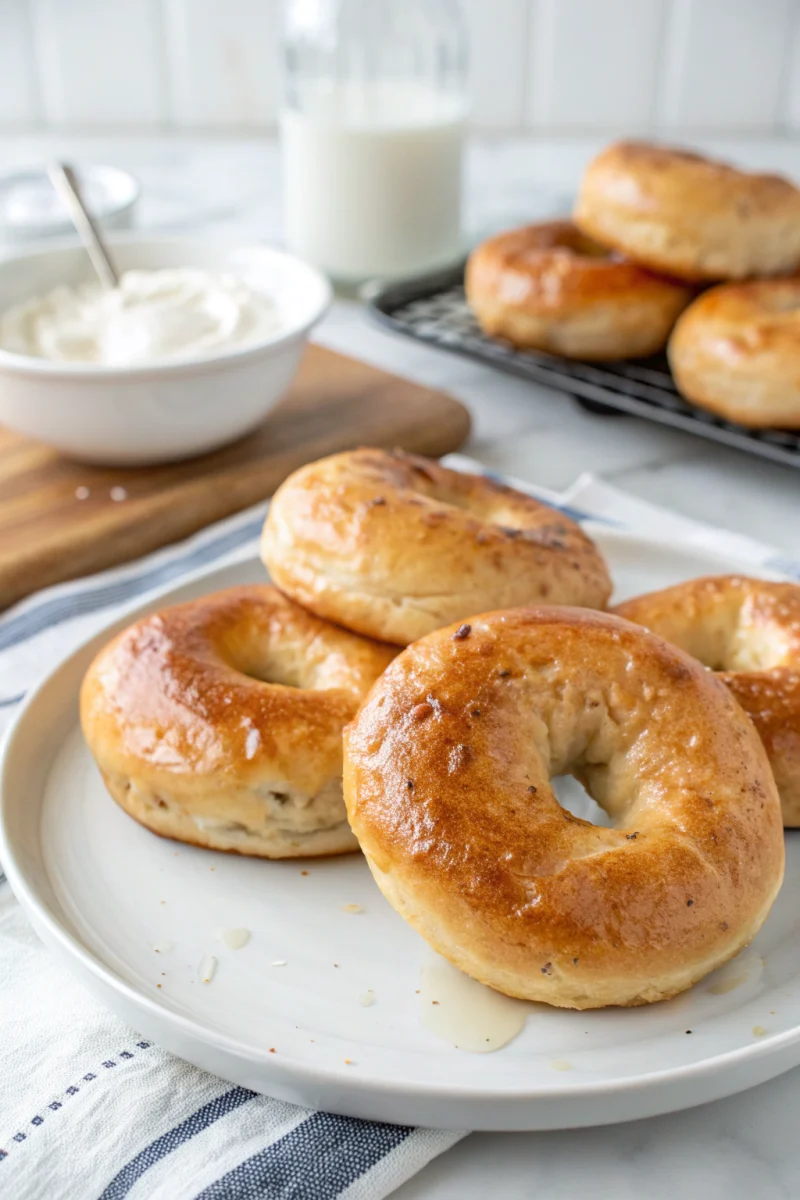
Protein Bagels — Homemade Yogurt Bagels Cooling Rack for a Healthy Start
Protein bagels combine heartiness, warmth, and nutrition in one simple, satisfying package. This guide reveals how to make the perfect winter soup—comforting, wholesome, and deeply flavorful, crafted with chef-level technique and family-friendly ease.
Why Protein Bagels Matter in Winter
During cold months, the body craves warmth and hydration. While this article focuses on soup, the concept of a nourishing, fortifying food applies directly to protein bagels. A homemade protein bagel can offer a substantial, warm meal that keeps you feeling satisfied and energized. Just like a good soup, a well-crafted bagel, especially one fortified with protein, provides essential nutrients when the body might be feeling more depleted due to colder temperatures and less sunlight. It’s a dish that soothes and strengthens at once, offering a portable and deeply comforting option for breakfast, lunch, or a hearty snack.
Core Ingredients for Protein Bagels (Homemade, Yogurt-Based)
Traditional bagels are delicious, but for a truly nutritious and satisfying option, particularly for colder months or active lifestyles, we’ll focus on a homemade recipe for protein bagels using Greek yogurt. This method not only adds a significant protein boost but also contributes to a wonderfully chewy yet tender texture without the need for boiling, making them quicker and easier than traditional recipes. Here’s what you’ll need:
- 1 ½ cups (180g) all-purpose flour, plus more for dusting
- ¾ cup (90g) whole wheat flour (or more all-purpose for softer bagels)
- 2 teaspoons baking powder
- 1 teaspoon salt
- 1 cup (240g) plain unsweetened Greek yogurt (full-fat or 2% for best texture)
- 1 large egg, beaten (for egg wash)
- Optional toppings: sesame seeds, poppy seeds, everything bagel seasoning, rolled oats, chia seeds, flax seeds
Step-by-Step Method for Homemade Protein Bagels
Step 1 — Prepare Your Dry Ingredients for Protein Bagels
In a large mixing bowl, combine the all-purpose flour, whole wheat flour, baking powder, and salt. Whisk them together thoroughly, ensuring the baking powder is evenly distributed. This is crucial for a consistent rise in your protein bagels. The baking powder acts as a leavening agent, giving these “two-ingredient dough” bagels their characteristic lift without yeast.
Step 2 — Incorporate the Greek Yogurt to form Protein Bagel Dough
Add the plain Greek yogurt to the dry ingredients. Use a sturdy spoon or your hands to mix until a shaggy, somewhat crumbly dough forms. At this point, it might seem a little dry or not quite coming together – that’s normal. Greek yogurt is key here for adding not just protein but also moisture and tang, contributing to the flavor and texture of your protein bagels.
Step 3 — Knead the Dough into a Smooth Ball
Turn the dough out onto a lightly floured surface. Knead the dough for about 5-8 minutes, or until it becomes smooth and elastic. If the dough is too sticky, add a very small amount of flour (1 tablespoon at a time) until it’s manageable but still soft. If it’s too dry, add a few drops of water or an extra teaspoon of yogurt. Proper kneading is essential for developing the gluten, which gives bagels their signature chewiness. This step also ensures all ingredients are well-incorporated, leading to uniform protein bagels.
Step 4 — Shape Your Protein Bagels
Divide the dough into 6-8 equal pieces (depending on your desired bagel size). Roll each piece into a smooth ball. Now, there are two common ways to create the hole in your protein bagels:
- Finger Method: Poke a hole directly in the center of each ball with your thumb. Gently stretch the dough outwards from the center to create a hole about 1.5 to 2 inches in diameter. The hole will shrink during baking, so make it larger than you think necessary.
- Rope Method: Roll each ball into a rope about 8-10 inches long. Bring the ends together and pinch them firmly to seal, forming a ring.
Place the shaped protein bagels on a baking sheet lined with parchment paper.
Step 5 — Apply Egg Wash and Toppings
In a small bowl, lightly beat the egg. Brush the tops and sides of each bagel with the egg wash. This egg wash will give your protein bagels a golden, shiny crust and help any toppings adhere. Sprinkle your desired toppings generously over the wet egg wash. Options like everything bagel seasoning, sesame seeds, poppy seeds, or even a sprinkle of rolled oats add both flavor and texture. This makes your protein bagels not just nutritious but also visually appealing and customizable.
Step 6 — Bake Your Protein Bagels
Preheat your oven to 375°F (190°C). Bake the protein bagels for 20-25 minutes, or until they are golden brown and cooked through. The exact baking time may vary depending on your oven and the size of your bagels. You want them to have a nice, firm crust but still be soft and chewy inside. Once baked, transfer the bagels to a cooling rack to cool completely before slicing and serving. Cooling allows the internal structure of the bagels to set, preventing them from becoming gummy.

Nutrition Facts (per serving — approximated for a plain Greek yogurt protein bagel)
The nutritional information for homemade protein bagels can vary significantly based on the type of flour, yogurt fat content, and toppings. This is a general approximation for one medium-sized bagel made with whole wheat and all-purpose flour and 2% Greek yogurt:
- Calories: 250-300
- Protein: 15-20g (significant boost from Greek yogurt)
- Carbs: 40-50g
- Fat: 3-6g
- Fiber: 3-5g
- Sodium: 300-400mg (can vary based on salt added)
These values can be further enhanced or altered by adding different flours (e.g., oat flour, rye flour), seeds (chia, flax), or even savory inclusions like cheese or herbs. This makes protein bagels a highly adaptable food for various dietary needs and preferences. The high protein content makes them particularly satiating, which is excellent for maintaining energy levels throughout the day and supporting muscle recovery if you’re active.
Healthy Variations for Your Protein Bagels
The beauty of homemade protein bagels lies in their versatility. You can easily adapt this base recipe to introduce more nutrients or cater to different taste preferences:
- Seed Powerhouse: Before baking, sprinkle a mix of chia seeds, flax seeds, sunflower seeds, and pumpkin seeds onto the egg-washed bagels. These add healthy fats, extra fiber, and omega-3s.
- Veggie Boost: Finely grate some zucchini or carrots (squeeze out excess moisture) and mix into the dough for added vitamins and fiber. You won’t taste them much, but they’ll add moisture and nutrition.
- Savory Herb Bagels: Incorporate 1-2 tablespoons of finely chopped fresh herbs like rosemary, chives, or dill into the dough mixture. You could also mix in a little garlic powder and onion powder for an even more savory profile.
- Sweet & Fruity: For a sweeter take, add a teaspoon of cinnamon and a handful of dried cranberries or raisins to the dough. These are fantastic toasted with a little cream cheese.
- Cheese & Jalapeño: Mix in ¼ cup of shredded cheddar cheese and 1-2 tablespoons of finely diced pickled jalapeños into the dough for a spicy, cheesy treat. Top with more cheese before baking.
- Gluten-Free Option: As mentioned, use a 1:1 gluten-free baking flour blend. Be aware that the dough might be a bit stickier and less elastic, so handle it gently.
- High-Protein Booster: If you’re looking for even more protein, consider a scoop of unflavored or vanilla protein powder. About 1 scoop (20-30g) can be mixed into the dry ingredients. You might need to add an extra tablespoon or two of yogurt or a splash of milk to reach the right dough consistency. This transforms them into super protein bagels, perfect for post-workout recovery or a sustained energy breakfast.
Each variation allows you to customize your protein bagels to fit your individual dietary needs and cravings, ensuring they never get boring. The convenience of baking them at home means you control all the ingredients, avoiding unwanted additives often found in store-bought options.
Serving Suggestions for Protein Bagels
Once your homemade protein bagels are golden brown and have cooled on the cooling rack, they’re ready to be transformed into any number of delicious meals or snacks. Their robust flavor and high protein content make them an excellent base for both sweet and savory toppings.
- Classic Cream Cheese: A thick smear of your favorite cream cheese is always a winner. Enhance it with fresh chives, dill, or a sprinkling of everything bagel seasoning. Greek yogurt cream cheese is a fantastic, protein-rich alternative.
- Avocado Toast Bagel: Mash half an avocado with a pinch of salt, pepper, and a squeeze of lemon juice. Spread it generously over a toasted bagel. Top with red pepper flakes, everything bagel seasoning, or a fried egg for extra protein.
- Smoked Salmon & Capers: For a decadent breakfast or brunch, layer cream cheese, smoked salmon, thinly sliced red onion, and capers on your protein bagels.
- Nut Butter & Banana: Spread almond butter, peanut butter, or cashew butter. Top with sliced banana, a drizzle of honey, and a sprinkle of cinnamon or chia seeds for a quick and energizing snack.
- Egg & Cheese Sandwich: Turn your bagel into a hearty breakfast sandwich. Use a fried or scrambled egg, a slice of cheese, and maybe some cooked spinach or turkey bacon. The sturdy texture of a protein bagel holds up well to fillings.
- Hummus & Veggies: A great plant-based option. Spread hummus generously and top with sliced cucumbers, tomatoes, bell peppers, and sprouts.
- Open-Faced Pizza Bagel: Top with tomato sauce, shredded mozzarella, and your favorite pizza toppings (peppers, onions, mushrooms, pepperoni). Broil until the cheese is melted and bubbly. A quick and easy lunch!
Pair a savory protein bagel with a refreshing side salad dressed with a light vinaigrette for a balanced meal. For a sweet craving, enjoy a plain protein bagel with a Greek Yogurt Cheesecake Cup. Or, consider serving them alongside a warm bowl of Chicken & Vegetable Stew if you’re using plain bagels as a dipper. The possibilities are truly endless, catering to almost any meal or snack time need. The high protein content of these bagels helps to keep you feeling full and satisfied, making them an excellent choice for curbing cravings and maintaining a healthy diet.
Common Mistakes to Avoid When Making Protein Bagels
While this recipe for protein bagels is relatively simple, avoiding a few common pitfalls will ensure you get the best results:
- Over-flouring the Dough: Adding too much flour during kneading will result in dry, tough bagels. Add flour gradually and only as needed to prevent stickiness. The dough should still be soft and pliable.
- Under-kneading: Insufficient kneading won’t develop enough gluten, leading to dense, cake-like bagels rather than chewy ones. Aim for a smooth, elastic dough.
- Making the Hole Too Small: The hole in your protein bagels will shrink considerably during baking. Make it larger than you think it needs to be (about 1.5-2 inches diameter) to ensure you still have a hole after baking.
- Skipping the Egg Wash: The egg wash isn’t just for shine; it also helps the toppings stick. Without it, your seeds and seasonings will fall off.
- Opening the Oven Too Soon: Resist the urge to open the oven door frequently, especially in the first 15 minutes. This can cause a drop in temperature and affect the rise and texture of your protein bagels.
- Under-baking: If the bagels aren’t baked long enough, they might be doughy in the middle. They should be deeply golden brown on the outside and sound hollow when tapped on the bottom.
- Not Letting Them Cool Properly: Just like bread, bagels continue to cook slightly and firm up as they cool on the cooling rack. Slicing them too soon can result in a gummy texture.
- Using Low-Fat or Non-Fat Yogurt: While possible, full-fat or 2% Greek yogurt provides the best flavor and texture due to its higher fat content, contributing to a more tender crumb for your protein bagels. If using non-fat, you might need a tiny bit less flour.
Paying attention to these details will help ensure your homemade protein bagels are consistently delicious and boast that satisfying chewy texture.
Storage Tips for Protein Bagels
Once your delectable protein bagels have fully cooled on the cooling rack, proper storage is key to maintaining their freshness and preventing them from going stale. Homemade bagels, without the preservatives found in commercial varieties, have a shorter shelf life, but they store beautifully when handled correctly.
- Room Temperature (Short-Term): If you plan to eat your bagels within 1-2 days, store them in an airtight container or a large zip-top bag at room temperature. For optimal freshness, consider slicing them just before eating. Storing pre-sliced bagels can dry them out faster.
- Refrigeration: For a slightly longer shelf life (up to 3-4 days), you can store protein bagels in an airtight container in the refrigerator. However, refrigeration can sometimes make bread products dry out faster, so it’s generally best to toast them after refrigerating.
- Freezing (Long-Term): Freezing is the best way to preserve your protein bagels for longer periods (up to 2-3 months).
- Whole: Let the bagels cool completely. Place them in a single layer on a baking sheet and freeze for about an hour until solid. This prevents them from sticking together. Then transfer them to a freezer-safe bag or container, removing as much air as possible.
- Sliced (Recommended for convenience): For easy morning prep, slice your protein bagels in half before freezing. This allows you to pop a frozen half directly into the toaster. Freeze individually on a tray first, then transfer to a freezer bag with parchment paper between slices to prevent sticking.
Reheating Frozen Protein Bagels: No need to thaw! Simply take a frozen bagel (or half) and toast it directly in a toaster, toaster oven, or conventional oven until warm and lightly crispy. If using a conventional oven, preheat to 350°F (175°C) and bake for about 5-10 minutes. This method ensures your protein bagels taste almost as fresh as the day they were baked. Avoiding repeated freezing and thawing cycles can help maintain their texture and flavor.
By following these storage tips, you can enjoy your nutritious homemade protein bagels for weeks to come, making meal prep and healthy eating incredibly convenient.
Beyond the Bagel: The Health Benefits of Protein and Whole Grains
Our focus on protein bagels is not just about making a tasty treat; it’s also about leveraging the significant health benefits of its core components: protein (primarily from Greek yogurt and flour) and whole grains (from whole wheat flour). Understanding these benefits reinforces why choosing these homemade bagels over traditional, often less nutritious versions is a smart dietary decision.
- Protein Powerhouse: The Greek yogurt in these bagels is a fantastic source of protein. Protein is essential for building and repairing tissues, making enzymes and hormones, and supporting immune function. Studies have consistently shown that higher protein intake can lead to increased satiety, helping to manage weight by reducing overall calorie consumption. For individuals with active lifestyles, adequate protein is crucial for muscle recovery and growth. Incorporating protein-rich foods like these bagels into your diet can help stabilize blood sugar levels, preventing the energy crashes often associated with high-carb, low-protein foods.
- Whole Grain Goodness: By including whole wheat flour, these protein bagels offer the benefits of whole grains. Unlike refined grains, whole grains contain the entire grain kernel—the bran, germ, and endosperm—retaining valuable fiber, vitamins (especially B vitamins), and minerals (like iron, magnesium, and selenium). The fiber in whole grains aids in digestive health, promoting regularity and preventing constipation. It also contributes to satiety and can help lower cholesterol levels. The Harvard T.H. Chan School of Public Health’s Nutrition Source highlights whole grains as a key component of a healthy diet due to their role in reducing the risk of heart disease, type 2 diabetes, and certain cancers.
- Sustained Energy Release: The combination of complex carbohydrates from whole grains and satisfying protein ensures a slower release of glucose into the bloodstream. This means more sustained energy throughout your morning or afternoon, avoiding the sharp peaks and valleys in energy that simple carbohydrates might cause. This makes protein bagels an ideal breakfast for sustained focus and physical activity.
- Bone Health: Greek yogurt is also a good source of calcium, which is vital for strong bones and teeth. Combining this with balanced nutrition from whole grains contributes to overall skeletal health, which is important at all life stages.
- Gut Health: Many Greek yogurts contain probiotics, beneficial bacteria that support a healthy gut microbiome. While baking might reduce some of these live cultures, the prebiotics from whole grains (fiber) still feed the good bacteria, contributing to overall gut health. A healthy gut is linked to better digestion, immune function, and even mental well-being.
In essence, these homemade protein bagels are more than just a delicious baked good; they are a functional food designed to nourish your body and contribute to your overall health and well-being. Opting for homemade versions allows you to control the quality and quantity of ingredients, ensuring you get the maximum nutritional benefit. As Medical News Today often reiterates, a balanced diet rich in protein and fiber-rich foods is fundamental to preventative health. These bagels fit right into that philosophy.
Conclusion
Protein bagels prove that healthy food can be both rich and comforting. Whether for meal prep or cozy breakfasts, this comprehensive guide ensures perfect results every time. From the simple two-ingredient dough concept to the careful kneading, shaping, and baking on a cooling rack, you now have all the tips and tricks for making nutritious and undeniably delicious homemade delights. The versatility of these bagels means you can tailor them to any craving, adding seeds, spices, or even a hit of extra protein powder. Ditch the store-bought versions and embrace the satisfaction of creating chewy, golden, high-protein bagels right in your own kitchen — warmth and wellness in every bite.
FAQ
- Can I use frozen vegetables in soup? (The previous FAQ. If this was a soup recipe, then yes. But for bagels): No, this question is irrelevant to baking bagels.
- How can I make my protein bagels creamier? Protein bagels aren’t typically “creamy” in the way a soup is. Their texture is chewy and bread-like. Creaminess might indicate under-baking or too much yogurt for the flour.
- What’s the best Greek yogurt for protein bagels? Plain, unsweetened Greek yogurt (full-fat or 2%) provides the best texture and flavor. Avoid flavored or excessively watery yogurts.
- How long do homemade protein bagels last? They last 1-2 days at room temperature, 3-4 days refrigerated, and up to 3 months frozen (best kept frozen and toasted as needed).
- Do I need to boil these protein bagels? No, this “two-ingredient dough” method uses baking powder as a leavening agent, so boiling is not required, making them much quicker to prepare than traditional bagels.
- Can I make these protein bagels savory or sweet? Yes, absolutely! Add herbs and cheese for savory or cinnamon and dried fruit for sweet. See the “Healthy Variations” section for more ideas.
- Why did my protein bagels turn out dense or dry? This is usually due to too much flour added during kneading, or not enough kneading to develop the gluten. Ensure your dough is soft and stretchy, not stiff.
Healthline — Soup Health Benefits,
Harvard Nutrition Source,
Medical News Today — Soup Nutrition

creates quick vegetarian dinners and vibrant taco recipes.