
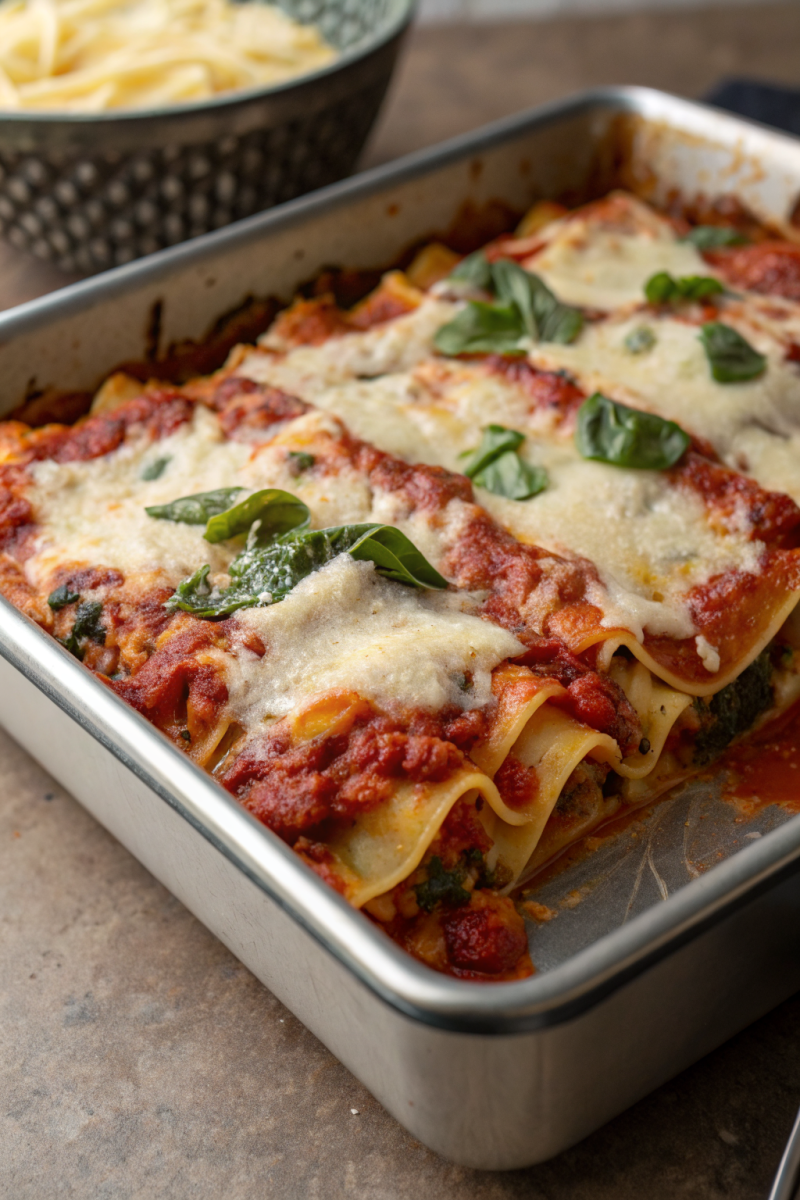
Lazy Lasagna Skillet: One-Pan Comfort for Busy Weeknights
The Lazy Lasagna Skillet combines heartiness, warmth, and nutrition in one convenient, family-friendly dish. This guide reveals how to make the perfect skillet lasagna — comforting, wholesome, and deeply flavorful, crafted with chef-level technique and time-saving ease. Forget the endless layering and multiple baking steps; this single-pan wonder brings all the classic flavors of lasagna to your table with minimal fuss, making it an ideal candidate for busy weeknights or a cozy weekend meal.
The Enduring Appeal of Lazy Lasagna Skillet in Modern Kitchens
In today’s fast-paced world, the appeal of a dish like the Lazy Lasagna Skillet is undeniable. It hits all the right notes: comfort food that feels elaborate without requiring hours of effort, delicious flavors that satisfy the whole family, and a versatility that welcomes customization. Traditional lasagna, while beloved, can be a daunting task, involving boiling noodles, making multiple sauces, layering carefully, and then a long baking time. The skillet version strips away the complexity, consolidating ingredients and cooking methods into a single pan, delivering a similar satisfying experience with significantly less cleanup and prep time. This modern interpretation allows home cooks to enjoy the rich, savory taste of lasagna without sacrificing precious time, making it a staple for efficiency-minded food enthusiasts. It’s a testament to how classic dishes can be reinvented to fit contemporary lifestyles, proving that gourmet flavor doesn’t always require a complicated process.
Deconstructing the Dish: What Makes a Lazy Lasagna Skillet So Good?
The magic of a Lazy Lasagna Skillet lies in its ingenious simplification of a beloved classic. Instead of pre-boiling lasagna noodles, many recipes use broken lasagna noodles or even other pasta shapes that cook directly in the sauce. This absorbs the flavors directly, infusing every bite with rich tomato, herbs, and savory meat or vegetables. The “lazy” aspect comes from skipping the meticulous layering process. All ingredients are simply combined and cooked together in one pan, often covered, allowing the cheese to melt into a gooey, irresistible topping. This method not only saves time but also concentrates flavors, leading to a more homogenous and equally delicious result. The balance of textures—tender pasta, rich sauce, and melty cheese—is achieved with far less effort, making it a triumph of culinary ingenuity over complex tradition.
Core Ingredients for a Perfect Lazy Lasagna Skillet
Creating a truly exceptional Lazy Lasagna Skillet starts with selecting quality ingredients that build a robust flavor profile. While the beauty of this dish lies in its adaptability, a core set of components forms the foundation for success.
- 1 tbsp olive oil: The starting point for sautéing, adding a foundational richness.
- 1 lb ground meat (beef, Italian sausage, or a blend): Essential for a classic meaty lasagna flavor. For a vegetarian version, substitute with lentils or mushrooms.
- 1 onion, finely chopped: Aromatic base, adding sweetness and depth.
- 2 garlic cloves, minced: Crucial for that signature Italian flavor.
- 1 (28 oz) can crushed tomatoes: Provides the rich, tangy base of the sauce. Look for high-quality, San Marzano-style if possible.
- 1 (15 oz) can tomato sauce: Adds body and further tomato intensity.
- 1 cup water or chicken/vegetable broth: Helps cook the pasta and create the right sauce consistency.
- 6-8 lasagna noodles, broken into 2-3 inch pieces: The star pasta element, which cooks directly in the sauce.
- 1 tsp dried basil: Classic Italian herb, perfectly complementing the tomatoes.
- ½ tsp dried oregano: Another essential herb for authentic flavor.
- ¼ tsp red pepper flakes (optional): For a subtle heat kick.
- Salt and freshly ground black pepper to taste: Season generously throughout the cooking process.
- 1 cup ricotta cheese: For creamy pockets of goodness.
- ½ cup grated Parmesan cheese: Adds salty, umami notes into the ricotta mix and for topping.
- 2 cups shredded mozzarella cheese: The quintessential melty, gooey lasagna topping.
- Fresh parsley or basil, chopped: For garnish and a final fresh burst of flavor.
Step-by-Step Method for Your Ultimate Lazy Lasagna Skillet
Follow these steps to create a delicious and satisfying Lazy Lasagna Skillet with minimal effort.
Step 1 — Prepare Your Aromatics and Meat
Heat the olive oil in a large, oven-safe skillet (preferably cast iron or heavy-bottomed stainless steel) over medium-high heat. Add the ground meat, breaking it up with a spoon. Cook until browned and crumbled. If using a high-fat meat, drain off any excess grease. Add the chopped onion and cook until softened and translucent, about 5-7 minutes. Stir in the minced garlic and cook for another minute until fragrant, being careful not to burn it. This initial browning and sautéing step is crucial for building a deep flavor base for your Lazy Lasagna Skillet.

Step 2 — Build the Rich Tomato Sauce
Pour in the crushed tomatoes, tomato sauce, and water (or broth) into the skillet. Add the dried basil, oregano, and red pepper flakes (if using). Season generously with salt and black pepper. Stir well to combine all ingredients. Bring the sauce to a gentle simmer, then reduce the heat to low. Allow it to simmer for at least 10 minutes, uncovered, to let the flavors meld and the sauce thicken slightly. This simmering time allows the herbs to fully bloom and infuse the sauce with their aromatic qualities, which is key to a flavorful Lazy Lasagna Skillet.
Step 3 — Incorporate the Pasta
Carefully break the lasagna noodles into 2-3 inch pieces. Submerge these broken pieces directly into the simmering sauce, ensuring they are mostly covered by the liquid. If necessary, add a little more water or broth to ensure the pasta is submerged. Cover the skillet with a lid and cook for 15-20 minutes, or until the pasta is al dente. Stir occasionally to prevent the noodles from sticking together or to the bottom of the pan. This direct cooking method is what makes your Lazy Lasagna Skillet truly “lazy” and efficient, as it eliminates the need for a separate pasta pot.

Step 4 — Prepare the Cheesy Topping
While the pasta is cooking, prepare the cheese mixture. In a medium bowl, combine the ricotta cheese, ½ cup of grated Parmesan cheese, a pinch of salt, and a dash of black pepper. Mix until well combined. This creamy, seasoned ricotta mixture is what gives lasagna its distinctive texture and flavor, and it’s a crucial component for your Lazy Lasagna Skillet.
Step 5 — Assemble and Finish in the Skillet
Once the pasta is cooked and the sauce has thickened, remove the skillet from the heat. Spoon dollops of the ricotta mixture evenly over the top of the pasta and sauce. Sprinkle the shredded mozzarella cheese generously over the ricotta and the remaining sauce. If your skillet is oven-safe, you can transfer it to a preheated oven at 375°F (190°C) and bake for 10-15 minutes, or until the mozzarella is melted and bubbly and starts to turn golden brown. Alternatively, if your skillet isn’t oven-safe or you prefer not to use the oven, you can simply cover the skillet with the lid for 5-10 minutes, allowing the residual heat to melt the cheese. For an extra golden crust without an oven, you can briefly place the covered skillet under a broiler if your lid allows, watching it very carefully to prevent burning. This final step brings all the comforting cheese elements together for the perfect Lazy Lasagna Skillet.

Step 6 — Garnish and Serve
Once the cheese is perfectly melted and bubbly, remove the Lazy Lasagna Skillet from the oven or heat. Let it rest for 5-10 minutes before serving. This resting period allows the sauce to set slightly, making it easier to scoop and preventing it from being too watery. Garnish with fresh chopped parsley or basil for a burst of color and fresh flavor. Serve directly from the skillet to maintain warmth and for a rustic presentation. The aroma alone will have eager diners ready!
Nutrition Facts (per serving)
Please note these nutrition facts are estimates and can vary based on specific brands, exact measurements, and chosen ingredients (e.g., lean ground beef vs. regular, pasta type). This calculation is based on an average serving size from a recipe made with ground beef and full-fat dairy.
- Calories: Approximately 450-550
- Protein: 30-40g
- Carbohydrates: 40-50g (Fiber: 4-6g | Sugars: 8-12g)
- Fat: 20-30g (Saturated Fat: 10-15g)
- Sodium: 800-1200mg (can be reduced by using low-sodium broth and controlling added salt)
- Cholesterol: 80-120mg
The Lazy Lasagna Skillet is a substantial meal, providing a good balance of macronutrients. The protein content comes primarily from the ground meat and cheeses, supporting muscle health and satiety. Carbohydrates from the pasta and tomatoes offer an energy boost. While the fat content can be moderate to high, using leaner meats and low-fat dairy can help reduce it. The nutritional value is further boosted by the vitamins and minerals present in tomatoes and herbs. For more detailed nutritional information on common ingredients, Medical News Today provides excellent resources on food benefits and nutrition.
Healthy Variations and Dietary Adaptations
The beauty of the Lazy Lasagna Skillet is its flexibility, allowing for numerous healthy adjustments and dietary adaptations without sacrificing flavor.
Vegetarian and Vegan Options
- Meat Substitute: Replace ground meat with a combination of finely chopped mushrooms (like cremini or shiitake), crumbled firm tofu, or cooked
lentils. Sauté these substitutes with the onions and garlic to build flavor. - Extra Vegetables: Incorporate finely chopped zucchini, bell peppers, spinach, or kale when adding the tomato sauce. They will cook down beautifully and add extra nutrients to your Lazy Lasagna Skillet.
- Dairy-Free Cheeses: Use cashew-based ricotta (or homemade tofu ricotta) and plant-based mozzarella shreds to make the dish entirely dairy-free.
Gluten-Free Modifications
Easily make your Lazy Lasagna Skillet gluten-free by using gluten-free lasagna noodles. Many brands offer excellent gluten-free options that cook similarly to regular pasta, absorbing the sauce and providing that familiar texture. Alternatively, for a lower-carb option, you could use spiralized zucchini noodles (added at the very end to prevent them from becoming too mushy) or thinly sliced eggplant instead of pasta, creating a “Lazy Skillet Lasagna Bake” without the traditional pasta element.
Leaner and Lighter Options
- Leaner Protein: Opt for lean ground turkey or chicken instead of ground beef.
- Reduced Fat Dairy: Use part-skim ricotta and mozzarella cheese.
- Increased Vegetables: Double the amount of vegetables like spinach, bell peppers, or mushrooms to bulk up the dish with fewer calories and more fiber.
- Less Cheese: While cheese is delicious, reducing the amount of mozzarella or ricotta can cut down on fat and calories. A sprinkle of Parmesan for flavor might be enough.
Boosting Nutritional Content
- Add Legumes: Canned cannellini beans or chickpeas can be stirred into the sauce along with the tomatoes for added protein and fiber.
- Whole Wheat Pasta: If you’re not gluten-free, whole wheat lasagna noodles will increase the fiber content.
- Hidden Veggies: Puree carrots or bell peppers and blend them into the tomato sauce for undetectable added nutrients, especially good for picky eaters.
By making these simple adjustments, your Lazy Lasagna Skillet can be tailored to fit a wide range of dietary needs and preferences, proving that health and indulgence can coexist in one delicious pan.
Serving Suggestions for Your Lazy Lasagna Skillet
A Lazy Lasagna Skillet is a complete meal in itself, but pairing it with the right accompaniments can elevate the dining experience, adding freshness, texture, and balance.
- Fresh Green Salad: A crisp mixed green salad with a light vinaigrette is the perfect counterpoint to the rich, savory lasagna. The acidity and freshness cut through the richness beautifully. Consider a simple salad of mixed greens, cherry tomatoes, cucumber, and a lemon-herb dressing.
- Garlic Bread or Crostini: No Italian-inspired meal feels complete without something to sop up every last drop of that delicious sauce. Crusty garlic bread, a toasted baguette, or homemade Garlic Herb Flatbread are excellent choices commonly found in a cozy quick easy meals .
- Steamed Vegetables: For an extra dose of greens, serve a side of steamed broccoli, green beans, or asparagus. A touch of lemon juice and a pinch of salt on top will brighten them.
- Roasted Vegetables: Roasted vegetables like zucchini, bell peppers, or cherry tomatoes can complement the flavors of the Lazy Lasagna Skillet and add a rustic touch.
- Wine Pairing: For adults, a medium-bodied red wine like Chianti, Sangiovese, or a Merlot would pair wonderfully with the tomato and meat flavors.
- Dessert: Finish your meal with something light and complementary. Fresh fruit, a scoop of gelato, or even our Honey Oat Energy Bites from HomeCookLegacy.com would be a delightful end to a satisfying meal.
Common Mistakes to Avoid When Making Lazy Lasagna Skillet
While the Lazy Lasagna Skillet is designed for simplicity, a few common pitfalls can hinder your path to a perfect one-pan meal. Being aware of these can ensure a consistently delicious outcome.
- Not browning the meat sufficiently: Skimping on the browning step for your ground meat means missing out on crucial depth of flavor (Maillard reaction). Ensure it gets a nice, caramelized crust before adding other ingredients.
- Under-seasoning at different stages: Italian cooking thrives on layered flavors. Don’t just season at the end. Add salt and pepper with the meat, with the aromatics, and when adding the tomatoes. Taste as you go and adjust.
- Not enough liquid for the pasta: Since the noodles cook directly in the sauce, ensure they are mostly submerged. If the sauce looks too thick or the noodles aren’t covered, add a little extra water or broth to prevent them from becoming hard and uncooked in spots. Always check your Harvard Nutrition Source for proper ingredient balance.
- Overcrowding the skillet: Using a skillet that’s too small can lead to uneven cooking, noodles sticking together, and a soupy rather than saucy consistency. Use a large, wide skillet with high sides.
- Overcooking the pasta: Keep an eye on the cooking time once you add the pasta. You want al dente noodles, not mushy ones. Stir occasionally to ensure even cooking and prevent sticking.
- Rushing the sauce simmer: While it’s “lazy,” a quick simmer (10-15 minutes) for the tomato sauce before adding pasta allows the flavors to meld beautifully. Don’t skip this step.
- Not resting the skillet before serving: Just like baked lasagna, allowing the Lazy Lasagna Skillet to rest for 5-10 minutes after cooking allows the sauce to thicken slightly and makes serving much cleaner, preventing it from being too runny.
- Using low-quality ingredients: Since there are fewer ingredients, the quality of each one shines through. Use good quality crushed tomatoes, fresh garlic, and flavorful cheese for the best results.
Storage and Reheating Tips for Lazy Lasagna Skillet
One of the many benefits of the Lazy Lasagna Skillet is how well it stores and reheats, making it an excellent candidate for meal prep or enjoying leftovers throughout the week.
Storage
- Cooling: Always allow the Lazy Lasagna Skillet to cool down to room temperature before storing. This usually takes about 30 minutes to an hour. Placing hot food directly into the refrigerator can raise the internal temperature of the fridge, potentially affecting other foods and causing uneven cooling which can lead to bacterial growth.
- Refrigeration: Transfer any leftovers to airtight containers. Glass containers are excellent as they don’t stain or retain odors. Store in the refrigerator for up to 3-4 days. This makes it perfect for packed lunches or quick weeknight dinners later in the week.
- Freezing: If you’re looking to store it for longer, the Lazy Lasagna Skillet freezes beautifully. Once completely cooled, transfer individual portions or the entire dish (if using a freezer-safe container or oven-safe dish with a lid) into freezer-safe containers or resealable freezer bags. Ensure as much air as possible is removed to prevent freezer burn. It can be stored in the freezer for up to 2-3 months.
Reheating
- From the Refrigerator (Individual Portions):
- Microwave: Place a serving in a microwave-safe dish, cover loosely, and heat for 2-3 minutes, or until hot through, stirring halfway.
- Stovetop: Transfer a portion to a small saucepan. Add a splash of water or broth to loosen the sauce. Heat over medium-low heat, stirring occasionally, until heated through.
- From the Refrigerator (Whole Skillet):
- Oven: If the skillet is oven-safe, cover it tightly with foil and bake in a preheated oven at 350°F (175°C) for 20-30 minutes, or until thoroughly heated. Remove the foil for the last 5-10 minutes if you want the cheese to re-crisp slightly.
- From the Freezer (Individual Portions):
- Thawing: For best results, thaw frozen portions overnight in the refrigerator before reheating. Then follow the refrigeration reheating instructions.
- Direct from Frozen (Microwave): Place a serving in a microwave-safe dish, cover loosely, and heat for 5-7 minutes, stirring halfway, until hot. It may take longer depending on your microwave wattage.
- Direct from Frozen (Oven): Transfer frozen lasagna to an oven-safe dish, cover with foil, and bake at 350°F (175°C) for 45-60 minutes, or until heated through.
Tips for Best Results:
- Add Moisture: When reheating, especially on the stovetop or in the microwave, adding a tiny splash of water or broth can help prevent the sauce from drying out and keep the pasta from becoming too stiff.
- Don’t Overheat: Reheat gently. Overheating can lead to dry pasta and a tough sauce.
- Cheese Refresh: If you want the topping cheese to be bubbly and fresh again, you can sprinkle a little extra mozzarella on top before the final few minutes of reheating in the oven or microwave.
With these storage and reheating tips, your Lazy Lasagna Skillet will remain a convenient and delicious meal throughout the week, offering comforting flavors with minimal fuss each time you enjoy it.
Conclusion
The Lazy Lasagna Skillet stands as a testament to the fact that culinary genius often lies in simplification. This single-pan marvel delivers all the beloved, hearty flavors of traditional lasagna—rich tomato sauce, savory meat, tender pasta, and gooey melted cheese—without the labor-intensive layering and extended baking times. It’s a dish perfectly suited for the demands of modern life, offering a comforting, satisfying, and deeply flavorful meal that comes together with remarkable ease and cleanup confined to just one pan.
Whether you’re a busy parent looking for a quick weeknight solution, an aspiring home cook building confidence in the kitchen, or simply someone craving the nostalgic taste of lasagna without the fuss, the Lazy Lasagna Skillet is your answer. Its adaptability to various dietary needs, from vegetarian to gluten-free, further enhances its appeal, ensuring that everyone can enjoy a slice (or scoop) of this delicious creation. By following this comprehensive guide, from ingredient selection to nuanced cooking techniques and smart storage, you’re not just making a meal; you’re crafting an experience that brings warmth, satisfaction, and effortless joy to your table. The Lazy Lasagna Skillet proves that healthy, wholesome food can indeed be both rich and comforting, delivering warmth in every spoonful without compromising on flavor or ease.
FAQ
- Can I use different types of pasta? Yes, you can! While broken lasagna noodles are traditional for this dish, you can experiment with other pasta shapes like rotini, penne, or even rigatoni. Adjust cooking time as needed per package instructions, ensuring there’s enough liquid for them to cook in the sauce.
- How can I make it spicier? To add more heat to your Lazy Lasagna Skillet, increase the amount of red pepper flakes, or add a pinch of cayenne pepper with the spices. You could also stir in a tablespoon of your favorite hot sauce at the end.
- What’s the best type of tomato to use? For the deepest flavor, crushed San Marzano tomatoes are often recommended, but any good quality crushed tomatoes will work well. Diced tomatoes can also be used if you prefer a chunkier sauce.
- Can I add vegetables other than onions and garlic? Absolutely! This is an excellent way to boost the nutrition and flavor of your Lazy Lasagna Skillet. Sauté diced bell peppers, shredded carrots, or mushrooms with the onions, or stir in fresh spinach or kale during the last few minutes of cooking so they wilt down.
- How do I prevent the pasta from sticking together? Stir the pasta occasionally during its cooking time in the sauce to prevent it from clumping. Also, ensure there is enough liquid; if the sauce reduces too much, add a little extra water or broth.
- Can I prepare this dish ahead of time? You can prepare the meat sauce ahead of time and store it in the refrigerator for up to 3 days. When ready to cook, reheat the sauce, add the broken lasagna noodles, and proceed with the remaining steps. This is a great meal prep strategy.
- What if my skillet isn’t oven-safe? No problem! After adding the cheese, simply cover the skillet with a tight-fitting lid and let it sit on the stovetop over very low heat for 5-10 minutes, or until the cheese is melted and bubbly from the residual heat.
- Why does my lasagna skillet seem watery? This can happen if there was too much liquid added initially, or if the sauce wasn’t allowed to simmer long enough to thicken before adding the pasta. To fix it, remove the lid and simmer gently for a few extra minutes to allow some liquid to evaporate.
- What kind of cheese is best for the topping? A blend of mozzarella and Parmesan is classic for lasagna. You can also add some provolone for extra sharpness or a touch of fontina for creaminess. Use freshly grated cheese for the best melt and flavor.
Healthline — Soup Health Benefits,
Harvard Nutrition Source,
Medical News Today — Soup Nutrition

creates quick vegetarian dinners and vibrant taco recipes.