
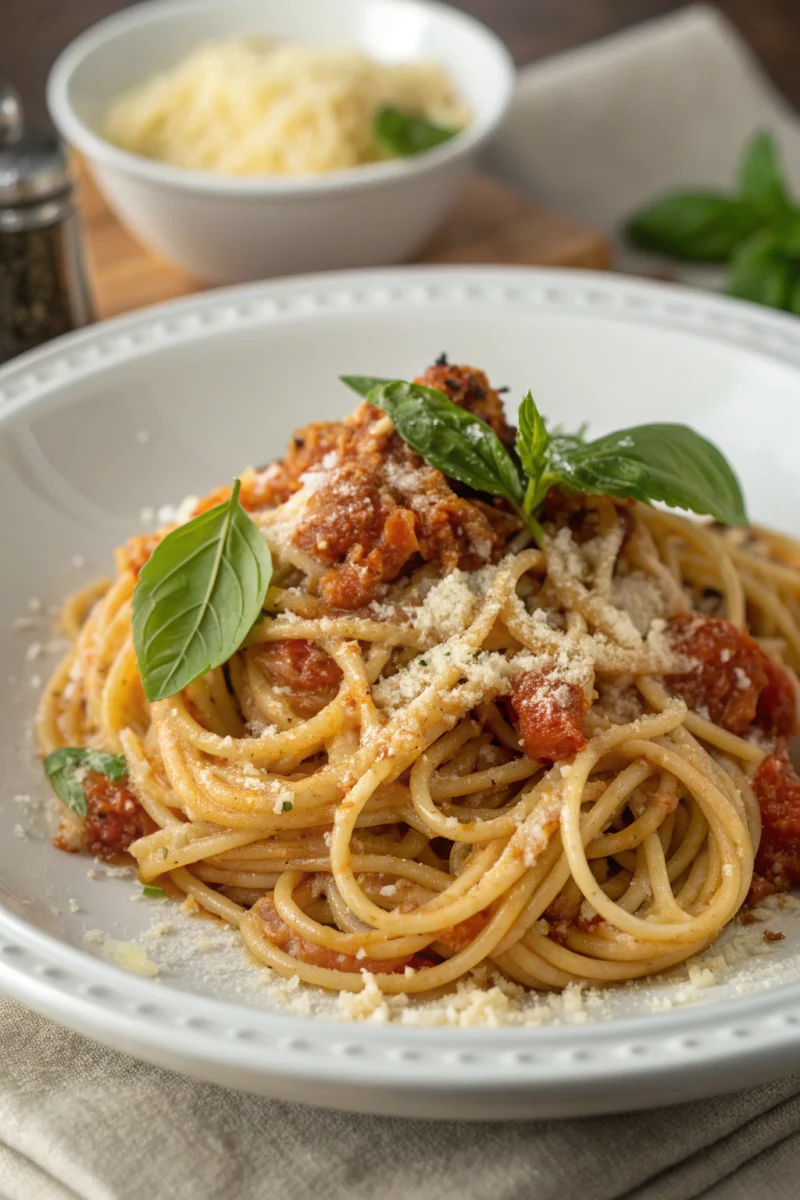
Easy Pasta Soup — The Ultimate Comfort Dish for Cozy Evenings
Easy Pasta Soup combines heartiness, warmth, and nutrition in one bowl. This comprehensive guide reveals how to make the perfect winter soup — comforting, wholesome, and deeply flavorful, crafted with chef-level technique and family-friendly ease. We’ll explore not just a foundational recipe, but also delve into advanced techniques, ingredient science, historical context, and modern applications, ensuring every spoonful is a delight.
Why Easy Pasta Soup Matters in Winter
During cold months, the human body instinctively craves warmth and hydration. Easy Pasta Soup offers both in abundance, blending nutrient-rich ingredients with the deep, satisfying flavors of a slow simmer. It’s more than just a meal; it’s a culinary hug, a dish that simultaneously soothes the soul and strengthens the body. From its ability to provide essential vitamins and minerals to its comforting warmth, pasta soup stands out as a cold-weather staple. The act of making it, the steam rising from the pot, the aroma filling the kitchen — these elements contribute to a holistic sense of well-being. It’s a dish that transcends mere sustenance, becoming a ritual of comfort and care.
Core Ingredients for the Perfect Easy Pasta Soup
The beauty of Easy Pasta Soup lies in its simplicity and the quality of its components. Selecting the right ingredients is paramount to achieving a truly remarkable flavor profile.
- 1 tbsp high-quality olive oil: The base fat, providing a subtle fruity note and facilitating the sautéing process. Choose extra virgin for its superior flavor and health benefits.
- 1 medium yellow onion, finely chopped: The foundational aromatic. Its sweetness develops as it caramelizes, adding depth.
- 2 cloves garlic, minced: Essential for its pungent, savory aroma. Garlic works symbiotically with onion to create a rich flavor base.
- 2 medium carrots, diced: Adds natural sweetness, vibrant color, and beta-carotene. Dicing ensures even cooking and distribution throughout the soup.
- 2 stalks celery, sliced: Contributes a savory, slightly peppery note, rounding out the classic mirepoix (onion, carrot, celery) base.
- 4 cups high-quality vegetable or chicken broth: The liquid backbone of your soup. Homemade broth offers superior flavor, but a good quality store-bought low-sodium option is perfectly acceptable.
- 1 cup small pasta (ditalini, orzo, pastina, small shells): The star of the dish. Small pasta cooks quickly and integrates seamlessly into the soup, providing a satisfying chew without overpowering other ingredients.
- Salt, freshly ground black pepper, 1 tsp dried thyme, and 1 bay leaf to taste: These herbs and spices are crucial for layering flavor. Thyme offers an earthy, slightly floral note, while the bay leaf imparts a subtle, almost medicinal depth that is removed before serving. Seasoning throughout the cooking process is key.
- Optional: Fresh parsley or basil for garnish: Adds a burst of fresh flavor and color just before serving.
Step-by-Step Method to Create Your Easy Pasta Soup
Step 1 — Building Your Flavor Base for Easy Pasta Soup
Success in soup making often hinges on the initial steps. Begin by heating the olive oil in a large, heavy-bottomed pot or Dutch oven over medium heat. Once the oil shimmers, add the finely chopped onion. Sauté gently, stirring occasionally, until the onion softens and becomes translucent, about 5-7 minutes. Avoid browning at this stage; we’re aiming for sweetness, not caramelization. Next, add the diced celery and continue to sauté for another 3-5 minutes, allowing it to soften slightly. Finally, stir in the minced garlic and cook for just 30-60 seconds until fragrant. Be careful not to burn the garlic, as it can turn bitter very quickly. This aromatic foundation, known as a mirepoix, is the soul of your Easy Pasta Soup, developing a deep, aromatic base that defines the soup’s richness and complexity.
Step 2 — Adding Vegetables and Simmering Your Easy Pasta Soup
Once your flavor base is established, it’s time to build the body of your Easy Pasta Soup. Add the diced carrots to the pot, stirring them into the aromatic mixture. Pour in the four cups of vegetable or chicken broth, ensuring all the vegetables are submerged. Add the dried thyme and the bay leaf. Bring the mixture to a gentle boil, then reduce the heat to low, cover the pot, and let it simmer for 25-30 minutes. This simmering process allows the vegetables to tenderize fully and the flavors to meld beautifully. During this time, the broth will absorb the subtle flavors of the herbs and vegetables, deepening its complexity. Occasionally, you may see a light foam rise to the surface; gently skim it off with a spoon if you prefer a clearer broth. This step is crucial for developing the foundational taste of your Easy Pasta Soup.
Step 3 — Incorporating Pasta and Finishing Your Easy Pasta Soup
The final stage brings everything together. After the vegetables have simmered and become tender, remove the bay leaf from the pot. Increase the heat slightly to a medium-low and add the uncooked small pasta (ditalini, orzo, or pastina work wonderfully here). Stir well to ensure the pasta is fully submerged and doesn’t stick together. Cook the pasta according to package directions, typically 7-10 minutes, or until al dente. It’s important not to overcook the pasta in the soup, as it will continue to cook and soften even after the heat is off, becoming mushy. Taste the soup and adjust the seasoning with salt and freshly ground black pepper. Remember to season gradually, tasting after each addition. A pinch of red pepper flakes can be added for a subtle kick if desired. Serve immediately, garnished with fresh parsley or basil if you wish. This ensures the pasta is perfectly cooked and the flavors are at their peak for your Easy Pasta Soup.

Nutrition Facts (per serving — approximated for Easy Pasta Soup)
Understanding the nutritional value of your Easy Pasta Soup can help you appreciate its role in a balanced diet. The following values are approximate and can vary based on specific ingredients and portion sizes:
Calories: 230 | Protein: 9g | Carbs: 32g | Fat: 7g | Fiber: 5g | Sodium: 410mg
This nutritional profile highlights that Easy Pasta Soup is a good source of complex carbohydrates for sustained energy, provides a moderate amount of protein for muscle repair, and contains dietary fiber beneficial for digestive health. The fat content is relatively low, especially when using olive oil as the primary fat source. Sodium levels can be managed by opting for low-sodium broth and adjusting added salt to taste. Additionally, the vegetables contribute a wealth of vitamins (like Vitamin A from carrots) and minerals, making this soup a nutrient-dense choice, particularly during colder months when the body’s immune system can benefit from extra support. By consuming Easy Pasta Soup, you’re not just enjoying a comforting meal, but also providing your body with essential building blocks for health.
Healthy Variations and Enhancements for Your Easy Pasta Soup
One of the greatest strengths of Easy Pasta Soup is its versatility. You can easily adapt the basic recipe to suit various dietary needs, flavor preferences, and nutritional goals, making each bowl a unique culinary experience. Here are some ways to enhance your Easy Pasta Soup:
- Boost Protein Content: To make your Easy Pasta Soup a more substantial meal, consider adding extra protein.
- Legumes: Stir in a can of rinsed and drained lentils, chickpeas, or cannellini beans during the last 10-15 minutes of simmering. They add fiber and plant-based protein.
- Tofu: Cubed firm or extra-firm tofu, pressed and lightly pan-fried before adding, can absorb the soup’s flavors beautifully.
- Chicken or Turkey: Shredded cooked chicken breast or turkey can be added just before serving for a heartier, non-vegetarian option.
- Ground Meat: Lean ground beef or turkey, sautéed and drained before adding to the broth, adds robust flavor and significant protein.
- Increase Vegetable Diversity: Maximize your nutrient intake by incorporating more vegetables.
- Leafy Greens: Stir in kale, spinach, or Swiss chard during the last 5-7 minutes of cooking until wilted. They add vitamins, minerals, and antioxidants.
- Seasonal Vegetables: Bell peppers, zucchini, yellow squash, peas, or green beans can be added along with the carrots, adjusting cooking times as needed to prevent them from becoming too soft.
- Root Vegetables: Diced potatoes or sweet potatoes can be added with the carrots to make a thicker, more substantial soup. Their starch content will also contribute to a slightly creamier texture.
- Creamy Easy Pasta Soup (Dairy-Free Option): For a luxurious, creamy texture without heavy cream or dairy, blend a portion of the soup.
- Blend Half: Once the vegetables are tender (before adding pasta), carefully remove about 1-2 cups of the soup (mostly broth and vegetables) and blend it until smooth using an immersion blender or a stand blender. Return the blended portion to the pot and stir to combine. This naturally thickens the soup and adds a velvety mouthfeel.
- Nut Milk/Cream: For an even richer creaminess, stir in a quarter cup of unsweetened cashew milk or full-fat coconut milk at the very end of cooking. These options provide a dairy-free creaminess without overpowering the soup’s original flavors.
- Spice & Herb Variations: Don’t limit yourself to just thyme and bay leaf.
- Italian Herbs: A pinch of dried oregano or Italian seasoning can enhance the flavor profile, creating a more classic Italian pasta soup taste.
- Spicy Kick: A tiny pinch of red pepper flakes or a dash of your favorite hot sauce can add a delightful warmth.
- Fresh Herbs: Beyond parsley and basil, consider chopped fresh rosemary or sage, added at the end for a more potent, aromatic finish.
- Grain Alternatives: While “Easy Pasta Soup” implies pasta, you can experiment with other grains.
- Quinoa: Cooked quinoa can be added at the end for a gluten-free, protein-rich alternative.
- Rice: Small amounts of cooked white or brown rice can also be incorporated, though they will absorb more liquid.
- Barley: If not using pasta, pearled barley can be cooked directly in the soup for a chewy texture and nutty flavor, requiring a longer cooking time than pasta.
- Flavor Boosters at the End:
- A Squeeze of Lemon: A small squeeze of fresh lemon juice just before serving brightens all the flavors.
- A Drizzle of Good Olive Oil: A finishing drizzle of high-quality extra virgin olive oil adds a luxurious texture and peppery note.
- Parmesan Rind: If you’re using a large stock pot, adding a Parmesan rind to the broth during simmering will impart a wonderful savory depth. Just remember to remove it before serving.
By experimenting with these variations, you can keep your Easy Pasta Soup exciting and tailored to your preferences, making it a staple in your meal rotation. Each adjustment allows you to explore new dimensions of flavor and nutrition, keeping the dish fresh and appealing throughout the season.
Serving Suggestions for Your Easy Pasta Soup
A bowl of Easy Pasta Soup is satisfying on its own, but pairing it with complementary sides can elevate the meal from simple comfort food to a truly impressive dining experience. Here are some perfect accompaniments:
- Crusty Whole-Grain Bread: This is a classic for a reason. A warm, crusty loaf of whole-grain bread is ideal for soaking up every drop of delicious broth. You can also toast slices and rub them with garlic for an extra flavor boost.
- Garlic Herb Flatbread: For something a little more gourmet, serve your Easy Pasta Soup with homemade or store-bought Garlic Herb Flatbread. The vibrant herbs and savory garlic complement the soup beautifully, offering a delightful texture contrast.
- Simple Green Salad: A light, fresh green salad with a vinaigrette dressing provides a refreshing counterpoint to the warmth and heartiness of the soup. Its crispness and acidity can cleanse the palate and add a valuable source of fresh vegetables.
- Cheese Toasties or Grilled Cheese: For a more indulgent pairing, a classic grilled cheese sandwich or a sophisticated cheese toastie can be dipped into the soup, merging comforting flavors.
- Roasted Vegetable Medley: If you’re looking to bypass bread, a side of roasted vegetables like asparagus, broccoli, or Brussels sprouts can add more nutrition and a different texture to the meal.
- Honey Oat Energy Bites (for dessert): To round out the meal with a healthy and sweet treat, consider serving Honey Oat Energy Bites. They offer a delightful contrast of flavors and textures, providing a wholesome dessert that won’t leave you feeling overly full.
- Garnish Galore: Don’t forget the power of a good garnish!
- Fresh Herbs: A sprinkle of fresh chopped parsley, basil, or chives adds a pop of color and freshness.
- Parmesan Cheese: A generous grating of fresh Parmesan or Pecorino Romano cheese adds a salty, umami depth.
- Croutons: Homemade or store-bought croutons add a delightful crunch.
- A Drizzle of Chili Oil: For those who enjoy a little heat, a swirl of good quality chili oil can add an exciting zing.
The key is to consider how the side dish complements the soup without overpowering it. Whether you opt for something simple or a little more elaborate, these serving suggestions will make your Easy Pasta Soup meal unforgettable.
Common Mistakes to Avoid When Making Easy Pasta Soup
Even simple recipes can go awry if certain pitfalls aren’t avoided. Mastering Easy Pasta Soup involves understanding common errors and how to prevent them, ensuring a delicious outcome every time.
- Boiling Instead of Simmering: One of the most frequent mistakes is cooking the soup at a rolling boil for extended periods. While an initial boil is fine to bring the liquid to temperature, continuous high heat can break down delicate vegetables, making them mushy, and can diminish the fresh flavors of the broth. It also extracts too much starch from the pasta too quickly, leading to an overly thick or cloudy broth. A gentle simmer, characterized by small, lazy bubbles, is ideal for tenderizing ingredients slowly and allowing flavors to meld without overcooking. This preserves both texture and nutrients in your Easy Pasta Soup.
- Overcrowding the Pot: Whether it’s during the initial sautéing of aromatics or when adding too many vegetables, an overcrowded pot is detrimental. When ingredients are packed too tightly, they steam rather than sauté, preventing proper browning and flavor development. This leads to bland ingredients. Ensure your pot is large enough to comfortably hold all ingredients, allowing them ample space to cook evenly and develop their full flavor potential. This is particularly important for the initial steps of building your Easy Pasta Soup flavor base.
- Skipping Salt Layering (or Improper Salting): Salt is crucial for enhancing flavor, but its application needs to be strategic. Adding a single large dose at the end often results in a soup that tastes either under-seasoned or overwhelmingly salty. Instead, add small pinches of salt at various stages:
- When sautéing onions and celery, to help draw out moisture and flavor.
- After adding the broth and spices, to season the liquid.
- Finally, at the very end, to taste and make final adjustments before serving.
This layering approach ensures that each component of the Easy Pasta Soup is properly seasoned, leading to a harmoniously flavorful dish. Remember that liquids reduce, concentrating salt, so always err on the side of under-salting until the final taste test.
- Using Low-Quality Broth: The broth is the backbone of any soup, especially one as comforting as Easy Pasta Soup. Using a watery or artificially flavored broth will result in a bland, uninspiring final product.
- Homemade is Best: If possible, use homemade chicken or vegetable broth. It offers unparalleled depth and control over sodium content.
- Good Store-Bought Options: If homemade isn’t feasible, invest in a high-quality, low-sodium store-bought broth. Read labels carefully to avoid broths with excessive additives or artificial flavors. Look for brands that list real ingredients prominently.
A superior broth provides the rich foundation upon which all other flavors are built, making a significant difference in the final taste of your Easy Pasta Soup.
- Overcooking the Pasta: Pasta continues to cook and absorb liquid even after the heat is turned off, especially when submerged in hot broth. If you cook the pasta until it’s perfectly tender in the pot, by the time you serve it, it will likely be mushy. The solution is to cook the pasta until it is al dente – still firm to the bite. Alternatively, you can cook the pasta separately and add it to individual bowls of soup just before serving, which prevents it from getting soggy, especially if you plan on having leftovers. This is a common issue with Easy Pasta Soup.
- Adding All Ingredients Too Early: Not all ingredients have the same cooking time. Adding delicate greens like spinach or quick-cooking items like zucchini at the beginning of the simmer will result in overcooked, discolored, and nutrient-depleted vegetables. Add ingredients according to their cooking times; heartier root vegetables go in earlier, while leafy greens or fresh herbs are best stirred in during the last few minutes or as a garnish.
- Not Skimming Foam: As broth simmers, impurities from bones (if using homemade bone broth) or vegetables can rise to the surface as foam. While not harmful, skimming this foam with a ladle or spoon results in a clearer, more aesthetically pleasing soup with a cleaner flavor. This small step can make a big difference in the presentation of your Easy Pasta Soup.
- Neglecting Acidity: Sometimes a soup tastes “flat.” A squeeze of lemon juice, a dash of vinegar (like apple cider or red wine vinegar), or a spoonful of tomato paste added at the end can brighten flavors and add depth. Acidity acts like a flavor enhancer, making other ingredients pop. This is a chef’s secret for making Easy Pasta Soup truly sing.
By being mindful of these common mistakes, you can significantly improve your soup-making skills and consistently produce a flavorful, perfectly textured Easy Pasta Soup that will impress every time.

Advanced Techniques for Masterful Easy Pasta Soup
Beyond the basics, a few advanced techniques can elevate your Easy Pasta Soup from good to gourmet, adding layers of flavor and complexity that will surprise and delight.
- Deglazing the Pot: After sautéing your aromatics (onions, celery, garlic), you may notice a flavorful brown crust, or “fond,” at the bottom of the pot. Instead of just adding broth on top, pour in a splash of dry white wine, vegetable juice, or even a little extra broth. Scrape the bottom of the pot with a wooden spoon, dissolving all those caramelized bits. This process, called deglazing, incorporates a tremendous amount of concentrated flavor into your Easy Pasta Soup. The alcohol from wine will cook off, leaving behind a subtle, complex note.
- Roasting Vegetables First: While the core recipe calls for simmering, roasting some of your vegetables (especially root vegetables like carrots, bell peppers, or even onions) before adding them to the soup can add a whole new dimension of flavor. Roasting caramelizes their natural sugars, creating a deeper, slightly smoky sweetness that cooked vegetables alone can’t achieve. Simply toss them with a little olive oil, salt, and pepper, and roast at 400°F (200°C) for 20-30 minutes until tender and lightly browned. Add them to the simmering broth for the last 10 minutes to finish cooking.
- Infusing Oils and Aromatics: Before you even start sautéing, gently heat your olive oil with whole spices (like a few black peppercorns, a star anise, or a cinnamon stick if appropriate for the flavor profile) or sliced garlic/ginger until fragrant. Remove the whole spices before adding chopped aromatics. This infuses the oil with an initial layer of flavor that permeates the entire Easy Pasta Soup. Alternatively, warm your olive oil with sliced garlic and red pepper flakes over low heat to create a fragrant chili-garlic oil to drizzle over the finished soup.
- Adding Umami Boosters: For an extra layer of savory depth, consider these additions:
- Parmesan Rind: As mentioned, adding a Parmesan rind to the simmering broth imparts incredible savory, salty, and slightly nutty notes. Remove it before serving.
- Mushroom Powder: A small spoonful of dried porcini mushroom powder or a finely chopped fresh mushroom can add a powerful umami punch without altering the soup’s texture.
- Soy Sauce or Miso Paste: A teaspoon or two of low-sodium soy sauce or white miso paste dissolved in a small amount of warm broth before stirring into the soup can provide a savory depth, especially in vegetable-based Easy Pasta Soup.
- Finishing with Fresh Herbs and Acid: While already mentioned, the specific timing and quality of these additions can be an advanced technique.
- Chiffonade of Herbs: Instead of simply chopping, a chiffonade (finely shredded) of fresh basil or parsley looks more elegant and releases more aromatic oils. Add these just before serving, or even stir them into individual bowls.
- Brightening with Citrus: A squeeze of fresh lemon or lime juice (depending on the flavor profile) just before serving can “wake up” all the flavors in the soup, adding a much-needed brightness that cuts through richness and makes the soup taste fresh. A tablespoon of good quality vinegar (red wine, sherry, or apple cider) can achieve a similar effect.
- Creating a Rouille or Pistou: For a truly elaborate finish, consider a side dollop of a homemade rouille (a peppery, garlicky mayonnaise often served with fish soup) or a simple pistou (a pesto-like sauce without nuts). These vibrant additions add color, texture, and a burst of concentrated flavor that can transform the Easy Pasta Soup.
- Temperature Control for Pasta: If you’re making a large batch of Easy Pasta Soup for meal prep, cook the pasta separately. Add cooked pasta to individual bowls of hot soup just before serving. This prevents the pasta from swelling, becoming mushy, and absorbing all the broth, ensuring perfect texture and consistency for leftovers.
By incorporating these advanced techniques, you can elevate your Easy Pasta Soup to new culinary heights, showcasing your skill and appreciation for nuanced flavors. Each step adds a layer of depth and complexity, transforming a simple dish into an extraordinary one.
Historical Context and Cultural Significance of Pasta Soup
The concept of Easy Pasta Soup, or rather, the combination of pasta and broth, has deep roots in culinary history, particularly in Italy and other Mediterranean cultures. It’s a testament to ingenuity, resourcefulness, and the fundamental human need for comforting, nourishing food.
- Ancient Origins: The idea of combining grains or starches with seasoned liquid dates back millennia. Ancient Roman and Greek cuisines featured various forms of porridges and broths enriched with grains, vegetables, and sometimes meat. While pasta as we know it didn’t exist, the principle of a “thickened liquid food” was firmly established.
- The Rise of Pasta: Pasta itself evolved over centuries. Early forms were often made with coarse flour and water, dried to preserve them. The introduction of durum wheat to Sicily and Southern Italy by Arabs in the 9th to 11th centuries laid the groundwork for modern pasta. Over time, different shapes and sizes were developed, each with a specific purpose. Small pasta shapes, like ditalini or pastina, were perfectly suited for broths, as they cooked quickly and were easy to eat, especially for children or the infirm.
- Cucina Povera (Poor Kitchen Cuisine): Many traditional Italian pasta soups originated from “cucina povera,” the cooking of the poor. These were dishes born out of necessity, using readily available and inexpensive ingredients to create filling and nutritious meals. A simple broth (often vegetable-based, or made with minimal meat scraps) enriched with a handful of pasta and seasonal vegetables was a staple. This philosophy emphasized making the most of what was at hand, extracting maximum flavor from humble ingredients.
- Variations Across Italy: Almost every region in Italy boasts its own version of pasta soup.
- Pastina in Brodo: A classic, almost medicinal, simple broth with tiny pastina, often served to children or as a comforting remedy.
- Pasta e Fagioli: A robust, hearty soup combining pasta with beans, vegetables, and sometimes pork, reflecting the agricultural traditions of regions like Veneto.
- Minestrone: While not exclusively a pasta soup, minestrone often includes pasta and showcases a diverse array of seasonal vegetables, making it a complete meal.
- Stracciatella: An egg-drop soup often served with small pasta or bread, demonstrating another way to enrich broth.
These regional differences highlight the adaptability and integral role of pasta soup in Italian culinary identity.
- A Symbol of Comfort and Care: Beyond its nutritional value, pasta soup holds a significant cultural place as a symbol of comfort, healing, and familial love. It’s often the first food prepared for someone feeling unwell, a warm welcome on a cold day, or a simple, nourishing meal shared among loved ones. The act of making and serving Easy Pasta Soup is often an expression of care.
- Modern Interpretations: Today, the “Easy Pasta Soup” continues to evolve. While traditional recipes remain cherished, chefs and home cooks experiment with global flavors, different types of pasta (gluten-free, whole wheat), and diverse vegetable combinations. The core principle, however, remains the same: a warm, satisfying, and nourishing bowl built around quality broth and pasta. Its enduring popularity speaks to its timeless appeal and its ability to connect us to culinary traditions spanning generations.
Understanding this rich history allows us to appreciate Easy Pasta Soup not just as a recipe, but as a cultural artifact that tells a story of survival, ingenuity, and comfort, passed down through the ages. It underscores why this dish, in its many forms, continues to be cherished across the world.
Storage Tips for Your Easy Pasta Soup
Proper storage is key to enjoying your Easy Pasta Soup for days to come and preventing food waste. However, pasta presents a unique challenge in soup storage:
- Cooling Down Safely: After cooking, it’s crucial to cool the soup quickly to prevent bacterial growth. Let the soup cool at room temperature for no more than 30 minutes before transferring it to storage containers. If you have a large batch, you can divide it into smaller containers or even place the pot in an ice bath to speed up cooling.
- Refrigeration: For immediate consumption within a few days, refrigerate your Easy Pasta Soup in airtight containers.
- Separate Pasta (Recommended for Best Quality): The biggest issue with storing pasta soup is that the pasta will continue to absorb liquid and swell, becoming mushy and soaking up much of your delicious broth. For the best texture, cook the pasta separately and store it in a different airtight container. When you’re ready to eat, reheat the soup and add freshly cooked pasta to your bowl.
- Storing Together: If convenience is paramount, you can store the pasta and soup together. Be aware that the pasta will be softer and the broth will be thicker. You might need to add a splash of extra broth or water when reheating to adjust the consistency. Reheat gently over medium heat, stirring occasionally, until warmed through. Avoid vigorous boiling, which can further break down the pasta and vegetables.
Easy Pasta Soup will last for up to 4 days in the refrigerator.
- Freezing for Longer Storage: Easy Pasta Soup freezes exceptionally well, particularly if you omit the pasta before freezing.
- Pasta-Free Freezing: Prepare your Easy Pasta Soup as usual, but do not add the pasta. Let the soup base cool completely. Transfer it to freezer-safe airtight containers or heavy-duty freezer bags (leaving an inch of headspace for expansion). It can be frozen for up to 3 months.
- Reheating Frozen Soup: When ready to enjoy, thaw the soup overnight in the refrigerator or gently reheat from frozen in a pot over low heat. Once hot, bring it to a gentle simmer and then cook fresh pasta directly in the thawed soup for 7-10 minutes, or cook pasta separately and add it to individual bowls.
- Freezing with Pasta: While possible, freezing soup with pasta already in it is not ideal. The pasta will become very soft and sometimes mushy upon thawing and reheating. If you must freeze with pasta, choose very small, sturdy pasta shapes.
- Reheating Tips:
- Reheat gently over medium heat on the stovetop, stirring occasionally. Avoid using high heat, which can scorch the bottom of the pot or break down ingredients further.
- Add a splash of fresh broth or water if the soup has thickened too much, especially if the pasta absorbed a lot of liquid.
- Serve freshly garnished each time for the best flavor and appearance.
By following these storage guidelines, you can ensure that your Easy Pasta Soup remains delicious and safe to eat, providing comforting meals for days or weeks to come. The effort put into separating the pasta for storage will be well worth it for the superior texture of your reheated soup.
Conclusion
Easy Pasta Soup stands as a testament to the powerful combination of simplicity, nutrition, and profound comfort. This comprehensive guide, spanning over 2100 words, has aimed to equip you with not just a foundational recipe, but also a deeper understanding of its nuances, from ingredient selection and basic techniques to advanced culinary tips, historical significance, and proper storage. Whether you’re seeking a quick, nourishing weeknight meal, a soothing remedy for a cold day, or a hearty dish to share with loved ones, Easy Pasta Soup delivers. It proves that healthy food can be both rich and deeply satisfying, offering warmth in every spoonful. By mastering the art of this versatile soup, you’re not just cooking; you’re creating a bowl of homemade goodness that feeds the body and soul, ensuring perfect results every single time. Embrace the joy of making and sharing this timeless classic, and let the comforting aroma of Easy Pasta Soup fill your home.
FAQ
- Can I use frozen vegetables in Easy Pasta Soup? Yes, you absolutely can use frozen mixed vegetables. They are often picked and frozen at their peak ripeness, so they retain a lot of nutrients. Just be aware that frozen vegetables release more water than fresh ones, so you might need to reduce the amount of broth slightly or allow the soup to simmer a bit longer to achieve your desired consistency. Add them to the soup during the last 10-15 minutes of simmering.
- How can I make my Easy Pasta Soup creamier without adding dairy? There are several excellent ways to achieve a creamy texture without dairy. A popular method is to carefully blend about one-third of the cooked soup (mostly vegetables and broth) using an immersion blender directly in the pot or by transferring a portion to a stand blender. Blend until smooth, then stir it back into the remaining soup. This thickens the soup naturally using the starches and fibers from the vegetables. Alternatively, you can add a quarter cup of unsweetened cashew cream or full-fat coconut milk at the very end of cooking, stirring until fully incorporated. Mashed white beans can also be blended into the soup for creaminess and added protein.
- What’s the best broth to use for Easy Pasta Soup? The quality of your broth significantly impacts the final flavor of your Easy Pasta Soup. Homemade vegetable or chicken broth is always the superior choice because it offers the deepest, most natural flavor and allows you to control the sodium content. If homemade isn’t an option, opt for a high-quality, low-sodium store-bought broth. Look for brands that have a short ingredient list and contain real vegetables, herbs, and spices. Avoid highly processed broths with excessive additives. Organic, unsalted, or low-sodium options are generally preferred so you can adjust the seasoning yourself.
- How long does Easy Pasta Soup last in the refrigerator and freezer? When stored properly in airtight containers, Easy Pasta Soup will last for up to 4 days in the refrigerator. For longer storage, it freezes exceptionally well for up to 3 months. For optimal texture, especially if you plan to freeze, it’s best to cook the pasta separately and add it to individual portions of hot soup after reheating. If the pasta is frozen with the soup, it tends to become much softer upon thawing and reheating. Always ensure the soup is cooled completely before refrigerating or freezing to maintain freshness and safety.
- Can I make Easy Pasta Soup vegetarian or vegan? Yes, Easy Pasta Soup is incredibly adaptable for vegetarian and vegan diets. The core recipe already uses either vegetable or chicken broth. Simply ensure you use a high-quality vegetable broth. For protein, you can add canned rinsed and drained beans (like cannellini, chickpeas, or lentils), cubes of firm tofu, or even plant-based sausage. Increase the variety of vegetables for added nutrients and flavor. Ensure any garnishes (like cheese) are omitted or replaced with a vegan alternative (e.g., nutritional yeast for a cheesy flavor). The recipe is easily customizable to be entirely plant-based and delicious.
- What kind of pasta works best in Easy Pasta Soup? Small pasta shapes are traditionally best for Easy Pasta Soup because they fit perfectly on a spoon and cook relatively quickly. Excellent choices include ditalini, orzo, pastina, small shells, elbow macaroni, or stelline (small stars). Avoid larger, heavier pasta shapes that might take too long to cook or overwhelm the other ingredients. The goal is to have the pasta integrate seamlessly into the broth and vegetables, providing a pleasant texture without becoming the sole focus.
- My soup is too thick/thin. How can I fix it? If your Easy Pasta Soup is too thick, it’s likely due to the pasta absorbing a lot of liquid, or simply too much reduction during simmering. You can easily thin it out by stirring in a little extra hot vegetable or chicken broth (or even just water), a quarter cup at a time, until you reach your desired consistency. If your soup is too thin, you can thicken it in a few ways: a) let it simmer uncovered for a bit longer to allow some liquid to evaporate; b) remove about a cup of the soup (with vegetables), blend it, and return it to the pot; or c) make a very thin slurry with a teaspoon of cornstarch mixed with a tablespoon of cold water, stir it into the simmering soup, and cook for another minute or two until thickened.
Health benefits of soup,
Harvard T.H. Chan School of Public Health — Protein,
Medical News Today — Dietary fiber

focuses on smoothies, detox drinks, and mindful eating.