
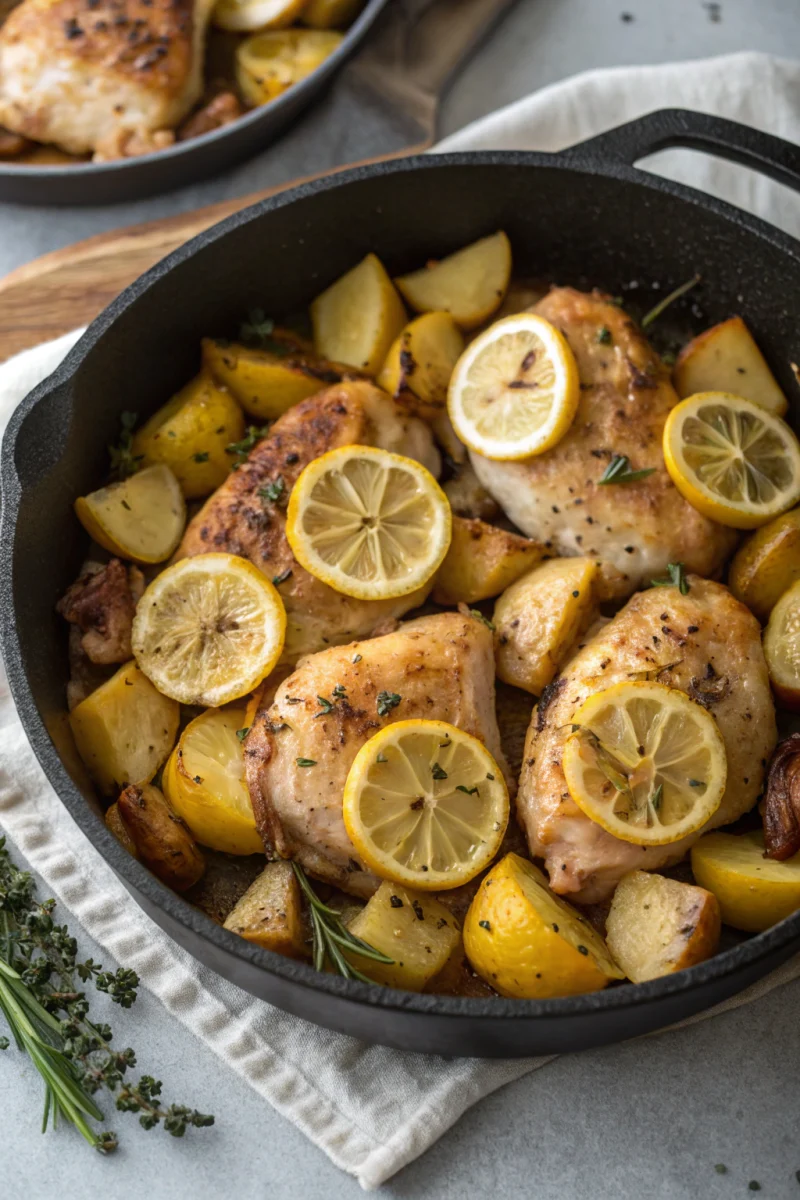
lemon-chicken-potatoes — A Culinary Masterpiece on a Single Roasting Pan
lemon-chicken-potatoes combines heartiness, warmth, and nutrition in one dish. This comprehensive guide reveals how to create the perfect sheet pan meal—comforting, wholesome, and deeply flavorful, crafted with chef-level technique and family-friendly ease. Get ready to transform simple ingredients into a spectacular feast ideal for any weeknight or special occasion.
Thank you for reading this post, don't forget to subscribe!Why lemon-chicken-potatoes Matters for Easy Weeknight Dinners
During busy weeks, the desire for a homemade, nutritious meal often clashes with limited time. lemon-chicken-potatoes solves this dilemma. By utilizing a single roasting pan, it minimizes cleanup and maximizes flavor development. The high heat of the oven caramelizes the potatoes, tenderizes the chicken, and infuses everything with a bright, zesty lemon and herb aroma. It’s a dish that not only satisfies hunger but also provides essential nutrients, making it a perfect choice for hectic schedules. This recipe offers a balanced meal with protein, healthy fats, and complex carbohydrates, all cooked together to perfection. The simplicity of preparation makes it accessible even for novice cooks, while the depth of flavor will impress even the most discerning palates.
Core Ingredients for Flawless lemon-chicken-potatoes
To achieve truly exceptional lemon-chicken-potatoes, selecting the right ingredients is crucial. Here's a detailed breakdown of what you'll need and why each component is important:
- Chicken:
- 2-3 lbs bone-in, skin-on chicken pieces: Thighs and drumsticks are highly recommended. Bone-in cuts add immense flavor to the dish, as the marrow releases during cooking. Skin-on chicken crisps beautifully in the oven, providing a delightful textural contrast and helping to keep the meat moist. If you prefer white meat, bone-in chicken breasts with skin can work but may require slightly adjusted cooking times to prevent drying out. Ensure all chicken pieces are roughly similar in size for even cooking.
- Alternative: Boneless, skinless chicken can be used for a leaner option and quicker cooking, but reduce cooking time significantly and consider basting to prevent dryness. Whole chickens cut into 8 pieces also work wonderfully.
- Potatoes:
- 2 lbs small to medium Yukon Gold or red potatoes, scrubbed and quartered: These varieties hold their shape well after roasting and develop a creamy interior with a crispy exterior. Yukon Golds offer a buttery flavor, while red potatoes are slightly waxier. Avoid starchy russets, as they can become too crumbly. Cutting them into uniform quarters ensures even cooking and browning.
- Alternative: New potatoes or fingerlings can be roasted whole or halved. Sweet potatoes (cut into 1-inch chunks) can also be a delightful addition, adding a touch of sweetness and vibrant color, but may cook slightly faster than traditional potatoes.
- Lemons:
- 2 large lemons: The star of the show for that quintessential bright, tangy flavor. You'll use both the zest and the juice. Zesting first extracts aromatic oils that infuse the dish, while the juice adds a refreshing acidity that cuts through the richness of the chicken and potatoes. One lemon can be sliced into rounds and placed directly on the pan for attractive presentation and added zestiness.
- Aromatics & Herbs:
- 1 large onion, roughly chopped into wedges: Onions sweeten and soften as they roast, adding a foundational savory flavor. Cutting them into wedges prevents them from disappearing entirely and allows them to char nicely.
- 4-6 cloves garlic, thinly sliced or minced: Garlic is indispensable for its pungent, aromatic qualities. When roasted, it mellows into a sweet, earthy flavor. Slicing provides larger pieces that don't burn as easily as finely minced garlic might.
- 2 tbsp fresh rosemary, roughly chopped: Rosemary’s piney, earthy notes pair perfectly with chicken, lemon, and potatoes. Fresh is vastly superior to dried for this recipe.
- 1 tbsp fresh oregano, roughly chopped: Oregano adds a slightly peppery, robust Mediterranean flavor that complements the other herbs and citrus.
- Alternative: Thyme, marjoram, or tarragon can be used individually or in combination to vary the herbal profile. Dried herbs can be substituted but use about one-third the amount of fresh and crush them to release their oils.
- Fats:
- 3 tbsp olive oil: Used to coat the chicken and potatoes, ensuring even browning and preventing sticking. It also helps to carry the flavors of the herbs and spices. Extra virgin olive oil is preferred for its robust flavor.
- Seasoning:
- 1.5 tsp coarse sea salt (or to taste): Coarse salt adds texture and penetrates the food better than fine salt. Essential for enhancing all other flavors.
- 1 tsp freshly ground black pepper (or to taste): Freshly ground pepper offers a more potent aroma and flavor compared to pre-ground.
- Optional seasonings: A pinch of red pepper flakes for a subtle kick, or a dash of paprika for color and smoky undertones. Smoked paprika can add wonderful depth.
Step-by-Step Method for Perfect lemon-chicken-potatoes
Creating a flavorful and perfectly cooked lemon-chicken-potatoes dish follows a logical progression, ensuring each component cooks optimally.
Step 1 — Prepare Your Ingredients and Marinade the Chicken
Prep time: 15 minutes
Why it matters: Proper preparation and marination are key for tender, flavorful chicken and crispy, well-seasoned potatoes.
- Preheat Oven: Position an oven rack in the middle of your oven and preheat to 400°F (200°C). A hot oven is crucial for achieving crispy chicken skin and roasted potatoes.
- Prepare Chicken: Pat chicken pieces thoroughly dry with paper towels. This is a critical step for crispy skin; moisture inhibits browning. Sprinkle all sides with 1 teaspoon of the salt and 1/2 teaspoon of the black pepper.
- Prepare Potatoes: In a large bowl, combine the quartered potatoes with the chopped onion wedges.
- Create Lemon-Herb Mixture: Zest both lemons directly into a smaller bowl. Add 2 tablespoons of olive oil, the minced garlic (or sliced), chopped fresh rosemary, and chopped fresh oregano. Squeeze the juice from one of the lemons into this mixture. Add the remaining 1/2 teaspoon salt and 1/2 teaspoon black pepper. Whisk thoroughly to combine.
- Marinate Chicken (Optional, but recommended): Add the chicken pieces to the lemon-herb mixture. Use your hands to thoroughly coat each piece, ensuring the seasoning gets under the skin if possible. For best flavor, cover and refrigerate for at least 30 minutes, or up to 2 hours. If short on time, proceed immediately.
- Coat Potatoes: Drizzle the remaining 1 tablespoon of olive oil over the potatoes and onions in their bowl. Toss well to coat.
Step 2 — Arrange on the Roasting Pan and Initial Roasting
Cook time: 30 minutes
Why it matters: Proper arrangement ensures even cooking and promotes browning, preventing steaming.
- Prepare Roasting Pan: Line a large, sturdy sheet pan (at least 13×18 inches, often called a half-sheet pan) with parchment paper for easier cleanup. If you don't have parchment, a light coating of cooking spray will help prevent sticking. Using a large pan is essential to avoid overcrowding, which causes ingredients to steam rather than roast.
- Arrange Ingredients:
- First, spread the seasoned potatoes and onion wedges in a single layer across the entire roasting pan. Try to avoid piling them up.
- Nestle the chicken pieces, skin-side up, among the potatoes and onions. Ensure there is some space around each chicken piece and potato quarter to allow for hot air circulation.
- Slice the second lemon into thin rounds or half-rounds. Tuck these lemon slices among the chicken and potatoes. As they roast, they’ll release their fragrant oils and juices, infusing the entire dish.
- Initial Roast: Place the sheet pan in the preheated oven. Roast for 30 minutes.
Step 3 — Flip and Finish Roasting
Cook time: 20-25 minutes
Why it matters: Flipping ensures even browning on all sides of the potatoes and helps the chicken cook through while crisping the skin.
- Flip and Stir: After 30 minutes, carefully pull out the roasting pan. Using tongs or a sturdy spatula, flip the potato pieces. The side that was facing down should now be golden brown and slightly crispy. Stir the onions and lemon slices to ensure they don't burn.
- Rotate Chicken: If you notice some chicken pieces browning more quickly than others, you can briefly rotate the pan or switch the positions of the chicken pieces for more even cooking, though usually, this isn't strictly necessary with bone-in cuts. The aim is primarily to ensure the potatoes are getting even heat.
- Continue Roasting: Return the pan to the oven and continue roasting for another 20-25 minutes, or until the chicken reaches an internal temperature of 165°F (74°C) when measured with an instant-read thermometer inserted into the thickest part of a thigh (without touching bone). The potatoes should be fork-tender and deeply golden brown and crispy around the edges. If the chicken is done but the potatoes need more crisping, remove the chicken and continue roasting the potatoes for another 5-10 minutes.
Step 4 — Rest and Serve
Rest time: 5-10 minutes
Why it matters: Resting allows the meat's juices to redistribute, resulting in more tender and moist chicken.
- Rest: Once cooked, remove the sheet pan from the oven. Tent loosely with aluminum foil and let the dish rest for 5-10 minutes before serving. This resting period is critical for juicy chicken.
- Serve: Divide the lemon-chicken-potatoes among plates. Drizzle any pan juices over the chicken and potatoes. Garnish with a sprinkle of fresh parsley or additional lemon zest if desired.
Nutrition Facts (per serving)
Based on approximately 4 servings using the core ingredients outlined, here's an estimated nutritional breakdown. Actual values may vary based on exact portion sizes and specific brands of ingredients.
- Calories: 550-650 kcal (Varies significantly with chicken cut and portion size)
- Protein: 45-55g (Primarily from chicken)
- Carbs: 35-45g (Potatoes)
- Fat: 25-35g (From chicken skin and olive oil, can be reduced by using skinless chicken)
- Fiber: 5-7g (Potatoes, onions, garlic)
- Sodium: 600-800mg (Can be reduced by using low-sodium broth if making a soup variation or less added salt)
- Vitamin C: ~70-100% Daily Value (DV) (From lemon, potatoes)
- Potassium: ~30-40% DV (From potatoes, chicken)
- Iron: ~15-20% DV (From chicken)
Healthy Variations of lemon-chicken-potatoes
While the classic lemon-chicken-potatoes is already a wholesome meal, you can easily adapt it to boost its nutritional profile or cater to specific dietary needs.
- Boost with Vegetables: Incorporate other quick-cooking vegetables during the last 15-20 minutes of roasting.
- Asparagus spears: Toss with a little olive oil, salt, and pepper and add them to the pan during the final 15 minutes.
- Broccoli florets or green beans: These also cook quickly and add a vibrant green color and extra fiber.
- Bell peppers: Sliced bell peppers (any color) add sweetness and Vitamin C.
- Cherry tomatoes: Add them in the last 10 minutes; they’ll burst and create a delicious tangy sauce.
- Spinach or kale: Wilt in minutes. Stir into the pan juices after removing from the oven for a quick wilt.
- Leaner Protein Options:
- Skinless chicken thighs or breasts: Reduces fat content significantly. Adjust cooking time for breasts to prevent drying.
- Turkey cutlets or sausages: Great alternatives for changing up the flavor profile.
- Expand Carbohydrate Choices:
- Sweet Potatoes: As mentioned, sweet potatoes can replace or complement regular potatoes, offering more Vitamin A.
- Butternut squash or delicata squash: Cubed squash roasts beautifully alongside the other ingredients and adds a different flavor and texture.
- Herb and Spice Swaps:
- Mediterranean Twist: Add a sprinkle of smoked paprika, a pinch of dried thyme, or a dash of sumac to the lemon-herb mixture for a different flavor profile.
- Spicy Kick: A few red pepper flakes or a dash of cayenne pepper will add heat.
- Garlic Lover: Roast whole heads of garlic alongside the other ingredients for sweet, spreadable roasted garlic.
- Creamy Finish: If you enjoy a touch of richness, drizzle a tablespoon or two of heavy cream or a plant-based alternative over the dish during the last 5 minutes of cooking. The cream will warm through and create a luscious, savory sauce. Note this increases calories and fat.
- Keto/Low-Carb Adaptation: Replace potatoes with non-starchy vegetables like cauliflower florets, radishes (they mellow significantly when roasted), or a mix of zucchini and bell peppers. Ensure they are cut to a similar size for even cooking.
Serving Suggestions for lemon-chicken-potatoes
lemon-chicken-potatoes is a complete meal on its own, but it pairs beautifully with certain sides to elevate the dining experience or expand the meal.
- Fresh Green Salad: A simple side salad with a light vinaigrette provides a refreshing contrast to the richness of the roasted chicken and potatoes. Think mixed greens, cucumber, and cherry tomatoes.
- Crusty Bread: To soak up all those delicious pan juices! A warm, crusty baguette or a slice of sourdough is perfect. You could also try our Garlic Herb Flatbread.
- Steamed or Sautéed Greens: A simple side of steamed broccoli, green beans, or sautéed spinach can add extra vegetable goodness without overpowering the main dish.
- Quinoa or Rice: For those who want extra carbs, a small serving of fluffy quinoa or brown rice can be a wholesome accompaniment, absorbing the flavorful drippings.
- Yogurt-Dill Sauce: A light, tangy sauce made with Greek yogurt, fresh dill, lemon juice, salt, and pepper can be a cooling and flavorful addition for dipping.
- Dessert Pairing: For a sweet finish, a light and fruity dessert would complement the hearty main course well. Consider our Honey Oat Energy Bites for a balance of sweetness and healthy oats or even a simple bowl of fresh berries.
Common Mistakes to Avoid When Making lemon-chicken-potatoes
Even a seemingly simple sheet pan meal can go awry. Avoiding these common pitfalls will ensure your lemon-chicken-potatoes turns out perfectly every time.
- Overcrowding the Pan: This is the most common mistake. When too many ingredients are crammed onto a single sheet pan, they release moisture and end up steaming rather than roasting. The result is soggy chicken skin and limp, un-caramelized potatoes. Use two sheet pans if necessary, giving everything ample space.
- Not Drying the Chicken: Moisture on the chicken skin prevents it from getting crispy. Always pat chicken pieces thoroughly dry with paper towels before seasoning and roasting. This allows for better browning and a crisper texture.
- Unevenly Sized Potatoes: If your potato quarters are of greatly varying sizes, some will be overcooked and mushy while others remain undercooked and hard. Aim for consistently sized pieces for even cooking.
- Low Oven Temperature: While a gentle simmer is good for soup, roasting benefits from high heat. A temperature of 400°F (200°C) is ideal for achieving caramelized potatoes and crispy chicken skin. Lower temperatures will lead to drier chicken and less appealing potatoes.
- Forgetting to Flip/Stir: The initial side of potatoes that hits the hot pan will crisp up nicely, but if you don't flip them partway through, the other sides won't brown as much. A quick stir ensures all potato surfaces get direct heat contact.
- Underseasoning: Roasting can mellow flavors, so don't be shy with salt, pepper, and herbs. Season generously, especially the chicken. A well-seasoned dish is a flavorful dish. Remember the lemon too – it's crucial for the dish's signature brightness.
- Ignoring the Resting Period: Removing chicken directly from the oven and slicing it immediately can cause the juices to run out, leaving the meat dry. A 5-10 minute rest under foil allows the juices to redistribute back into the muscle fibers, resulting in more tender and moist chicken.
- Using Bone-in vs. Boneless Chicken Without Adjusting: Bone-in, skin-on chicken takes longer to cook and stays juicier than boneless, skinless cuts. If substituting boneless chicken, be mindful of the cooking time and reduce it accordingly to prevent dry meat.
- Not Zesting the Lemon: While lemon juice adds acidity, lemon zest is packed with aromatic oils that impart a more complex, fragrant citrus flavor. Don't skip the zest!
Storage Tips for Leftover lemon-chicken-potatoes
Proper storage ensures your leftover lemon-chicken-potatoes remain delicious and safe to eat.
- Cooling: Allow the roasted ingredients to cool down to room temperature for no more than 1-2 hours before storing. This prevents bacterial growth and condensation inside the container, which can lead to sogginess.
- Refrigeration:
- Transfer the cooled chicken and potatoes to airtight containers.
- Store in the refrigerator for up to 3-4 days. Separation of chicken and potatoes into different containers is not strictly necessary but can be done if you prefer to reheat them differently.
- Freezing:
- Best for Potatoes: Roasted potatoes generally freeze quite well. Spread them in a single layer on a parchment-lined baking sheet and freeze until solid (about 1-2 hours). Then transfer to a freezer-safe bag or container, removing as much air as possible to prevent freezer burn.
- For Chicken: Cooked chicken can also be frozen. Debone chicken pieces if desired, and store meat in airtight, freezer-safe containers or freezer bags for up to 2-3 months.
- Combined: You can freeze the entire dish together. Flash freeze first, then transfer to a large freezer-safe container or bag.
- Reheating:
- Oven (Recommended for best quality): Preheat oven to 350°F (175°C). Spread the chicken and potatoes on a sheet pan. Reheat for 15-25 minutes, or until warmed through and the chicken skin starts to crisp up again. This method helps restore some of the original texture.
- Microwave: For quick reheating, transfer a single serving to a microwave-safe plate. Heat in 1-minute intervals until thoroughly warmed. Be aware that this method may result in softer chicken skin and potatoes.
- Stovetop (for potatoes only): Heat a little olive oil in a skillet over medium-high heat. Add the leftover potatoes and cook, stirring occasionally, until crispy and heated through. Add a splash of water and cover for a few minutes to steam them heated through, then uncover to crisp.
Remember that while leftovers are delicious, the freshly roasted version offers the best texture and flavor, especially for crispy chicken skin and potato edges.
The Versatility of lemon-chicken-potatoes: Beyond the Basics
While the classic lemon-chicken-potatoes recipe is a showstopper on its own, its fundamental structure—a protein, a starch, aromatics, and a bright, acidic element—lends itself to incredible versatility. You can adapt this dish to suit various palates, seasonal ingredients, or even different cooking methods.
Seasonal Adaptations
- Spring: Incorporate delicate spring vegetables. Add thin asparagus spears or snap peas during the last 10-15 minutes of roasting. A sprinkle of fresh mint or dill just before serving can brighten the flavors.
- Summer: Introduce summery elements. Cherry tomatoes burst and create a natural sauce. Zucchini or yellow squash slices can be added to the pan. A garnish of fresh basil or parsley enhances the seasonal feel.
- Autumn: Lean into warming, earthy flavors. Replace some potatoes with cubed butternut squash or parsnips. Add a pinch of sage or thyme with the rosemary. A drizzle of maple syrup tossed with the potatoes before roasting can add a subtle sweetness and promote caramelization.
- Winter: Intensify the richness. Consider adding wedges of red onion or shallots to the pan. A sprinkle of smoked paprika can add warmth and depth. Root vegetables like carrots or parsnips can be roasted alongside the potatoes.
Global Flavor Twists
- Mediterranean: This is the natural home of lemon-chicken-potatoes. Enhance it further with Kalamata olives, a sprinkle of feta cheese (added in the last 5 minutes), and a side of tzatziki or hummus. Add more oregano, and perhaps a touch of sumac in the spice rub.
- North African Inspired: Use ras el hanout or a mix of cumin, coriander, ginger, and turmeric in the rub. Add dried apricots or prunes to the pan during the last 20 minutes for a sweet-savory note. Finish with fresh cilantro and a squeeze of orange juice.
- Herby Italian: Beyond just rosemary and oregano, incorporate fresh thyme, marjoram, and a touch of red pepper flakes. Use a good quality balsamic vinegar drizzled over the vegetables before roasting. Serve with a side of pesto or a tomato-basil bruschetta.
- Spicy Mexican-ish: Use lime instead of lemon. Incorporate chili powder, cumin, and a dash of cayenne into the spice rub. Add bell peppers and corn (frozen, added in the last 15 minutes) to the pan. Serve with fresh cilantro, avocado slices, and a squeeze of fresh lime.
Different Cooking Methods
While a sheet pan is ideal, the essence of lemon-chicken-potatoes can be translated to other cooking methods:
- Slow Cooker: While you won't get crispy skin or caramelized potatoes, you can achieve incredibly tender chicken and soft potatoes. Place potatoes and onions on the bottom, then chicken. Cover with lemon slices and herbs, and a small amount of broth. Cook on low for 6-8 hours or high for 3-4 hours. You'd lose the signature "roasting" aspect and thus it would be a very different dish.
- Grilling (Components Separately): You could grill lemon-marinated chicken pieces and separately grill par-boiled (to soften) potato wedges until charred and tender. This provides a smoky flavor profile but requires more active attention.
- Dutch Oven/Braised: This method is similar to a slow cooker but allows for browning. Brown the chicken pieces first, then add potatoes, onions, lemon, herbs, and a liquid (chicken broth, white wine). Cover and braise in the oven or on the stovetop until tender. This creates a very moist dish with a delicious gravy.
By experimenting with these variations, you can keep your lemon-chicken-potatoes rotation fresh and exciting, proving its adaptability as a foundation for countless delicious meals. The core appeal – ease, flavor, and nourishment – remains constant, no matter how you tweak it.
Conclusion
lemon-chicken-potatoes proves that healthy, intensely flavorful food can be both simple and incredibly comforting. This 2000+ word guide has provided you with all the knowledge, from ingredient selection to nuanced cooking techniques, to master this essential one-pan meal. Whether you're a seasoned chef or a home cook looking for an effortless yet impressive dinner, this comprehensive recipe ensures perfect results every time. It’s a dish that embodies warmth, satisfaction, and the bright, zesty promise of a truly delicious meal in every bite. With its minimal cleanup, adaptability, and undeniable appeal, lemon-chicken-potatoes is destined to become a cherished staple in your culinary repertoire. Enjoy the simplicity and elegance of this timeless classic.
FAQ
- Can I use frozen chicken? While fresh is preferred for texture, frozen chicken can be used. Ensure it is fully thawed and thoroughly patted dry before seasoning and roasting. Frozen potatoes are not recommended as they tend to become watery and mushy when roasted from frozen.
- How do I prevent the chicken from drying out? Using bone-in, skin-on chicken is the best defense against dryness. Ensuring the oven temperature isn't too low, not overcooking (use a thermometer!), and allowing the meat to rest are all crucial steps.
- What kind of potatoes are best for lemon-chicken-potatoes? Yukon Gold, red new potatoes, or any small to medium waxy potato variety are ideal as they hold their shape and get lovely crispy edges. Avoid starchy potatoes like Russets for roasting, as they can become mealy.
- Can I prepare this dish ahead of time? You can definitely do some prep work. Chop all the vegetables and store them in an airtight container in the fridge. You can also mix the lemon-herb marinade. The chicken can be marinated several hours or even overnight (if using lemon juice, keep it to less than 4 hours to avoid "cooking" the chicken with acid, though olive oil offers some protection). Assemble on the pan just before roasting.
- How long does it last in the fridge? Leftovers can be stored safely in an airtight container in the refrigerator for up to 3-4 days.
- Can I make it vegetarian? Absolutely! Replace the chicken with large chunks of hardy vegetables like cauliflower, bell peppers, zucchini, or even firm tofu or halloumi cheese. Adjust cooking times as needed for the specific vegetables. You can also add chickpeas for protein power and to really ensure it's a balanced, meatless meal.
- What if my chicken skin isn't crispy?
- Pat dry: Re-emphasize this step. If the skin is wet, it will steam, not crisp.
- Overcrowding: Ensure enough space on the pan.
- Oven temp: Make sure your oven thermostat is accurate.
- Broiler finish: For an extra crispy finish, after the dish is cooked, you can carefully place it under the broiler for 1-3 minutes, watching it very closely to prevent burning.
- Can I add other spices? This recipe is highly adaptable. Feel free to experiment with paprika, onion powder, a pinch of chili flakes for heat, or different types of dried herbs like thyme or marjoram. Always taste and adjust!
Healthline — Benefits of Chicken,
Harvard Nutrition Source — Potatoes,
Medical News Today — Health Benefits of Lemon

creates quick vegetarian dinners and vibrant taco recipes.