
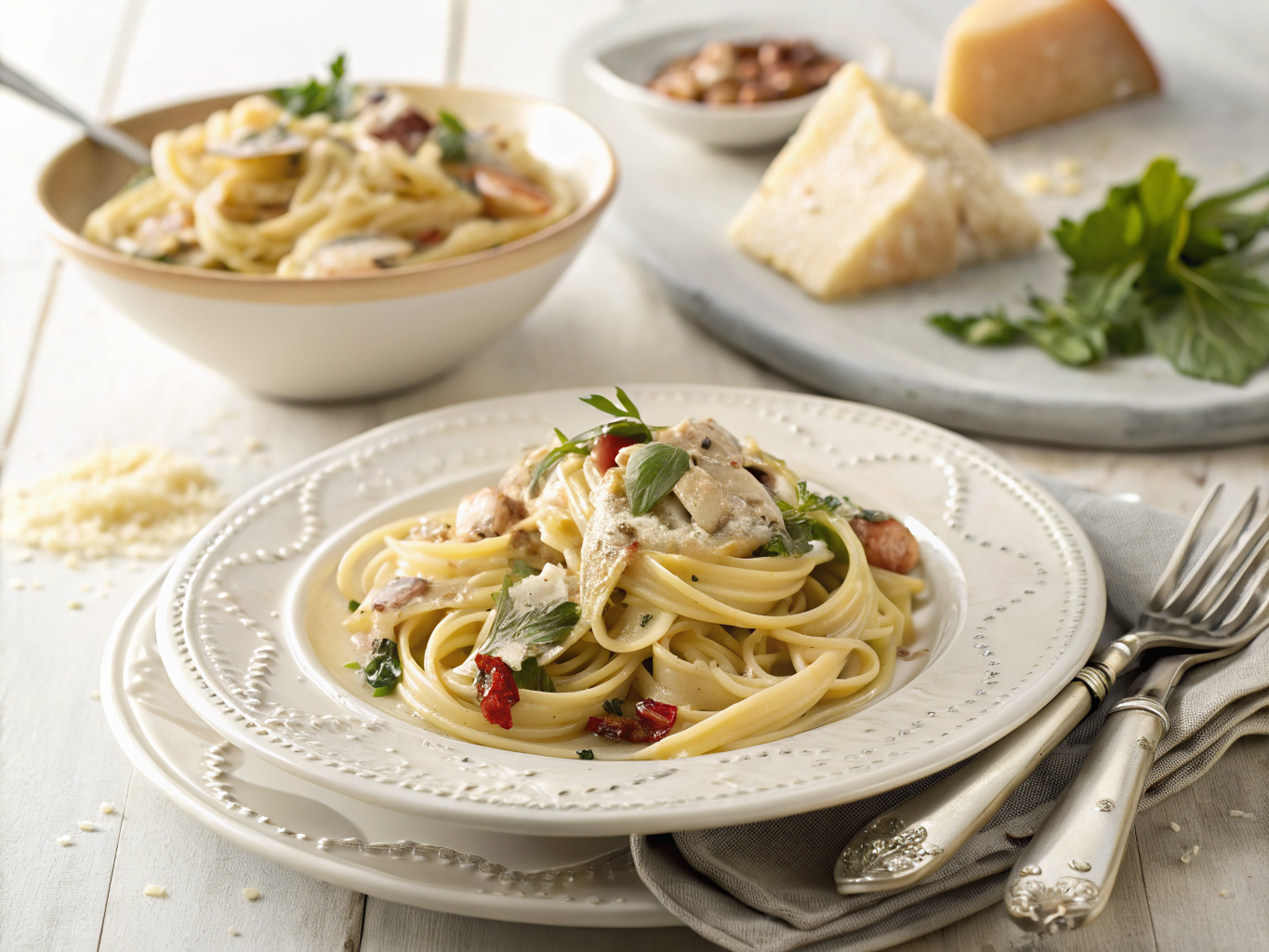
The Secret to Perfect One-Pot Boursin Pasta
Ingredients
Method
- In a large pot or deep skillet, heat olive oil over medium heat. Add minced garlic and red pepper flakes, cooking for 30 seconds until fragrant.
- Add the dry pasta, cherry tomatoes, and vegetable broth to the pot. Stir well to combine and bring to a boil over high heat.
- Once boiling, reduce heat to medium and cook for 10-12 minutes, stirring occasionally, until pasta is al dente and most of the liquid has been absorbed.
- Remove from heat and add the entire package of Boursin cheese, breaking it into pieces. Stir vigorously until the cheese melts completely and creates a creamy sauce.
- Stir in the heavy cream and fresh spinach. The spinach will wilt quickly from the heat of the pasta. Mix until everything is well combined and creamy.
- Taste and adjust seasoning with salt and black pepper if needed. The Boursin cheese is already well-seasoned, so you may not need much.
- Serve immediately, garnished with fresh basil and additional red pepper flakes if desired. Enjoy while hot and creamy.
Nutrition
Notes
Tried this recipe?
Let us know how it was!nnThis One-Pot Boursin Pasta is the ultimate weeknight dinner that combines creamy, garlicky Boursin cheese with perfectly cooked pasta in just one pot. No draining required, minimal cleanup, and maximum flavor make this dish a game-changer for busy home cooks. Whether you’re feeding your family or impressing dinner guests, this recipe delivers restaurant-quality results with minimal effort.
Thank you for reading this post, don't forget to subscribe!One-Pot Boursin Pasta: 5 Easy Tips for Perfect Results
Mastering this creamy pasta dish starts with understanding the fundamentals that transform simple ingredients into something extraordinary. The beauty of this recipe lies in its simplicity, but a few key techniques ensure perfection every time. These five essential tips will elevate your cooking and guarantee consistently delicious results.
First, always use high-quality Boursin cheese as the foundation of your sauce. The garlic and herb variety provides the most authentic flavor profile, though you can experiment with other varieties. Second, maintain a gentle simmer rather than a rolling boil to prevent the pasta from becoming mushy and the sauce from breaking.
Third, stir frequently during the cooking process to release the starches from the pasta, which naturally thickens the sauce. Fourth, don’t skip the pasta water ratio—getting the liquid amount right ensures your pasta cooks evenly without becoming sticky. Finally, finish with fresh herbs and a drizzle of quality olive oil to brighten the rich, creamy flavors.
The timing matters significantly when preparing this dish. Most pasta varieties will cook perfectly in 12-15 minutes when simmered in the liquid with the Boursin cheese. Adjust your heat as needed to maintain that gentle bubble throughout the cooking process.
Temperature control separates good pasta from great pasta. If your heat is too high, the liquid evaporates too quickly and the pasta won’t cook through. Too low, and you’ll end up with a watery sauce that never properly emulsifies with the cheese.
Why You’ll Love This One-Pot Boursin Pasta
The convenience factor alone makes this recipe a weeknight hero. Everything cooks in a single pot, which means less time washing dishes and more time enjoying your meal. This approach isn’t just about convenience—it actually improves the flavor as the pasta absorbs the creamy, herb-infused sauce while cooking.
Boursin cheese brings an incredible depth of flavor that would typically require multiple ingredients to achieve. The creamy, spreadable cheese melts seamlessly into the cooking liquid, creating a luxurious sauce without the need for heavy cream, butter, or complicated techniques. The garlic and herbs already infused in the cheese eliminate the need for extensive seasoning.
This recipe is incredibly forgiving for cooks of all skill levels. Unlike traditional pasta dishes that require precise timing and multiple pots, this method allows you to monitor everything in one place. The visual cues are easy to follow, making it nearly impossible to overcook or under-season your dish.
Budget-conscious home cooks will appreciate how this recipe stretches affordable ingredients into a meal that tastes expensive. A single wheel of Boursin cheese, some pasta, and basic pantry staples create a dish that rivals anything you’d order at an Italian restaurant. The ingredient list is short, but the flavor impact is substantial.
Families with picky eaters often find this recipe to be a winner. The creamy texture and mild, savory flavors appeal to children and adults alike. You can easily customize the dish by adding proteins or vegetables without changing the fundamental cooking method.
For those exploring quick and easy meal solutions, this pasta delivers on both fronts without sacrificing quality or taste.
Core Ingredients for One-Pot Boursin Pasta
The ingredient list for this recipe is refreshingly simple, yet each component plays a crucial role in the final dish. Quality matters here—since there are so few ingredients, each one’s flavor shines through prominently. Let’s break down what you’ll need and why each ingredient is essential.
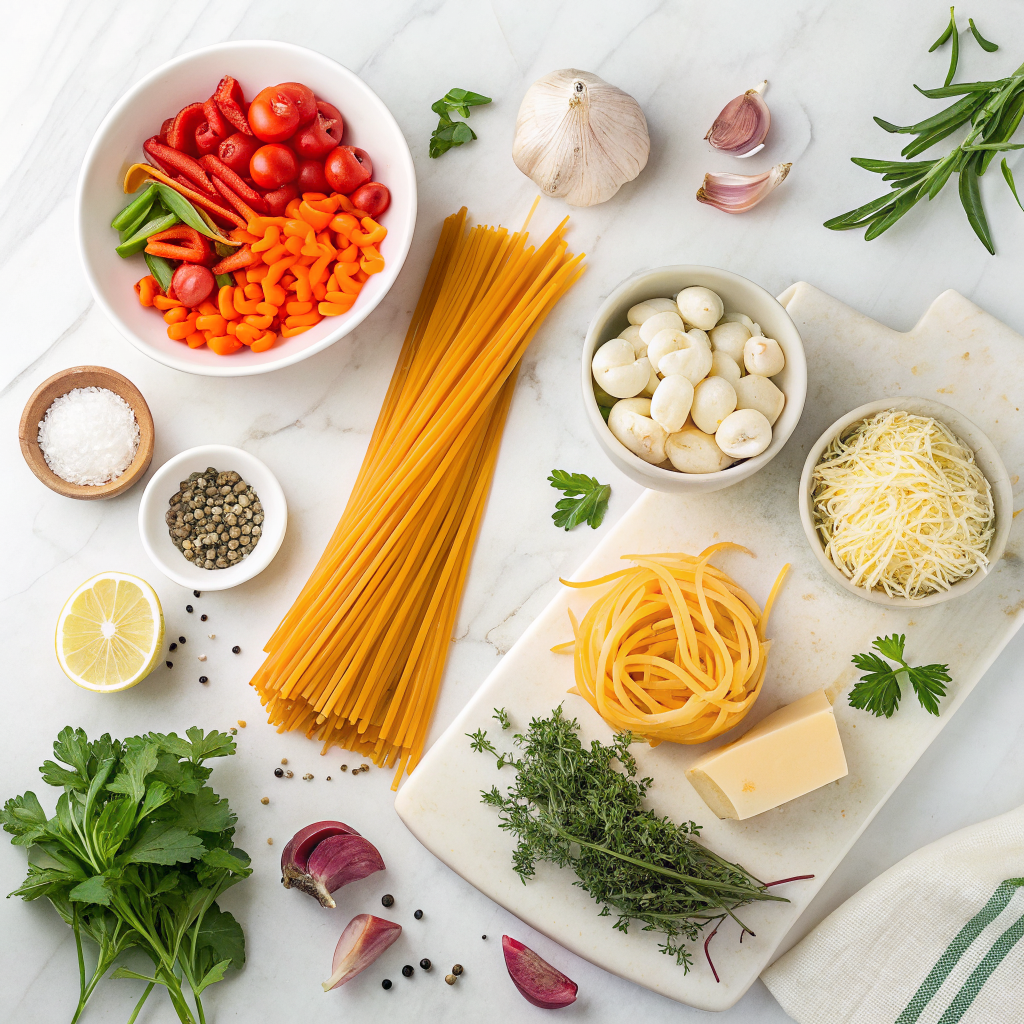
Boursin Cheese (5.2 oz wheel): The star ingredient that creates the creamy, flavorful sauce. The garlic and herb variety is traditional, but pepper or shallot and chive versions work beautifully. This French cheese melts smoothly and evenly, creating a velvety texture without graininess.
Pasta (12 oz): Short pasta shapes like penne, rigatoni, or fusilli work best because they trap the sauce in their ridges and hollows. Avoid long, thin pasta like spaghetti or angel hair, as they don’t cook as evenly in the one-pot method. Choose a high-quality dried pasta made from durum wheat for the best texture.
Vegetable or Chicken Broth (3 cups): Provides the cooking liquid and adds depth of flavor. Low-sodium broth gives you better control over the final seasoning. Water can substitute in a pinch, though the result will be less flavorful.
Cherry Tomatoes (1 pint): These sweet, juicy tomatoes burst during cooking, releasing their liquid and creating pockets of bright flavor. They also add beautiful color and a slight acidity that balances the rich cheese. Halve them for faster cooking and better integration.
Garlic (4 cloves): Fresh garlic adds aromatic depth that complements the garlic already present in the Boursin. Minced or thinly sliced both work well. Don’t skip this—it’s essential for building layers of flavor.
Fresh Spinach (2 cups): Wilts into the pasta during the final minutes of cooking, adding nutrition, color, and a subtle earthiness. Baby spinach works best as it’s tender and requires no prep. Kale or arugula can substitute for different flavor profiles.
Olive Oil (2 tablespoons): Used to sauté the garlic and create the flavor base. Extra virgin olive oil adds a fruity, peppery note that enhances the overall dish. This fat also helps the sauce emulsify properly.
Salt and Black Pepper: Season to taste after the pasta has finished cooking. The Boursin and broth already contain salt, so taste before adding more. Freshly cracked black pepper adds a pleasant heat and visual appeal.
Fresh Basil or Parsley: A finishing touch that adds brightness and freshness to the rich, creamy dish. Tear or chop just before serving to preserve the herbs’ vibrant color and aroma. This garnish isn’t optional—it truly completes the dish.
Optional additions include red pepper flakes for heat, lemon zest for brightness, or parmesan cheese for extra richness. Many home cooks who enjoy satisfying dinner recipes find that this ingredient combination hits the perfect balance of simplicity and sophistication.
How to Make One-Pot Boursin Pasta: Step-by-Step
The cooking process for this dish is straightforward and forgiving, making it perfect for both novice and experienced cooks. Following these detailed steps ensures your pasta turns out perfectly creamy and flavorful every single time. Let’s walk through the process from start to finish.
Step 1: Prepare Your Ingredients
Begin by gathering and prepping all your ingredients before you start cooking. Mince the garlic, halve the cherry tomatoes, and measure out your pasta and broth. Having everything ready ensures smooth cooking without scrambling to prep ingredients mid-recipe.
Remove the Boursin cheese from the refrigerator about 15 minutes before cooking. Slightly softened cheese melts more evenly into the sauce, creating a smoother texture. Rinse your spinach and pat it dry if it seems wet.
Step 2: Build the Flavor Base
Heat the olive oil in a large, deep skillet or Dutch oven over medium heat. Add the minced garlic and sauté for 30-60 seconds until fragrant but not browned. Burnt garlic tastes bitter, so watch it carefully and stir constantly.
Add the halved cherry tomatoes to the pan and cook for 2-3 minutes, stirring occasionally. The tomatoes should start to soften and release some of their juices. This step concentrates their sweetness and creates a flavorful foundation for your sauce.
Step 3: Add the Liquid and Pasta
Pour the broth into the pan and increase the heat to bring it to a boil. Once boiling, add the dried pasta and stir well to ensure all pieces are submerged. The pasta should be mostly covered by liquid, though it’s okay if a few pieces poke out initially.
Reduce the heat to maintain a steady simmer—you should see gentle bubbles breaking the surface. Stir the pasta every 2-3 minutes to prevent sticking and ensure even cooking. This stirring also releases starches that will thicken your sauce naturally.
Step 4: Add the Boursin Cheese
After the pasta has cooked for about 8 minutes, nestle the entire wheel of Boursin cheese into the center of the pan. Don’t break it up yet—let it warm and soften for a minute or two. This gradual melting creates a creamier texture.
Once the cheese has softened, use a wooden spoon to break it apart and stir it into the pasta. Continue stirring until the cheese is completely melted and incorporated, creating a creamy sauce. The sauce will look thin at first but will thicken as the pasta finishes cooking.
Step 5: Finish and Serve
When the pasta is al dente (tender but still slightly firm), add the fresh spinach. Stir it into the hot pasta, where it will wilt in less than a minute. The residual heat is sufficient—no additional cooking time needed.
Taste the pasta and adjust the seasoning with salt and pepper as needed. Remember that the cheese and broth already contain salt, so start conservatively. Remove from heat and let the pasta rest for 2-3 minutes, allowing the sauce to thicken to the perfect consistency.
Garnish with torn fresh basil or chopped parsley, a drizzle of olive oil, and additional black pepper if desired. Serve immediately while the pasta is hot and the sauce is at its creamiest. The dish thickens as it sits, so enjoy it right away for the best texture.
Understanding proper cooking techniques is valuable whether you’re making pasta or exploring other creative recipe combinations that bring together simple ingredients in innovative ways.
Nutrition & Health Benefits
While this One-Pot Boursin Pasta is undeniably indulgent, it also offers several nutritional benefits when enjoyed as part of a balanced diet. Understanding the nutritional profile helps you make informed decisions about portion sizes and potential modifications. Let’s break down what this dish provides.
A typical serving (about 1.5 cups) contains approximately 450-500 calories, depending on the specific pasta and cheese brands used. The dish provides a good balance of macronutrients with carbohydrates from the pasta, protein from the cheese, and healthy fats from the olive oil and Boursin.
The protein content is moderate at around 15-18 grams per serving, primarily from the Boursin cheese. While not a high-protein meal, adding chicken, shrimp, or white beans can significantly boost this number. The calcium from the cheese supports bone health, with each serving providing about 15% of your daily calcium needs.
Cherry tomatoes contribute vitamin C, potassium, and lycopene—a powerful antioxidant linked to heart health and cancer prevention. The spinach adds iron, vitamin K, folate, and additional antioxidants. These vegetables increase the dish’s nutritional density without significantly impacting the calorie count.
The garlic and herbs in the Boursin cheese offer anti-inflammatory properties and immune system support. Garlic contains allicin, a compound with potential cardiovascular benefits. Fresh herbs like basil provide additional antioxidants and antimicrobial properties.
Olive oil contributes heart-healthy monounsaturated fats and vitamin E. These fats help your body absorb the fat-soluble vitamins present in the vegetables. Choose extra virgin olive oil for the highest concentration of beneficial compounds.
The sodium content can be significant, ranging from 600-800mg per serving depending on your broth choice. Using low-sodium broth and limiting additional salt helps control this. Those monitoring sodium intake should be mindful of portion sizes.
For a lighter version, use whole wheat pasta to increase fiber content to 6-8 grams per serving. The additional fiber aids digestion, promotes satiety, and helps regulate blood sugar levels. You can also increase the vegetable ratio for more nutrients and fewer calories per volume.
This dish can fit into various dietary patterns when modified appropriately. It’s naturally vegetarian, and using vegetable broth keeps it that way. For those interested in balanced eating, exploring complementary recipes and beverage pairings can help round out your meal planning.
Variations & Substitutions
The beauty of this recipe lies in its versatility—you can adapt it to suit different tastes, dietary needs, and what you have available in your pantry. These variations maintain the dish’s essential character while offering exciting new flavor profiles. Experimentation is encouraged once you’ve mastered the basic technique.
Protein Additions
Transform this vegetarian pasta into a heartier meal by adding protein. Cooked chicken breast, sliced and stirred in during the final minutes, creates a complete one-dish dinner. Shrimp cooks quickly and pairs beautifully with the garlic and herb flavors—add it during the last 3-4 minutes of cooking.
Italian sausage, either mild or spicy, adds robust flavor and substance. Brown it first, remove it from the pan, then proceed with the recipe, stirring the cooked sausage back in at the end. Crispy bacon or pancetta contributes a smoky, salty element that complements the creamy sauce.
For plant-based protein, white beans or chickpeas work wonderfully. Add a drained can during the last few minutes of cooking. These legumes absorb the flavors while adding fiber and protein without overwhelming the dish’s delicate balance.
Vegetable Variations
Beyond spinach and tomatoes, numerous vegetables enhance this pasta. Broccoli florets add texture and nutrition—include them with the pasta at the beginning so they cook through. Zucchini, diced small, cooks quickly and adds moisture without making the dish watery.
Mushrooms bring an earthy, umami quality that pairs exceptionally well with the garlic and herbs. Sauté them with the garlic before adding the liquid. Sun-dried tomatoes offer concentrated flavor and a chewy texture that contrasts nicely with the tender pasta.
Asparagus, cut into 1-inch pieces, works beautifully in spring. Add it halfway through cooking so it remains tender-crisp. Roasted red peppers from a jar contribute sweetness and a subtle smokiness—stir them in at the end.
Cheese Alternatives
While Boursin is the signature ingredient, other soft cheeses can substitute when necessary. Cream cheese mixed with minced garlic, dried herbs, and a pinch of salt mimics Boursin’s flavor profile. Goat cheese creates a tangier, lighter sauce with a distinctive flavor.
Mascarpone offers ultra-creamy richness, though you’ll need to add garlic and herbs separately. Combining cream cheese with grated parmesan creates a similar texture with added savory depth. For a lighter option, Neufchâtel cheese (⅓ less fat cream cheese) works surprisingly well.
Dietary Modifications
For gluten-free diets, substitute your favorite gluten-free pasta and ensure your broth is certified gluten-free. Cooking times may vary slightly, so follow the package directions and check for doneness frequently. Chickpea or lentil pasta adds extra protein and fiber while remaining gluten-free.
Dairy-free versions require more creativity but are achievable. Use dairy-free cream cheese blended with nutritional yeast, garlic powder, and dried herbs. Coconut cream can replace some of the broth for richness, though the flavor will differ from the original.
Lower-carb adaptations can use zucchini noodles or hearts of palm pasta, though cooking times will be much shorter. Add these “pastas” during the last 2-3 minutes of cooking to prevent mushiness. The sauce remains the same, making this an easy modification.
Those seeking variety in their cooking repertoire might also enjoy exploring complementary baked goods and sides that pair well with creamy pasta dishes.
Serving Suggestions
While this pasta is satisfying on its own, thoughtful accompaniments elevate it from a simple weeknight dinner to a complete, restaurant-quality meal. The right pairings balance the dish’s richness and create a more memorable dining experience. Consider these suggestions for your next serving.
Bread and Starch Sides
Crusty garlic bread is a classic pairing that’s perfect for soaking up any extra sauce. Brush sliced baguette with olive oil, rub with garlic, and toast until golden. The crunchy texture contrasts beautifully with the creamy pasta.
Focaccia, whether homemade or store-bought, offers a softer option with herb-infused flavor that complements the Boursin. Warm it in the oven before serving. Breadsticks, either soft or crispy, provide a fun, casual element that children especially enjoy.
Salad Pairings
A simple arugula salad with lemon vinaigrette cuts through the pasta’s richness perfectly. The peppery greens and bright citrus refresh your palate between bites. Toss with shaved parmesan and pine nuts for added interest.
Caesar salad offers a classic pairing, though its creamy dressing adds richness to an already indulgent meal. For a lighter option, try a mixed green salad with balsamic vinaigrette. The acidity balances the creamy sauce beautifully.
Caprese salad with fresh mozzarella, tomatoes, and basil echoes the Italian flavors in the pasta while providing freshness. Drizzle with quality balsamic glaze and olive oil. This combination works particularly well for summer entertaining.
Vegetable Sides
Roasted vegetables add nutrition and color to your plate. Brussels sprouts, green beans, or asparagus roasted with olive oil and garlic complement the pasta without competing with its flavors. The caramelization from roasting adds depth and sweetness.
Sautéed broccolini with lemon and red pepper flakes provides a slightly bitter, spicy contrast. The bright green color looks beautiful alongside the creamy pasta. Grilled zucchini or eggplant offers a smoky element that pairs wonderfully with the herb-forward dish.
Protein Additions
If you haven’t added protein to the pasta itself, serving it alongside grilled chicken breast keeps the meal simple yet satisfying. Season the chicken with Italian herbs to tie the flavors together. Pan-seared salmon offers an elegant option with omega-3 benefits.
Grilled shrimp skewers make the meal feel special without much additional effort. Marinate the shrimp briefly in garlic, lemon, and herbs before grilling. Meatballs, whether traditional beef or turkey, turn this into a heartier, family-friendly feast.
Wine Pairings
A crisp white wine balances the creamy, garlicky flavors beautifully. Pinot Grigio or Sauvignon Blanc offer acidity that cuts through the richness. Chardonnay, particularly unoaked varieties, complements the buttery texture of the sauce.
For red wine lovers, a light-bodied Pinot Noir works surprisingly well. Its subtle fruit notes and low tannins don’t overpower the delicate flavors. Avoid heavy, tannic reds that would clash with the creamy sauce.
Non-alcoholic options include sparkling water with lemon or a light Italian soda. These refreshing beverages cleanse the palate without adding competing flavors. Iced herbal tea, particularly mint or chamomile, provides a soothing complement.
Common Mistakes to Avoid
Even with a straightforward recipe like this, certain pitfalls can affect your results. Understanding these common errors helps you troubleshoot and achieve perfect pasta every time. Let’s examine the most frequent mistakes and how to prevent them.
Using Too Much or Too Little Liquid
The liquid-to-pasta ratio is crucial for proper cooking and sauce consistency. Too much liquid results in soupy pasta that never achieves that creamy, cling-to-the-noodles texture. Too little, and your pasta will be undercooked with a thick, gluey sauce.
Start with the recommended 3 cups of broth for 12 ounces of pasta. Different pasta shapes absorb liquid at slightly different rates, so you may need to adjust by a quarter cup either way. Keep extra warm broth on hand to add if the pasta seems dry before it’s fully cooked.
The pasta should be just barely covered by liquid when you first add it. As it cooks and absorbs liquid, it’s normal for the level to drop. Resist the urge to add too much extra liquid—the sauce thickens considerably as it cools.
Cooking at the Wrong Temperature
A rolling boil cooks pasta unevenly in this method and can cause the liquid to evaporate too quickly. The cheese may also break and become grainy at high temperatures. Maintain a gentle simmer where you see steady, small bubbles rather than vigorous boiling.
Conversely, cooking at too low a temperature extends the cooking time significantly and can result in gummy pasta. The pasta needs consistent heat to cook through properly. Adjust your burner to find that sweet spot where the liquid bubbles gently but steadily.
Not Stirring Enough
Stirring serves multiple purposes in this recipe. It prevents the pasta from sticking together or to the bottom of the pan. It also releases starches that naturally thicken the sauce, creating that creamy texture without additional thickeners.
Aim to stir every 2-3 minutes throughout the cooking process. You don’t need to stand over the pot constantly, but regular attention prevents problems. Use a wooden spoon or silicone spatula to scrape the bottom of the pan when stirring.
Adding the Cheese Too Early

creates quick vegetarian dinners and vibrant taco recipes.