
Thank you for reading this post, don't forget to subscribe!
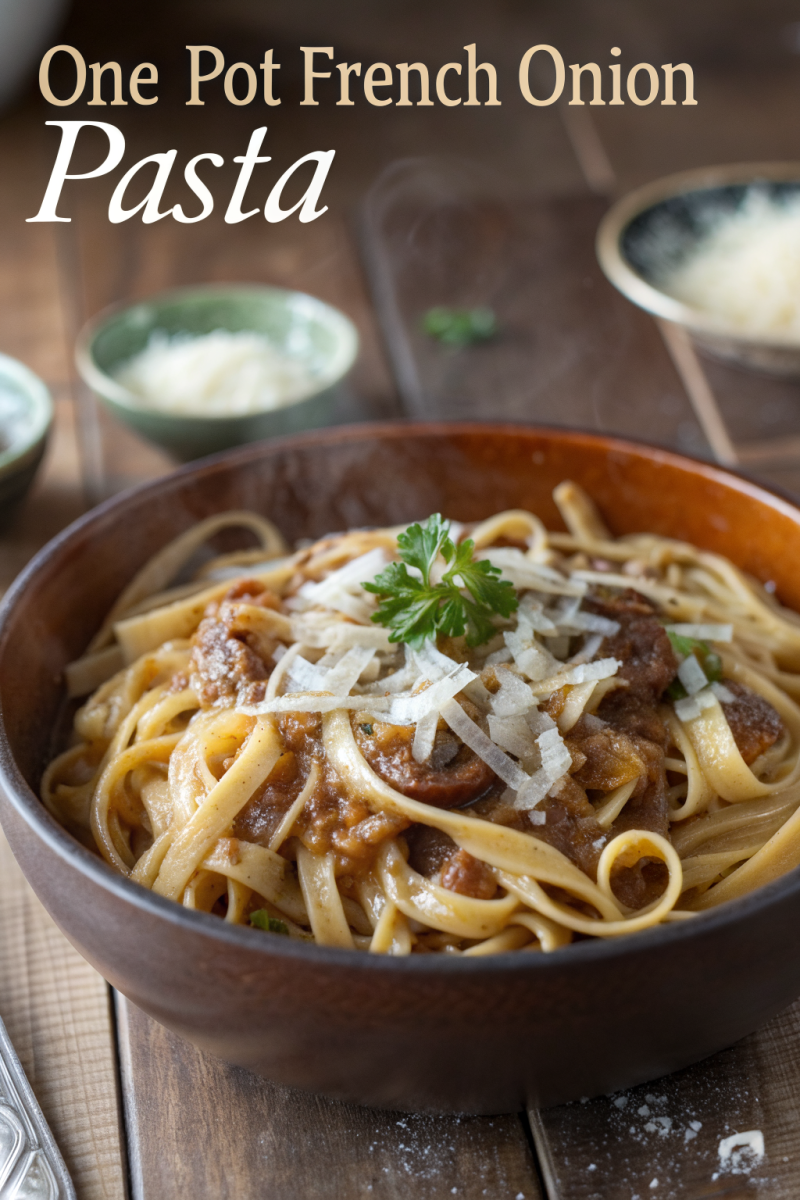
One Pot French Onion Pasta: A Culinary Masterpiece from Pan to Plate
One Pot French Onion Pasta is more than just a meal; it’s a culinary journey that beautifully marries the caramelized richness of classic French onion soup with the comforting embrace of pasta. This dish is a testament to how simplicity can lead to extraordinary flavor, making it a perfect addition to any home cook’s repertoire. Imagine tender pasta bathed in a savory, onion-infused sauce, topped with melted, bubbly cheese – all prepared in a single pot. This guide will walk you through creating an Instagram-worthy dish that’s as easy to clean up as it is delicious to eat. We’ll delve into the nuances of ingredient selection, mastering the art of caramelization, and achieving that perfect balance of textures and flavors that makes this pasta truly unforgettable.
The Allure of One Pot French Onion Pasta: Why It’s a Game-Changer
The concept of “one pot” cooking has revolutionized home kitchens, offering a promise of minimal cleanup without compromising on taste. One Pot French Onion Pasta exemplifies this philosophy, transforming a traditionally multi-step dish into an accessible weeknight marvel. The magic lies in how the pasta cooks directly in the flavorful broth, absorbing every hint of caramelized onion, garlic, and herbs. This method not only deepens the flavor profile but also releases starches from the pasta, creating a naturally creamy and luscious sauce that coats every strand. It’s a dish that embodies comfort, elegance, and efficiency, making it ideal for busy weeknights, cozy gatherings, or simply when you crave something truly special without the fuss.
Understanding the Core Components of One Pot French Onion Pasta
To truly master One Pot French Onion Pasta, it’s essential to understand the roles of its key ingredients. Each component contributes uniquely to the dish’s overall harmony:
- Onions: The star of the show. We’ll be using sweet or yellow onions, sliced thin, and caramelized slowly to achieve their signature depth of flavor and sweetness. This process is crucial and cannot be rushed.
- Pasta: Short, sturdy pasta shapes work best here. Think penne, rotini, farfalle, or even elbow macaroni. Their nooks and crannies are perfect for capturing the rich sauce.
- Broth: The liquid foundation. Beef broth is traditional for French onion flavors, but vegetable broth can be used for a vegetarian version. Ensure it’s good quality, as it forms the bulk of the sauce.
- Wine (Optional but Recommended): A dry white wine, like Sauvignon Blanc or Pinot Grigio, adds a layer of acidity and complexity, deglazing the pot and enhancing the onion’s flavor.
- Garlic and Herbs: Fresh garlic provides a pungent counterpoint to the sweet onions, while bay leaves and fresh thyme infuse the dish with aromatic notes.
- Cheese: Gruyère is the classic choice for its nutty, semi-hard texture and excellent melting properties. Swiss or even a good quality mozzarella can be used as alternatives.
- Butter and Oil: Used for sautéing and caramelizing the onions, contributing to the richness.
The Art of Caramelization: Foundation of One Pot French Onion Pasta
Caramelizing onions is the soul of any French onion dish, and One Pot French Onion Pasta is no exception. This process takes time, patience, and a watchful eye, but the reward is immense. Here’s a detailed breakdown:
- Preparation: Start with thinly sliced onions (about ¼-inch thick). Uniformity is key for even cooking.
- Initial Sauté: Melt butter and olive oil in your large, heavy-bottomed pot over medium heat. Add the onions, and stir to coat.
- The Slow Cook: Reduce the heat to medium-low. This is where patience comes in. Stir occasionally, every 5-10 minutes, for the first 20-30 minutes, allowing the onions to soften and release their moisture.
- Browning Begins: As the moisture evaporates, the onions will start to stick to the bottom and brown. These brown bits are crucial for flavor. Use a wooden spoon to scrape them up, incorporating them back into the onions. This process is called fond.
- Deep Color Development: Continue cooking for another 20-30 minutes, stirring more frequently as they deepen in color. They should turn a rich, golden-brown hue, almost like coffee. Resist the urge to turn up the heat, as burnt onions are bitter.
- Deglazing (Optional, but Recommended): Once the onions are deeply caramelized, add a splash of dry white wine (about ½ cup) to deglaze the pot. Scrape up any remaining fond from the bottom. Let the wine reduce until almost evaporated. This step adds immense depth.

The entire caramelization process can take anywhere from 45 minutes to an hour, but it’s the single most important step for achieving that authentic French onion flavor in your pasta.
Step-by-Step Recipe: Crafting Your Masterpiece
Now that we’ve mastered the caramelization, let’s bring it all together to create your exquisite One Pot French Onion Pasta.
Ingredients:
- 2 tbsp unsalted butter
- 1 tbsp olive oil
- 3 large yellow or sweet onions, thinly sliced (about 6-7 cups)
- 2 cloves garlic, minced
- ½ cup dry white wine (e.g., Sauvignon Blanc, Pinot Grigio) (optional, but highly recommended)
- 4 cups low-sodium beef broth (or vegetable broth for vegetarian)
- 1 tbsp fresh thyme leaves (or 1 tsp dried)
- 1 bay leaf
- 12 oz short pasta (penne, rotini, farfalle)
- ½ cup heavy cream (optional, for extra richness)
- Salt and freshly ground black pepper to taste
- 1 cup shredded Gruyère cheese (or Swiss cheese), divided
- Fresh parsley, chopped, for garnish
Equipment:
- Large, heavy-bottomed pot or Dutch oven (at least 6-quart capacity)
Instructions:
Step 1: Caramelize the Onions
In your large pot, melt butter and olive oil over medium heat. Add the sliced onions and a pinch of salt. Cook, stirring occasionally, for 45-60 minutes, or until the onions are deeply golden brown and very soft. This will require patience. Adjust heat to medium-low if they start browning too quickly. Scrape up any browned bits from the bottom of the pot as they form. (Refer to “The Art of Caramelization” section above for detailed guidance).
Step 2: Add Aromatics and Deglaze
Once the onions are caramelized, add the minced garlic and cook for 1 minute until fragrant. If using wine, pour in the ½ cup of dry white wine and scrape the bottom of the pot with a wooden spoon to release any remaining flavorful browned bits (fond). Let the wine simmer until almost completely evaporated, about 2-3 minutes. This step is crucial for deepening the flavor profile of your One Pot French Onion Pasta.

Step 3: Simmer the Broth and Pasta
Pour in the beef broth, add the fresh thyme and bay leaf. Bring the mixture to a strong simmer. Add the uncooked pasta, stirring to ensure it is fully submerged in the liquid. Cover the pot and reduce the heat to medium-low. Cook for 10-12 minutes, or according to package directions, stirring occasionally to prevent the pasta from sticking and to ensure even cooking. The pasta should be al dente, and most of the liquid should be absorbed, creating a rich, thick sauce. If the sauce seems too thick, add a splash more broth. If it’s too thin, simmer uncovered for a few extra minutes.
Step 4: Finish with Cream and Cheese
Remove the bay leaf. Stir in the heavy cream (if using). Add half of the shredded Gruyère cheese and stir until melted and fully incorporated, creating a luxurious, creamy sauce that defines this One Pot French Onion Pasta. Taste and season with salt and freshly ground black pepper as needed. Remember that Gruyère is salty, so adjust accordingly.

Step 5: Top and Serve
Uncover the pot. Sprinkle the remaining Gruyère cheese evenly over the top of the pasta. You can place the pot under a broiler for 2-3 minutes, watching carefully, until the cheese is melted, bubbly, and lightly golden. Alternatively, simply cover the pot for a few minutes to allow the residual heat to melt the cheese. Garnish with fresh chopped parsley before serving immediately. Enjoy your stunning One Pot French Onion Pasta!
Nutrition Highlights (per serving, estimated based on 6 servings)
Understanding the nutritional value of your meals empowers you to make informed dietary choices. While exact figures can vary based on specific ingredients and brands, here’s an estimated nutritional breakdown for a serving of One Pot French Onion Pasta:
- Calories: Approximately 450-550 kcal (depending on cream and cheese amounts)
- Protein: 18-25g (from pasta, broth, and cheese)
- Carbohydrates: 50-60g (primarily from pasta and onions)
- Fat: 20-30g (from butter, oil, cream, and cheese, including healthy fats from olive oil)
- Fiber: 4-6g (from onions and whole wheat pasta if used)
- Sodium: 600-800mg (can be controlled by using low-sodium broth and adjusting added salt)
This dish offers a good balance of macronutrients, providing sustained energy, essential proteins, and valuable fiber. The onions contribute antioxidants, and the cheese provides calcium and protein. For more detailed nutritional insights into various food items and their benefits, you can refer to Harvard T.H. Chan School of Public Health’s Nutrition Source.
Healthy Variations and Customizations for Your One Pot French Onion Pasta
While the classic recipe for One Pot French Onion Pasta is undeniably delicious, there’s ample room for customization to suit dietary preferences or to simply add a new twist:
- Vegetarian/Vegan: Use vegetable broth instead of beef broth. For a completely vegan version, omit cheese, use a plant-based cream (like cashew or oat cream), and ensure your pasta is egg-free. Nutritional yeast can add a cheesy flavor.
- Gluten-Free: Opt for your favorite gluten-free short pasta variety. Ensure your broth is also gluten-free.
- Added Protein: For a heartier meal, stir in cooked shredded chicken, sliced cooked mushrooms (for an umami boost), or even white beans during the last few minutes of cooking.
- Enhanced Veggies: Sauté sliced mushrooms alongside the onions for extra depth, or stir in a handful of fresh spinach during the last minute of cooking until wilted.
- Different Cheeses: Experiment with other melting cheeses like Fontina, Provolone, or even a sharp cheddar for a different flavor profile. A mix of cheeses can also be delightful.
- Spice It Up: A pinch of red pepper flakes can add a subtle warmth and kick to the dish.
Serving Suggestions for One Pot French Onion Pasta
One Pot French Onion Pasta is a comforting meal on its own, but it pairs beautifully with a few simple accompaniments to complete the dining experience:
- Crusty Bread: A must-have for soaking up every last drop of that incredible sauce. A good Garlic Herb Flatbread would be an excellent choice.
- Simple Green Salad: A light, crisp salad with a vinaigrette dressing offers a refreshing contrast to the richness of the pasta.
- Roasted Vegetables: A side of roasted asparagus or broccoli can add extra nutrients and texture.
- Wine Pairing: A dry white wine like the one used in the sauce (Sauvignon Blanc or Pinot Grigio) or a light-bodied red like Pinot Noir would complement the flavors well.
For a complete HomeCookLegacy experience, consider finishing your meal with a light dessert like Honey Oat Energy Bites.
Common Mistakes to Avoid for Perfect One Pot French Onion Pasta
Even with a one-pot dish, a few pitfalls can hinder your success. Being aware of these will ensure your One Pot French Onion Pasta turns out perfectly every time:
- Rushing the Onions: As stressed before, under-caramelized onions will result in a bland and watery sauce. Give them the time they need.
- Not Stirring Enough During Pasta Cooking: Pasta can stick to the bottom of the pot, and you want it to cook evenly and absorb the sauce. Stir every few minutes.
- Too Much or Too Little Liquid: The broth-to-pasta ratio is crucial. Start with the recommended amount, but don’t be afraid to add a splash more broth if the pasta isn’t fully submerged or if the sauce becomes too thick too quickly. Conversely, if your sauce is too thin, simmer uncovered for a few extra minutes.
- Overcooking the Pasta: Soggy pasta is never good. Cook until al dente, as it will continue to cook slightly from residual heat.
- Skipping Deglazing: The wine deglaze (or even just a bit of broth if you omit wine) lifts all those flavorful browned bits from the bottom of the pot, which are packed with umami.
- Using Pre-Shredded Cheese: Pre-shredded cheese often contains anti-caking agents that can make it melt poorly and result in a grainy texture. Freshly grated Gruyère melts beautifully and tastes superior.
Storage and Reheating Your One Pot French Onion Pasta
While One Pot French Onion Pasta is best enjoyed fresh, it also makes for excellent leftovers. Proper storage and reheating techniques will help maintain its deliciousness.
- Storage: Allow the pasta to cool completely before transferring it to an airtight container. Refrigerate for up to 3-4 days.
- Freezing: While possible, pasta can sometimes become a bit mushy after freezing and thawing. If you choose to freeze, store in freezer-safe containers for up to 2-3 months. Thaw overnight in the refrigerator before reheating.
- Reheating: For best results, reheat individual portions in a saucepan over medium-low heat. Add a splash of broth or milk to loosen the sauce and prevent it from drying out. Stir gently until heated through. Microwaving is also an option, but the texture might not be as desirable.
For more general information on safe food handling and storage, resources like Medical News Today often provide valuable insights into food safety and nutrition, which can be extended to various dishes like this pasta.
The Versatility of One Pot French Onion Pasta in Meal Planning
Beyond being a quick and delicious dinner, One Pot French Onion Pasta can be a strategic component in your meal planning efforts. Its ability to be prepared in one pot already saves time, and its satisfying nature makes it a great candidate for batch cooking. Imagine having a ready-made, gourmet-level meal waiting for you after a long day. You can prepare larger batches of the caramelized onions ahead of time and store them in the fridge, cutting down on the active cooking time when you’re ready to assemble the pasta. This dish is also fantastic for feeding a crowd, as the large pot allows for easy scaling of ingredients. Its rich flavor profile also makes it a strong base for further culinary experimentation, inviting you to adapt and innovate with additional ingredients based on what you have on hand or what seasonal produce is available.
Conclusion
One Pot French Onion Pasta stands as a testament to the fact that elegant, deeply flavorful dishes don’t have to be complicated or messy. By mastering the art of caramelizing onions and following a few simple steps, you can create a truly memorable meal that brings warmth and satisfaction to your table. This guide has equipped you with everything you need, from understanding core ingredients and techniques to customizing and serving suggestions. So, gather your ingredients, embrace the joy of one-pot cooking, and prepare to impress yourself and your loved ones with this beautifully presented, mouth-watering composition. It’s more than just pasta; it’s a celebration of comfort, flavor, and culinary ease, perfectly demonstrating how an Instagram-worthy dish can be achieved right in your home kitchen. From the first fragrant sizzle of onions to the last cheesy bite, this dish is a winner in every regard, promising a delicious experience with minimal cleanup.
FAQ
- Can I use yellow onions instead of sweet onions? Yes, yellow onions work perfectly for caramelization, though they might take slightly longer and develop a slightly less sweet but equally deep flavor. Vidalia or other sweet onions will caramelize a bit faster.
- What if I don’t have a dry white wine? You can omit it and use an equal amount of beef or vegetable broth for deglazing. The flavor will be slightly less complex, but still delicious. A splash of balsamic vinegar can also add a nice tang.
- My sauce is too thin, what can I do? Continue to simmer uncovered for an additional 2-5 minutes, stirring frequently, to allow more liquid to evaporate and the starches from the pasta to thicken the sauce further.
- My sauce is too thick, what can I do? Add a splash (1-2 tablespoons at a time) of hot broth or even water until you reach your desired consistency.
- Can I add meat to this dish? Absolutely! Cooked shredded chicken, browned ground beef, or cooked Italian sausage can be stirred in at the same time as the cheese for added protein and heartiness.
- Is this dish kid-friendly? Most kids enjoy pasta and cheese. If your children are not fans of onions, the long caramelization process makes them very sweet and soft, often appealing to even picky eaters. You can also blend a portion of the caramelized onions into the broth before adding the pasta for a smoother texture.
- Can I make it spicier? Yes, a pinch of red pepper flakes added with the garlic will give it a pleasant warmth without being overpowering.
- What’s the best type of pot to use? A large, heavy-bottomed pot or Dutch oven (at least 6-quart capacity) is ideal, as it distributes heat evenly and helps prevent sticking, especially during the long caramelization process.
- How can I make the cheese topping extra crispy? After sprinkling the cheese, you can place the pot under a preheated broiler for 2-3 minutes. Watch it very closely, as it can go from perfectly golden to burnt quickly.
- Are there any other herbs that would work well? While thyme and bay leaf are classic, a touch of fresh rosemary or sage can also complement the savory flavors. Add them sparingly to avoid overpowering the delicate onion notes.
creates quick vegetarian dinners and vibrant taco recipes.