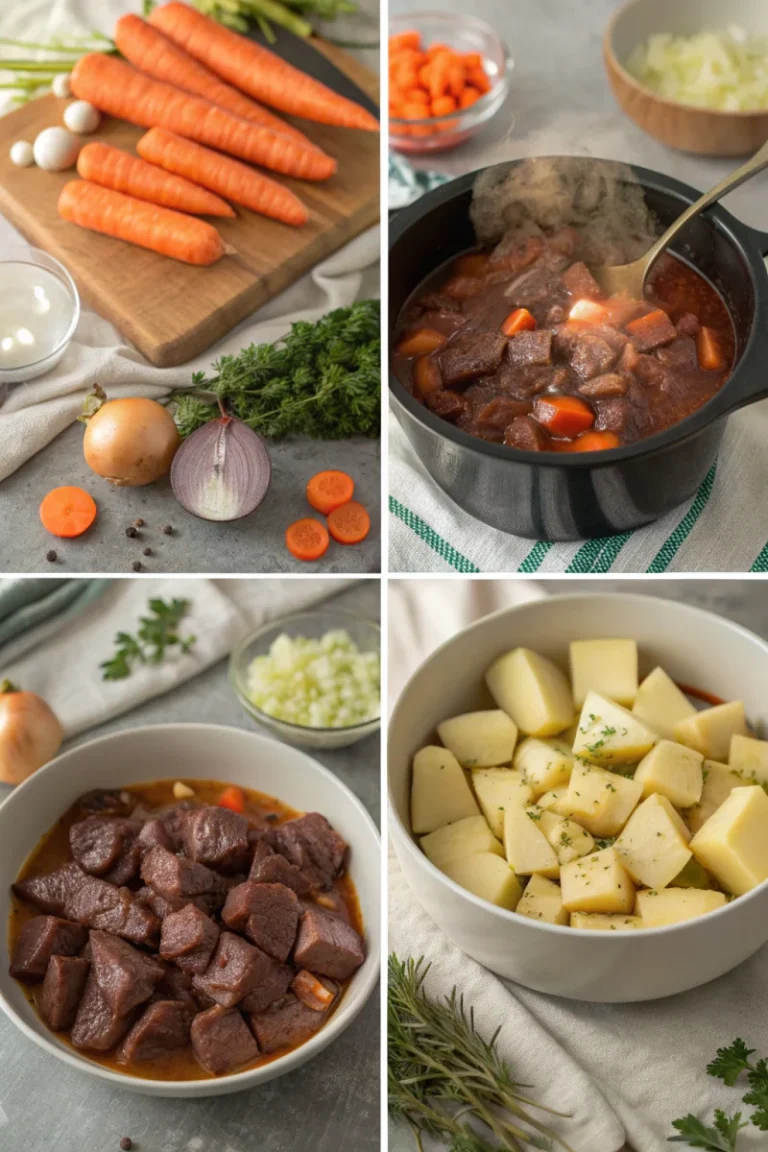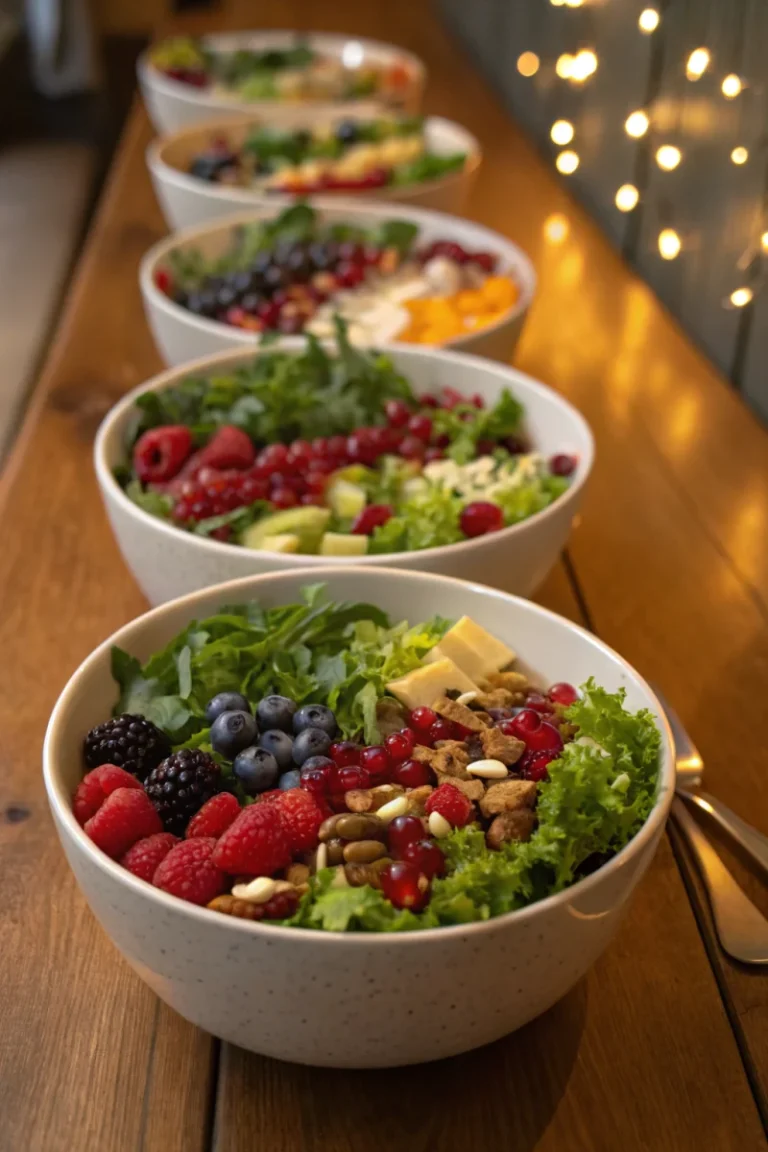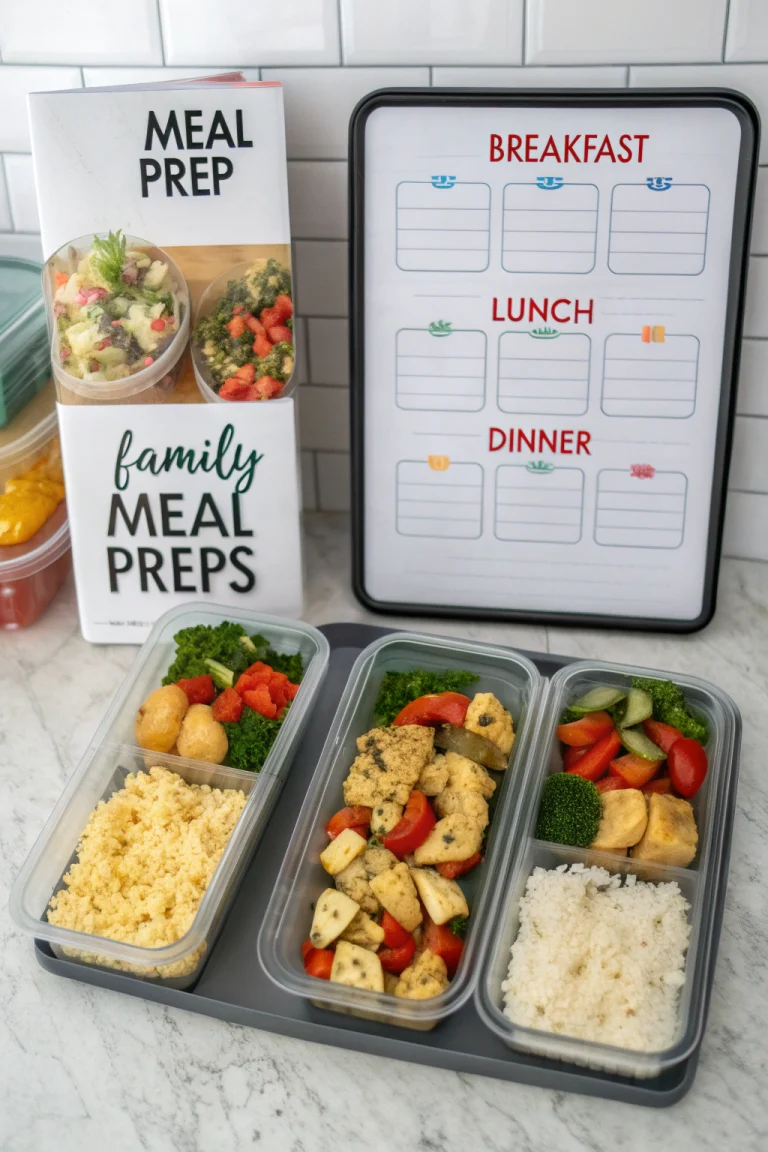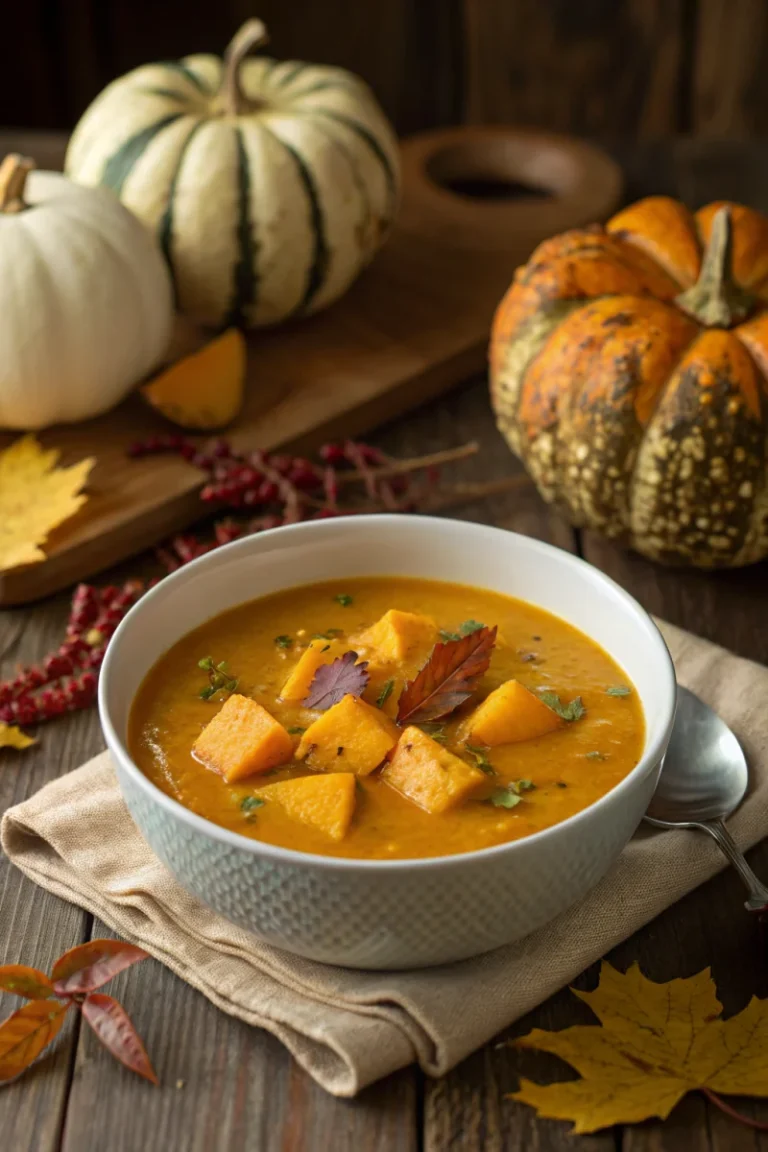
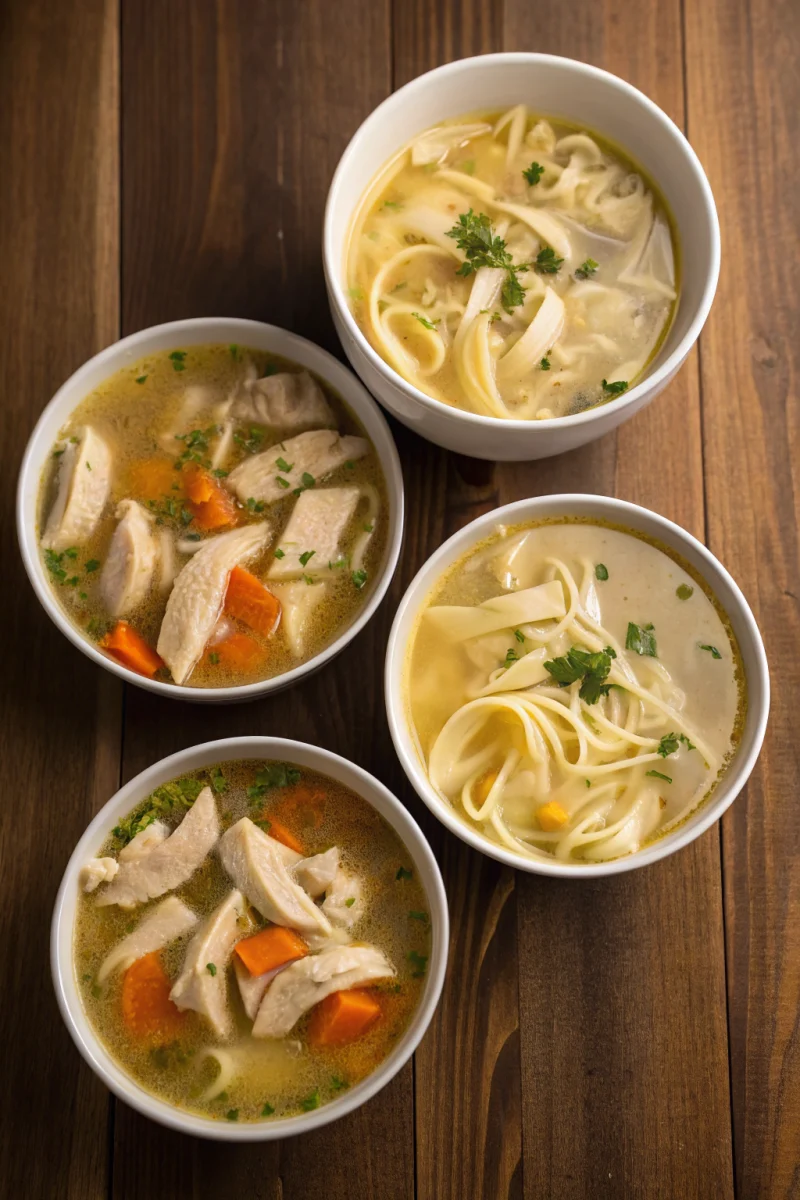
Perfect 4 Chicken Noodle Soup Recipes
Chicken Noodle Soup — The Ultimate Comfort Soup for Cozy Evenings
Chicken Noodle Soup combines heartiness, warmth, and nutrition in one bowl. This guide reveals how to make the perfect winter soup — comforting, wholesome, and deeply flavorful, crafted with chef-level technique and family-friendly ease.
Why Chicken Noodle Soup Matters in Winter
During cold months, the body craves warmth and hydration. Chicken Noodle Soup offers both, blending nutrient-rich ingredients with slow-simmered depth. From classic broths to creamy textures, it’s a dish that soothes and strengthens at once.
Core Ingredients for a Hearty Chicken Noodle Soup
Crafting exceptional Chicken Noodle Soup starts with selecting high-quality, fresh ingredients. Each component plays a crucial role in building the soup’s beloved flavor profile and nutritional value. Here’s a detailed breakdown of what you’ll need and why each element is important:
- 1 tbsp olive oil: The base for sautéing, olive oil imparts a subtle fruity note and helps extract the aromatics’ flavors. It also adds healthy monounsaturated fats.
- 1 large yellow onion, finely chopped: Onions are foundational to almost any savory dish. When slowly cooked, they caramelize slightly, adding a deep sweetness and umami to the broth.
- 2–3 cloves garlic, minced: Garlic is essential for its pungent, aromatic qualities. It complements the onion and provides a robust, savory undertone that defines classic soup flavors.
- 2 medium carrots, diced: Carrots contribute natural sweetness, vibrant color, and vital nutrients like beta-carotene. Dicing them ensures they cook evenly and are tender in every spoonful.
- 2 celery stalks, sliced: Celery offers a subtle earthy, slightly peppery flavor and a satisfying texture. Together with carrots and onions, it forms the “holy trinity” of mirepoix, the aromatic base for many soups and stews.
- 8 cups (2 quarts) high-quality chicken broth or homemade stock: This is the backbone of your Chicken Noodle Soup. Opt for low-sodium commercial broth or, even better, homemade chicken stock for superior flavor and control over sodium content. Homemade stock adds collagen and gelatin, enriching the mouthfeel and nutrient profile.
- 2 cups cooked chicken, shredded or diced: Leftover roasted or poached chicken works perfectly. The chicken provides protein, making the soup a complete meal. You can also quickly poach chicken breasts or thighs specifically for the soup.
- 1.5–2 cups egg noodles (wide or medium): Egg noodles are the traditional choice for chicken noodle soup. They are soft, comforting, and absorb the broth beautifully. Add them towards the end of cooking to prevent them from becoming mushy.
- 1 bay leaf: A classic aromatic, a bay leaf contributes a subtle, herbal, slightly floral note to the broth. Remember to remove it before serving as it’s not meant to be eaten.
- 1/2 tsp dried thyme: Thyme offers an earthy, savory flavor that pairs wonderfully with chicken and vegetables. Dried thyme is more potent than fresh, so adjust accordingly if using fresh (use about 1.5 tsp fresh).
- Salt and freshly ground black pepper to taste: Seasoning is crucial. Taste and adjust throughout the cooking process. Salt enhances all other flavors, while pepper adds a gentle warmth.
- Optional: Fresh parsley or dill, chopped, for garnish: Fresh herbs add a burst of color and a fresh, bright finish to the soup, elevating its presentation and aroma.
Step-by-Step Method for Perfect Chicken Noodle Soup
Achieving a truly soul-satisfying bowl of Chicken Noodle Soup requires attention to detail at each stage. Follow these steps for chef-level results, focusing on building layers of flavor.
Step 1 — Prepare Your Ingredients
Prior to starting, have all your vegetables chopped, garlic minced, and chicken cooked and shredded. This “mise en place” approach makes the cooking process smooth and enjoyable.

Step 2 — Build Your Flavor Base (Sauté Aromatics)
In a large heavy-bottomed pot or Dutch oven, heat 1 tablespoon of olive oil over medium heat. Add the chopped onions, carrots, and celery. Sauté for 8-10 minutes, stirring occasionally, until the vegetables begin to soften and the onions become translucent. This step is crucial; don’t rush it. Allowing the vegetables to gently cook and release their natural sugars is what creates a deeply flavorful broth.
Add the minced garlic and cook for another 1-2 minutes until fragrant. Be careful not to burn the garlic, as this can make it bitter.
Step 3 — Simmer the Broth and Vegetables
Pour in the 8 cups of chicken broth or homemade stock. Add the bay leaf and dried thyme. Bring the soup to a gentle boil, then reduce the heat to low, cover, and let it simmer for 20-25 minutes. This simmering time allows the vegetables to become tender and the flavors to meld beautifully. If any foam or scum rises to the surface during simmering, gently skim it off with a spoon. This helps keep the broth clear and clean-tasting.
Step 4 — Add Chicken and Noodles
Once the vegetables are tender, stir in the shredded or diced cooked chicken. If you’re using raw chicken breasts or thighs, you can add them at the beginning of this step and simmer until cooked through (about 15-20 minutes), then remove, shred, and return to the pot.
Next, add the egg noodles. Increase the heat slightly to bring the soup back to a simmer. Cook the noodles according to package directions, usually 6-8 minutes, until they are al dente (tender but still with a slight bite). Overcooked noodles will become mushy and absorb too much broth, altering the soup’s texture.
Step 5 — Season and Finish
Remove the bay leaf from the pot. Taste the Chicken Noodle Soup and season generously with salt and freshly ground black pepper. Remember that broth, chicken, and noodles all absorb seasoning, so you may need more salt than you think. Start with a teaspoon of salt and a quarter teaspoon of pepper, then add more incrementally until the flavors sing.
Optional: Stir in fresh chopped parsley or dill just before serving for a burst of freshness and color.

Nutrition Facts (per serving)
Understanding the nutritional profile of your homemade Chicken Noodle Soup can help you appreciate its health benefits. The values below are approximate and can vary based on specific ingredient choices (e.g., lean vs. dark meat chicken, amount of noodles, type of broth). This estimate is based on a serving size of roughly 1.5 cups.
- Calories: Approximately 280-350 kcal
- Protein: 20-30g (Excellent source due to chicken and egg noodles. Protein is vital for muscle repair and satiety.)
- Carbohydrates: 30-40g (Primarily from noodles and vegetables, providing energy.)
- Total Fat: 8-15g (Varies with chicken cut and oil used. Includes some healthy fats from olive oil.)
- Saturated Fat: 2-5g
- Fiber: 4-6g (From vegetables and whole wheat noodles if used. Important for digestive health.)
- Sodium: 500-800mg (Highly variable based on broth choice and added salt. Opt for low-sodium broth to control this.)
- Vitamins and Minerals: Rich in Vitamin A (from carrots), Vitamin K (from celery), and B vitamins (from chicken and noodles). Also provides potassium, iron, and zinc.
This nutrient-dense soup offers a balanced meal that supports overall well-being, particularly desirable during colder months or recovery from illness. It provides hydration, essential macronutrients, and a wealth of micronutrients.
Healthy Variations for Your Chicken Noodle Soup
One of the beauties of Chicken Noodle Soup is its versatility. You can easily adapt the recipe to suit various dietary needs, preferences, or to simply boost its nutritional content. Here are several healthy variations to consider:
1. Boost the Vegetables
- Leafy Greens: Stir in a few handfuls of fresh spinach, kale, or Swiss chard during the last 5 minutes of cooking. They will wilt beautifully and add a significant dose of vitamins, minerals, and antioxidants. For kale, remove tough stems and chop coarsely.
- Broccoli or Cauliflower Florets: Add small florets along with the carrots and celery for extra fiber and cruciferous vegetable benefits.
- Mushrooms: Sliced cremini or shiitake mushrooms add an earthy, umami depth. Sauté them with the aromatics or add them during the simmer.
- Bell Peppers: Red or yellow bell peppers add sweetness, color, and Vitamin C. Add them towards the end of the sautéing process.
2. Alternate Proteins
- Leaner Chicken: Always opt for boneless, skinless chicken breast for the leanest option. If using thighs, trim visible fat.
- Lentils or Chickpeas: For a plant-based protein boost, especially if making a vegetarian version, add a can of rinsed and drained lentils or chickpeas during the last 10-15 minutes of simmering. This significantly increases fiber and protein.
- Turkey: Leftover roasted turkey can substitute chicken perfectly, offering a similar flavor and lean protein.
3. Noodle Alternatives
- Whole Wheat Egg Noodles: These offer more fiber than traditional refined egg noodles.
- Zoodles (Zucchini Noodles): For a low-carb, vegetable-packed option, add raw zoodles right at the very end, simmering for just 1-2 minutes to prevent them from becoming too soft.
- Shirataki Noodles: Another very low-carb, gluten-free option. Rinse well before adding.
- Brown Rice or Quinoa: If you prefer grains over pasta, cook brown rice or quinoa separately and stir it into the soup at the end. This prevents it from absorbing too much broth and becoming mushy.
4. Gluten-Free Options
- Ensure your chicken broth is gluten-free (most are, but check labels).
- Use gluten-free pasta (rice pasta, corn pasta, or specialty GF noodles) in place of egg noodles. Add them at the end and cook according to package directions.
- Alternatively, use rice or quinoa as mentioned above.
5. Creamy (Healthier) Versions
For a creamy texture without heavy cream:
- Blend Part of the Soup: Once the vegetables are very tender, remove about 2-3 cups of the soup (mostly broth and vegetables) and blend it until smooth using an immersion blender or a regular blender (be careful with hot liquids). Return the blended portion to the pot and stir. This naturally thickens the soup and adds creaminess.
- Greek Yogurt or Cashew Cream: Stir in a tablespoon or two of plain Greek yogurt (after taking the soup off the heat, to prevent curdling) for a tangy creaminess. For a dairy-free option, blend a handful of soaked cashews with a bit of broth to make a smooth cashew cream and stir that in.
6. Spice It Up!
- Ginger: Add a teaspoon of grated fresh ginger with the garlic for a warming, slight zing, especially beneficial when feeling under the weather.
- Pinch of Red Pepper Flakes: For a subtle heat, add a pinch of red pepper flakes with the aromatics.
By experimenting with these variations, you can keep your Chicken Noodle Soup fresh, exciting, and perfectly aligned with your health goals, making it a staple in your meal rotation.
Serving Suggestions for Your Ultimate Chicken Noodle Soup
While a bowl of homemade Chicken Noodle Soup is perfectly satisfying on its own, pairing it with complementary sides can elevate the meal experience. These suggestions focus on enhancing flavor, adding texture, and creating a balanced, comforting spread.
1. Breads and Grains
- Crusty Whole-Grain Bread: A classic pairing. The bread is perfect for soaking up the delicious broth. Whole-grain varieties add fiber and nutrients.
Consider serving it with a side of Garlic Herb Flatbread, which offers a delightful savory crunch that complements the soup’s warmth. The herbal notes in the flatbread echo the aromatics in the soup, creating a cohesive dining experience.
- Grilled Cheese Sandwiches: The ultimate comfort food duo! A warm, gooey grilled cheese provides a delightful contrast in texture and richness to the light, brothy soup. Use whole-grain bread and sharp cheddar for the best flavor.
- Cornbread: A slightly sweet, crumbly cornbread can be a wonderful accompaniment, particularly with heartier, thicker versions of the soup.
- Croutons (Homemade): For added crunch, make your own croutons by tossing stale bread cubes with olive oil, salt, pepper, and herbs, then baking until golden.
2. Salads and Fresh Sides
A fresh, crisp salad offers a lovely counterpoint to the warm soup, adding brightness and additional nutrients.
- Simple Green Salad: A mix of fresh greens with a light vinaigrette (lemon-herb or apple cider) cleanses the palate and adds a refreshing element.
- Caprese Skewers: Cherry tomatoes, fresh mozzarella balls, and basil leaves drizzled with balsamic glaze offer a burst of fresh flavors and colors.
- Coleslaw: A light, vinegar-based coleslaw (rather than creamy) can provide a tangy crunch that contrasts nicely with the soup.
3. Beverages
- Herbal Tea: Especially soothing if you’re enjoying the soup for its healing properties. Peppermint or chamomile tea can aid digestion.
- Infused Water: Water infused with lemon and mint provides a refreshing, hydrating option.
- White Wine (optional): A crisp, dry white wine like Sauvignon Blanc or Pinot Grigio can pair well with the subtle flavors of chicken and herbs, especially if serving for a more elaborate meal.
4. Desserts to Complete the Meal
After a comforting bowl of Chicken Noodle Soup, a light and wholesome dessert can provide a satisfying finish without being too heavy.
- For a sweet, energizing treat, consider making Honey Oat Energy Bites. Their natural sweetness and chewy texture offer a pleasant contrast to the savory soup, and they’re packed with good-for-you ingredients.
- Fresh fruit salad: A simple bowl of seasonal fruits is always a good choice, offering natural sweetness and vitamins.
- Greek yogurt parfaits: Layers of Greek yogurt, berries, and a sprinkle of granola provide protein and sweetness.
By thoughtfully choosing your accompaniments, you can transform a simple bowl of Chicken Noodle Soup into a remarkably satisfying and memorable meal.
Common Mistakes to Avoid When Making Chicken Noodle Soup
Even a seemingly simple dish like Chicken Noodle Soup can go awry if certain pitfalls aren’t avoided. Mastering these common mistakes will ensure your soup is consistently delicious and comforting.
- Boiling Instead of Simmering:
- The Mistake: Aggressively boiling the soup for extended periods.
- Why it’s Bad: High heat can break down delicate vegetables, making them mushy. It can also toughen the chicken if added too early, and rapidly evaporate the broth, concentrating flavors (often too much) and requiring constant replenishment. Moreover, vigorously boiling can make your broth cloudy and less appealing.
- The Fix: Always maintain a gentle simmer. The surface of the soup should have small, lazy bubbles, not a rolling boil. This allows flavors to meld slowly, vegetables to cook evenly, and broth to remain clear.
- Overcrowding the Pot:
- The Mistake: Using a pot that’s too small for the ingredients, especially when sautéing aromatics or when adding a large volume of noodles.
- Why it’s Bad: Overcrowding prevents ingredients from cooking properly. When sautéing vegetables, if the pot is too full, they will steam instead of caramelize, leading to a less developed flavor base. For noodles, overcrowding can lead to uneven cooking and clumping.
- The Fix: Use a large, wide stockpot or Dutch oven. Ensure there’s enough space for ingredients to spread out and for the broth to circulate freely. When cooking aromatics, ensure a single layer for optimal browning.
- Skipping Salt Layering (or only salting at the end):
- The Mistake: Adding all the salt at the very end of cooking, or not seasoning at all until the final taste test.
- Why it’s Bad: Flavors develop in layers. If you don’t season at various stages, the ingredients themselves won’t absorb the salt, leading to a soup that tastes bland or “under-seasoned,” even if you add a lot of salt at the end.
- The Fix: Add small pinches of salt at key stages: when sautéing the aromatics (to draw out moisture and flavor), when adding broth, and then a final adjustment at the end. Taste frequently! Remember that some components (like chicken or broth) might already contain salt.
- Using Low-Quality Broth:
- The Mistake: Relying on diluted, watery, or overly salty commercial broths.
- Why it’s Bad: The broth is truly the backbone of your Chicken Noodle Soup. If the broth lacks depth, your entire soup will suffer, no matter how good your other ingredients are.
- The Fix: Invest in high-quality, low-sodium chicken broth, or ideally, make your own homemade chicken stock. Homemade stock provides unparalleled depth, collagen, and a cleaner flavor profile. If using store-bought, taste it first and choose one with a rich, savory flavor.
- Overcooking the Noodles:
- The Mistake: Adding noodles too early or cooking them for too long.
- Why it’s Bad: Overcooked noodles become mushy, lose their texture, and absorb an excessive amount of broth, turning your soup into a thick, gloopy stew and leaving you with less liquid.
- The Fix: Add noodles in the last 6-8 minutes of cooking, or according to package directions, aiming for al dente. If you plan to store and reheat the soup, consider cooking the noodles separately and adding them to individual bowls just before serving to maintain their texture.
- Adding Raw Chicken Too Late:
- The Mistake: Putting raw chicken into the soup just a few minutes before serving.
- Why it’s Bad: The chicken won’t cook through, or it will be unevenly cooked and potentially unsafe.
- The Fix: If starting with raw chicken, add it either at the beginning of the broth simmering stage (if making a whole chicken or bone-in pieces that need longer to cook) or with the noodles for boneless, skinless cuts. Ensure it’s cooked all the way through, then shred and return to the pot. Using pre-cooked chicken avoids this issue entirely and saves time.
- Not Resting the Soup:
- The Mistake: Serving the soup immediately after removing it from the heat.
- Why it’s Bad: Like many dishes, soup benefits from a short resting period off the heat, covered.
- The Fix: Allow the soup to rest for 5-10 minutes after turning off the heat. This allows the flavors to further meld and settle, resulting in a more harmonious and delicious final product.
By being mindful of these common errors, you can significantly improve the quality and consistency of your homemade Chicken Noodle Soup, ensuring a comforting and flavorful experience every time.
Storage Tips for Fresh and Flavorful Chicken Noodle Soup
Proper storage is key to extending the life of your homemade Chicken Noodle Soup and enjoying its comforting flavors for days to come. Whether you’re making a large batch for meal prep or simply have leftovers, these tips will help maintain quality and safety.

1. Cooling Rapidly and Safely
- Don’t Store Hot Soup: Never put hot soup directly into the refrigerator, as it can raise the internal temperature of your fridge, potentially spoiling other foods and creating a breeding ground for bacteria.
- Two-Stage Cooling Method:
- Initial Cooldown: Let the soup cool at room temperature for no more than 1-2 hours. You can speed this up by placing the pot (uncovered or partially covered) in an ice bath in your sink. Stirring occasionally helps distribute the cold.
- Portioning for Fridge: Once the soup has cooled to below 70°F (21°C) – it should no longer be steaming – divide it into smaller, shallow containers. This allows it to cool more rapidly and evenly in the refrigerator.
2. Refrigeration
- Airtight Containers: Transfer cooled Chicken Noodle Soup to airtight containers or jars. This prevents contamination and keeps the soup fresh by minimizing exposure to air, which can cause oxidation and flavor degradation. Glass containers with tight-fitting lids are excellent for this.
- Duration: Properly stored in the refrigerator, homemade Chicken Noodle Soup will last for up to 3-4 days.
- Separate Noodles (Optional but Recommended): If you anticipate storing soup for more than a day, consider doing one of the following:
- Cook noodles separately and add them to individual bowls just before serving each portion.
- If noodles are already in the soup, they will absorb more broth and become softer upon reheating. This isn’t necessarily bad, but it does change the texture.
3. Freezing for Long-Term Storage
- Freezer-Safe Containers: Use rigid freezer-safe containers, heavy-duty freezer bags, or glass jars specifically designed for freezing. Leave about an inch of headspace if using rigid containers or jars, as liquids expand when frozen.
- Portioning: Freeze in individual or family-sized portions, making it convenient to thaw only what you need.
- Duration: Chicken Noodle Soup can be safely frozen for up to 2-3 months. Beyond that, while still safe, the quality (especially of noodles and some vegetables) might start to degrade.
- Labeling: Always label containers with the date of freezing and contents.
- Noodles and Freezing: Noodles can become very soft and mushy after freezing and thawing in soup. For the best texture, it’s highly recommended to omit the noodles if you plan to freeze the entire batch. Cook fresh noodles and add them to the thawed and reheated broth just before serving.
4. Reheating
- From Refrigerator: Reheat gently over medium heat on the stovetop, stirring occasionally, until hot and simmering. Avoid a vigorous boil. You can also microwave individual portions in a microwave-safe bowl.
- From Freezer:
- Thaw First: For best results, thaw frozen soup overnight in the refrigerator.
- Direct Reheating: You can also reheat frozen soup directly in a pot over low heat, stirring occasionally, until it thaws and warms through. This method might take longer and require more attention to prevent scorching at the bottom.
- Adjust Consistency: Since liquids can evaporate during reheating, you might need to add a splash of extra chicken broth or water to achieve your desired consistency.
- Taste and Re-season: Always taste and adjust seasonings (salt, pepper, fresh herbs) after reheating, as flavors can mellow during storage.
By following these storage and reheating guidelines, you can ensure that every bowl of your homemade Chicken Noodle Soup tastes as fresh and delightful as the day it was made, providing sustained comfort and nourishment.
Conclusion
Chicken Noodle Soup proves that healthy food can be both rich and comforting. From its carefully selected ingredients to the methodical layering of flavors, this guide has provided you with all the knowledge to create a truly exceptional and nourishing meal. The foundational techniques, such as sautéing aromatics and maintaining a gentle simmer, are crucial for developing the deep, complex flavors that define this beloved dish. We explored its significant nutritional benefits, highlighted by lean protein, essential vitamins, and hydrating broth, making it an ideal choice for a wholesome meal, especially during colder seasons or when seeking restorative comfort. Furthermore, the diverse range of healthy variations ensures that this soup can be adapted to any dietary need or adventurous palate, from gluten-free alternatives to extra vegetable boosts or even a healthier creamy texture using natural thickeners. Understanding how to avoid common pitfalls, such as overcooking noodles or using low-quality broth, elevates your cooking from good to great, ensuring culinary success with every batch. Finally, effective storage techniques mean that the warmth and goodness of your homemade Chicken Noodle Soup can be enjoyed for days, or even months, to come, making it a perfect candidate for meal prepping and offering sustained nourishment. Whether for meal prep or cozy dinners, this extensive guide ensures perfect results every time — warmth in every spoonful. Embrace the tradition and the healthful goodness of homemade Chicken Noodle Soup, a culinary staple that consistently delivers on both taste and comfort.
FAQ — Your Top Questions About Chicken Noodle Soup Answered
Here are answers to some of the most frequently asked questions about making and enjoying Chicken Noodle Soup, designed to help you perfect your recipe and solve common culinary dilemmas.
- Can I use frozen vegetables?
Yes, absolutely! Frozen mixed vegetables (carrots, peas, corn, green beans) are a convenient option. You can add them directly to the simmering broth about 10-15 minutes before the soup is done, or roughly around the same time you add the chicken and noodles. Just be mindful that frozen vegetables release more water as they thaw and cook, so you might need to reduce the initial amount of broth slightly or simmer a bit longer to prevent the soup from becoming too thin. They may also have a slightly softer texture than fresh vegetables.
- How can I make Chicken Noodle Soup creamier without heavy cream?
There are a few excellent ways to achieve a creamy texture without adding high-fat dairy:
- Blend a Portion: Once your vegetables are tender, remove 1-2 cups of the soup (mostly broth and cooked vegetables). Blend it until smooth using an immersion blender or a regular blender (carefully, as hot liquids expand). Stir the puréed mixture back into the pot. This thickens the soup naturally and adds a velvety texture.
- Add a Starch Slurry: Whisk 1-2 tablespoons of cornstarch or arrowroot powder with an equal amount of cold water or broth until smooth. Stir this slurry into the simmering soup and cook for a few minutes until thickened.
- Incorporate Cooked Rice or Potatoes: If you’re okay with a different carb, blending a small amount of cooked rice or a few cooked potatoes into the soup will also add creaminess.
- Greek Yogurt or Cashew Cream: For a dairy-free option, blend a handful of soaked cashews with a bit of broth until smooth, then stir it into the soup. For regular dairy, a dollop of plain Greek yogurt stirred in (off the heat) can add a rich, tangy creaminess.
- What’s the best type of broth to use for Chicken Noodle Soup?
The quality of your broth significantly impacts the flavor of your entire soup.
- Homemade Chicken Stock: This is unequivocally the best option. It provides the deepest, most complex flavor, often contains beneficial collagen, and allows you complete control over sodium content.
- High-Quality, Low-Sodium Store-Bought Broth: If homemade isn’t an option, choose a premium brand of low-sodium chicken broth or stock. Taste it before adding; it should have a rich, savory flavor. Avoid broths with a lot of added sugar or artificial ingredients. “Bone broth” products can also add good depth and nutrients.
- Avoid Bouillon Cubes/Powders: While convenient, they often contain very high sodium levels and can have an artificial taste, detracting from the fresh flavors of homemade soup. Use them only as a last resort, and always taste before adding more salt.
- How long does homemade Chicken Noodle Soup last?
Properly stored, homemade Chicken Noodle Soup has a good shelf life:
- Refrigerated: It will last safely for 3 to 4 days when stored in an airtight container in the refrigerator. Ensure it’s cooled properly before refrigerating to maintain safety and quality.
- Frozen: For longer storage, freeze the soup in freezer-safe airtight containers or bags for up to 2 to 3 months. For best results, consider freezing the broth and chicken separately from the noodles, or adding fresh noodles upon reheating, as cooked noodles can become mushy after thawing.
- Can I make this soup ahead of time for meal prep?
Absolutely! Chicken Noodle Soup is an excellent choice for meal prep.
- Broth and Chicken Base: You can cook the entire soup (without noodles) ahead of time. This flavorful base will keep beautifully in the fridge for 3-4 days or frozen for months.
- Adding Noodles Fresh: For the best texture, cook your dry egg noodles (or other pasta) separately and store them in a different container. Add a portion of cooked noodles to your soup base when reheating individual servings. Alternatively, add dry noodles to the simmering soup base only when you’re ready to eat and cook until al dente.
- Vegetables: Most vegetables hold up well, though softer ones like spinach might be best added fresh when reheating.
- What kind of chicken is best for Chicken Noodle Soup?
The best chicken depends on your preference and what you have on hand:
- Cooked and Shredded/Diced Chicken: Leftover roasted chicken (especially a rotisserie chicken) is incredibly convenient and flavorful. Poached chicken breasts or thighs also work very well. This allows you to add the chicken directly into the finished broth.
- Raw Boneless, Skinless Chicken Breast or Thighs: You can poach these directly in the simmering broth. Cook until tender (about 15-20 minutes, depending on size), remove, shred or dice, then return to the soup.
- Bone-in Chicken: For the deepest flavor, you can start by simmering bone-in chicken pieces (like thighs or drumsticks) in the broth from the beginning. Cook until the meat is falling off the bone, then remove the chicken, shred the meat, discard bones and skin, and return the meat to the soup. This method builds maximum flavor into your broth.
Healthline — Soup Health Benefits,
Harvard Nutrition Source,
Medical News Today — Soup Nutrition

creates quick vegetarian dinners and vibrant taco recipes.