
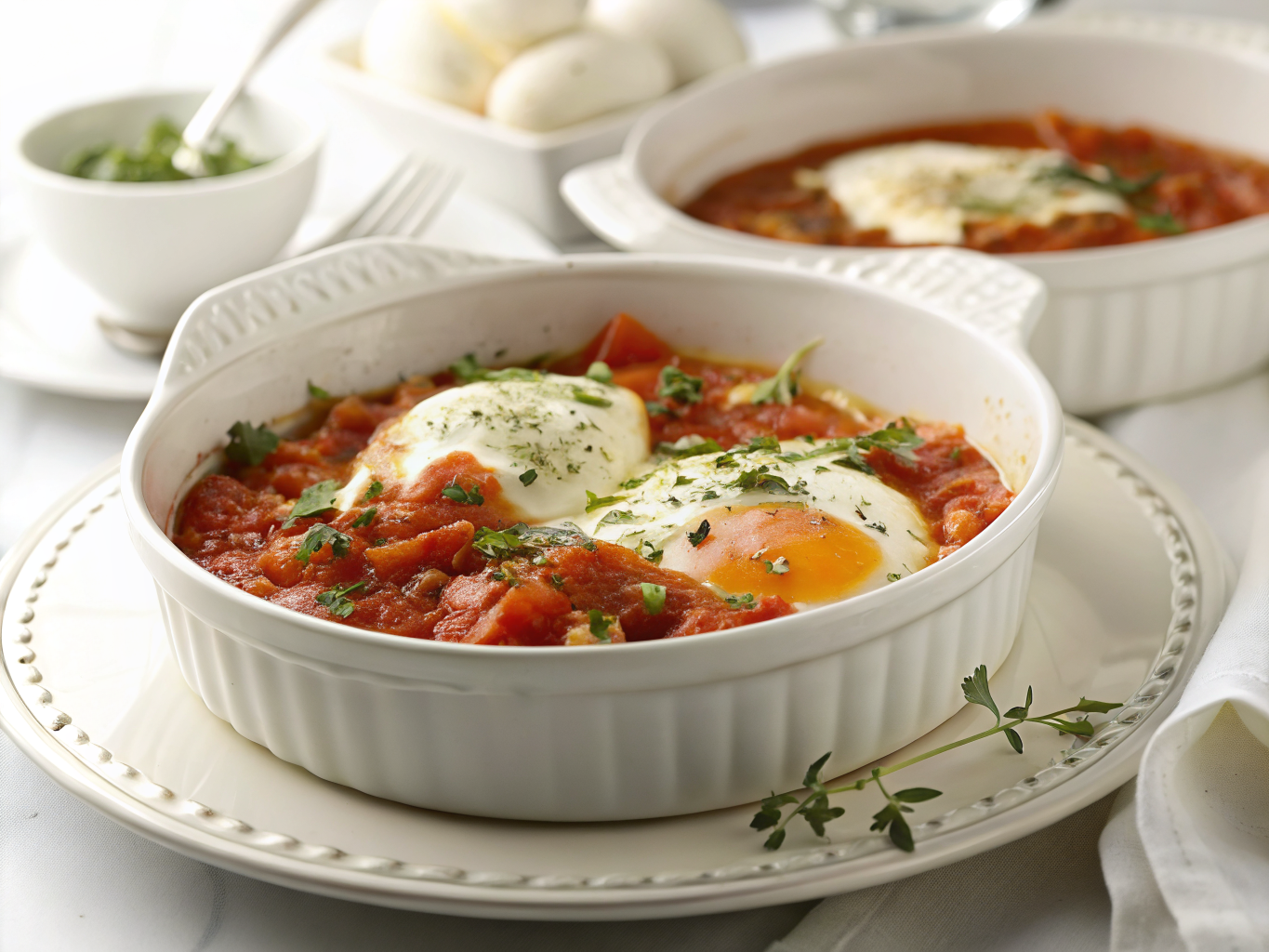
Shakshuka
Ingredients
Method
- Heat olive oil in a large skillet over medium heat. Add diced onion and bell pepper, cooking for 5 minutes until softened.
- Stir in minced garlic, cumin, and paprika. Cook for 1 minute until fragrant.
- Pour in crushed tomatoes and salt. Simmer for 5-7 minutes until sauce thickens slightly.
- Using a spoon, make 6 small wells in the tomato sauce.
- Crack one egg into each well. Cover the skillet with a lid.
- Cook for 5-7 minutes until egg whites are set but yolks are still runny, or longer if you prefer firmer yolks.
- Remove from heat, sprinkle with fresh parsley, and serve immediately with crusty bread.
Nutrition
Notes
Tried this recipe?
Let us know how it was!Shakshuka is a vibrant North African and Middle Eastern dish that has captured the hearts of breakfast lovers worldwide. This stunning one-pan meal features perfectly poached eggs nestled in a rich, spiced tomato and pepper sauce that’s both comforting and exotic. Whether you’re looking for a weekend brunch showstopper or a quick weeknight dinner, this Shakshuka recipe delivers incredible flavor with minimal effort and cleanup.
Thank you for reading this post, don't forget to subscribe!The beauty of Shakshuka lies in its simplicity and versatility, making it an ideal choice for home cooks of all skill levels. With just a handful of pantry staples and fresh ingredients, you can create a restaurant-quality dish that’s packed with nutrients and bold Mediterranean flavors. This complete guide will walk you through everything you need to know to make authentic Shakshuka at home, from selecting the best ingredients to achieving those perfectly runny yolks.
Ready to transform your breakfast game with this incredible dish? Let’s dive into why this Shakshuka recipe deserves a permanent spot in your cooking repertoire and how you can master it in your own kitchen.
Why This Shakshuka Recipe Works Every Time
This Shakshuka recipe has been tested and refined to ensure foolproof results with maximum flavor. The secret lies in building layers of taste through proper sautéing techniques and strategic spice timing. Unlike recipes that rush the process, this method allows each ingredient to develop its full potential, creating a sauce so delicious you’ll want to soak up every last drop with crusty bread.
The combination of fresh bell peppers and ripe tomatoes creates a naturally sweet base that balances beautifully with warming spices like cumin and paprika. This recipe uses canned tomatoes for consistency year-round, but the addition of fresh garlic and onions ensures the sauce tastes vibrant and homemade. The result is a perfectly balanced sauce that’s neither too acidic nor too sweet.
What truly sets this Shakshuka recipe apart is the technique for poaching the eggs directly in the sauce. By creating small wells in the tomato mixture and covering the pan, you’ll achieve eggs with set whites and gloriously runny yolks. This method eliminates the guesswork and ensures success even if you’ve never poached an egg before, making it accessible for beginners while sophisticated enough for experienced cooks.
Core Ingredients for Authentic Shakshuka
The foundation of any great Shakshuka recipe starts with high-quality ingredients that work together harmoniously. Extra virgin olive oil forms the cooking base, providing richness and helping to develop the flavors of the aromatics. Choose a good-quality oil with a fruity flavor profile that will enhance rather than overpower the other ingredients.
Fresh vegetables are essential for building the sauce’s flavor and texture. One large onion, diced finely, provides sweetness and body to the sauce. Two or three bell peppers—preferably red or a combination of red and yellow—add natural sweetness, color, and a slight smoky flavor when properly sautéed. Four to six cloves of garlic, minced, deliver the pungent, aromatic backbone that makes this dish so irresistible.
The spice blend is what gives Shakshuka its characteristic warmth and complexity. Ground cumin adds earthy depth, while sweet paprika contributes mild sweetness and vibrant color. A pinch of cayenne pepper or red pepper flakes provides gentle heat, though this can be adjusted to taste. Ground coriander and a touch of sugar round out the spice profile, balancing the acidity of the tomatoes.
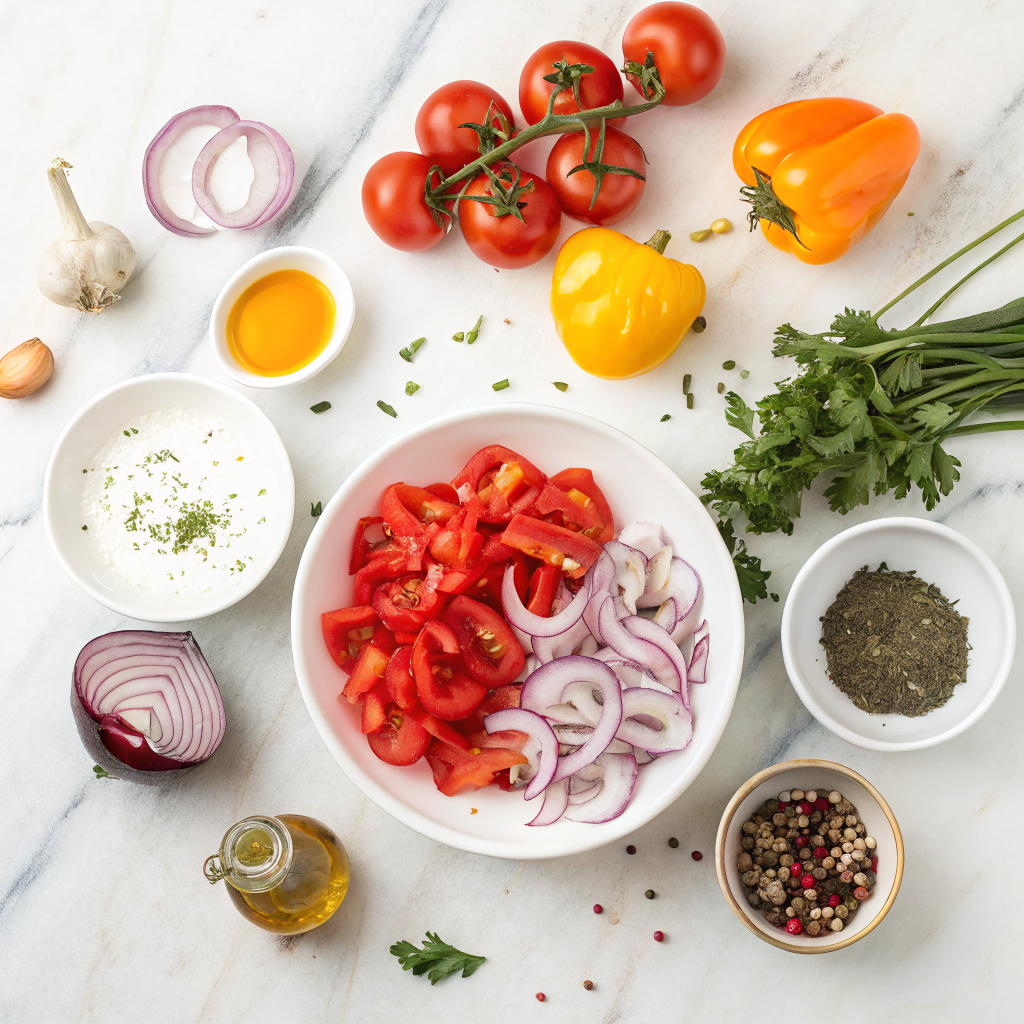
For the tomato base, one 28-ounce can of whole peeled tomatoes works perfectly, as you can crush them by hand for ideal texture. Some recipes call for tomato paste to intensify the flavor, which adds concentrated umami. Fresh eggs are the star of the show—plan for one to two eggs per person depending on appetite. Finally, fresh cilantro or parsley for garnish adds a bright, herbaceous finish that cuts through the richness of the sauce.
Step-by-Step Instructions for Perfect Shakshuka
Step 1: Prepare Your Ingredients and Pan
Begin by gathering all your ingredients and preparing them before you start cooking. Dice the onion finely, slice the bell peppers into strips or chunks, and mince the garlic. Having everything ready ensures smooth cooking without rushed moments that can lead to burning or uneven cooking.
Choose a large skillet with a lid—cast iron works beautifully for this Shakshuka recipe as it retains heat well and can go from stovetop to table. A 10 to 12-inch pan is ideal for cooking four to six eggs with plenty of sauce. If you don’t have a lid, aluminum foil works as an acceptable substitute for the final steaming step.
Step 2: Build the Flavor Base
Heat three tablespoons of olive oil in your skillet over medium heat until shimmering but not smoking. Add the diced onion and sauté for five to seven minutes, stirring occasionally, until softened and turning golden at the edges. This patient cooking develops the natural sugars in the onion, creating a sweet foundation for your sauce.
Add the sliced bell peppers to the pan and continue cooking for another eight to ten minutes. The peppers should soften considerably and develop some caramelized spots, which add depth and subtle smokiness to the finished dish. Stir occasionally to ensure even cooking and prevent sticking, adjusting the heat if vegetables begin to brown too quickly.
Step 3: Add Aromatics and Spices
Once the peppers have softened, add the minced garlic and cook for one to two minutes, stirring constantly, until fragrant but not browned. Garlic can burn quickly, so watch it carefully during this step. The aroma should be pronounced and inviting, signaling that the garlic has released its essential oils.
Add your spice blend—one teaspoon of cumin, two teaspoons of paprika, half a teaspoon of cayenne or red pepper flakes, and half a teaspoon of coriander. Stir the spices into the vegetable mixture and cook for about one minute. This technique, called blooming, activates the spices’ essential oils and intensifies their flavors, ensuring your Shakshuka recipe has maximum impact.
Step 4: Create the Tomato Sauce
Pour in the canned tomatoes with their juices, using your spoon or hands to crush any large pieces. If using tomato paste, add two tablespoons now and stir to incorporate completely. Season with one teaspoon of salt, half a teaspoon of black pepper, and a pinch of sugar to balance the acidity.
Bring the mixture to a simmer, then reduce the heat to medium-low. Let the sauce cook for fifteen to twenty minutes, stirring occasionally, until it thickens noticeably and the flavors meld together. The sauce should be thick enough to hold the wells for the eggs without running back together immediately. Taste and adjust seasoning as needed—this is your last chance before adding the eggs.
Step 5: Poach the Eggs
Using the back of a large spoon, create wells in the tomato sauce where you’ll add the eggs. Space them evenly around the pan to ensure even cooking. Crack each egg carefully into a well, trying to keep the yolk intact for the most attractive presentation.
Season the tops of the eggs lightly with salt and pepper. Cover the skillet with a lid and reduce the heat to low. Cook for five to eight minutes for runny yolks, or ten to twelve minutes for firmer yolks, checking periodically. The whites should be set while the yolks remain slightly jiggly—this ensures creamy yolks that will blend beautifully with the sauce when broken.
Step 6: Garnish and Serve
Once the eggs reach your desired doneness, remove the pan from heat immediately to prevent overcooking. Sprinkle generously with freshly chopped cilantro or parsley, and add a final drizzle of olive oil if desired. Some variations include crumbled feta cheese, which adds tangy creaminess that complements the spiced tomato sauce perfectly.
Serve your Shakshuka recipe directly from the pan for a rustic, family-style presentation that stays warm throughout the meal. Provide plenty of crusty bread, pita, or challah for scooping up the eggs and sauce. The combination of textures and temperatures—hot sauce, creamy yolks, and crispy bread—creates an unforgettable eating experience.
Step 7: Enjoy Immediately
Shakshuka is best enjoyed immediately while the eggs are still warm and the yolks runny. Encourage diners to break their egg yolks and mix them into the surrounding sauce for maximum richness. This dish is meant to be communal and slightly messy, so embrace the casual, sharing-style eating experience that makes it so special.
Nutritional Benefits of This Shakshuka Recipe
This Shakshuka recipe is not only delicious but also remarkably nutritious, making it an excellent choice for health-conscious eaters. Eggs provide high-quality protein with all nine essential amino acids, supporting muscle maintenance and satiety. According to Healthline, eggs are among the most nutritious foods on the planet, containing vitamins A, B12, B2, and B5, along with selenium and phosphorus.
The tomato base delivers powerful antioxidants, particularly lycopene, which has been linked to reduced risk of heart disease and cancer. Cooking tomatoes actually increases the bioavailability of lycopene, making this dish an even better source than raw tomatoes. Bell peppers contribute vitamin C, with red peppers containing nearly three times the recommended daily intake in a single serving.
The olive oil used in this recipe provides heart-healthy monounsaturated fats that help reduce inflammation and support cardiovascular health. Research from Harvard School of Public Health confirms that olive oil consumption is associated with reduced risk of chronic diseases. The spices—particularly cumin and paprika—contain anti-inflammatory compounds and may support digestive health, adding therapeutic value beyond just flavor.
A typical serving of this Shakshuka recipe contains approximately 250-300 calories, 15 grams of protein, 10 grams of healthy fats, and 20 grams of carbohydrates, with 5 grams of fiber. This balanced macronutrient profile makes it suitable for various dietary approaches, from Mediterranean to low-carb eating patterns. The dish is naturally gluten-free when served with appropriate sides and can be easily made dairy-free by omitting optional cheese toppings.
Creative Variations to Customize Your Shakshuka
While the traditional Shakshuka recipe is perfect as written, countless variations allow you to customize the dish to your preferences. For a protein boost, add cooked chorizo, merguez sausage, or ground lamb to the sauce before adding eggs. The meat adds savory depth and makes the dish more substantial for lunch or dinner.
Vegetable variations can transform the nutritional profile and flavor. Try adding diced eggplant, zucchini, or mushrooms when sautéing the peppers. Leafy greens like spinach, kale, or Swiss chard can be stirred into the sauce just before adding eggs, wilting into the mixture and adding vitamins and minerals. For a North African twist, include preserved lemons and olives for briny, citrusy complexity.
Cheese lovers can explore numerous dairy additions to this Shakshuka recipe. Crumbled feta is traditional and adds tangy saltiness that cuts through the rich sauce. Goat cheese offers creamy tartness, while ricotta provides mild, smooth contrast. For a more indulgent version, add grated mozzarella or Gruyere in the last few minutes of cooking for melty, stretchy goodness.
Spice variations allow you to take the recipe in different flavor directions. Add harissa paste for North African heat and complexity, or try berbere for Ethiopian-inspired flavors. Smoked paprika instead of sweet paprika provides a campfire quality, while adding turmeric creates a golden hue and anti-inflammatory benefits. For those who enjoy bold breakfast flavors, consider increasing the cayenne or adding fresh jalapeños.
Best Serving Suggestions and Pairings
The bread you serve with your Shakshuka recipe significantly impacts the overall experience. Crusty sourdough bread, toasted or grilled, provides the perfect vehicle for scooping up sauce and yolk. Warm pita bread offers authentic Middle Eastern appeal and is ideal for folding around bites of egg and sauce. Challah bread adds a slightly sweet richness that complements the savory sauce beautifully.
Side dishes can round out the meal and add variety to the table. A simple Israeli salad with cucumbers, tomatoes, and lemon dressing provides fresh crunch and acidity. Creamy hummus or baba ganoush offers protein-rich dipping options that pair well with the warm spiced flavors. For a heartier meal, serve alongside Mediterranean-style roasted potatoes or hash browns.
Beverage pairings can enhance your Shakshuka experience considerably. For breakfast or brunch, serve with strong coffee or espresso, which complements the dish’s robust flavors. Freshly squeezed orange juice provides sweet contrast and vitamin C. Mint tea offers a traditional Middle Eastern accompaniment that’s both refreshing and digestive-friendly.
For a dinner presentation, this Shakshuka recipe pairs beautifully with light red wines like Pinot Noir or Grenache, which complement the tomato base without overwhelming the eggs. Crisp white wines such as Sauvignon Blanc or Vermentino work equally well, cutting through the richness with bright acidity. Beer lovers might enjoy a wheat beer or pale ale, whose carbonation and mild bitterness balance the dish’s spice and richness.
Common Mistakes to Avoid When Making Shakshuka
One of the most frequent errors in preparing a Shakshuka recipe is rushing the vegetable sautéing process. Taking time to properly caramelize the onions and peppers builds essential flavor depth that can’t be achieved through shortcuts. Allow at least fifteen to twenty minutes for this crucial step, resisting the temptation to increase heat and speed things up, which can result in burnt edges and raw centers.
Overcooking the eggs ruins the textural contrast that makes Shakshuka so appealing. Watch your eggs carefully during the final cooking stage, checking frequently after the five-minute mark. Remember that eggs will continue cooking slightly from residual heat even after removing from the stove, so err on the side of slightly underdone rather than overcooked. According to Medical News Today, properly cooked eggs maintain maximum nutritional value while ensuring food safety.
Using a pan that’s too small or too large affects both the cooking process and final presentation. In a small pan, eggs crowd together and cook unevenly, while a too-large pan spreads the sauce too thin, making it difficult to maintain proper consistency. Stick to a 10 to 12-inch skillet for four to six eggs to ensure optimal results with this Shakshuka recipe.

creates quick vegetarian dinners and vibrant taco recipes.