
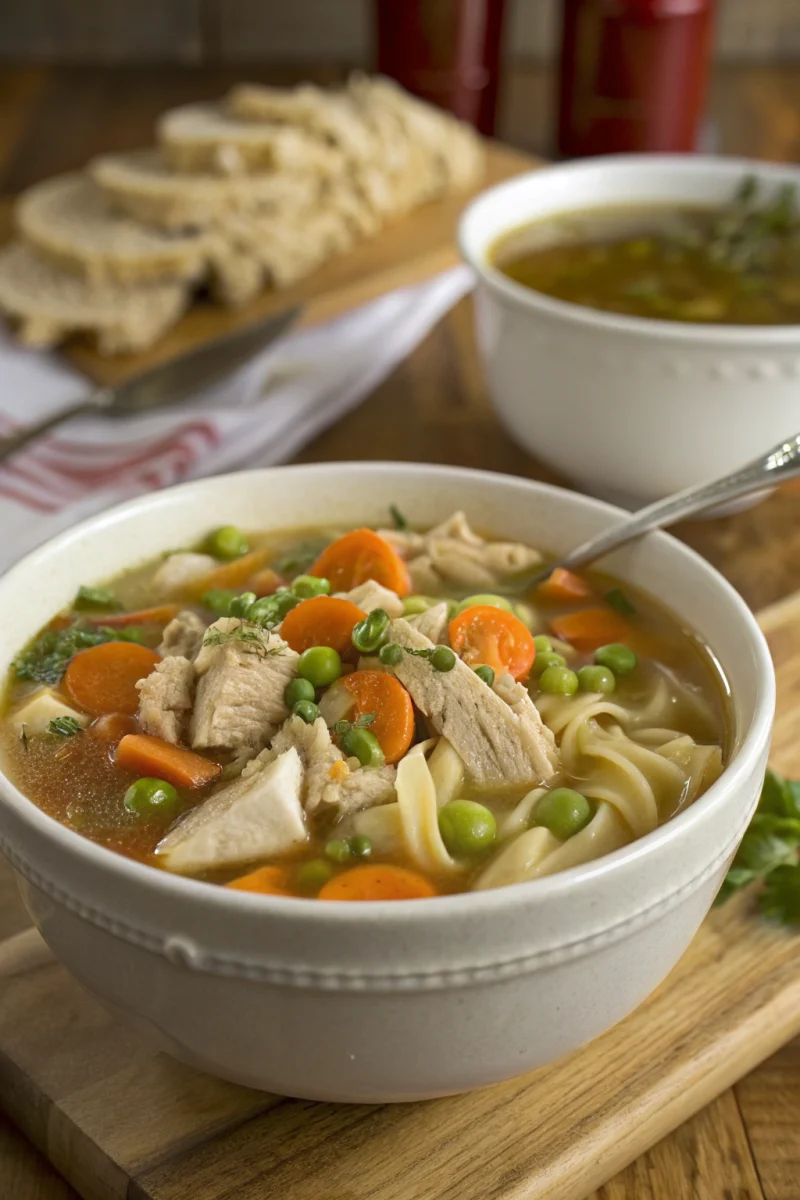
Turkey Leftovers Soup — The Quintessential Post-Feast Warmth and Wellness Elixir
Turkey Leftovers Soup is more than just a dish; it’s a culinary philosophy that embraces sustainability, flavor, and nourishment. This comprehensive guide delves into the art of transforming humble turkey scraps into a luxurious, heart-healthy soup that will banish winter chills and delight the senses. We’ll explore the nuances of broth-making, the symphony of aromatics, and the strategic layering of ingredients to achieve a soup that is both comforting and profoundly flavorful, all while adhering to chef-level techniques adapted for the home cook.
The beauty of a well-made Turkey Leftovers Soup lies in its ability to extract every ounce of flavor from previously cooked ingredients, creating a depth that is often missing from recipes utilizing fresh poultry alone. It’s an ode to resourcefulness and a testament to the transformative power of slow cooking. This article will not only provide you with a foolproof recipe but also equip you with the knowledge to customize it, ensuring every spoonful is a personalized embrace of warmth and nutrition.
Why Turkey Leftovers Soup Matters in Winter: A Culinary & Nutritional Perspective
As the days grow shorter and the temperatures plummet, our bodies naturally crave foods that offer warmth, comfort, and sustained energy. Turkey Leftovers Soup perfectly fits this bill, providing a nourishing balm against the cold. Beyond its undeniable comforting qualities, this soup is a powerhouse of nutrition, offering a wealth of benefits during the colder months.
Hydration and Electrolyte Balance
Winter air tends to be drier, and indoor heating can further contribute to dehydration. Soups, by their very nature, are excellent sources of hydration. The broth, rich in minerals and electrolytes from the simmering bones and vegetables, helps replenish lost fluids and maintain optimal bodily functions. This is particularly crucial during cold and flu season when staying well-hydrated is key to supporting a healthy immune system. A hearty bowl of Turkey Leftovers Soup can be just what the doctor ordered to keep your body properly hydrated and resilient.
Immune System Support
The ingredients typically found in a robust Turkey Leftovers Soup are teeming with immune-boosting nutrients. Garlic and onions, known for their antimicrobial and anti-inflammatory properties, form the foundational flavor base. Carrots and celery contribute essential vitamins, particularly Vitamin A and C, which are vital for immune health. Furthermore, if you incorporate a homemade turkey broth made from roasted turkey bones, you’re infusing the soup with collagen and amino acids like proline and glycine, which support gut health – a cornerstone of a strong immune response. The warmth of the soup itself can also help alleviate congestion and provide symptomatic relief during illness.
Digestive Comfort and Nutrient Absorption
Slow-simmered soups are generally easier to digest than heavier, richer meals. The cooking process breaks down tough fibers and proteins, making the nutrients more bioavailable for your body to absorb. This gentleness on the digestive system is especially beneficial during winter when our bodies might be working harder to stay warm. The naturally gelatinous properties of a good bone broth can also help soothe and repair the gut lining, promoting overall digestive wellness. Including ingredients like barley or rice also adds soluble fiber, further aiding digestion.
Sustained Energy and Satiety
A well-balanced Turkey Leftovers Soup, complete with lean protein from the turkey, complex carbohydrates from grains and vegetables, and healthy fats from olive oil, provides sustained energy without causing blood sugar spikes. The combination of protein and fiber helps you feel fuller for longer, preventing overeating and contributing to better weight management during a time of year when comfort eating can lead to unwanted weight gain. It’s a satisfying meal that nourishes both body and soul, leaving you feeling content and energized rather than heavy and sluggish.
Emotional Comfort and Warmth
Beyond the physiological benefits, there’s an undeniable psychological comfort associated with a warm bowl of soup on a cold day. It evokes feelings of hearth and home, of being cared for and nurtured. The aroma alone can be incredibly therapeutic, filling the kitchen with promises of a delicious meal. This emotional well-being is just as important as physical health, and Turkey Leftovers Soup delivers on both fronts, making it an indispensable part of any winter culinary repertoire.
Core Ingredients for a Stellar Turkey Leftovers Soup
Crafting an exceptional Turkey Leftovers Soup begins with selecting high-quality ingredients. While the exact proportions can be adjusted to your preference, these core components lay the groundwork for a deeply flavorful and nourishing bowl.
- 1 tbsp olive oil: The starting point for sautéing aromatics. Extra virgin olive oil adds a subtle fruity note and healthy fats.
- 1 onion, finely chopped: The unsung hero of many savory dishes, onions provide a foundational sweetness and depth when properly caramelized.
- 2 garlic cloves, minced: Garlic adds a pungent, savory aroma and is renowned for its health benefits. Don’t skip it!
- 2 carrots, diced: Carrots bring natural sweetness, vibrant color, and an abundance of Vitamin A to your Turkey Leftovers Soup.
- 2 celery stalks, sliced: Celery offers a delicate, earthy flavor and crisp texture, rounding out the classic mirepoix base.
- 4 cups vegetable or chicken broth: The liquid foundation. Homemade turkey broth from your roasted turkey carcass is highly recommended for unparalleled depth. Otherwise, opt for a high-quality, low-sodium store-bought variety.
- 1 cup cooked turkey, shredded or diced: The star of your Turkey Leftovers Soup! Use a mix of white and dark meat for varied textures and flavors. Ensure it’s fully cooked turkey.
- 1 cup cooked barley or rice: Adds body, texture, and complex carbohydrates, making the soup a complete meal.
- Salt, black pepper, dried thyme, and bay leaf to taste: These seasonings uplift and balance the flavors. Thyme pairs beautifully with poultry, and a bay leaf adds an elusive depth.
- Optional additions for extra freshness: A handful of fresh parsley or dill, chopped, added at the very end.
Step-by-Step Method: Crafting Your Perfect Turkey Leftovers Soup
The journey to an exquisite Turkey Leftovers Soup is a meditative process, built on layering flavors and respecting each ingredient. Follow these steps meticulously for a truly rewarding culinary experience.
Step 1 — Build Your Flavor Base: The Aromatic Foundation
This initial step is crucial for developing the foundational depth of your soup. It’s where the magic of “mirepoix” comes alive, creating a savory aromatic layer that will permeate every spoonful of your Turkey Leftovers Soup.
- Heat the Oil: Place a large, heavy-bottomed pot or Dutch oven over medium heat. Add 1 tablespoon of olive oil and allow it to shimmer gently, indicating it’s ready for the vegetables.
- Sauté the Onions: Add the finely chopped onion to the pot. Sauté gently for 5-7 minutes, stirring occasionally, until the onion softens and becomes translucent, just beginning to turn golden at the edges. This slow caramelization develops sweetness and deepens the overall flavor.
- Introduce Celery and Garlic: Add the sliced celery and minced garlic to the pot. Continue to sauté for another 3-5 minutes, stirring frequently. Be careful not to burn the garlic, as this can turn bitter. The goal is to soften the celery and allow the garlic to become fragrant, releasing its aromatic oils. This combination forms your potent flavor base, essential for an amazing Turkey Leftovers Soup.

Sautéing aromatics slowly allows their flavors to develop fully, creating the backbone of your soup.
Step 2 — Infuse and Simmer: Developing Depth and Tenderness
Once your aromatics are golden and fragrant, it’s time to introduce the rest of the foundational flavors and begin the simmering process. This stage allows the vegetables to tenderize and the broth to absorb all the delicious essences.
- Add Carrots and Seasonings: Stir in the diced carrots. Add your dried thyme and bay leaf directly to the pot. Season with a good pinch of salt and a few grinds of black pepper at this stage. Seasoning in layers builds flavor from the ground up. Cook for another 2-3 minutes, stirring to coat the carrots in the aromatic oil and toast the spices slightly.
- Pour in the Broth: Carefully pour in the 4 cups of vegetable or chicken broth (or even better, homemade turkey broth). Give it a good stir to combine all the ingredients from the bottom of the pot.
- Bring to a Simmer: Increase the heat to bring the liquid to a gentle boil, then immediately reduce the heat to low. The goal is a gentle simmer, where only small bubbles intermittently break the surface. Cover the pot partially, leaving a small gap for steam to escape.
- Simmer for Tenderness: Let the soup simmer gently for 25–30 minutes, or until the carrots are tender when pierced with a fork.
- Skim if Necessary: During simmering, you might notice some foam rising to the surface. This is natural. Gently skim it off with a spoon or ladle to keep your Turkey Leftovers Soup clear and visually appealing.
Step 3 — Incorporate Turkey, Grains, and Finish: The Grand Finale
With the broth rich and vegetables tender, it’s time to add the stars of the show – your leftover turkey and cooked grains – and bring your Turkey Leftovers Soup to its delicious conclusion.
- Add Cooked Turkey: Stir in the 1 cup of shredded or diced cooked turkey. Since the turkey is already cooked, it only needs to be heated through. Adding it towards the end prevents it from becoming dry or tough during prolonged simmering.
- Stir in Cooked Grains: Add the 1 cup of cooked barley or rice. If your grains are uncooked, you’ll need to adjust the cooking time and potentially add more broth. However, for this recipe, using pre-cooked grains saves time and ensures they don’t absorb too much liquid.
- Continue to Simmer Briefly: Allow the soup to simmer for another 5-10 minutes, uncovered, to allow the flavors to meld and the turkey and grains to warm through.
- Adjust Seasoning: This is a crucial step! Taste the Turkey Leftovers Soup. Does it need more salt? A dash more pepper? Perhaps a pinch of a dried herb like marjoram or sage if you’re feeling adventurous. Remember, it’s easier to add more seasoning than to take it away. Adjust to your personal preference.
- Remove Bay Leaf and Serve: Before serving, remember to remove the bay leaf. Ladle the hot soup into bowls. If desired, garnish with fresh chopped parsley or a swirl of good quality olive oil for an extra touch of freshness and flavor.

A hearty bowl of finished Turkey Leftovers Soup, ready to be enjoyed.
Nutrition Facts (per serving)
Understanding the nutritional profile of your Turkey Leftovers Soup can help you appreciate its role in a balanced diet. Please note these are approximate values and can vary based on specific ingredients and portion sizes. These figures are based on a typical serving size of roughly 1.5 cups.
- Calories: 230
- Protein: 9g
- Carbohydrates: 32g
- Fat: 7g
- Fiber: 5g
- Sodium: 410mg
- Vitamin A: ~70% Daily Value (DV) – primarily from carrots.
- Vitamin C: ~15% DV – from various vegetables.
- Iron: ~10% DV – from turkey and some vegetables.
- Potassium: ~15% DV – from broth and vegetables.
This nutritional breakdown highlights that Turkey Leftovers Soup is not only comforting but also a well-rounded meal, providing essential macronutrients and a good array of vitamins and minerals. The protein content helps with muscle maintenance and satiety, while the fiber aids in digestion and blood sugar regulation. The relatively low fat content, especially if using lean turkey and appropriate broth, makes it a heart-healthy choice.
Healthy Variations and Enhancements for Your Turkey Leftovers Soup
While the basic recipe for Turkey Leftovers Soup is incredibly satisfying, there’s ample room for customization to suit dietary needs, preferences, or simply to add an extra nutritional punch. Experimentation is key to making this soup truly your own.
Boosting Protein and Fiber
- Legumes: Enhance your Turkey Leftovers Soup with extra proteins and fiber by adding a can of drained and rinsed chickpeas, cannellini beans, or lentils (if using dried lentils, cook them separately or add them earlier in the simmering process). They add a wonderful texture and contribute significantly to satiety and gut health.
- Tofu or Tempeh: For a plant-based protein boost (or if you simply enjoy it), consider dicing and pan-frying some firm tofu or tempeh until golden, then stirring it into the soup at the very end.
- More Turkey: Don’t hesitate to add more shredded turkey if you have an abundance of leftovers. The more protein, the more satisfying the meal for building muscle.
Adding More Plant-Based Nutrition
- Leafy Greens: Stir in a generous handful of chopped kale, spinach, or Swiss chard during the last 5-10 minutes of simmering. These greens wilt beautifully and pack a powerful punch of vitamins and antioxidants into your Turkey Leftovers Soup.
- Mushrooms: Sauté sliced mushrooms (cremini, shiitake, or even wild mushrooms) with your aromatics in Step 1 to add an umami depth and additional nutritional benefits.
- Winter Squash: Diced butternut squash or sweet potato can be added along with the carrots in Step 2. They will lend a lovely sweetness, creaminess, and a boost of Vitamin A.
- Bell Peppers: Add diced bell peppers (any color) along with the carrots for extra vitamin C and a touch of sweetness.
Achieving a Creamier Texture
- Partial Blending: For a thicker, more luxurious Turkey Leftovers Soup without adding cream, carefully transfer about one-third of the finished soup into a blender (ensure the lid is slightly ajar to allow steam to escape, and hold it down firmly with a towel). Blend until smooth, then stir the blended portion back into the pot with the remaining chunky soup. This technique adds body and a velvety texture while retaining recognizable pieces of turkey and vegetables.
- Dairy-Free Creaminess: For a rich, dairy-free option, stir in ¼ to ½ cup of full-fat coconut milk (canned, unsweetened) during the last 10 minutes of simmering. This will impart a subtle coconut flavor, which can be delightful with the right spice profile (e.g., a touch of ginger or curry powder).
- Dairy Cream: For a traditional creamy soup, stir in ¼ to ½ cup of heavy cream or half-and-half during the last 5 minutes of simmering. Be careful not to boil the soup vigorously after adding dairy, as it can curdle.
Infusing Bold Flavors
- Herbs: Experiment with different fresh or dried herbs. Rosemary, sage, and marjoram all complement turkey beautifully. Add fresh herbs at the very end for brightness.
- Spice it Up: For a subtle kick, add a pinch of red pepper flakes with the aromatics. For a more pronounced warmth, a small amount of smoked paprika or a dash of mild curry powder can transform the flavor profile of your Turkey Leftovers Soup.
- Acidity Boost: A squeeze of fresh lemon juice or a tablespoon of apple cider vinegar stirred in just before serving can brighten all the flavors and provide a subtle tang.
Serving Suggestions for Your Turkey Leftovers Soup
A bowl of Turkey Leftovers Soup is satisfying on its own, but pairing it with the right accompaniments can elevate the meal to a truly memorable experience. Think about textures, contrasting flavors, and how to make it more hearty or refreshing.
Classic Bread Pairings
- Crusty Whole-Grain Bread: A thick slice of warm, crusty whole-grain bread is perfect for soaking up every last drop of flavorful broth. It adds a satisfying chew and helps make the meal more substantial.
- Garlic Herb Flatbread: Our homemade Garlic Herb Flatbread recipe provides a fragrant, savory accompaniment that perfectly complements the warmth of the soup. The fresh herbs and garlic add a wonderful aromatic contrast.
- Cornbread: For a touch of Southern comfort, serve your Turkey Leftovers Soup with a slice of warm, slightly sweet cornbread. The crumbly texture and subtle sweetness offer a delightful counterpoint to the savory soup.
Light and Fresh Sides
- Simple Green Salad: A crisp green salad with a light vinaigrette provides a refreshing contrast to the rich soup. Use mixed greens, cucumber, and cherry tomatoes for a quick and healthy side.
- Avocado Toast: A slice of whole-grain toast topped with mashed avocado, a sprinkle of salt, pepper, and red pepper flakes adds healthy fats and a creamy texture.
Heartier Companions
- Grilled Cheese Sandwich: The ultimate comfort food pairing! A warm, gooey grilled cheese sandwich dipped into tomato soup is iconic, but it’s equally delicious with your Turkey Leftovers Soup.
- Cheese & Cracker Platter: A small platter of assorted cheeses, whole-grain crackers, and perhaps some fruit like grapes or apple slices offers a light yet satisfying addition.
Dessert Pairings
After a comforting bowl of Turkey Leftovers Soup, a light and wholesome dessert can be the perfect finish.
- Honey Oat Energy Bites: These no-bake bites are naturally sweet, full of healthy oats, and provide a lovely contrasting texture to the soup. They are also incredibly easy to make!
- Fresh Fruit Salad: A simple bowl of seasonal fresh fruit provides a refreshing and healthy end to the meal.
- Greek Yogurt Cheesecake Cups: For a slightly more indulgent but still wholesome dessert, these tangy-sweet cheesecake cups offer a delightful creamy texture and are portion-controlled.
Common Mistakes to Avoid When Making Turkey Leftovers Soup
Even seasoned cooks can fall prey to common pitfalls when making soup. Being aware of these missteps will help ensure your Turkey Leftovers Soup turns out perfectly every time.
- Boiling instead of Simmering: Vigorous boiling can lead to several undesirable outcomes. It can break down delicate ingredients, making vegetables mushy and unclear. It can also emulsify fats, rendering your broth cloudy. Most importantly, it can cause proteins (like those from turkey or any bones in homemade broth) to become tough and unappetizing. Always aim for a gentle simmer – small, intermittent bubbles – to preserve texture, clarity, and nutrient integrity in your Turkey Leftovers Soup.
- Overcrowding the Pot: Whether it’s sautéing your aromatics or adding too many vegetables at once, overcrowding the pot lowers the temperature dramatically and leads to steaming rather than browning or a proper simmer. This results in fewer developed flavors and a less appealing texture. Work in batches if necessary, especially when browning meat or sautéing a large volume of vegetables.
- Skipping Salt Layering: Adding all your salt at the very end is a common mistake. Salt isn’t just about making food taste “salty”; it enhances and brings out the inherent flavors of ingredients as they cook. By adding small pinches of salt at key stages (when sautéing aromatics, when adding liquids, and finally, for adjustment) you build a more complex and balanced flavor profile in your Turkey Leftovers Soup. If you wait until the end, the salt will sit on the surface of the flavors rather than being integrated throughout.
- Using Low-Quality Broth: The broth is truly the backbone of any great soup. Using a watery, flavorless, or overly salty commercial broth will result in a mediocre Turkey Leftovers Soup, no matter how good your other ingredients are. Invest in high-quality, low-sodium store-bought broth, or even better, make your own turkey broth from your leftover turkey carcass. This homemade liquid gold will provide unparalleled depth and richness.
- Adding Raw Grains/Pasta Too Early: If you’re adding uncooked grains (like raw rice or barley) or pasta directly to the soup, be mindful of the timing. Adding them too early can result in them becoming mushy and absorbing too much liquid, leaving you with less broth and an overcooked texture. Generally, add them about 10-15 minutes before serving, or cook them separately and add them to individual bowls or during the last minute of simmering. Always use pre-cooked grains or pasta for this particular Turkey Leftovers Soup recipe.
- Overcooking the Turkey: Since you’re using cooked turkey leftovers, the meat just needs to be heated through. Adding it too early in the simmering process and letting it cook for too long will dry out the turkey and make it stringy and less palatable. Stir it in during the last 5-10 minutes of cooking.
- Not Tasting and Adjusting: It sounds obvious, but many cooks skip this crucial step. Flavors can mute, intensify, or surprise you as the soup cooks. Always taste your Turkey Leftovers Soup before serving and adjust salt, pepper, and other seasonings as needed. A squeeze of lemon juice or a dash of fresh herbs at the end can also remarkably brighten the flavors.
- Forgetting to Remove Bay Leaf: While bay leaves add a lovely, subtle flavor, they are not meant to be eaten. Always remember to fish out the bay leaf (or leaves) before serving your Turkey Leftovers Soup.
Storage Tips for Your Turkey Leftovers Soup
One of the best aspects of Turkey Leftovers Soup is how well it stores. It often tastes even better the next day as the flavors have more time to meld and deepen. Proper storage ensures both food safety and optimal flavor retention.
- Cooling Promptly: The most crucial step is to cool the soup as quickly as possible to prevent bacterial growth. Do not leave hot soup on the counter for more than two hours. To speed up cooling, you can divide the soup into shallower containers, or even place the pot in an ice bath (a larger basin filled with ice and water). Let it cool for no more than 30 minutes at room temperature before refrigerating.
- Refrigeration: Once cooled, transfer your Turkey Leftovers Soup to airtight containers. Glass jars (like Mason jars) or sturdy plastic containers with tight-fitting lids are ideal. Refrigerate for up to 4 days. The flavors will deepen overnight, making it a perfect meal prep option.
- Freezing: Turkey Leftovers Soup freezes exceptionally well, particularly if you haven’t added any dairy. Freeze in individual portions for convenient grab-and-go meals, or in larger containers if you plan to feed several people later. Leave about an inch of headspace in your container, as liquids expand when frozen. It will last in the freezer for up to 3 months. Clearly label containers with the date.
- Reheating Gently: To reheat, transfer the desired amount of frozen soup to a pot and thaw in the refrigerator overnight, or gently reheat from frozen over low heat, stirring occasionally. For refrigerated soup, simply reheat in a saucepan over medium heat until simmering gently and completely warmed through. Avoid vigorous boiling, which can degrade the texture of the turkey and vegetables. If the soup appears too thick after reheating, you can thin it with a little extra broth or water.
- Note on Pasta/Rice: If your soup contains pasta or rice and you plan to freeze it, you might find that the pasta or rice can become a bit mushy upon thawing and reheating. If this bothers you, consider cooking the pasta/rice separately and adding it to individual bowls of soup just before serving, especially for portions you intend to freeze.
Conclusion: The Enduring Appeal of Turkey Leftovers Soup
Turkey Leftovers Soup stands as a shining example of how practical culinary traditions can seamlessly align with modern desires for healthy, flavorful, and sustainable eating. This comprehensive guide has walked you through every step, from building an aromatic foundation to customizing your bowl with nourishing additions, ensuring that your winter meals are both satisfying and deeply enriching. With its robust flavor, comforting warmth, and impressive nutritional profile, this soup transforms what might otherwise be discarded turkey into a culinary treasure.
Every spoonful of this meticulously crafted Turkey Leftovers Soup is a testament to the power of thoughtful cooking – a celebration of resourcefulness that yields a dish far greater than the sum of its parts. It’s a meal that not only nourishes the body with lean protein, fiber, and essential vitamins but also soothes the soul, providing a much-needed embrace during the colder months. Whether you’re preparing it for a quiet weeknight dinner, a robust lunch, or as a restorative balm during illness, you’re not just making soup; you’re crafting an experience.
By understanding the nuances of each ingredient, the importance of layering flavors, and the simple techniques that elevate a good soup to a great one, you are now equipped to create a Turkey Leftovers Soup that rivals any restaurant offering. This isn’t just about avoiding waste; it’s about harnessing the full potential of your ingredients, creating a dish that becomes a beloved staple in your culinary repertoire. So, go forth and transform those leftovers into a masterpiece – a warm, wholesome, and truly unforgettable Turkey Leftovers Soup, guaranteeing warmth in every single, delicious spoonful.
FAQ
- Can I use frozen vegetables in my Turkey Leftovers Soup? Yes, absolutely! Frozen mixed vegetables (peas, corn, green beans, carrots) are a convenient option. Just be aware that they might release more water, so you might need to reduce the broth slightly or allow the soup to simmer a bit longer (uncovered) to achieve your desired consistency. Adding them towards the end of the simmering cycle helps preserve their texture.
- How can I make my Turkey Leftovers Soup creamier without dairy? To achieve a dairy-free creamy texture, blend about one-third of the finished soup (vegetables and broth, but ideally no turkey or grains) until smooth, then stir it back into the pot with the remaining chunky soup. This creates a natural thickness. Alternatively, you can stir in 1/4 to 1/2 cup of full-fat canned coconut milk during the last 10 minutes of simmering, which will also impart a subtle flavor.
- What’s the best type of broth to use for Turkey Leftovers Soup? Homemade turkey broth made from a roasted turkey carcass is undoubtedly the gold standard for its deep, rich flavor and nutritional benefits. If you don’t have homemade, opt for a high-quality, low-sodium store-bought chicken or vegetable broth. “Low sodium” is key so you can control the salt levels yourself and prevent the soup from becoming overly salty.
- How long does Turkey Leftovers Soup last? When stored properly in airtight containers, your Turkey Leftovers Soup will last for up to 4 days in the refrigerator. For longer storage, it freezes beautifully for up to 3 months. Ensure it’s cooled quickly before refrigeration or freezing to maintain food safety and quality.
- Can I add potatoes to this Turkey Leftovers Soup recipe? Yes, diced potatoes (like Yukon Gold or red potatoes, peeled or unpeeled) make a wonderful addition. Add them along with the carrots in Step 2, ensuring they are cut into small, uniform pieces so they cook through at the same rate as the other vegetables. They will add heartiness and a slight thickness to the broth.
- What if my cooked turkey is a bit dry? Reheating dry turkey in soup is a great way to rehydrate it. The moisture from the broth will tenderize it. Ensure you add the turkey toward the end of the cooking process, giving it just enough time to heat through without further cooking.
- Can I use fresh herbs instead of dried? Absolutely! Fresh herbs like parsley, sage, thyme, or even a touch of rosemary are fantastic. If using fresh, double the quantity compared to dried herbs and add them towards the very end of the cooking process, or as a garnish, to preserve their vibrant flavor and aroma.
Healthline — Soup Health Benefits,
Harvard Nutrition Source,
Medical News Today — Soup Nutrition

creates quick vegetarian dinners and vibrant taco recipes.