
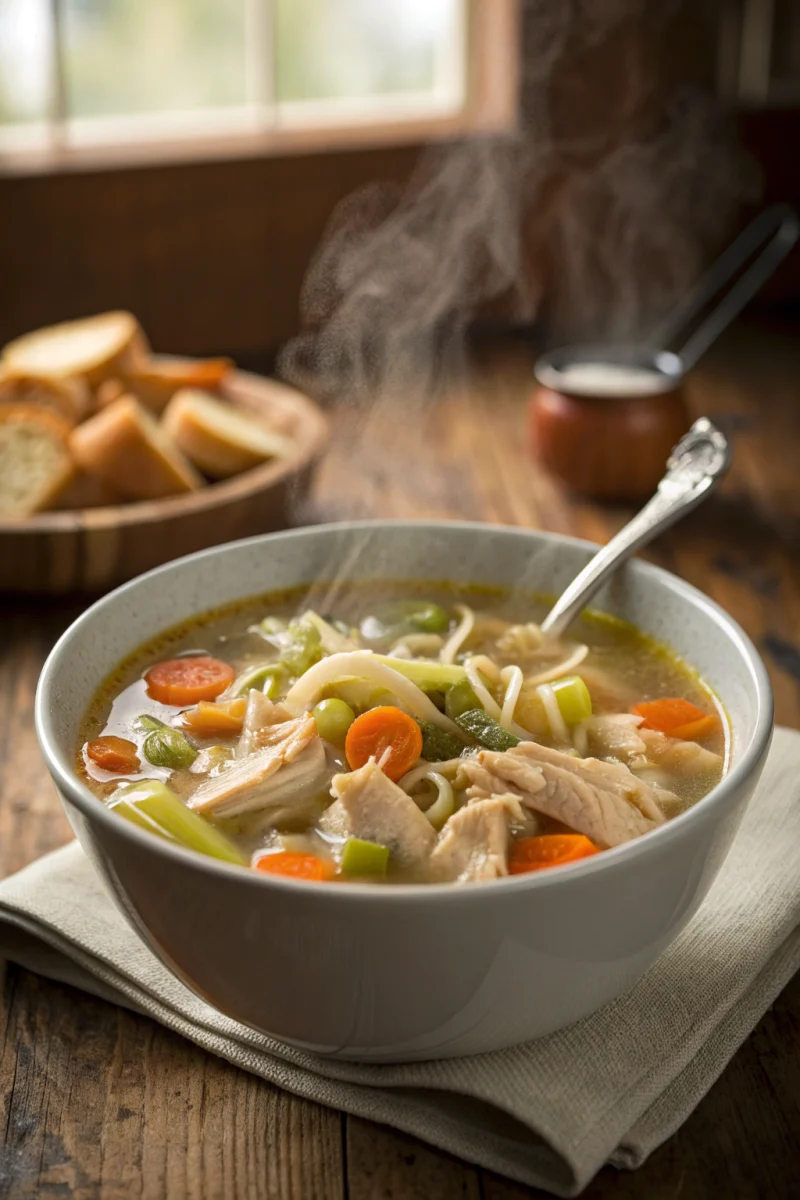
Chicken Soup — The Ultimate Comfort Soup for Cozy Evenings
Chicken Soup combines heartiness, warmth, and nutrition in one bowl. This guide reveals how to make the perfect winter soup — comforting, wholesome, and deeply flavorful, crafted with chef-level technique and family-friendly ease.
Thank you for reading this post, don't forget to subscribe!Why Chicken Soup Matters in Winter
During cold months, the body craves warmth and hydration. Chicken Soup offers both, blending nutrient-rich ingredients with slow-simmered depth. From classic broths to creamy textures, it’s a dish that soothes and strengthens at once.
Understanding the Essence of Great Chicken Soup
The magic of an exceptional Chicken Soup lies in its layers of flavor, built meticulously from quality ingredients. It’s not merely about boiling chicken and vegetables; it’s about coaxing out the soul of each component. Think of it as a culinary symphony where each ingredient plays a vital role. The foundational broth, for instance, is far more than just liquid; it’s the canvas upon which all other flavors are painted. A well-made broth forms a deeply savory and aromatic base, capable of transforming simple ingredients into something extraordinary. This is why many chefs advocate for homemade broth whenever possible, or at the very least, opting for high-quality, low-sodium store-bought options that allow you to control the seasoning.
The Nutritional Powerhouse: More Than Just Comfort
Beyond its undeniable comfort factor, Chicken Soup is a nutritional powerhouse, especially vital during colder seasons or when the body needs extra support. It’s packed with vitamins and minerals from the slow-cooked vegetables, protein from the chicken, and often, beneficial fibers from grains or legumes. The hydration it provides is crucial, particularly when battling seasonal ailments. The steam itself can help clear nasal passages, and the warm liquid can soothe a sore throat. For a deeper dive into the health benefits of soups in general, you might find Medical News Today’s article on soup nutrition quite informative. It’s a testament to how traditional remedies often hold scientific backing.
Consider the humble chicken: it provides lean protein essential for muscle repair and immune function. The root vegetables like carrots, celery, and onions are rich in antioxidants and vitamins. Garlic, a staple in many Chicken Soup recipes, is renowned for its immune-boosting properties. Even the herbs like thyme and bay leaf contribute not just flavor but also subtle medicinal advantages. This holistic approach to nutrition is what elevates Chicken Soup from a mere meal to a restorative experience.

Core Ingredients for Your Ultimate Chicken Soup
Crafting the perfect Chicken Soup begins with selecting the right ingredients. While the list below provides a robust foundation, remember that the best soups are often adaptable to what you have on hand and your personal preferences. However, prioritize quality and freshness where possible, as each ingredient contributes significantly to the final flavor profile.
- 1 tbsp olive oil: The starting point for sautéing, olive oil adds a subtle fruity note and helps release the aromas of the vegetables.
- 1 large onion, finely chopped: Onions are foundational. They provide a sweet, aromatic base that deepens as it caramelizes.
- 2–3 garlic cloves, minced: Garlic is non-negotiable for its pungent aroma and flavor, contributing to the soup’s perceived warmth and zest.
- 2 medium carrots, diced: Carrots add natural sweetness, a vibrant color, and essential vitamins.
- 2 celery stalks, sliced: Celery offers a delicate, peppery undertone and a pleasing texture.
- 8 cups (2 liters) quality chicken bone broth or low-sodium vegetable broth: This is the backbone of your soup. A good broth provides depth, body, and a rich umami flavor. Using chicken bone broth especially can add collagen and a more profound savoriness. Experiment with homemade or high-quality store-bought options.
- 1.5-2 lbs boneless, skinless chicken thighs or breasts: Thighs offer more flavor and tend to stay moister during cooking, but breasts are a leaner option. You can also use a whole cooked chicken and shred the meat.
- 1 cup cooked barley or small pasta (e.g., ditalini, orzo): Grains or pasta add substance and make the soup more filling. Barley provides a chewy texture and excellent fiber. For a gluten-free option, consider quinoa.
- 1/2 cup fresh parsley, chopped: Added at the end, parsley brightens the soup with a fresh, herbaceous note.
- Salt, freshly cracked black pepper, 1 tsp dried thyme, 2 bay leaves: These are your essential seasonings. Layering them correctly is key. Thyme and bay leaves evoke a classic, comforting flavor profile.
- Optional: A splash of lemon juice or apple cider vinegar at the end to brighten flavors, or a pinch of red pepper flakes for a subtle kick.
Step-by-Step Method for the Ultimate Chicken Soup
Follow these steps closely to ensure every layer of flavor is perfectly developed, resulting in a truly memorable Chicken Soup.
Step 1 — Prepare Your Chicken
If using raw chicken, you have two primary options:
- Poaching method: Place boneless, skinless chicken (thighs or breasts) in a pot with just enough cold water to cover. Add a pinch of salt, a bay leaf, and a few peppercorns. Bring to a gentle simmer, then reduce heat and cook until chicken is opaque and cooked through (about 15-20 minutes for breasts, slightly longer for thighs). Remove chicken, let cool slightly, then shred or dice. Reserve the poaching liquid if you plan to use it as part of your broth, or discard if you are using pre-made broth.
- Sautéing method: Dice chicken into bite-sized pieces. Season well with salt and pepper. In your soup pot, heat 1 tbsp olive oil over medium-high heat. Add chicken and sear until lightly golden on all sides, but not fully cooked through. This helps create a more robust chicken flavor in the soup. Remove chicken and set aside. It will finish cooking in the broth.
Step 2 — Building Your Aromatic Base
This is where the true depth of your Chicken Soup begins to form. Over medium heat, in a large, heavy-bottomed pot or Dutch oven, add 1 tablespoon of olive oil. Once shimmering, add your finely chopped onions. Sauté gently, stirring occasionally, until they turn translucent and begin to soften, about 5-7 minutes. Avoid browning them too quickly; the goal is to coax out their sweetness. Next, add the minced garlic and sliced celery. Continue to sauté for another 3-5 minutes, allowing the garlic to become fragrant and the celery to soften slightly. This aromatic trio creates the essential foundation, deeply flavorful and enticingly fragrant.

Step 3 — Adding Vegetables, Broth, and Spices
Now, introduce your diced carrots to the pot. Stir them in and cook for 2-3 minutes, just to allow them to release some of their natural sugars. Pour in your 8 cups of quality chicken or vegetable broth. Add the dried thyme and bay leaves. If using uncooked chicken (from the sautéing method in Step 1), return it to the pot now. Bring the soup to a gentle simmer. Once simmering, reduce the heat to low, cover the pot partially, and let it cook for at least 25-30 minutes. This slow simmer is crucial for allowing the flavors to meld and for the vegetables to become tender. If you used the poaching method for your chicken, you’ll add the shredded chicken later in Step 4. Throughout this simmering process, occasionally skim any foam that rises to the surface; this helps maintain a clear and clean-tasting broth.
Step 4 — Incorporating Grains and Finishing Touches
After the initial simmering, check the tenderness of your vegetables. They should be just fork-tender. If using barley or small pasta, add it now. If using cooked barley, add it towards the end to simply warm through. If using uncooked pasta or barley, stir it in and continue to simmer for an additional 10-15 minutes, or until the grain/pasta is cooked to your desired al dente tenderness. Keep an eye on the liquid level, as grains will absorb some. If you poached your chicken separately, add the shredded chicken back into the pot during the last 5-10 minutes of cooking, just to warm it through.
Once everything is cooked, remove the bay leaves. Taste the soup. This is the crucial moment for seasoning. Add salt and freshly ground black pepper to taste. You might be surprised how much salt a large pot of soup can take to truly sing. Start with small additions, stir, and taste, repeating until the flavor is perfectly balanced. Finally, stir in the fresh chopped parsley. The fresh herbs add a vibrant lift and a pop of color, making your Chicken Soup not just delicious but also visually appealing.

Nutrition Facts (per serving)
The nutritional profile of Chicken Soup can vary based on specific ingredients and portion sizes. The values below are an approximation for a substantial serving (about 1.5 cups) of the recipe outlined, assuming lean chicken and barley:
Calories: Approximately 230-280 | Protein: 20-25g | Carbs: 30-35g (depending on grain type/amount) | Fat: 7-10g | Fiber: 5-7g | Sodium: 400-550mg (manageable with low-sodium broth and mindful seasoning)
Healthy Variations and Enhancements
The beauty of Chicken Soup is its incredible versatility. Once you’ve mastered the basic recipe, feel free to experiment and customize it to your taste, dietary needs, or what you have available. Here are some ideas to amplify its health benefits and flavor:
- Boost Protein: In addition to chicken, you can incorporate other lean proteins. Adding cooked lentils (red or green) or chickpeas during the last 15-20 minutes of simmering can increase both protein and fiber. For a unique twist, consider making a batch of Lemon Herb Chicken & Rice and then using leftover shredded chicken for your soup base.
- Go Green: Stir in a few handfuls of fresh spinach, kale, or Swiss chard during the last 5-10 minutes of cooking. The residual heat will wilt the greens perfectly, adding a wealth of vitamins and minerals.
- Spice it Up: For a subtle warmth, a pinch of red pepper flakes or a small piece of finely grated fresh ginger can be added with the garlic. For a more adventurous palate, a touch of curry powder or turmeric can transform the flavor profile and add anti-inflammatory benefits.
- Creamy Indulgence (Healthier): For a thicker, creamier soup without heavy cream, remove about 1-2 cups of the finished soup (including some vegetables and broth). Blend until smooth using an immersion blender or a regular blender (be careful with hot liquids!). Return the blended portion to the pot and stir to incorporate. This technique adds body and a velvety texture while increasing vegetable intake. Alternatively, for a dairy-free creamy option, blend in about ½ cup of unsweetened cashews (soaked in hot water for 30 minutes, then drained) with some broth until smooth, then stir into the soup.
- Root Vegetable Extravaganza: Don’t limit yourself to just carrots. Incorporate diced parsnips, turnips, or even sweet potatoes for added sweetness, fiber, and nutritional variety. Add these sturdy vegetables with the carrots to ensure they cook through.
Serving Suggestions
A bowl of comforting Chicken Soup is a meal in itself, but a few accompaniments can elevate the experience and make it even more satisfying.
- Crusty Bread: A classic pairing! Serve with slices of warm, crusty whole-grain bread or a side of homemade Garlic Herb Flatbread for dipping.
- Hearty Salad: A light, refreshing green salad with a vinaigrette dressing provides a lovely contrast to the warm, rich soup.
- Garnish Galore: Offer a variety of garnishes at the table: extra fresh parsley or dill, a squeeze of fresh lemon juice, a sprinkle of Parmesan cheese, a dollop of Greek yogurt or sour cream, or even some homemade croutons for added crunch.
- Dessert Pairing: For a sweet finish that complements the healthy nature of the meal, consider serving Honey Oat Energy Bites or Greek Yogurt Cheesecake Cups.

Common Mistakes to Avoid When Making Chicken Soup
Even a seemingly simple dish like Chicken Soup has nuances where things can go awry. Avoiding these common pitfalls will ensure your soup is consistently delicious:
- Boiling Instead of Simmering: A rapid boil can toughen the chicken, break down delicate vegetables into mush, and lead to a cloudy, less flavorful broth. Always maintain a gentle simmer, where only small bubbles occasionally break the surface. This gentle heat preserves textures and allows flavors to meld slowly and deeply.
- Overcrowding the Pot: Whether it’s too much chicken or too many vegetables, an overcrowded pot lowers the temperature dramatically and prevents ingredients from browning or sautéing properly. It also restricts the circulation of heat, leading to uneven cooking and a less concentrated flavor. Always work in batches if your pot isn’t large enough, especially when searing chicken or sautéing aromatics.
- Skipping Salt Layering: Adding all the salt at the end can result in a soup that tastes either bland or overly salty. Instead, season in layers. A pinch of salt when sautéing vegetables, another when adding broth, and a final adjustment at the end allows the salt to integrate and enhance flavors throughout the cooking process. Remember, you can always add more, but you can’t take it away!
- Using Low-Quality Broth: The broth is the backbone of your soup. A watery, flavorless, or overly salty low-quality broth will undermine all your efforts with fresh ingredients. Invest in good quality, low-sodium chicken or vegetable broth, or better yet, make your own. Homemade broth offers superior flavor and allows full control over ingredients and sodium levels. For more information on the importance of quality ingredients in a healthy diet, articles on Healthline about soup benefits often highlight this.
- Overcooking Vegetables or Pasta/Grains: While you want tender vegetables, you don’t want them mushy. Add them according to their cooking times (harder root vegetables first, softer greens last). Similarly, add pasta or grains at the appropriate time to ensure they are al dente and not disintegrated by the time the soup is served.
- Neglecting to Taste and Adjust: The most common mistake! Always taste your soup at various stages and especially just before serving. Flavors can change as the soup cooks and concentrates. Adjust seasoning, acidity (with a splash of lemon juice or vinegar), or even a touch of sweetness (a pinch of sugar or a grated carrot) until the balance is just right.
Storage Tips and Reheating
Proper storage is key to enjoying your delicious Chicken Soup for days to come, or planning for future quick meals.
- Cooling: Always allow your soup to cool down significantly, preferably for about 30-60 minutes at room temperature, before transferring it to storage containers. This prevents condensation and helps maintain food safety.
- Refrigeration: Transfer the cooled soup into airtight containers. Glass jars or BPA-free plastic containers work well. Stored in the refrigerator, Chicken Soup will maintain its quality for up to 3-4 days.
- Freezing: Chicken Soup freezes exceptionally well, making it perfect for meal prepping. Portion the cooled soup into freezer-safe containers, heavy-duty freezer bags (lay them flat to freeze for space-saving), or even silicone muffin molds for individual servings. Label with the date. Frozen soup can be stored for up to 3 months.
- Reheating: For best results, reheat soup gently on the stovetop over medium-low heat, stirring occasionally, until it’s warmed through. Avoid rapidly boiling the soup, especially if it contains pasta or rice, as this can degrade their texture. If reheating from frozen, you can transfer the frozen block directly to a pot and reheat slowly, or thaw it in the refrigerator overnight first. You might need to add a splash of extra broth or water if the soup has thickened too much during storage. Always taste and re-season if necessary after reheating.
Conclusion
Chicken Soup proves that healthy food can be both rich and comforting. This comprehensive guide has walked you through every step, from selecting the finest ingredients to mastering the subtle techniques that transform a simple list into a culinary masterpiece. By paying attention to the details – building an aromatic base, gently simmering, and layering flavors – you ensure that every spoonful is imbued with warmth, nourishment, and profound satisfaction. Whether you’re preparing it for a cozy evening, a nourishing lunch, or to share with loved ones, this recipe guarantees perfect results every time. Embrace the tradition, savor the flavors, and make Chicken Soup a cherished part of your home cooking legacy. It’s more than just a meal; it’s a bowl of health, comfort, and timeless deliciousness, proving that truly great food is both simple and deeply satisfying.
FAQ
- Can I use frozen vegetables? Yes, you absolutely can use a frozen mixed vegetable blend (like peas, corn, green beans, or even diced mirepoix). Add them during the last 15-20 minutes of simmering so they don’t overcook. Reduce the amount of broth slightly if you find your frozen vegetables release a lot of water, to prevent thinning the soup too much.
- How can I make it creamier? For a creamy texture, either blend about one-third of the cooked soup (including some solids and broth) and stir it back into the pot, or add a quarter to a half cup of heavy cream, half-and-half, or even unsweetened coconut milk (for a dairy-free option) at the end of cooking, ensuring it just warms through without boiling.
- What’s the best broth to use? The best broth is homemade chicken bone broth for its depth of flavor and nutritional benefits. If store-bought, choose a high-quality, low-sodium organic chicken or vegetable broth. “Better Than Bouillon” also makes an excellent base when diluted with hot water.
- How long does it last? Freshly made Chicken Soup lasts for up to 3-4 days when stored properly in an airtight container in the refrigerator. It can be frozen for up to 3 months, ensuring you have a comforting meal ready whenever you need it.
- Can I add potatoes? Absolutely! Diced Yukon Gold or red potatoes work wonderfully. Add them along with the carrots to ensure they cook through until tender. They add a lovely starchy texture and make the soup even heartier.
- Can I make this vegetarian? Yes, easily! Simply omit the chicken and use vegetable broth. You can substitute the chicken with chickpeas, white beans, or even a vegan chicken substitute. Focus on robust vegetables and perhaps some smoked paprika for a deeper flavor.
- Chicken & Vegetable Stew for another comforting chicken dish.
- Greek Yogurt Cheesecake Cups for a light and healthy dessert.
- Lemon Herb Chicken & Rice, a versatile dish from which leftover chicken can be used.

creates quick vegetarian dinners and vibrant taco recipes.