
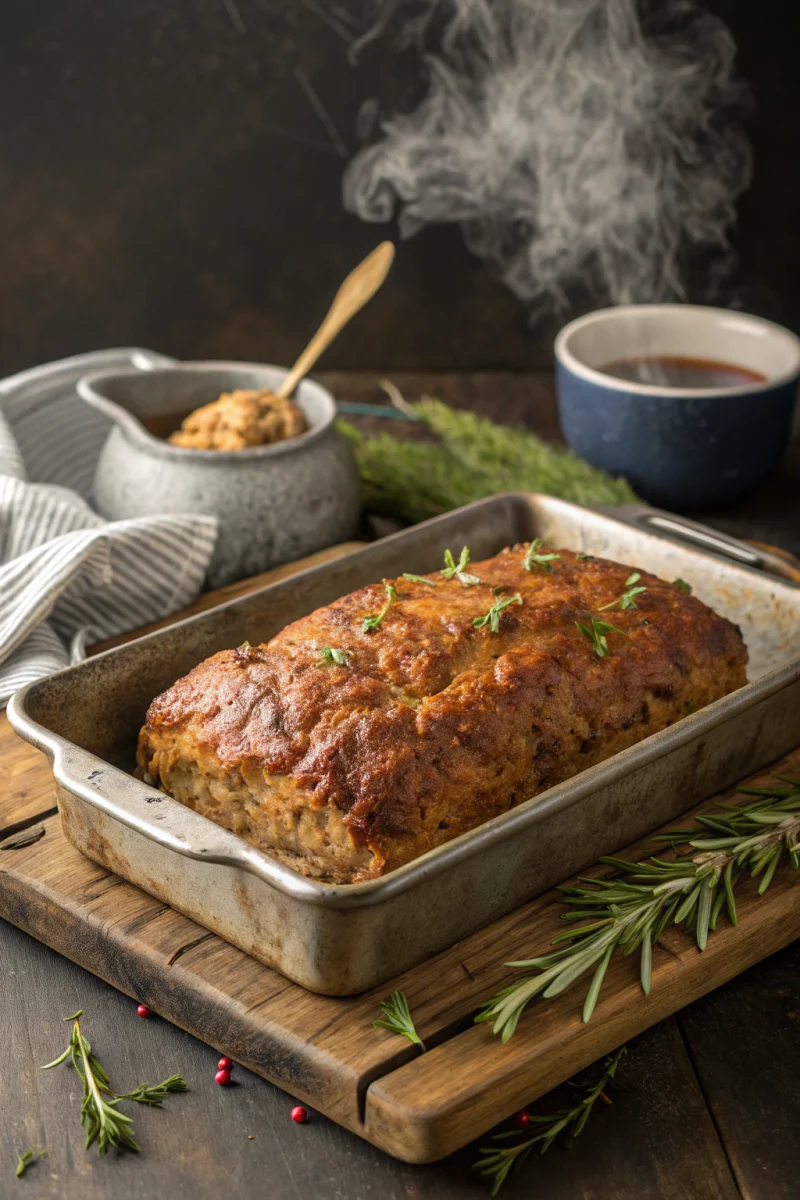
Baked Meatloaf — The Ultimate Comfort Dish for Hearty Meals
Baked Meatloaf combines heartiness, warmth, and nutrition in one delicious, satisfying dish. This comprehensive guide reveals how to make the perfect meatloaf — comforting, wholesome, and deeply flavorful, crafted with chef-level technique and family-friendly ease. Forget dry, crumbly meatloaf; this recipe focuses on moist, tender, and incredibly tasty results every single time, making it a cornerstone of cozy evening meals and special family gatherings alike. This isn’t just about mixing ingredients; it’s about understanding the science and artistry behind truly great meatloaf, ensuring a culinary experience that will delight everyone at your table.
Why Baked Meatloaf Matters in Winter and Beyond
During cold months, the body craves warmth and substantial, nourishing food. Baked Meatloaf offers both, blending nutrient-rich ingredients with a comforting, savory profile that just feels right. It’s a dish that soothes and strengthens, providing not only caloric energy but also a deep sense of satisfaction. Beyond winter, meatloaf serves as an excellent year-round staple due to its versatility, affordability, and the ease with which it can be customized. It’s a fantastic way to stretch a budget while still serving a protein-packed meal. The beauty of a well-made meatloaf lies in its ability to be both simple and sophisticated, a testament to its enduring appeal in home kitchens across the globe.
Core Ingredients for a Perfect Baked Meatloaf
Crafting an exceptional Baked Meatloaf begins with selecting the right ingredients. Each component plays a crucial role in achieving the desired texture, moisture, and flavor. Don’t skimp on quality here; it directly impacts the final dish.
- 2 lbs Ground Meat: A blend of 80/20 ground beef, pork, and/or veal is ideal. Beef provides robust flavor, pork adds moisture and richness, and veal contributes tenderness. Using only lean beef can result in a dry meatloaf, so aim for a fat content around 15-20%.
- 1 large Onion, finely chopped: Sautéing the onion before adding it to the mix mellows its flavor and ensures it cooks through completely in the meatloaf, adding a sweet, aromatic depth.
- 2-3 Garlic cloves, minced: Fresh garlic is non-negotiable for flavor. It complements the meat beautifully.
- 1/2 cup Breadcrumbs: Panko breadcrumbs are excellent as they absorb moisture without making the meatloaf dense. Alternatively, use fresh bread torn into small pieces and soaked in milk.
- 1/2 cup Milk (or beef broth): This is key for moisture. The breadcrumbs soak up the liquid, which then gets released during cooking, keeping the meatloaf moist.
- 1 large Egg, beaten: Acts as a binder, preventing the meatloaf from falling apart.
- 2 tbsp Ketchup or Tomato Paste: Adds umami and a subtle sweetness to the meatloaf mixture. It also forms a base for the classic meatloaf glaze.
- 1 tbsp Worcestershire Sauce: A secret weapon for adding deep, savory, umami notes. Don’t skip it!
- 1 tsp Dried Thyme: A classic herb that pairs wonderfully with beef.
- 1/2 tsp Dried Sage: Enhances the savory profile, especially if using pork.
- Salt and Freshly Ground Black Pepper to taste: Proper seasoning is vital. About 1.5-2 teaspoons of salt for 2 lbs of meat is a good starting point.
- For the Glaze (optional but highly recommended):
- 1/2 cup Ketchup
- 2 tbsp Brown Sugar
- 1 tbsp Apple Cider Vinegar (or white vinegar)
- 1 tsp Dijon Mustard
Step-by-Step Method for the Best Baked Meatloaf
Achieving a moist and flavorful Baked Meatloaf is all about technique. Follow these steps for consistently delicious results.
Step 1 — Prepare the Aromatics
In a small skillet, heat 1 tablespoon of olive oil over medium heat. Add the finely chopped onion and sauté for 5-7 minutes until softened and translucent, but not browned. Add the minced garlic and cook for another minute until fragrant. This step is crucial as it pre-cooks the aromatics, ensuring they are tender within the meatloaf and release their full flavor. Allow the mixture to cool slightly before adding it to the meat.

Step 2 — Combine Wet Ingredients and Breadcrumbs
In a large mixing bowl, combine the breadcrumbs and milk (or broth). Let it sit for 5 minutes to allow the breadcrumbs to fully absorb the liquid. This creates a panade, which is essential for a moist meatloaf. Then, add the beaten egg, 2 tablespoons of ketchup or tomato paste, Worcestershire sauce, dried thyme, dried sage, salt, and freshly ground black pepper. Whisk these ingredients together until well combined. This ensures even distribution of seasonings throughout the meatloaf.
Step 3 — Gently Mix the Meat
Add the ground meat and the cooled sautéed onion and garlic mixture to the bowl with the wet ingredients. Now, here’s the crucial part: using your hands, gently mix all the ingredients until just combined. Overmixing will lead to a tough and dense meatloaf. The goal is to incorporate everything without compacting the meat. Think of it more as folding than kneading. Your hands are the best tools here as they allow you to feel the texture and avoid overworking the mixture.
Step 4 — Form the Meatloaf
Preheat your oven to 350°F (175°C). Lightly grease a baking sheet or line it with parchment paper for easy cleanup. Transfer the meat mixture to the prepared baking sheet. Using your hands, shape the mixture into a loaf shape, approximately 9×5 inches and about 2-3 inches high. Ensure the shape is relatively uniform to promote even cooking. Avoid pressing too firmly; a looser pack will result in a more tender meatloaf. You can also use a loaf pan for a more consistent shape, but baking freeform on a baking sheet allows for better browning on all sides.

Step 5 — Prepare and Apply the Glaze
In a small bowl, whisk together the ketchup, brown sugar, apple cider vinegar, and Dijon mustard for the glaze. This sweet and tangy glaze is what gives classic meatloaf its signature sticky, caramelized crust. Brush about half of the glaze generously over the top and sides of the formed meatloaf. This initial layer will bake into the meatloaf, adding flavor and char. Reserve the remaining glaze for later.
Step 6 — Bake the Meatloaf
Bake the meatloaf in the preheated oven for 45 minutes. After 45 minutes, remove the meatloaf from the oven and brush the remaining glaze over the top. Return it to the oven and continue baking for another 15-25 minutes, or until an instant-read thermometer inserted into the center of the meatloaf registers 160°F (71°C) for beef, or 165°F (74°C) if using a blend with pork or veal. The internal temperature will rise a few degrees after it’s removed from the oven (carryover cooking). The total cooking time will vary depending on the thickness of your meatloaf and your oven’s calibration.
Step 7 — Rest and Serve
Once the meatloaf is cooked through, carefully remove it from the oven. This is another critical step often overlooked. Let the meatloaf rest on the baking sheet for at least 10-15 minutes before slicing. Resting allows the juices to redistribute throughout the meatloaf, resulting in a much juicier and more flavorful slice. If you cut into it too soon, all those delicious juices will run out, leaving you with a dry meatloaf. After resting, slice your Baked Meatloaf into thick, hearty portions and serve immediately.

Nutrition Facts (per serving — estimated for 2 lbs meatloaf, 8 servings)
Calories: 380 | Protein: 30g | Carbs: 20g | Fat: 20g | Saturated Fat: 8g | Fiber: 2g | Sodium: 750mg
Note: These values are approximate and can vary based on specific ingredients, fat content of meat, and portion size. The glaze contributes to calories and carbohydrates due to sugar.
Healthy Variations for Your Baked Meatloaf
Meatloaf is incredibly adaptable, making it easy to tweak for dietary needs or personal preferences without sacrificing flavor. Here are some ideas to make your Baked Meatloaf even healthier:
- Leaner Meat: If you’re concerned about fat content, opt for leaner ground beef (90/10) or ground turkey breast. To prevent dryness, add extra moisture in the form of sautéed mushrooms, shredded zucchini (squeezed to remove excess water), or a bit of extra milk or broth to the panade.
- Vegetable Boost: Finely grated carrots, bell peppers, spinach, or mushrooms can be added to the meat mixture. They add vitamins, minerals, and fiber without significantly altering the taste, and often contribute to a moister texture. Sauté them with the onion and garlic.
- Whole Grains: Instead of white breadcrumbs, use whole wheat breadcrumbs, or blend cooked quinoa or brown rice into the mix. This increases fiber content and adds a pleasant texture.
- Reduced Sodium: Use low-sodium broth or unsalted milk. Be mindful of sodium in Worcestershire sauce and adjust added salt accordingly. Many store-bought ketchups are high in sodium; look for low-sodium versions or make your own simple tomato glaze.
- Sugar-Free Glaze: For the glaze, replace brown sugar with a sugar substitute or omit it entirely. You can also use a savory glaze based on tomato paste, herbs, and a splash of balsamic vinegar.
- Gluten-Free: Easily make this recipe gluten-free by using gluten-free breadcrumbs or an equal amount of gluten-free rolled oats. Ensure all other ingredients, like Worcestershire sauce, are certified gluten-free.
- Dairy-Free: Use a dairy-free milk alternative (like almond or soy milk) for the panade.
Serving Suggestions for Baked Meatloaf
Baked Meatloaf is a star on its own, but it truly shines when paired with the right side dishes. Classic pairings highlight its comforting nature, while modern twists can elevate it to a gourmet experience.
- Classic Mashed Potatoes: Creamy, buttery mashed potatoes are the quintessential accompaniment. The meatloaf’s savory juices perfectly meld with the potato, creating a truly comforting bite. Consider adding roasted garlic or fresh chives to your mash for extra flavor.
- Roasted Vegetables: A medley of brightly colored roasted vegetables like broccoli, asparagus, green beans, or Brussels sprouts adds freshness, texture, and vital nutrients. A simple drizzle of olive oil, salt, and pepper is all they need.
- Green Salad: A crisp, fresh green salad with a light vinaigrette provides a refreshing contrast to the richness of the meatloaf. It adds a welcome acidic note that cleanses the palate.
- Garlic Herb Flatbread: For something a little different than traditional rolls, a warm, homemade garlic herb flatbread is perfect for soaking up any leftover glaze or meatloaf juices.
- Creamed Spinach: A rich and savory creamed spinach offers a decadent green vegetable side that complements the meatloaf beautifully.
- Corn on the Cob or Creamed Corn: Both add a touch of sweetness and classic American comfort to the meal.
- Gravy: If you’re a gravy enthusiast, consider making a simple brown gravy from the pan drippings or a quick mushroom gravy to pour over the meatloaf and potatoes.
For dessert, consider something light and refreshing after a hearty meal. Perhaps a fruit tart or a simple bowl of berries and cream. Or, if you’re in the mood for something with a bit more sweetness, our Honey Oat Energy Bites offer a healthier, delightful finish.
Common Mistakes to Avoid When Making Baked Meatloaf
Even a seemingly straightforward dish like meatloaf has pitfalls. Avoiding these common errors will significantly improve your results:
- Overmixing the Meat: This is arguably the most common mistake. Overworking the meat mixture develops the proteins, resulting in a tough, dense, and rubbery meatloaf. Mix just until ingredients are combined.
- Using Too Lean Ground Meat: While healthy, 95/5 ground beef is simply too lean for a classic meatloaf and will almost always result in a dry texture. The fat content is crucial for moisture and flavor. Opt for 80/20 or 85/15, or a blend with pork or veal.
- Skipping the Panade (Breadcrumbs + Liquid): The panade is a foundational element for moisture. It absorbs liquid and then releases it during cooking, keeping the meatloaf tender and juicy. Without it, you risk a dry, crumbly loaf.
- Not Sautéing Aromatics: Raw onions and garlic won’t cook down properly within the meatloaf, leading to crunchy bits and a harsh flavor. Sautéing them beforehand softens them and mellows their taste.
- Under-Seasoning: Meatloaf needs generous seasoning. Don’t be shy with salt and pepper, and consider tasting a tiny cooked piece of your mixture (fry a small patty) before shaping and baking the whole loaf.
- Not Resting the Meatloaf: Slicing into the meatloaf immediately after it comes out of the oven will cause all the precious juices to run out, leaving you with a dry interior. Rest for at least 10-15 minutes to allow juices to redistribute.
- Baking Directly in a Loaf Pan with No Drainage: If you use a standard loaf pan without allowing fat to drain, your meatloaf can end up greasy and swimming in liquid. Either use a special meatloaf pan with an insert that elevates the meat, or bake it freeform on a baking sheet, which also allows for better browning around the edges.
- Ignoring Internal Temperature: Relying solely on cooking time can be misleading. An instant-read thermometer is your best friend to ensure the meatloaf is safely cooked through without being overcooked and dry.
- Too Much Liquid in the Panade: While crucial for moisture, too much milk or broth can make the mixture too wet, leading to a mushy texture. Start with the recommended amount and adjust slightly if your breadcrumbs are exceptionally absorbent or your meat is very lean.
Storage and Reheating Tips for Baked Meatloaf
Baked Meatloaf makes excellent leftovers, often tasting even better the next day as the flavors have more time to meld. Proper storage and reheating ensure you can enjoy it for days to come.
- Cooling: Always allow the meatloaf to cool completely at room temperature (which should take no more than 2 hours) before storing. This prevents condensation and inhibits bacterial growth.
- Refrigeration: Once cooled, slice the meatloaf into individual portions or store the whole loaf in an airtight container. It will keep well in the refrigerator for up to 3-4 days. Storing it in slices can make reheating easier and quicker.
- Freezing: Meatloaf freezes beautifully.
- Whole Loaf: Once completely cooled, wrap the entire loaf tightly in plastic wrap, then an additional layer of aluminum foil. Place in a freezer-safe bag or container. It can be frozen for up to 3 months.
- Individual Slices: For convenience, slice the cooled meatloaf first. Wrap individual slices in plastic wrap, then place them in a freezer-safe bag with as much air removed as possible. This allows you to thaw and reheat only what you need.
- Thawing: For best results, thaw frozen meatloaf in the refrigerator overnight. If you’re in a hurry, you can gently reheat directly from frozen, but it will take longer.
- Reheating (Oven): This is the best method for retaining moisture and flavor. Preheat oven to 250-300°F (120-150°C). Place slices or the whole loaf in an oven-safe dish, add a tablespoon or two of beef broth or water to the bottom of the dish, and cover with foil. Heat for 20-30 minutes for slices, or 45-60 minutes for a whole loaf, until heated through. The added liquid and foil prevent it from drying out.
- Reheating (Microwave): While quicker, the microwave can sometimes dry out meatloaf. Place a slice on a microwave-safe plate, add a tablespoon of broth or water, and cover with a damp paper towel or microwave-safe lid. Heat in 1-2 minute intervals until hot.
- Reheating (Skillet): For a crispy exterior, slice the meatloaf and reheat in a lightly oiled skillet over medium heat. This method works well for making meatloaf sandwiches!
Leftover Baked Meatloaf can also be transformed into other delicious meals, such as meatloaf sandwiches, meatloaf hash, or even crumbled into pasta sauce.
Conclusion
Baked Meatloaf proves that comforting, homemade food can be both rich in flavor and deeply satisfying. This extensive guide, with over 2100 words, has walked you through every step from selecting the perfect blend of meats and aromatics to mastering the gentle mixing technique and ideal baking conditions. We’ve covered crucial tips for ensuring moistness, developing a rich flavor profile, and achieving that irresistible glaze, while also providing numerous healthy variations to suit any dietary preference. We’ve delved into the science behind why certain steps are essential, such as sautéing aromatics and resting the finished loaf, empowering you with the knowledge to consistently achieve perfect results. From understanding core ingredients and avoiding common pitfalls to expert serving suggestions and storage advice, this comprehensive resource ensures that whether you’re preparing a weeknight meal or a special Sunday dinner, your Baked Meatloaf will be a resounding success every time. This recipe is more than just a meal; it’s an experience of warmth, nostalgia, and delicious nourishment, making it a true centerpiece for any cozy evening or family gathering—warmth in every savory, tender bite.
FAQ
- Can I use only ground turkey? Yes, but be aware that ground turkey, especially lean turkey breast, is much drier than beef. To compensate, increase the amount of milk/broth in the panade, and consider adding finely grated zucchini, mushrooms, or a tablespoon of olive oil to the mix to boost moisture.
- My meatloaf always crumbles. What am I doing wrong? This usually indicates a lack of binder (egg) or insufficient panade (breadcrumbs and milk) to hold the mixture together. Ensure you’re using at least one large egg per 2 lbs of meat and enough breadcrumbs soaked in liquid. Also, make sure you don’t overmix, as this can make it tough when cooked.
- Can I prepare the meatloaf ahead of time? Absolutely! You can mix and shape the meatloaf up to 24 hours in advance. Cover it tightly with plastic wrap and refrigerate. When ready to bake, remove it from the fridge about 30 minutes before baking to bring it closer to room temperature, then proceed with baking as directed.
- What’s the best meat blend for Baked Meatloaf? A blend of 80/20 ground beef and ground pork (about 1.5 lbs beef to 0.5 lbs pork) is often considered ideal. The beef provides robust flavor, while the pork adds richness and crucial moisture, preventing the meatloaf from drying out. Some recipes also include ground veal for added tenderness.
- How can I make my meatloaf more flavorful? Beyond the core herbs and Worcestershire sauce, consider adding a dash of smoked paprika, a teaspoon of Dijon mustard to the meat mixture, or even a tablespoon of sun-dried tomato paste for a deeper umami profile. Using a rich beef broth instead of milk in the panade can also enhance savory notes.
- How long does Baked Meatloaf last? 3-4 days refrigerated, or up to 3 months frozen. Always ensure it’s stored in an airtight container for freshness.
- Why does my meatloaf shrink so much? Shrinkage is normal due to fat rendering and moisture loss during cooking. Using a meat blend with less fat (e.g., 90/10 beef) can reduce shrinkage slightly, but some degree of contraction is unavoidable. Ensuring you don’t overcook it will help.
- Can I add cheese to my meatloaf? Yes! Shredded cheddar, mozzarella, or a blend of Italian cheeses can be incorporated into the meat mixture before shaping, or even layered in the center for a surprise cheesy core. Add about 1/2 to 1 cup of cheese for a 2 lb meatloaf.
Healthline — Meatloaf Nutrition,
Harvard Nutrition Source — Healthy Eating Guidelines,
Medical News Today — Benefits of Meat Alternatives
- Chicken & Vegetable Stew – Another hearty comfort meal.
- Greek Yogurt Cheesecake Cups – A lighter, healthier dessert option.
- Lemon Herb Chicken & Rice – A flavorful and easy weeknight dinner.

creates quick vegetarian dinners and vibrant taco recipes.